 Delhi Chokes On Diwali: AQI in 'very poor' category, smog envelops capital, Jahangirpuri worst at 464
 Ramayana box office collection day 4: Ranbir Kapoor, Yash film mints Rs 500 crore in opening weekend
 Egypt Train Accident: 4 dead, 90 injured after 2 trains collide near Cairo, carriages derailed
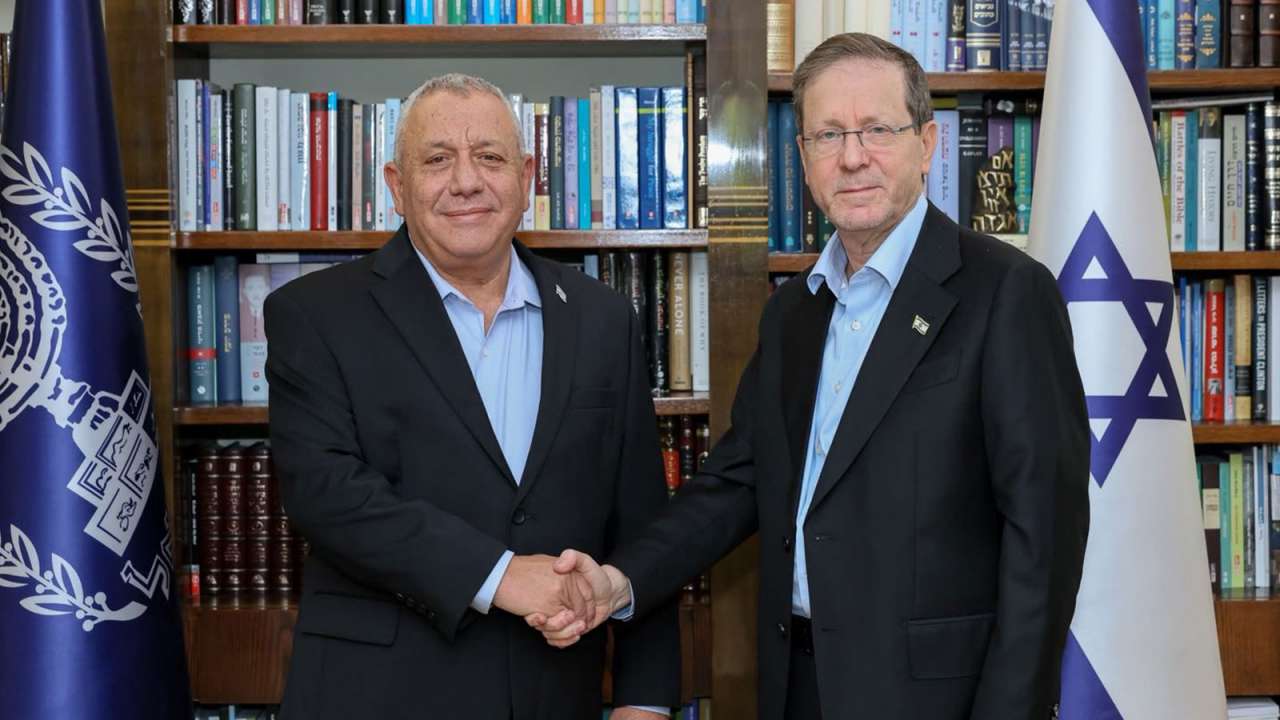 End Of Netanyahu Era? Ex-Army Chief Gadi Eisenkot gets mandate to form Israel govt
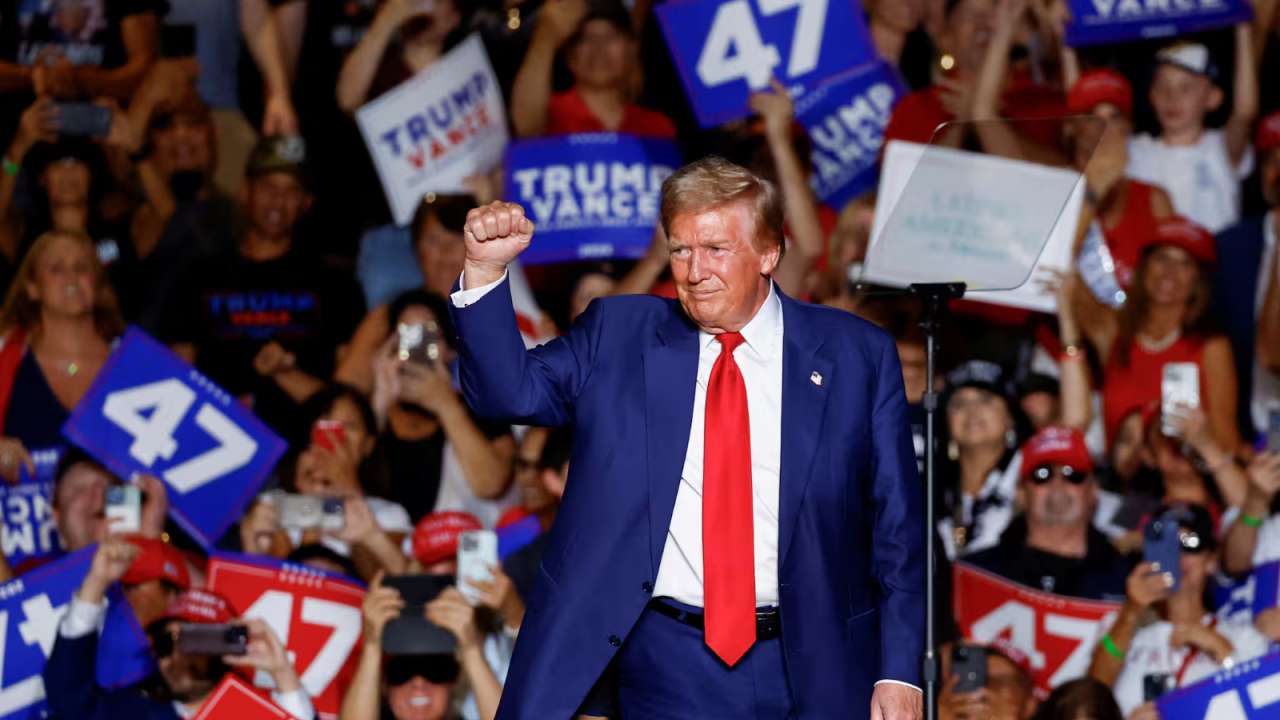 'Giant Step Back In History': Donald Trump calls midterm results setback after Democrats sweep CongressDelhi Chokes On Diwali: AQI in 'very poor' category, smog envelops capital, Jahangirpuri worst at 464
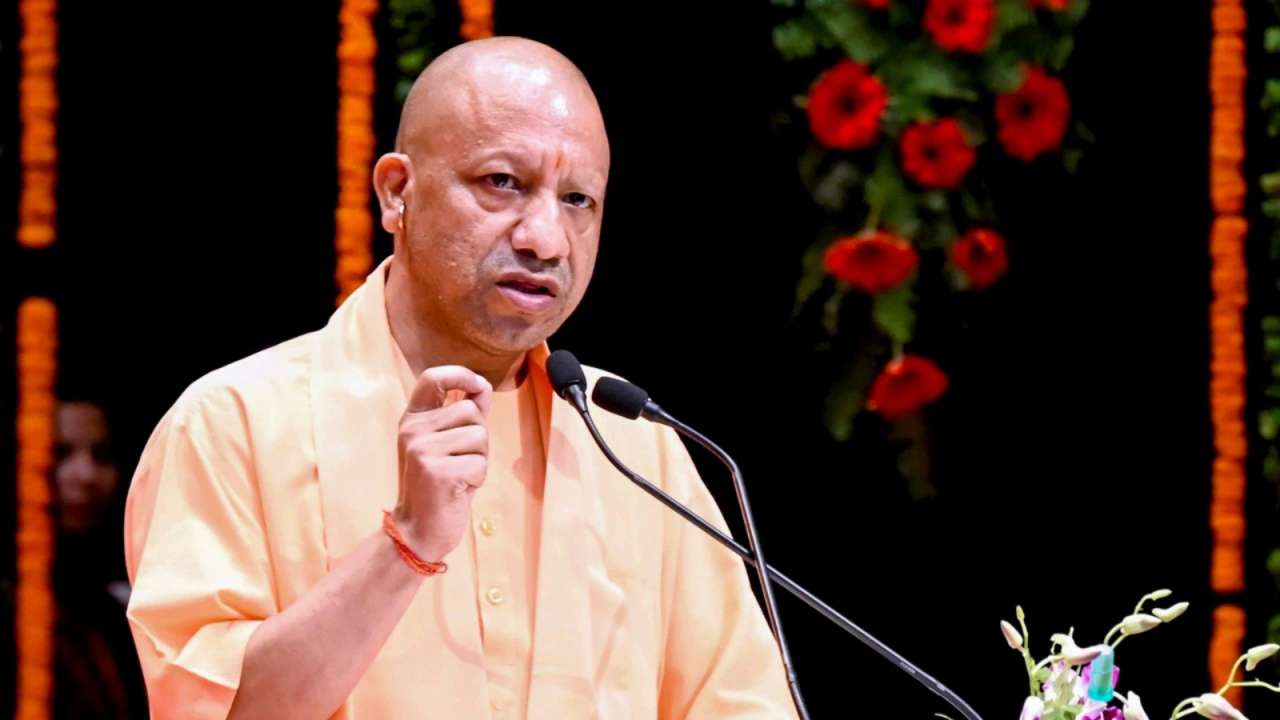 'No Place In UP': Yogi Adityanath hits back at Owaisi's 'Abdul will win in UP' remark
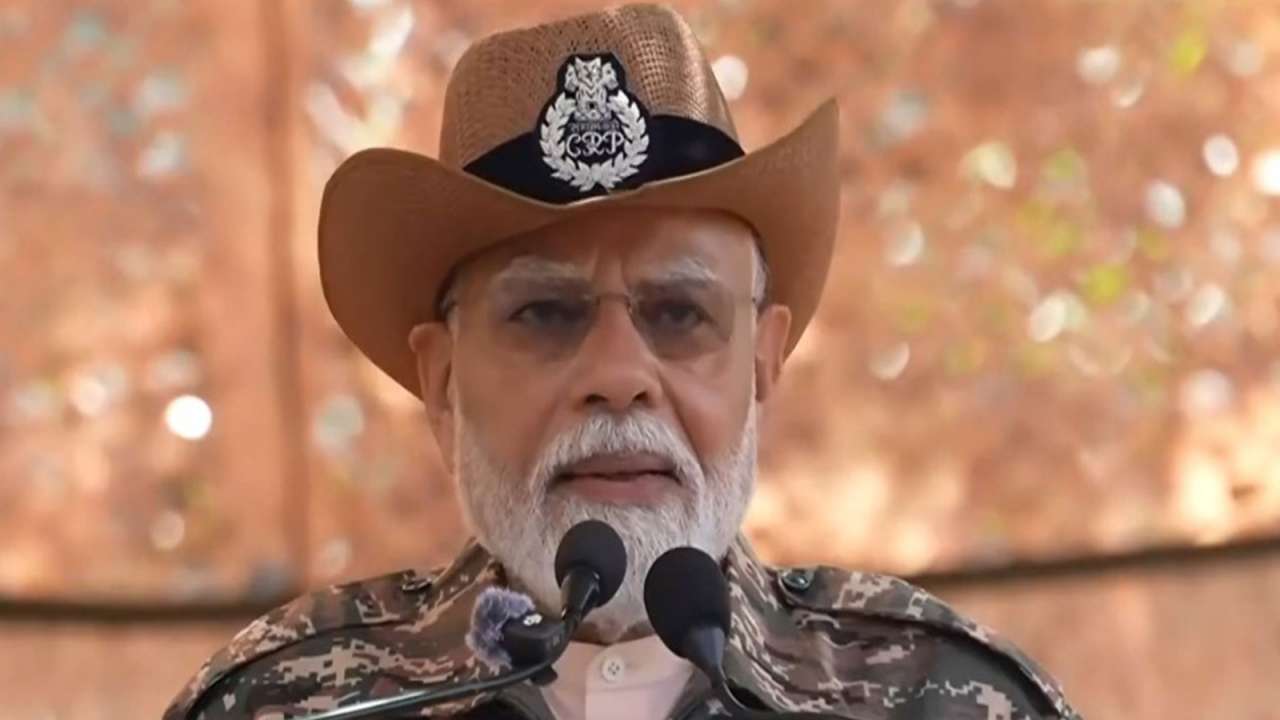 PM Modi joins jawans in Bastar, says, 'First Diwali when India is free from Naxalism'
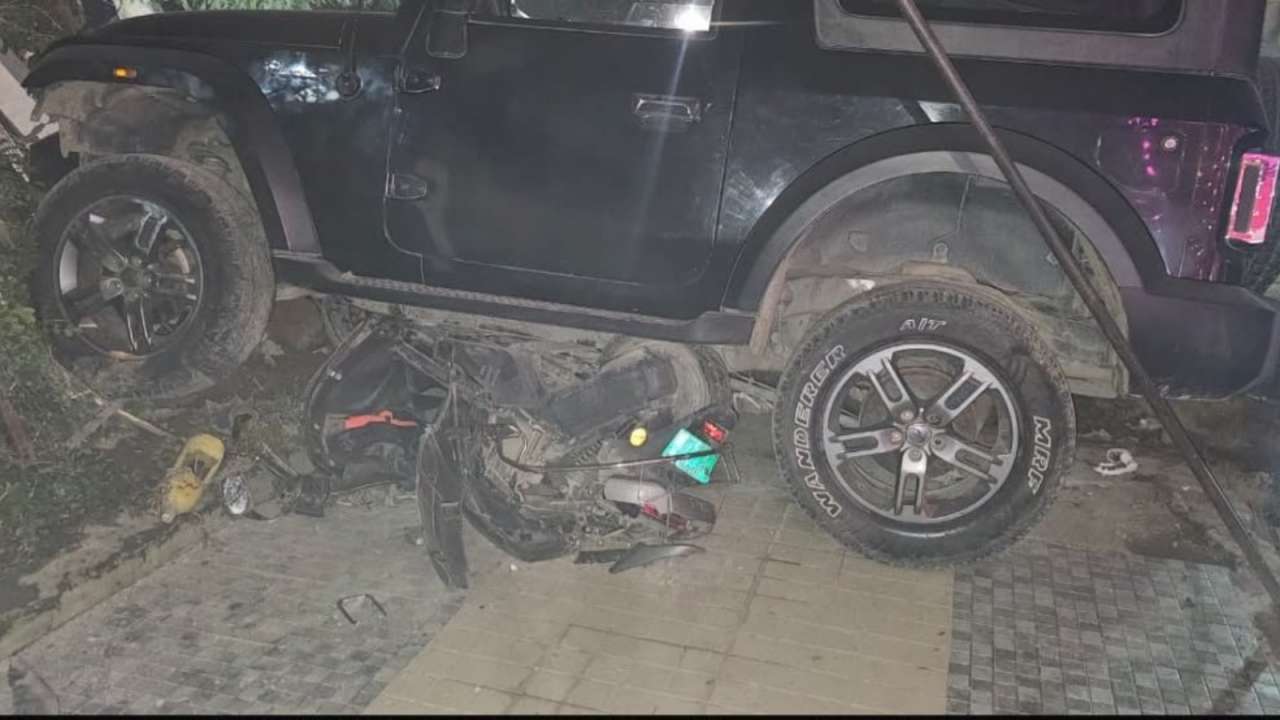 Kanpur woman learner driver rams Thar into scooter, kills man on Diwali eve, flees
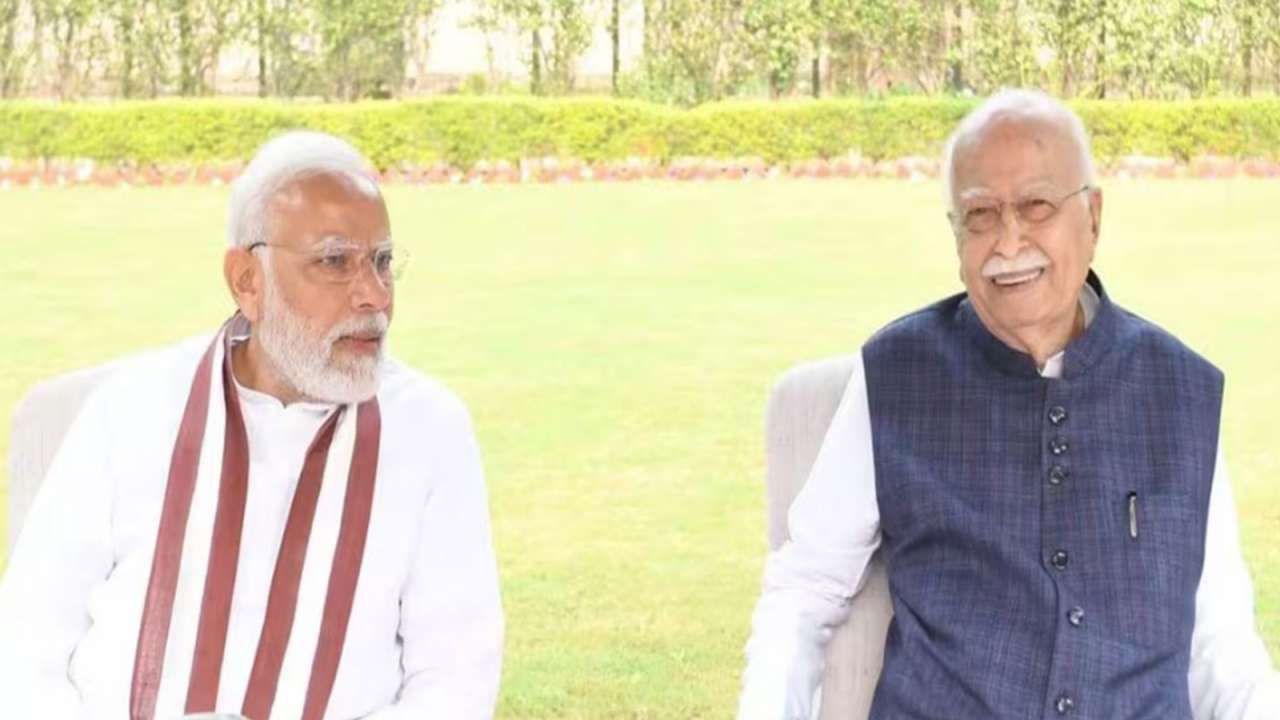 PM Modi credits LK Advani for shaping BJP over decades as he turns 100Egypt Train Accident: 4 dead, 90 injured after 2 trains collide near Cairo, carriages derailedEnd Of Netanyahu Era? Ex-Army Chief Gadi Eisenkot gets mandate to form Israel govt'Giant Step Back In History': Donald Trump calls midterm results setback after Democrats sweep Congress
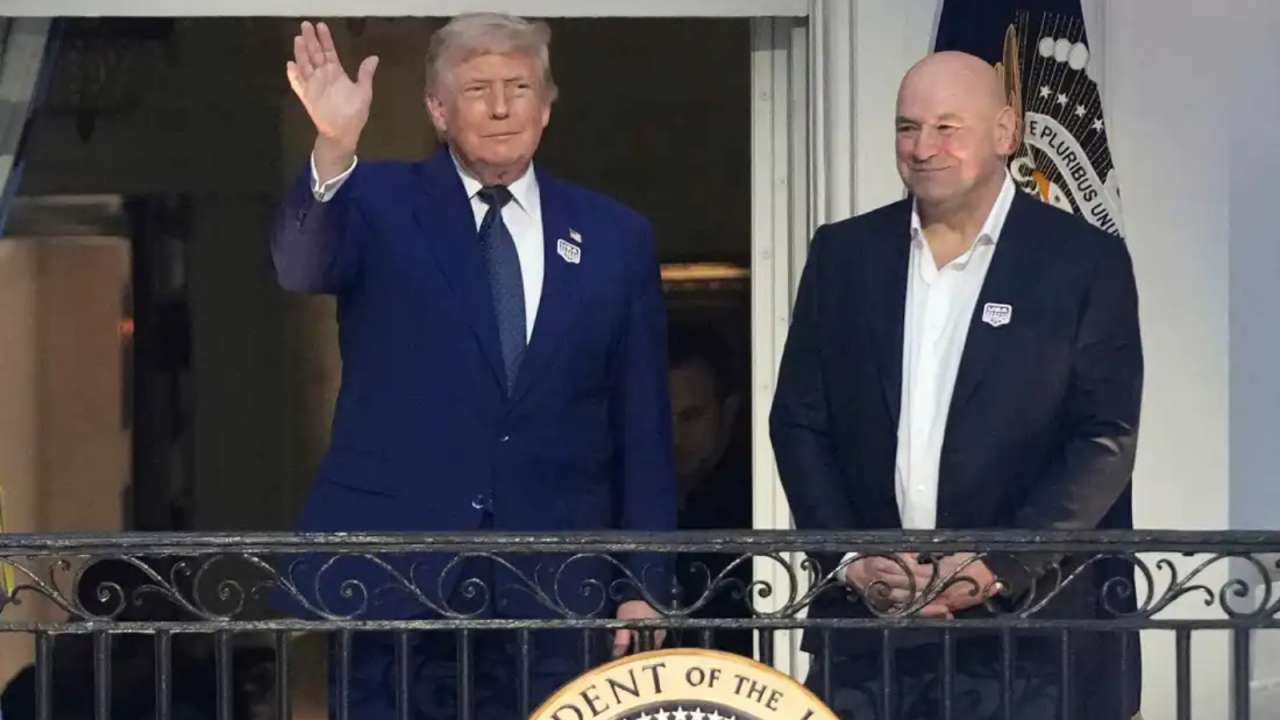 Will Dana White Become White House Press Secretary? UFC Chief to meet Donald Trump
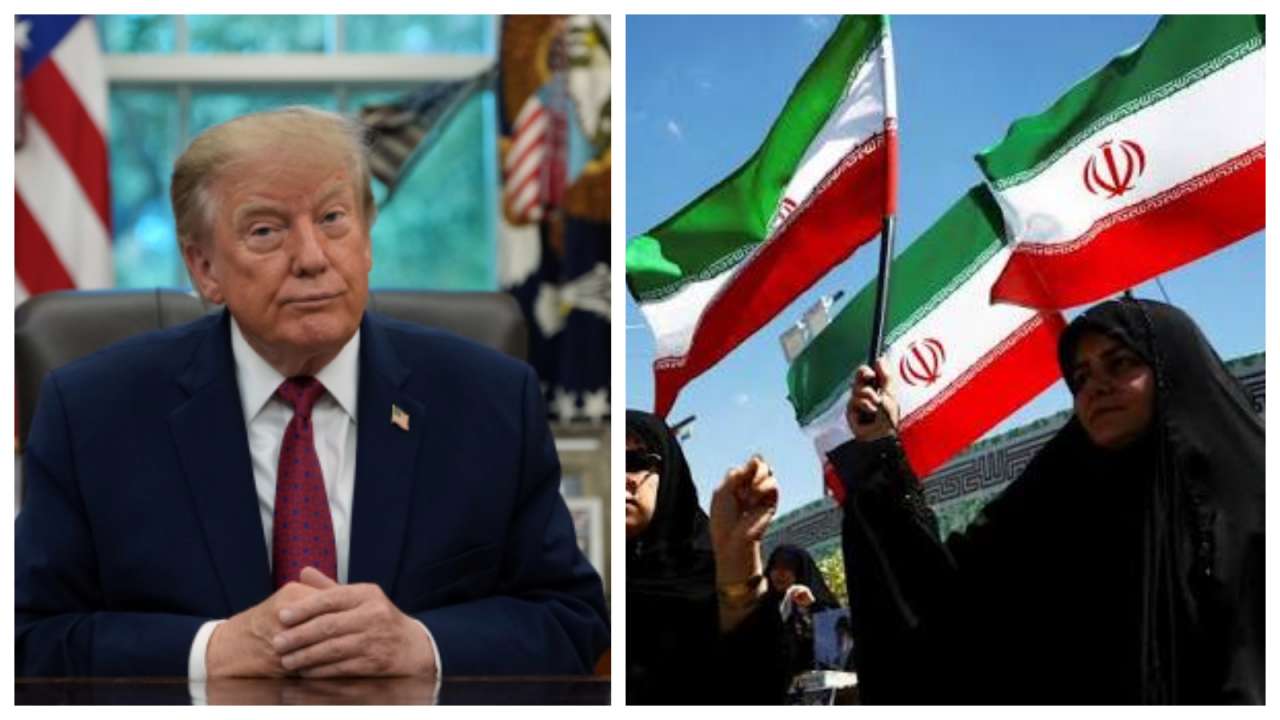 US Military to create 20-member task force to disrupt land routes into Iran, expand blockade beyond ports
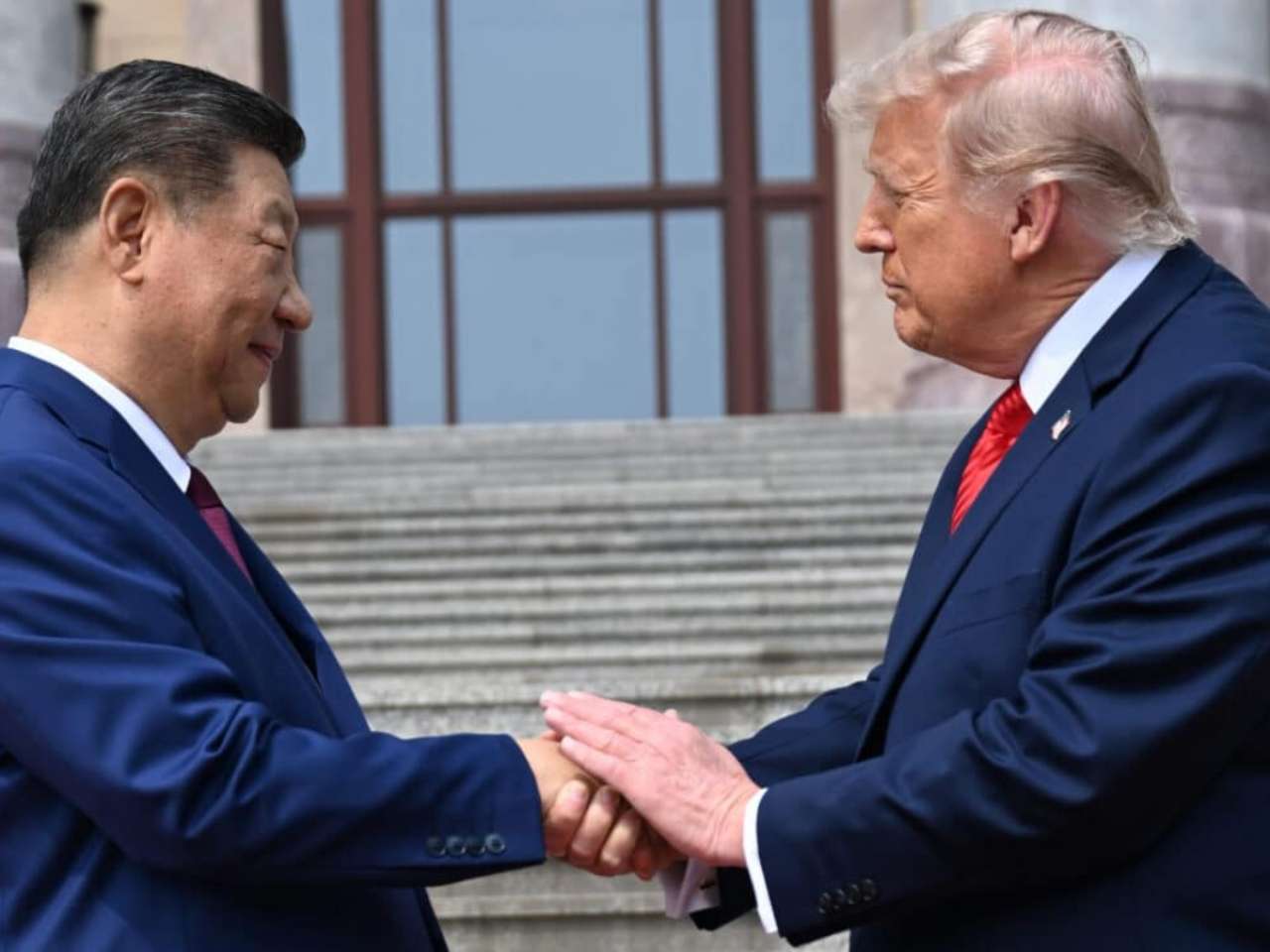 New Yalta After US Midterm? China plans Trump-Putin talks as Ukraine raises alarm over being left out
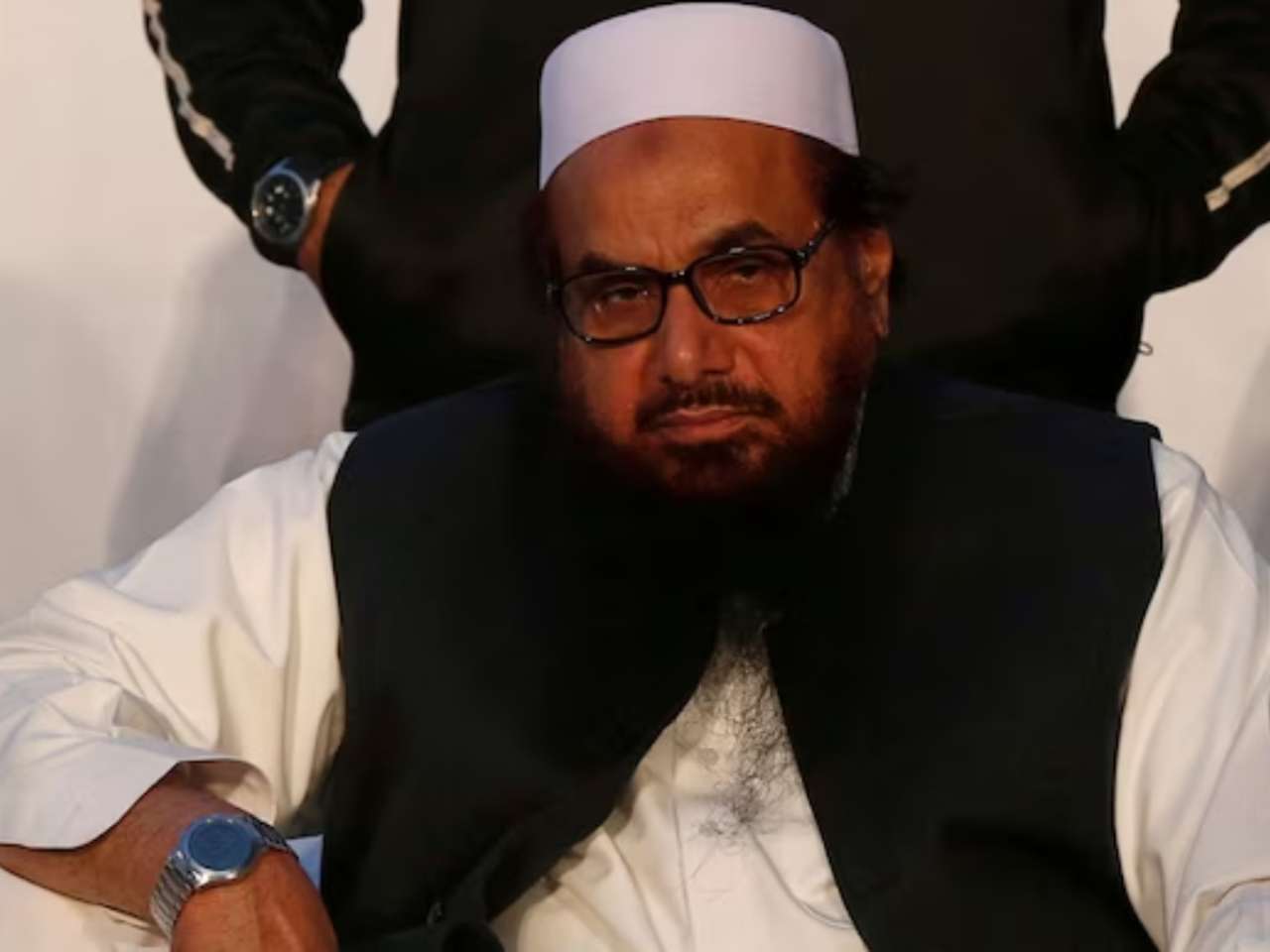 New 26/11 Threat? Is Hafiz Saeed's LeT getting maritime training near Karachi to target India?
 Gold Hits Rs 1.46 Lakh Per 10 Grams On Dhanteras: Check 18K, 22K and 24K gold rates in Delhi, Mumbai, Chennai, Kolkata
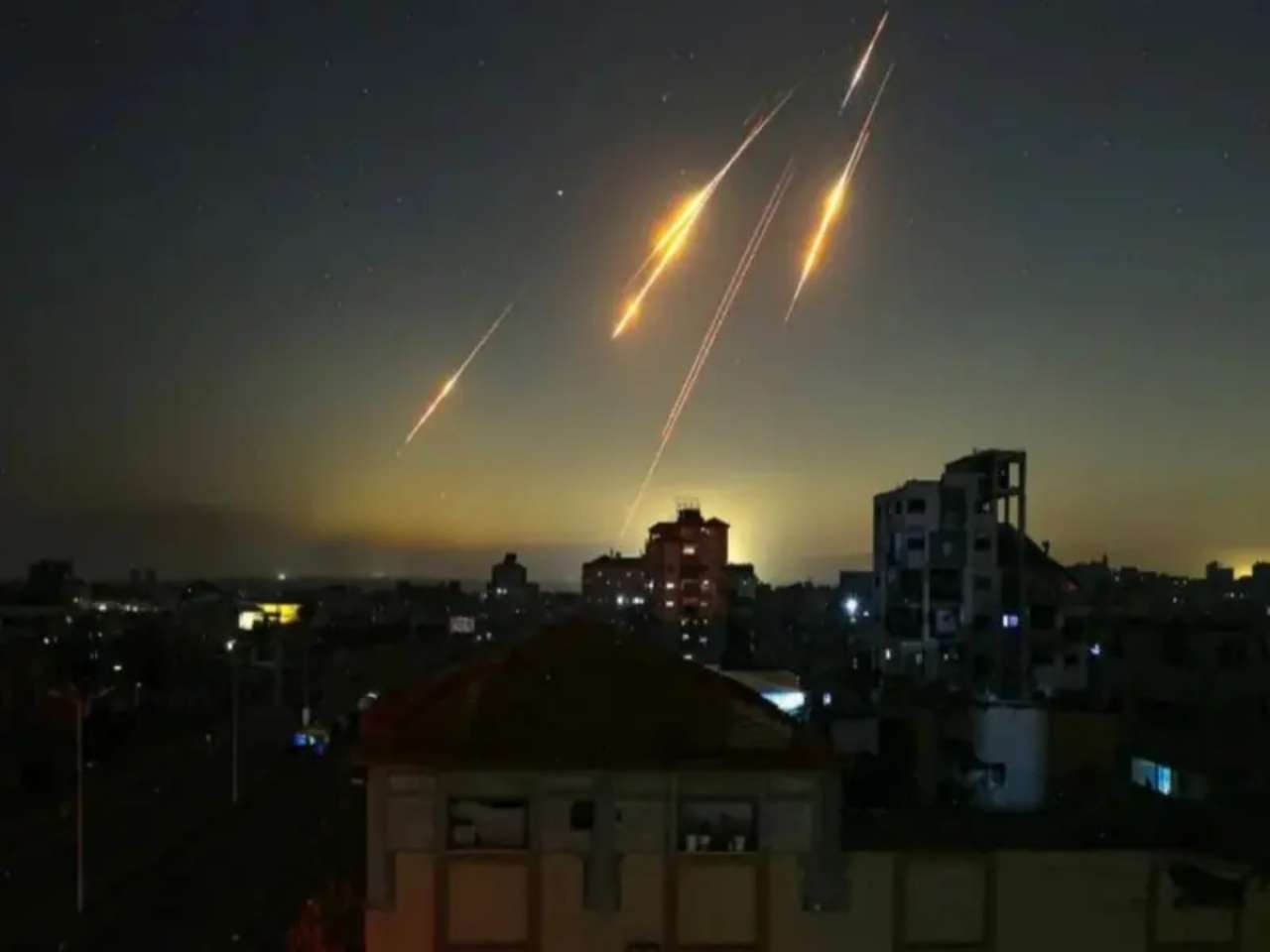 Trump humiliated in US midterms, planning fresh attack on Iran? Pentagon, Israel reportedly prepare for new strikes
 Trump's midterm defeat could shake up AI: Why Democrats' victory may impact Nvidia, data centres, India's $105 billion opportunityRamayana box office collection day 4: Ranbir Kapoor, Yash film mints Rs 500 crore in opening weekend
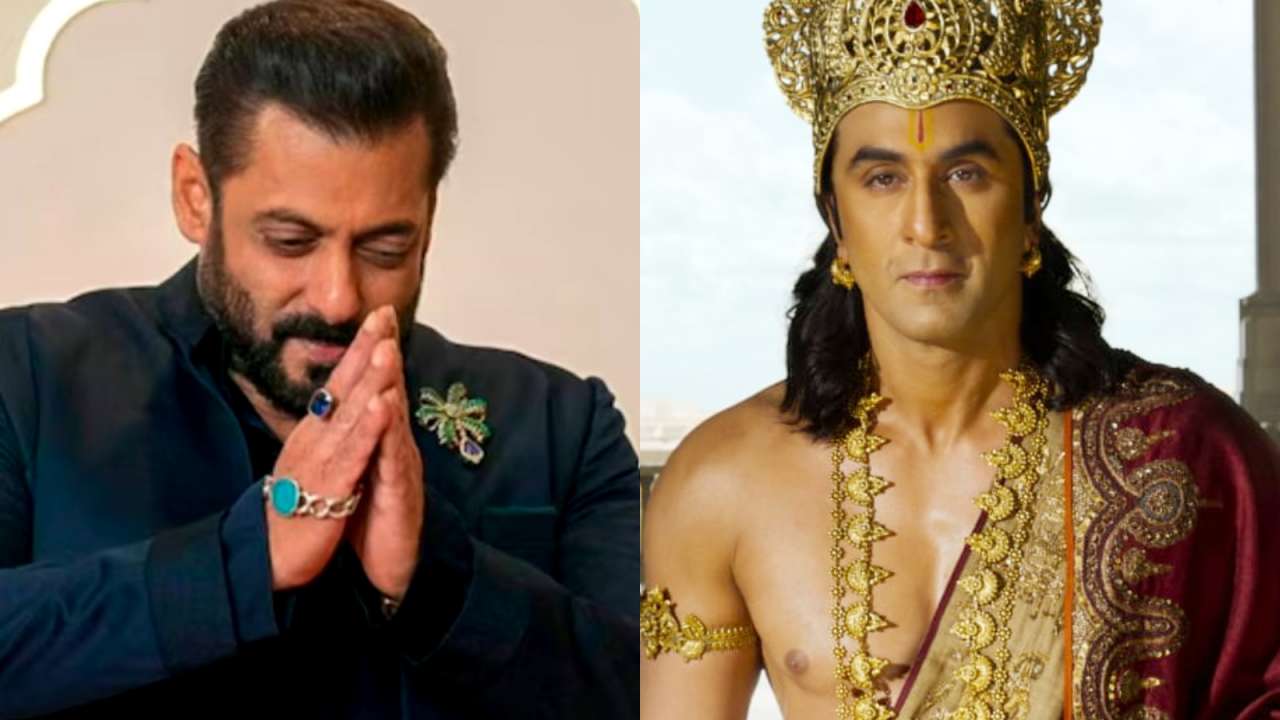 Salman Khan defends Ramayana against Rs 4000 budget narrative, VFX criticism: 'Focus should be on Rama, Ravana, Sita'
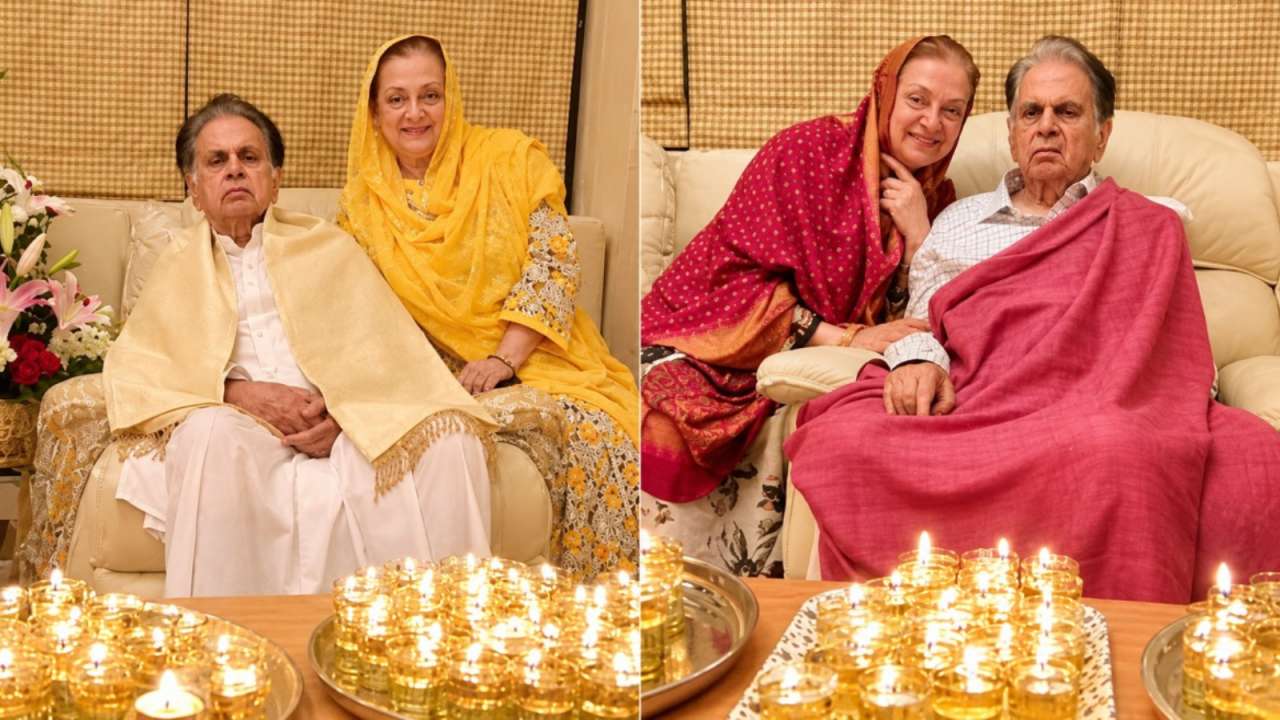 Saira Banu recalls annual Diwali photo tradition with Dilip Kumar, shares emotional memories of celebrating festival together
 Vicky Kaushal, Katrina Kaif share first photo of son Vihaan on their 'brightest Diwali yet'
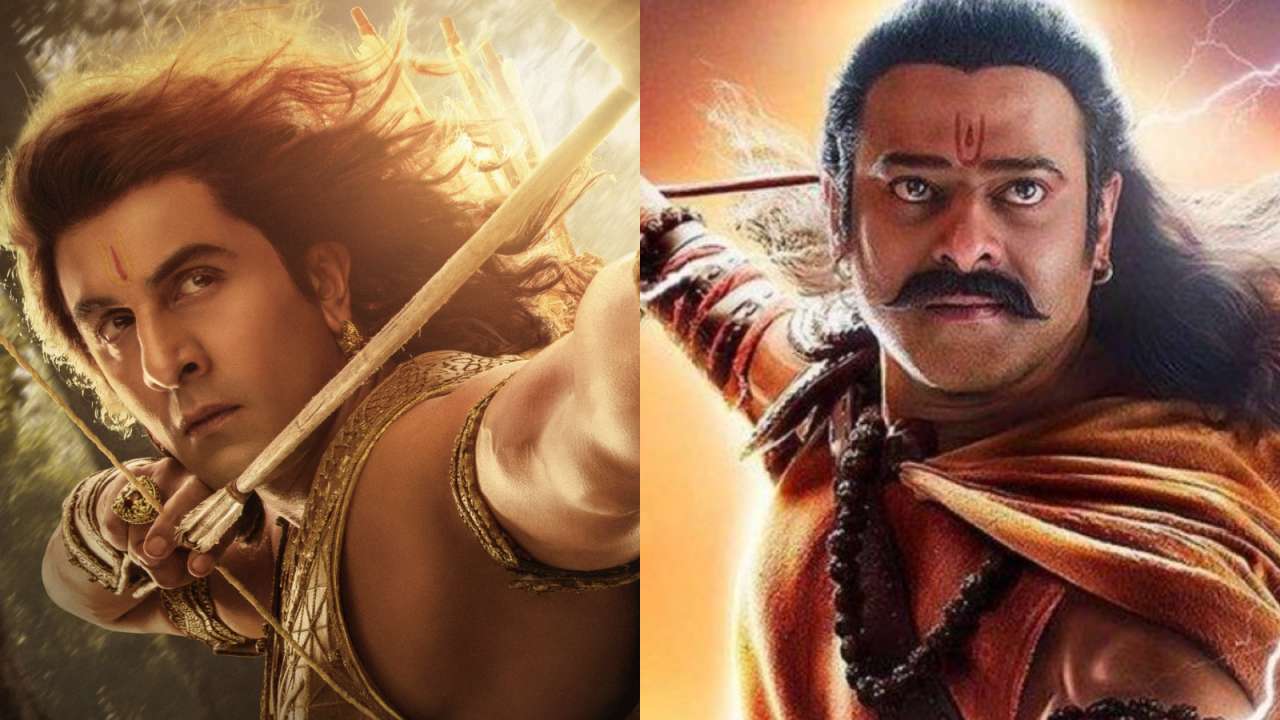 Ramayana box office collection: Ranbir Kapoor, Yash film crosses lifetime earnings of Adipurush in four days
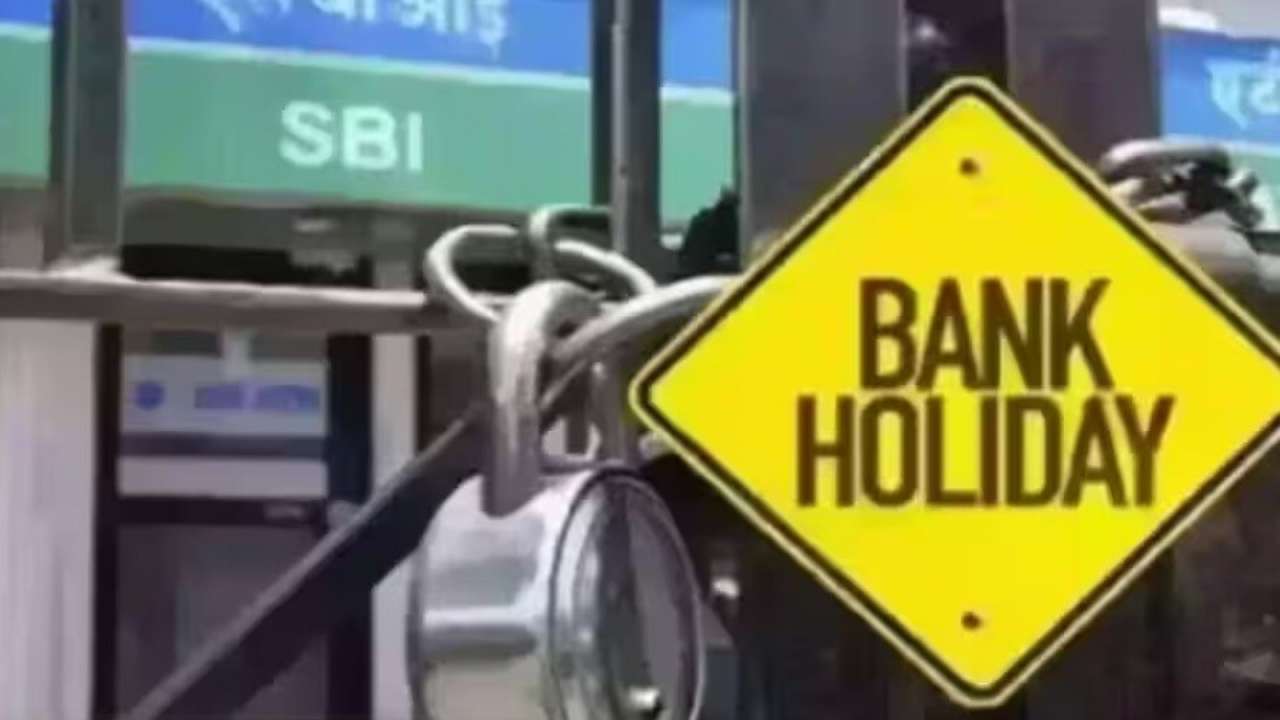 Dhanteras 2026: Are banks open or closed on November 6? Check RBI holiday list
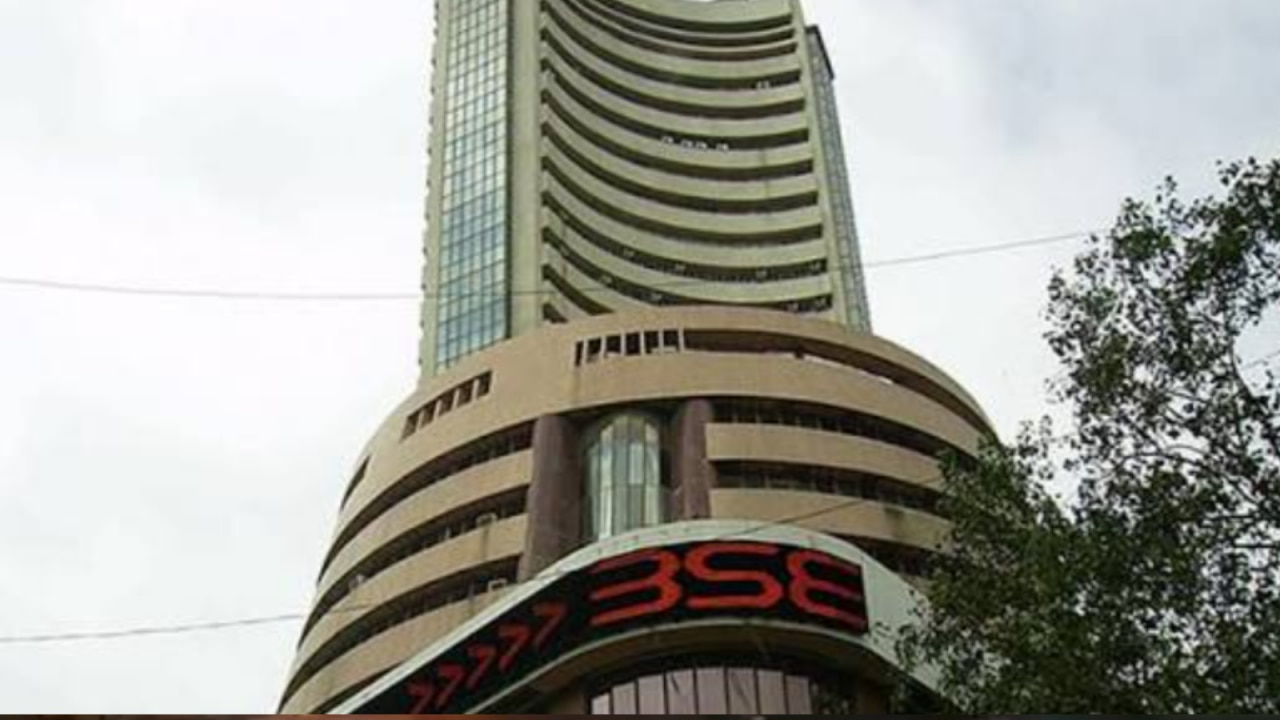 Why did Sensex surge over 2,000 points, Nifty rally 576 points today?
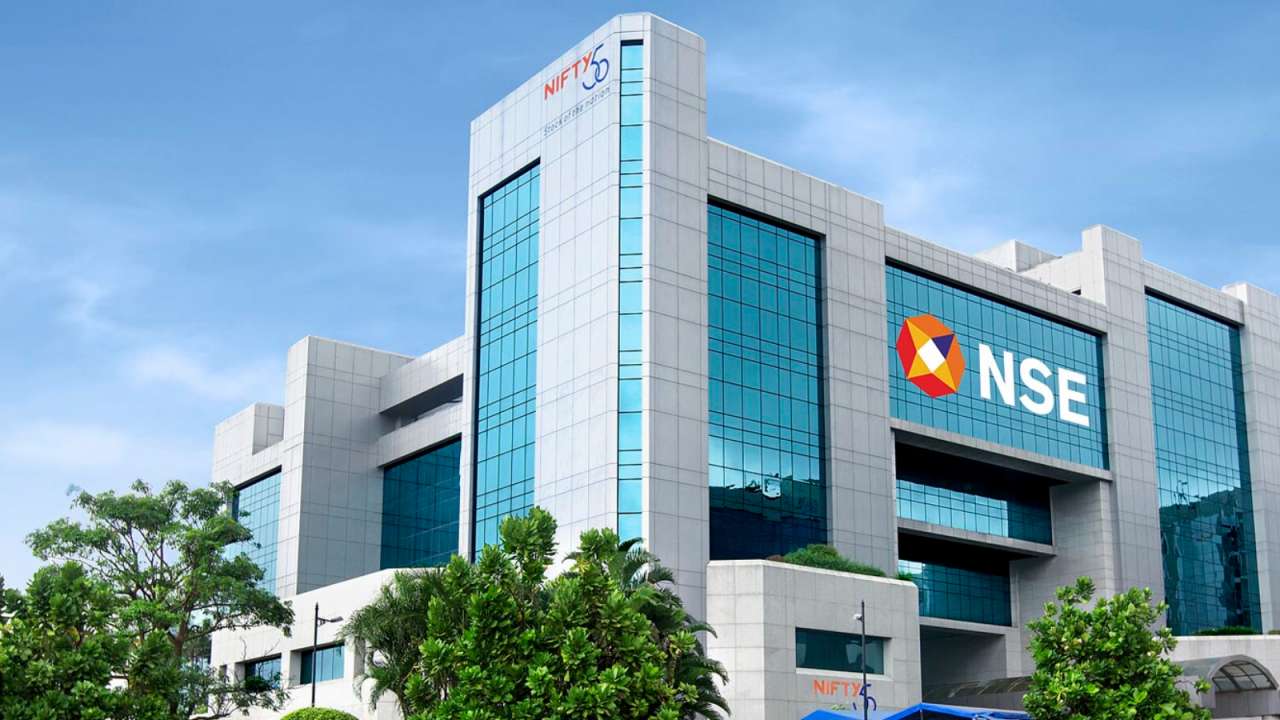 Diwali Muhurat Trading 2026: What investors need to know about date, timings and settlement
 Gold, Silver prices today, November 5, 2026: Check city-wise rates in Delhi, Mumbai, Chennai, Kolkata and more
 Gold, Silver prices today, November 4, 2026: Check city-wise rates in Delhi, Mumbai, Chennai, Kolkata and more
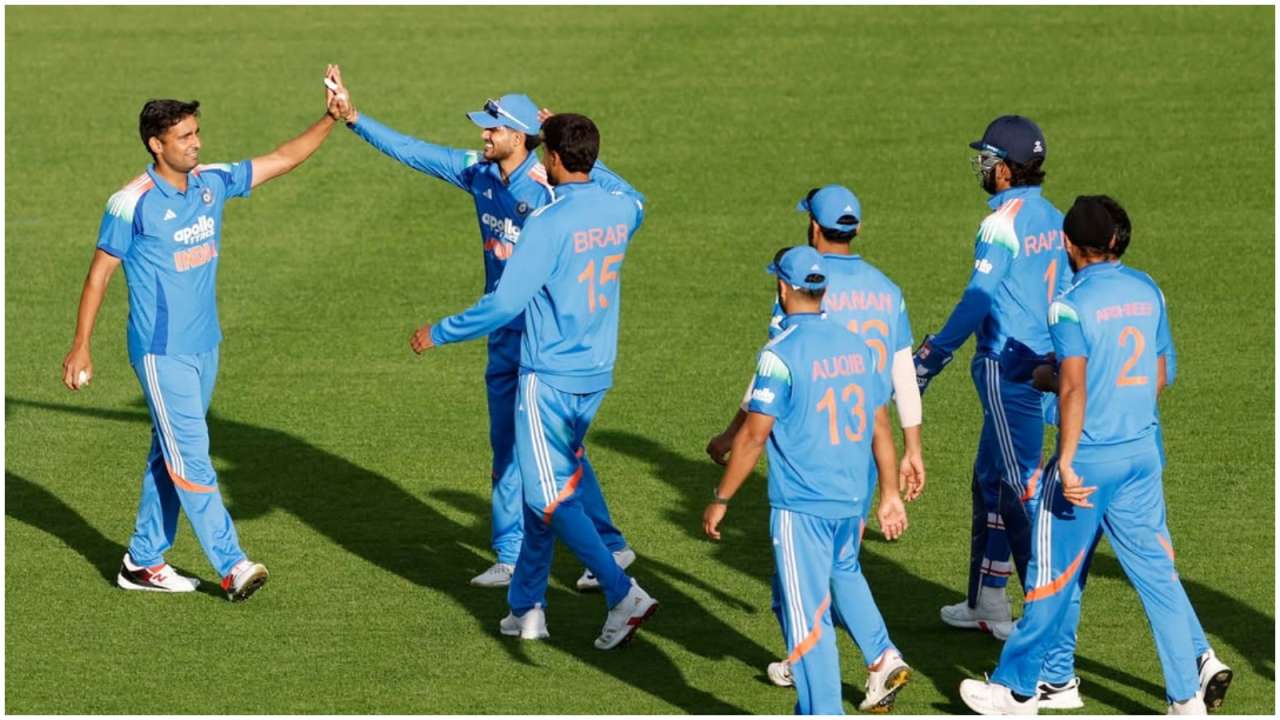 IND vs NZ, 2nd ODI Highlights: From Brar's four-wicket haul to rain drama, how India edged past Kiwis
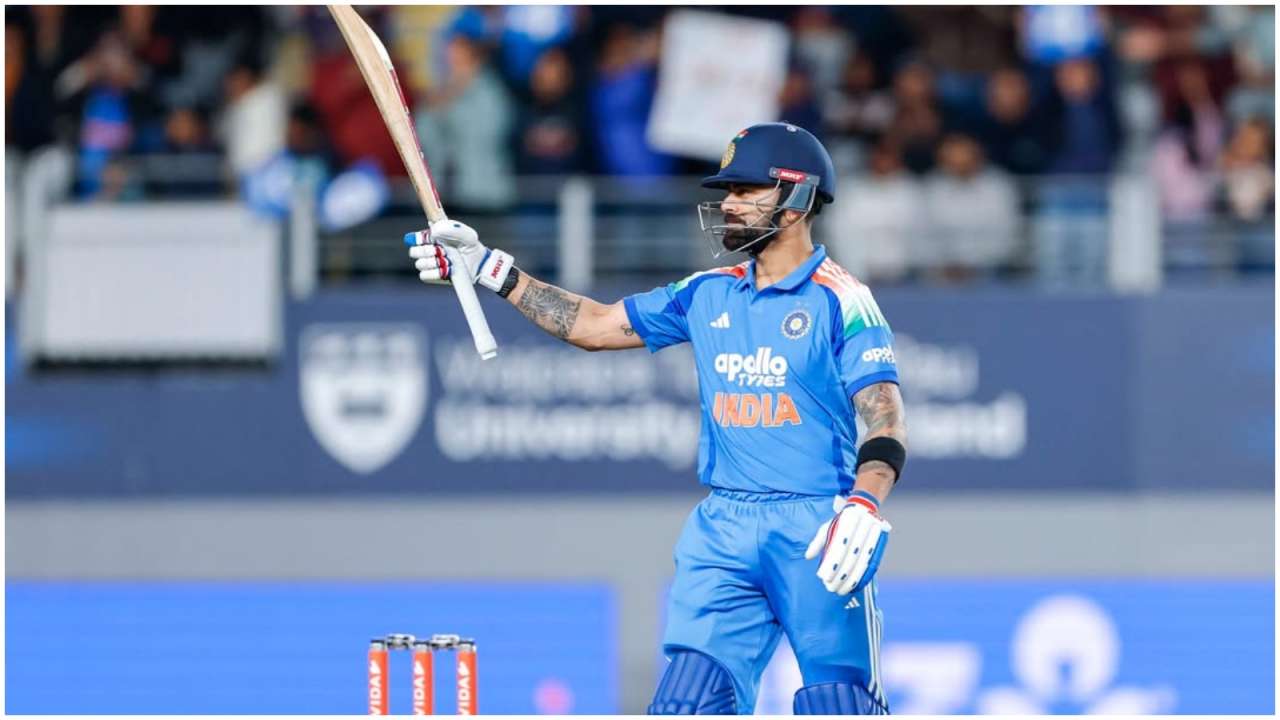 Virat Kohli creates history in Wellington, surpasses Ricky Ponting to achieve major ODI feat
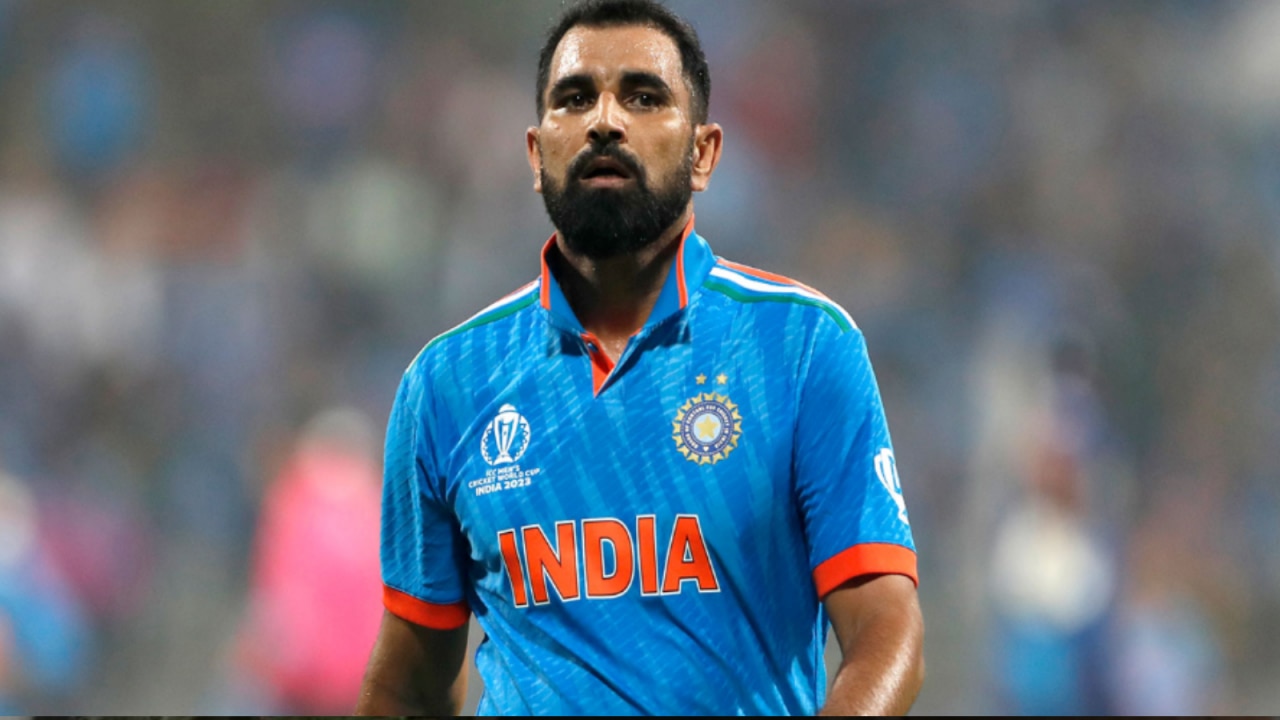 Mohammed Shami announces retirement from Test cricket, reveals plans for white-ball future
 World Record Chaos: 53 Red Cards after mass brawl erupts during Brazil U20 football match
 Cristiano Ronaldo retires from international football after fallout with coach Jorge Jesus, bids emotional farewell
 US MidTerm Elections: How Trump's Defeat Could Impact Pakistan? | Democrats Vs Republicans | India
 Agniveer News: '2 Year Extension...' Army's Major Relief For Agniveers; CDS Subramani's Full Speech
 Delhi Police Protest: 'Threatened Lawyer With Ak-47' PIL Against ACP Manasvi Vashistha In Delhi HC
 Cyclone Murasu: 'Electric Poles Damaged', Aftermath Of 'Severe' Cyclonic Storm In Andhra Pradesh
 ACP Manasvi Vashishta who led protest outside Delhi Police HQ suspended
INDIA
Delhi-Mumbai Expressway: The expressway will pass through six states -- Delhi, Haryana, Rajasthan, Madhya Pradesh, Gujarat and Maharashtra.

Updated : Feb 01, 2023, 07:03 AM IST | Edited by : Vaibhav Tiwari
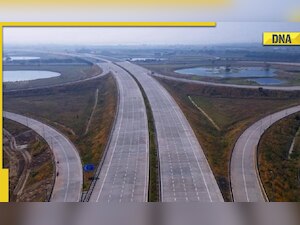



The Delhi-Mumbai Expressway, when completed, will cut short the travel time between Delhi and Mumbai by half. The greenfield expressway will connect several major cities in Rajasthan, Haryana and Maharashtra. When fully operational, the travel time between these two cities will be cut short from 24 hours to 12 hours. The Delhi-Jaipur travel time will be under four hours. Prime Minister Narendra Modi is likely to inaugurate the Gurgaon-Dausa section of the expressway on February 12. This expressway is considered to be an economic game-changer for the cities involved in the mega project.
The Delhi-Mumbai-Vadodara Expressway will be the world's longest expressway. It will be 1390 kilometres long. Built using German technique, it is expected to last at least 50 years. 12 lakh tonnes of steel will go into making this project. The country's first electric highway will also be built on the expressway. Currently, it will have eight lanes. It can be transformed into a 12-lane expressway soon. The top speed of the expressway will be 120 kilometres per hour. Over Rs 1.1 lakh crore will be spent on its construction.
The expressway will pass through six states -- Delhi, Haryana, Rajasthan, Madhya Pradesh, Gujarat and Maharashtra. It will provide connectivity with Jaipur, Udaipur, Bhopal, Ujjain, Indore, Ahmedabad and Vadodara.
The entire expressway will become operational by March next year. However, the Sohna-Dausa section will become operational by this month. The time taken between Dausa and Gurgaon will be around 2.5 hours.
Meanwhile, NHAI has planted around 1.5 lakh trees along the expressway. The entire expressway will be under CCTV surveillance.
A helipad will also be installed so that medical emergencies can be evacuated fast.
Due to this expressway, nearly 32 crore litres of fuel will be saved. Nearly 85 crore kgs of carbon emission will also be curtailed by the expressway. This is equal to planting 4 crore trees.
The expressway will also have a rain water harvesting system.
A new toll system will be used wherein you will be asked to pay according to the number of kilometres travelled. There is no official announcement as to the toll rates. However, the toll rates are expected to be lesser than other expressways. The toll rates could be between Rs 2 per km and Rs 7 per km for all vehicles. Toll will be exacted at the exit, not on entry.
There will be designated rest areas at 93 places. This means there will be such areas every 50 kilometres. Those who make unauthorized stops will have to pay fines. Speed governors will also be installed all along the expressway.