 Donald Trump waives Russia-related sanctions, cites US national interest; what it means for India
 Nayyi Navelli vs Prahaar box office collection Day 1: Yami Gautam beats Rajkummar Rao, but they get defeated by Vijay Deverakonda, Rajinikanth
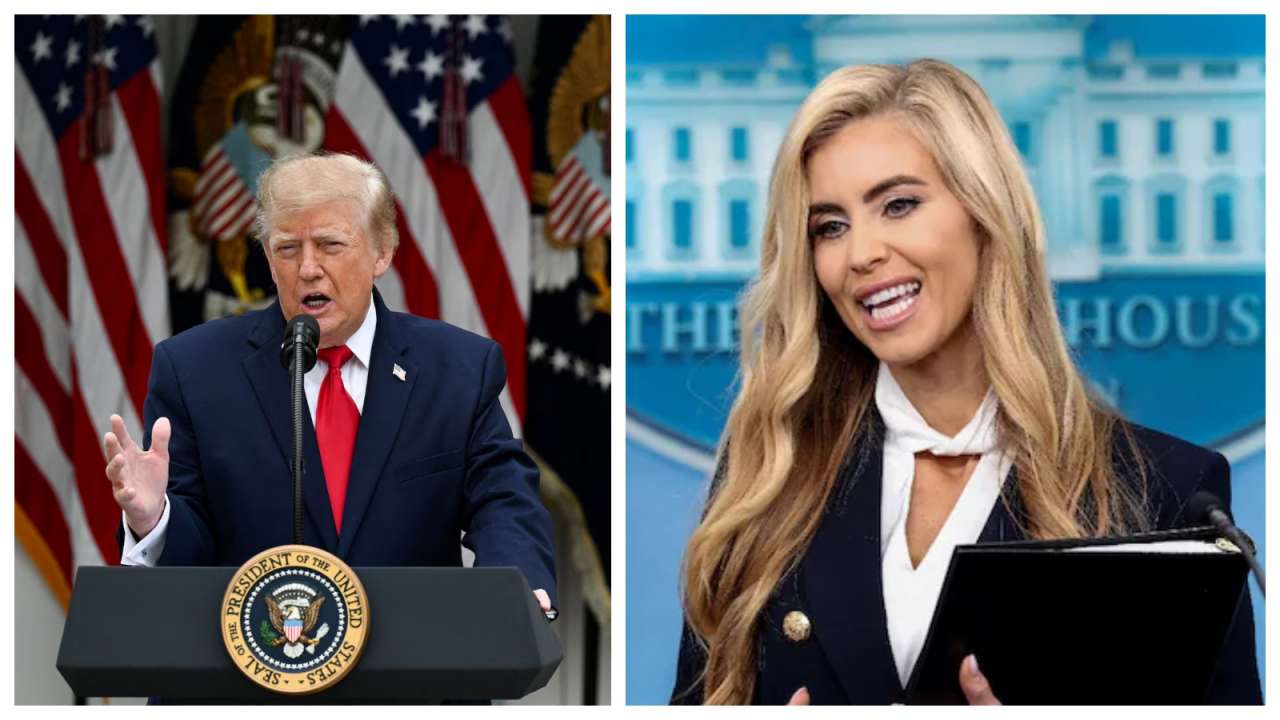 Donald Trump fires Press Secretary Katie Zacharia after one week, says she was 'brutalised by media'
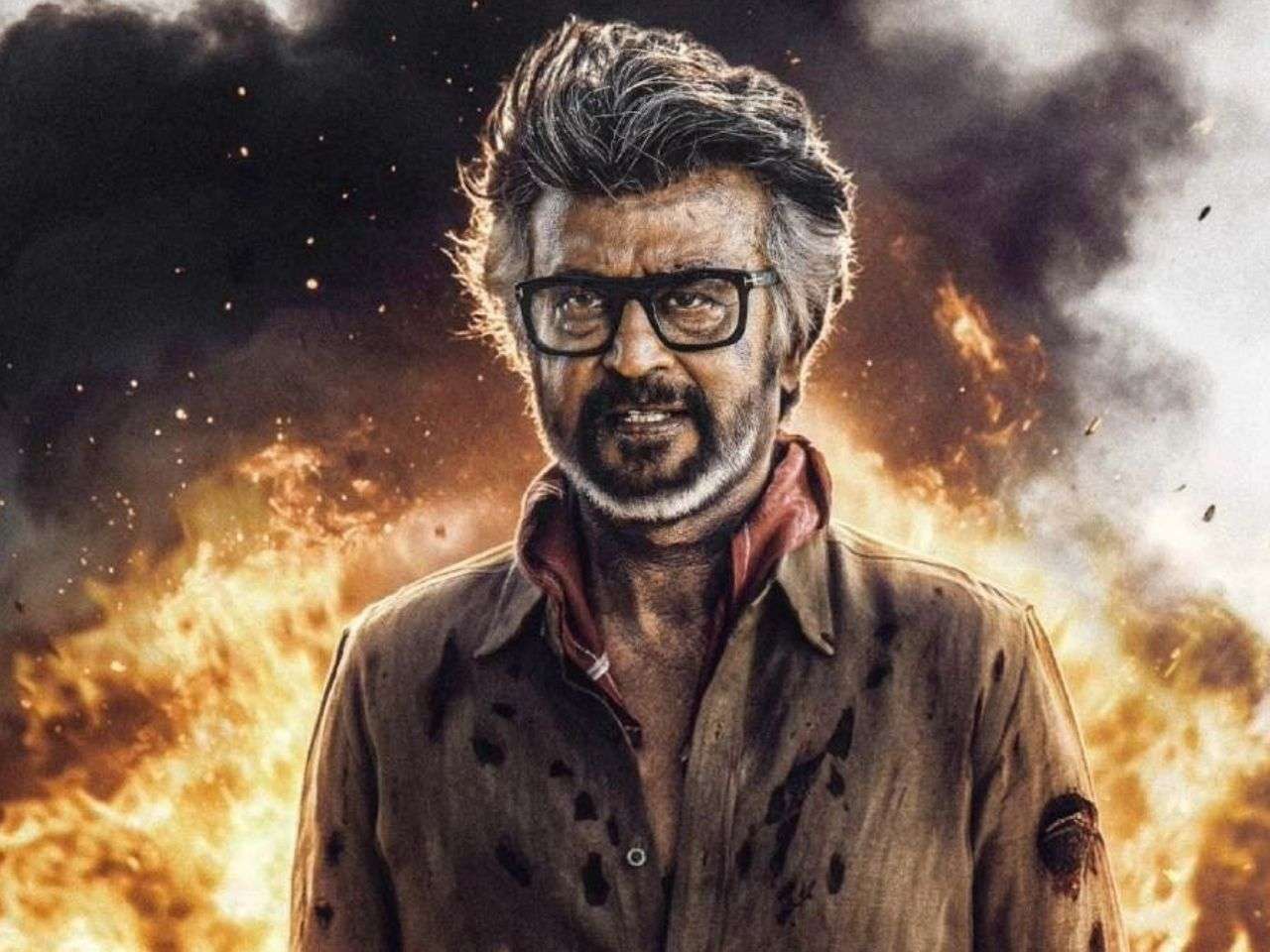 Jailer 2 box office collection Day 2: After strong opening, Rajinikanth's film suffers big drop on Friday, yet crosses Rs 200 crore
 Gold, Silver prices today, October 17, 2026: Check city-wise rates in Delhi, Mumbai, Chennai, Kolkata and more
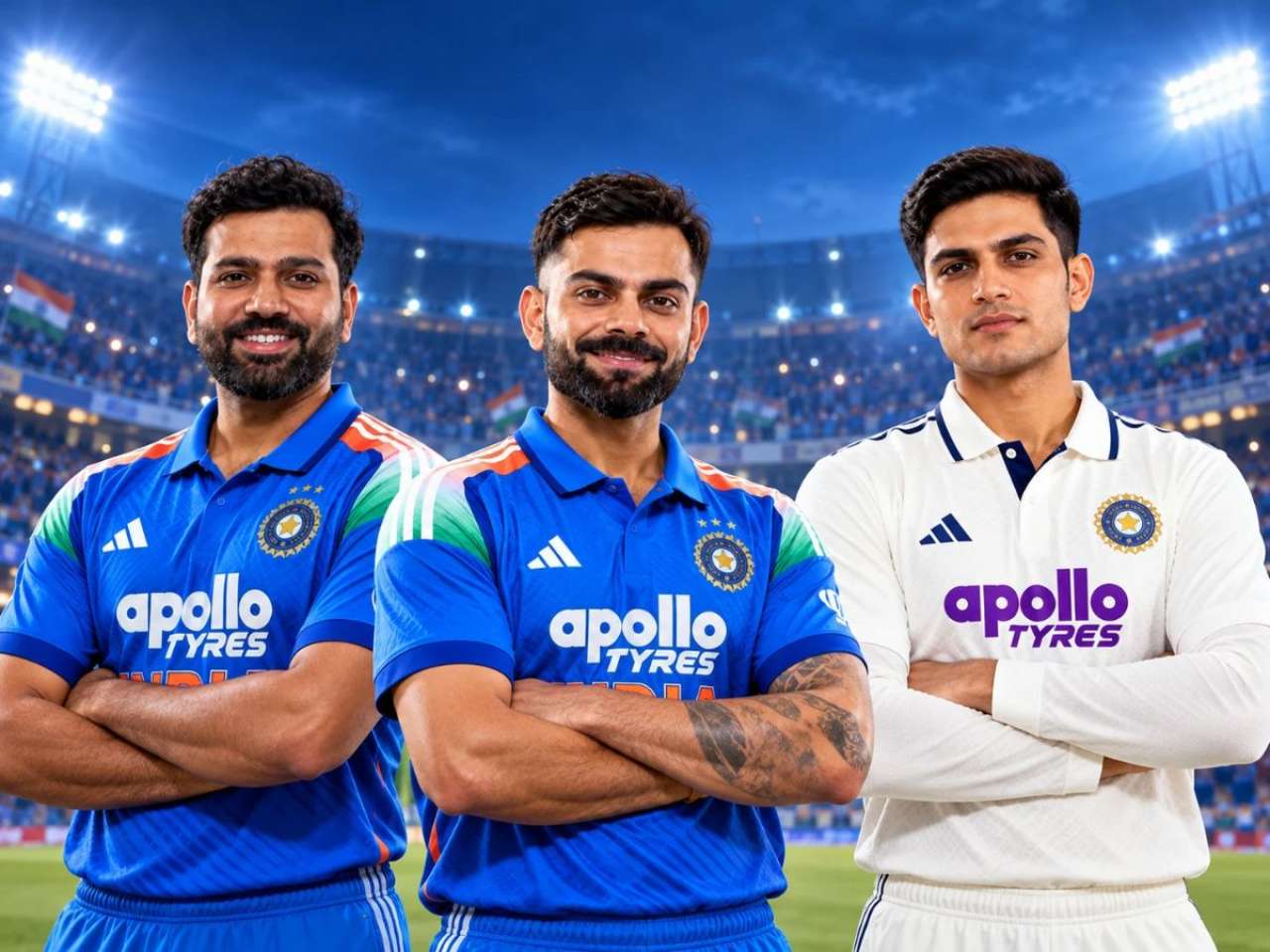 BCCI announces India’s Test and ODI squads for New Zealand tour: Who’s in, who’s out?
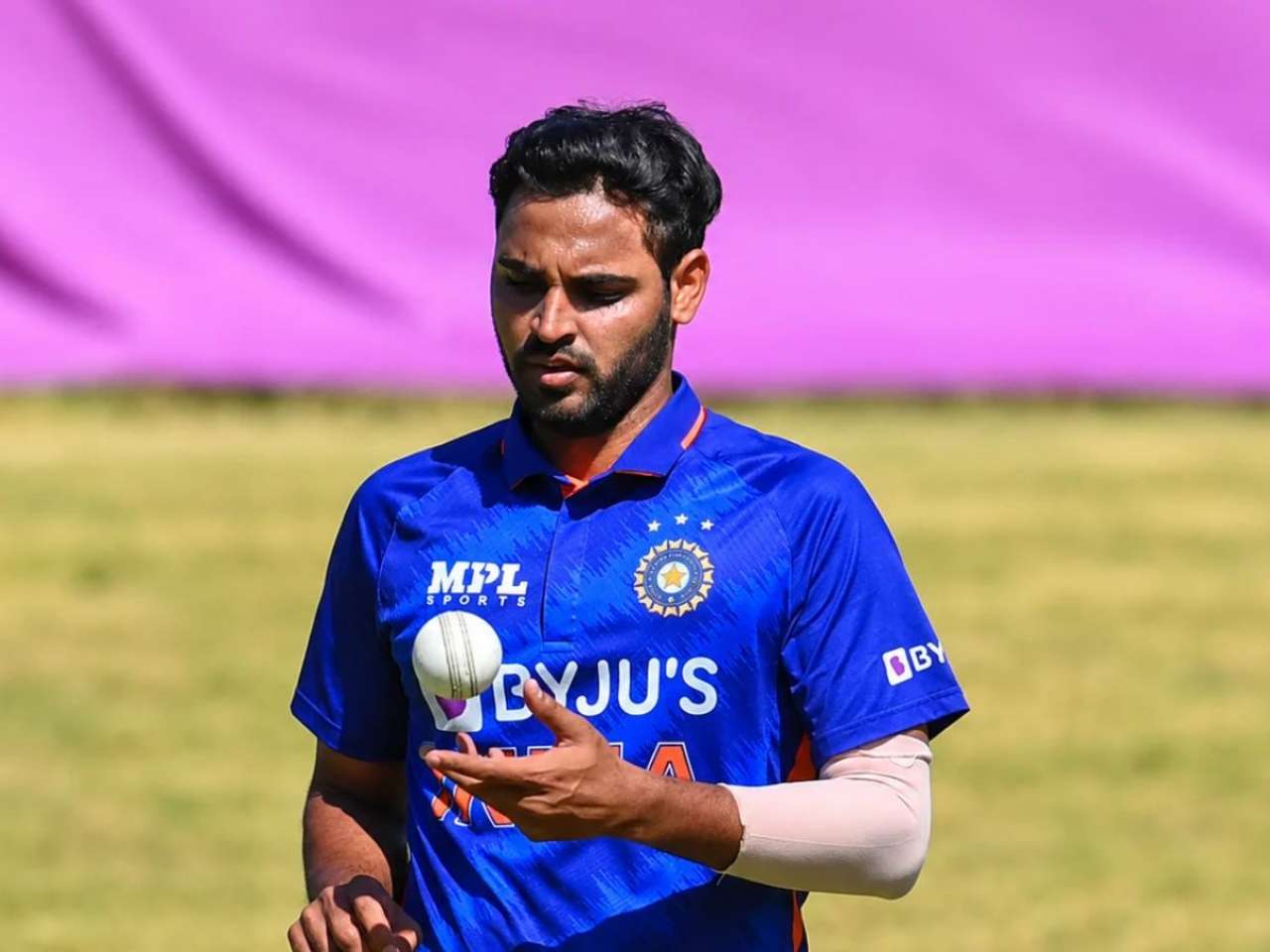 'Very critical': Ex-India star’s stark warning as Bhuvneshwar Kumar's comeback highlights pace concern
 IND vs WI: What happened last time India played T20I at M Chinnaswamy stadium in Bengaluru?
 What did Kapil Dev say to Gen Z amid Delhi protests? Watch his message
 Will MS Dhoni become CSK mentor? R Ashwin makes big claim after Zaheer Khan’s appointmentNayyi Navelli vs Prahaar box office collection Day 1: Yami Gautam beats Rajkummar Rao, but they get defeated by Vijay Deverakonda, RajinikanthJailer 2 box office collection Day 2: After strong opening, Rajinikanth's film suffers big drop on Friday, yet crosses Rs 200 crore
 Honey Singh appears before Maharashtra Cyber Cell, questioned for over two hours - Watch viral video
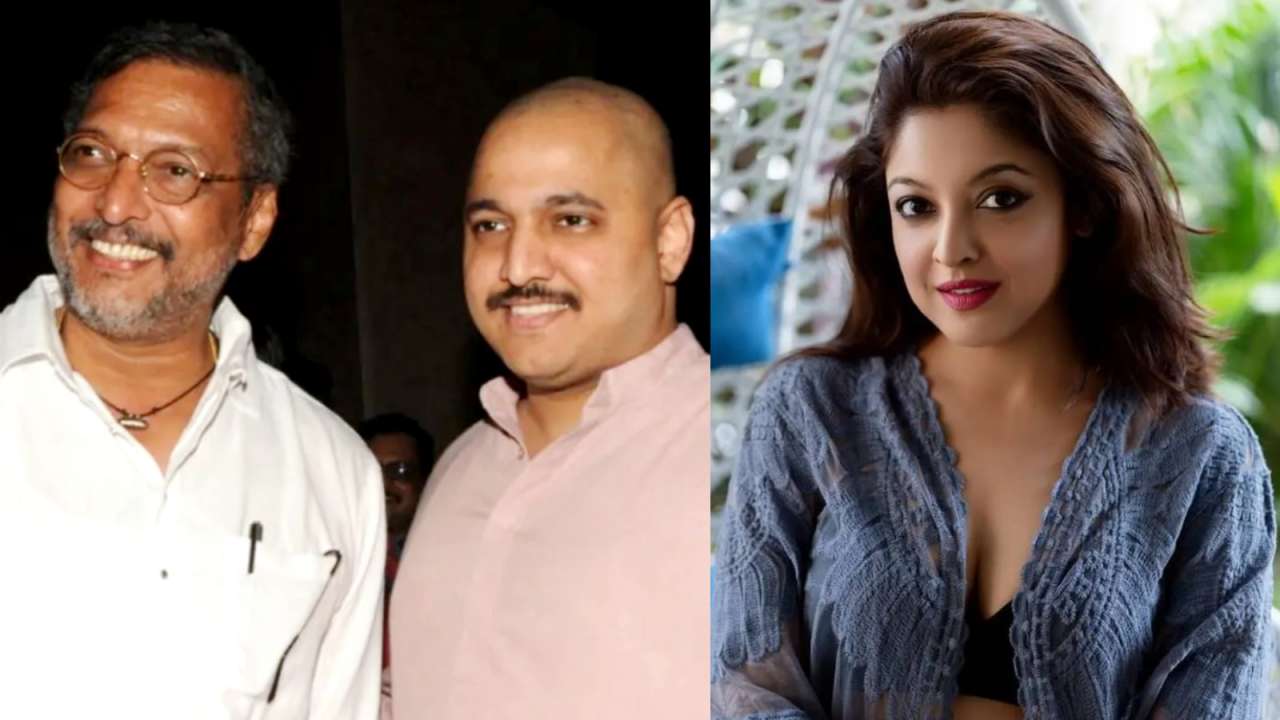 'Bhagwan unka bhala kare': Nana Patekar's son Malhar breaks silence on Tanushree Dutta's 'evil dead' remark
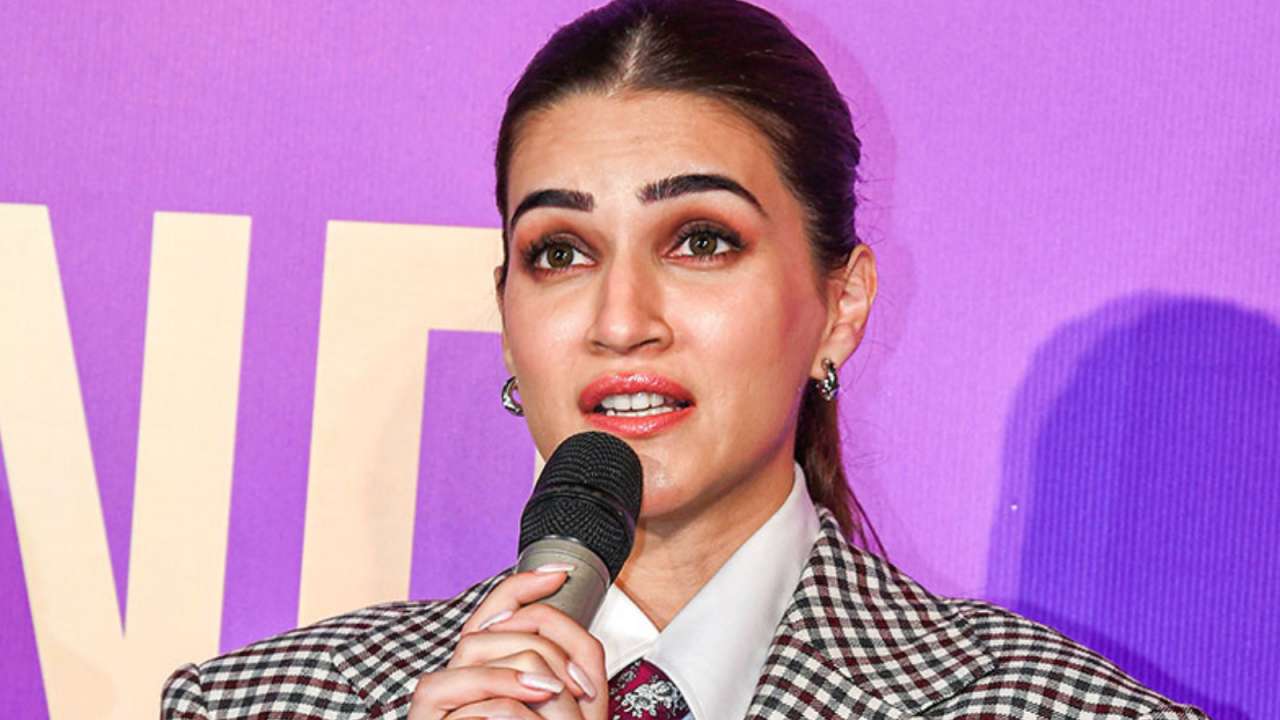 Kriti Sanon moves Delhi High Court to protect her personality rights, next hearing scheduled on this date
 Karnataka Bus Horror: 4 Dead, 14 Injured In Mysuru Sleeper Bus-Truck Head-On Collision
 Pakistan School Roof Collapse Kills 21 Children And A Teacher In Peshawar | Latest News
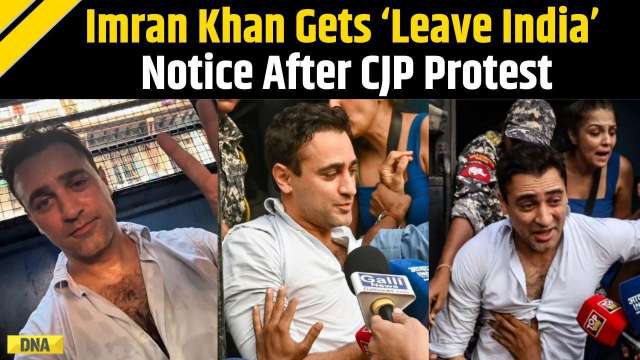 CJP Protest: Mumbai Police Issues Notice To Actor Imran Khan To Leave India By October 28
 CJP Protest: Rahul Gandhi Accuses Delhi Police Of Beating Youngsters At Protest | Jantar Mantar
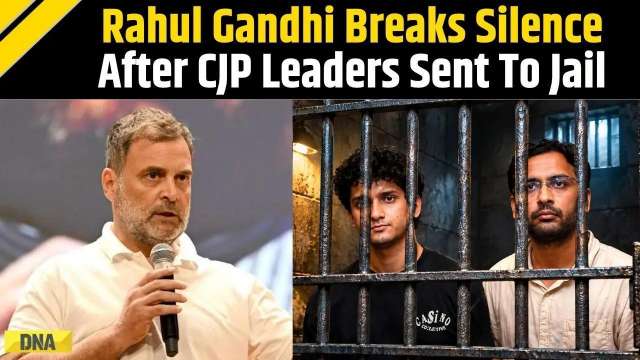 CJP Protest: Congress Rahul Gandhi Backs CJP Leaders Jailed For Tresspassing At Jantar MantarGold, Silver prices today, October 17, 2026: Check city-wise rates in Delhi, Mumbai, Chennai, Kolkata and more
 Flying Car! Watch video of Tesla's Roadster jump, flip and fly, when will Elon Musk bring it to India?
 Gold, Silver prices today, October 16, 2026: Check city-wise rates in Delhi, Mumbai, Chennai, Kolkata and more
 SEBI Revises Closing Auction Session Rules: What changes from December 7?
 Jio IPO: How Rs 30,213-crore issue could impact Mukesh Ambani's Reliance Jio, India’s digital ecosystem
 Dil Chahta Hai, Cocktail, Dostana: 5 must-watch Bollywood films that celebrate true friendship
 Navratri Day 4: From Shraddha Kapoor, Kriti Sanon, Sanya Malhotra, actresses who embody goddess in blue outfits
 Navratri 2026: From Alia Bhatt to Sara Ali Khan, Shraddha Kapoor, take inspiration from Bollywood actresses to stun everyone in white
 Ranbir Kapoor-Sai Pallavi, Yami Gautam-Addinath Kothare, Rajkummar Rao-Wamiqa Gabbi: 5 fresh on-screen jodis to watch out for in 2026
 OTT Releases This Week (October 5-11): Awarapan 2, Khalifa, Mandaadi; new India movies, shows to watch on Netflix, Prime Video
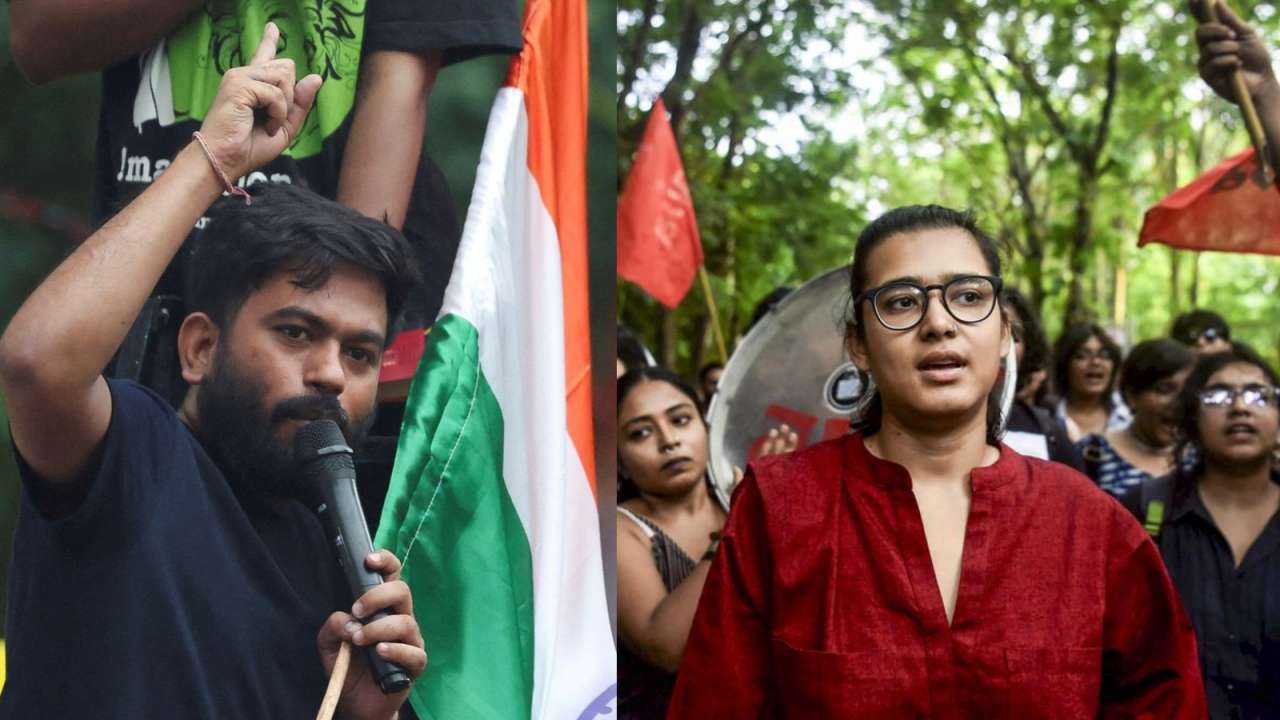 After Abhijeet Dipke, Neha Bora's detention, what is CJP's 'Plan B' to keep anti-CEC protest alive?
 Punjab Horror: Man axes wife to death in front of mother, here's what happened next will leave you in shock
 India slams Pramila Jayapal for remarks on voter roll revision, calls it interference in fellow democracy
 J&K govt seeks 15-day inquiry into IAS officer's alleged misconduct against woman colleague
 No unknown number on your phone now: Telecoms asked to display callers name
 AI-generated question papers for NEET? Nandan Nilekani proposes novel idea for stopping paper leak
 Third Language Row: SC extends relaxation to Class 6 students, asks CBSE to grant exemption, here's what it means
 NEET PG 2026 Result Out: Check how to download scorecard from natboard.edu.in; Know category-wise cut-off and more
 Five-year BTech programmes? Ex-IIT director makes proposals amid IIT suicide controversy
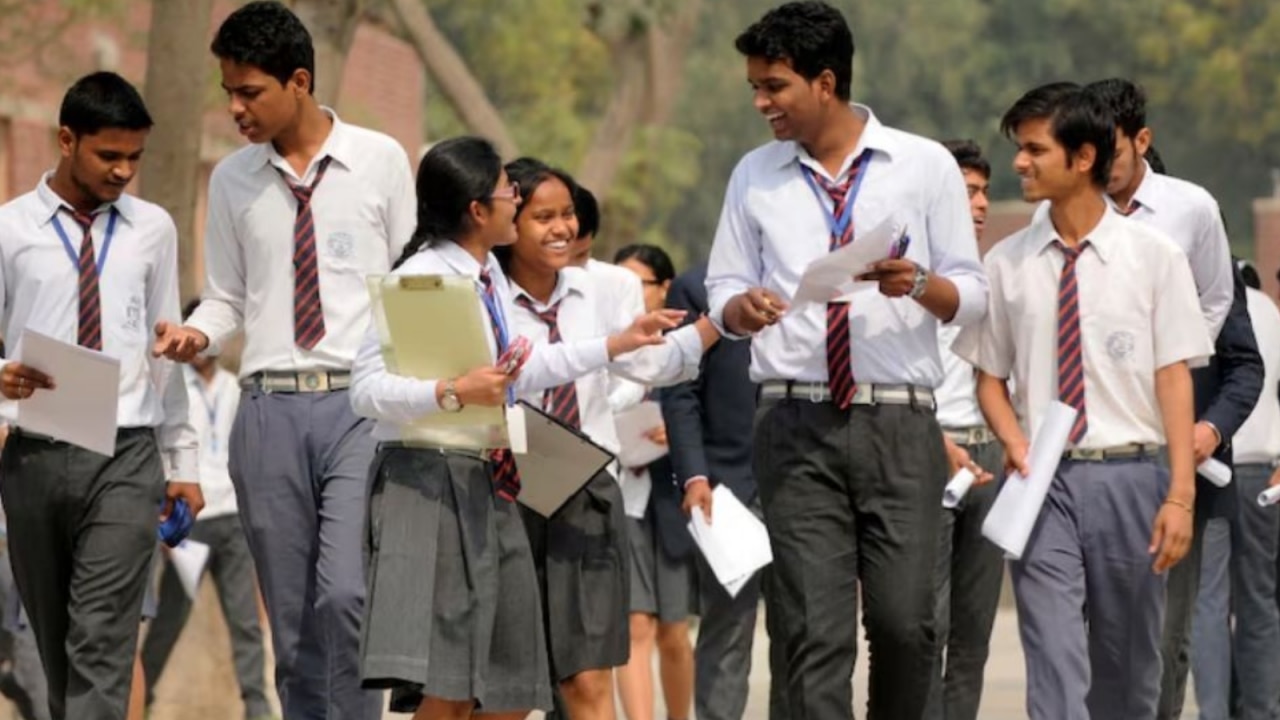 CBSE Date Sheet 2027: When will Class 10, 12 timetable be released? Check details here
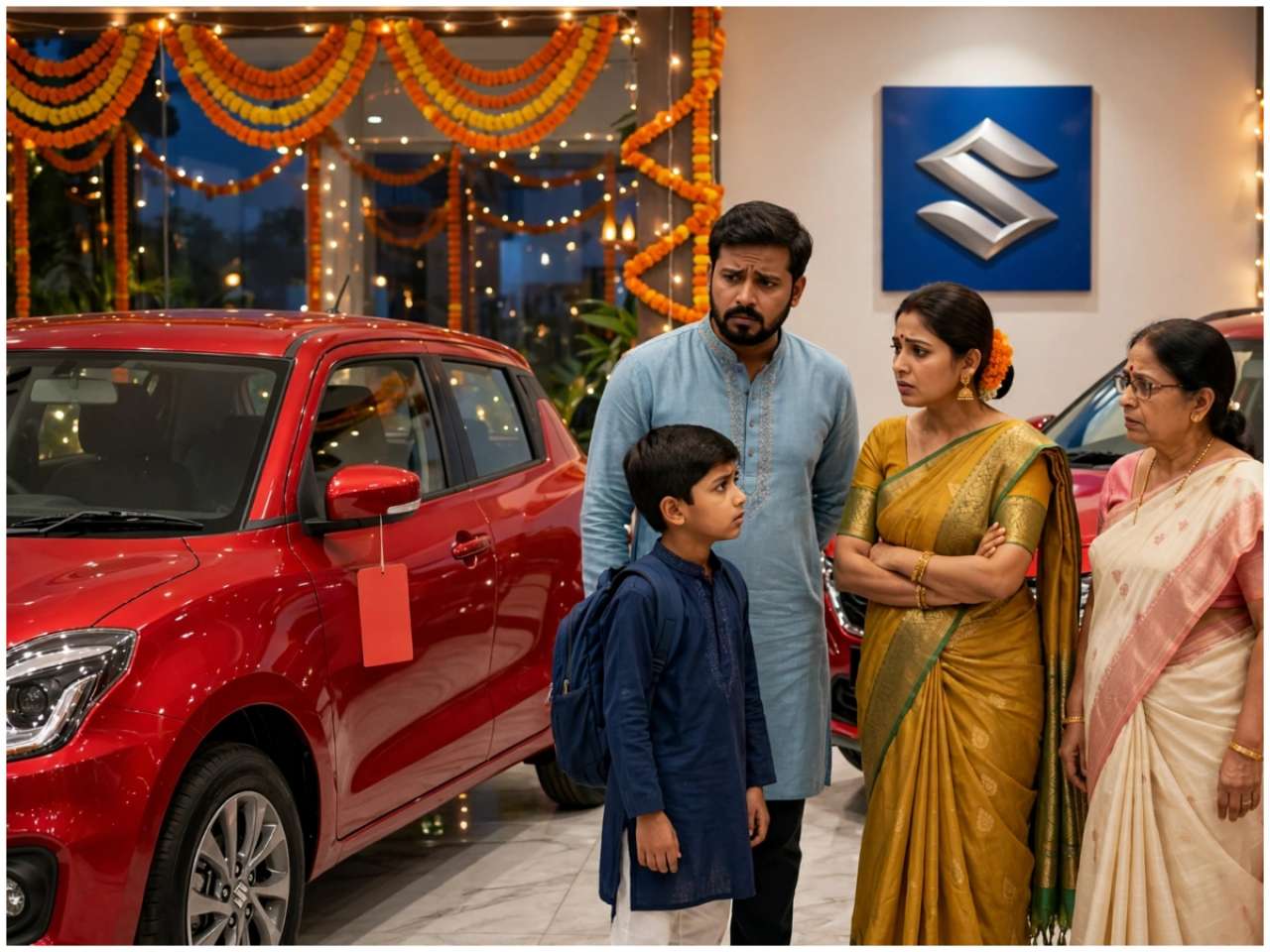 After Hyundai, Maruti Suzuki makes cars costlier ahead of festive season: Check new prices after hike
 Hyundai cars to get costlier from September: Check new prices and reason behind hike
 Why can't consumers choose pure petrol or E10? Centre explains why E20 is now the standard fuel
 Centre claims E20 fuel does not damage engines, cites data from Maruti Suzuki and Hero MotoCorp
 Maruti WagonR Flex Fuel: What’s price of India’s first ethanol car? Specs, mileage, and top features explained
INDIA
SC goes for daily hearing after mediation fails; Hindu side will open the argument

Updated : Aug 03, 2019, 05:05 AM IST



The Supreme Court will begin on August 6 day-to-day hearing to determine whether the Ram Janmabhoomi-Babri Masjid disputed site in Ayodhya was once the birthplace of Lord Ram with a pre-existing temple or if Mughal Emperor Babar built a mosque on virgin territory in 1528.
A five-judge bench headed by Chief Justice Ranjan Gogoi took this decision after learning that mediation efforts over the title suit had failed to arrive at a settlement between the Hindu and Muslim sides. Mediation, ordered on March 8, was attempted in Faizabad of Uttar Pradesh by former Supreme Court judge Justice FM Ibrahim Kalifulla, spiritual guru Sri Sri Ravi Shankar and senior advocate Sriram Panchu.
Taking the Mediation Committee's report on record, the bench, also comprising Justices SA Bobde, DY Chandrachud, Ashok Bhushan, and S Abdul Nazeer, chose to start the hearing next week. The matter needs to be decided before November 17, when CJI is due to retire.
The bench directed the lawyers appearing in appeals arising from Suit No. 3 (filed by Nirmohi Akhara) and Suit No. 5 (by Bhagwan Sri Ramlala Virajman) to argue first. This is significant since the Hindu side will open the arguments to establish its case that a temple existed at the disputed site prior to a mosque.
The pleadings and evidence to be relied in the two suits shall be shared with the SC in advance to ensure no time is lost in keeping the matter ready for the five judges. Senior advocate Rajeev Dhavan, who represented a Muslim party to the suit, said he would require 20 days. The bench assured that it would hear all parties in each suit.
OPINION |
|---|
| Fight between fact & fiction |
|
The VHP’s argument has traditionally been supported by Mughal era records and documents backed by the Archaeological Survey of India. There is incontrovertible evidence of the existence of a Ram mandir in Ayodhya. On their part, the rivals only have newspaper clippings to back their claim, buttressed by arguments of Marxist historians. Former PMs Chandrashekhar and PV Narasimha Rao too had initiated mediation efforts, but it didn’t work. Let’s hope the SC will deliver justice and allow the construction of a Ram mandir. —Rakesh Sinha, BJP Rajya Sabha member
|
The case stems from five suits, the first filed in January 1950 by Gopal Singh Visharad. The second suit was filed by Paramhans Ramchandra Das the same year but was later withdrawn. The Sunni Central Wakf Board moved the court in 1961 that is Suit No. 4. These suits were decided together by the Allahabad High Court on September 30, 2010, directing the equal distribution of the 2.77-acre contested land between Bhagwan Ram Virajman, Nirmohi Akhara and Sunni Central Wakf Board. A total of 14 appeals were filed in the Supreme Court challenging this decision.
Between 2010 to the present day, the SC first allowed the parties to the case to get documents translated as the evidence relied upon by the Allahabad HC was in various languages. After this exercise was done, both sides doubted the veracity and genuineness of the translated versions, prompting the top court to get the exercise redone by engaging official translators drawn from the Supreme Court and government departments.
Meanwhile, the Muslim side wanted the matter to go before a Constitution bench relying on a 1994 decision by a 5-judge bench in Ismail Farooqui case which held that mosque is not essential to Islam and Muslims can offer prayers even in the open. On September 27, 2018, a three-judge bench declined this prayer. In October 2018, soon after CJI Gogoi took over the case, he formed a five-judge bench.