 GTA 6 launched in New Zealand; when will it release in India?
 University of Delhi Data Breach: Neha Singh Explains Cybersecurity Risks, DPDP Act Penalties and the Importance of Data Protection
 CarzSpa Takes Aegis PPF to Space to Test its Durability for Car Paint Protection
 How Artificial Intelligence Is Making Cloud Databases Smarter and More Efficient
 Techbooze Petroleum Targets Iraq and Saudi Arabia with USD 450 Million Gulf Expansion
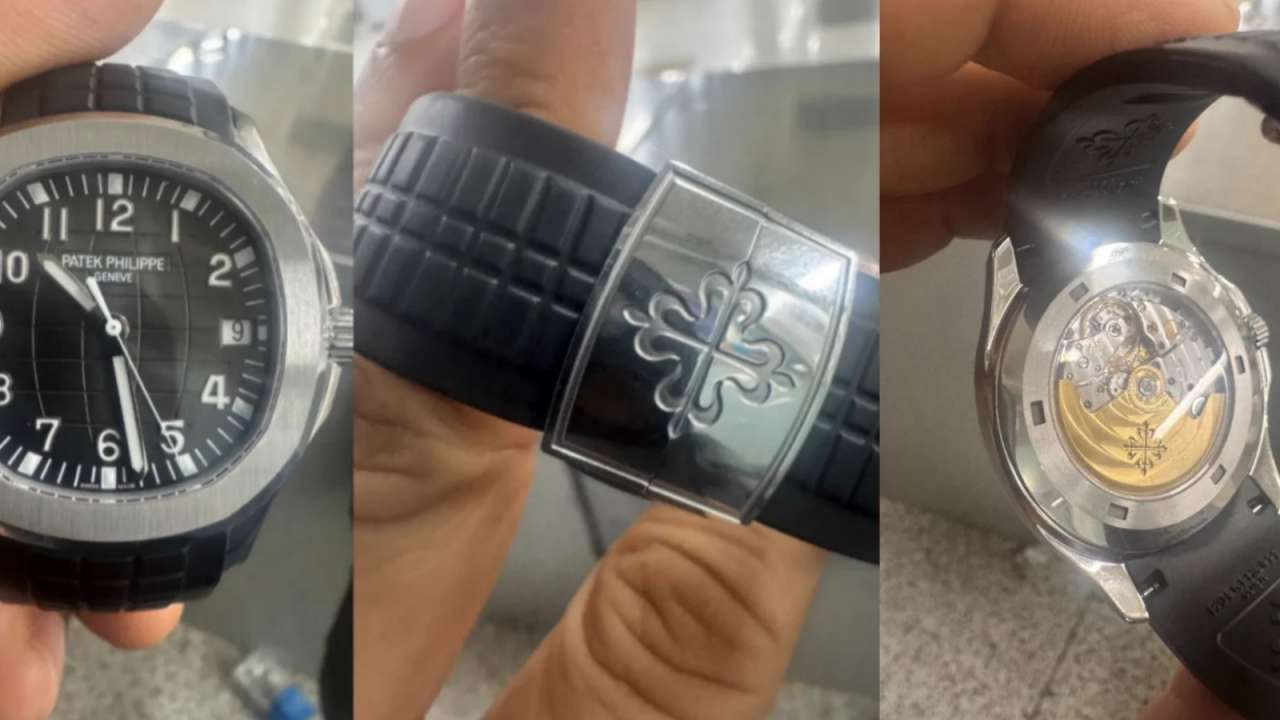 Patek Philippe watch worth Rs 94 lakh seized at Delhi Airport, passenger arrested
 VB-G RAM G Act: How will district-level ombudspersons handle rural workers' complaints? Explained
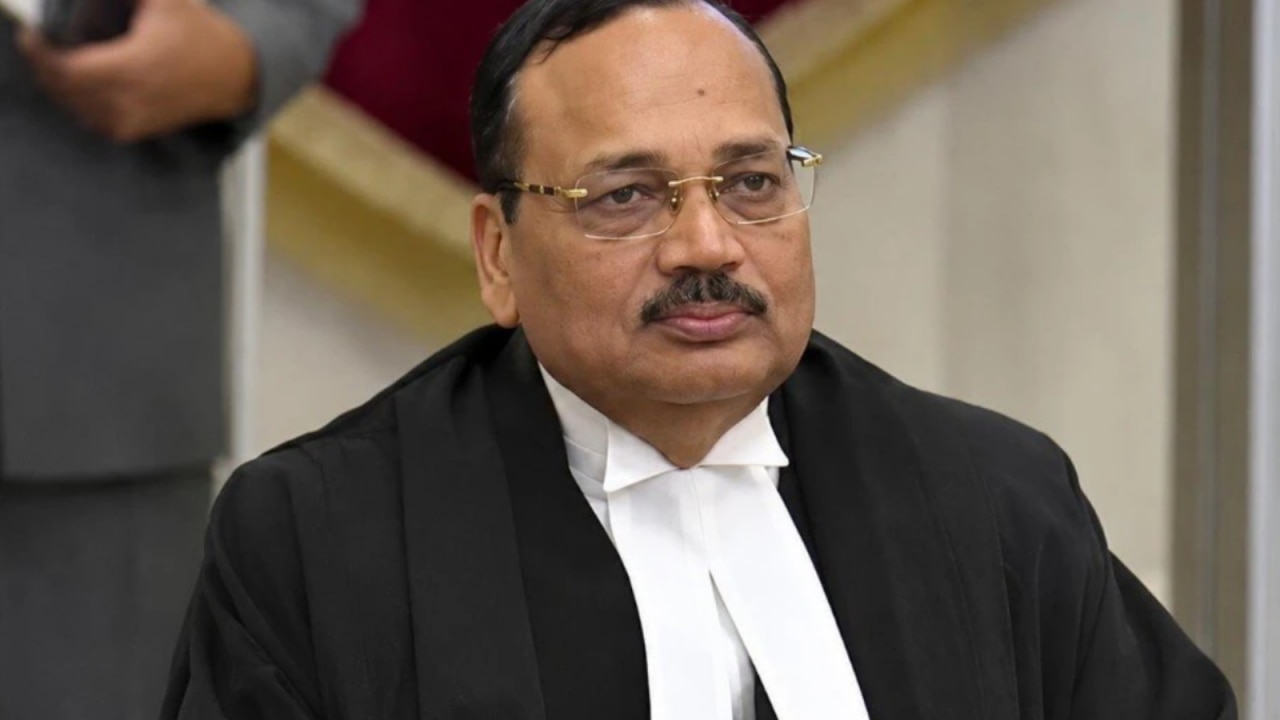 SC issues contempt notice to lawyer Pravin Singhal over alleged objectionable remarks against CJI Surya Kant
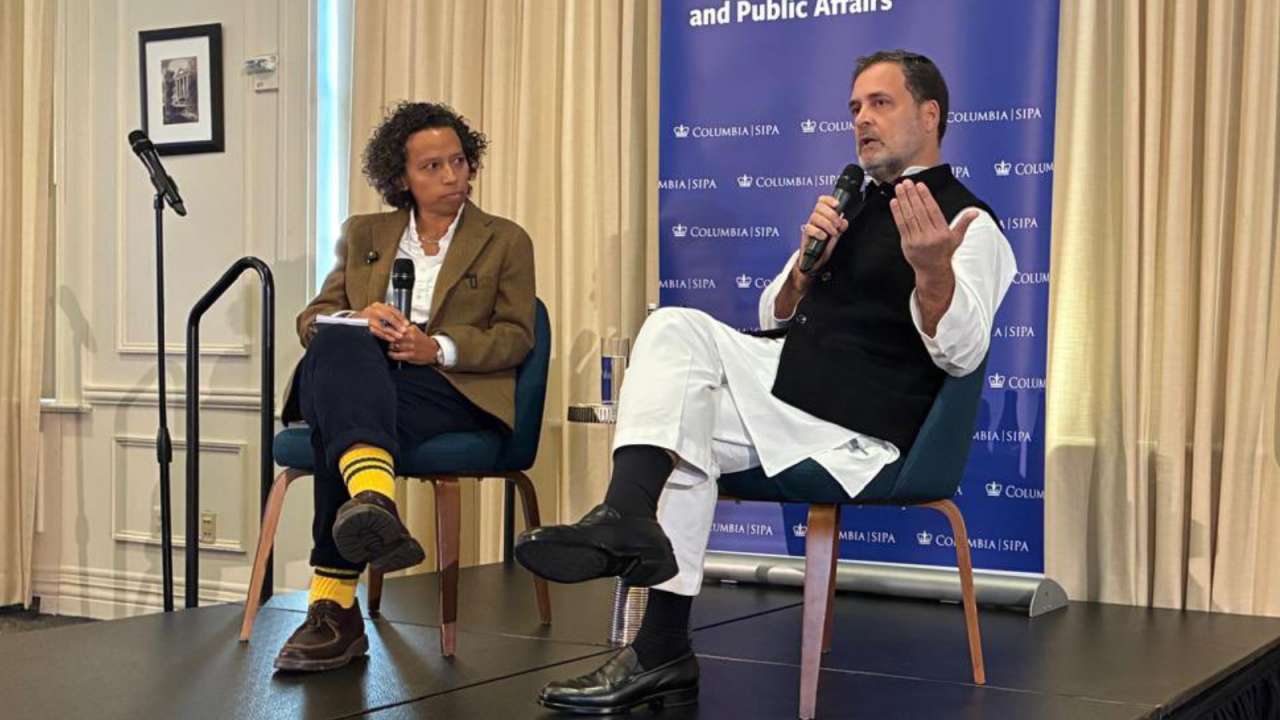 Rahul Gandhi slams India’s economy during US visit, BJP hits back with ‘anti-India’ jibe
 Milk becomes a luxury? Inflation pushes Indian families to cut back on dairy and essentialsGTA 6 launched in New Zealand; when will it release in India?
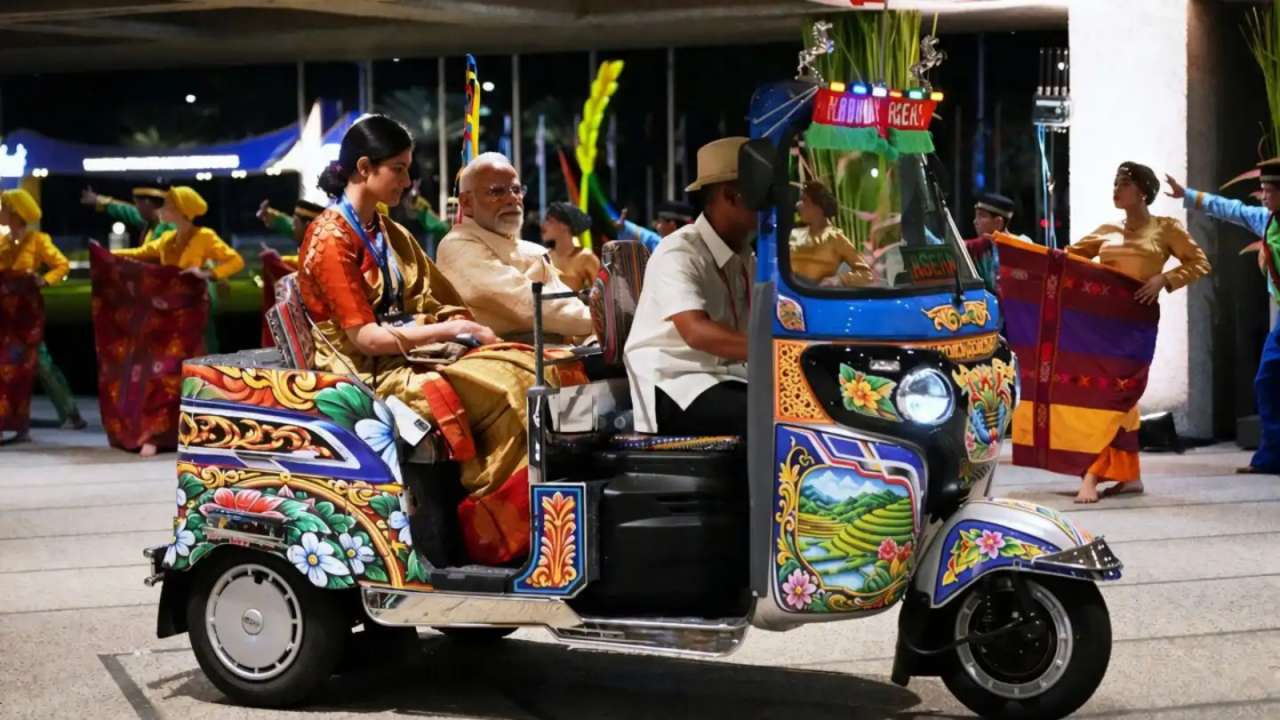 Did PM Modi ride made-in-Pakistan e-rickshaw at the ASEAN Summit? Details here
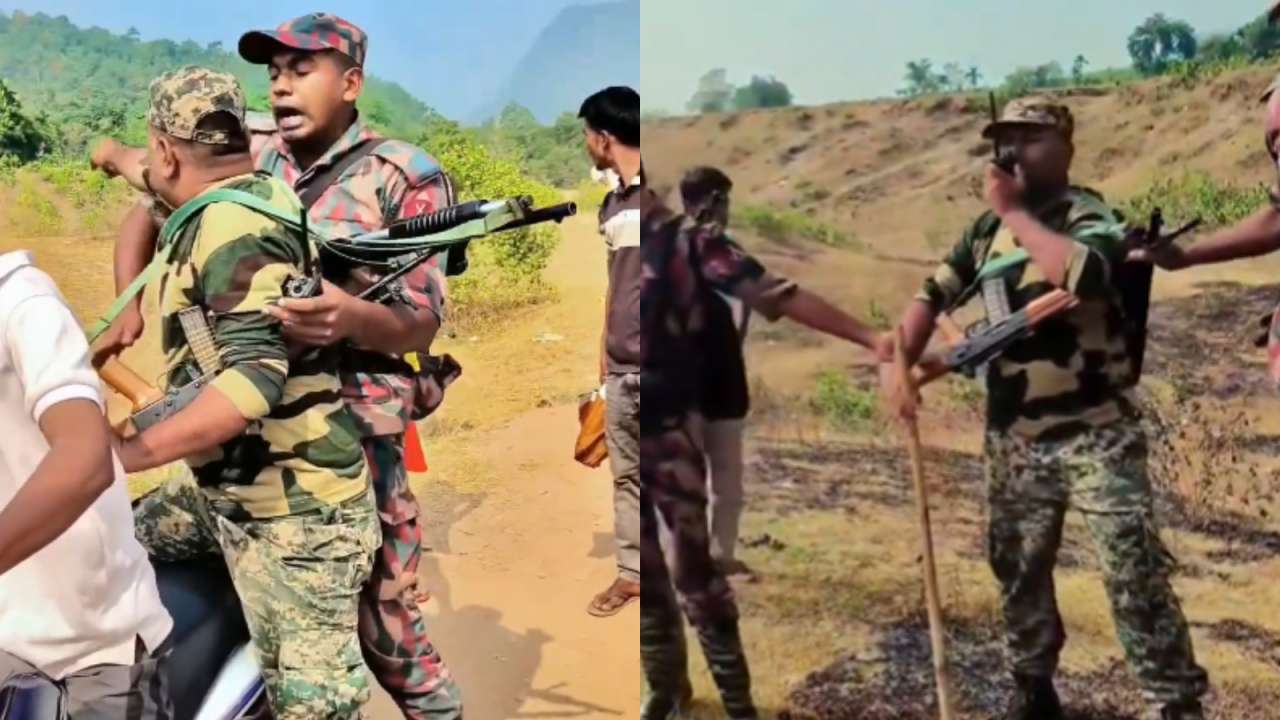 India-Bangladesh Border Tension Escalates: BSF jawan captured, detained by BGB
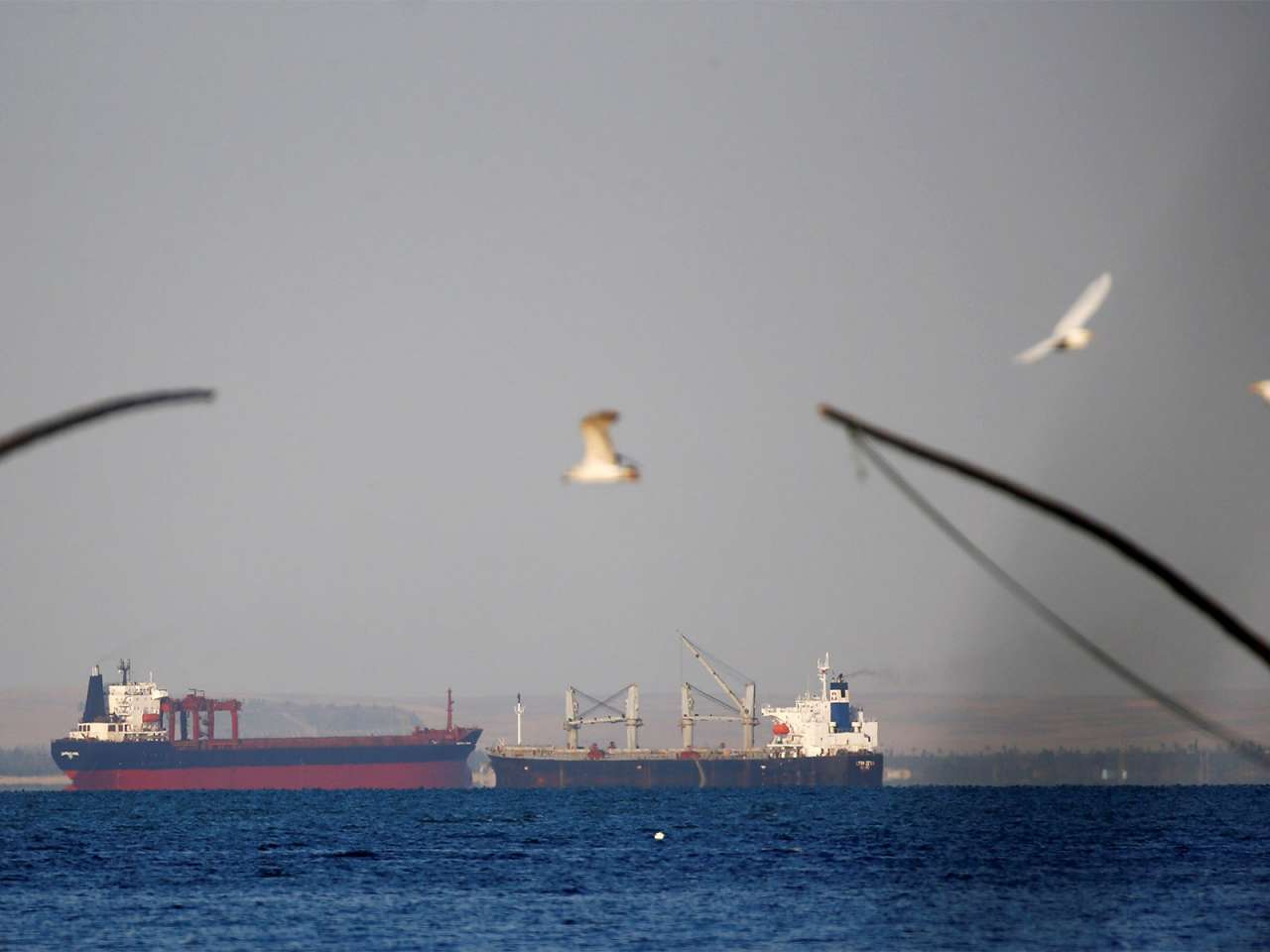 US launches strike on Iran’s Qeshm Island after Bahrain base comes under attack
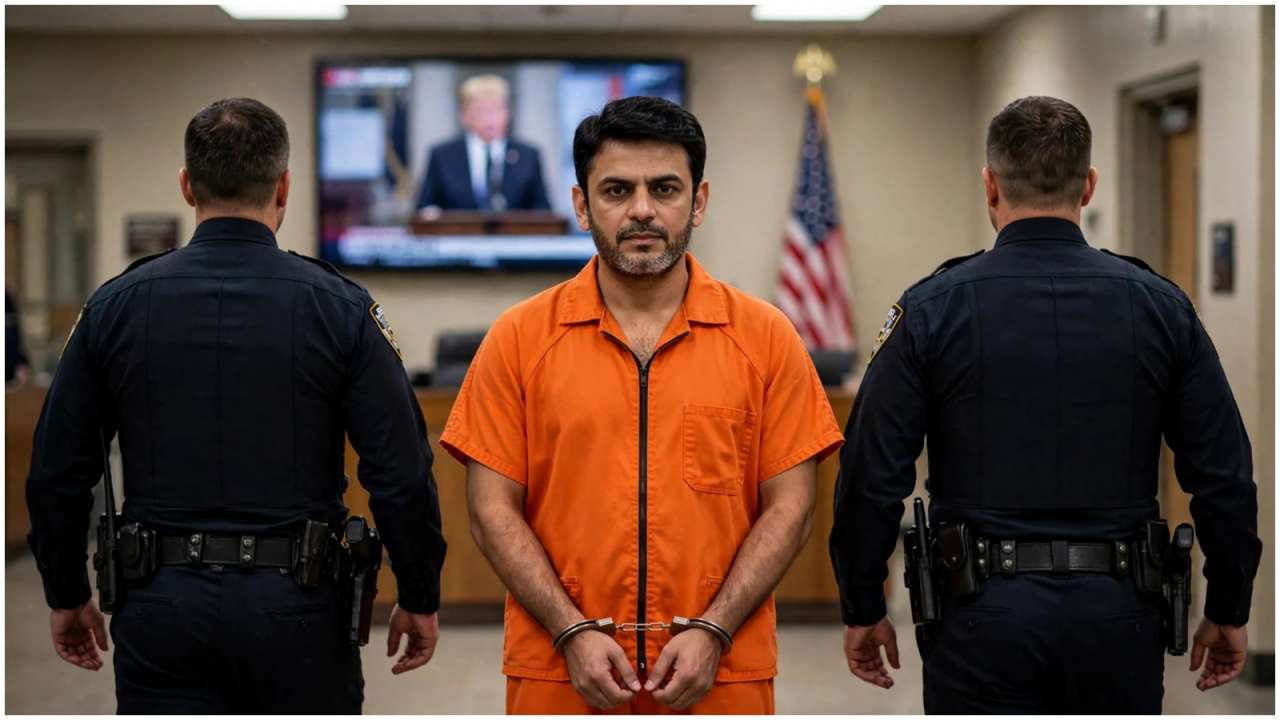 Who is Asif Merchant? Pakistani national jailed for 27 years over Trump assassination plot
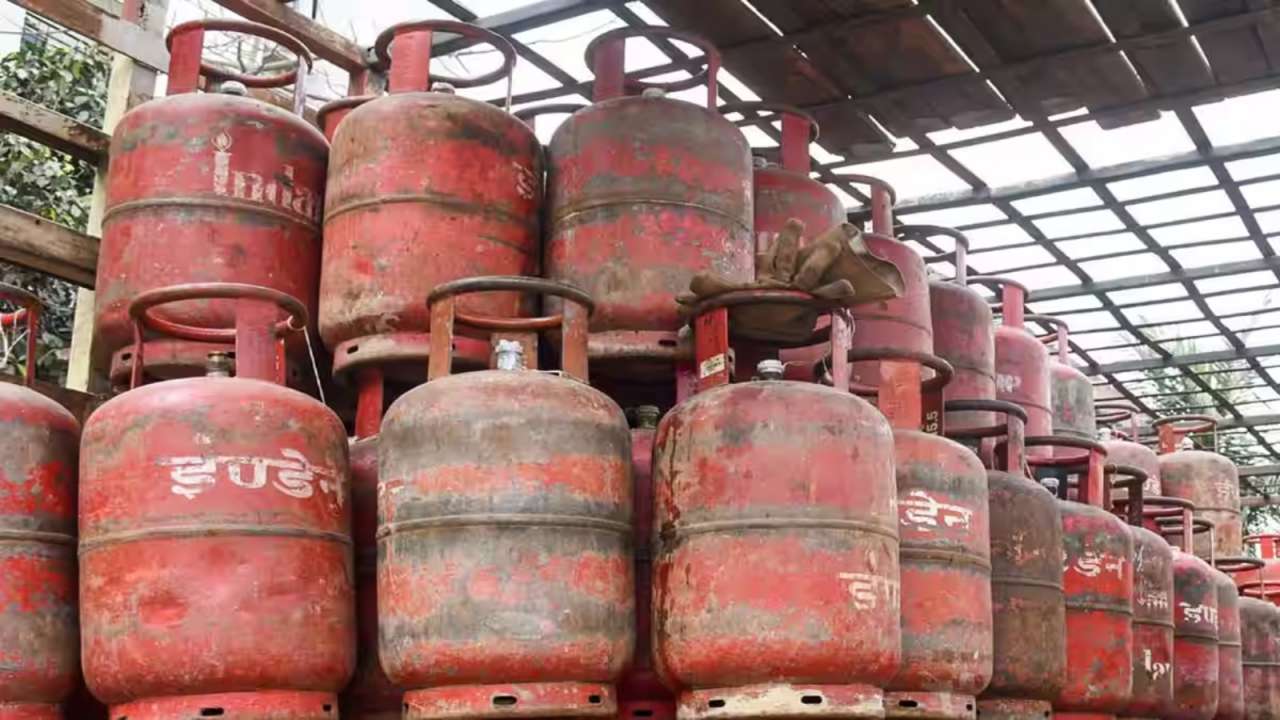 Hormuz LPG Tanker Attack: Will cooking gas prices rise in India? 5 things consumers should know
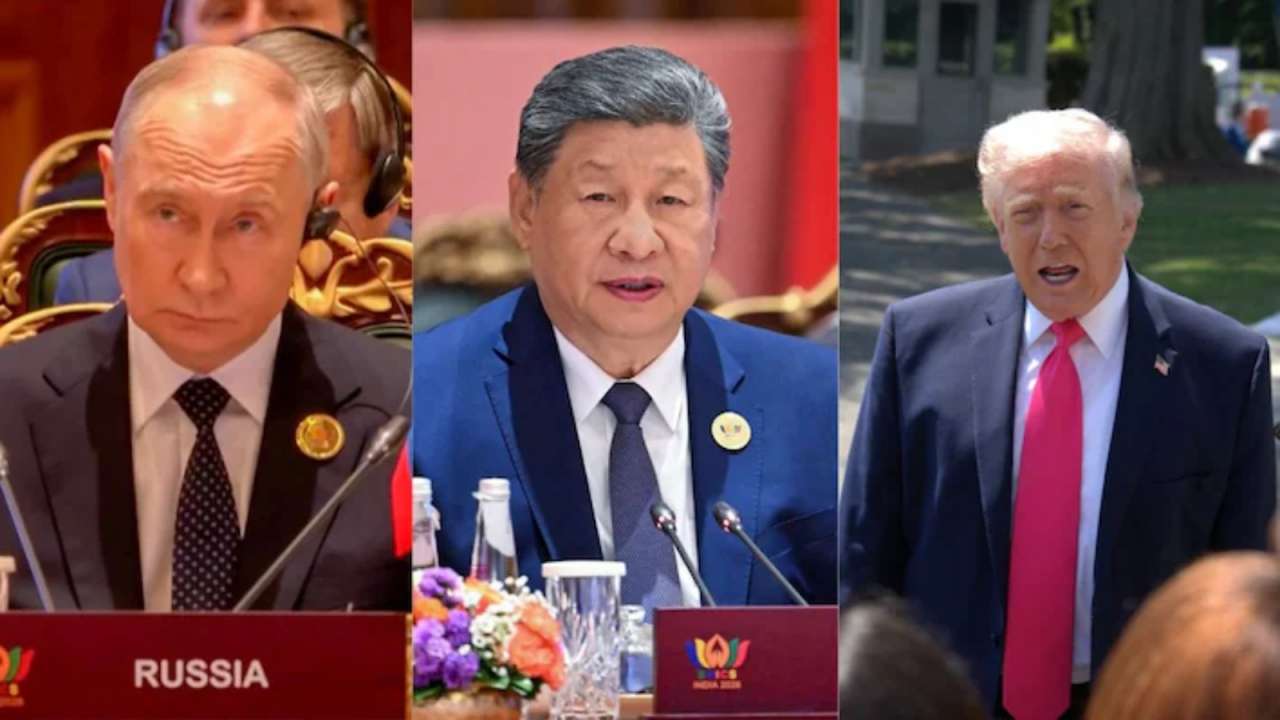 Trump-Xi-Putin Meet: Seven reasons India could pay price for a new global power deal
 India Eyes $1 Trillion Exports As 7-Month Exports Hit $570 Billion
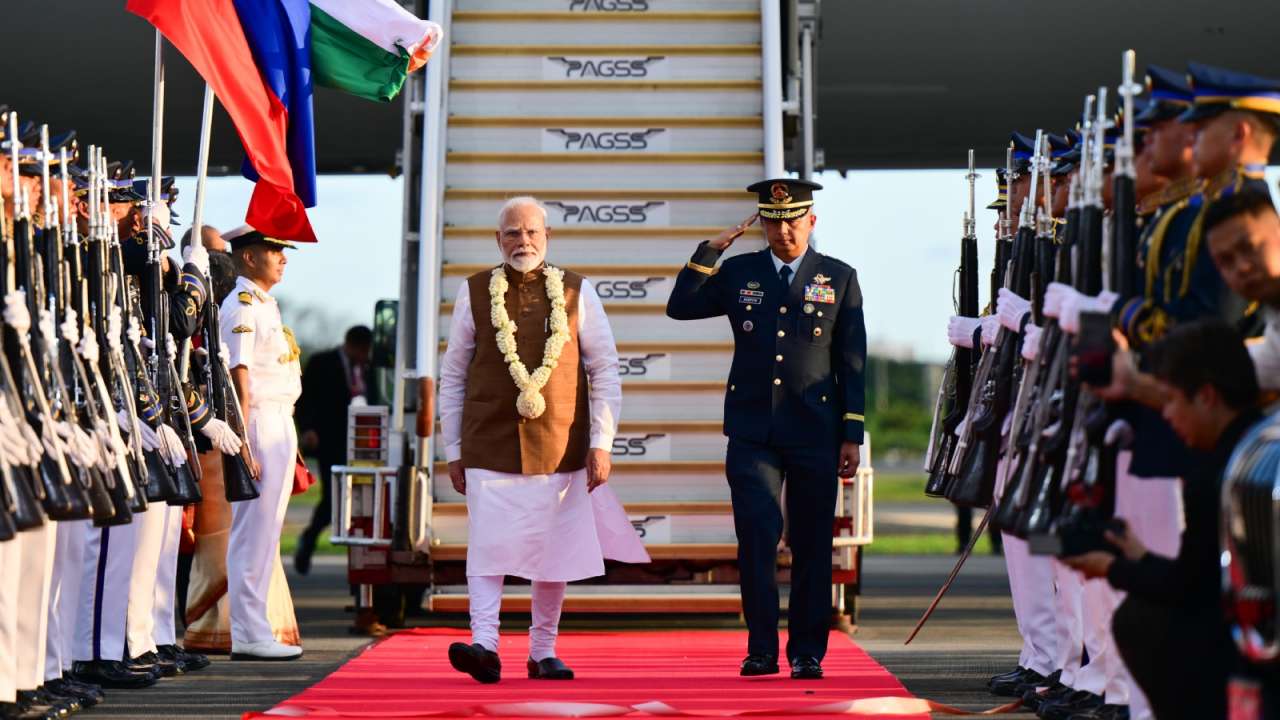 PM Modi Attends Quad Summit: How can India corner China in Indian Ocean without firing a shot: 5 strategic moves
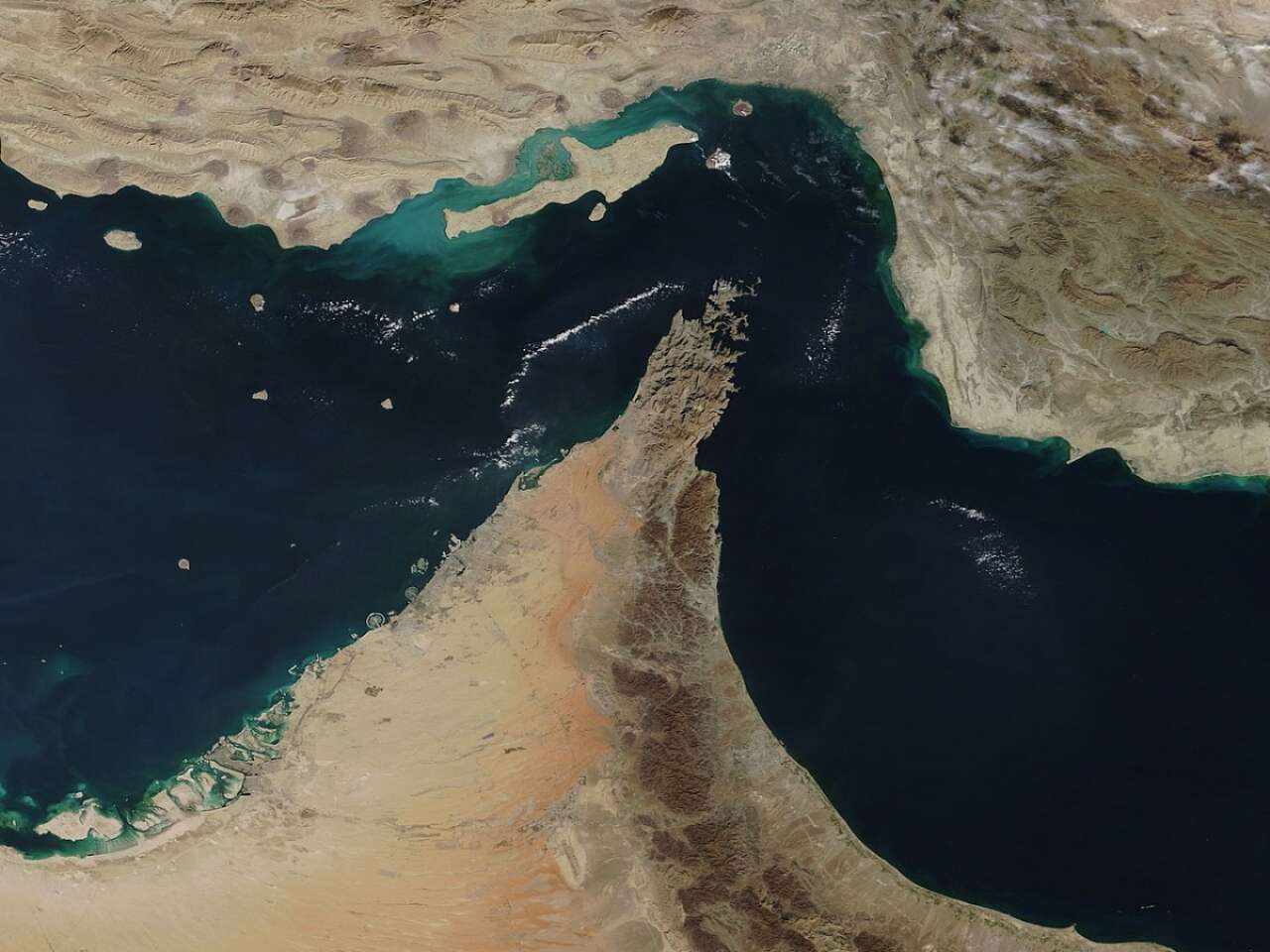 Oil Tankers Catch Fire In Strait Of Hormuz: Will petrol and diesel prices rise in India?
 Dr Hassan OTT release date: Nawazuddin Siddiqui, Dia Mirza-starrer Indian House adaptation to premiere in December
 Dhurandhar 2 receives zero nominations at 2027 Grammys despite nine entries, Tamil song Varuvaaiy creates history
 Anne Hathaway welcomes third child with husband Adam Shulman
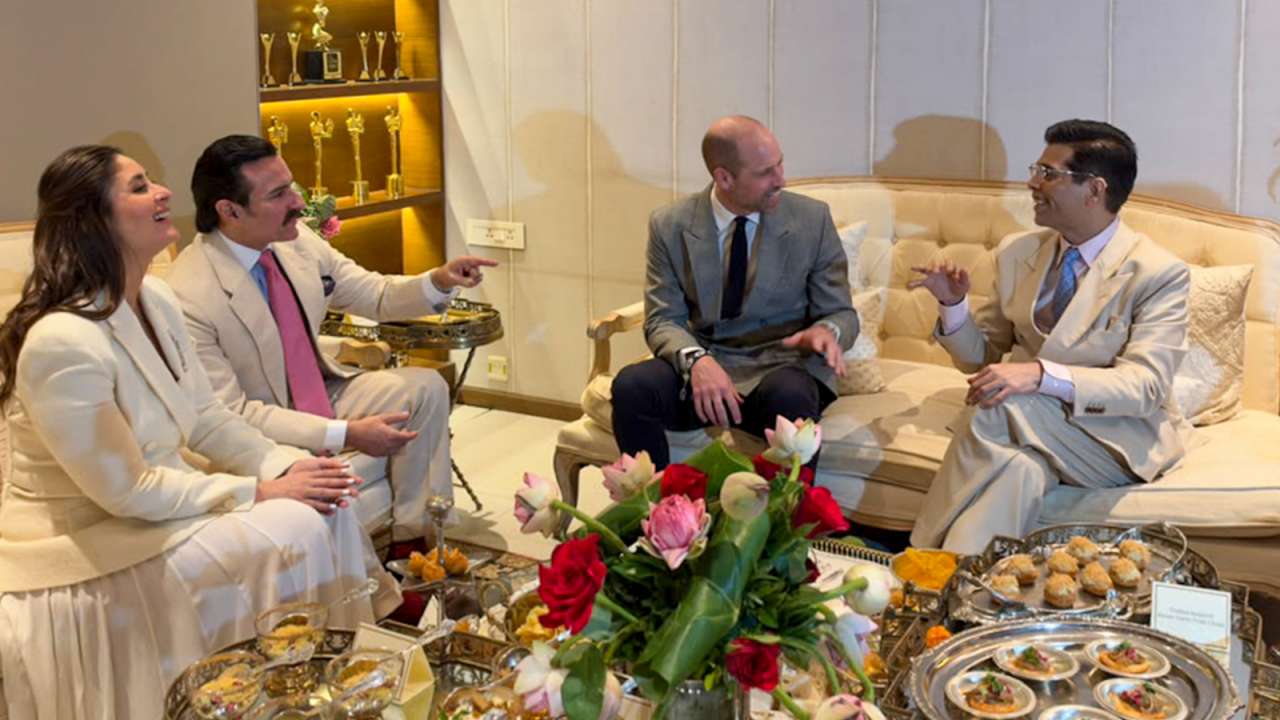 Prince William meets Karan Johar, Saif Ali Khan, Kareena Kapoor Khan at Dharma Productions office, see viral photo
 Panchayat Season 5 OTT release date: When and where to watch Jitendra Kumar, Neena Gupta-starrer series
 India's Astrology Boom: Faith, big business or emotional dependence? Who is watching the industry?
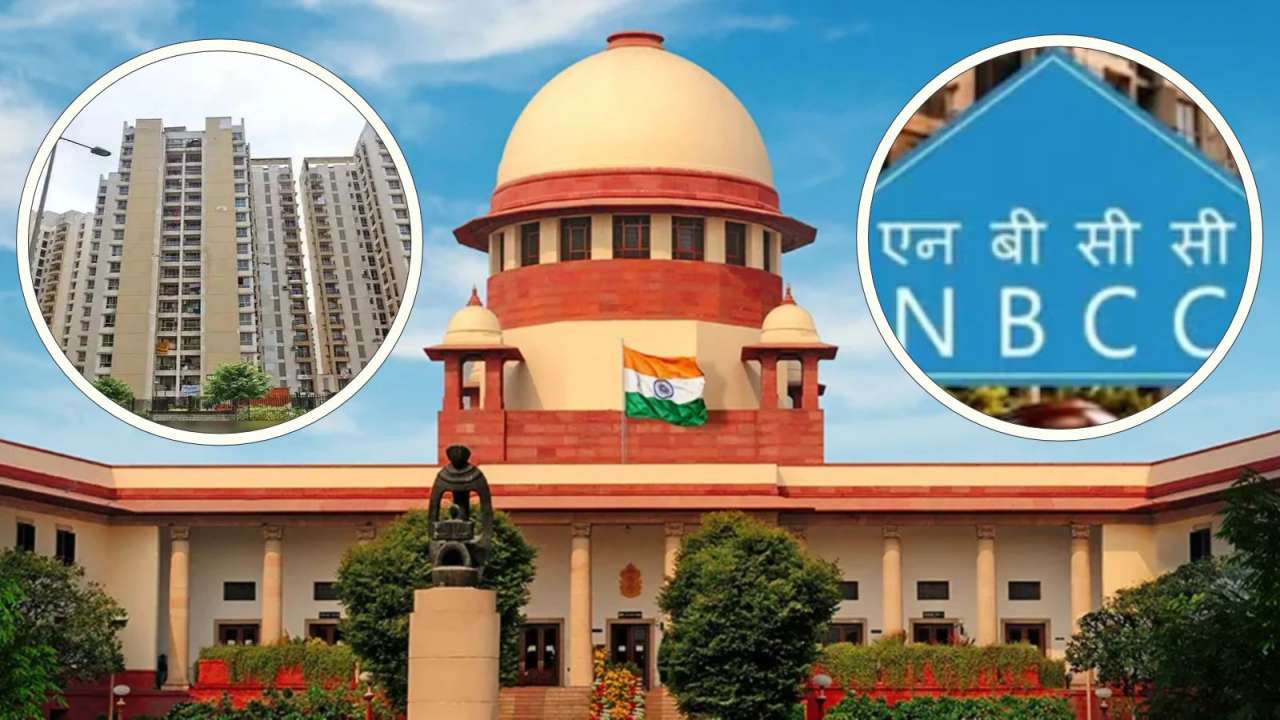 Did NBCC commit contempt of court? Firm resumes auction of flats despite matter being sub judice
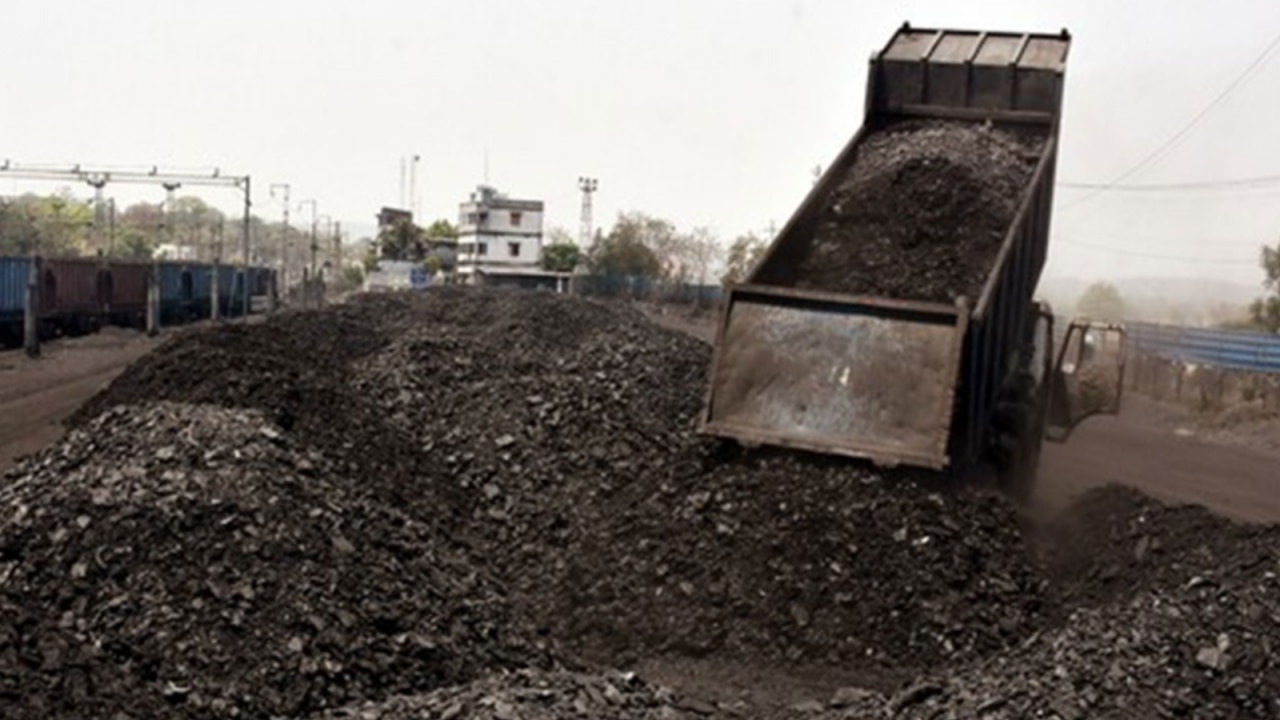 Mahanadi Coalfields IPO: 10 Things to know about issue date, GMP, price band, size and listing
 Tata Sons Listing Row: Why Noel Tata fears it could change Tata Group
 Who will replace Jensen Huang at Nvidia? 3 Indian-origin executives in the race
 Shah Rukh Khan's KKR valued at Rs 16,634 crore: Who is buying Jay Mehta's stake?
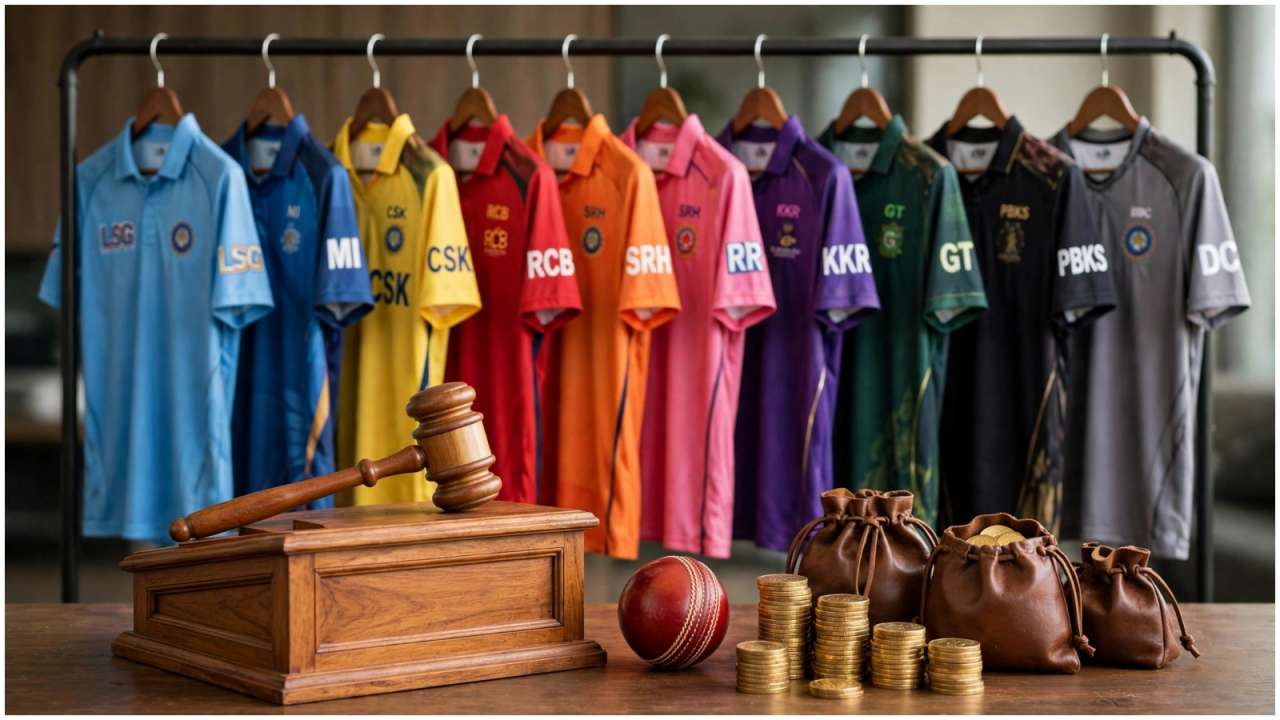 LSG head into IPL 2027 mini-auction as richest team with Rs 47.45 crore: Check purse of all 10 teams
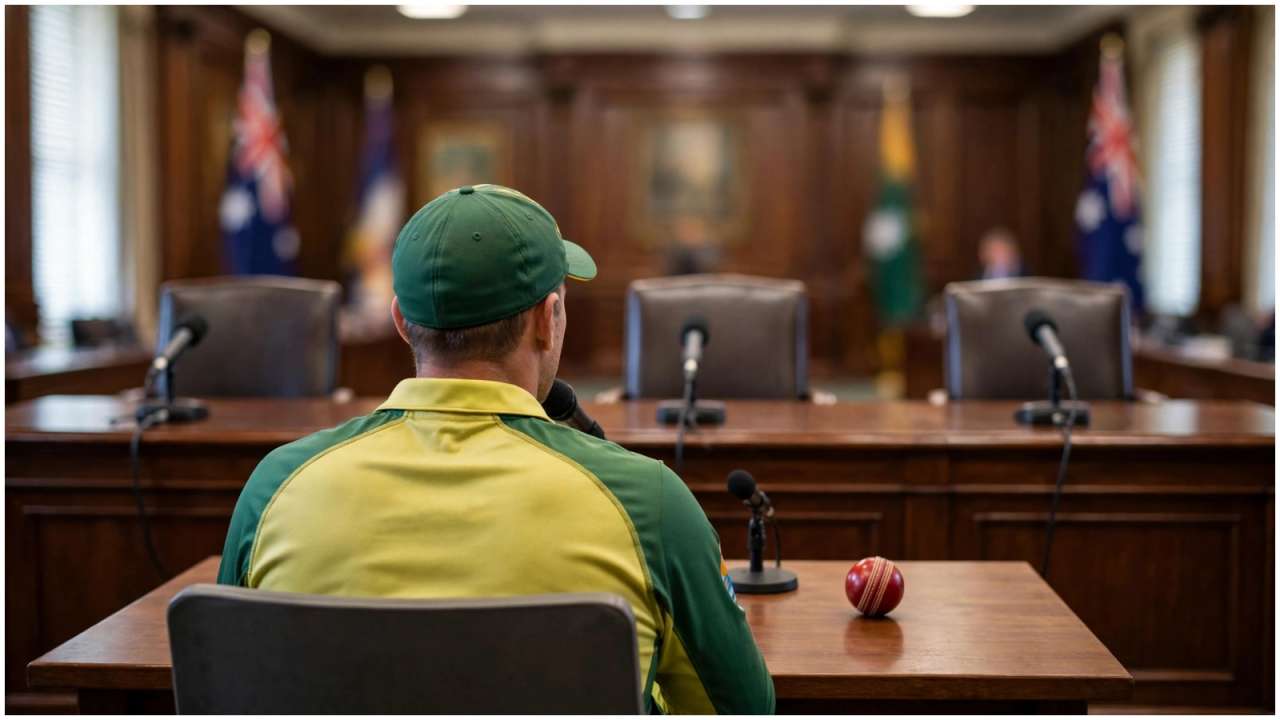 Who knew what in Australia's Sandpapergate scandal? CA gives players another chance to speak
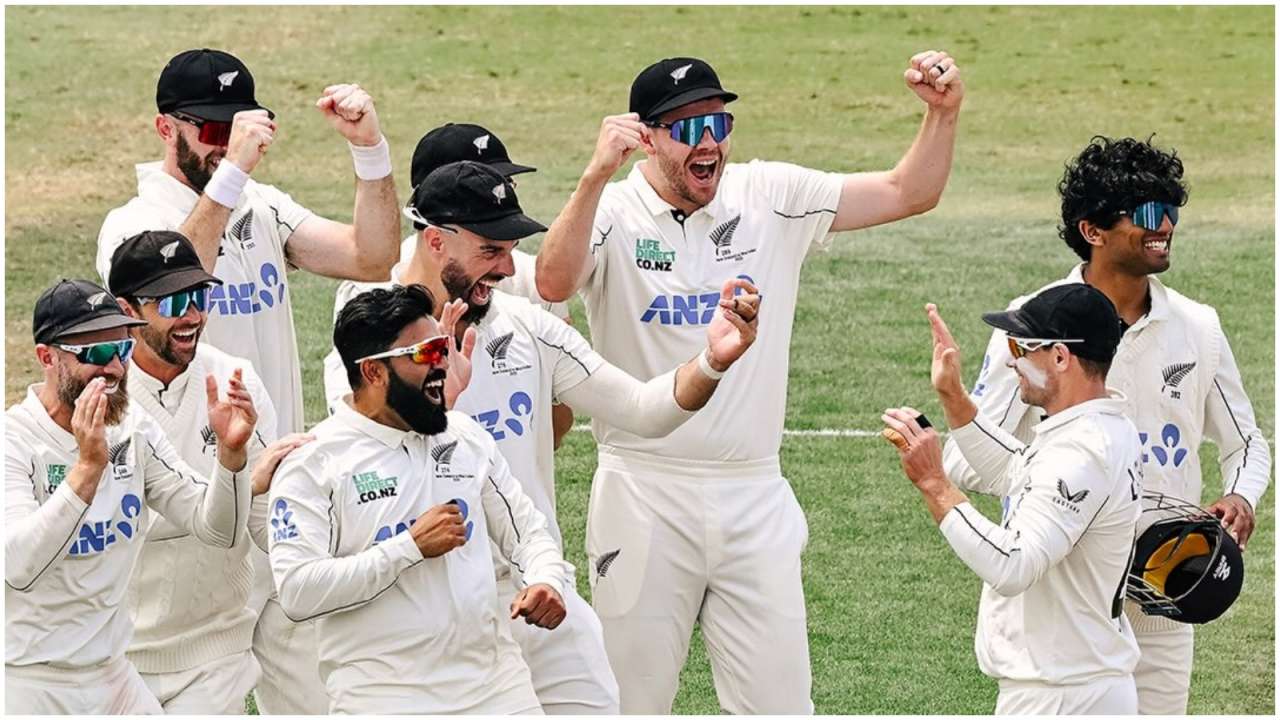 Tom Latham drops a big hint on New Zealand's biggest weapon against India
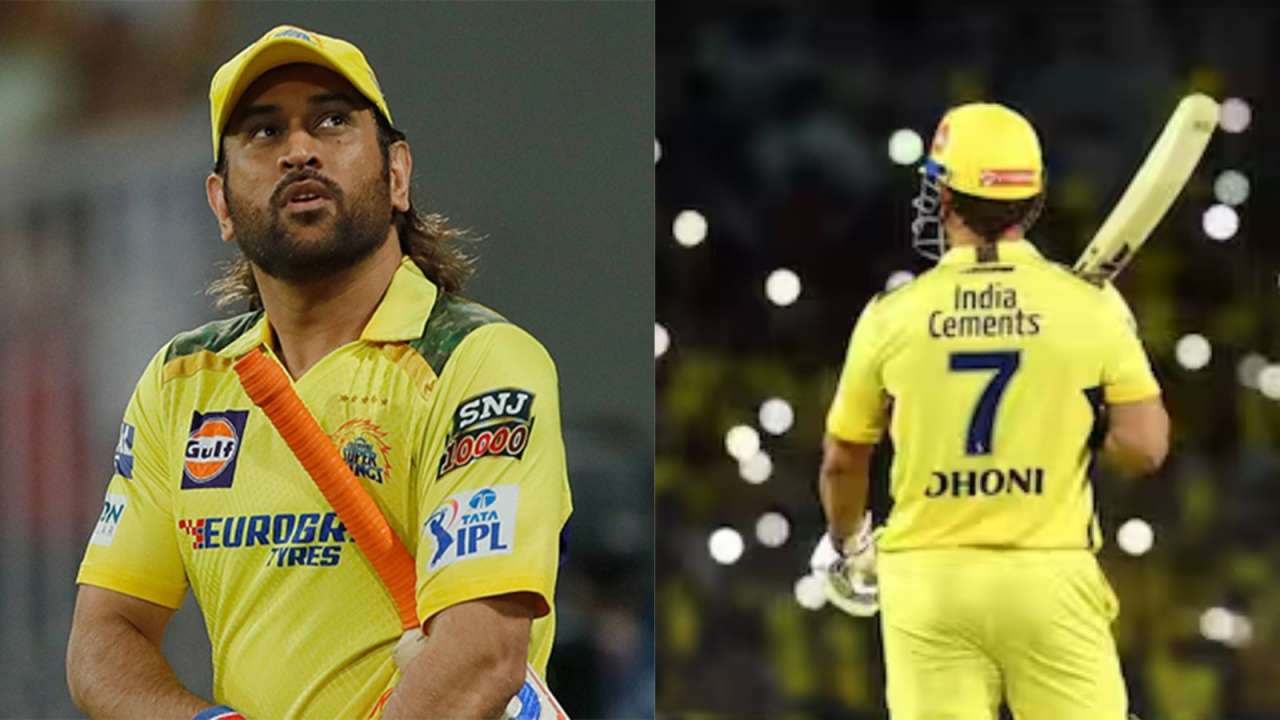 MS Dhoni among IPL's oldest players: Who tops list, where does CSK legend rank?
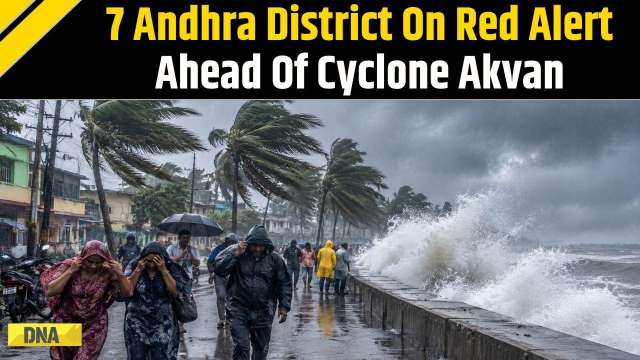 Cyclone Akvan: 7 Andhra Pradesh's Districts On Red Alert Ahead Of November 20 Landfall | Odisha
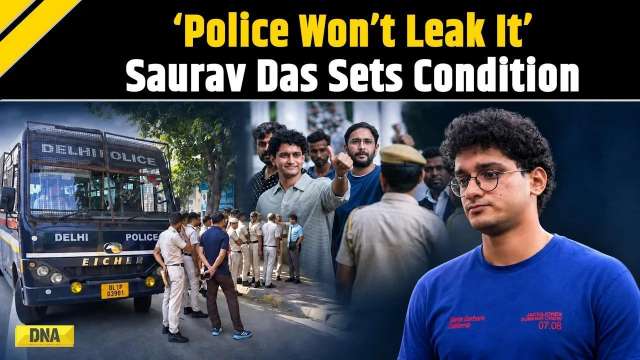 CJP News: 'Condition In Delhi Police Won't Leak It...' Saurav Das Submits Address Proof To Court
 Punjab News: Head Constable Shot Dead In Punjab, Sixth Cop Killed This Year | Bhagwant Mann
 Cyclone Akvan: Odisha Deploys 74 Rescue Teams, Begins Evacuation Ahead Of 'Severe Storm' | Andhra
 Uttarakhand Bus Accident: 6 Killed After Bus Falls Off Bridge On Rishikesh-Badrinath Highway
INDIA
DNA Web Team | Dec 23, 2018, 10:26 PM IST
1.9000 telephone calls, 500 emails intercepted during UPA era
BJP spokesperson Sambit Patra showed that in two RTI replies the UPA government in August 2013 had said that on an average its agencies intercepted 9000 telephone calls and 500 emails a month.
It had also listed 10 agencies which did the monitoring - Intelligence Bureau, Narcotics Bureau, Enforcement Directorate, CBDT Directorate of Revenue Intelligence, CBI, NIA, RA&W, Directorate of Signal Intelligence, DG Police of concerned state and Commissioner of Delhi.
2.RTI query into UPA order
"Tell me how is this different from the December 20 order? The only difference is that the December 20 (order) was legally notified by the central government while the UPA had not notified it and upon an RTI they had released the list. These 10 agencies were working even at that time. They were snooping on 9000 telephone calls and 500 emails every month and Congress is accusing others of snooping?
3.Playing with national security
"The political party which enforced emergency, the party which brought the post office amendment bill how can that political party level such charges against another party? The Congress party for its opportunism has gone to the extent of playing with national security" he alleged.
The decision to intercept anybody's computer can be invoked only in matters of national integrity and security, public order and friendly relations with other countries, the government has said.
The earlier mechanism was not defined and it has now been made robust and accountable, it claimed
4.Kapil Sibal calls it ‘unconstitutional’
The Ministry of Home Affairs' (MHA) order allowing 10 agencies to monitor any computer resource is unconstitutional and will get challenged in court soon, said senior Congress leader Kapil Sibal on Sunday.










5.Open to misuse
Alleging that the latest directive will be misused by the enforcement agencies, Sibal told ANI, "They gave this power to Delhi Commissioner of Police, CBDT. Earlier, the right was given to the MHA only. Now they've given this right to every institution. After the privacy judgement, Supreme Court had said that privacy is a human right. I think it is an unconstitutional decision and it will get challenged in court soon because if you give Commissioner of police this power, he will use it. These powers will be misused in the same way the enforcement agencies misuse other powers."
6.Attack on democracy
Calling the order an attack on democracy ahead of the 2019 Lok Sabha elections, the Congress leader said, "Home Secretary is their own man. Whoever makes an intervention, be it CBDT, Commissioner of Police, Home Secretary will give his stamp on it. If it goes to Home Secretary, he will put his stamp and these powers can be delegated as well. These can be given to different organisations, other states. This is a bad step. They have been attacking democracy daily and will continue to do so because 2019 is approaching."
7.Ministry has issued a clarification
Meanwhile, Home Minister Rajnath Singh said, "The Ministry has already issued a clarification. I can't say anything on it right now as the Parliament is in session. If I am asked, I will speak on it in the Parliament."
On December 21, the Centre clarified that every individual case will continue to require the prior approval of Union Home Ministry or the state government. "Union Home Affairs Ministry has not delegated its power to any law enforcement or security agencies," the Central government clarified.
"The notification does not confer any new powers and adequate safeguards are provided in the IT Act 2000," the government further said, stating that similar provisions and procedures already exist in the Telegraph Act along with identical safeguards.