 Jailer 2 box office collection day 3: Rajinikanth film beats Suriya's Karuppu, crosses Rs 300 crore mark worldwide
 Kolkata Durga Puja Tragedy: 17 dead, at least 35 injured in stampede at Chorbagan pandal
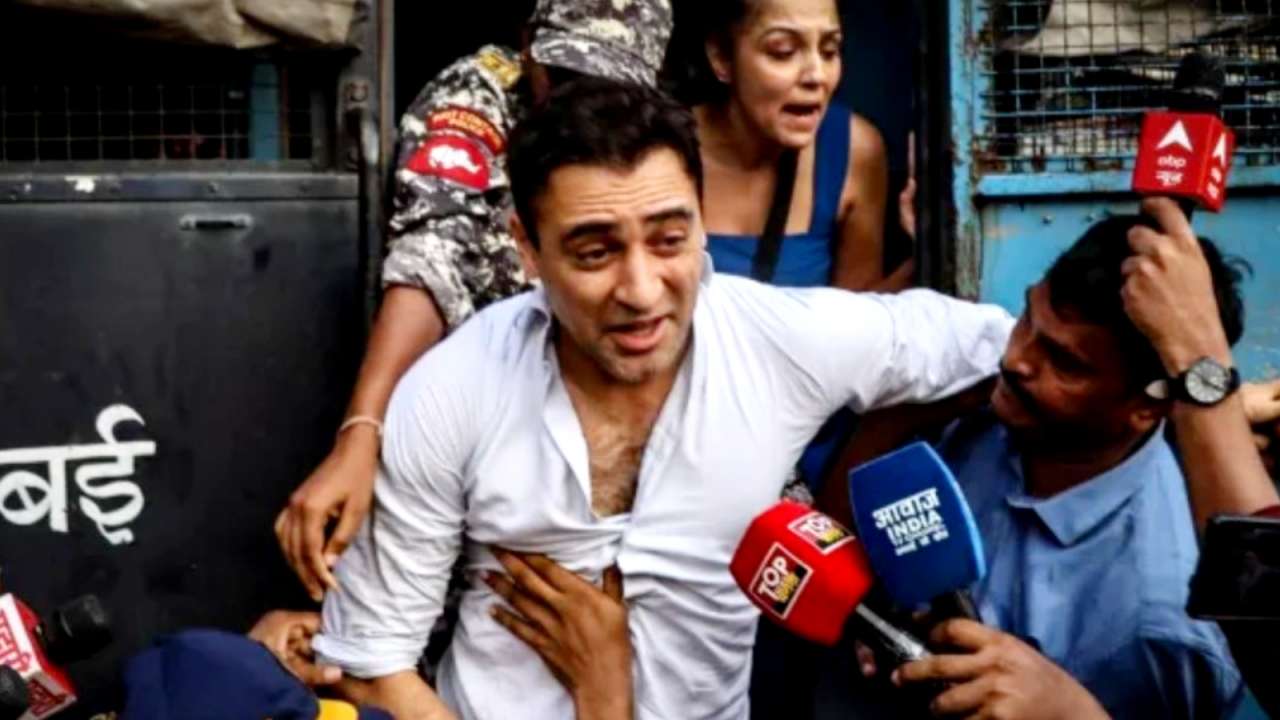 Imran Khan moves Bombay High Court against 'Leave India' order, calls Mumbai Police notice 'illegal, perverse'
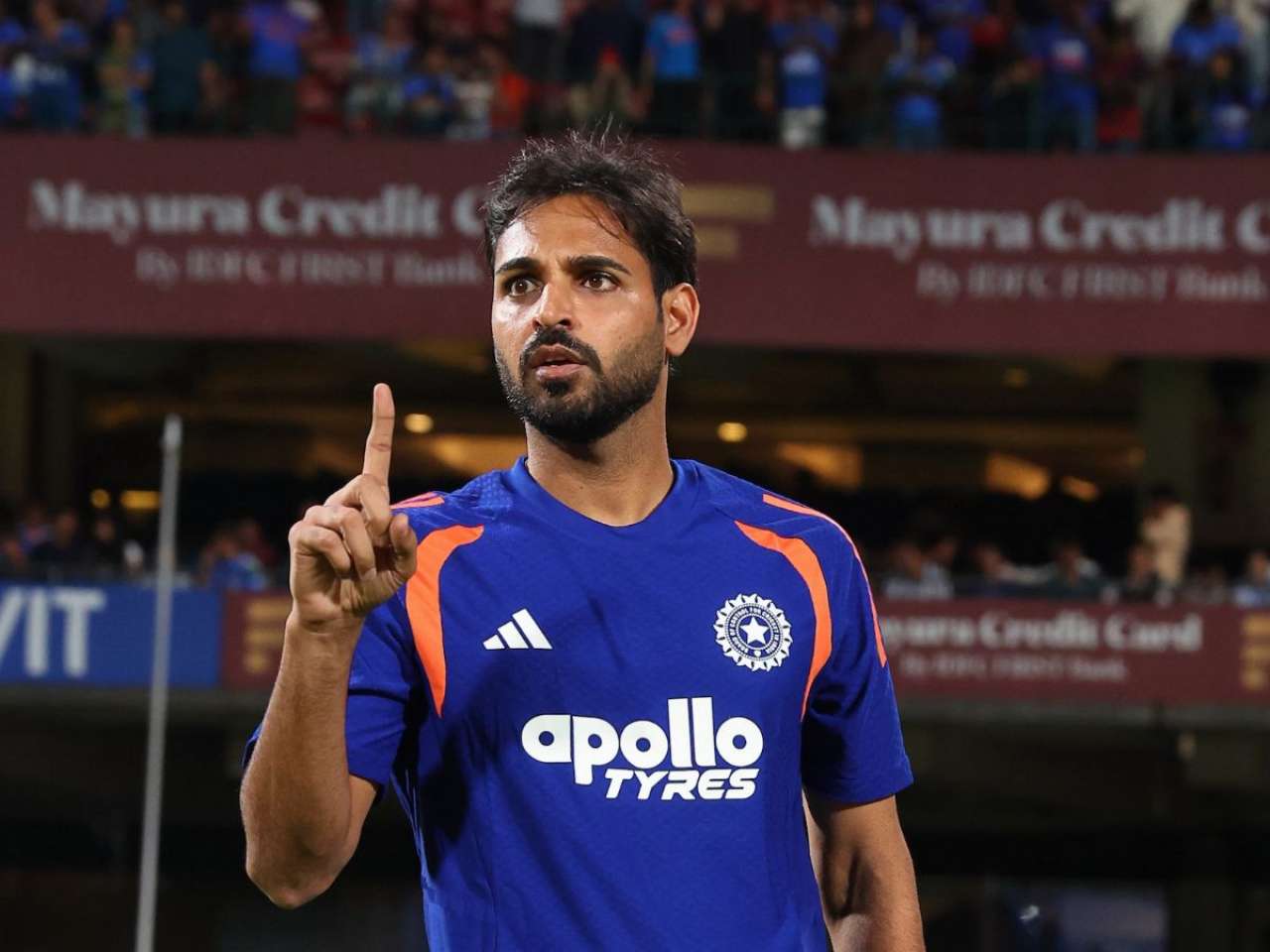 IND vs WI: Bhuvneshwar Kumar makes T20I comeback after 1,446 days as India bat first in series decider against West Indies
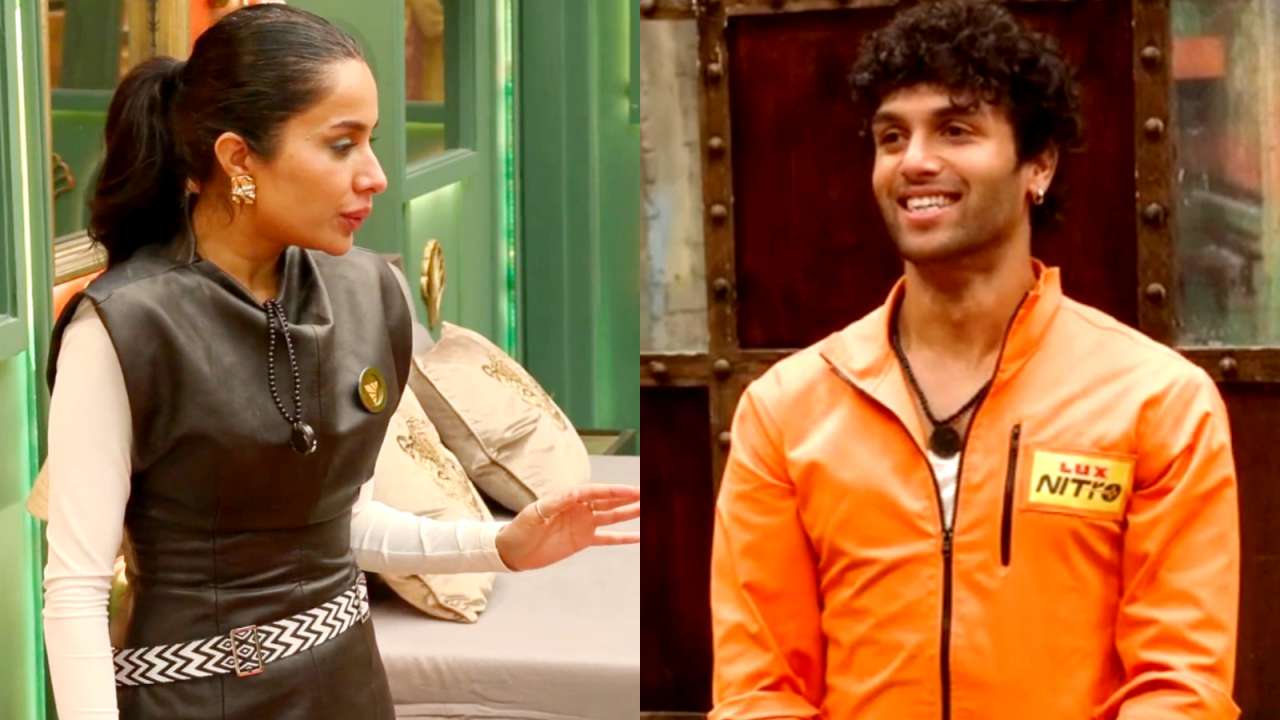 Rise And Fall 2: Sara Gurpal falls to Basement again, Jashwanth Bopanna rises to Penthouse after Lagori challengeIND vs WI: Bhuvneshwar Kumar makes T20I comeback after 1,446 days as India bat first in series decider against West Indies
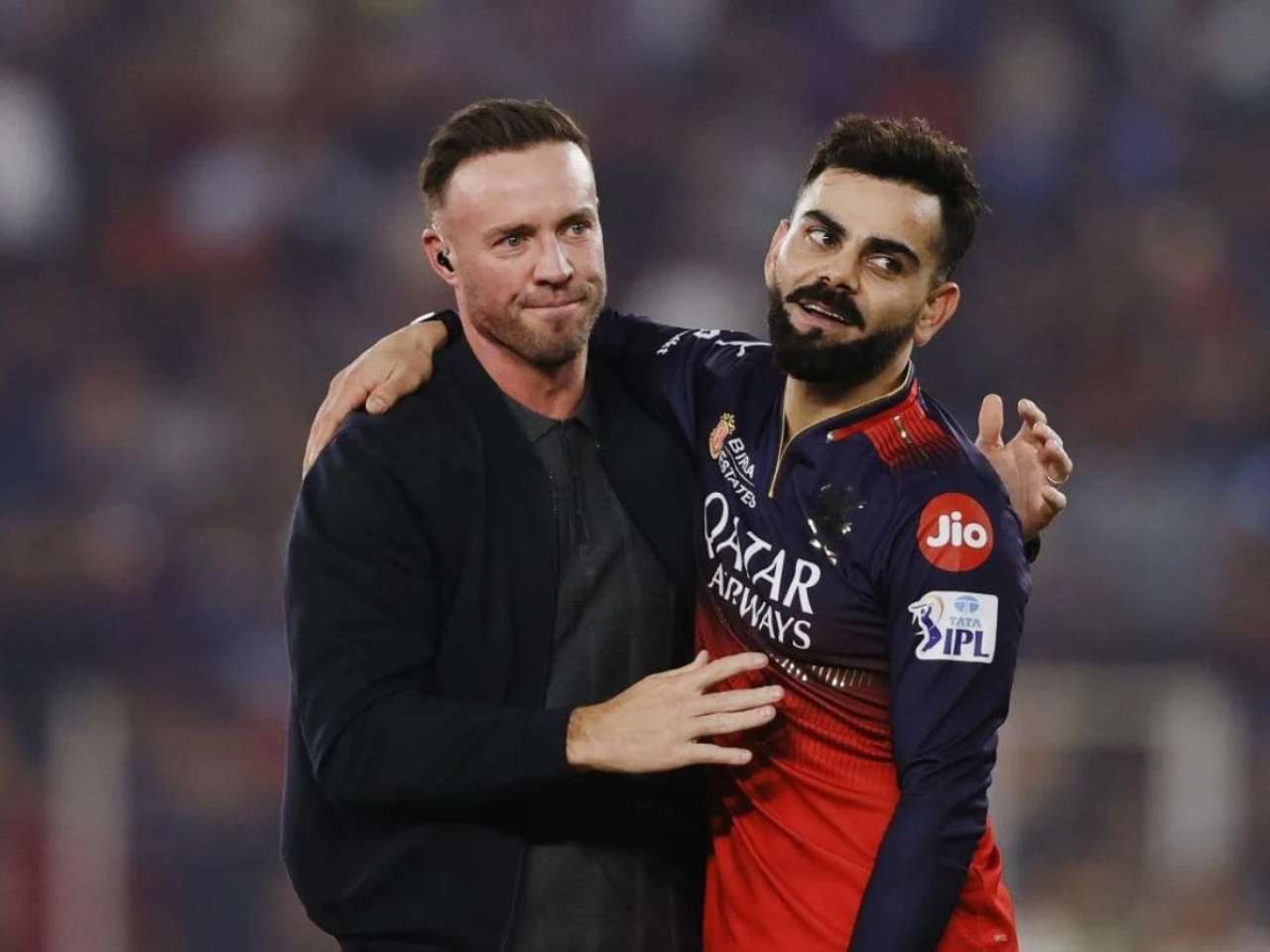 AB de Villiers recalls Virat Kohli's 'arrogant' early days, reveals how he matured
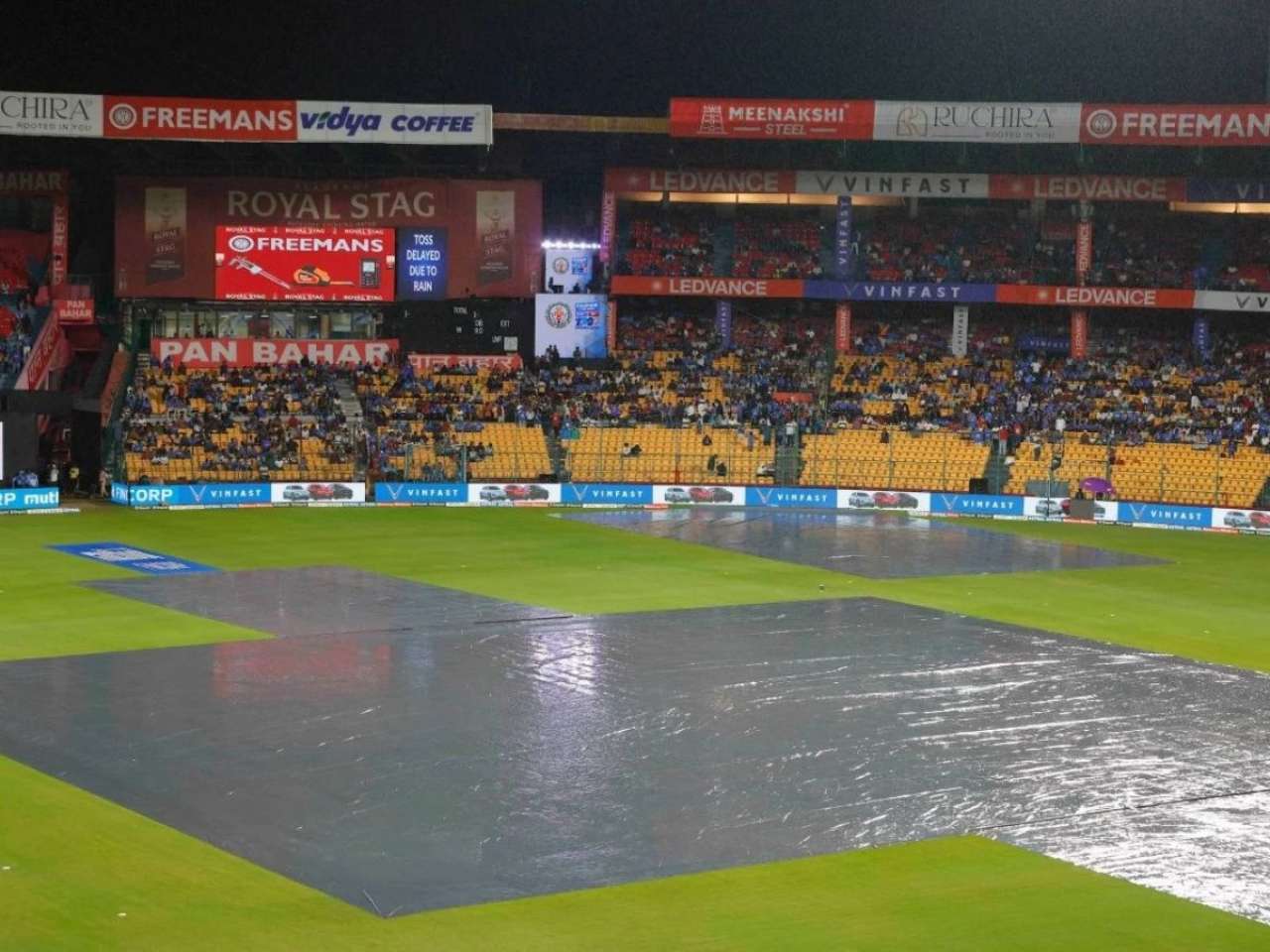 IND vs WI 5th T20I: What is the cut-off time for match to start in Bengaluru?
 Virat Kohli playing street cricket? Viral video of India star’s lookalike breaks the internet - Watch
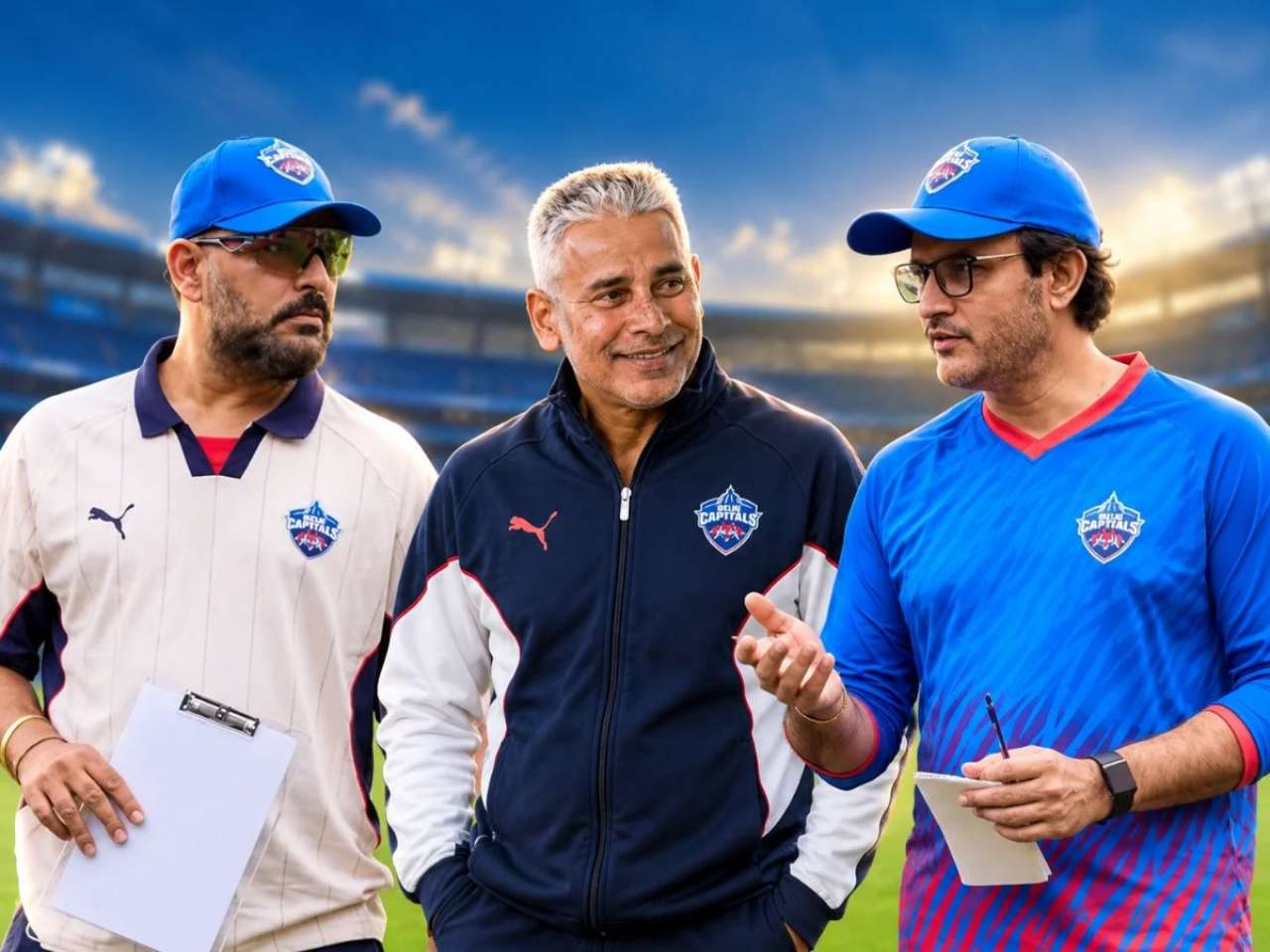 After Yuvraj Singh, Delhi Capitals appoint Sri Lanka pace legend Chaminda Vaas as bowling coach for IPL 2027Jailer 2 box office collection day 3: Rajinikanth film beats Suriya's Karuppu, crosses Rs 300 crore mark worldwideImran Khan moves Bombay High Court against 'Leave India' order, calls Mumbai Police notice 'illegal, perverse'Rise And Fall 2: Sara Gurpal falls to Basement again, Jashwanth Bopanna rises to Penthouse after Lagori challenge
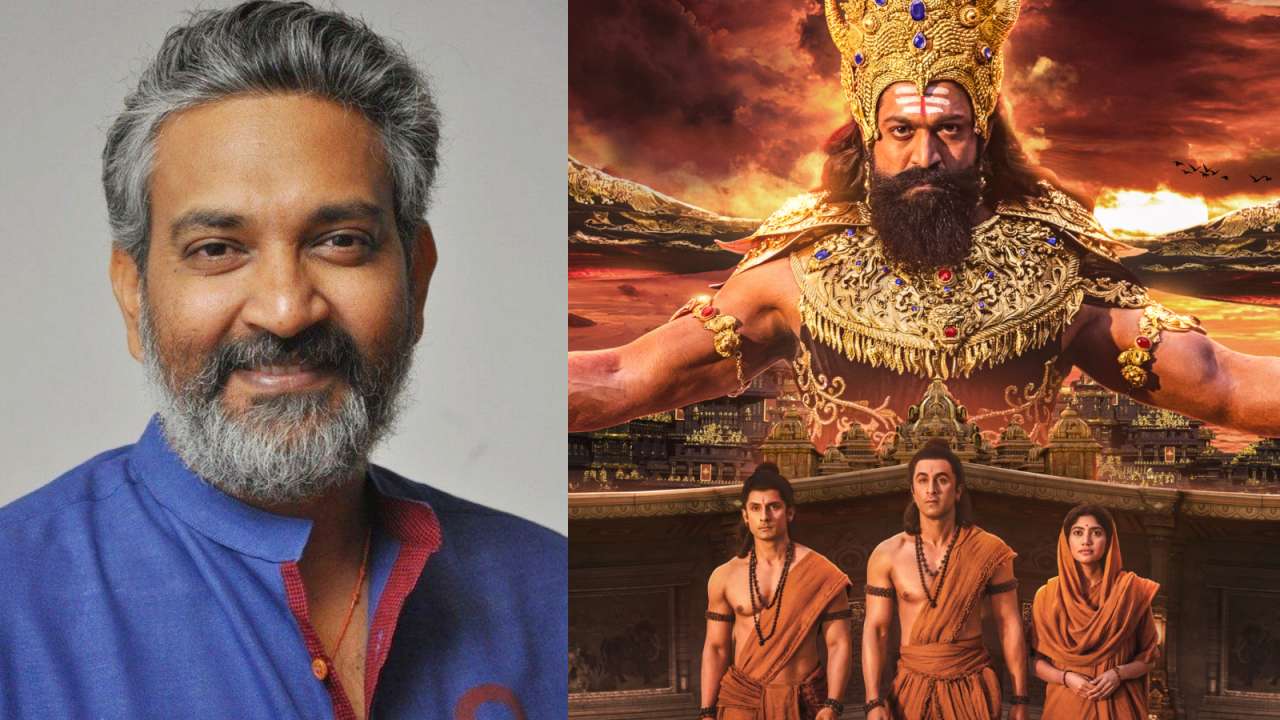 SS Rajamouli praises Ranbir Kapoor, Yash's Ramayana, says 'every Indian storyteller grows up aspiring to tell' the epic
 Tamil Nadu CM Vijay pays emotional tribute to 'Thenisai Thendral' Deva, announces state honours for music composer
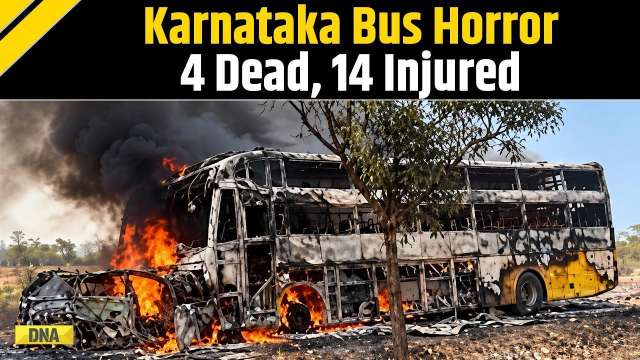 Karnataka Bus Horror: 4 Dead, 14 Injured In Mysuru Sleeper Bus-Truck Head-On Collision
 Pakistan School Roof Collapse Kills 21 Children And A Teacher In Peshawar | Latest News
 CJP Protest: Mumbai Police Issues Notice To Actor Imran Khan To Leave India By October 28
 CJP Protest: Rahul Gandhi Accuses Delhi Police Of Beating Youngsters At Protest | Jantar Mantar
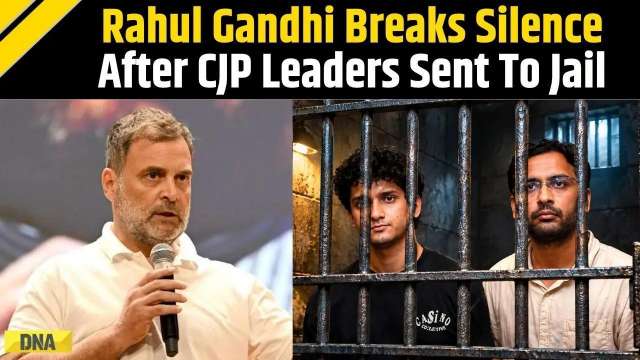 CJP Protest: Congress Rahul Gandhi Backs CJP Leaders Jailed For Tresspassing At Jantar Mantar
 Gold, Silver prices today, October 17, 2026: Check city-wise rates in Delhi, Mumbai, Chennai, Kolkata and more
 Flying Car! Watch video of Tesla's Roadster jump, flip and fly, when will Elon Musk bring it to India?
 Gold, Silver prices today, October 16, 2026: Check city-wise rates in Delhi, Mumbai, Chennai, Kolkata and more
 SEBI Revises Closing Auction Session Rules: What changes from December 7?
 Jio IPO: How Rs 30,213-crore issue could impact Mukesh Ambani's Reliance Jio, India’s digital ecosystem
 OTT Releases This Week: Koffee With Karan 9, Roadies Rebirth, Aasha; new movies and shows to watch on Netflix, JioHotstar, ZEE5
 From Whalefall to Project Hail Mary, Resident Evil: 5 must-watch survival flicks of 2026 you can't afford to miss
 Dil Chahta Hai, Cocktail, Dostana: 5 must-watch Bollywood films that celebrate true friendship
 Navratri Day 4: From Shraddha Kapoor, Kriti Sanon, Sanya Malhotra, actresses who embody goddess in blue outfits
 Navratri 2026: From Alia Bhatt to Sara Ali Khan, Shraddha Kapoor, take inspiration from Bollywood actresses to stun everyone in whiteKolkata Durga Puja Tragedy: 17 dead, at least 35 injured in stampede at Chorbagan pandal
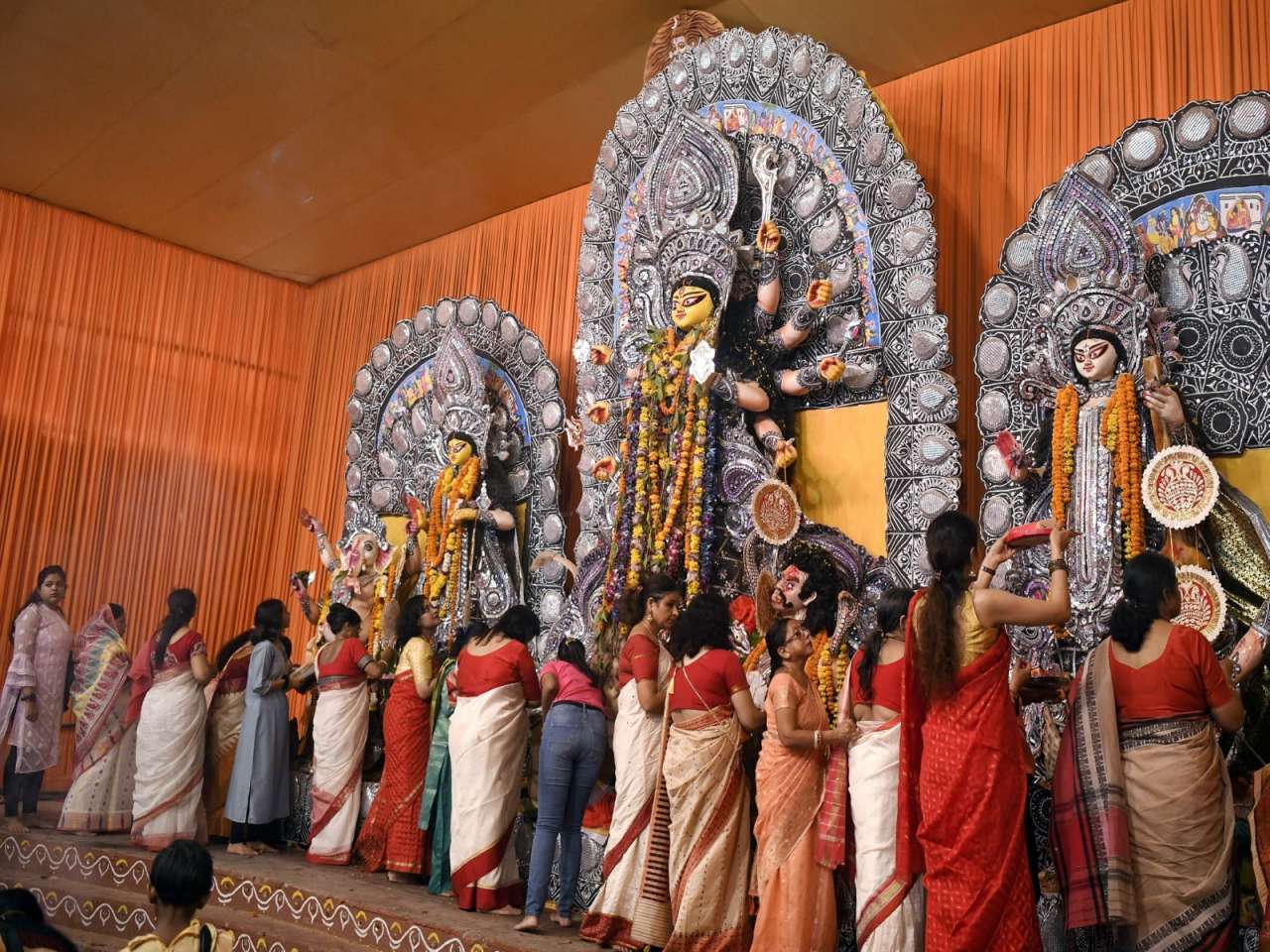 Delhi Durga Puja traffic advisory: CR Park, Greater Kailash-II to face restrictions from October 16-20
 Delhi breaks clean-air record in 2026: Will national capital pass the winter air-quality test?
 From Jantar Mantar to Ramlila Maidan: Delhi Police approves Congress rally for SIR protest
 Maharashtra Shocker: YCM hospital doctor suspended for drinking inside post-mortem room; probe underway
 AI-generated question papers for NEET? Nandan Nilekani proposes novel idea for stopping paper leak
 Third Language Row: SC extends relaxation to Class 6 students, asks CBSE to grant exemption, here's what it means
 NEET PG 2026 Result Out: Check how to download scorecard from natboard.edu.in; Know category-wise cut-off and more
 Five-year BTech programmes? Ex-IIT director makes proposals amid IIT suicide controversy
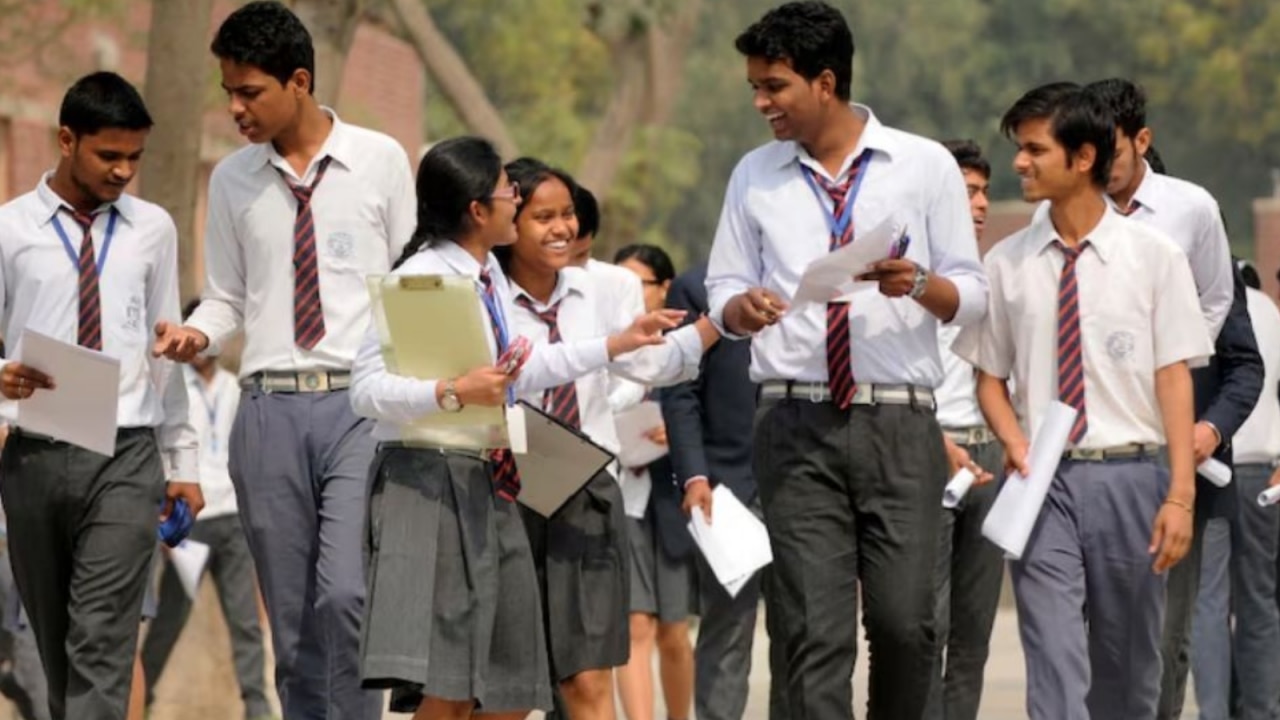 CBSE Date Sheet 2027: When will Class 10, 12 timetable be released? Check details here
 After Hyundai, Maruti Suzuki makes cars costlier ahead of festive season: Check new prices after hike
 Hyundai cars to get costlier from September: Check new prices and reason behind hike
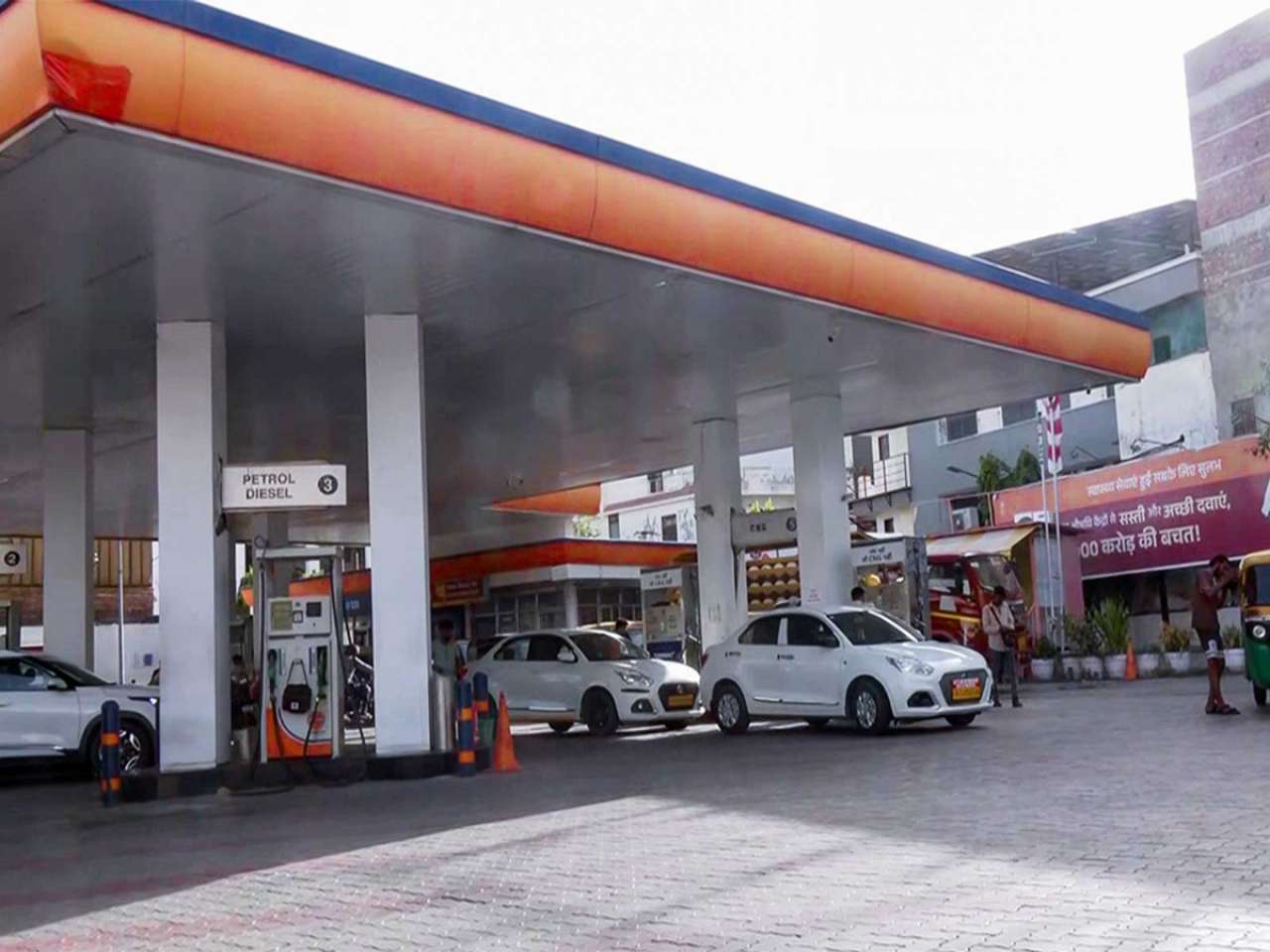 Why can't consumers choose pure petrol or E10? Centre explains why E20 is now the standard fuel
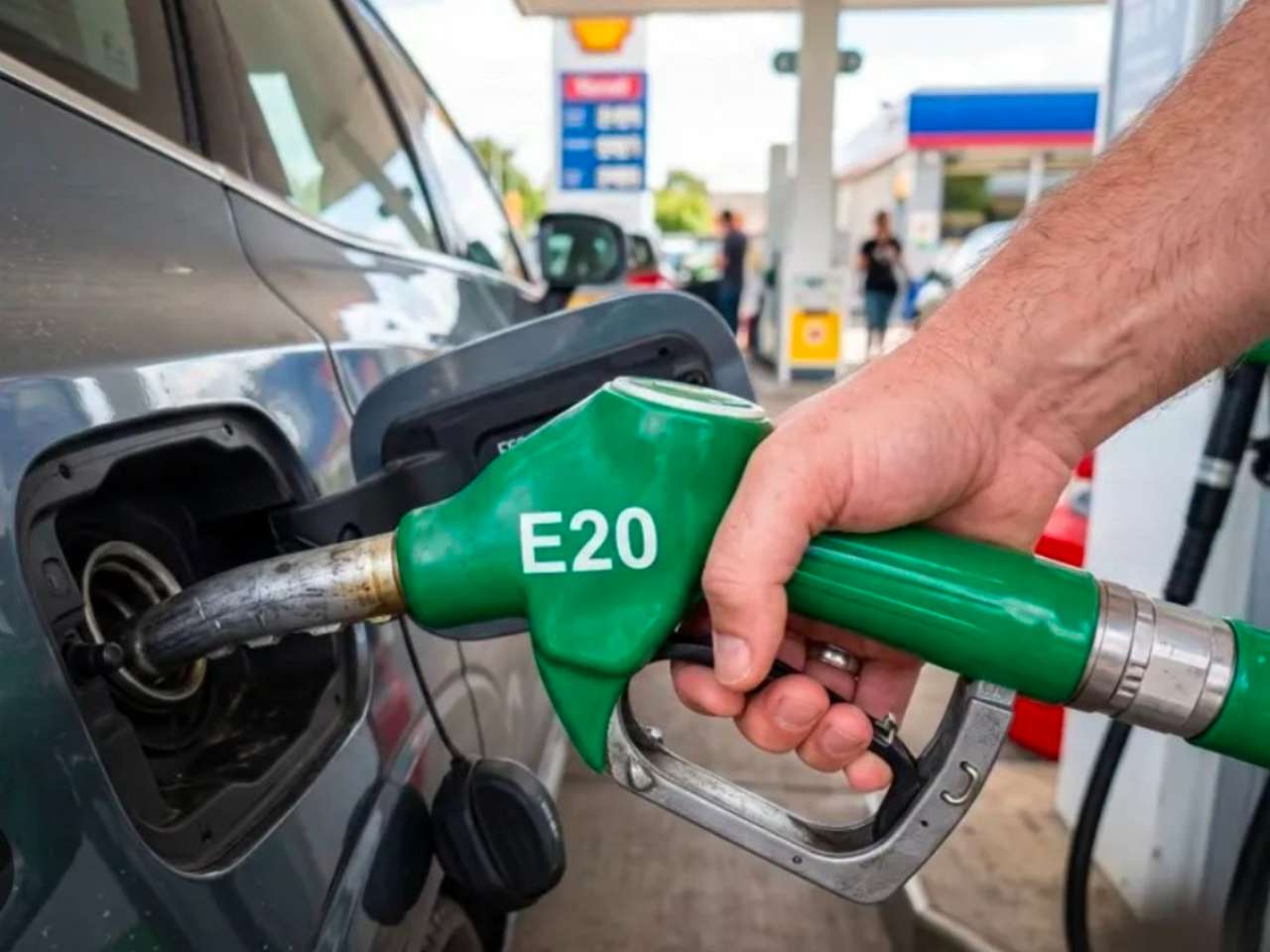 Centre claims E20 fuel does not damage engines, cites data from Maruti Suzuki and Hero MotoCorp
 Maruti WagonR Flex Fuel: What’s price of India’s first ethanol car? Specs, mileage, and top features explained
INDIA
DNA Web Team | Dec 19, 2018, 09:12 AM IST
1.GSAT-7A launched

The 2,250 kg geo-stationary satellite GSAT-7A built by the Indian Space Research Organisation (ISRO) provides for a secure mode of communication and will be for the exclusive use of the IAF. After a 26-hour countdown, ISRO's rocket GSLV-F11 carrying the satellite lifted off at 4.10 pm from the second launch pad at Sriharikota, about 110 km from Chennai.
(Photo: ISRO)
2.Some anxious moments for ISRO scientists

The mission also gave the scientists some anxious moments "as the weather god was not very conducive some one week back," Sivan noted. However, the meteorological team here gave correct predictions, he said and congratulated the ISRO team members behind the successful launch, the last for this calendar year. "This is the last mission of this year. We are going to initiate the new year with a grand mission soon," he said. Sivan said the new year would see ISRO taking up challenging launches, including the Chandrayaan-2 moon mission.
(Photo: ISRO)
3.Many firsts for ISRO

The launch mission came with many firsts, including increased propellant loading and other features, the ISRO chief said. The "cryogenic stage is burnt to depletion to get a super synchronous transfer orbit to enhance the life of the satellite," he said. The satellite also came with new technology regarding the antenna to improve the performance, Sivan said. Its solar panels have been deployed and orbit raising manoeuvres will be done from Thursday morning from Bengaluru, he said.
(Photo: ISRO)
4.19-minute journey

Around 19 minutes after the lift-off, the geosynchronous launch vehicle injected the satellite into the intended orbit. According to ISRO, the satellite would take a few days after separation from the launcher to reach its orbital slot.
The GSLV-F11 is the ISRO's fourth generation launch vehicle with three stages. Four liquid strap-ons and a solid rocket motor at the core form the first stage of the launch vehicle, while the second stage is equipped with a high-thrust engine using liquid fuel, ISRO said. The Cryogenic Upper Stage forms the third and final stage of the vehicle. The seventh launch of 2018 from Sriharikota marks the 69th mission of GSLV-F11 for ISRO.
On November 14, ISRO's GSLV-MkIII-D, which is dubbed by the ISRO as the 'Bahubali' or "fat boy" of Indian rockets, injected into orbit a 3,423 kg communication satellite GSAT-29, the country's heaviest to be put into orbit.
(Photo: ISRO)


5.5th Indian communication satellite built by ISRO

According to the ISRO officials, the advanced communication satellite would facilitate exclusive frequency flight communication for the IAF. The mission life of the GSAT-7A is eight years. It will provide communication in Ku-band over the Indian region.
From the Mission Control Centre, ISRO Chairman K Sivan said the "successful and safe" launch was the third one in 35 days and came close on the heels of the "grand success" of two missions in November. The GSLV-F11 successfully injected the "advanced" communication GSAT-7A into orbit, an elated Sivan said, describing the mission as "wonderful." This was the heaviest satellite lifted by the GSLV with indigenous cryogenic stage, he added. The mission came with many firsts, including increased propellant loading and other features, the ISRO chief said.
(Photo: ISRO)
6.First exclusive satellite for IAF

Along with other communication satellites - GSAT-7 and GSAT-6 - GSAT-7A will change the way Indian armed forces operate and communicate. GSAT-7A will be the first satellite built primarily for the IAF to qualitatively unify its assets and improve combined, common intelligence during operations. It will provide aircraft-to-aircraft communication link and between airborne planes and their commanders on the ground.
(Photo: ISRO)
7.Single-network connectivity between IAF assets and airbases

GSAT-7A is built exclusively for the IAF but the Indian Army will also use some of its bandwidth. It will provide a unique link between all the on and off ground assets and airbases and command centres of the IAF. Dubbed as "Angry Bird", the satellite is expected to enable the force to interlink different ground radar stations, ground airbase and Airborne early warning and control (AWACS) aircraft. "The launch is a tremendous jump in our networking capabilities. It will be very beneficial to our communication network," IAF chief Air Chief Marshal B S Dhanoa told reporters in Jodhpur.
(Photo: Twitter/IAF)
8.Ku band to provide superior real-time communication

About 70% of the GSAT-7A network would be for the Air Force and the rest for the needs of the Army. The Indian Navy already has a satellite - GSAT-7 - for its exclusive use which provides it a real-time communication over the Indian Ocean region. The Army's Aviation Corps, which operates many helicopters and UAVs, will use the 30% bandwidth of GSAT-7A. Sources said the satellite using Ku band will enable superior real-time communication between IAF assets and ground control.
(Photo: ISRO)