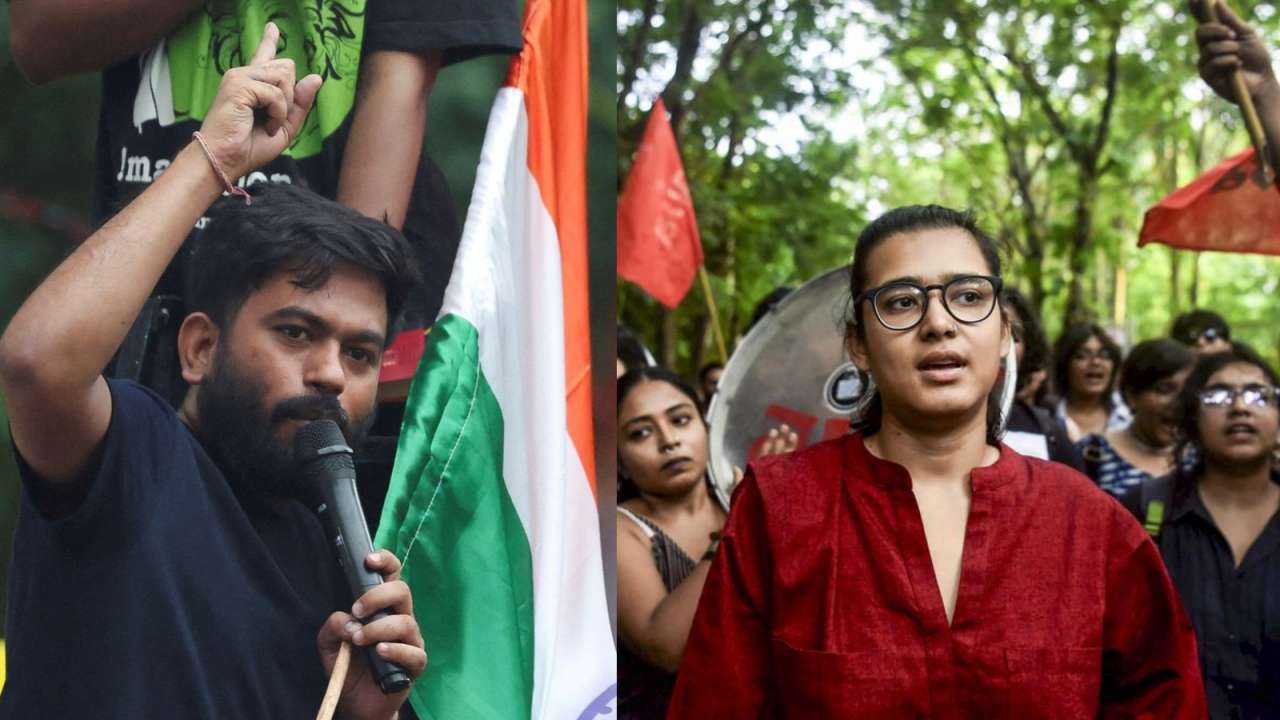
 After Abhijeet Dipke, Neha Bora's detention, what is CJP's 'Plan B' to keep anti-CEC protest alive?
 Punjab Horror: Man axes wife to death in front of mother, here's what happened next will leave you in shock
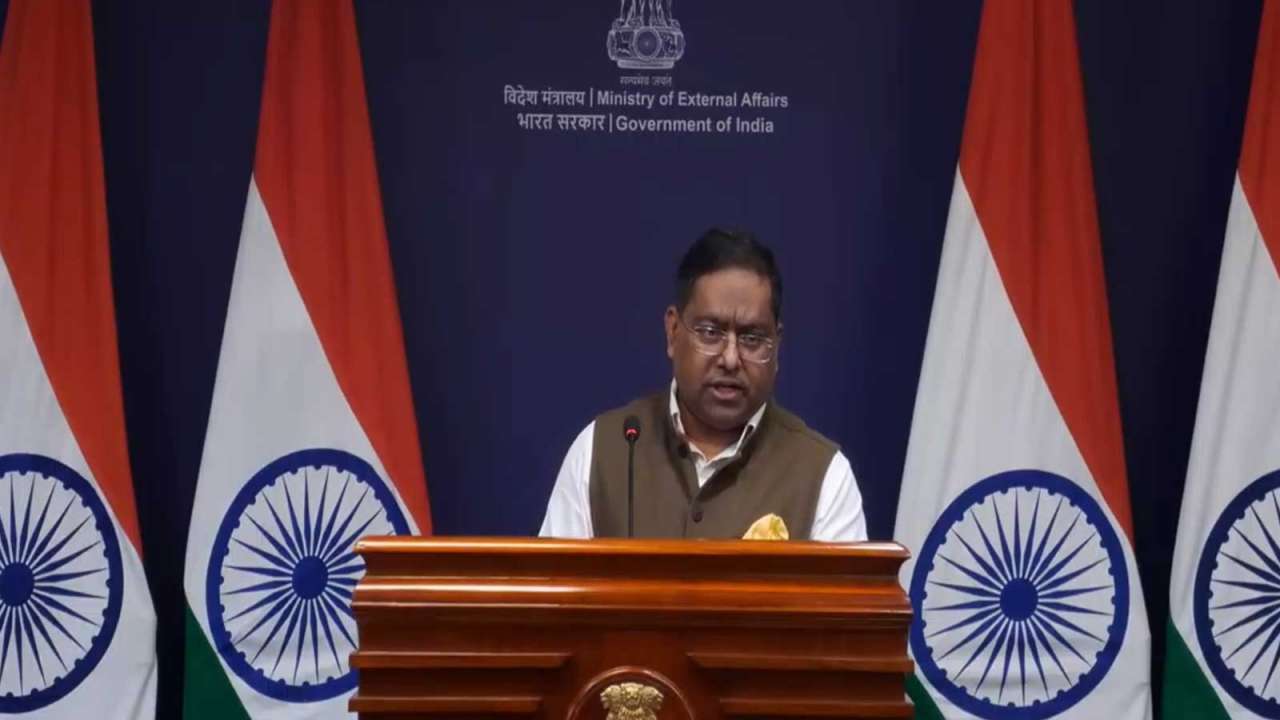 India slams Pramila Jayapal for remarks on voter roll revision, calls it interference in fellow democracy
 BCCI announces India’s Test and ODI squads for New Zealand tour: Who’s in, who’s out?
 J&K govt seeks 15-day inquiry into IAS officer's alleged misconduct against woman colleagueBCCI announces India’s Test and ODI squads for New Zealand tour: Who’s in, who’s out?
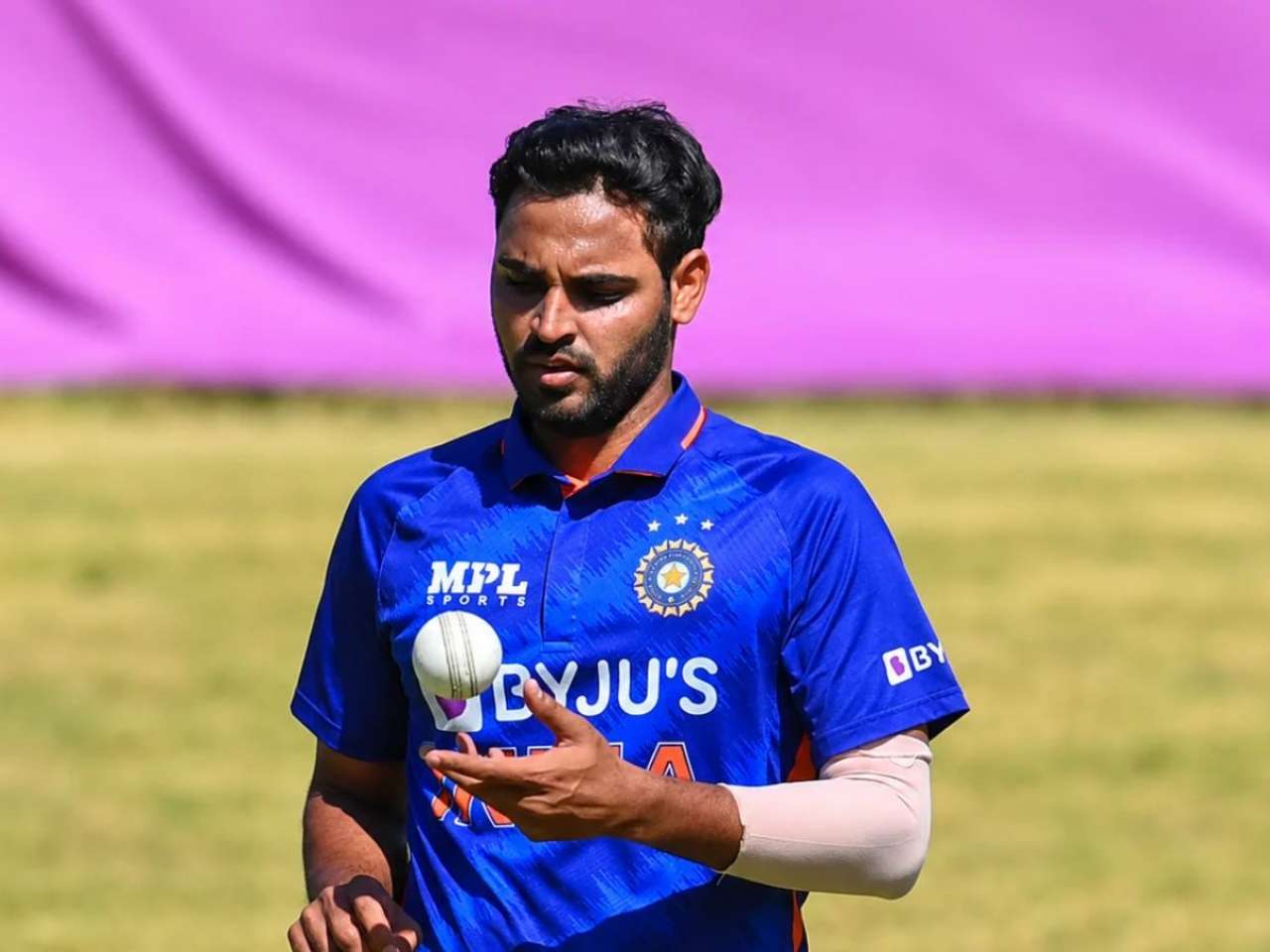 'Very critical': Ex-India star’s stark warning as Bhuvneshwar Kumar's comeback highlights pace concern
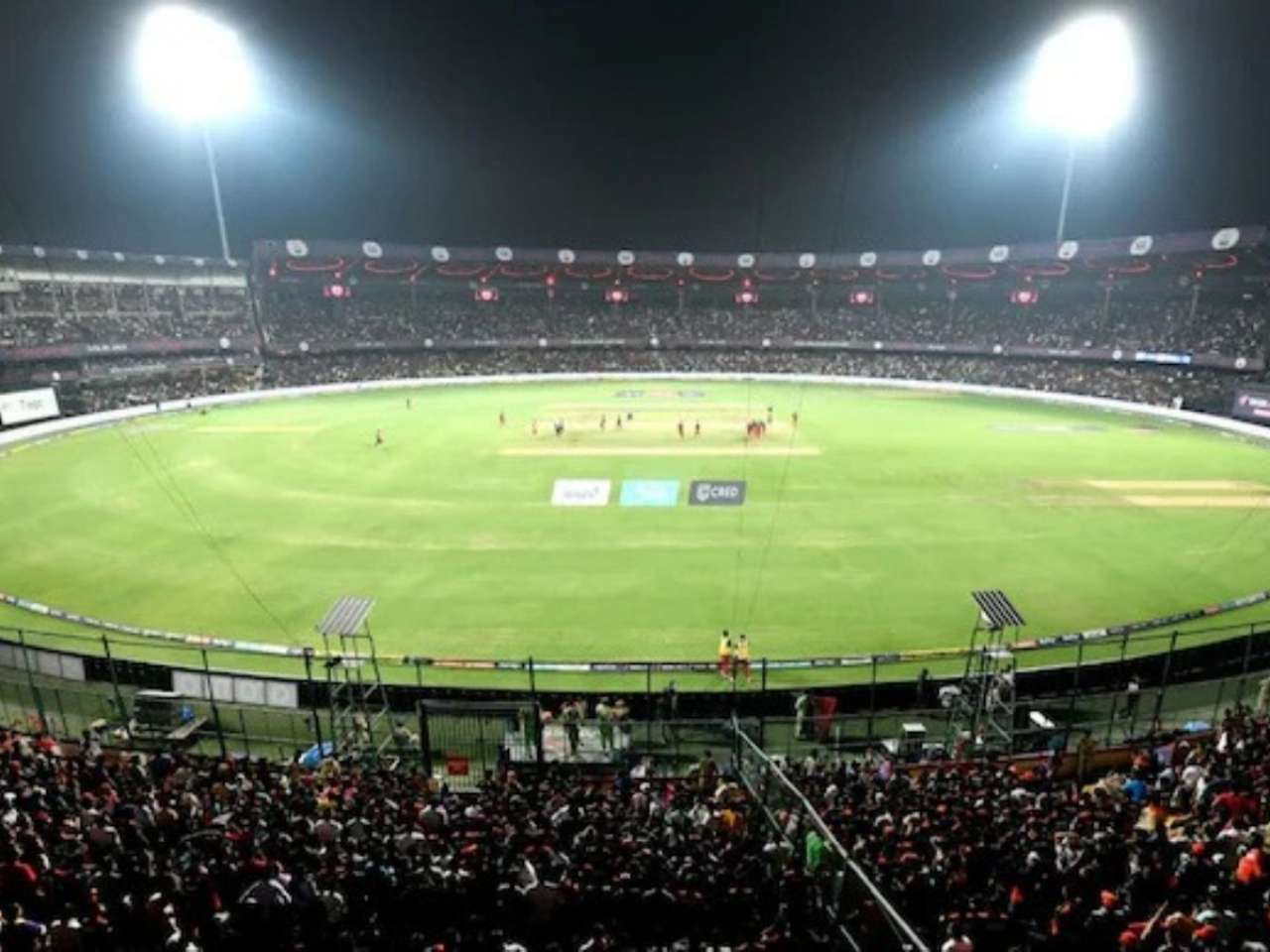 IND vs WI: What happened last time India played T20I at M Chinnaswamy stadium in Bengaluru?
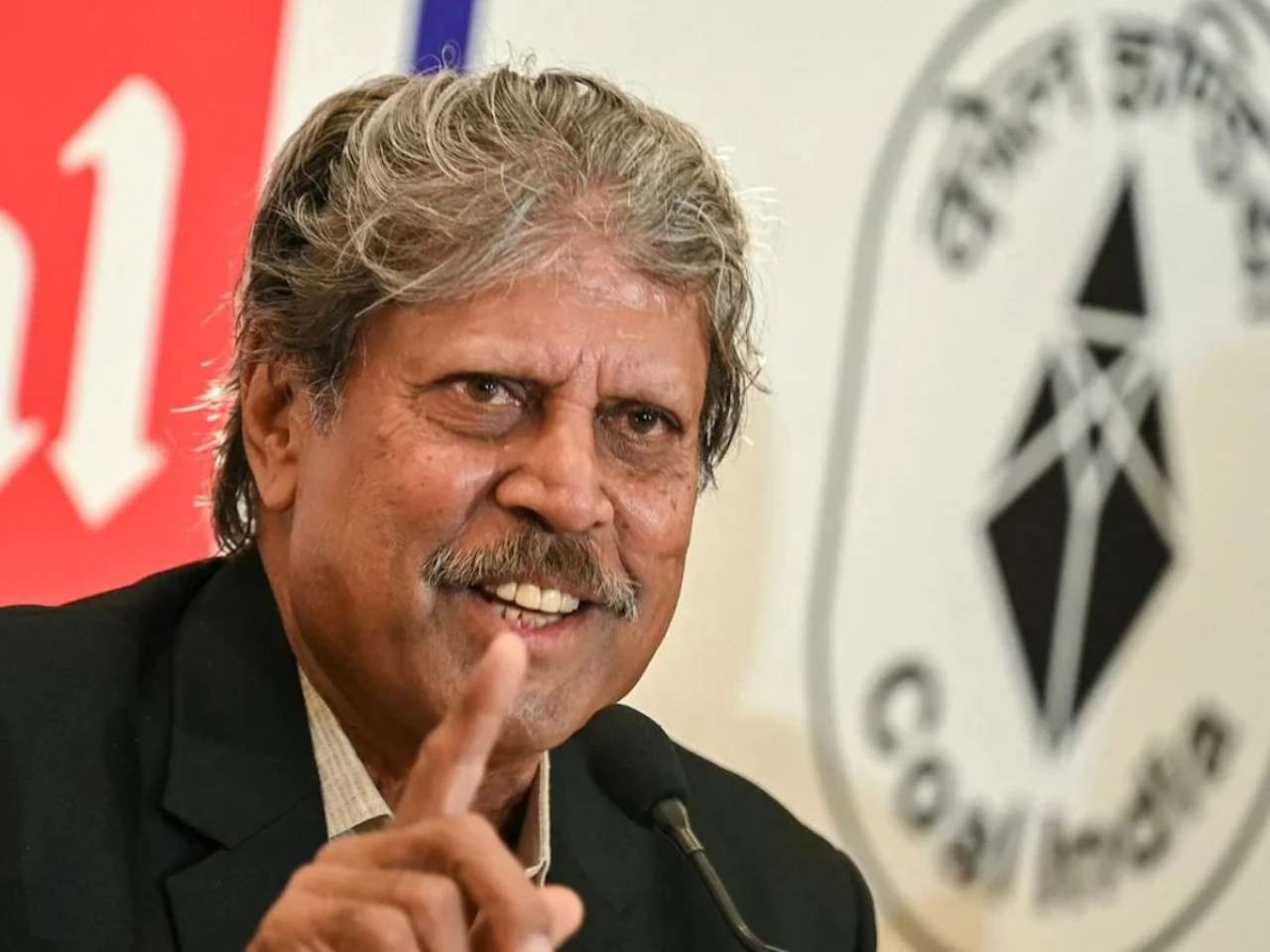 What did Kapil Dev say to Gen Z amid Delhi protests? Watch his message
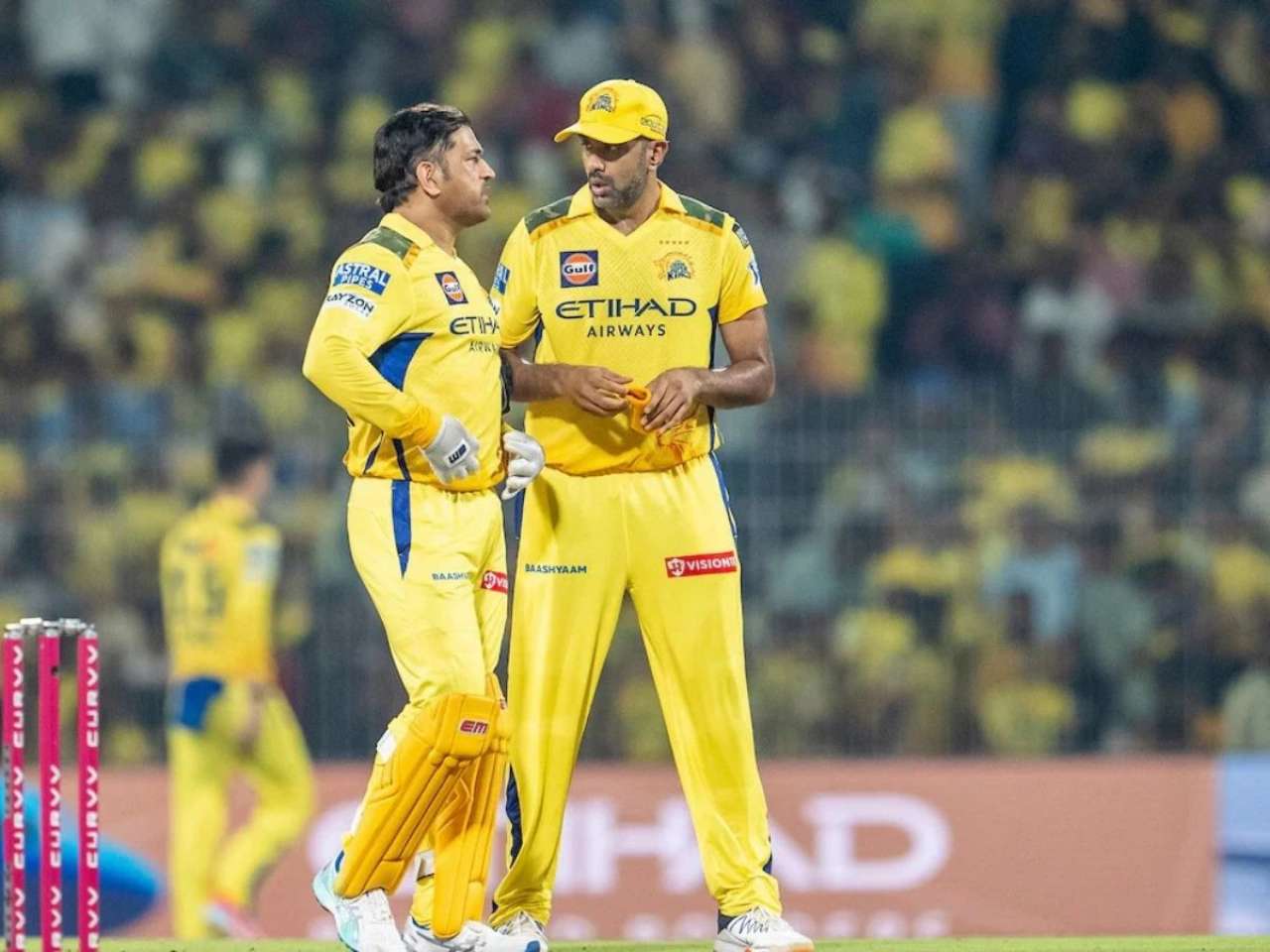 Will MS Dhoni become CSK mentor? R Ashwin makes big claim after Zaheer Khan’s appointment
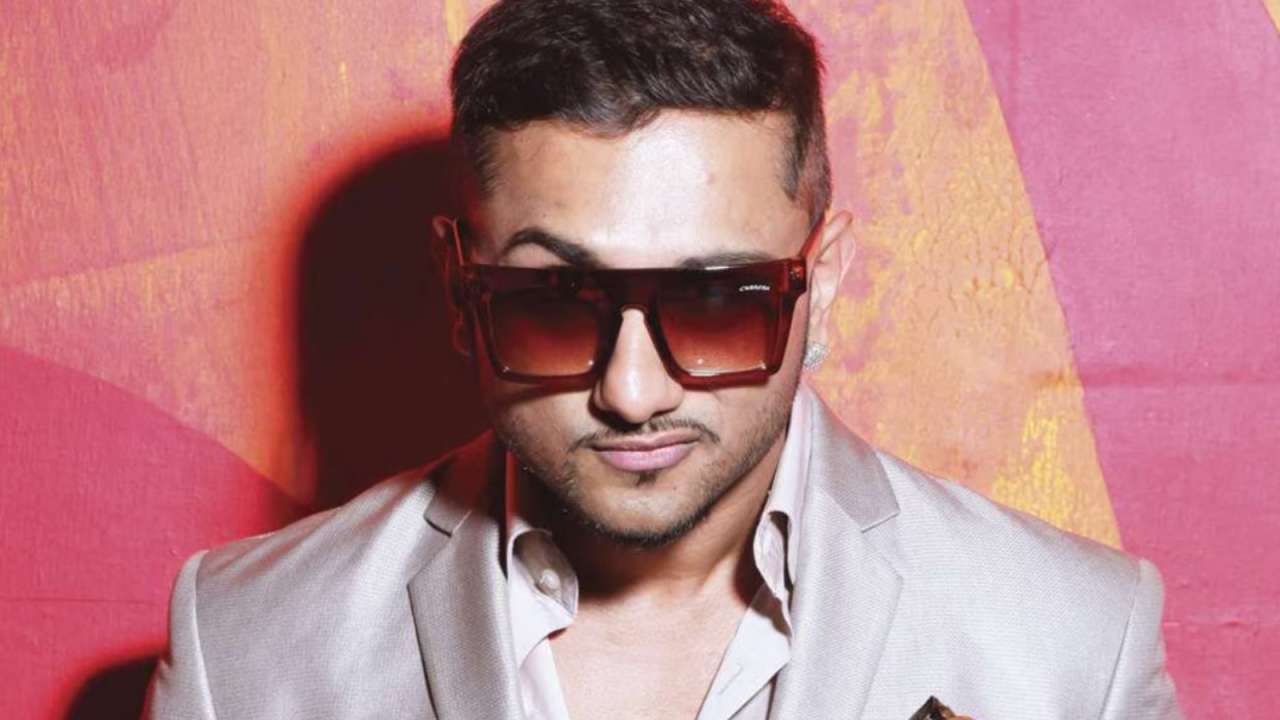 Honey Singh appears before Maharashtra Cyber Cell, questioned for over two hours - Watch viral video
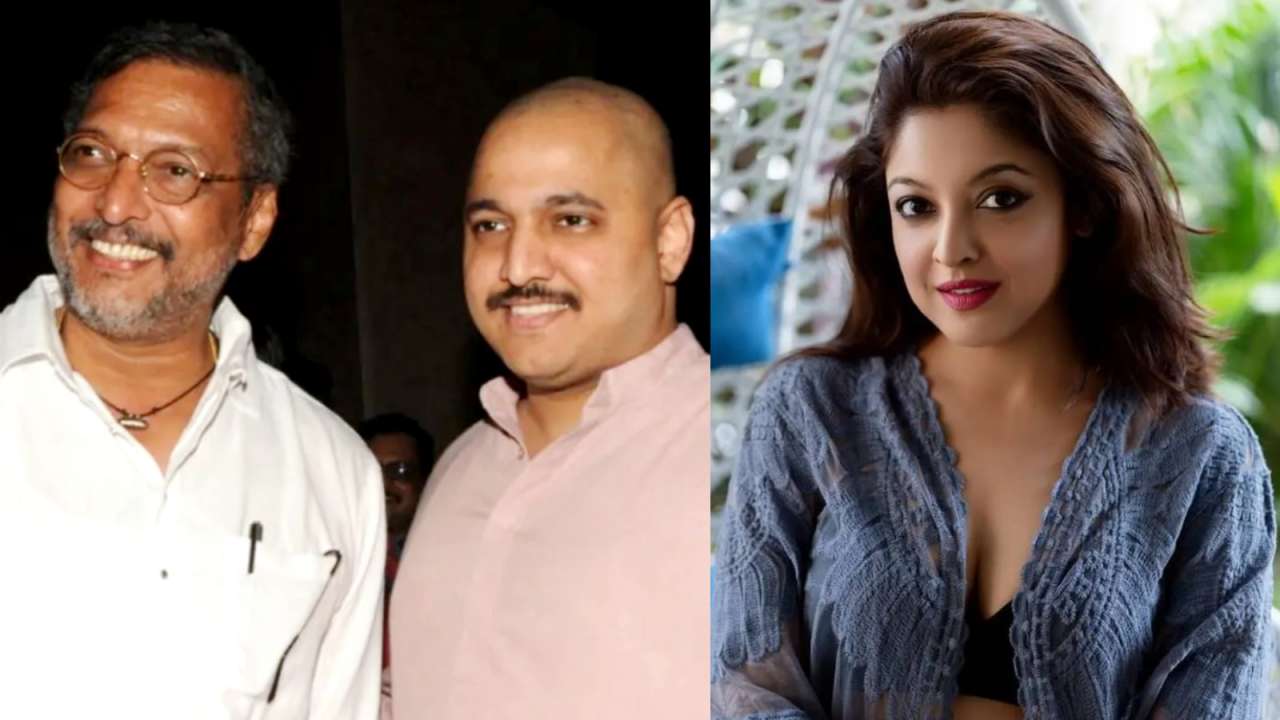 'Bhagwan unka bhala kare': Nana Patekar's son Malhar breaks silence on Tanushree Dutta's 'evil dead' remark
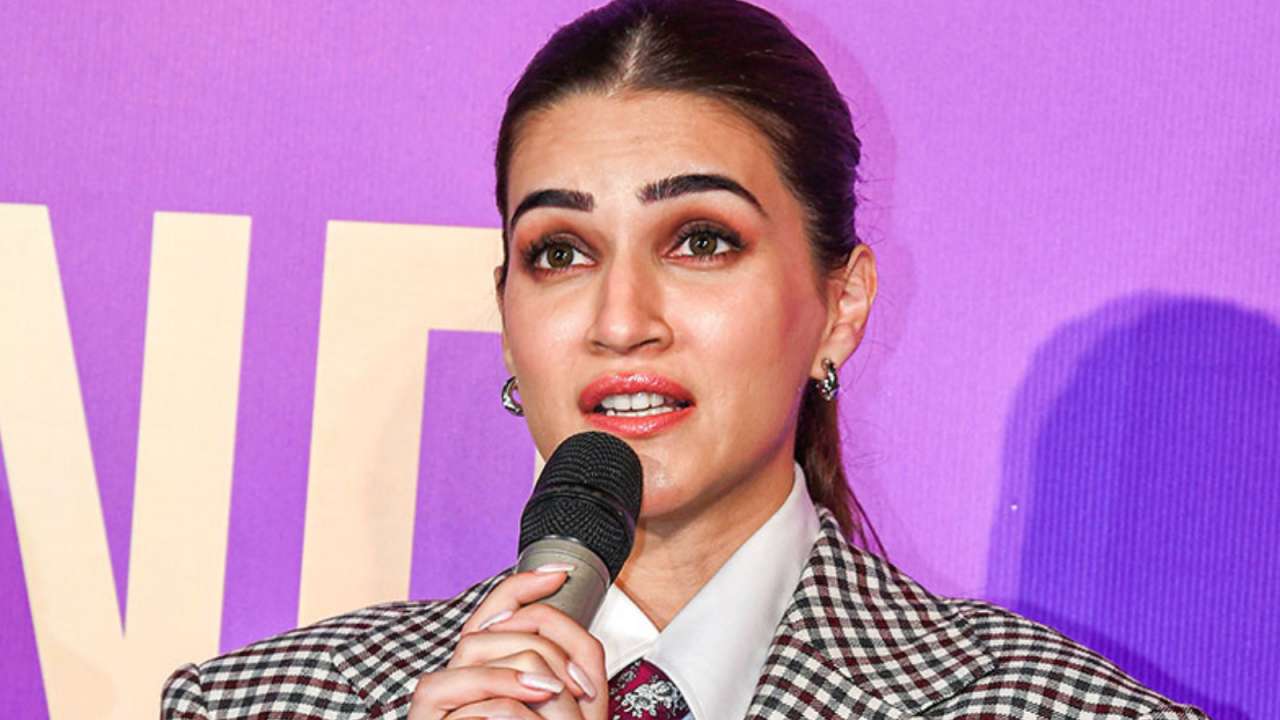 Kriti Sanon moves Delhi High Court to protect her personality rights, next hearing scheduled on this date
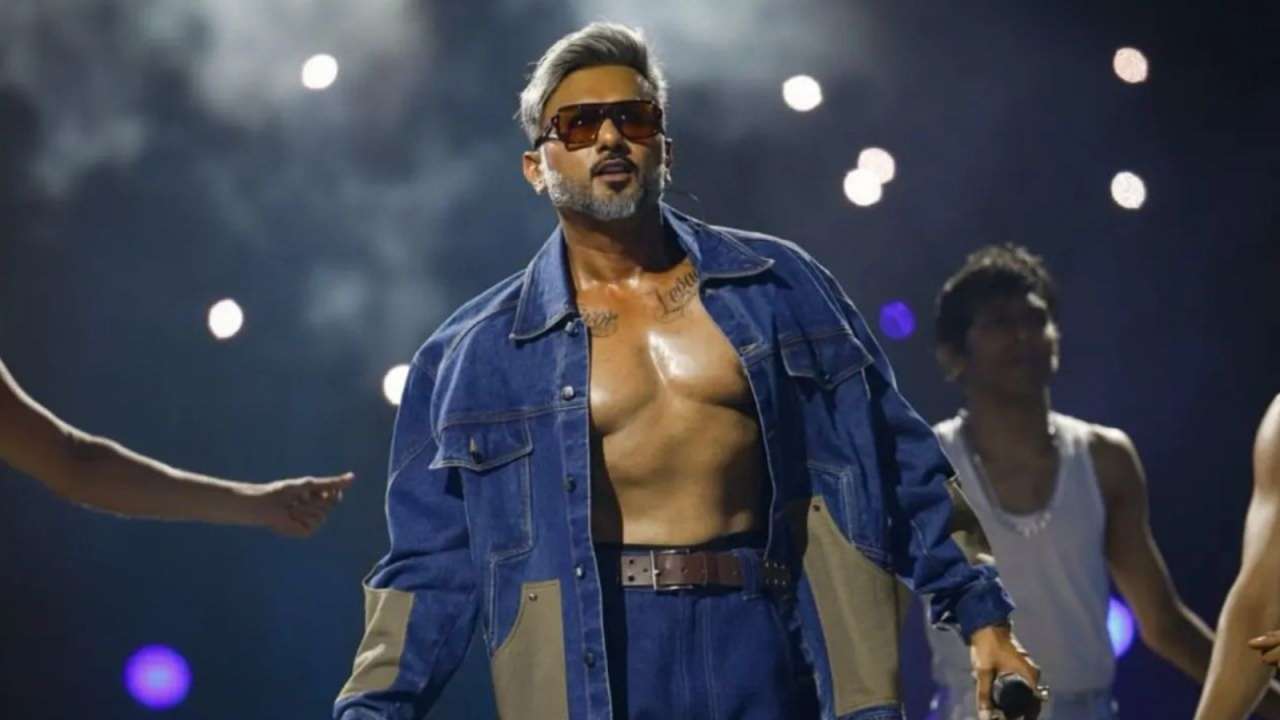 Yo Yo Honey Singh summoned by Maharashtra Cyber Cell over ‘objectionable’ remarks, request for later date rejected
 Guru Randhawa announces his first ever solo stadium show in Delhi; check date, venue, ticket details here
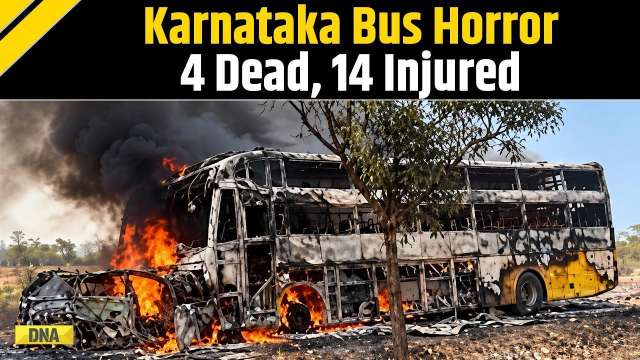 Karnataka Bus Horror: 4 Dead, 14 Injured In Mysuru Sleeper Bus-Truck Head-On Collision
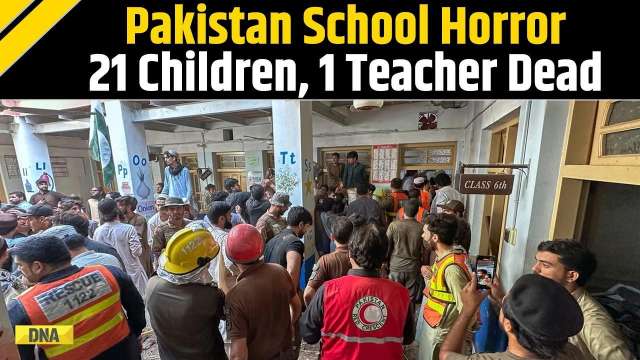 Pakistan School Roof Collapse Kills 21 Children And A Teacher In Peshawar | Latest News
 CJP Protest: Mumbai Police Issues Notice To Actor Imran Khan To Leave India By October 28
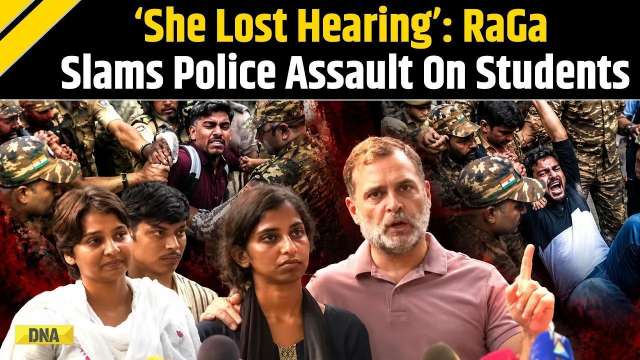 CJP Protest: Rahul Gandhi Accuses Delhi Police Of Beating Youngsters At Protest | Jantar Mantar
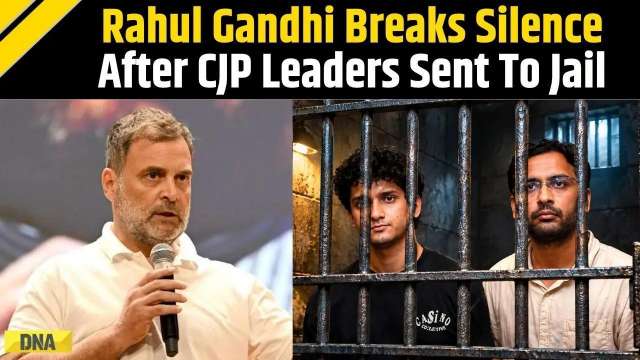 CJP Protest: Congress Rahul Gandhi Backs CJP Leaders Jailed For Tresspassing At Jantar Mantar
 Flying Car! Watch video of Tesla's Roadster jump, flip and fly, when will Elon Musk bring it to India?
 Gold, Silver prices today, October 16, 2026: Check city-wise rates in Delhi, Mumbai, Chennai, Kolkata and more
 SEBI Revises Closing Auction Session Rules: What changes from December 7?
 Jio IPO: How Rs 30,213-crore issue could impact Mukesh Ambani's Reliance Jio, India’s digital ecosystem
 India-New Zealand FTA from Oct 20, Canada trade deal by year-end; What it means for exporters
 Dil Chahta Hai, Cocktail, Dostana: 5 must-watch Bollywood films that celebrate true friendship
 Navratri Day 4: From Shraddha Kapoor, Kriti Sanon, Sanya Malhotra, actresses who embody goddess in blue outfits
 Navratri 2026: From Alia Bhatt to Sara Ali Khan, Shraddha Kapoor, take inspiration from Bollywood actresses to stun everyone in white
 Ranbir Kapoor-Sai Pallavi, Yami Gautam-Addinath Kothare, Rajkummar Rao-Wamiqa Gabbi: 5 fresh on-screen jodis to watch out for in 2026
 OTT Releases This Week (October 5-11): Awarapan 2, Khalifa, Mandaadi; new India movies, shows to watch on Netflix, Prime VideoAfter Abhijeet Dipke, Neha Bora's detention, what is CJP's 'Plan B' to keep anti-CEC protest alive?Punjab Horror: Man axes wife to death in front of mother, here's what happened next will leave you in shockIndia slams Pramila Jayapal for remarks on voter roll revision, calls it interference in fellow democracyJ&K govt seeks 15-day inquiry into IAS officer's alleged misconduct against woman colleague
 No unknown number on your phone now: Telecoms asked to display callers name
 AI-generated question papers for NEET? Nandan Nilekani proposes novel idea for stopping paper leak
 Third Language Row: SC extends relaxation to Class 6 students, asks CBSE to grant exemption, here's what it means
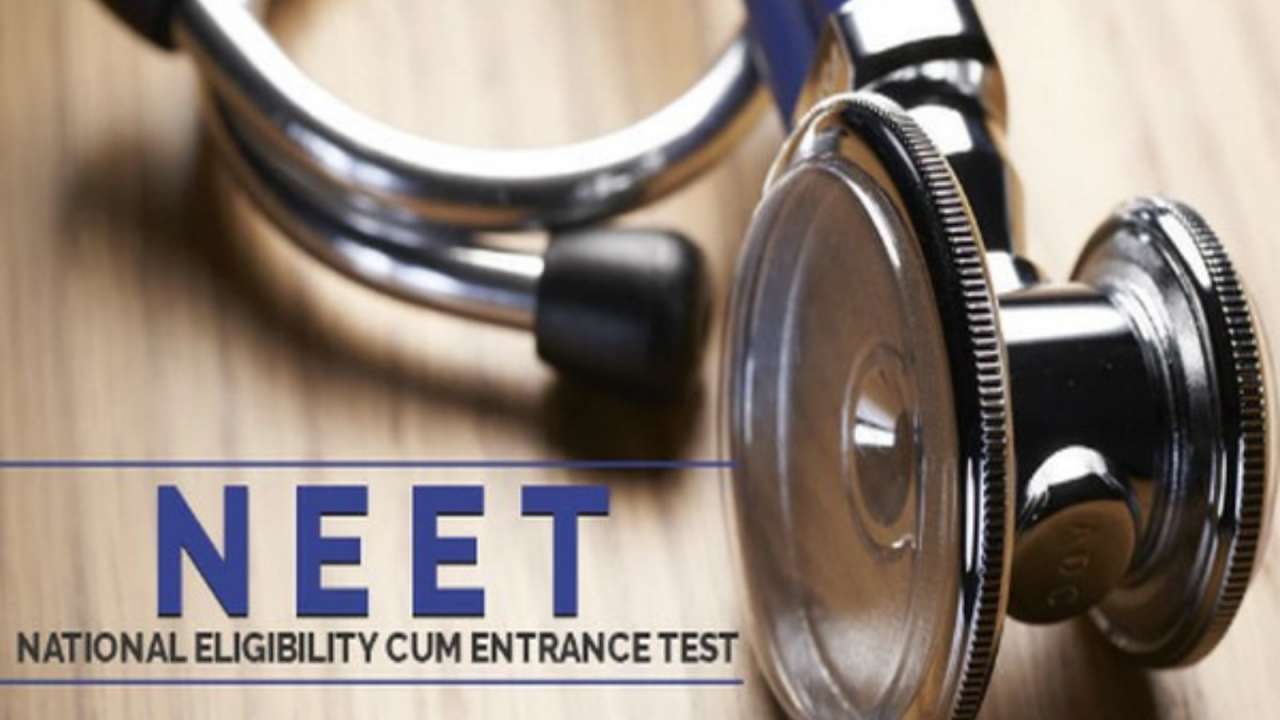 NEET PG 2026 Result Out: Check how to download scorecard from natboard.edu.in; Know category-wise cut-off and more
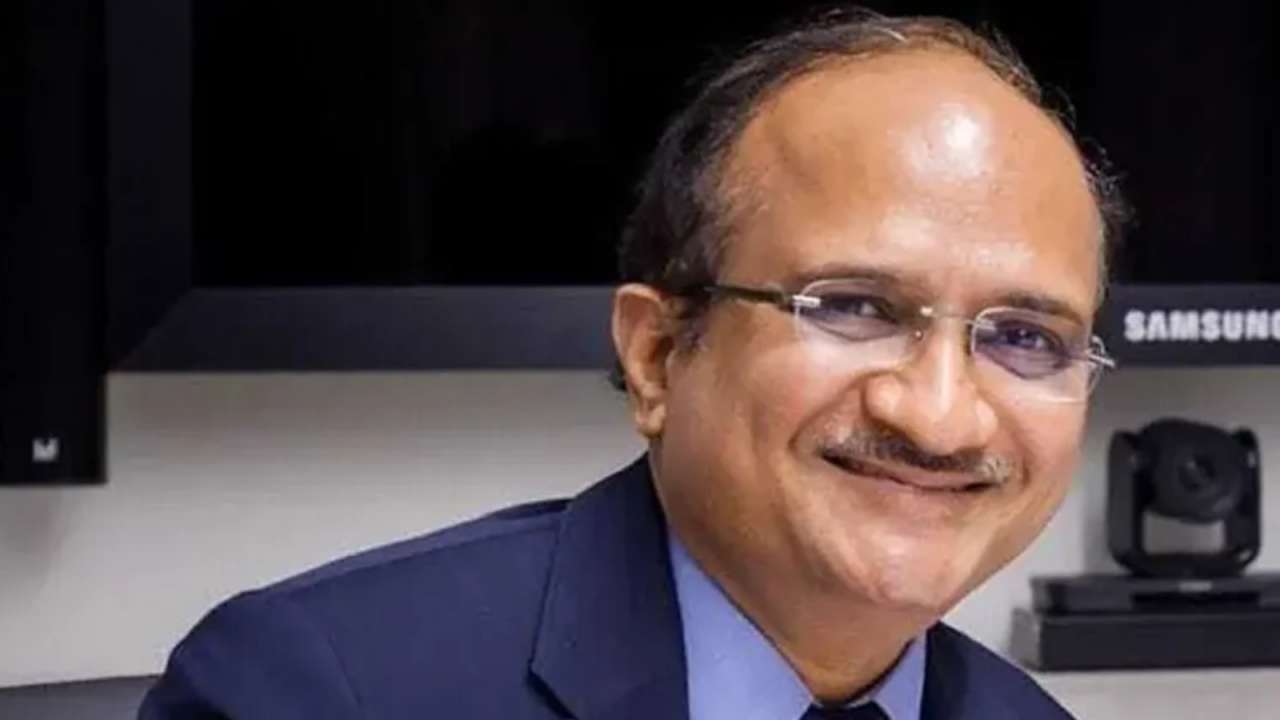 Five-year BTech programmes? Ex-IIT director makes proposals amid IIT suicide controversy
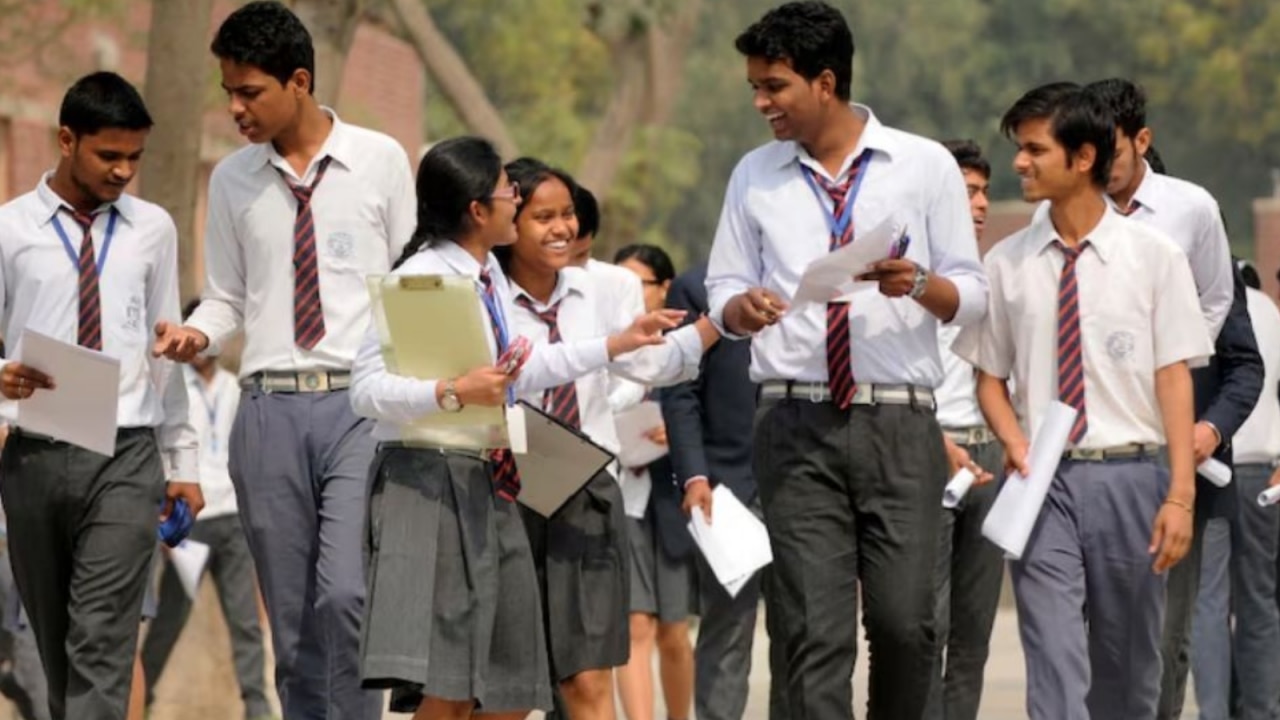 CBSE Date Sheet 2027: When will Class 10, 12 timetable be released? Check details here
 After Hyundai, Maruti Suzuki makes cars costlier ahead of festive season: Check new prices after hike
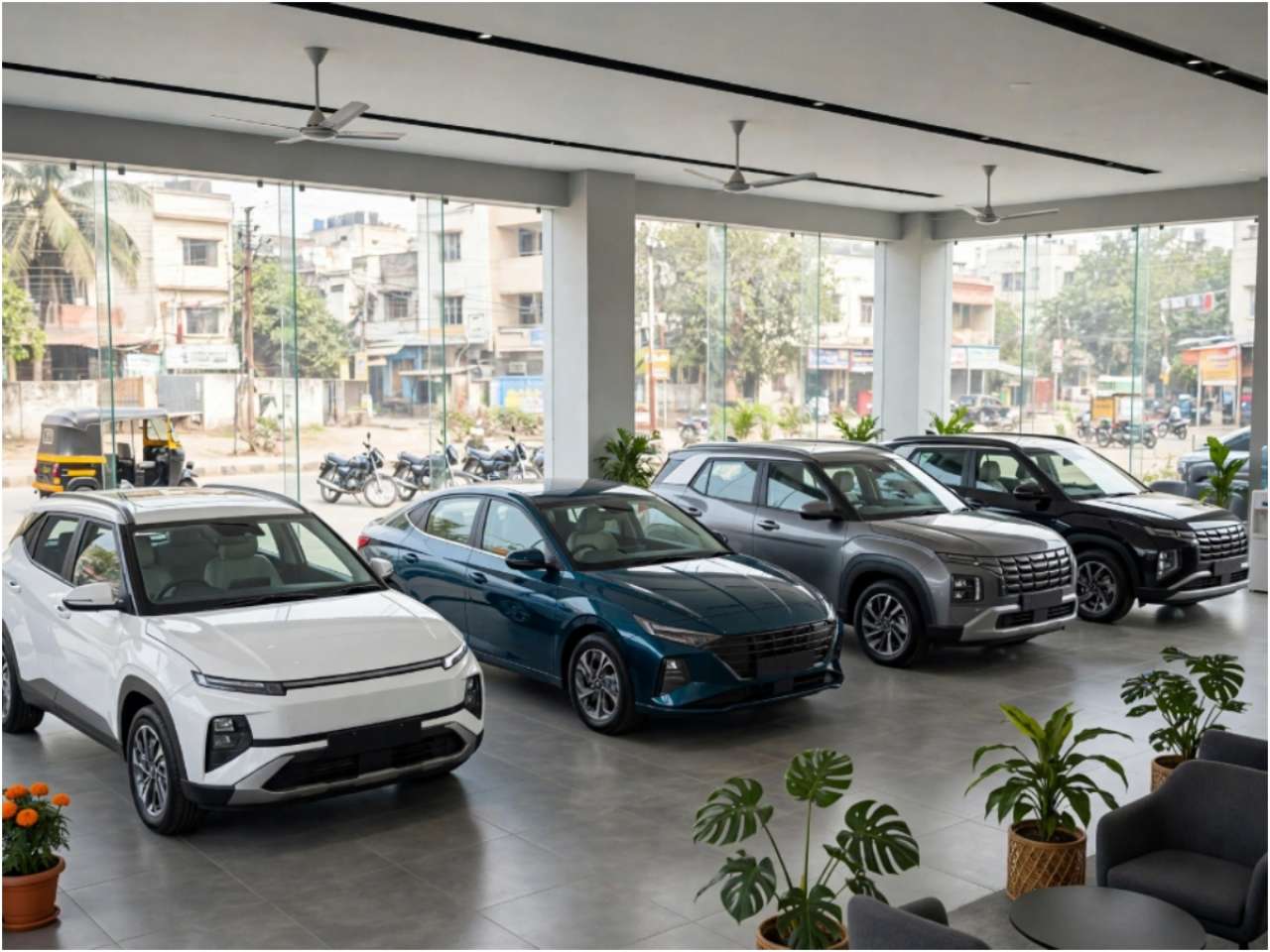 Hyundai cars to get costlier from September: Check new prices and reason behind hike
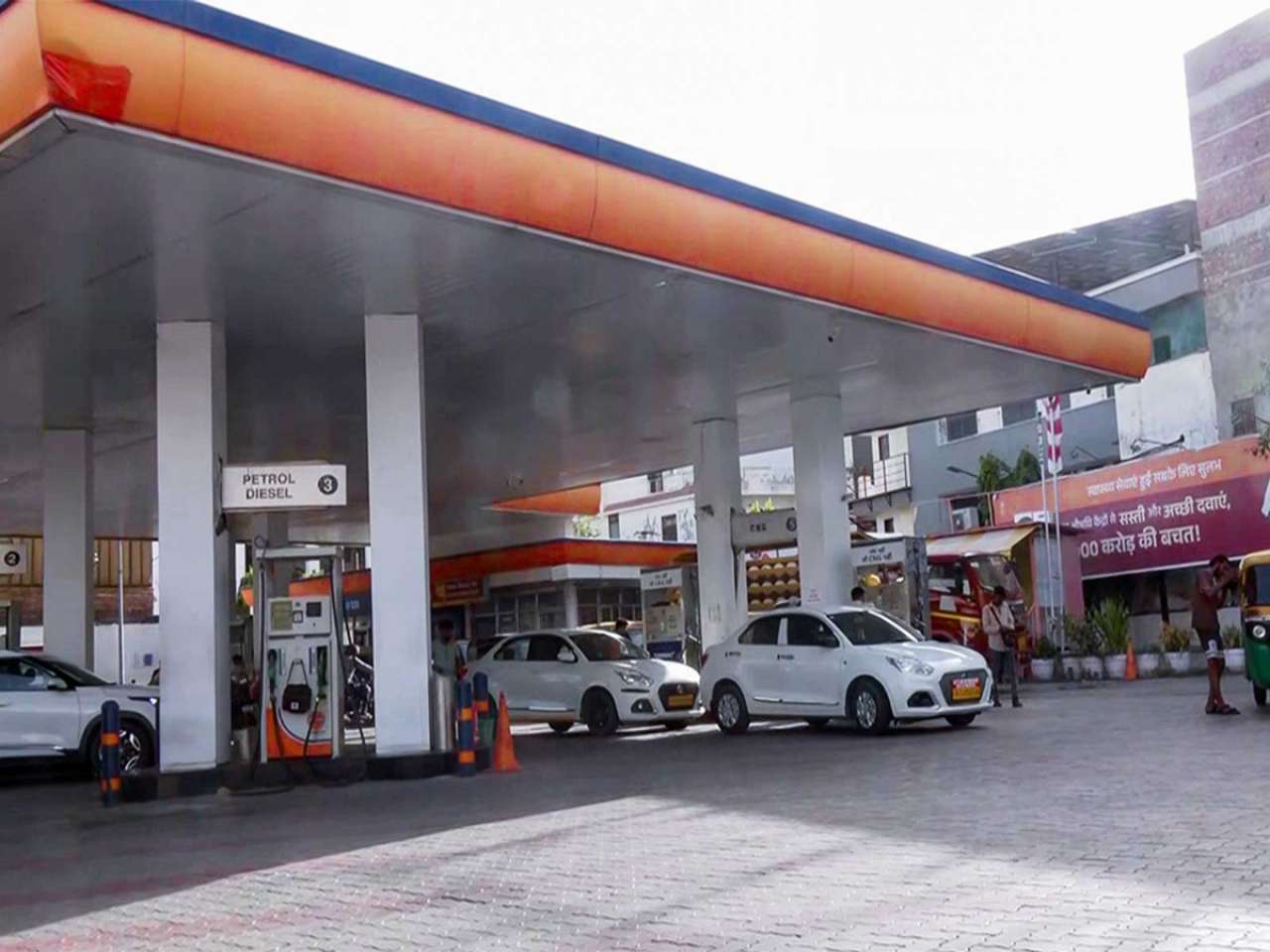 Why can't consumers choose pure petrol or E10? Centre explains why E20 is now the standard fuel
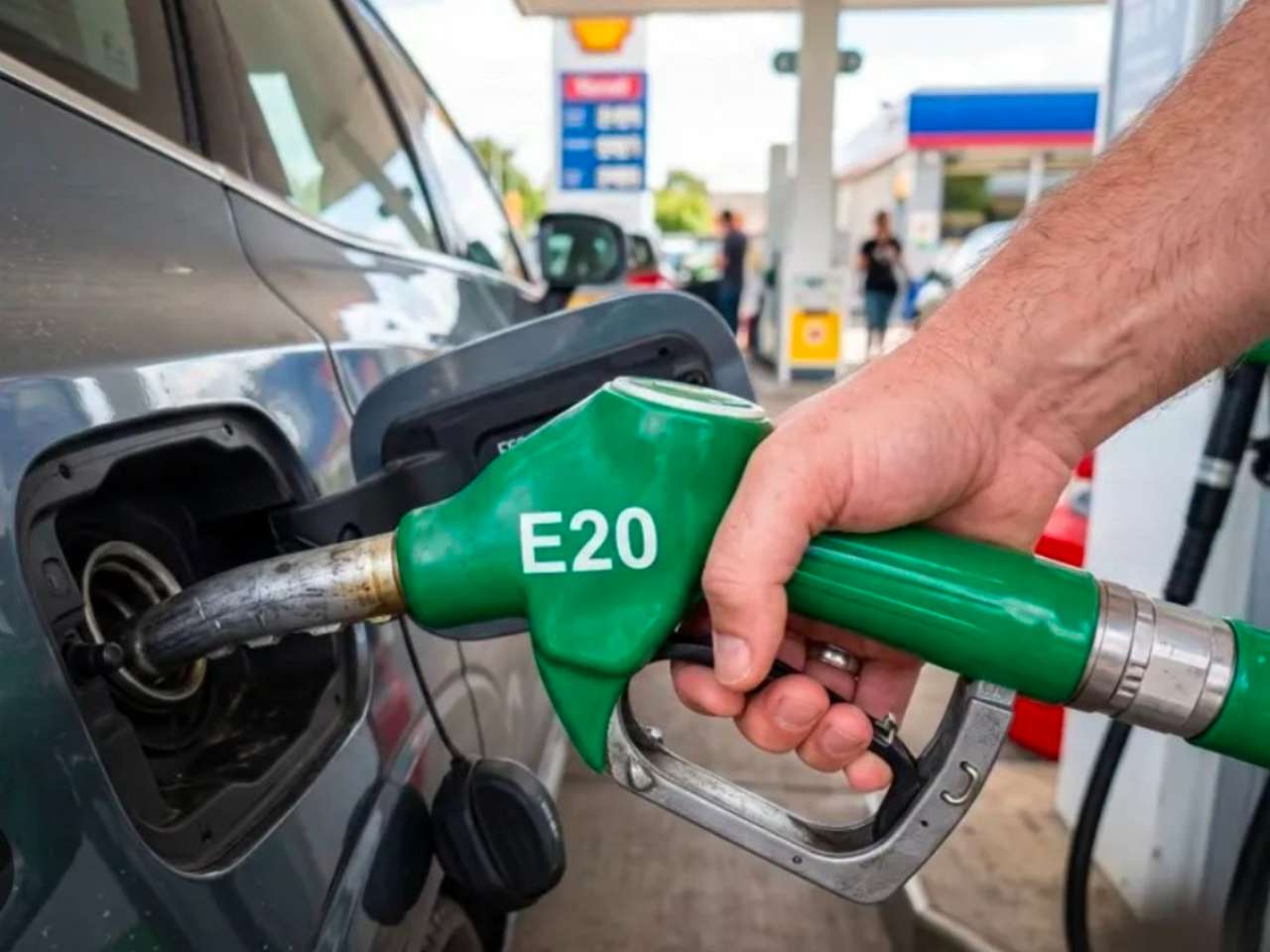 Centre claims E20 fuel does not damage engines, cites data from Maruti Suzuki and Hero MotoCorp
 Maruti WagonR Flex Fuel: What’s price of India’s first ethanol car? Specs, mileage, and top features explained
HEALTH
US President Donald Trump has been diagnosed with chronic venous insufficiency, White House announced. Trump had been experiencing mild discomfort in his legs over several weeks, and had swollen ankles and bruises on his hands. Read on to know more about the condition.

Updated : Jul 18, 2025, 08:46 PM IST




United States President Donald Trump has been diagnosed with chronic venous insufficiency (CVI), US officials announced. Trump had been experiencing mild discomfort in his legs over several weeks, and had swollen ankles and bruises on his hands. White House Press Secretary Karoline Leavitt said Trump, aged 79, was found suffering from CVI after undergoing a medical checkup. But what is chronic venous insufficiency and what are its symptoms? Let us tell you in brief.
What is CVI and what are its symptoms?
Chronic venous insufficiency is a condition in which veins have trouble sending blood from your legs back to the heart. The insufficient flow of blood to the heart causes blood to collect in the veins of your legs. It is classified as a type of vein disorder. Over time, CVI can lead to pain, swelling, and changes in skin. Common symptoms of the condition include swelling or heaviness in the legs and ankles, leg cramps, itchiness, leg ulcers, and changes in skin colour of the legs and ankles.
The signs are often mistaken as caused by aging, which can delay diagnosis. A simple inspection such as a doppler ultrasound can help detect CVI, allowing timely treatment.
The risk for CVI rises with increasing age, especially for those over 50 years. Other risk factors include the following:
Gender: Women are at a higher risk for CVI as well as other vein problems.
Obesity: Obese people may be more prone to vein conditions.
Pregnancy: During pregnancy, increased blood volume and pressure can put strain on veins.
Smoking: Smokers may be at a higher risk due to affected blood flow and vein health.
Sedentary lifestyle: Sitting for long hours can contribute to blood pooling in the veins of the legs, and also hamper muscles' ability to pump blood.
Family history: A family history of CVI and related conditions can also increase the risk.
Treatment typically includes compression therapy, lifestyle changes, and medication to improve blood flow and reduce swelling.