 Does Rahul Gandhi have a girlfriend? Who is she? Congress MP reveals all
 CONFIRMED: Robert Pattinson is new James Bond, takes 007 mantle from Daniel Craig, but leaves internet divided: 'He looks more like villain'
 US bank outage explained: What went wrong with Chase, Bank of America and Wells Fargo?
 Are beautiful Chinese women spy? Donald Trump said this after Nvidia CEO Jenseng Huang's affairs?
 Ramayana box office collection day 12: Ranbir Kapoor, Yash film sees huge 60% drop but crosses Rs 1400 croreDoes Rahul Gandhi have a girlfriend? Who is she? Congress MP reveals all
 Did Pakistan's ISI-linked terror group kill Punjab cop? This is what Tehreek-e-Taliban said
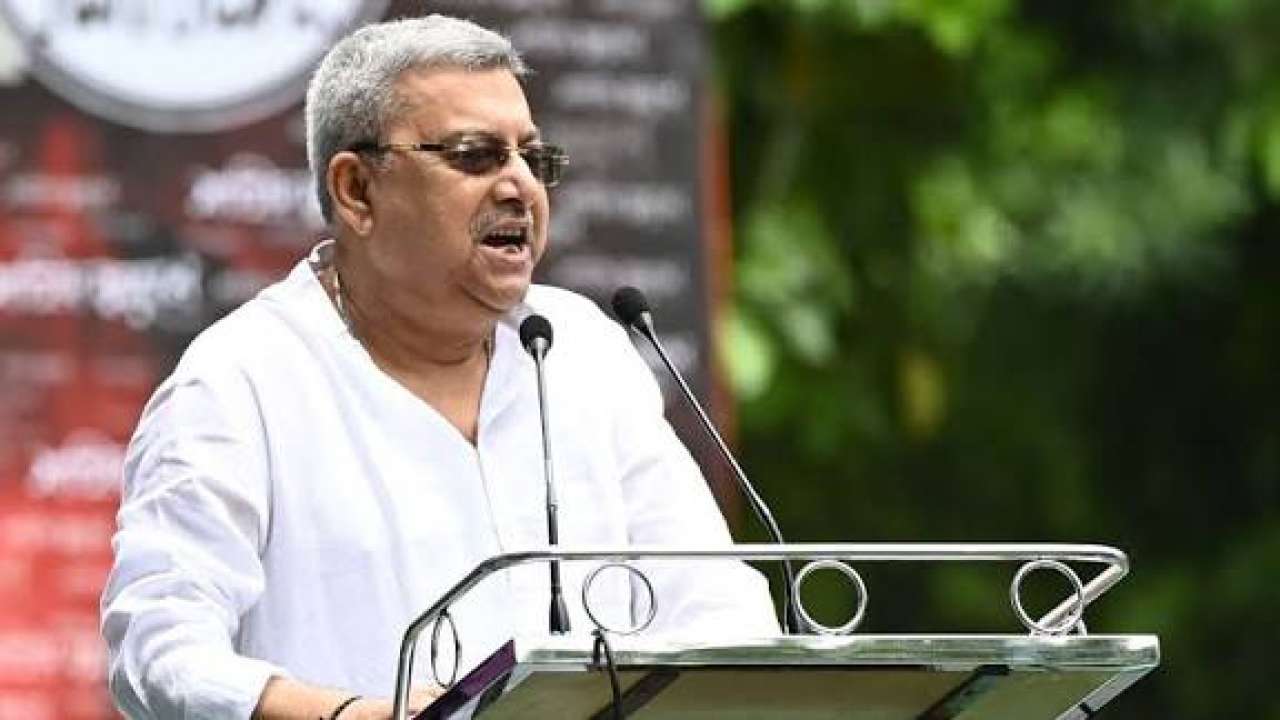 West Bengal For Bengalis Or Biharis?’ TMC MP Kalyan Banerjee’s Chhath remarks trigger BJP attack
 Sonia Gandhi reveals why she wrote memoir 'Belonging: A Journey of Love'
 Kulgam Encounter: One terrorist killed after CRPF attack, search for others onUS bank outage explained: What went wrong with Chase, Bank of America and Wells Fargo?Are beautiful Chinese women spy? Donald Trump said this after Nvidia CEO Jenseng Huang's affairs?
 Ex-Pakistan PM Imran Khan claims 85% vision loss, warns of brain haemorrhage: 'I Could Die In Prison'
 Iran blames Israel for 'fear campaign' after France accuses Tehran of cyberattacks
 Italian MP takes on European Socialist leader over 'vote chori' remark, defends India's judiciary
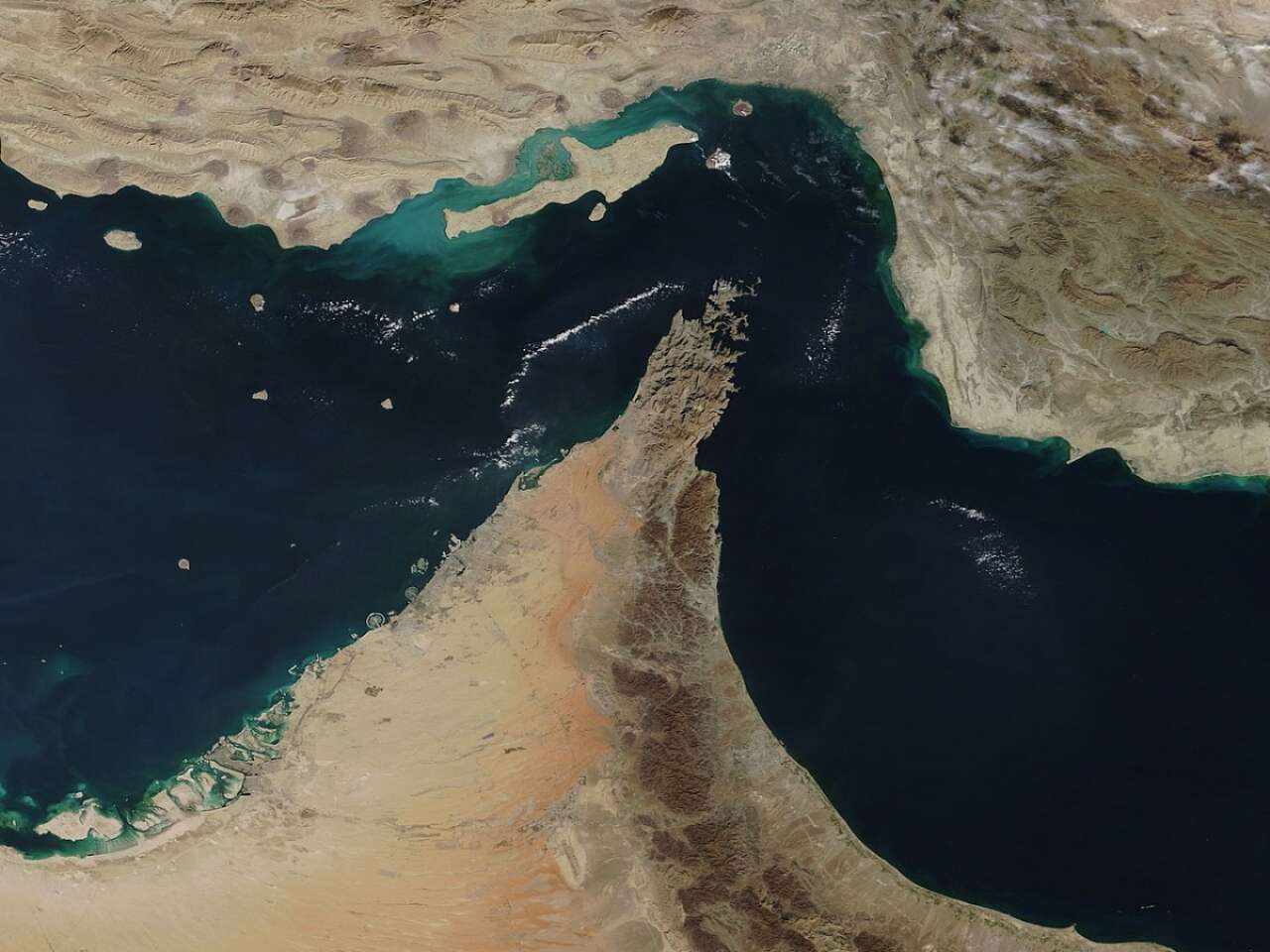 Oil Tankers Catch Fire In Strait Of Hormuz: Will petrol and diesel prices rise in India?
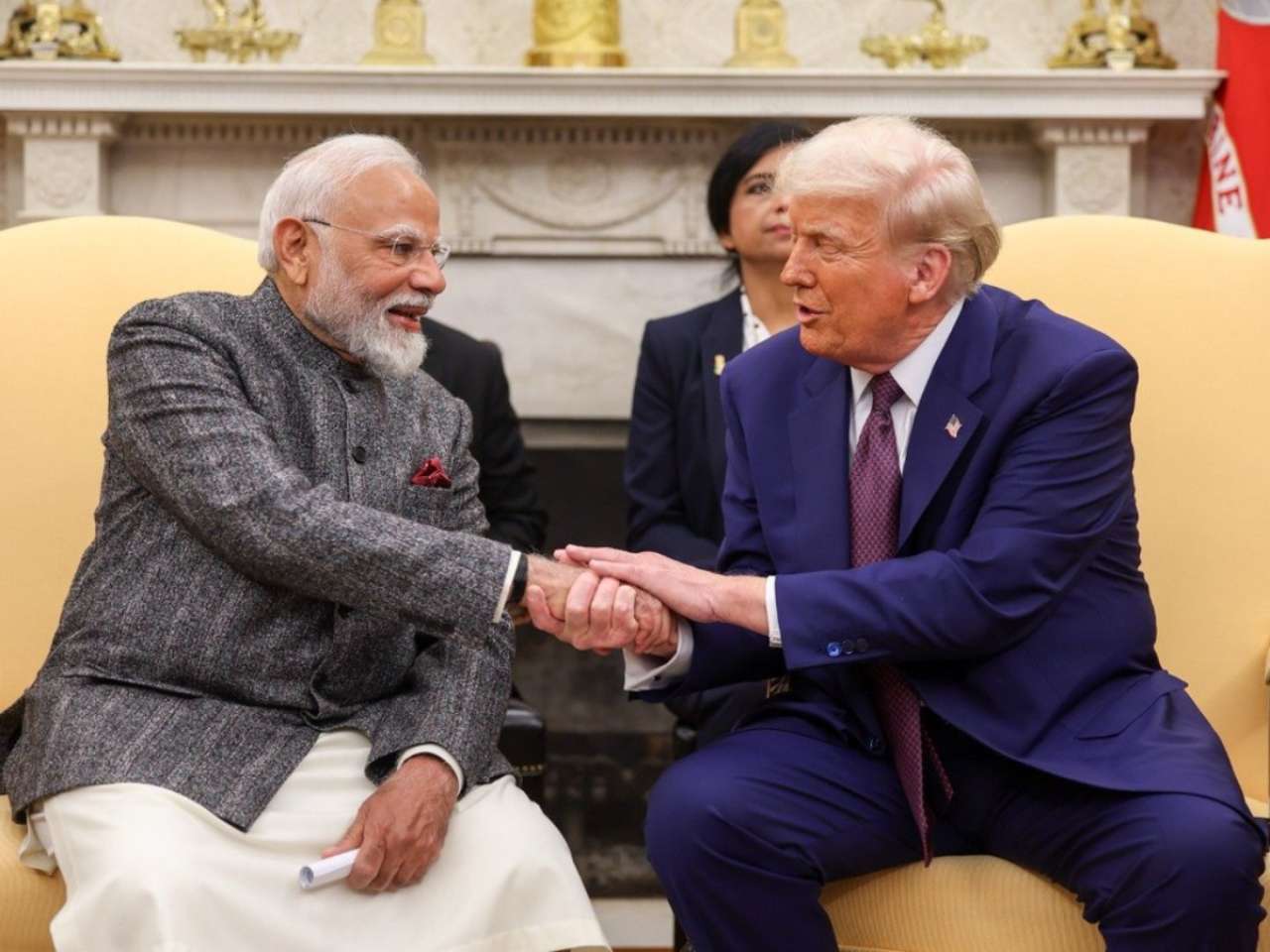 Modi-Trump Meeting In Manila: 5 Big issues India-US may discuss, from China to trade deal
 Microsoft Global Outage: Why did Outlook stop working? How were airlines in India affected?
 Nvidia After Jensen Huang: Will India's AI dream face chip shortage or open door for new rivals?
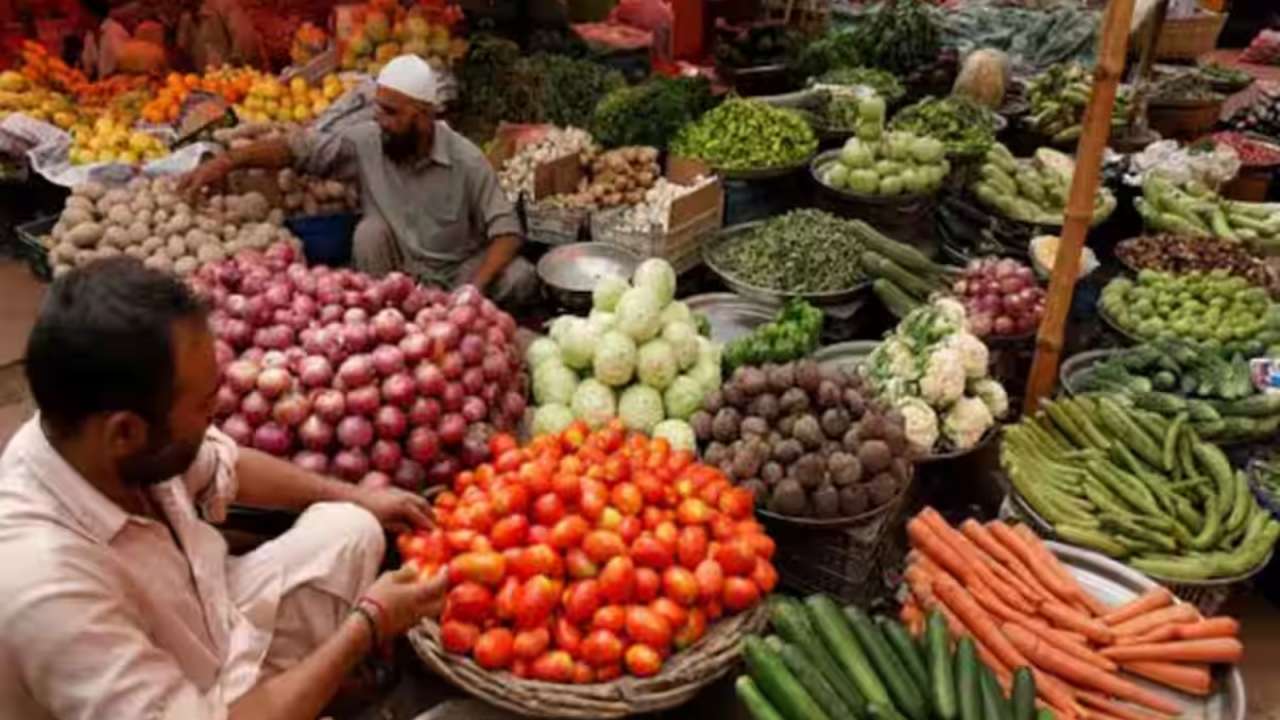 Why does inflation soar to 6.09% despite falling fuel prices, US-Iran war halt? RBI's next move under focusCONFIRMED: Robert Pattinson is new James Bond, takes 007 mantle from Daniel Craig, but leaves internet divided: 'He looks more like villain'Ramayana box office collection day 12: Ranbir Kapoor, Yash film sees huge 60% drop but crosses Rs 1400 crore
 Mirzapur 4 on the cards after blockbuster success of Mirzapur The Movie? Farhan Akhtar, Gurmmeet Singh reveal
 Tiger Shroff makes first social media post after firing attack: 'One more chance'
 Shah Rukh Khan congratulates Jay Shah for his reappointment as ICC Chairman: 'Your leadership is greatly appreciated'
 Mahanadi Coalfields IPO: 10 Things to know about issue date, GMP, price band, size and listing
 Tata Sons Listing Row: Why Noel Tata fears it could change Tata Group
 Who will replace Jensen Huang at Nvidia? 3 Indian-origin executives in the race
 Zee Entertainment announces Rs 600 crore share buyback at Rs 91 per share
 Who may replace Nvidia CEO Jensen Huang? THIS Indian tech executive emerged among top contenders
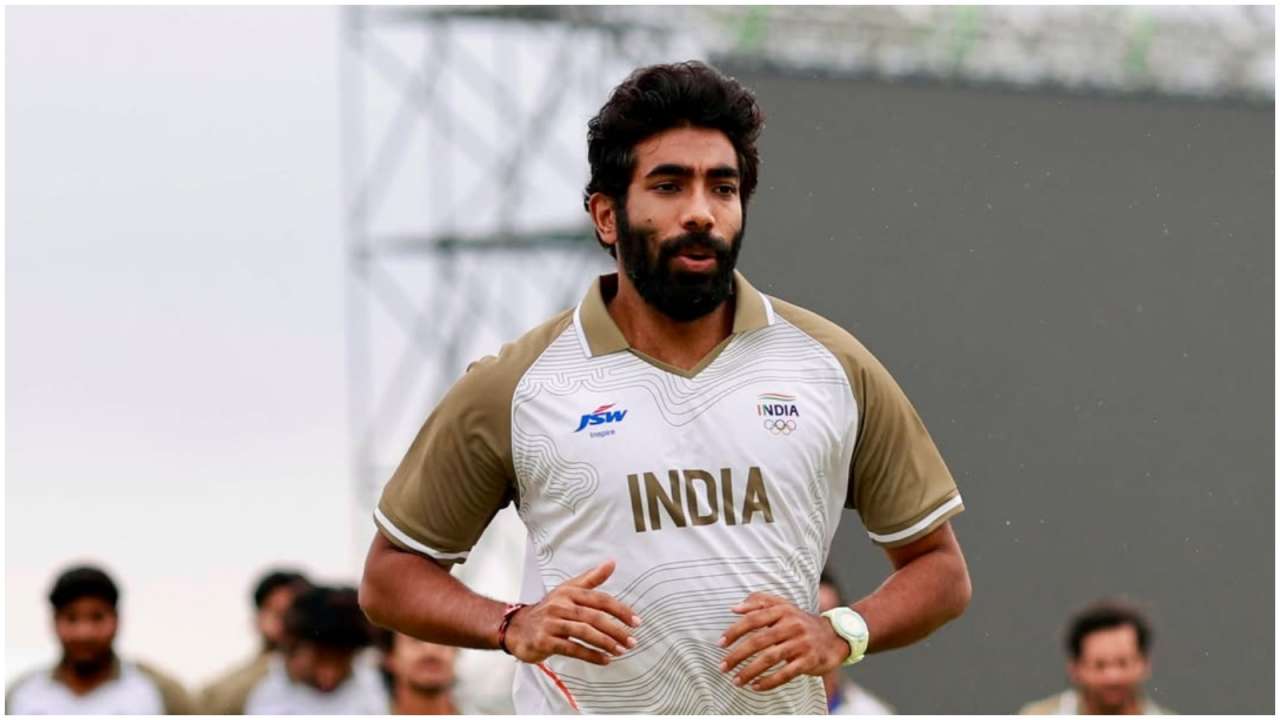 Jasprit Bumrah returns, Kuldeep Yadav released: India's Test squad sees major changes for NZ series
 'They abused us on Diwali': Yashveer Goud reveals reason behind India's celebrations against Pakistan
 'Will he be like Sachin Tendulkar or Vinod Kambli?': Kapil Dev makes shocking claim on Vaibhav Sooryavanshi's future
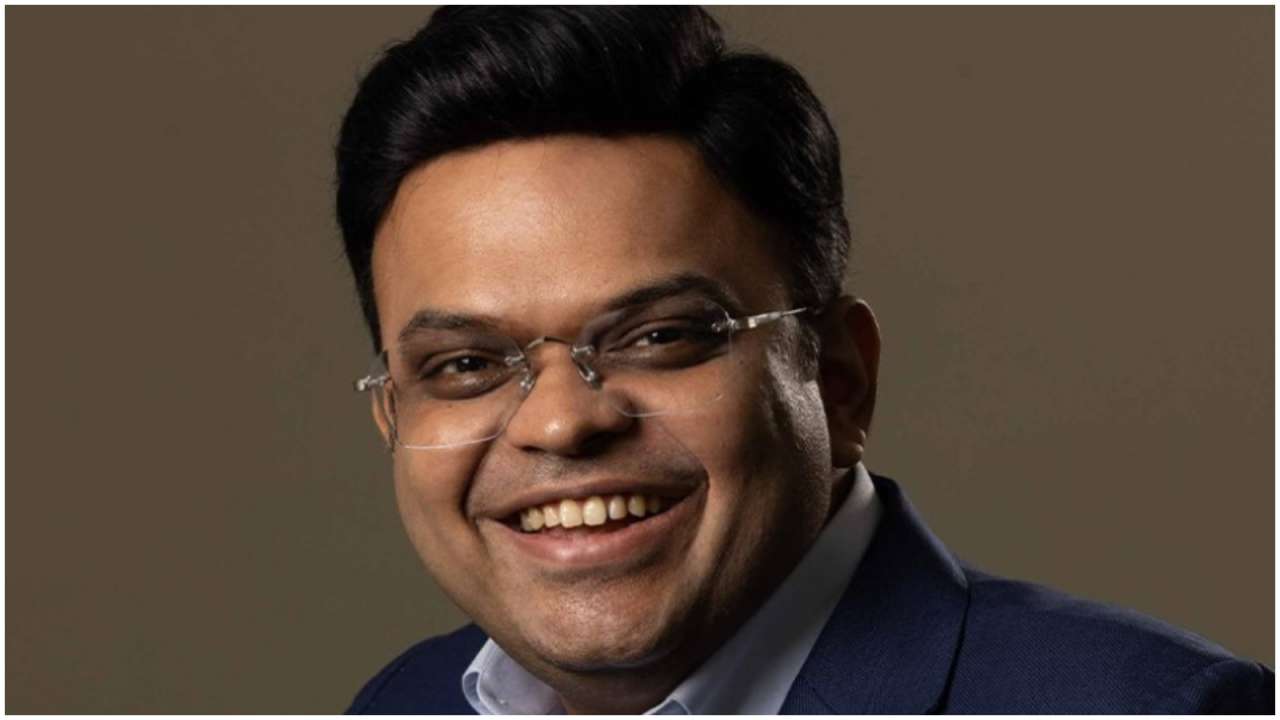 Jay Shah gets another term as ICC chairman, elected unopposed in Bali
 ICC finalises cricket calendar till 2035: India gets two major tournaments, here's the full list
 Pakistan News: 'Give Me Justice Before It Is Too Late...' Imran Khan's Urgent Appeal From Jail
 Amitabh Bachchan Death Threat: 'Bach Gaye...' Big B's Message After Bishnoi Gang Shooters Arrested
 Jammu Kashmir News: Lashkar Terrorist Lateef Bhat, Linked To CRPF Camp Attack Killed In Encounter
 Bilkis Bano Case: Supreme Court Suspends Life Sentence Of Two Convicts, Grants Bail In Rape Case
 Diljit Dosanjh News: 'Kisi Ke Baap Ka Hindustan', Diljit Dosanjh's Message Amid Indore Concert Row
HEALTH
In a study released by the World Health Organization (WHO), the first-ever list of fungi designated as "priority pathogens" is highlighted.

Updated : Oct 29, 2022, 05:04 PM IST | Edited by : Maitry Kothari