 Deadly shooting rocks Poland's Krakow market square: What happened and how police responded
 Ramayana box office collection Day 3: Ranbir Kapoor, Yash-starrer shows fantastic jump, earns over 60 crore on Saturday, crosses Rs 375 crore
 'Apologise to Ram devotees': Yogi's pointed message to Akhilesh ahead of Ayodhya visit
 Viral video: Ramayana English includes extended fight of Ranbir, Sai, Ravi with Asura's dogs, furious netizens ask 'Hindi mein kyu nahi rakha?'
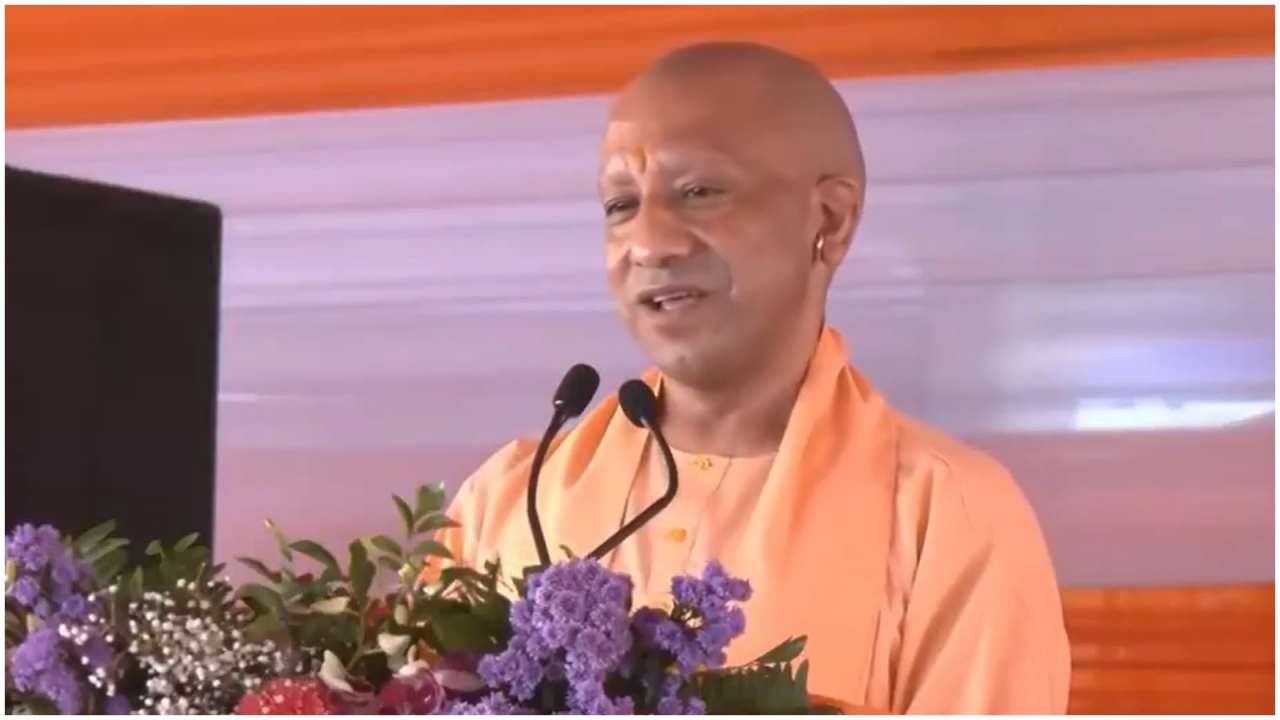 UP govt hikes employees' DA to 63%: Check effective date, arrears and payment details'Apologise to Ram devotees': Yogi's pointed message to Akhilesh ahead of Ayodhya visitUP govt hikes employees' DA to 63%: Check effective date, arrears and payment details
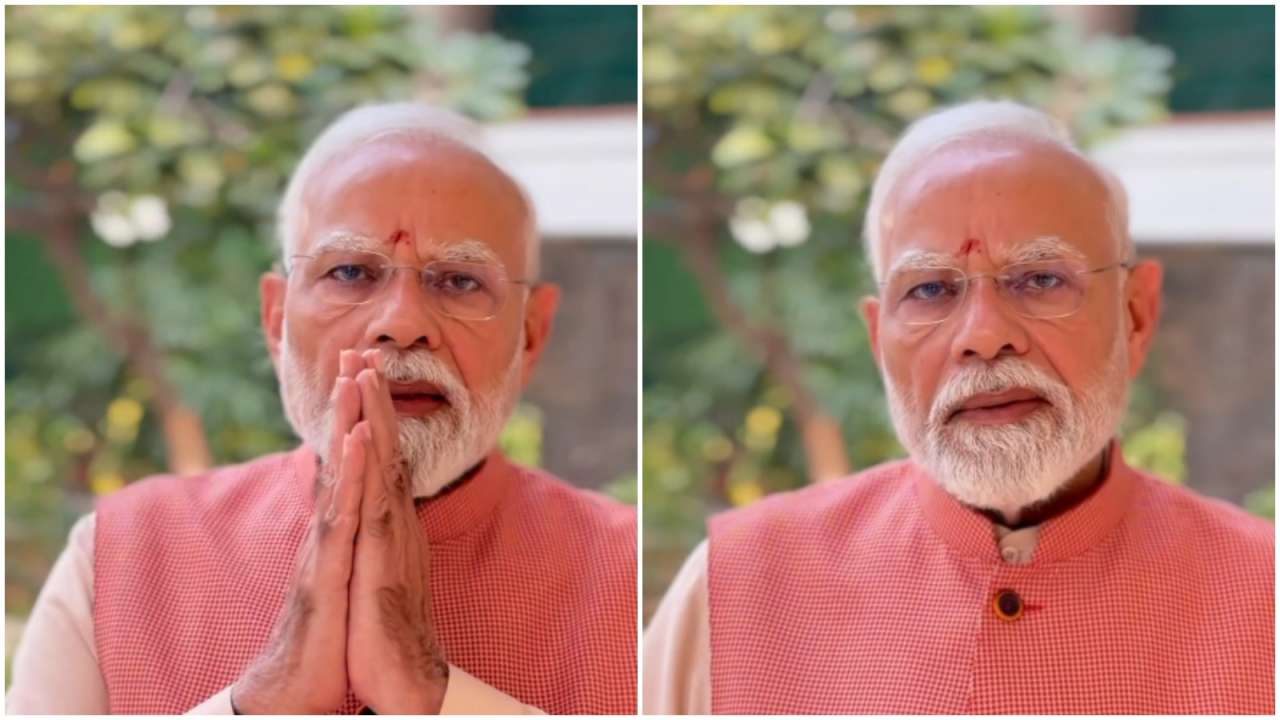 PM Modi's Diwali message for nation: What he said about celebrating festival with jawans
 ‘Run bulldozers over us’: Mamata Banerjee's strong message to BJP after Kalighat incident
 Sonia Gandhi hits out at Modi govt for damaging India's fabric, says Congress 'has nothing to learn from BJP, RSS'Deadly shooting rocks Poland's Krakow market square: What happened and how police responded
 From President to house arrest: How bank collapse triggered Santiago Pena's dramatic downfall
 Armed Venezuelan man arrested near White House, says 'voices urged' trump assassination
 Who is Stephen Miller? Trump picks his loyalist after midterm defeat to replace Susie Wiles as chief of staff
 'POK Turned Into Gaza': People compare Pakistan Army to Israeli forces after deadly drone strikes
 New Yalta After US Midterm? China plans Trump-Putin talks as Ukraine raises alarm over being left out
 New 26/11 Threat? Is Hafiz Saeed's LeT getting maritime training near Karachi to target India?
 Gold Hits Rs 1.46 Lakh Per 10 Grams On Dhanteras: Check 18K, 22K and 24K gold rates in Delhi, Mumbai, Chennai, Kolkata
 Trump humiliated in US midterms, planning fresh attack on Iran? Pentagon, Israel reportedly prepare for new strikes
 Trump's midterm defeat could shake up AI: Why Democrats' victory may impact Nvidia, data centres, India's $105 billion opportunityRamayana box office collection Day 3: Ranbir Kapoor, Yash-starrer shows fantastic jump, earns over 60 crore on Saturday, crosses Rs 375 croreViral video: Ramayana English includes extended fight of Ranbir, Sai, Ravi with Asura's dogs, furious netizens ask 'Hindi mein kyu nahi rakha?'
 Shaan Grover's Junglywood attracts Hollywood star Riz Ahmed, Oscar winner drops special message on Saiyaara actor's upcoming film: 'This is so good'
 Pyre director Vinod Kapri slams Ramayana producers, alleges Ranbir-Yash film for '75% cut down of shows': 'Aap kis maryada ki baat karte hai'
 Sandiyar: Kamal Haasan shows no mercy, kickstarts shooting of his gritty actioner on his 72nd birthday, director pens heartfelt note
 Dhanteras 2026: Are banks open or closed on November 6? Check RBI holiday list
 Why did Sensex surge over 2,000 points, Nifty rally 576 points today?
 Diwali Muhurat Trading 2026: What investors need to know about date, timings and settlement
 Gold, Silver prices today, November 5, 2026: Check city-wise rates in Delhi, Mumbai, Chennai, Kolkata and more
 Gold, Silver prices today, November 4, 2026: Check city-wise rates in Delhi, Mumbai, Chennai, Kolkata and more
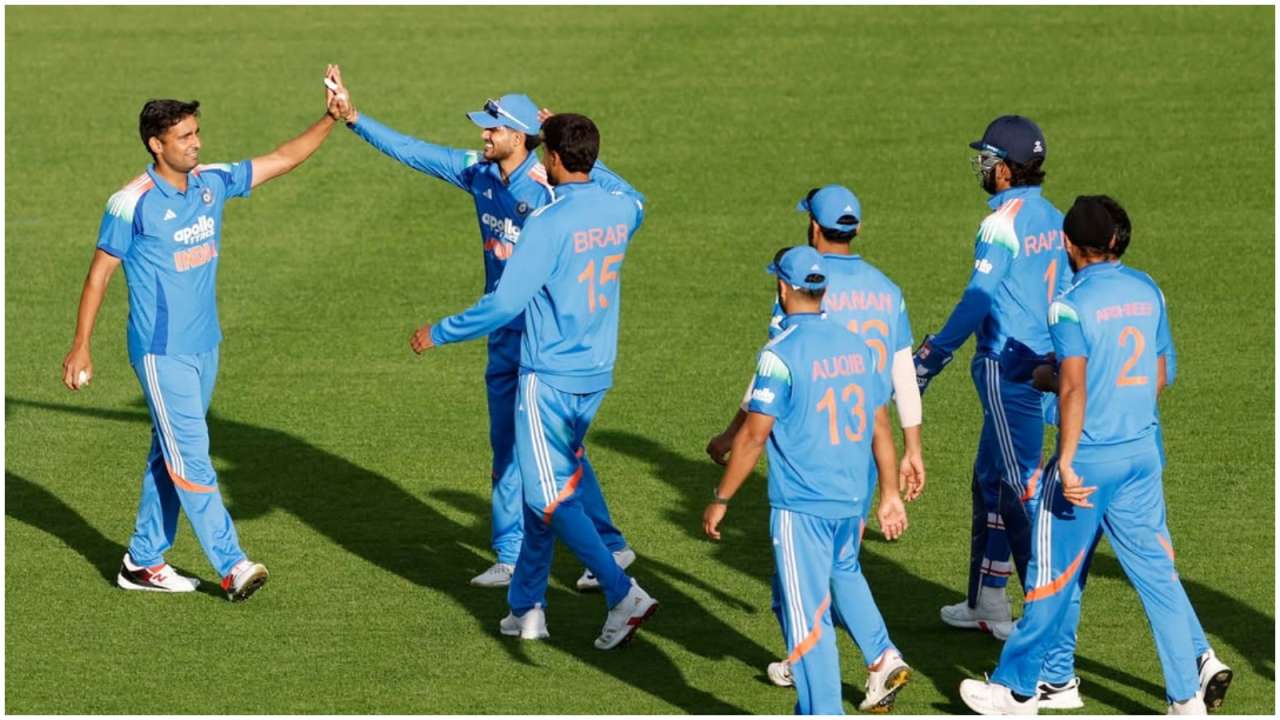 IND vs NZ, 2nd ODI Highlights: From Brar's four-wicket haul to rain drama, how India edged past Kiwis
 Virat Kohli creates history in Wellington, surpasses Ricky Ponting to achieve major ODI feat
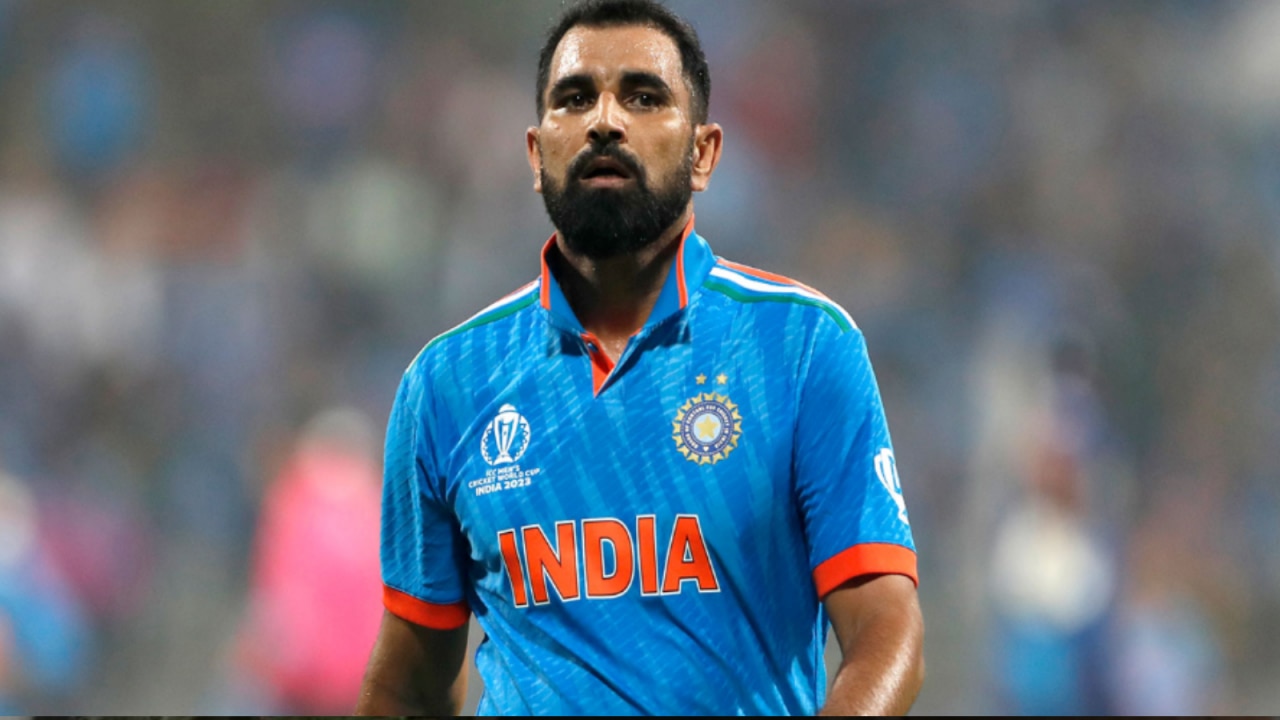 Mohammed Shami announces retirement from Test cricket, reveals plans for white-ball future
 World Record Chaos: 53 Red Cards after mass brawl erupts during Brazil U20 football match
 Cristiano Ronaldo retires from international football after fallout with coach Jorge Jesus, bids emotional farewell
 US MidTerm Elections: How Trump's Defeat Could Impact Pakistan? | Democrats Vs Republicans | India
 Agniveer News: '2 Year Extension...' Army's Major Relief For Agniveers; CDS Subramani's Full Speech
 Delhi Police Protest: 'Threatened Lawyer With Ak-47' PIL Against ACP Manasvi Vashistha In Delhi HC
 Cyclone Murasu: 'Electric Poles Damaged', Aftermath Of 'Severe' Cyclonic Storm In Andhra Pradesh
 ACP Manasvi Vashishta who led protest outside Delhi Police HQ suspended
HEALTH
They reckon that a lumbar puncture test combined with a brain scan can identify patients with early tell-tale signs of dementia.

Updated : Dec 22, 2010, 03:55 PM IST




UK researchers believe they can now detect the most common form of dementia - Alzheimer's disease - at its earliest stage, many years before symptoms appear.
They reckon that a lumbar puncture test combined with a brain scan can identify patients with early tell-tale signs of dementia, reports the BBC.
Jonathan Schott and colleagues at the Institute of Neurology, University College of London, have claimed that they have found a way to check for Alzheimer's years before symptoms appear.
Their approach checks for two things-shrinkage of the brain and lower than normal levels of a protein, called amyloid, in the cerebrospinal fluid (CSF) that bathes the brain and spinal cord.
Experts already know that in Alzheimer's there is loss of brain volume and an unusual build up of amyloid in the brain, meaning less amyloid in the CSF.
Schott's team recruited 105 healthy volunteers to undergo a series of checks, in order to establish their hypothesis.
The volunteers had lumbar puncture tests to check their CSF for levels of amyloid and MRI brain scans to calculate brain shrinkage.
The results revealed that the brains of those normal individuals with low CSF levels of amyloid shrank twice as quickly as the other group.
They were also five times more likely to possess the APOE4 risk gene and had higher levels of another culprit Alzheimer's protein, tau.
Experts are also looking at whether a different type of brain scan might instead be used to detect amyloid.
Rebecca Wood of the Alzheimer's Research Trust said, "We are hamstrung by our inability to accurately detect Alzheimer's, but these findings could prove to be pivotal. We know that treatments for many diseases can be more successful if given early and this is likely to be true for Alzheimer's."
The findings were published in the Annals of Neurology.