 3 Indians die in Germany fire, what led police to arrest a Romanian resident?
 Blue Drum Murder Case: Why Meerut court consider it 'rarest of the rare'? Supreme Court lawyer explains | Exclusive
 IND vs WI: Shai Hope creates T20I history, smashes record-breaking century to join elite West Indies list
 WATCH: Prince William pulls off stunning big hit against Sourav Ganguly outside Buckingham Palace
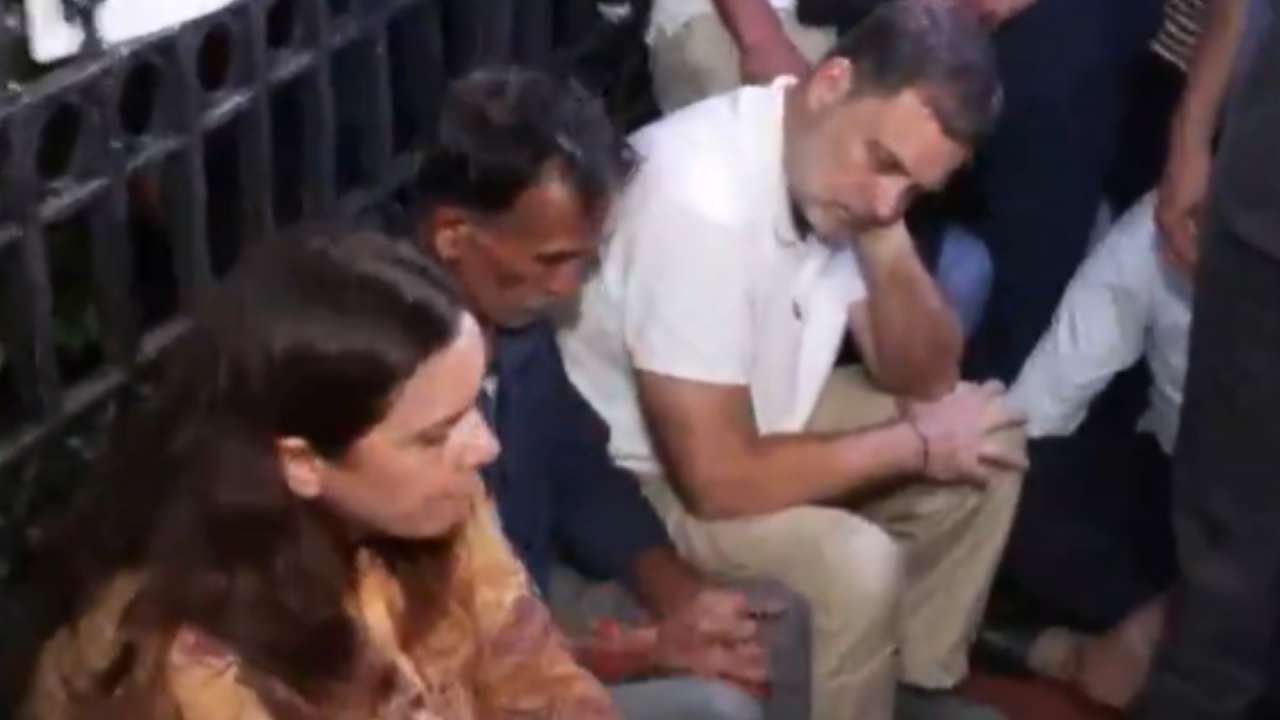 Rahul Gandhi, Priyanka Gandhi reach India Gate to meet Ankita Bhandari’s family: WatchIND vs WI: Shai Hope creates T20I history, smashes record-breaking century to join elite West Indies listWATCH: Prince William pulls off stunning big hit against Sourav Ganguly outside Buckingham Palace
 T Natarajan returns to SRH: Why pacer took massive Rs 5.75 crore pay cut and what DC got in return
 Sahibzada Farhan creates history, breaks Abhishek Sharma’s record during T20I series against Sri Lanka
 IND vs WI: Will Vaibhav Sooryavanshi make India’s playing XI for 4th T20I? Teenager’s Instagram post goes viral
 Ayushmann Khurrana on Udta Teer, admits bringing patriotic theme with action, comedy is 'something audiences haven't seen before'
 Viral video: Manoj Tiwari attacks CJP protest, says 'Gyanesh Kumar ke liye Dhruv Rathee ki...', gets brutally trolled: 'Yeh phir se peeke aaya hai'
 ‘Mahhi Vij ko bhi nikalo’: Bigg Boss 20 viewers demand actress’ eviction after Nakul Dhull-Gullu fight | Video
 Viral video: Ravi Kishan brutally trolled for criticising Rahul Gandhi protesting against 'vote chori', netizens say 'he is always high on premium sh*t'
 Viral video: Prakash Raj slams Narendra Modi's BJP for sending CJP's Saurav Das, Ashutosh Ranka to judicial custody: 'Poora desh jantar mantar banega'
 CJP Protest: Rahul Gandhi Accuses Delhi Police Of Beating Youngsters At Protest | Jantar Mantar
 CJP Protest: Congress Rahul Gandhi Backs CJP Leaders Jailed For Tresspassing At Jantar Mantar
 Delhi Protest: Delhi High Court Bench To Hear Pleas On Protest Regulation & Jantar Mantar Ban
 Pakistan News: 5 Killed, 30 Injured As Rehman Baba Express Derails Near Multan In Pakistan
 CJP Protest: Delhi Police Detains CJP Spokespersons Saurav Das And Ashutosh Ranka At Jantar Mantar
 IDBI Bank Sold For Rs 52,878 Crore: From Air India to IDBI Bank- Modi govt's big disinvestment moves explained
 Puja Gift To Railways Employees: 11 lakh workmen to get 78-day bonus, govt to spend Rs 2009 crore
 New AI tool for investors: Ask anything about listed companies, valuations, portfolio performance
 PM Modi to meet Donald Trump to iron out differences over India-US Bilateral Trade Agreement?
 RBL Bank shares crash 8% despite 170% profit jump: Why are investors worried?
 Navratri Day 4: From Shraddha Kapoor, Kriti Sanon, Sanya Malhotra, actresses who embody goddess in blue outfits
 Navratri 2026: From Alia Bhatt to Sara Ali Khan, Shraddha Kapoor, take inspiration from Bollywood actresses to stun everyone in white
 Ranbir Kapoor-Sai Pallavi, Yami Gautam-Addinath Kothare, Rajkummar Rao-Wamiqa Gabbi: 5 fresh on-screen jodis to watch out for in 2026
 OTT Releases This Week (October 5-11): Awarapan 2, Khalifa, Mandaadi; new India movies, shows to watch on Netflix, Prime Video
 OTT Releases This Week (Sept 28 - Oct 4): Dupahiya 2, Pooja Meri Jaan; new movies and shows to watch this Gandhi Jayanti weekendBlue Drum Murder Case: Why Meerut court consider it 'rarest of the rare'? Supreme Court lawyer explains | ExclusiveRahul Gandhi, Priyanka Gandhi reach India Gate to meet Ankita Bhandari’s family: Watch
 From Muskan Rastogi to Siya Goyal: When women plotted killings for love
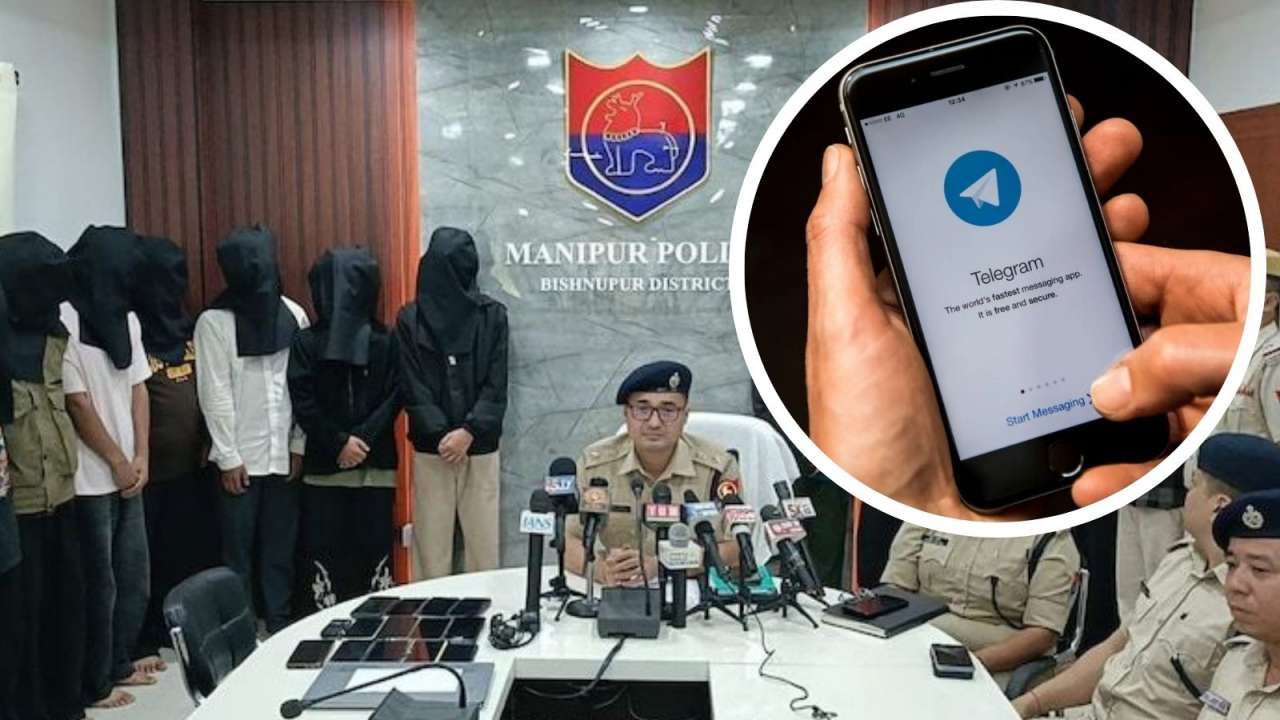 Manipur police arrests 13, including minor, for sharing, monetising explicit content on Telegram
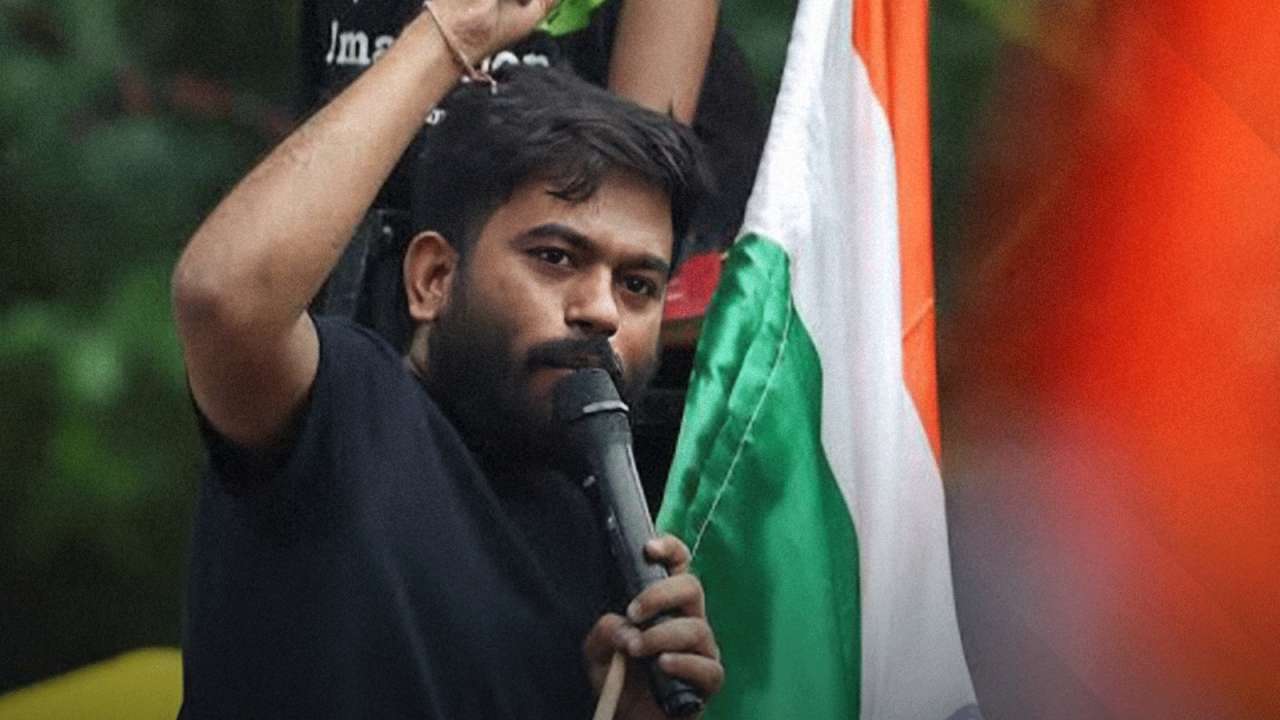 Anti-ECI Protest: Abhijeet Dipke announces Tiranga march at Connaught Place on October 16
 AI-generated question papers for NEET? Nandan Nilekani proposes novel idea for stopping paper leak
 Third Language Row: SC extends relaxation to Class 6 students, asks CBSE to grant exemption, here's what it means
 NEET PG 2026 Result Out: Check how to download scorecard from natboard.edu.in; Know category-wise cut-off and more
 Five-year BTech programmes? Ex-IIT director makes proposals amid IIT suicide controversy
 CBSE Date Sheet 2027: When will Class 10, 12 timetable be released? Check details here
 After Hyundai, Maruti Suzuki makes cars costlier ahead of festive season: Check new prices after hike
 Hyundai cars to get costlier from September: Check new prices and reason behind hike
 Why can't consumers choose pure petrol or E10? Centre explains why E20 is now the standard fuel
 Centre claims E20 fuel does not damage engines, cites data from Maruti Suzuki and Hero MotoCorp
 Maruti WagonR Flex Fuel: What’s price of India’s first ethanol car? Specs, mileage, and top features explained
HEALTH
Check here how stress can result in infertility.

Updated : Dec 19, 2022, 06:31 PM IST | Edited by : Kajari Goswami




A woman's daily stress levels can decrease the probability of her getting pregnant. For instance, women who had higher amounts of the stress-marking enzyme alpha-amylase in their saliva took 29% longer to become pregnant than those who had lower levels. When you are under stress, the pituitary gland releases two chemicals, follicle-stimulating hormone (FSH) and luteinizing hormone, to promote ovulation (LH).
A very high or extremely low body weight, a recent significant weight gain or reduction, or excessive physical or mental stress can all interfere with the synthesis of these hormones and impair ovulation. The most typical symptoms are irregular or missing menstruation.
Your body is intelligent; it is aware that stressful times are not ideal for getting pregnant. However, anxious women presumably also engage in less sexual activity. Additionally, they may be more inclined to engage in risky habits like smoking, excessive alcohol use, or caffeine use.
Stress management
Everybody occasionally experiences stress. So it's probable that being stressed out at work for a few weeks or feeling nervous about a significant relocation won't affect your ability to have children. However, if your stress persists for a while or if you're through a significant upheaval, your ovulation may be affected.
One in ten women of reproductive age has difficulties becoming pregnant or carrying it to term. Most of the time, there is a physical cause, such as obstructed fallopian tubes. But as months go by and you don’t get the desired good news, stress might start kicking in.
Prevention
According to studies, taking these steps may be helpful whether you've been trying to conceive for some time or just want to increase your odds.
Exercise for the ideal duration. Stress is reduced and fertility is increased by physical exercise. But keeping things understated is important. In research by Wise, exercising modestly (1–5 hours per week), such as walking, increased the likelihood of conception. However, pregnant women were less inclined to work out intensely.
Be aware of your weight. A drawback of stress is the propensity to overeat in order to feel better. Obesity makes it more difficult to become pregnant or maintain pregnancy. According to certain studies, obese women may experience fertility problems three times as frequently as other women.
Adopt a balanced diet. It's tempting to eat a lot of processed, sugary meals while you're worried. But compared to women who consume a high-fat, excessively processed diet, those who follow a Mediterranean-style diet rich in whole grains, omega-3 fatty acids, seafood, and soy are more likely to become pregnant.
If you or your spouse has a history of known reproductive issues, irregular or painful periods, pelvic inflammatory disease, recurrent miscarriages, cancer treatment, or endometriosis, start testing or treatment immediately away.
(Article by Dr Nisha Pansare, Fertility Consultant, Nova IVF Fertility, Pune.)