 Bhai Dooj 2026: Pujya Gurudevshri Rakeshji on why family is where spiritual growth is really tested
 Ramayana: Ahead of Ranbir Kapoor film crossing 1000 crore, makers send Indian Epic to Oscars? Here's what we know
 Yogi Adityanath defends Diwali firecrackers amid Delhi-NCR pollution, questions critics
 Karnataka BJP protests price hikes, demands rollback of milk, bus fare increases
 Irfan Pathan makes big statement on Arshdeep Singh's trade to MI, says 'Makes Mumbai Indians a stronger side'Yogi Adityanath defends Diwali firecrackers amid Delhi-NCR pollution, questions criticsKarnataka BJP protests price hikes, demands rollback of milk, bus fare increases
 Air India issues hijack alert just before take-off at Kolkata Airport, aircraft moved to isolation bay
 Mother Dairy hikes milk prices by Rs 2-4 per litre from November 12, second hike in 6 months
 Assam: Seven coaches of Kolkata-Sairang Express derail near Digaru, several injured
 US deportation flight carrying Iranian immigrants forced to return after Pakistan refused entry: Report
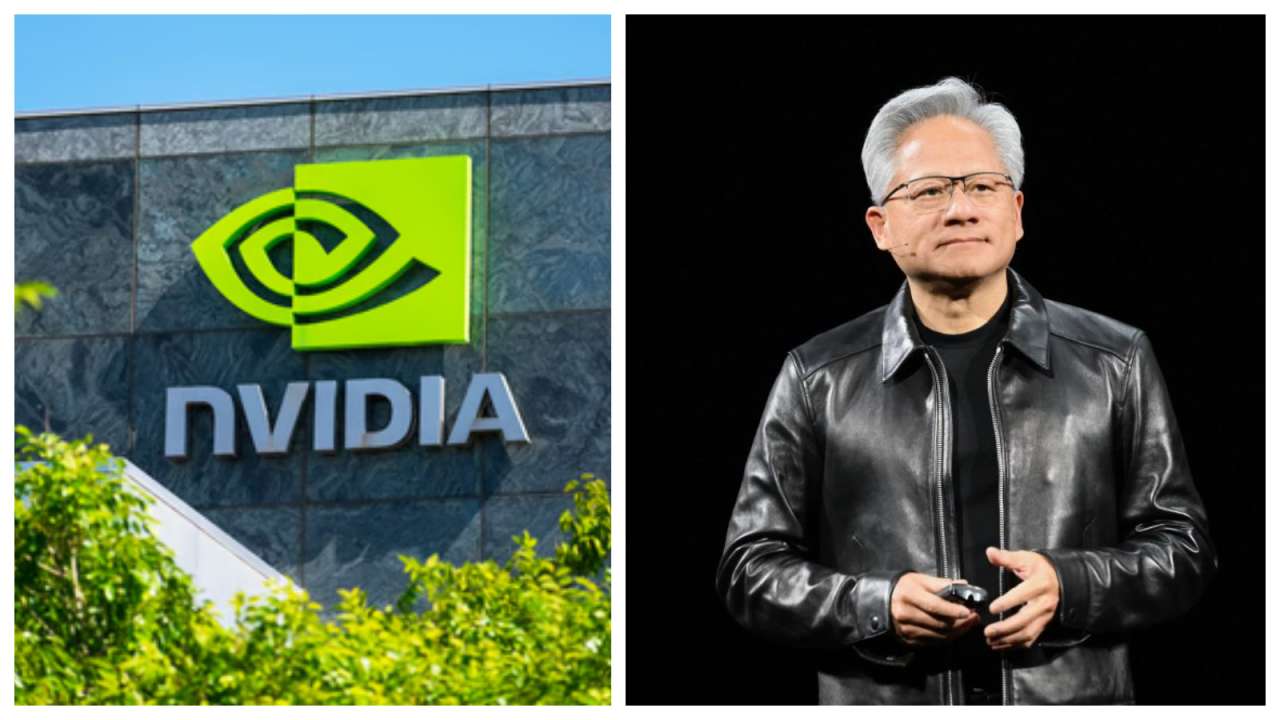 Nvidia taps ex-US Attorney Joon H Kim to lead probe into Jensen Huang affair with alleged Chinese spy
 IBM to discontinue H-1B and green card sponsorship for majority of US consulting roles
 US House blocks resolution to impeach Defence Secretary Pete Hegseth in 211-204 vote
 Sheikh Hasina return row: Bangladesh says death sentence must be executed if ex-PM comes home
 Sensex soars 1,300 points, Rs 6 lakh crore added in minutes: 3 BIG reasons behind stock market rally
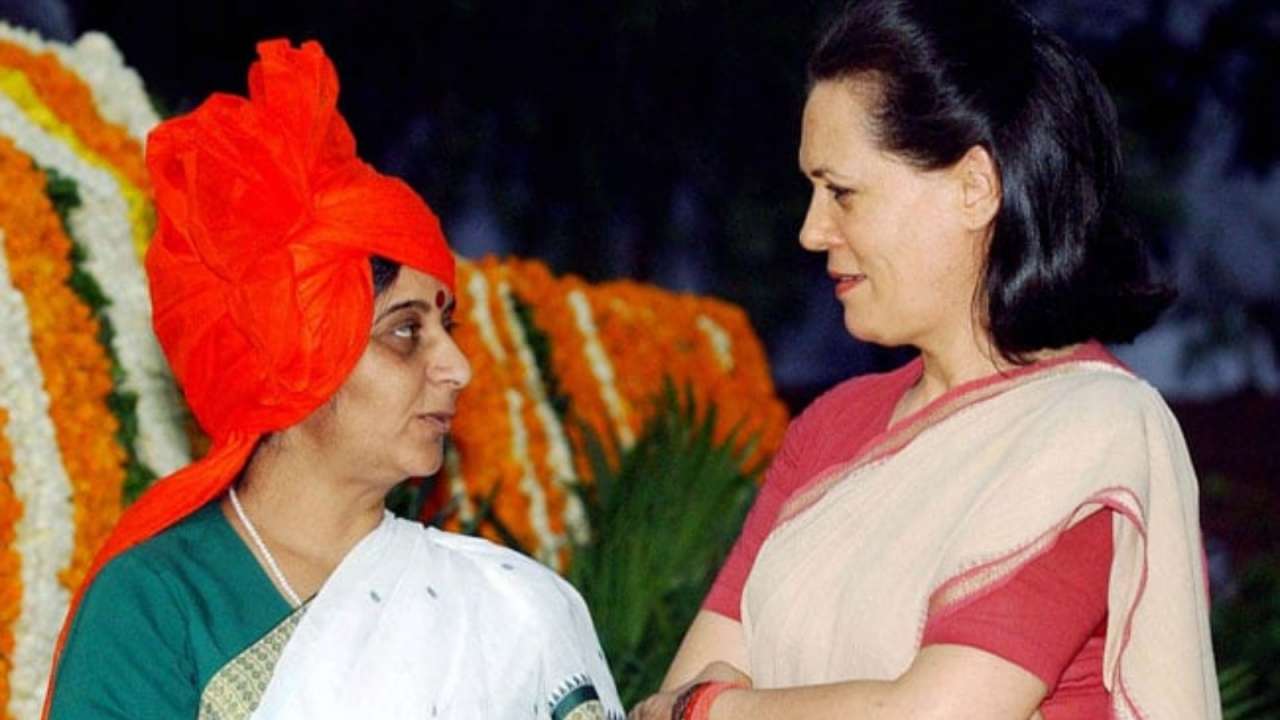 Was Sonia Gandhi afraid of BJP? Did ‘foreign origin’ campaign force her to decline PM's office? Her autobiography drops BIG hint
 Why Sonia Gandhi refused to become PM: Rahul's angry reaction, Priyanka's tears and the dramatic night that changed India
 Foreign Secretary Vikram Misri Visits Nepal, Meets PM Balendra Shah
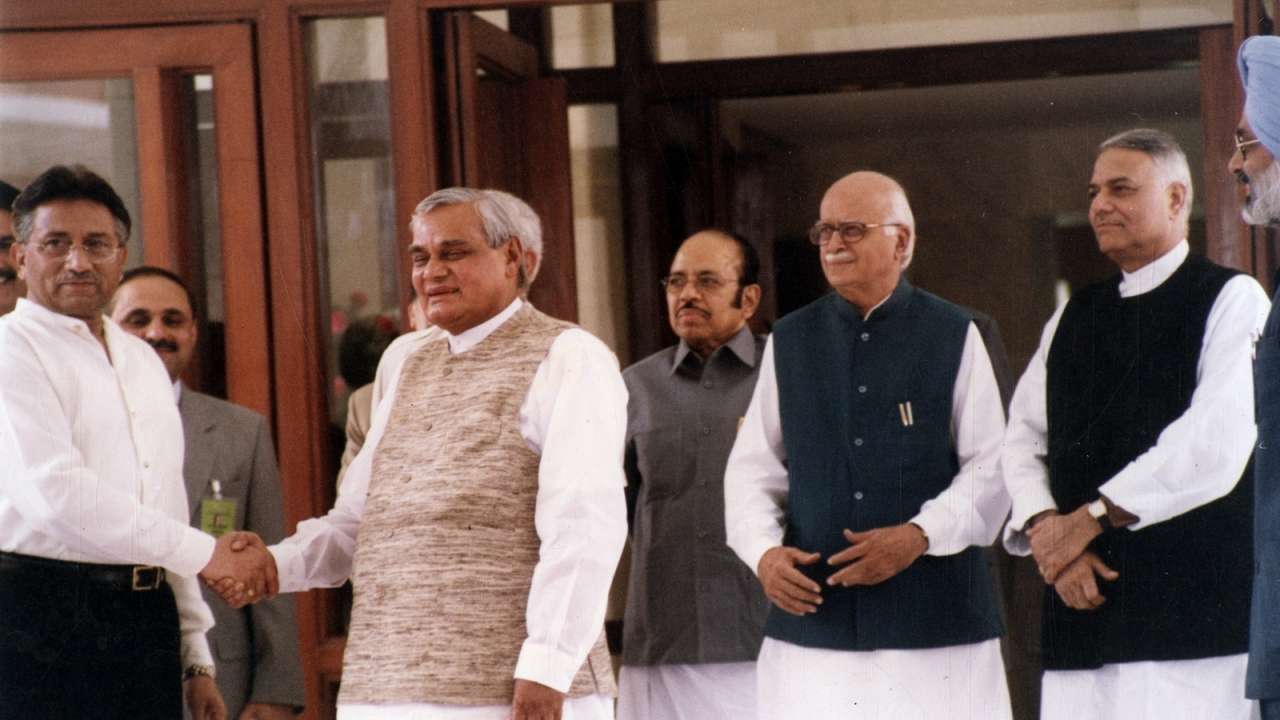 Born in Pakistan, praised Jinnah, abandoned by party: The untold story of LK Advani at 100Ramayana: Ahead of Ranbir Kapoor film crossing 1000 crore, makers send Indian Epic to Oscars? Here's what we know
 Maatrubhumi trailer: Salman Khan leads emotional war drama, tells Chinese soldiers 'let's solve this sh*t bro'
 Scene box office collection day 5: Suriya film sees major 40% dip but inches closer to Rs 100 crore in India
 Ramayana box office collection day 6: Ranbir Kapoor film crosses Rs 400 crore in India, earns Rs 800 crore worldwide
 Diljit Dosanjh's Indore concert receives bomb threat email after singer dismisses cancellation rumours
 Qualcomm Layoffs 2026: How much severance will employees in India get? Check full package, eligibility and key details
 Gold, Silver prices today, November 11, 2026: Check city-wise rates in Delhi, Mumbai, Chennai, Kolkata and more
 Anthropic launches IPO roadshow: 825 million shares on offer, check price and key details
 Rupee climbs to 7-month high, gains 93.70 against US dollar in early trade
 Dhanteras 2026: Are banks open or closed on November 6? Check RBI holiday listIrfan Pathan makes big statement on Arshdeep Singh's trade to MI, says 'Makes Mumbai Indians a stronger side'
 Sanju Samson Turns 32: CSK calls him 'Namma Chettan' in heartfelt birthday tribute; shares special photo
 New Zealand announce team for Tests vs India, eye another clean sweep; check full squad list here
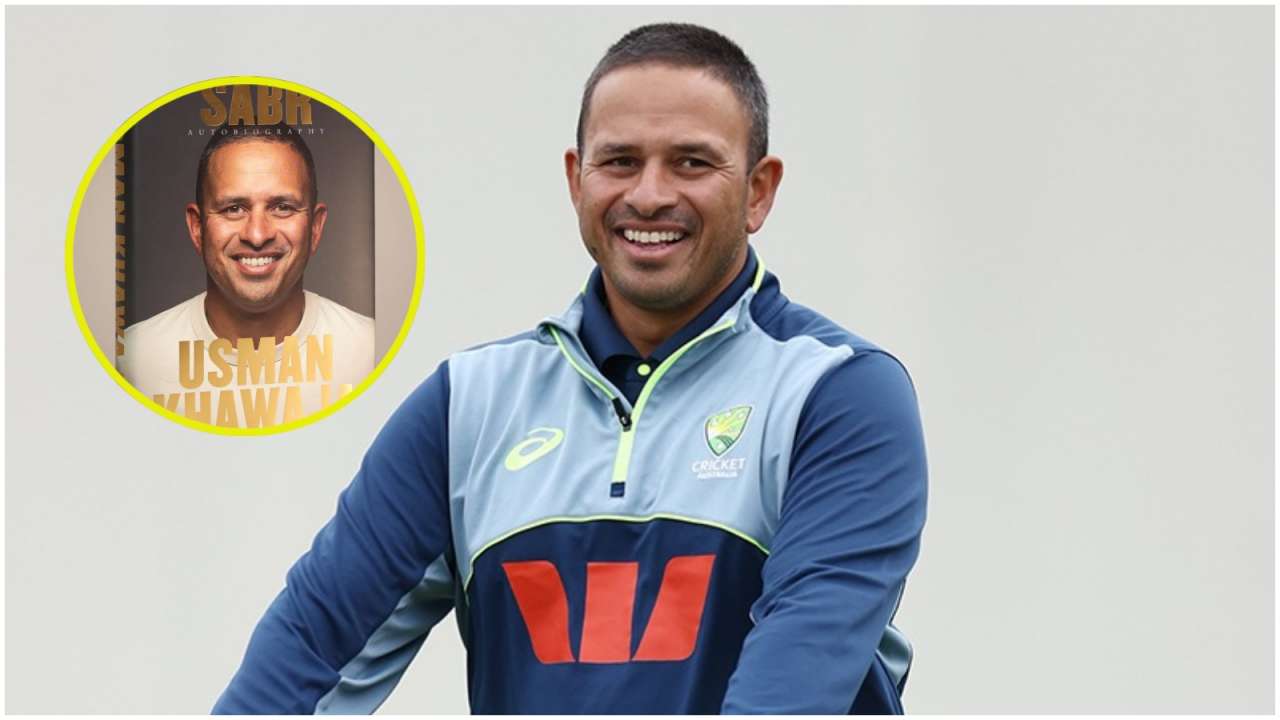 Why has Usman Khawaja reopened Australia's 2018 ball-tampering scandal? 'Not a witch hunt' remark explained
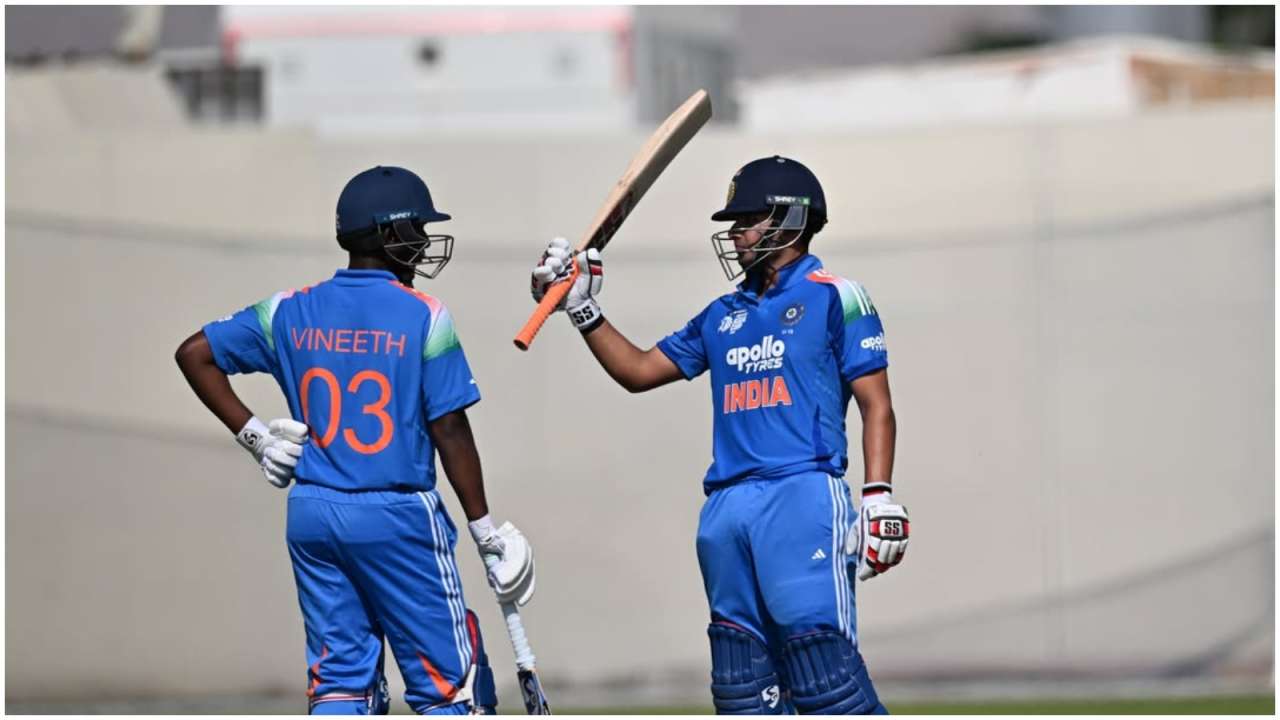 Virender Sehwag's son smashes 160 as India defeat UAE to enter U19 Asia Cup semis
 Jensen Huang News: Nvidia CEO Loses $7.4 Billion In 30 Minutes, Drops 2 Spots In Forbes Rich List
 Bhai Dooj 2026: Check Date, Time Check Shubh Muhurat, Tilak Timings, Puja Rituals
 Bangladesh News: 'Fugitive Terr*rist...' Dhaka Slams Hasina's Passport Demand, Calls For Extradition
 Congress vs PM Modi Row: 'Jhola-Picking-Up Time' Remark, Bastar Address & Political Reactions
 Nvidia Scandal: The Megaspeed Connection, Alice Huang Ties & Jensen Huang’s Affair
HEALTH
For people who want to practise a few yoga asanas at their workstations, the fear of looking silly usually holds them back.

Updated : Dec 19, 2010, 12:38 AM IST




As our workdays get longer, the first casualty is daily exercise. Instead of giving up exercise completely because there’s just never enough time, use the 10-minute-breaks during office hours to do a few stretches, maybe even a few complex asanas, say experts.
Yoga, they say, is addictive. Once you start practising on an everyday basis, you feel uncomfortable if you miss a day’s practice, claim yoga ‘addicts’. So, instead of letting themselves feel uneasy because they missed an hour of yoga in the morning, they do basic asanas and pranayam while at their workstations in office.
There are a number of exercises you can do while sitting in your office chair, says Archana Vaibhavagore, yoga practitioner and instructor.
“Stretching, neck and back massages, twisting and anulom-vilom (basic pranayam) are easy to do and don’t take up much time. Once you’ve done it for a few days, it becomes almost second nature to keep practising.”
She has a client who spends 10-15 minutes practising yoga in the office conference room every day before sitting down at his desk.
“What makes yoga so convenient at the workplace is that once you’ve learned the basic asanas from an instructor, you don’t need constant guidance anymore,” she adds.
Fewer stares if done collectively
While this may sound doable, very few people actually think ‘yoga’ during their breaks. Even those who want to practice a few stretches avoid doing so because of colleagues’ curious stares. That is why, says yoga instructor Sanjay Negandhi, both employer and employee should take a keen interest in yoga.
“It can get awkward for just one person doing an asana at his desk with colleagues looking on. Instead, when others join in as a collective, yoga isn’t just exercise anymore,” he says.
Some employers realise this. Negandhi recalls holding a workshop for an IT outsourcing MNC where, over three sessions, he demonstrated basic postures and breathing techniques that would help the techies relieve physical and mental stress. “Organisations realise that these small initiatives go a long way in improving the work environment and morale of employees. Employees, on the other hand, realise yoga’s benefits and start practising asanas even at home,” says Negandhi.
However, if an organisation isn’t proactive, it isn’t always the employer’s fault, says yoga instructor Nikhila Trikha. “Activities like a yoga course happen not because of the management, but because of the initiatives taken by people in the company,” she says. “Now, with more people becoming aware of yoga and its benefits, it is usually the employees who approach the company’s management.”
Trikha, who conducts a yoga class for employees of a leading international bank, says the organisation plays a huge role in encouraging its people. “At the bank, every week I notice posters explaining the benefits of yoga postures.”
Websites not for novices
As awareness about yoga’s benefits increases, so have the number of websites offering graphic descriptions, pictures and videos on various asanas. This makes doing yoga at the workstation even more convenient.
Once you’ve got the hang of yoga from a class you may have attended in the past, it’s very easy to fall back into the habit of practising asanas every day.
“Yoga is, after all, about stretching. As long as you know your basics, it’s okay to try out new asanas but only after having warmed up properly. You have to condition your body before you twist it into a complex asana,” advises Trikha.
But, warn instructors, this can be dangerous if you haven’t been trained by a professional.
“Every posture has various interpretations. In fact, even in a class where I personally demonstrate a certain posture, I come across people who’re doing it incorrectly,” says Negandhi.
He adds that yoga postures are beneficial only if done correctly. “Mistakes can lead to injuries. Imagine the damage you can do if you’re trying yoga from the internet at your desk in office and you pull a
muscle.”