 Jensen Huang breaks silence on Nvidia exit, hints at return: 'Owns mistake completely'
 Ramayana box office collection day 13: Ranbir Kapoor, Yash film breaches Rs 800 crore mark in India
 Scene box office collection day 12: Suriya, Naslen film crosses Rs 250 crore worldwide
 PM Modi lifts Indian flag marker during Quad photo-op, keeps it in pocket: Watch
 Ali Fazal to lead series adaptation of EM Forster's iconic novel A Passage to India; Naseeruddin Shah, Fiona Shaw join himJensen Huang breaks silence on Nvidia exit, hints at return: 'Owns mistake completely'PM Modi lifts Indian flag marker during Quad photo-op, keeps it in pocket: Watch
 Maharashtra tightens lift safety norms, bans children below 12 from using lifts alone
 Trump describes PM Modi as a 'Tough Man' during Quad leaders' meeting in Philippines
 Rahul Gandhi hits back at BJP-RSS trolls over parents' love, says 'anger and hatred stop...'
 US proposes two-year hiring ban on employers laying off American workers for similar jobs
 ‘Biryani for Pakistan minister’: Congress questions Centre’s decision to invite Islamabad to SCO meet
 Was Jeffrey Epstein killed in prison? Fresh investigation raises questions
 Oil tanker hits naval mine? Iran reports fourth fire near Strait of Hormuz
 US bank outage explained: What went wrong with Chase, Bank of America and Wells Fargo?
 India Eyes $1 Trillion Exports As 7-Month Exports Hit $570 Billion
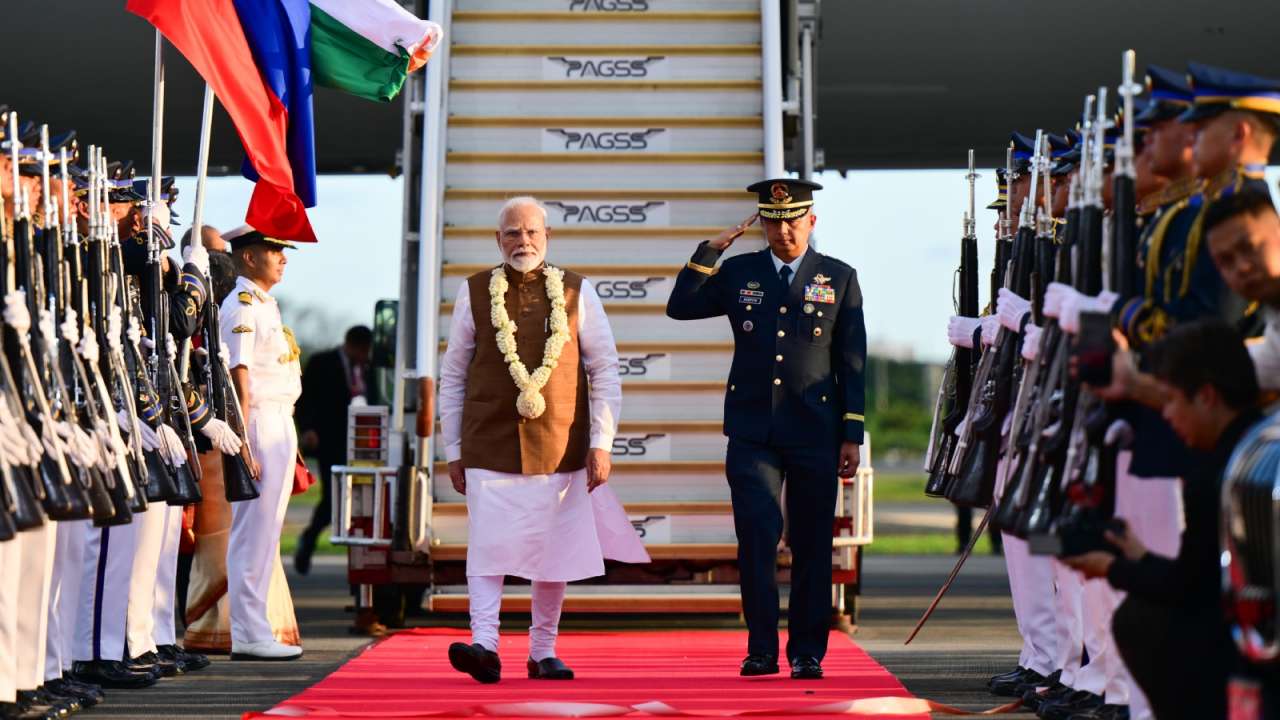 PM Modi Attends Quad Summit: How can India corner China in Indian Ocean without firing a shot: 5 strategic moves
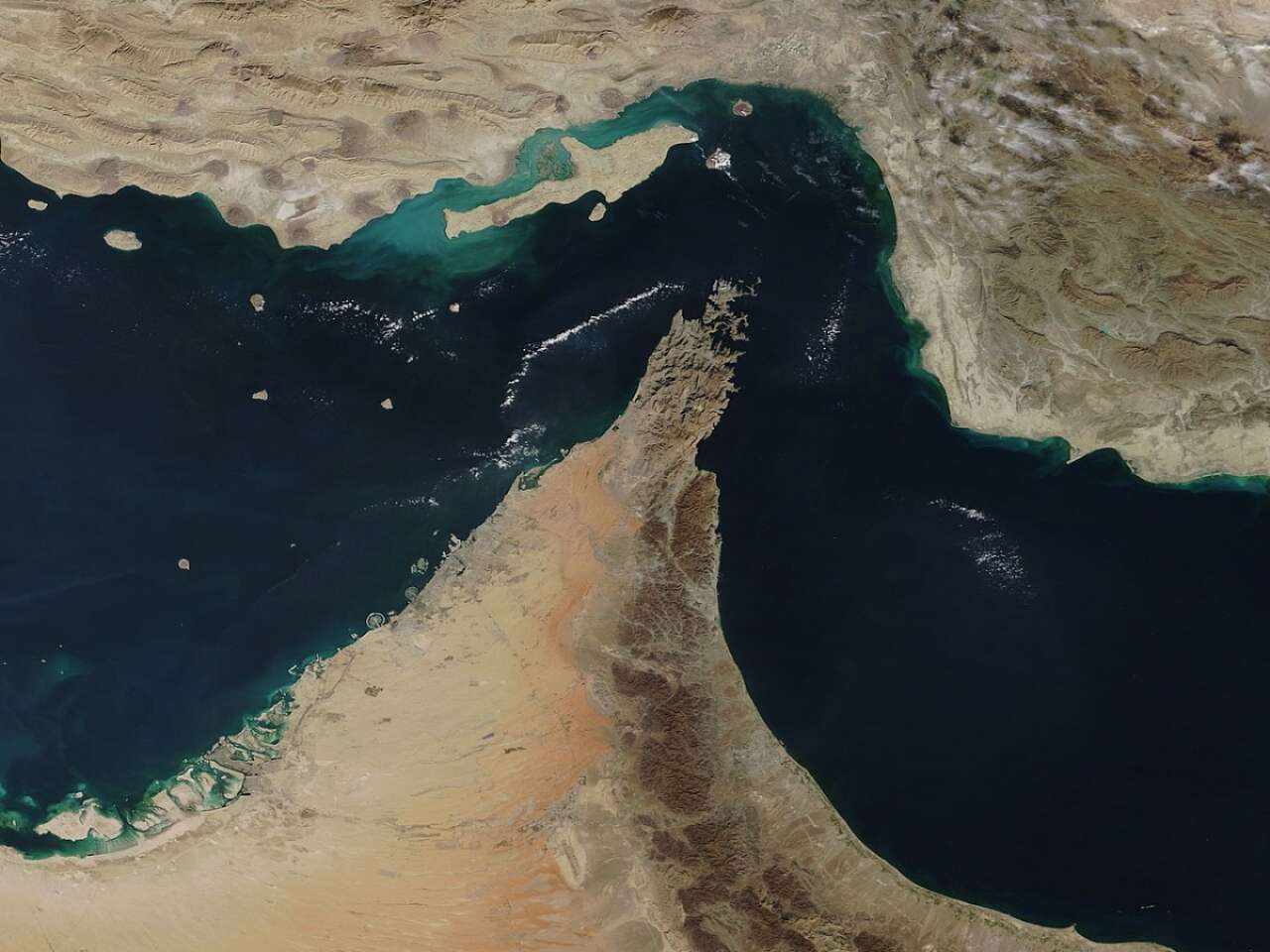 Oil Tankers Catch Fire In Strait Of Hormuz: Will petrol and diesel prices rise in India?
 Modi-Trump Meeting In Manila: 5 Big issues India-US may discuss, from China to trade deal
 Microsoft Global Outage: Why did Outlook stop working? How were airlines in India affected?Ramayana box office collection day 13: Ranbir Kapoor, Yash film breaches Rs 800 crore mark in IndiaScene box office collection day 12: Suriya, Naslen film crosses Rs 250 crore worldwideAli Fazal to lead series adaptation of EM Forster's iconic novel A Passage to India; Naseeruddin Shah, Fiona Shaw join him
 Rashmika Mandanna's Mysaa explores emotional father-daughter bond in soulful second single Aao Ri Chirraiya
 Brad Pitt wants to play the villain opposite Robert Pattinson's James Bond: 'Get Denis Villeneuve on the phone'
 India's Astrology Boom: Faith, big business or emotional dependence? Who is watching the industry?
 Did NBCC commit contempt of court? Firm resumes auction of flats despite matter being sub judice
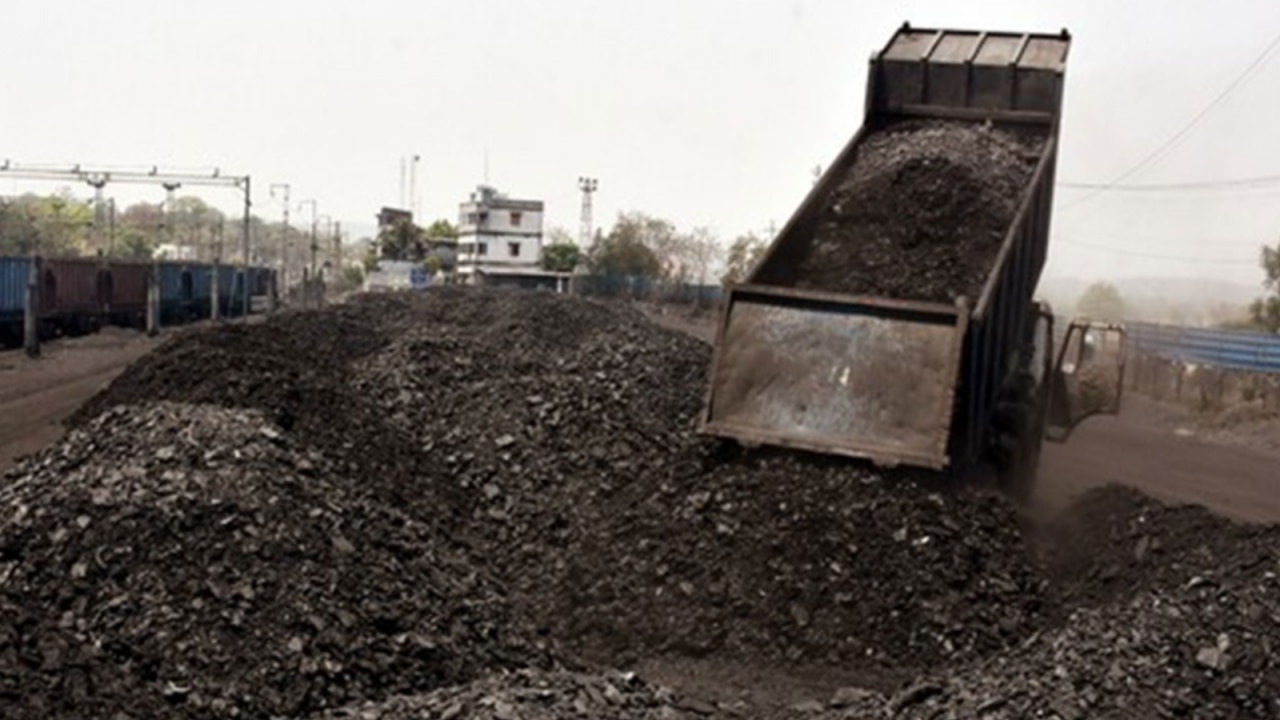 Mahanadi Coalfields IPO: 10 Things to know about issue date, GMP, price band, size and listing
 Tata Sons Listing Row: Why Noel Tata fears it could change Tata Group
 Who will replace Jensen Huang at Nvidia? 3 Indian-origin executives in the race
 MS Dhoni among IPL's oldest players: Who tops list, where does CSK legend rank?
 MS Dhoni Retires: CSK shares emotional 'Always Thala' video, Mahi begins new chapter as team mentor; Watch
 MS Dhoni retires from IPL: 7 top records of former CSK captain in T20 league
 MS Dhoni retires from IPL after 19 years, Chennai Super Kings appoints him as mentor
 Travis Head likely to skip IPL 2027: What options does Kavya Maran have for SRH?
 CJP News: 'Condition In Delhi Police Won't Leak It...' Saurav Das Submits Address Proof To Court
 Punjab News: Head Constable Shot Dead In Punjab, Sixth Cop Killed This Year | Bhagwant Mann
 Cyclone Akvan: Odisha Deploys 74 Rescue Teams, Begins Evacuation Ahead Of 'Severe Storm' | Andhra
 Uttarakhand Bus Accident: 6 Killed After Bus Falls Off Bridge On Rishikesh-Badrinath Highway
 Pakistan News: 'Give Me Justice Before It Is Too Late...' Imran Khan's Urgent Appeal From Jail
HEALTH
Air ambulances are used in particular cases, such as organ transplantation, where immediate transportation of a patient is required.

Updated : Jun 02, 2022, 09:50 PM IST
















Technological advances have contributed to the saving of countless lives, including those affected by terminal diseases and life-threatening accidents. Physicians and surgeons are not alone in this effort; ambulance drivers and paramedics also play a role in transporting critically ill patients to medical facilities for treatment. Ambulance drivers and paramedics rush to the scene of an accident or a medical emergency and administer lifesaving care, working in tandem with doctors and nurses.
Air ambulances are used in particular cases, such as organ transplantation, where immediate transportation of a patient is required. Air ambulances offer safe and quick transportation, as well as superior medical facilities and personnel onboard to handle any emergency. They are also the quickest means of transportation, ensuring that organ transit is professionally handled and transplants are finished in top condition. Air ambulances can go almost anywhere in the world, even to places where ground vehicles are unable to go. When an air ambulance is used instead of a land ambulance, data shows that 12 more lives are saved on average every 100 times it is employed.
A medical transfer that uses an aircraft to reach a patient is known as an air ambulance. Air ambulances are frequently used to transfer people who require immediate medical attention, particularly in emergency situations. Fixed-wing aircraft can be used for longer flights, while helicopters are more commonly used for shorter distances. Organ transplants can be sped up with the use of an air ambulance, which can deliver the organ to a remote location or from the donor's location to the hospital where they will be treated. It's time to bring either the organ or the patient to the transplant centre when a donor has been confirmed and all necessary testing has been done.
The ability to transport organs swiftly and in a timely manner is critical for successful transplantation, but the manner in which they are delivered is equally important. It's critical to evaluate how organs are transported within air ambulances and preserved throughout journey in order to carry organs safely and on schedule. Harvested organs are commonly cleansed with a refrigerant because the cooler the organs are, the less oxygen they require to maintain cell health. Cold ischemia storage is the most frequent term for the storage container used in air ambulances.
Various organs, on the other hand, take different amounts of time to degenerate outside of the human body. The sensitivity of an organ determines how long it can be stored outside the human body without degrading; for example, kidneys may be kept outside the body for a long period without deteriorating.
To maximize the viability of an organ for transplantation, it is critical to deliver the organ from its donor site to the transplant hospital as quickly as possible. Green corridors are created by seeking permission from the traffic police to cross high-traffic areas, which helps transport the organ before it reaches its countdown and is of no use.
Air ambulances have a reputation for rapid response time and take-off speeds, allowing them to outpace ground-based transport. Pilots are trained to do whatever is necessary to get patients from point A to point B in the shortest time possible.
Organs and other essential medical supplies are transported by air ambulances over large distances. Air ambulances travel faster than ground ambulances and are not hampered by traffic or other obstacles. Because an organ can only survive for a certain amount of time without oxygen, timely transfer is essential. Air ambulances are agile and fast, capable of travelling hundreds of miles per hour and covering 300 air miles in less than 2 hours in emergency situations.
READ | Child's cognitive abilities linked to breastfeeding duration, claims research
The author is the founder of Air Rescuers Worldwide Pvt Ltd, a specialised service provider of air ambulance services.
(Disclaimer: The views expressed above are the author's own and do not reflect those of DNA.)