 Drishyam 3 box office collection Day 6: Despite minor drop, Ajay Devgn earns his biggest hit, beats Tanhaji, earns over Rs 350 crore
 Gyanesh Kumar row: Congress declares October 8 ‘Black Day’ after Rahul, Priyanka detention
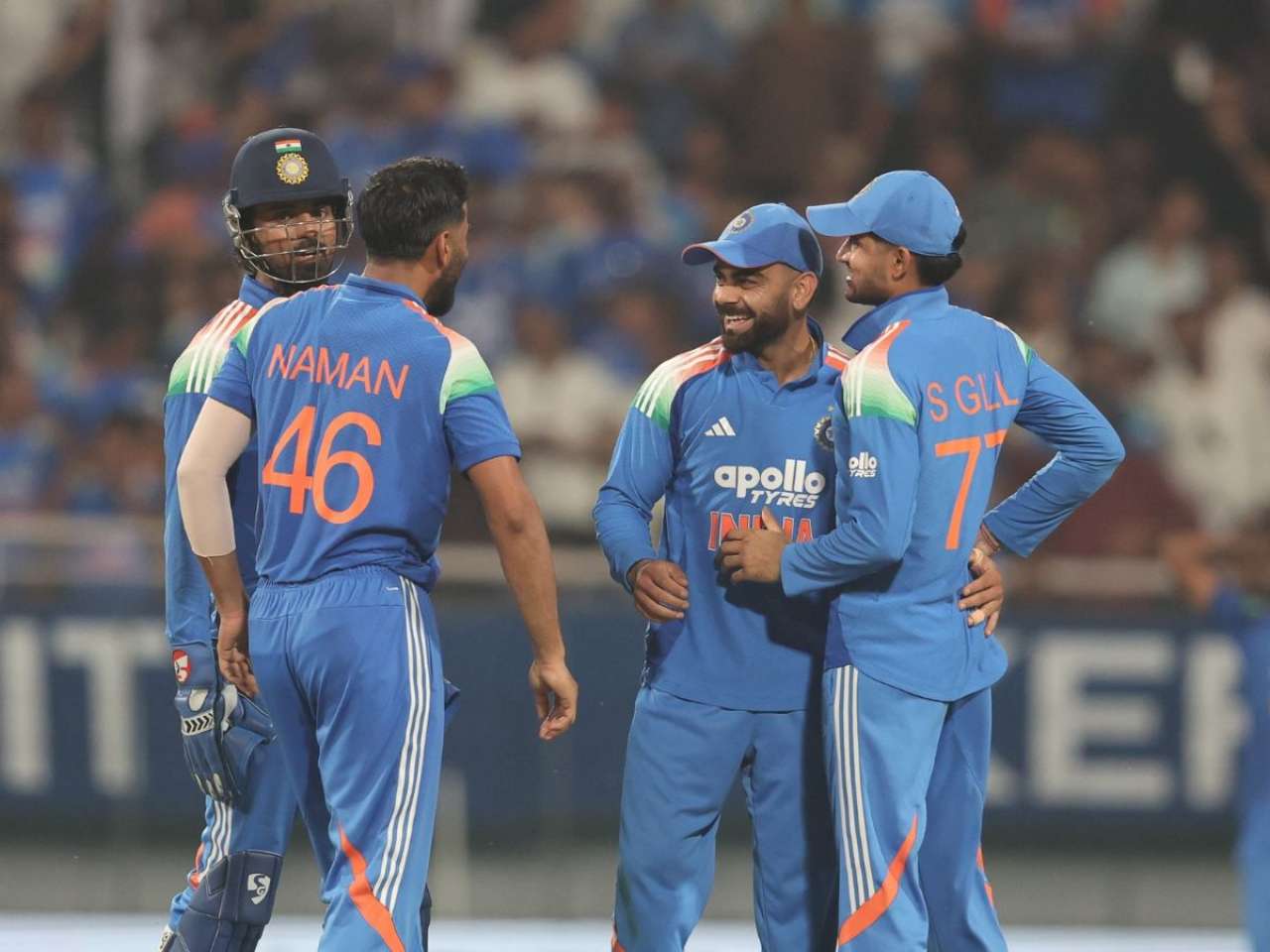 India squad for New Zealand tour delayed: Why selectors are waiting until next week to pick ODI team
 Delhi Building Collapse: Death toll rises to 3, several injured after collapse in New Seemapuri
 Virat Kohli–Premanand Maharaj Rs 5 crore row escalates: Dinesh Falahari fires back, demands audit of company accountsIndia squad for New Zealand tour delayed: Why selectors are waiting until next week to pick ODI teamVirat Kohli–Premanand Maharaj Rs 5 crore row escalates: Dinesh Falahari fires back, demands audit of company accounts
 ICC Rankings: Shreyas Iyer soars to No. 7 in T20Is, KL Rahul gains while Virat Kohli displaced to 3rd in ODIs
 Bhuvneshwar Kumar back in Indian team after 4 years: How past veterans responded to T20I comebacks
 Can Sourav Ganguly coach Delhi Capitals while heading CAB? Former BCCI boss responds to big controversyDrishyam 3 box office collection Day 6: Despite minor drop, Ajay Devgn earns his biggest hit, beats Tanhaji, earns over Rs 350 crore
 Jailer 2: CBFC rating, runtime revealed, bad news for Rajinikanth fans, his latest film isn't suitable for...
 Kangana Ranaut's first reaction on PM Modi completing 25 years as head of government
 Rajpal Yadav cheque-bounce case: Actor gets 'major relief' from Supreme Court, gets final opportunity of two weeks: 'Loans aren't taken out for...'
 Ramayana in trouble month before release, Ranbir Kapoor, Yash film's production hit major hurdle as producer Namit Malhotra....
 Flydubai Flight News:'Revenge For Gaza'; Flydubai Co-Pilot Hamam Al-Hammami Confesses To Terror Plot
 Delhi Building Collapse: 5-Storey Building Collapses In Seemapuri; Emergency Teams Rush To Spot
 PM Modi News: Congress Attacks Modi Over Repo Rate Hike, Says ‘Achhe Din’ Became ‘Vasooli Wale Din’
 CJP News: CJP Announces ‘Chappal Protest’ in Bengaluru On October 8 | CEC Gyanesh Kumar Resignation
 Flydubai Attack: Israeli Dentist Reveals How He Helped Save Captain Smit After Flydubai Attack
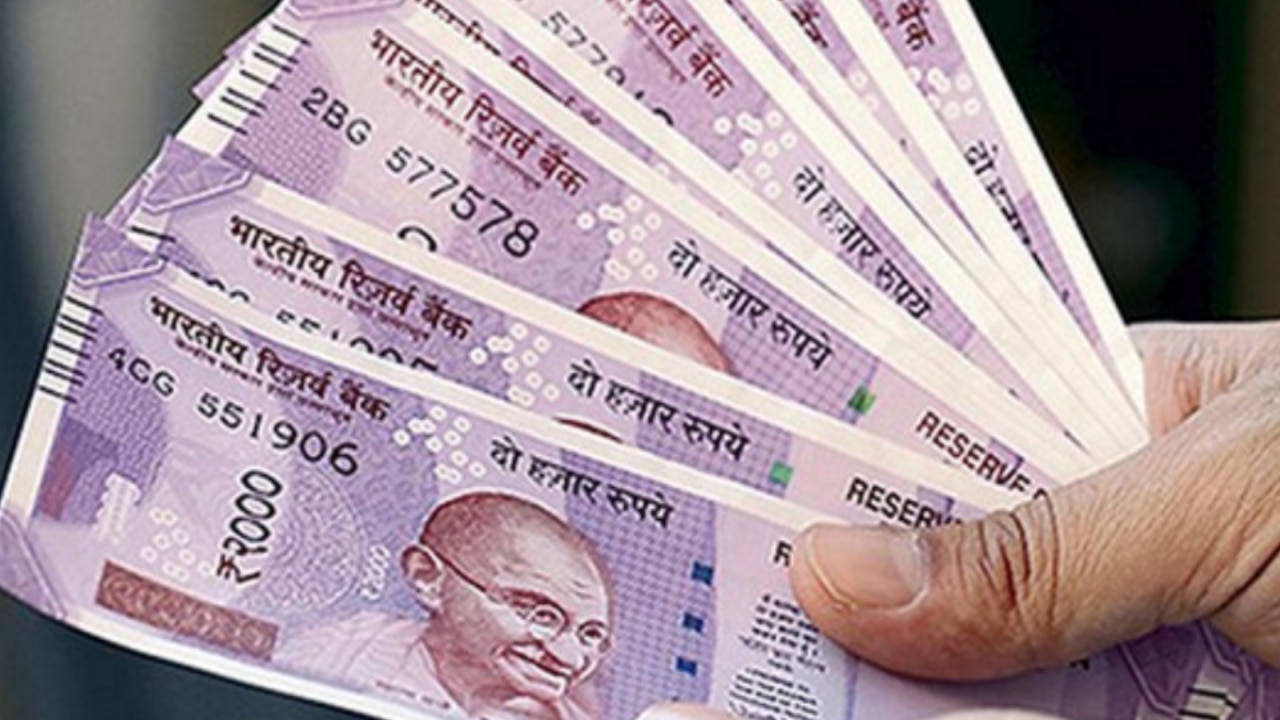 Rupee slips despite RBI rate hike: Why is the Indian currency under pressure against US dollar?Rupee slips despite RBI rate hike: Why is the Indian currency under pressure against US dollar?
 Your loan EMIs are about to rise: RBI hikes interest rates by 0.25%
 GST Council October 8 meeting: No rate changes expected; reforms on refunds, ITC and registration on agenda
 Cabinet approves Rs 10,000 crore SME Growth Fund: What it means for small businesses
 OTT Releases This Week (Sept 28 - Oct 4): Dupahiya 2, Pooja Meri Jaan; new movies and shows to watch this Gandhi Jayanti weekend
 From Neeti Mohan, Heer, Sarthak Kalyani; Ahead of Sa Re Ga Ma Pa, 5 musical geniuses championed by AR Rahman
 72nd National Film Awards 2024: Kartik Aaryan, Yami Gautam, Aditya Dhar, Mammootty, Dhanush, Anant Nag accept honours
 OTT Releases This Week (September 14-20): Lust Stories 3, Irumudi, Thudakkam; Indian movies, series to watch on Netflix, Prime Video, JioHotstar
 Ganesh Utsav 2026: Deva Shree Ganesha, Sindoor Lal Chadayo; 5 iconic Ganpati songs that should be must-haves in your playlistGyanesh Kumar row: Congress declares October 8 ‘Black Day’ after Rahul, Priyanka detentionDelhi Building Collapse: Death toll rises to 3, several injured after collapse in New Seemapuri
 CJI Surya Kant to attend NLSIU Bengaluru convocation on Oct 17 after cancellation row
 Protest Against CEC Gyanesh Kumar: Rahul Gandhi, Priyanka released after two hours of detention
 Building collapses in Delhi again! After Satya Niketan, many residents feared trapped under debris at Seemapuri
 Third Language Row: SC extends relaxation to Class 6 students, asks CBSE to grant exemption, here's what it means
 NEET PG 2026 Result Out: Check how to download scorecard from natboard.edu.in; Know category-wise cut-off and more
 Five-year BTech programmes? Ex-IIT director makes proposals amid IIT suicide controversy
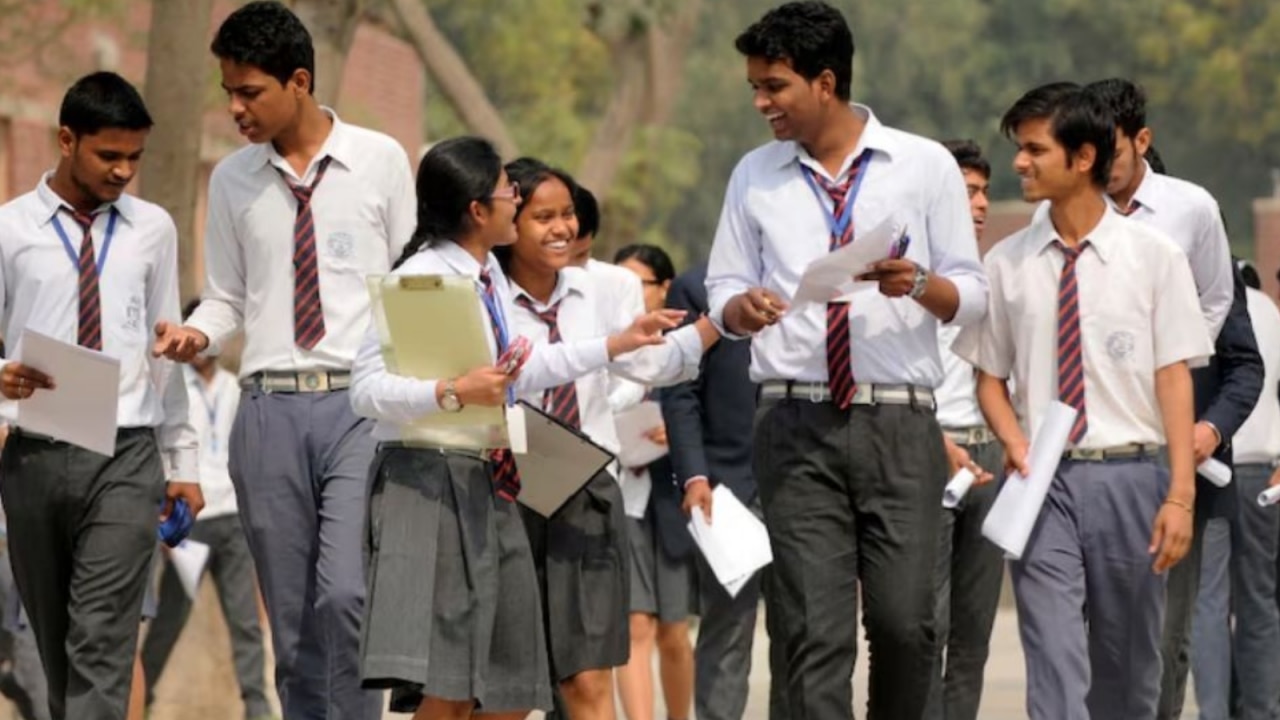 CBSE Date Sheet 2027: When will Class 10, 12 timetable be released? Check details here
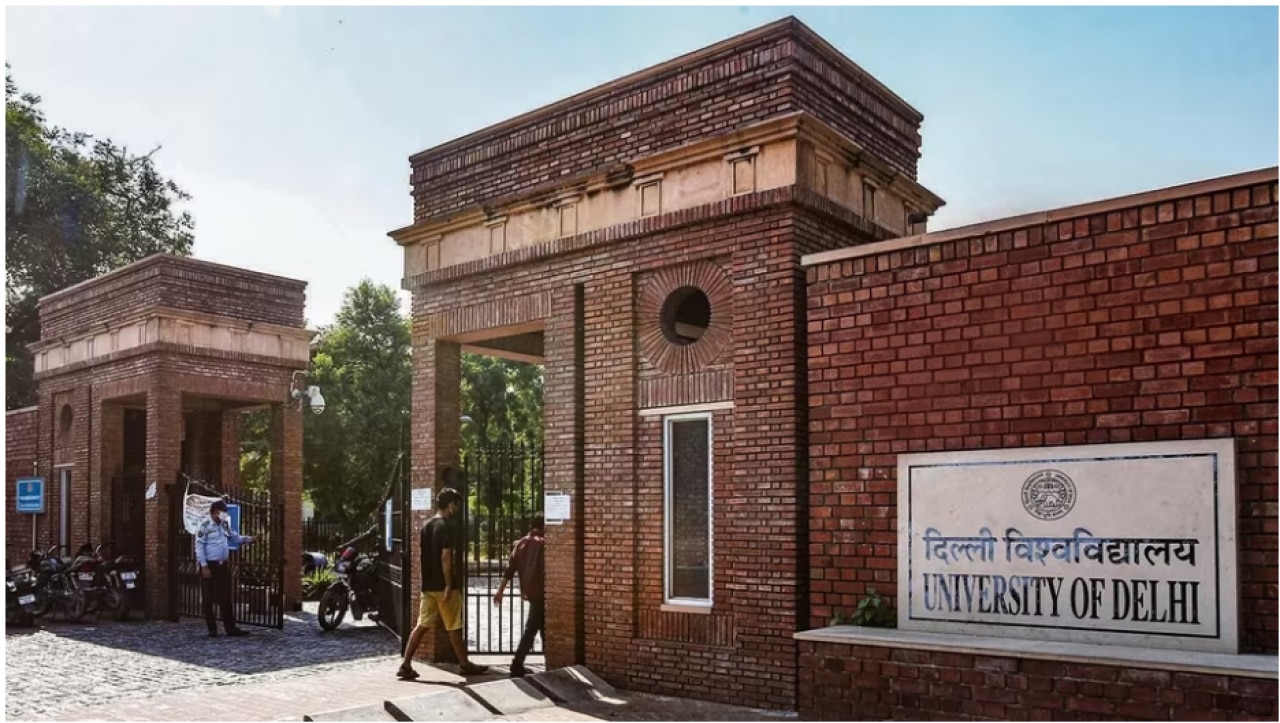 From Rs 150 in 1947 to powerful student body: The story of DUSU’s rise | Explained
 After Hyundai, Maruti Suzuki makes cars costlier ahead of festive season: Check new prices after hike
 Hyundai cars to get costlier from September: Check new prices and reason behind hike
 Why can't consumers choose pure petrol or E10? Centre explains why E20 is now the standard fuel
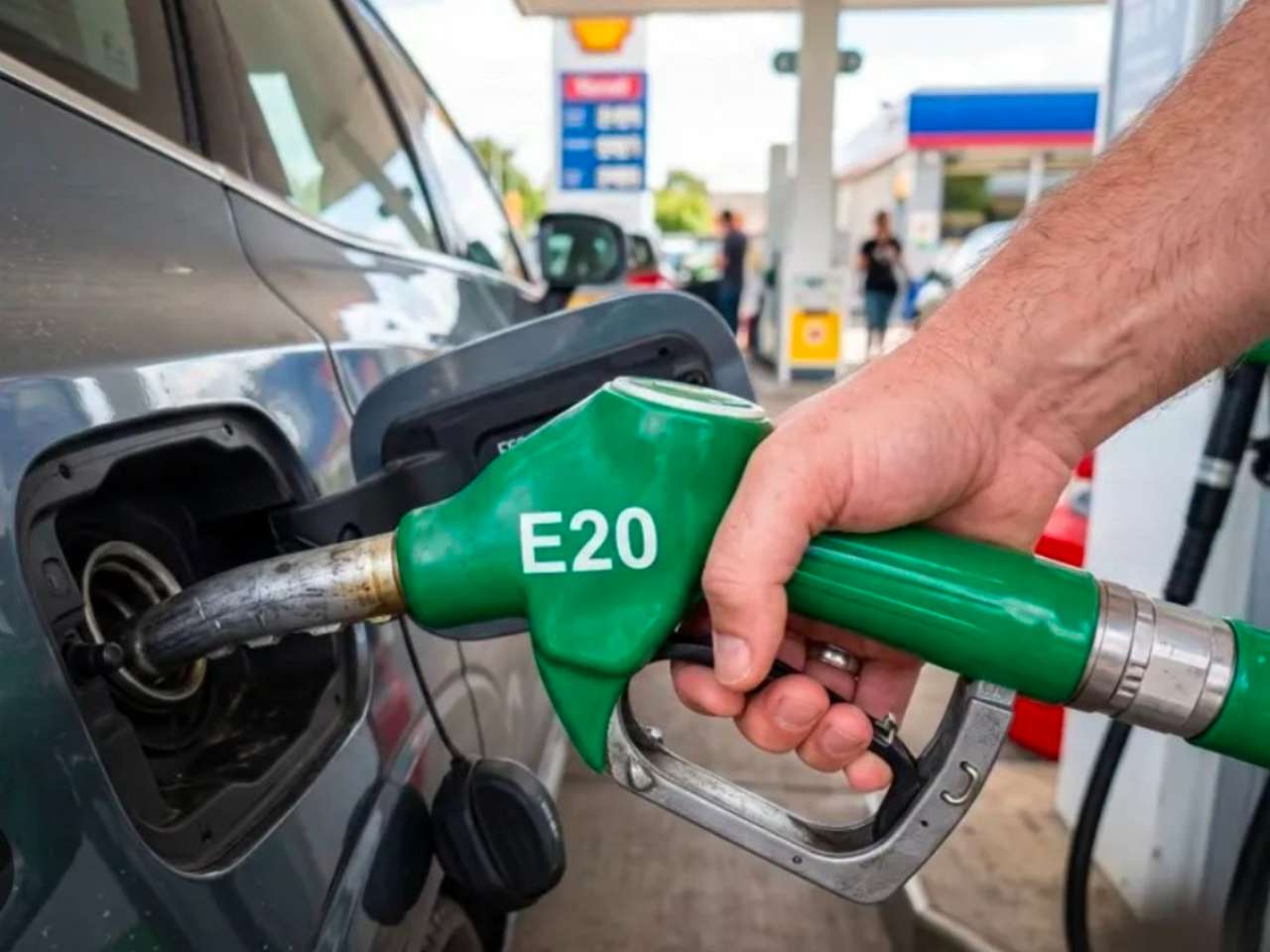 Centre claims E20 fuel does not damage engines, cites data from Maruti Suzuki and Hero MotoCorp
 Maruti WagonR Flex Fuel: What’s price of India’s first ethanol car? Specs, mileage, and top features explained
HEALTH
DNA Web Team | Dec 15, 2018, 04:21 PM IST
1.Have a protein shake for breakfast

There are several types of protein powders available in the market, including whey, soy, egg and pea protein. One scoop of whey powder provides about 20 to 25 grams of protein, on average. To boost the protein content even more, you can add peanut butter, almonds, flaxseeds or chia seeds.
2.Sip on BCAAs supplement

The Branched-Chain Amino Acids (BCAAs) leucine, isoleucine, and valine are major constituents of animal proteins like chicken and whey — and play significant roles in muscle protein synthesis.
Plan your protein first, then build a meal around it. Make protein the VIP of your dish!
3.Go nuts

Nuts are a good source of protein. You can eat a few of your favourite nuts like almonds or walnuts. Just make sure to count out your servings so you don’t get into a high-calorie habit of handful after handful of nut varieties.
4.Double up on fish and chicken

Meat contains significant amounts of high-quality protein that are efficiently used by your body because they contain all of the essential amino acids. Hundred grams of chicken, meat or fish usually provides 20 to 30 grams of protein.


5.Pair fruits with low-fat cheese

If you are going to enjoy an apple for a snack, pair it with a slice of low-fat Swiss cheese. One ounce delivers about eight grams of healthy protein for only 50 calories and one gram of fat.
6.Add lentils to your soup

Making a soup? Add lentils. Lentils can increase the protein in your soups and completely fill you up with very little effort.
7.Make protein pancakes

Make a healthier version of pancakes with oat flour, egg whites, and protein powder.
8.Oatmeals

Make a 1/2 cup of uncooked oats (five grams of protein) with 1/2 cup water and 1/2 cup low-fat milk (four grams of protein).
9.Replace grains with quinoa

Quinoa is considered a complete protein because it contains all the essential amino acids we need. The seed (most people think it’s a grain) is packed with about eight grams of protein per cup. Swap quinoa for rice or pasta, or, add it to soups, salads or even pancakes for extra nutritional value.
10.Get creative with egg whites

Eggs are like mini vitamin pills that are so versatile, cheap, easy to prepare and jam-packed with protein. There are countless ideas for healthy omelettes and egg white scramble that are popular with smart dieters. Egg whites have little flavour so you can add them to almost anything without changing the taste.
11.Eat Indian dal with every major meal

Lentils are an excellent source of protein. Half cup of lentils will provide about 10 grams of protein. When it comes to protein, it’s not just the total amount you take in everyday that matters. Getting enough at each meal is also important. Every major meal should be based on protein, whereby you consume at least 20 grams of protein.
12.Get creative with protein powdersIt’s time to go beyond only using your protein powders for post-workout shakes. You can add fla

It’s time to go beyond only using your protein powders for post-workout shakes. You can add flavourless protein powders into things like brownies, homemade protein bars, oatmeal and mashed potatoes.
13.Snack on Greek yogurt

One serving contains roughly 18 grams, much more than plain yogurt. Greek yogurt also tastes especially fantastic with chia seeds — another great source of protein.
14.Add peas to your meals

One cup of peas contains eight grams of protein. You can add them to subji, soups, salads, hummus or main dishes for an added vegetable-based protein boost.
Also read: Abs ne bana di jodi - how a Marwari couple got fit