 Bhai Dooj 2026: Pujya Gurudevshri Rakeshji on why family is where spiritual growth is really tested
 Ramayana: Ahead of Ranbir Kapoor film crossing 1000 crore, makers send Indian Epic to Oscars? Here's what we know
 Yogi Adityanath defends Diwali firecrackers amid Delhi-NCR pollution, questions critics
 Karnataka BJP protests price hikes, demands rollback of milk, bus fare increases
 Irfan Pathan makes big statement on Arshdeep Singh's trade to MI, says 'Makes Mumbai Indians a stronger side'Yogi Adityanath defends Diwali firecrackers amid Delhi-NCR pollution, questions criticsKarnataka BJP protests price hikes, demands rollback of milk, bus fare increases
 Air India issues hijack alert just before take-off at Kolkata Airport, aircraft moved to isolation bay
 Mother Dairy hikes milk prices by Rs 2-4 per litre from November 12, second hike in 6 months
 Assam: Seven coaches of Kolkata-Sairang Express derail near Digaru, several injured
 US deportation flight carrying Iranian immigrants forced to return after Pakistan refused entry: Report
 Nvidia taps ex-US Attorney Joon H Kim to lead probe into Jensen Huang affair with alleged Chinese spy
 IBM to discontinue H-1B and green card sponsorship for majority of US consulting roles
 US House blocks resolution to impeach Defence Secretary Pete Hegseth in 211-204 vote
 Sheikh Hasina return row: Bangladesh says death sentence must be executed if ex-PM comes home
 Sensex soars 1,300 points, Rs 6 lakh crore added in minutes: 3 BIG reasons behind stock market rally
 Was Sonia Gandhi afraid of BJP? Did ‘foreign origin’ campaign force her to decline PM's office? Her autobiography drops BIG hint
 Why Sonia Gandhi refused to become PM: Rahul's angry reaction, Priyanka's tears and the dramatic night that changed India
 Foreign Secretary Vikram Misri Visits Nepal, Meets PM Balendra Shah
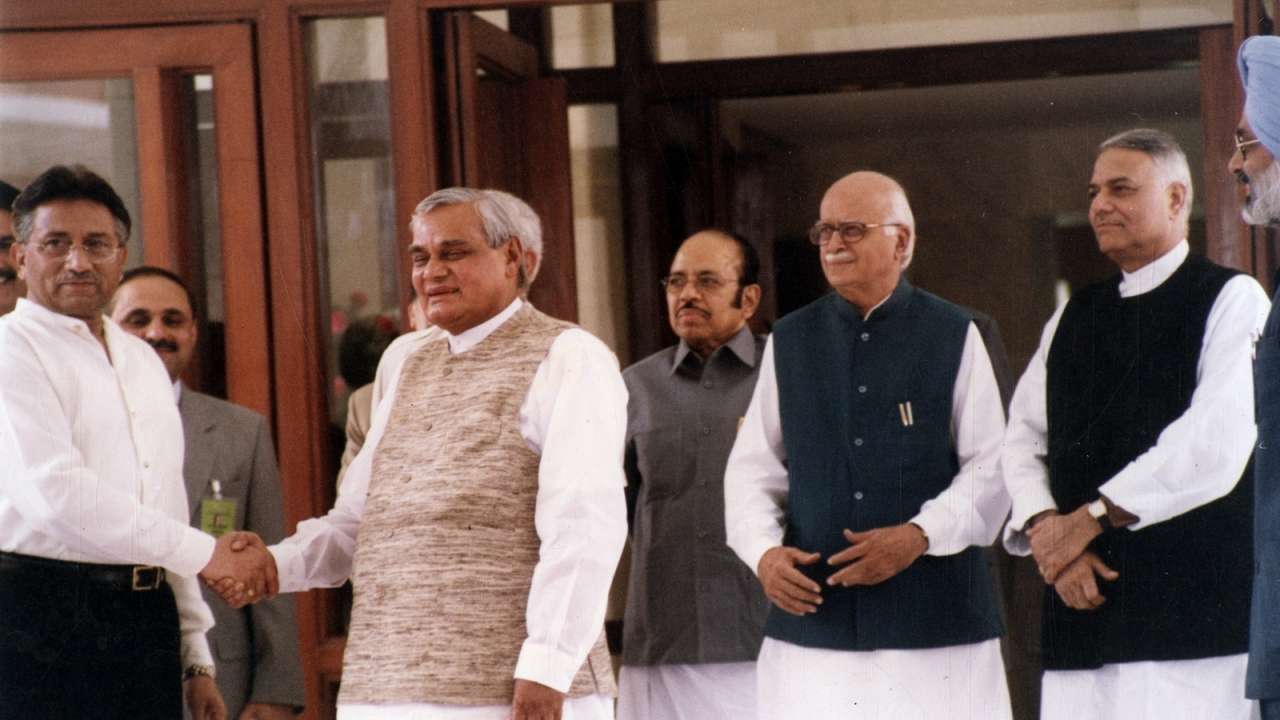 Born in Pakistan, praised Jinnah, abandoned by party: The untold story of LK Advani at 100Ramayana: Ahead of Ranbir Kapoor film crossing 1000 crore, makers send Indian Epic to Oscars? Here's what we know
 Maatrubhumi trailer: Salman Khan leads emotional war drama, tells Chinese soldiers 'let's solve this sh*t bro'
 Scene box office collection day 5: Suriya film sees major 40% dip but inches closer to Rs 100 crore in India
 Ramayana box office collection day 6: Ranbir Kapoor film crosses Rs 400 crore in India, earns Rs 800 crore worldwide
 Diljit Dosanjh's Indore concert receives bomb threat email after singer dismisses cancellation rumours
 Qualcomm Layoffs 2026: How much severance will employees in India get? Check full package, eligibility and key details
 Gold, Silver prices today, November 11, 2026: Check city-wise rates in Delhi, Mumbai, Chennai, Kolkata and more
 Anthropic launches IPO roadshow: 825 million shares on offer, check price and key details
 Rupee climbs to 7-month high, gains 93.70 against US dollar in early trade
 Dhanteras 2026: Are banks open or closed on November 6? Check RBI holiday listIrfan Pathan makes big statement on Arshdeep Singh's trade to MI, says 'Makes Mumbai Indians a stronger side'
 Sanju Samson Turns 32: CSK calls him 'Namma Chettan' in heartfelt birthday tribute; shares special photo
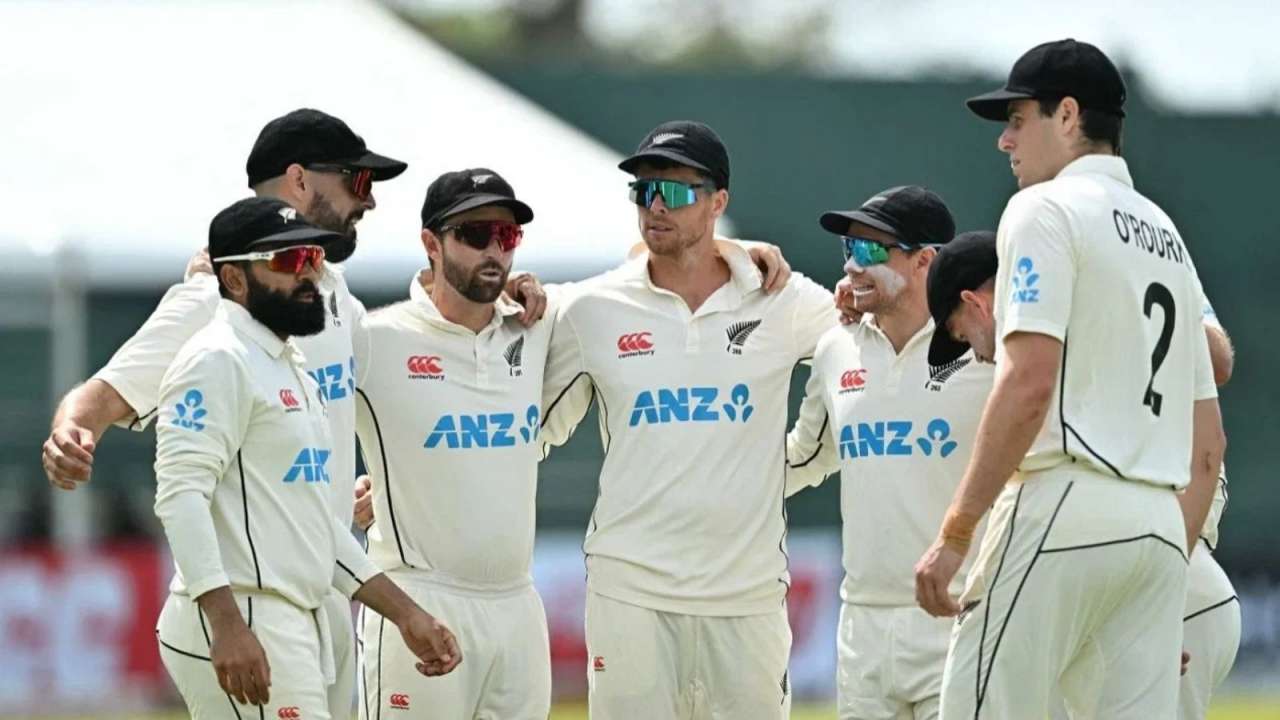 New Zealand announce team for Tests vs India, eye another clean sweep; check full squad list here
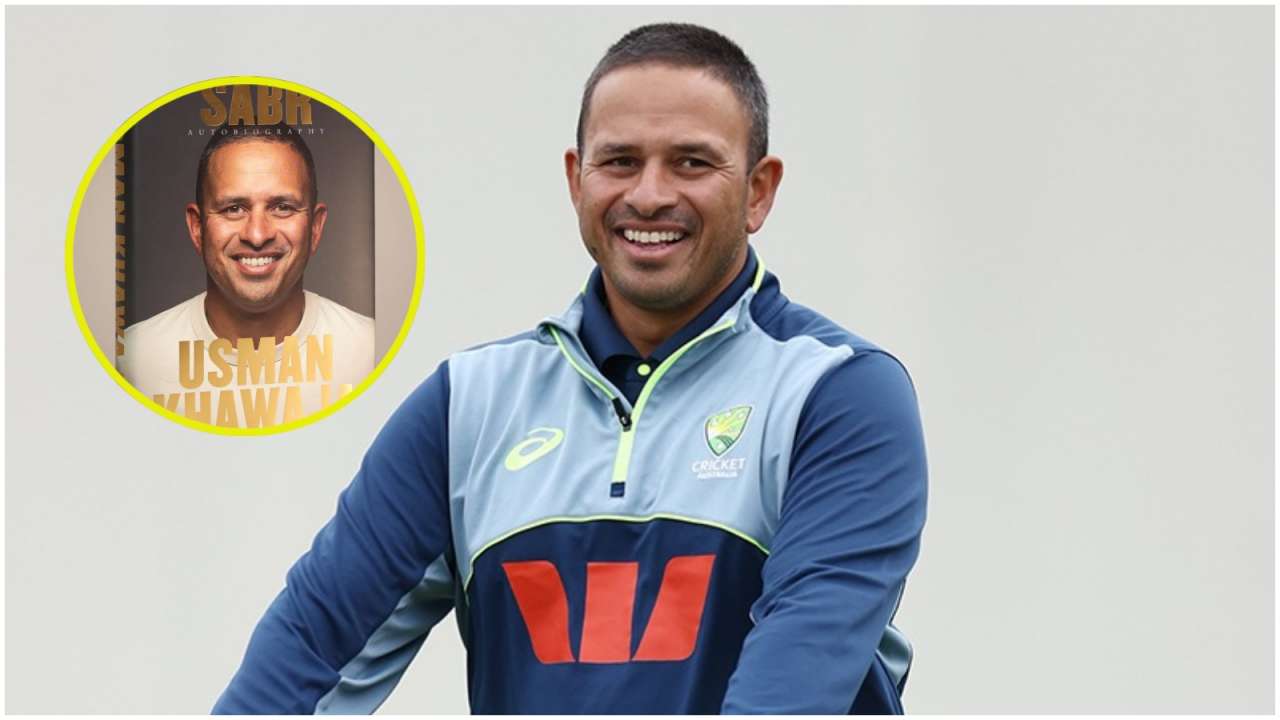 Why has Usman Khawaja reopened Australia's 2018 ball-tampering scandal? 'Not a witch hunt' remark explained
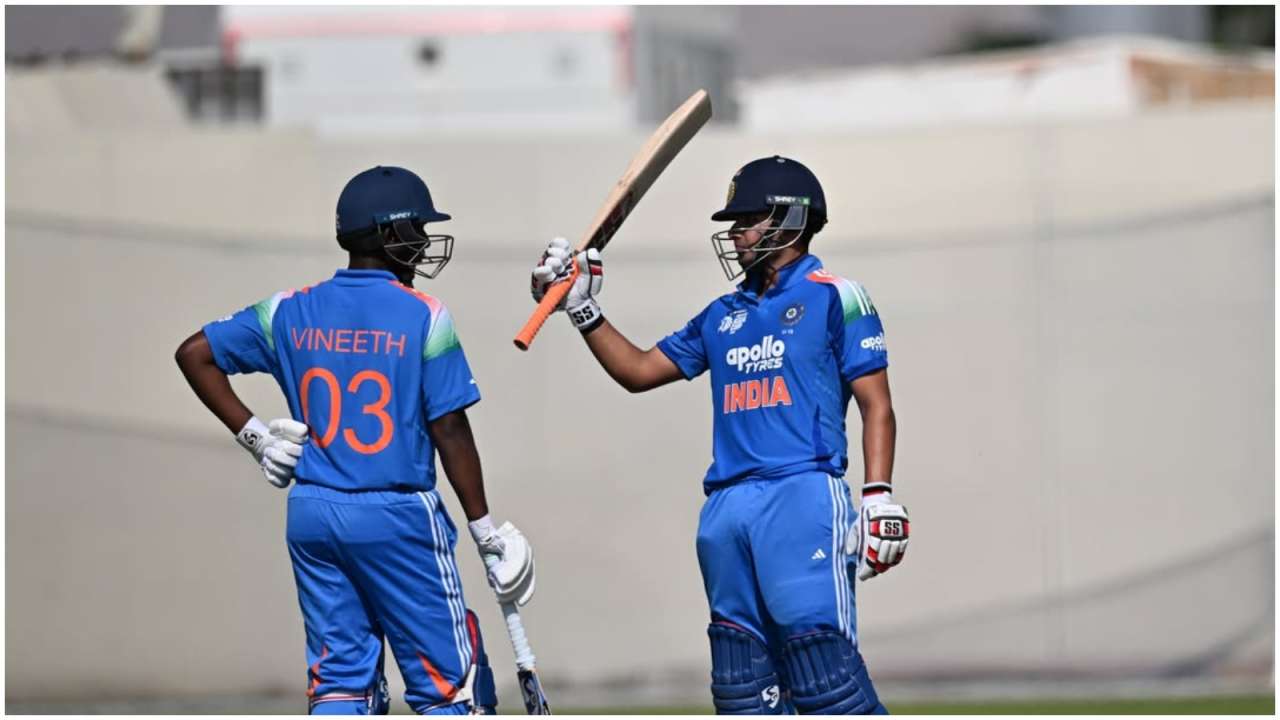 Virender Sehwag's son smashes 160 as India defeat UAE to enter U19 Asia Cup semis
 Jensen Huang News: Nvidia CEO Loses $7.4 Billion In 30 Minutes, Drops 2 Spots In Forbes Rich List
 Bhai Dooj 2026: Check Date, Time Check Shubh Muhurat, Tilak Timings, Puja Rituals
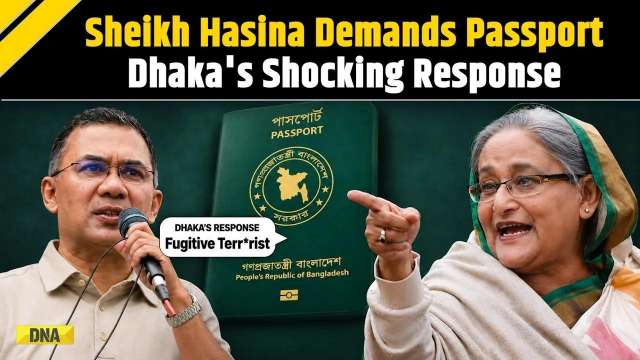 Bangladesh News: 'Fugitive Terr*rist...' Dhaka Slams Hasina's Passport Demand, Calls For Extradition
 Congress vs PM Modi Row: 'Jhola-Picking-Up Time' Remark, Bastar Address & Political Reactions
 Nvidia Scandal: The Megaspeed Connection, Alice Huang Ties & Jensen Huang’s Affair
EXPLAINER
Hamas faces mounting pressure from Saudi Arabia, UAE, Qatar and Egypt to accept Donald Trump’s 20-point Gaza Peace Plan. While the group has not outright rejected it, doubts persist over disarmament, Israeli troop presence, and recognition of Israel.

Updated : Oct 01, 2025, 01:07 PM IST
















Will Palestinian militant organisation Hamas accept the 20-point Gaza Peace Plan? Will it be ready to lay down arms and cooperate with the US and other countries that have supported the peace plan? Will Hamas accept the co-existence of the Jewish state of Israel along with the Muslim Arab state of Palestine? These questions have been raised after US President Donald Trump unveiled the peace plan and gave Hamas 3-4 days to accept it. Though the militant outfit did not reject the proposal outright and said it needed time to study it, some of the leaders of the outfit have raised questions. Hamas is under pressure from Saudi Arabia, the United Arab Emirates, Qatar and Egypt to accept the peace plan. However, the doubts remain.
According to Reuters, a source close to its reporter said Hamas felt the plan was "completely biased to Israel" and imposed "impossible conditions" that aimed to eliminate the group. However, he also said that Hamas negotiators "would review it in good faith and provide a response". One of Hamas' main conditions for any ceasefire has been the complete withdrawal of the Israel Defence Force. It has also emphasized the release of all its people languishing in Israeli custody.

According to the 20-point Gaza Peace Plan, Israel will withdraw its forces to a pre-decided yellow line soon after the release of all hostages. It will pull them back to the red line or the buffer zone and keep them there till there is no threat to its security. It may prove to be a contentious point. Hamas may not like the idea of the presence of Israeli forces for an unknown period.
Though the Palestinian militant outfit has agreed not to be a part of any future administrative unit of the Gaza Strip, it may find it extremely difficult to surrender arms and disband itself. The Gaza Peace Plan lays down the condition that those who want to leave the Gaza Strip would be given a safe passage to the receiving country and those who are ready to renounce violence would be given amnesty; there may be few takers. The basic philosophy of Hamas is to wipe Israel from the map of the world using weapons and establish the state of Palestine in the entire region, leaving no space for any future Jewish state. Most of its leaders and fighters are most likely to reject this condition. They are so radicalised and resolute in their purpose that they may prefer to die fighting Jews than surrender to them.
With this background, it can be understood what it means when a Palestinian official told Reuters, "What Trump has proposed is the full adoption of all Israeli conditions, which do not grant the Palestinian people or the residents of the Gaza Strip any legitimate rights." A resident of Gaza City told the news agency, "We hope the plan will end the war, but we are not sure it will. Neither Mr. Trump nor Mr. Netanyahu can be trusted."
(Gaza Strip in ruins during Israel-Hamas War.)
Hundreds of Hamas fighters breached the border of Israel on October 7, 2023, fired hundreds of missiles, went deep inside, and attacked civilian and military targets. They killed more than 1,200 people, mostly civilians, and kidnapped 251, including women and children. Israel began pounding Hamas hideouts, civilian houses and hospitals on October 9, 2023. More than 65,000 people have been killed in these attacks. About 48 hostages, including 20 alive and 28 deceased ones, are still in the captivity of Hamas.
Meanwhile, the Israel Defence Force has moved further deep inside Gaza City and reached the area, which Israeli Prime Minister Benjamin Netanyahu has called the headquarters of Hamas.