 Machan Baba: After Hanuman Ansh's blockbuster success, biopic on Deoraha Baba announced, he inspired Congress' hand symbol
 Koffee With Karan 9: Karan Johar brings back his millon-dollar question for Salman Khan, asks him 'are you still a virgin?'
 From a Mumbai Slum to a Movement: Shaheen Mistri's Teach For India
 A New Wave of High Earners Is Choosing Bullarion to Make Their Money Work as Hard as They Do. Here Is What They Are Finding.
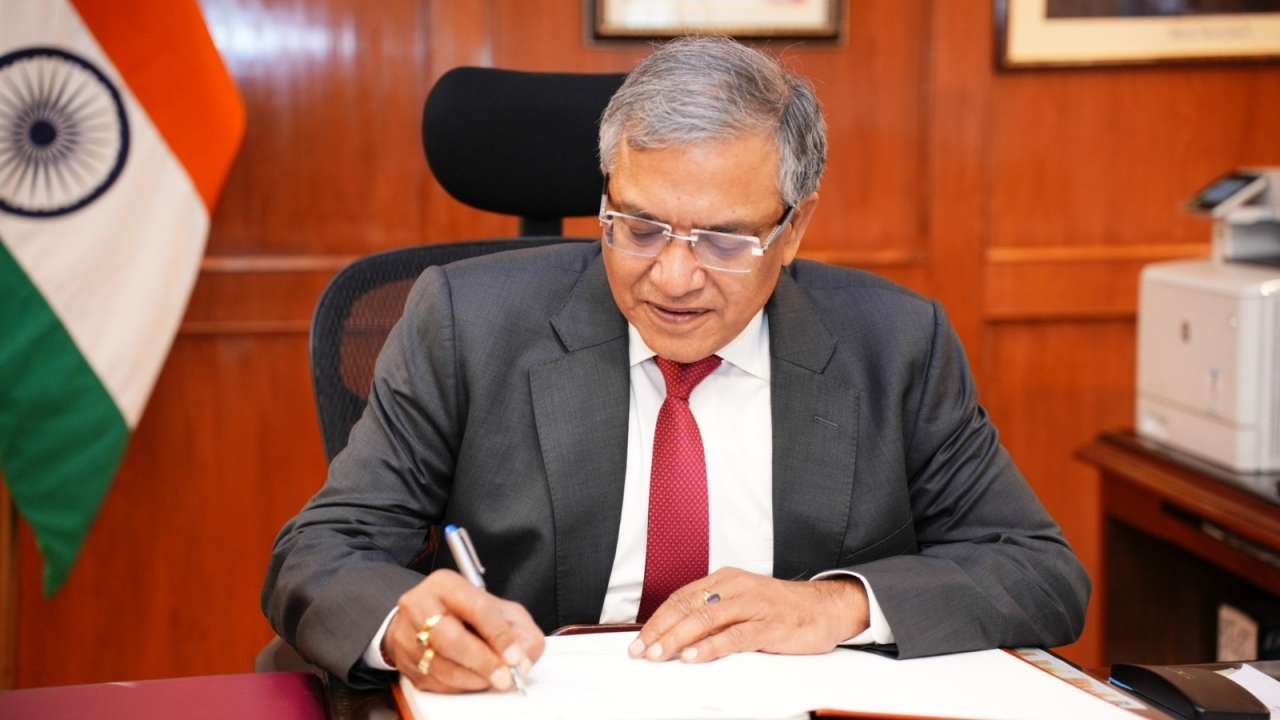 Will INDIA bloc bring impeachment motion in Parliament to remove CEC Gyanesh Kumar?
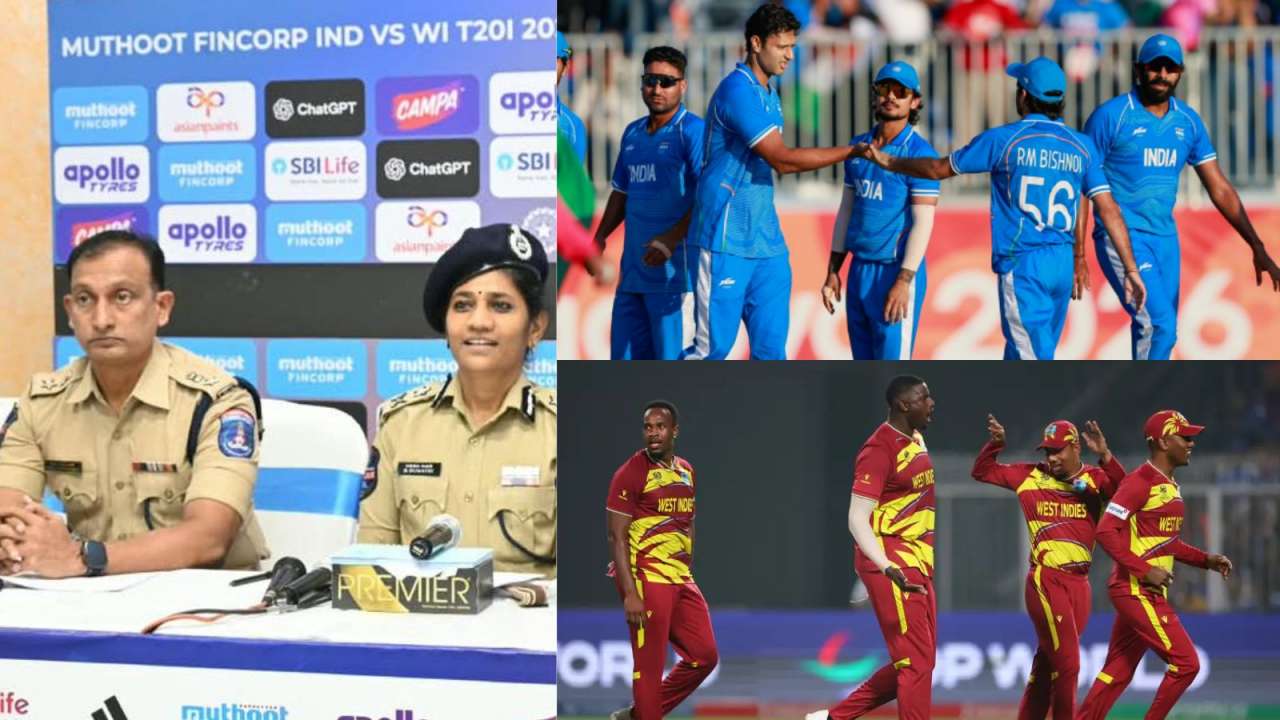 IND vs WI 4th T20I: Hyderabad Police roll out major security plan ahead of uppal clash, deploy 2,200 cops
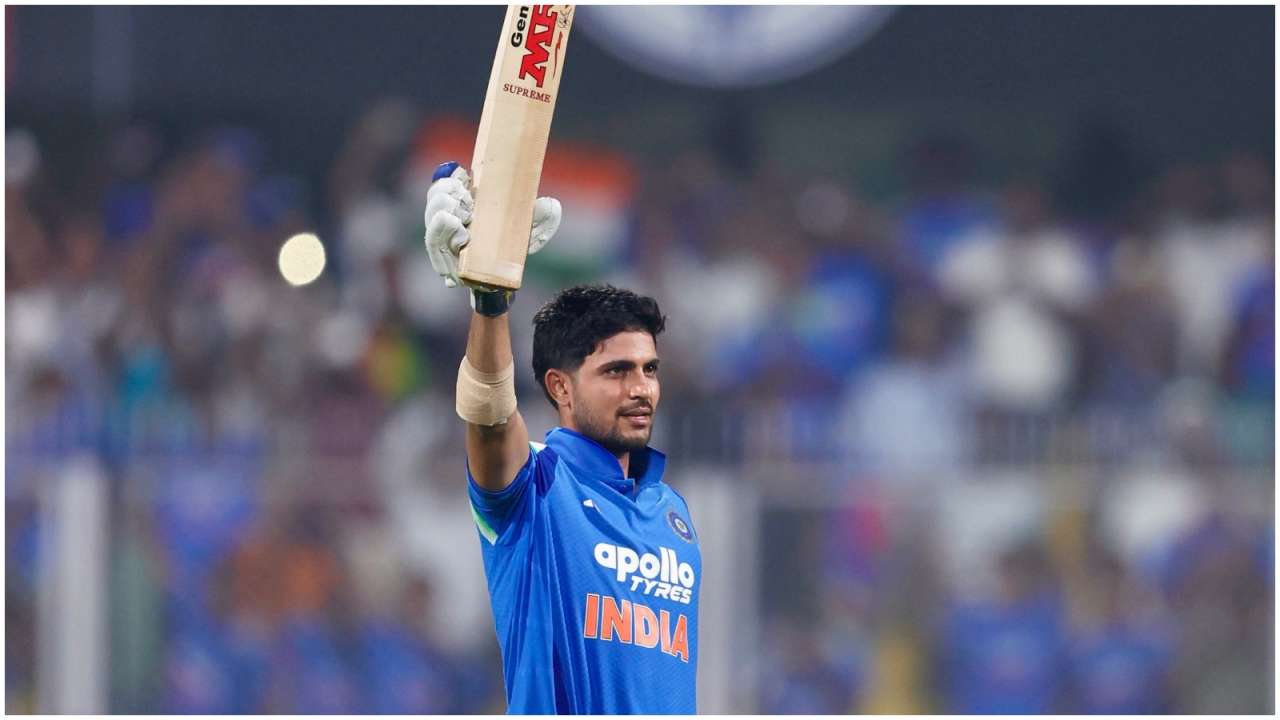 Shubman Gill wins 5th ICC monthly award: How rare is this feat?
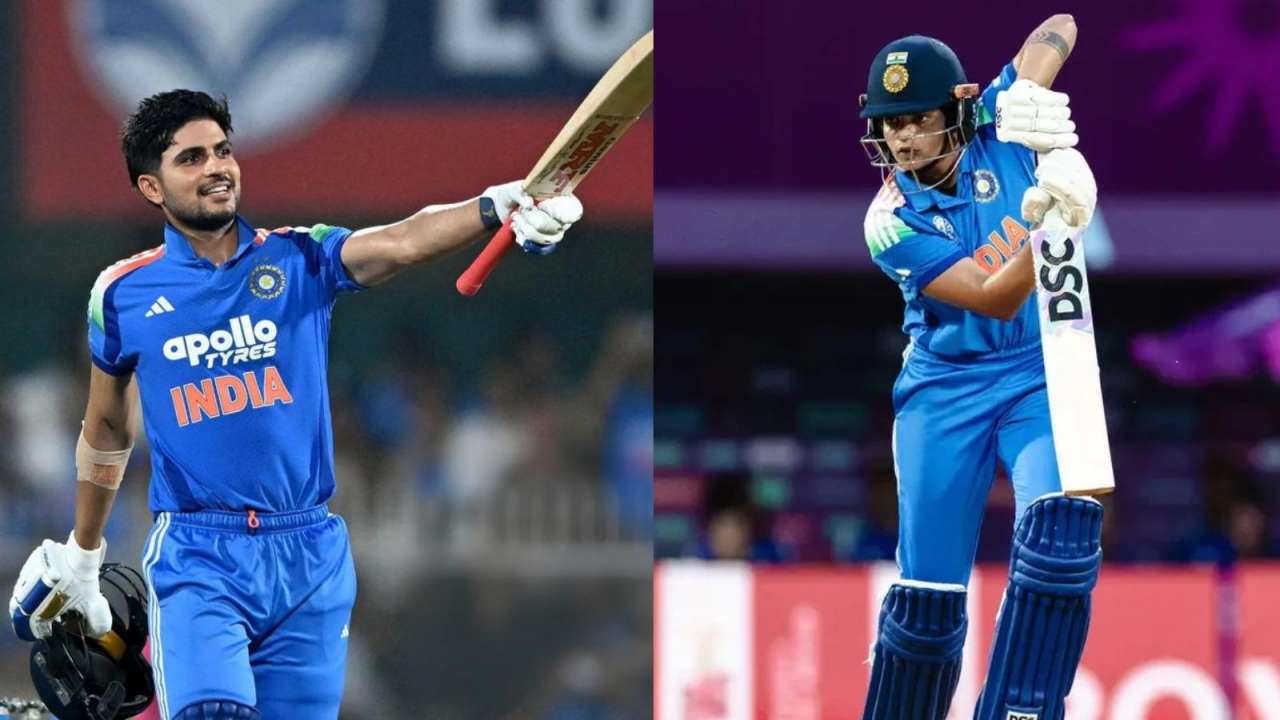 Shubman Gill clinches historic fifth 'ICC Player of the Month' award, Shafali Verma triumphs after Asian Games
 Virat Kohli on LinkedIn pitch ahead of World Cup 2027, shares insights on sportswear brand
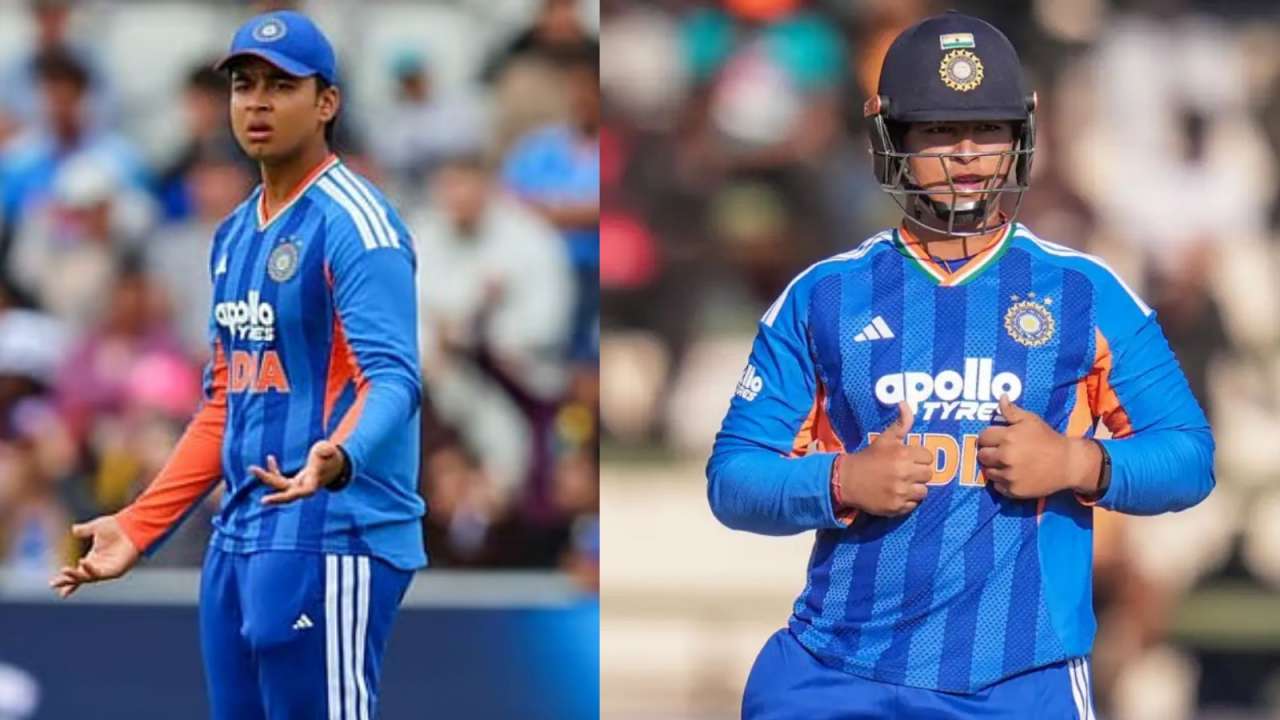 Will Vaibhav Sooryavanshi play last T20I of West Indies series? Gautam Gambhir, Shreyas Iyer get big appealMachan Baba: After Hanuman Ansh's blockbuster success, biopic on Deoraha Baba announced, he inspired Congress' hand symbolKoffee With Karan 9: Karan Johar brings back his millon-dollar question for Salman Khan, asks him 'are you still a virgin?'
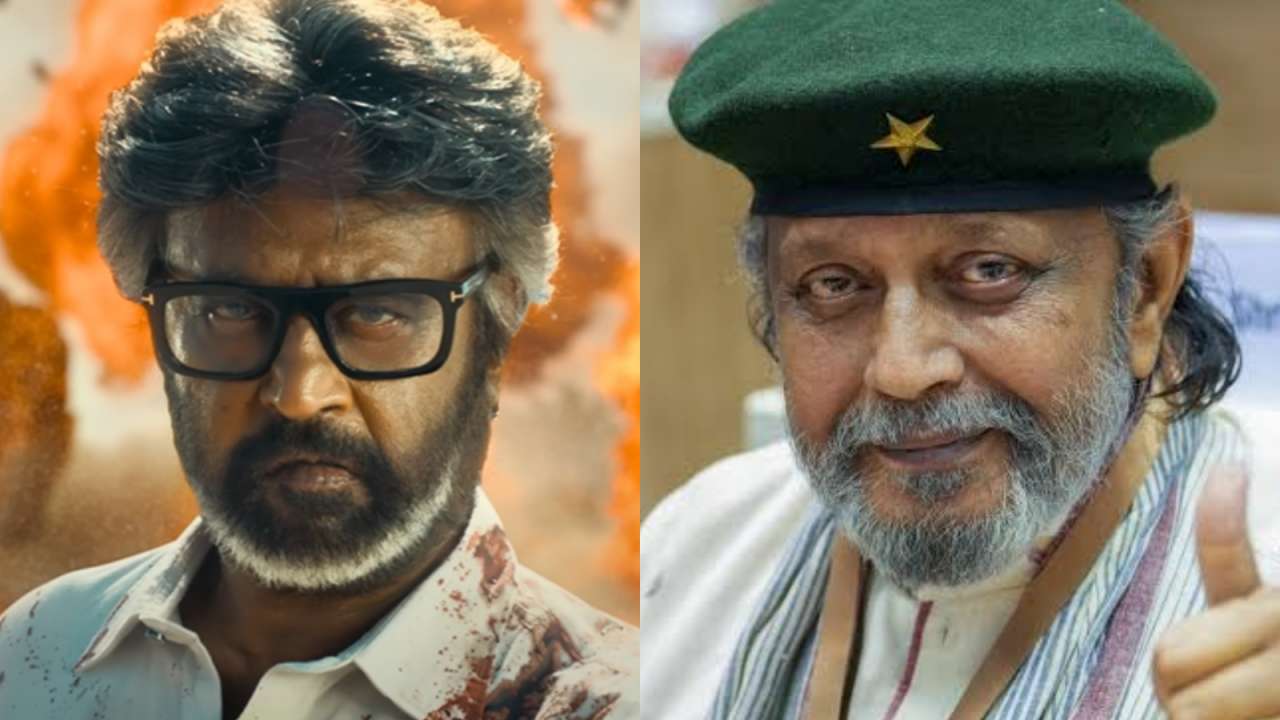 Jailer 2: What condition did Mithun Chakraborty set before agreeing to do the Rajinikanth film?
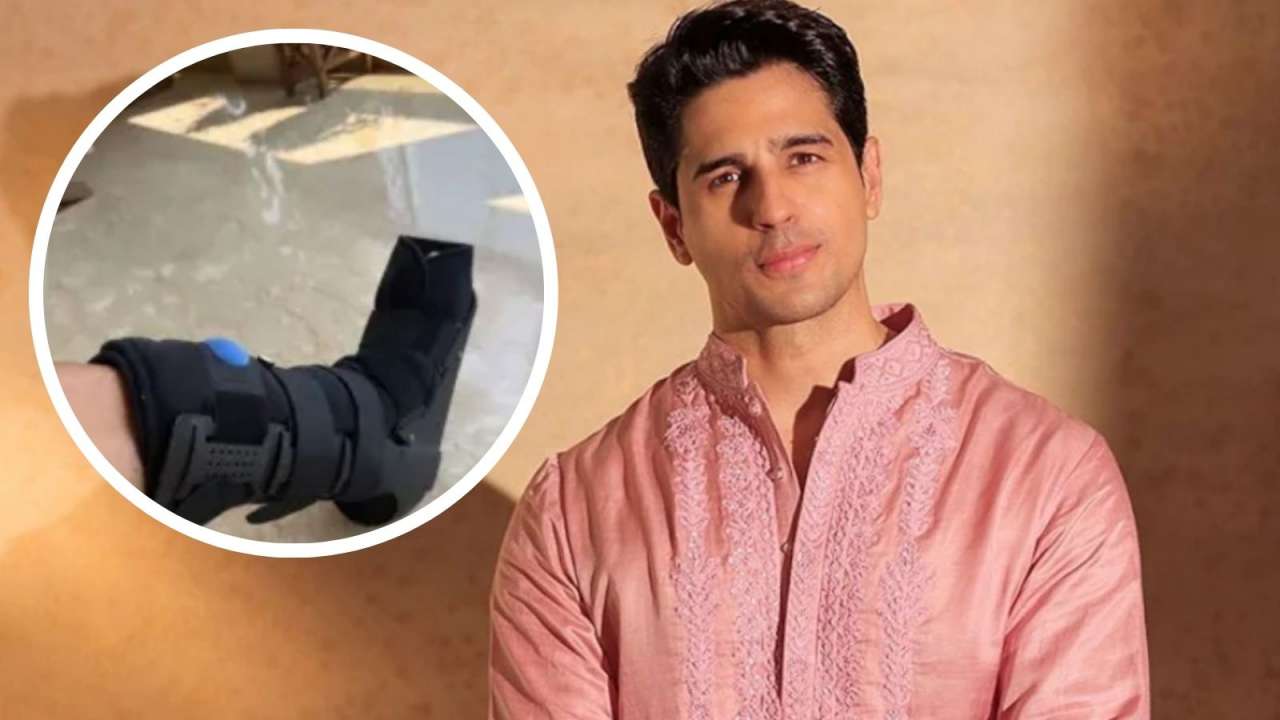 Sidharth Malhotra suffers leg fracture after second baby announcement, shares photo: ‘Took break a leg too seriously'
 RJ Mitte, who played Walter White Jr on Breaking Bad, dies by suicide at 34; Bryan Cranston remembers 'sweet son'
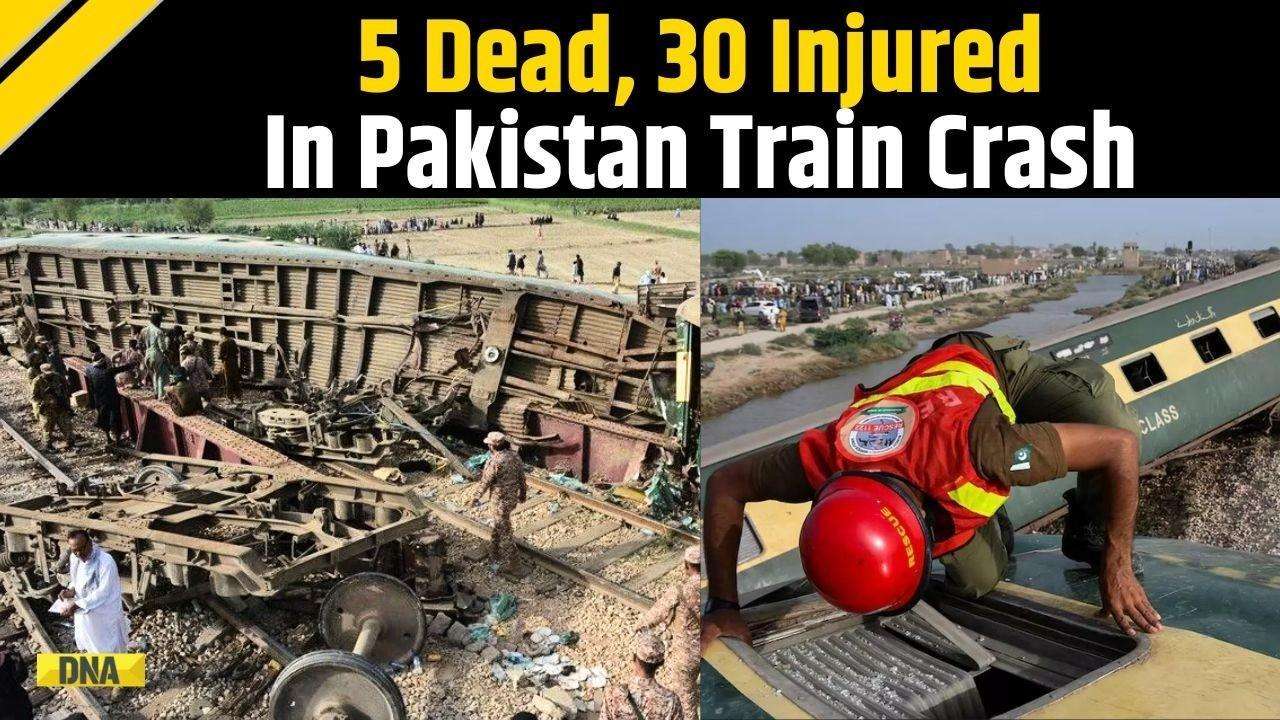
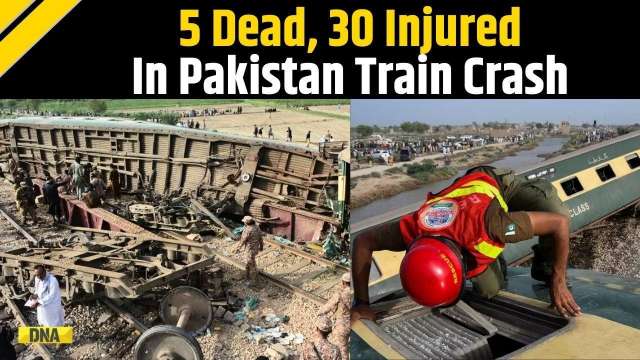 Pakistan News: 5 Killed, 30 Injured As Rehman Baba Express Derails Near Multan In Pakistan
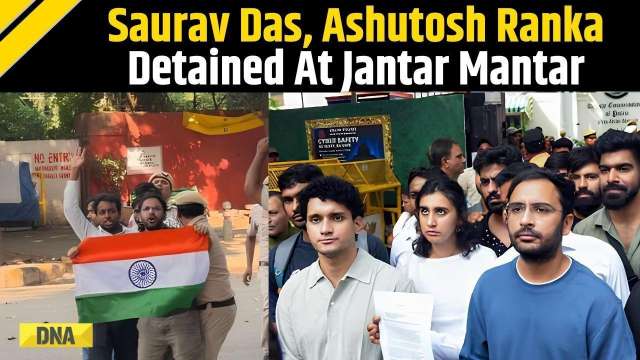 CJP Protest: Delhi Police Detains CJP Spokespersons Saurav Das And Ashutosh Ranka At Jantar Mantar
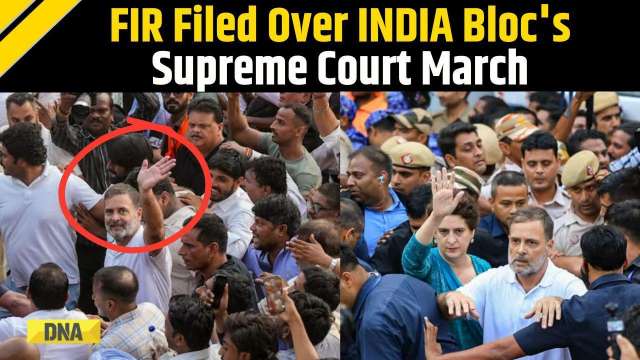 CJP Protest: 2 FIRs Filed Over INDIA Bloc Leaders March In Delhi; SC To Hear Protesters Plea
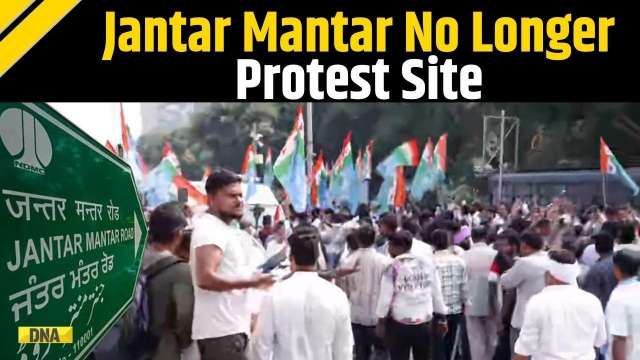 CJP Protest: 'Jantar Mantar De-Notified'; Govt Replaces Historic Protest Site With 3 New Venues
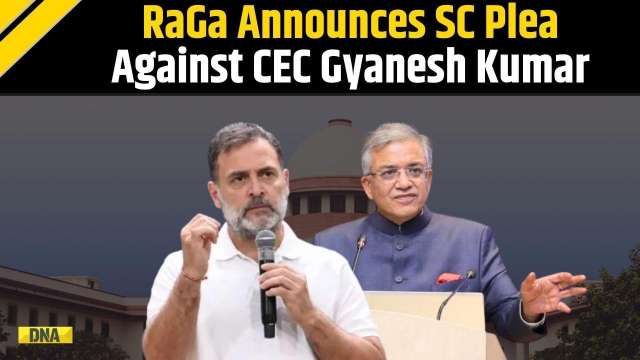 CEC Resignation Row: Rahul Gandhi Announces Supreme Court Plea Over Voter Roll Fraud
 RBL Bank shares crash 8% despite 170% profit jump: Why are investors worried?
 UPI payment charges postponed till Diwali, what does it mean for shops, merchants and customers?
 Retail inflation rises to 5.54% in September: Experts warn of pressure on purchasing power, expect more RBI rate hikes
 Gold, Silver prices today, October 10, 2026: Check city-wise rates in Delhi, Mumbai, Chennai, Kolkata and more
 Reliance Jio IPO: Price Band likely at Rs 1065-1119 per share, issue may open on October 21; check details
 Navratri 2026: From Alia Bhatt to Sara Ali Khan, Shraddha Kapoor, take inspiration from Bollywood actresses to stun everyone in white
 Ranbir Kapoor-Sai Pallavi, Yami Gautam-Addinath Kothare, Rajkummar Rao-Wamiqa Gabbi: 5 fresh on-screen jodis to watch out for in 2026
 OTT Releases This Week (October 5-11): Awarapan 2, Khalifa, Mandaadi; new India movies, shows to watch on Netflix, Prime Video
 OTT Releases This Week (Sept 28 - Oct 4): Dupahiya 2, Pooja Meri Jaan; new movies and shows to watch this Gandhi Jayanti weekend
 From Neeti Mohan, Heer, Sarthak Kalyani; Ahead of Sa Re Ga Ma Pa, 5 musical geniuses championed by AR RahmanWill INDIA bloc bring impeachment motion in Parliament to remove CEC Gyanesh Kumar?
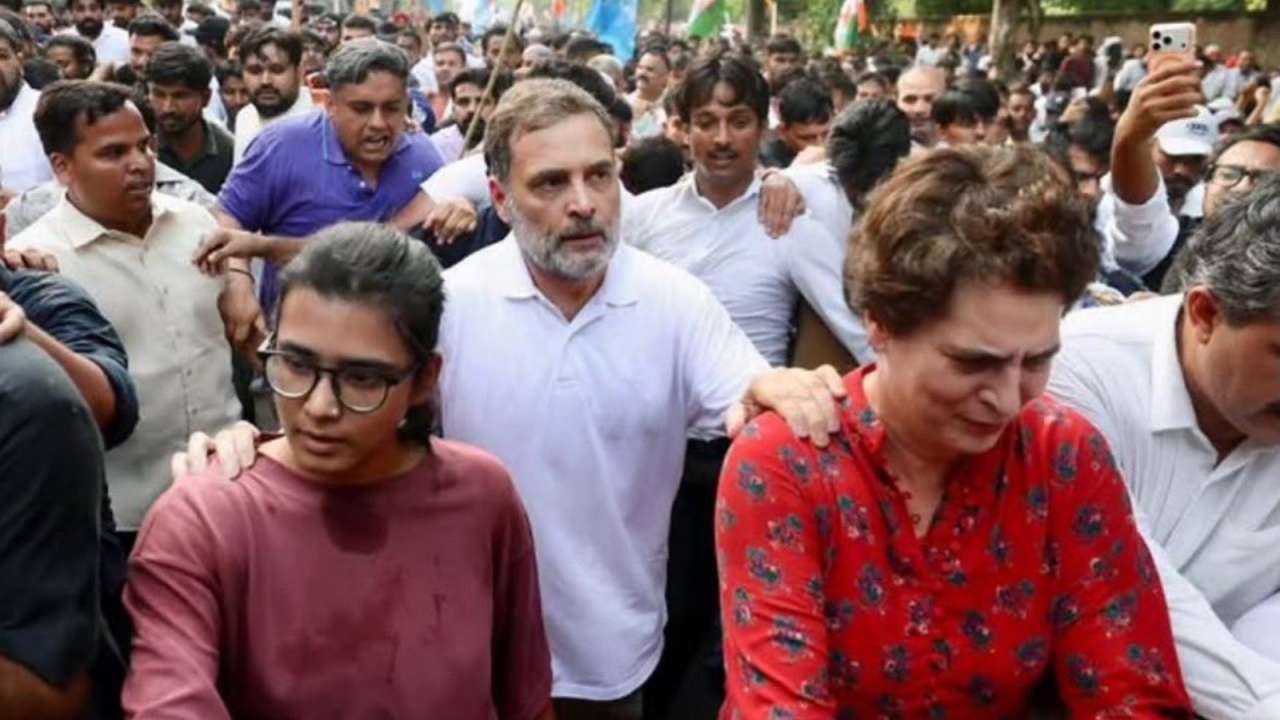 Protests On Public Roads: Delhi High Court seeks instructions, hearing on Friday
 Old Monk ban in Maharashtra: Company claims Rs 500 crore loss, government loses Rs 350 crore in excise revenue
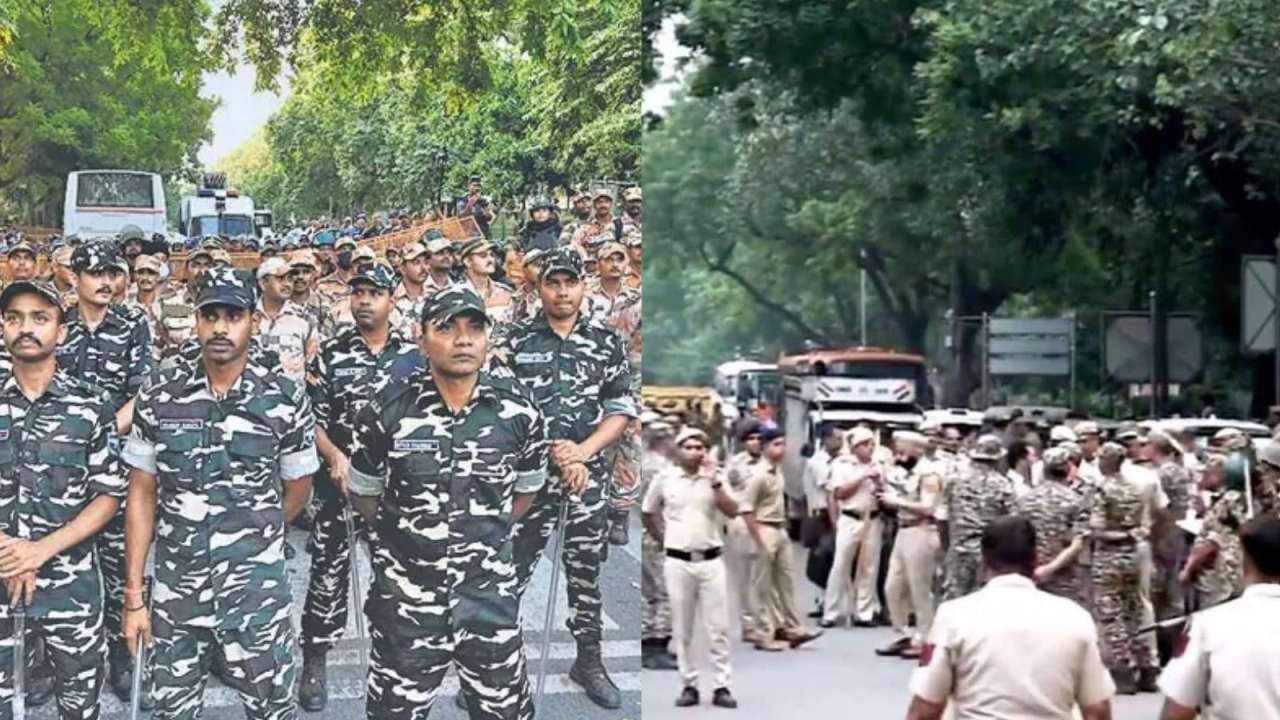 Delhi Police asks for extension of deployment for 27,000 CAPF jawans as protests may continue
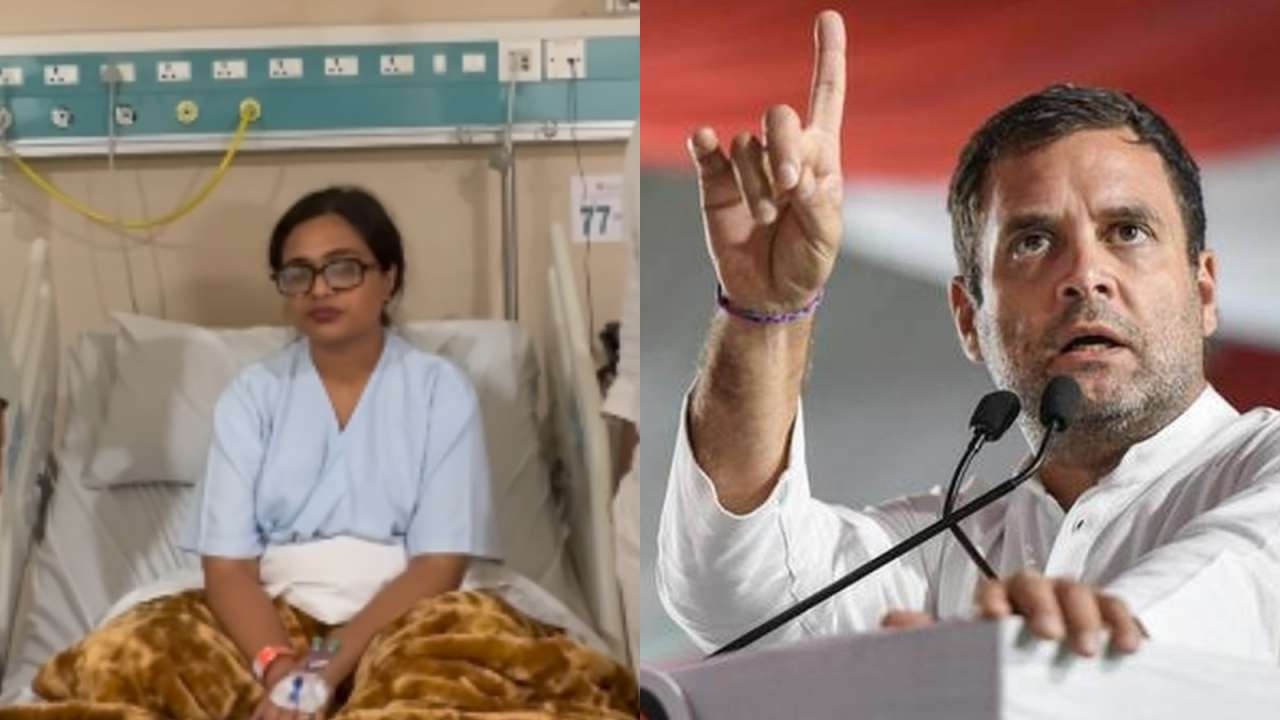 Did Rahul Gandhi push pregnant journalist? Congress calls it propaganda, cooked up by BJP
 Third Language Row: SC extends relaxation to Class 6 students, asks CBSE to grant exemption, here's what it means
 NEET PG 2026 Result Out: Check how to download scorecard from natboard.edu.in; Know category-wise cut-off and more
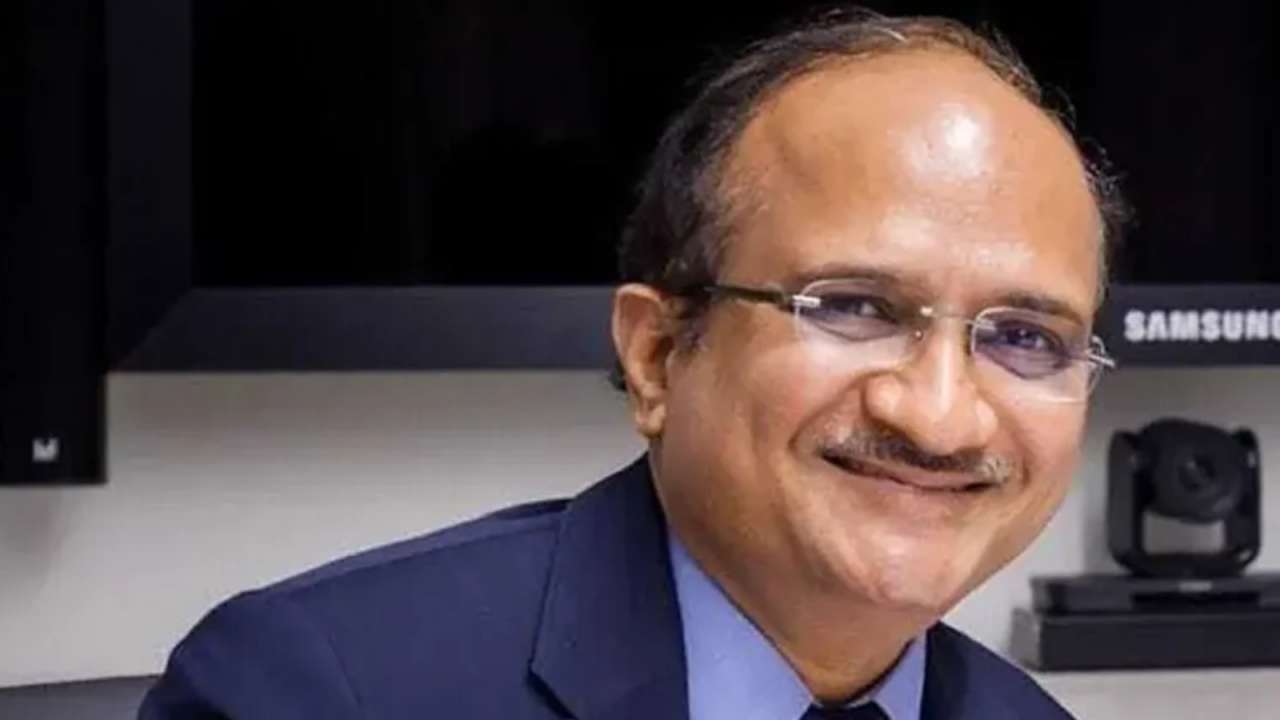 Five-year BTech programmes? Ex-IIT director makes proposals amid IIT suicide controversy
 CBSE Date Sheet 2027: When will Class 10, 12 timetable be released? Check details here
 From Rs 150 in 1947 to powerful student body: The story of DUSU’s rise | Explained
 After Hyundai, Maruti Suzuki makes cars costlier ahead of festive season: Check new prices after hike
 Hyundai cars to get costlier from September: Check new prices and reason behind hike
 Why can't consumers choose pure petrol or E10? Centre explains why E20 is now the standard fuel
 Centre claims E20 fuel does not damage engines, cites data from Maruti Suzuki and Hero MotoCorp
 Maruti WagonR Flex Fuel: What’s price of India’s first ethanol car? Specs, mileage, and top features explained
EXPLAINER
After the Delhi blast that killed nine, police invoked the UAPA. Here’s what the Unlawful Activities (Prevention) Act is and how it empowers authorities.

Updated : Nov 11, 2025, 12:43 PM IST
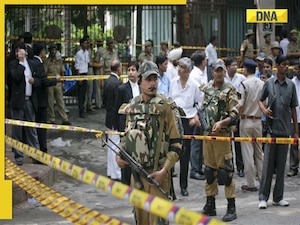



Delhi Police has registered an FIR under the Unlawful Activities (Prevention) Act and the Explosives Act in connection with the Delhi blast, which killed nine people and left more than 20 seriously injured Monday. It is too early to say whether it was a terrorist attack. Home Minister Amit Shah said all angles are being probed. With this, once again, the question has cropped up: what is the UAPA?
Approved by the Indian Parliament on December 30, 1967, the UAPA aims at providing the effective prevention of certain unlawful activities of individuals and associations. The law made provisions for reasonable restrictions on Freedom of speech and expression. Right to assemble peaceably and without arms; and Right to form associations or unions. It was amended seven times, the latest being in 2019.
Union Home Minister Amit Shah introduced the Unlawful Activities (Prevention) Amendment Bill, 2019, in Lok Sabha on July 8, 2019. The Act defines a terrorist act, which includes acts committed within the scope of any of the treaties listed in a schedule to the Act. However, the UAPA adds to the list the International Convention for Suppression of Acts of Nuclear Terrorism (2005).
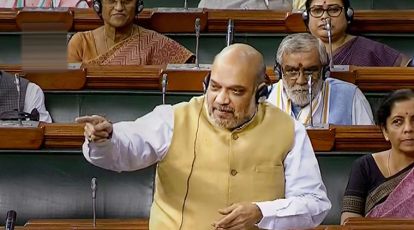
(Union Home Minister Amit Shah tables the UAPA (Amendment) Bill at Lok Sabha.)
Under the UAPA, the Union government may designate an outfit as a terrorist organisation if it commits or participates in acts of terrorism, prepares for terrorism, promotes terrorism, or it is otherwise involved in terrorism. The act also empowers the government to designate individuals as terrorists on the same grounds.
The Schedule lists nine treaties, including the Convention for the Suppression of Terrorist Bombings (1997) and the Convention against Taking of Hostages (1979). The UAPA adds another treaty to the list. This is the International Convention for Suppression of Acts of Nuclear Terrorism (2005).
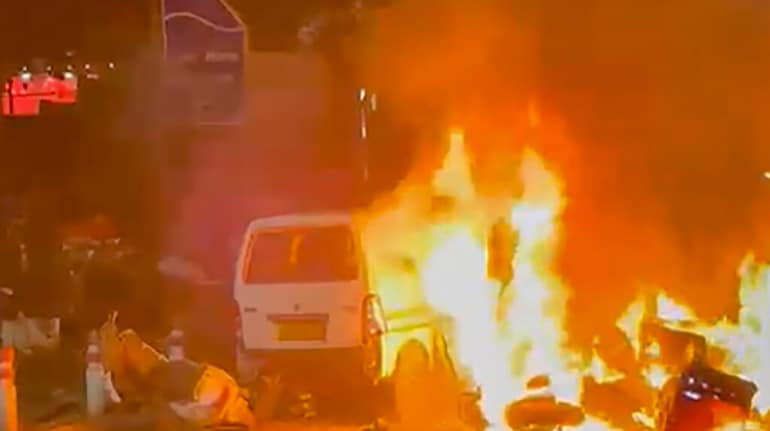
(Nine people were killed in Delhi blast.)
In other types of cases, the police normally have 60 to 90 days to investigate the case and submit a charge sheet. If the police fail to do so, the accused may obtain default bail. However, under the UAPA, the police can submit the charge sheet in 180 days. Besides, the normal provisions for bail do not apply to the accused arrested under the UAPA. Under Section 25, the NIA is allowed to seize the property of the accused if it thinks it to be the proceeds of terrorism with the written permission of the DGP of the state. However, under the UAPA, the NIA can bypass the state DGP and take permission from its own DGP.
Despite sweeping powers, the UAPA has as low a conviction rate as 2%. According to the Union Government, 5,027 cases were registered against 24,134 individuals under the UAPA between 2016 and 2020. However, . Only 212 accused were convicted, while 386 were acquitted. 97.5% of the people arrested under UAPA remain in prison awaiting trial.