 Scene box office collection day 3: Suriya film challenges Ramayana, crosses Rs 100 crore worldwide
 Not Delhi: This Indian city is world's most polluted after Diwali with AQI 868; 93 Indian cities in top 100
 Lal Krishna Advani Turns 100: Know about his net worth and source of income
 Farah Khan breaks silence on reports of her building on fire, reveals truth of incident: 'Please be responsible'
 Priyanka Chopra gets brutally trolled for 'eating non-veg' on Diwali, netizens ask 'aise time pe prawns kon khata hai?'Lal Krishna Advani Turns 100: Know about his net worth and source of income
 Diwali in Delhi: Pollution levels cross 66 times WHO limit in some areas despite firecracker ban
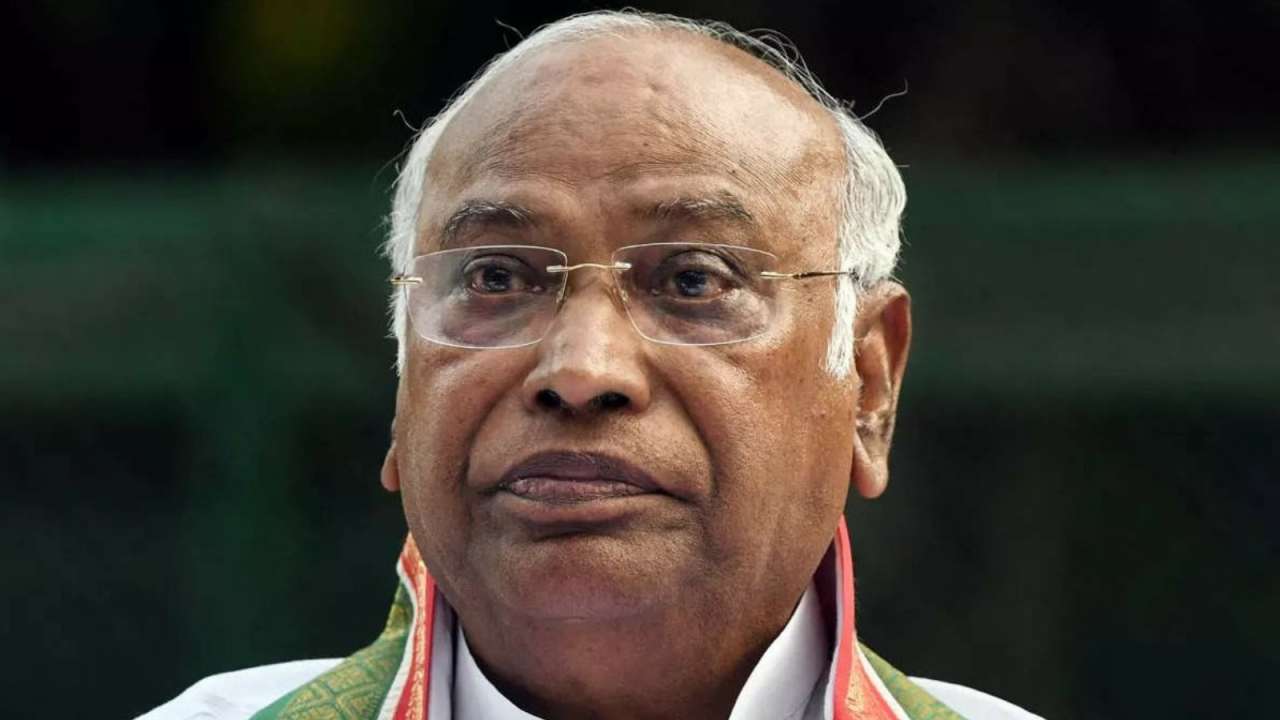 ‘Khushiyon ki Eid’: Mallikarjun Kharge’s Diwali wish draws BJP’s criticism
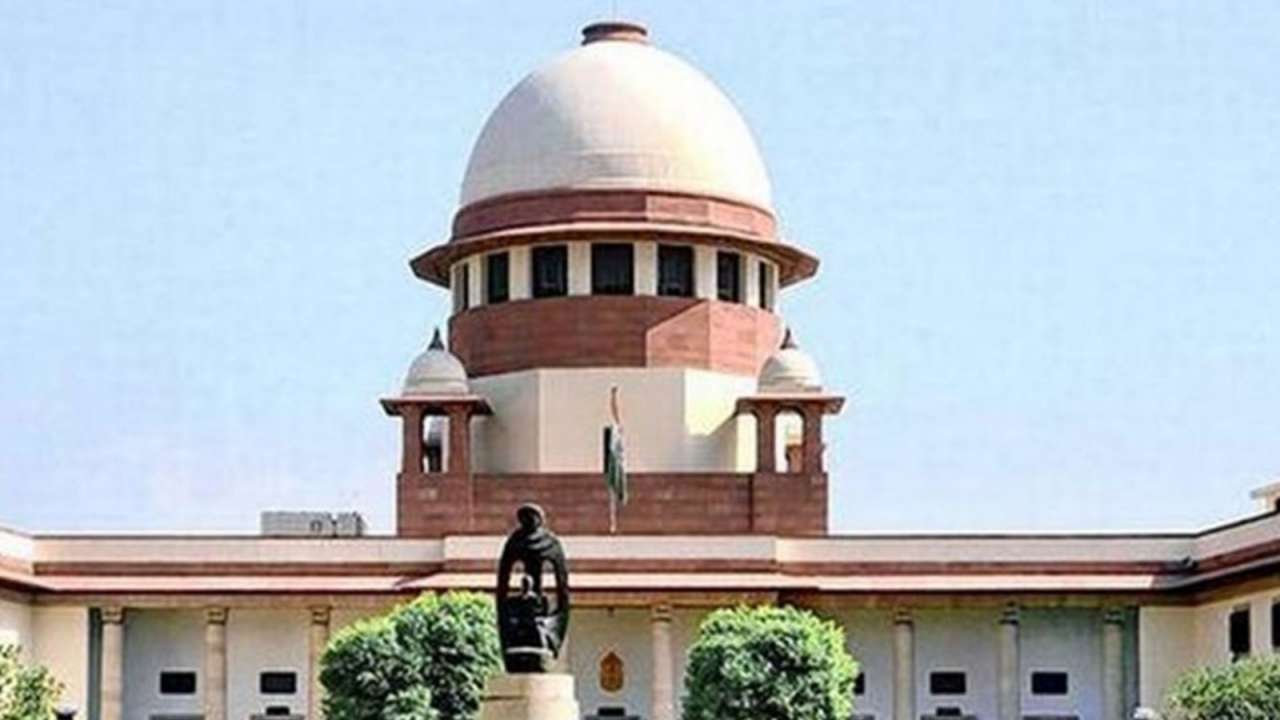 SC targets vehicular pollution, asks Delhi and 3 other states for action plan
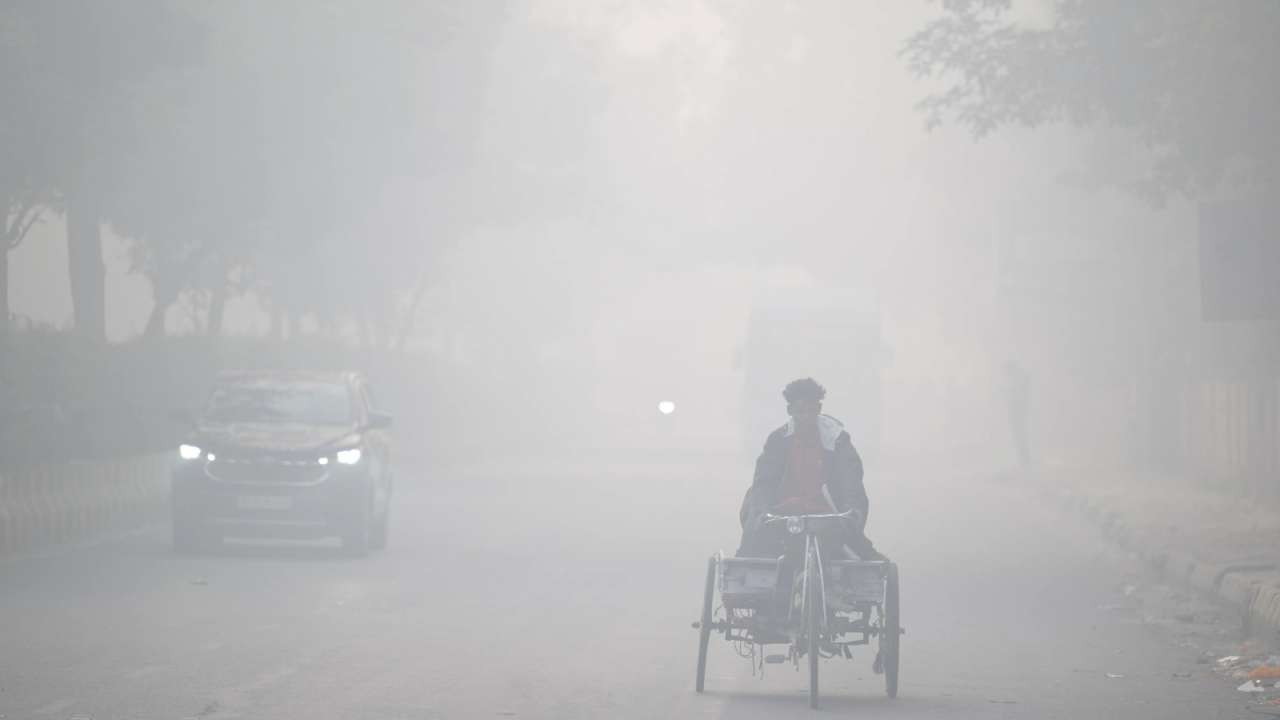 Slugfest Over AQI: Delhi minister accuses AAP of setting fire to Punjab paddy fieldsNot Delhi: This Indian city is world's most polluted after Diwali with AQI 868; 93 Indian cities in top 100
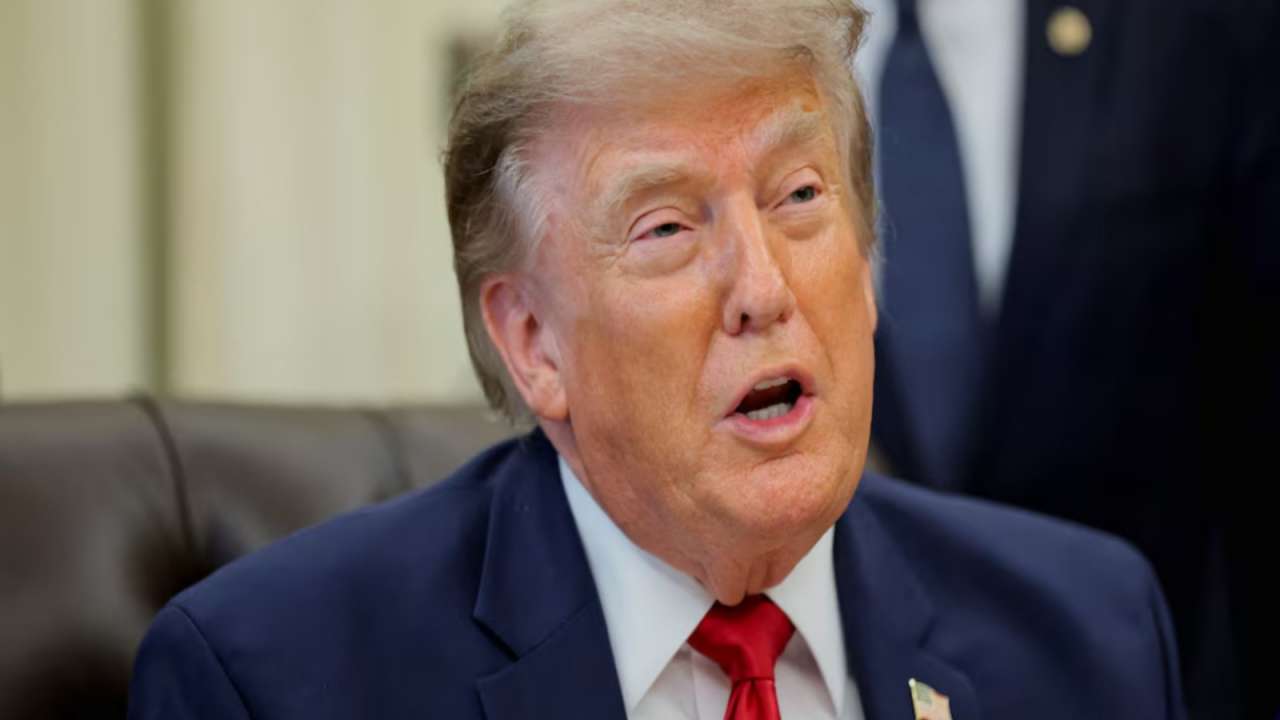 Why does Trump say he won't forgive his enemies even on his deathbed?
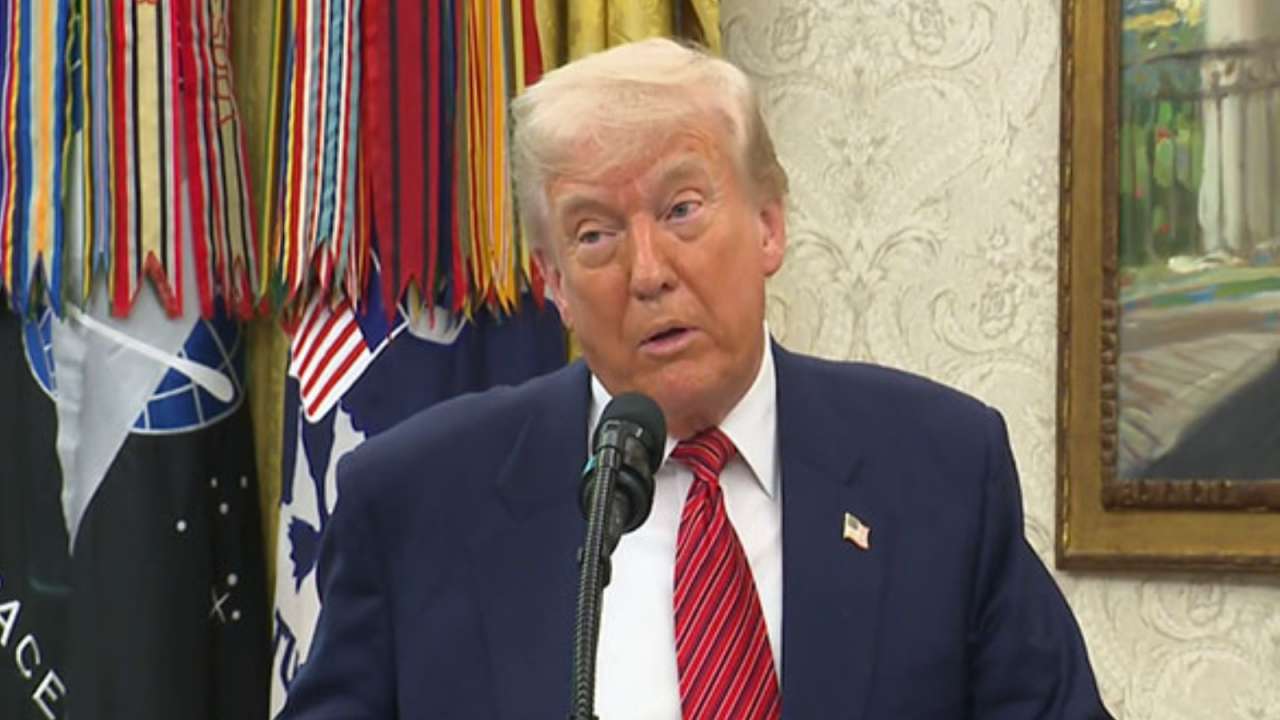 Trump backs Pete Hegseth over Iran war, rejects impeachment push
 Nvidia CEO confesses to affair with Chinese spy suspect, board orders inquiry: 'I was unfaithful to my wife'
 Egypt Train Accident: 4 dead, 90 injured after 2 trains collide near Cairo, carriages derailed
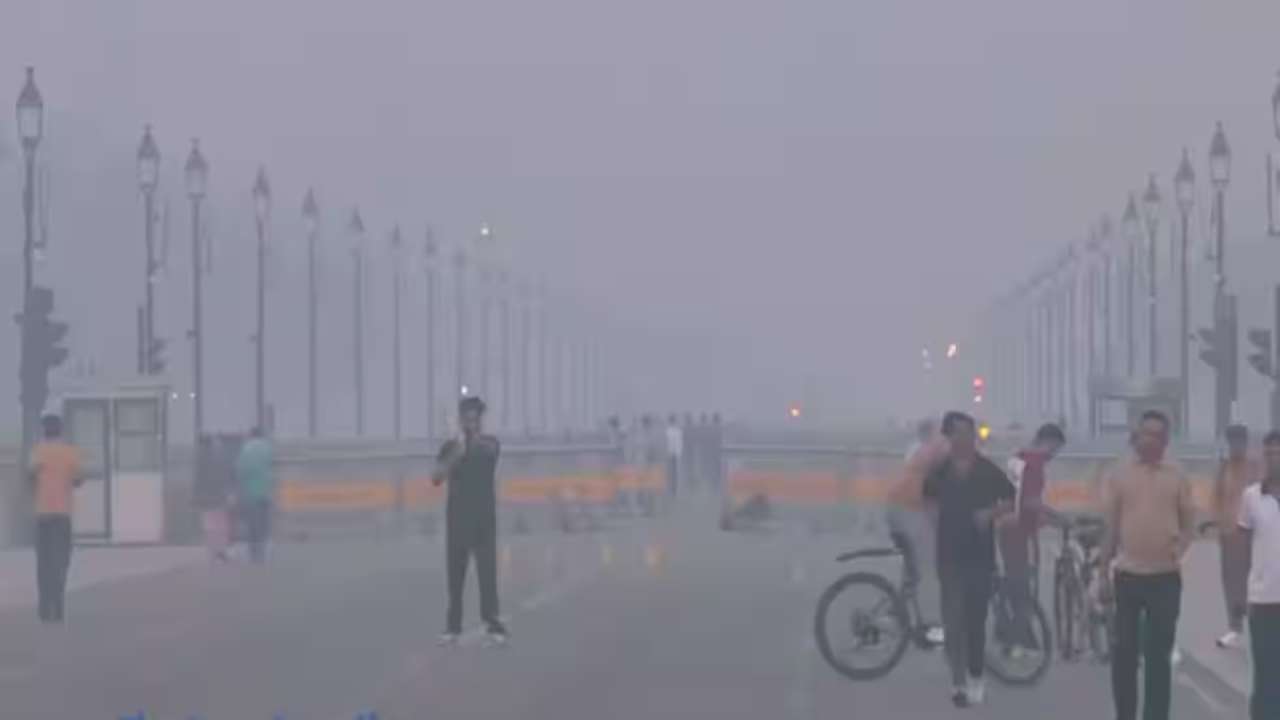 Delhi AQI at 370, 1,000 or even 2,000 after Diwali? Why pollution readings show wildly different numbers
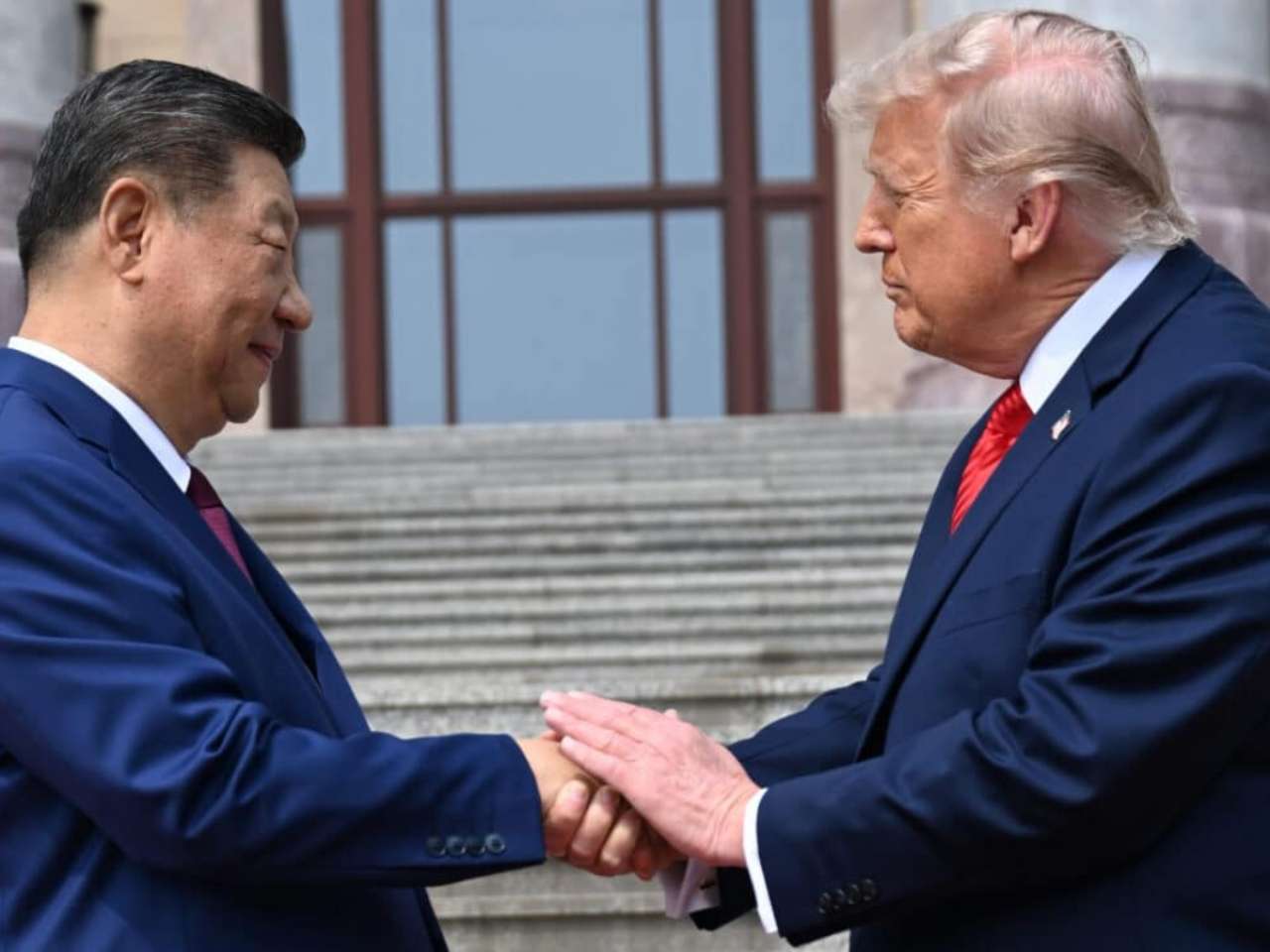 New Yalta After US Midterm? China plans Trump-Putin talks as Ukraine raises alarm over being left out
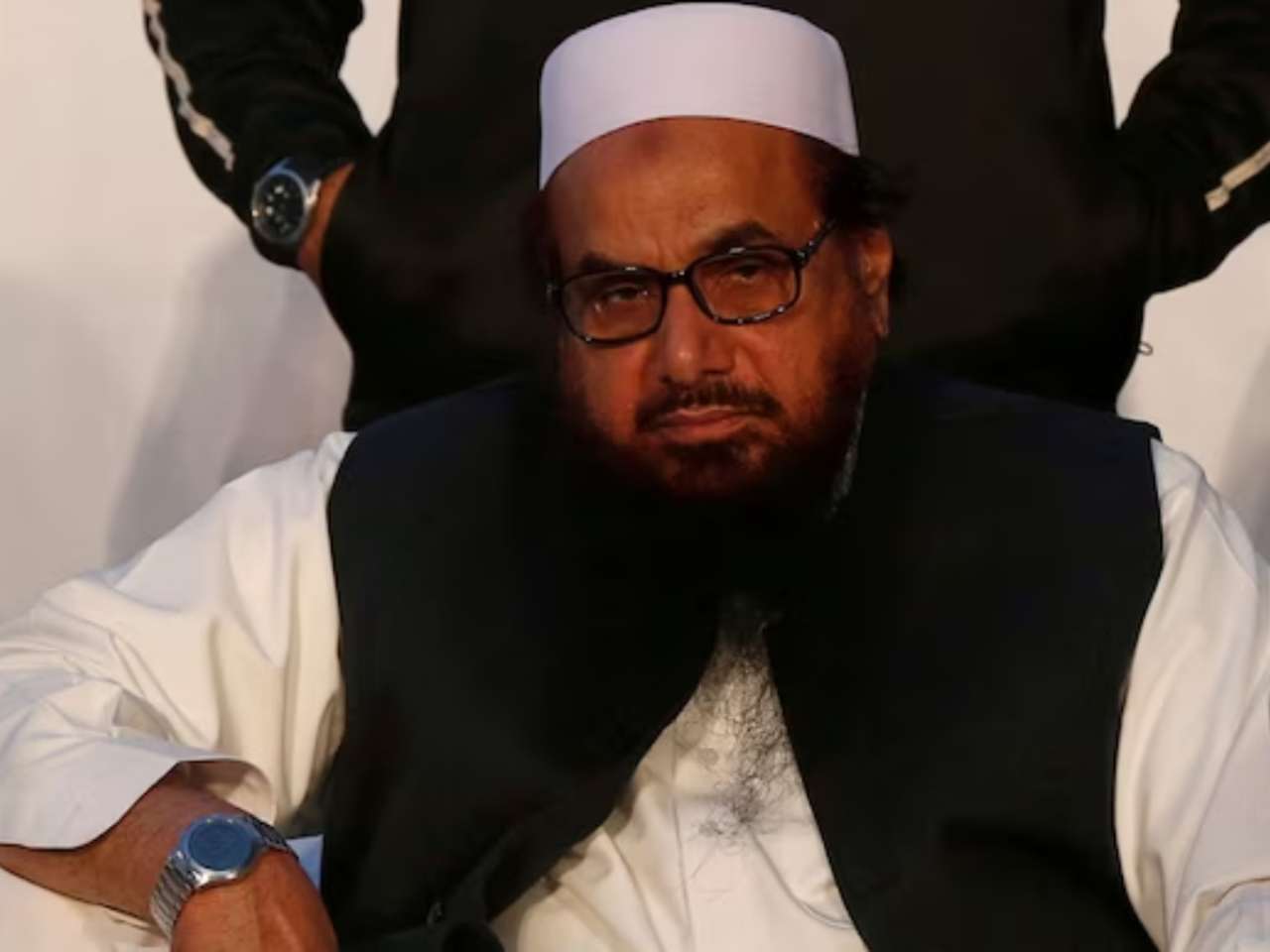 New 26/11 Threat? Is Hafiz Saeed's LeT getting maritime training near Karachi to target India?
 Gold Hits Rs 1.46 Lakh Per 10 Grams On Dhanteras: Check 18K, 22K and 24K gold rates in Delhi, Mumbai, Chennai, Kolkata
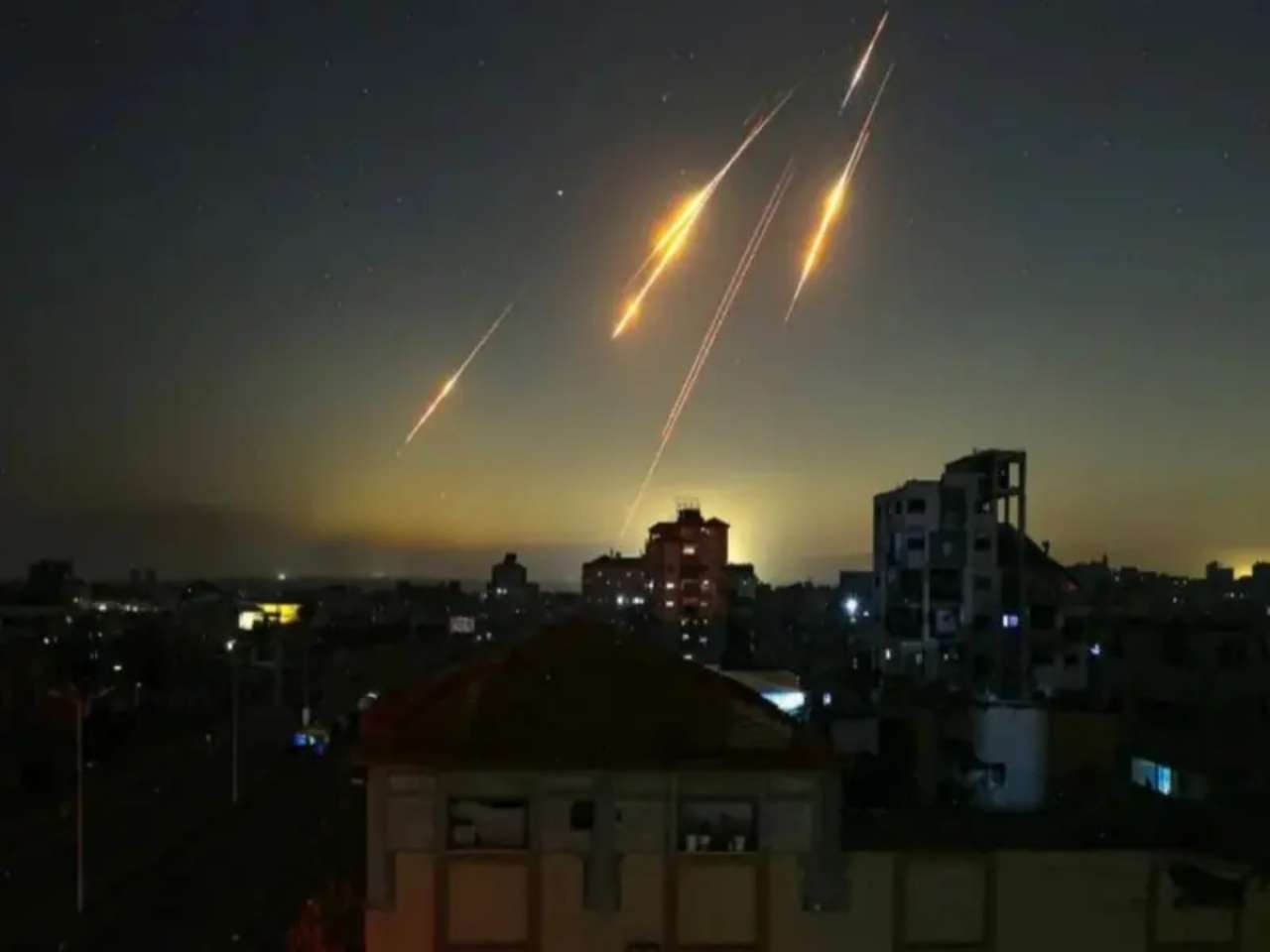 Trump humiliated in US midterms, planning fresh attack on Iran? Pentagon, Israel reportedly prepare for new strikesScene box office collection day 3: Suriya film challenges Ramayana, crosses Rs 100 crore worldwideFarah Khan breaks silence on reports of her building on fire, reveals truth of incident: 'Please be responsible'Priyanka Chopra gets brutally trolled for 'eating non-veg' on Diwali, netizens ask 'aise time pe prawns kon khata hai?'
 Ramayana box office prediction Day 5: Ranbir Kapoor, Yash's film CREATES history, beats Dhurandhar 2, Pushpa 2; will cross Rs 600 crore
 Viral video: Home Minister Amit Shah watches Ranbir Kapoor's Ramayana with family, netizens laugh on RW: 'Lord Rama is bigger than Modi, BJP'
 Rupee climbs to 7-month high, gains 93.70 against US dollar in early trade
 Dhanteras 2026: Are banks open or closed on November 6? Check RBI holiday list
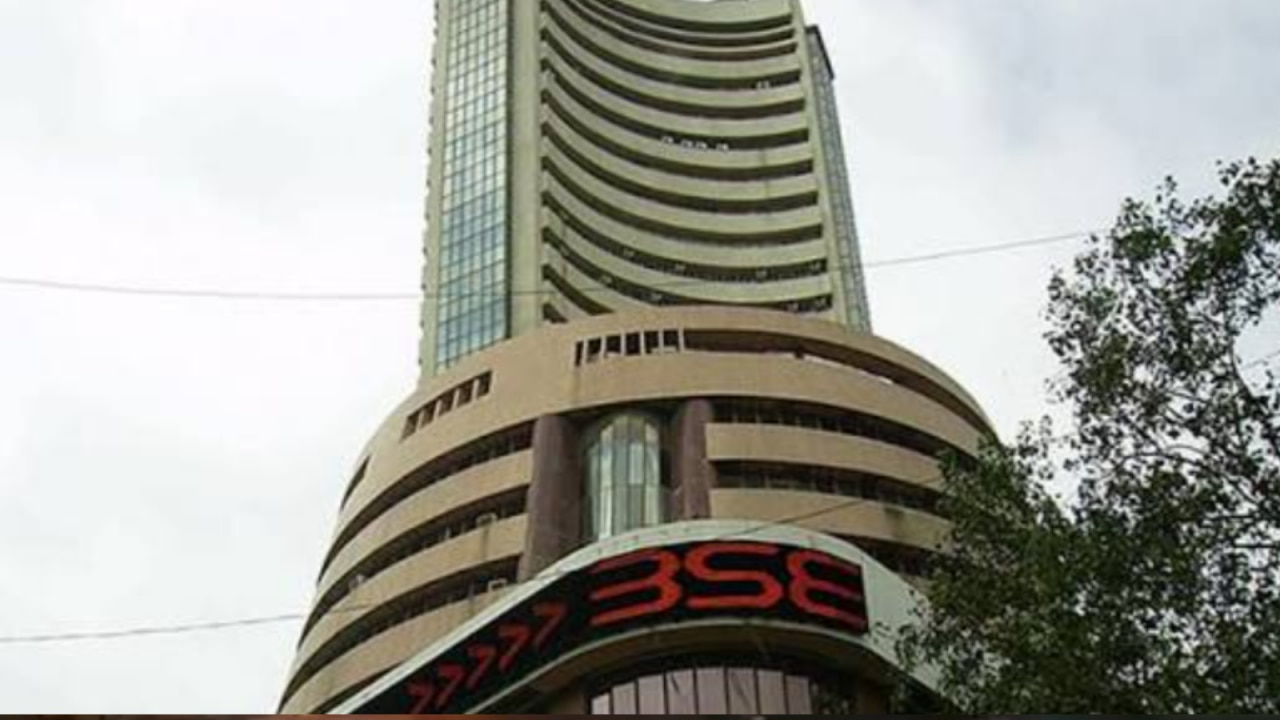 Why did Sensex surge over 2,000 points, Nifty rally 576 points today?
 Diwali Muhurat Trading 2026: What investors need to know about date, timings and settlement
 Gold, Silver prices today, November 5, 2026: Check city-wise rates in Delhi, Mumbai, Chennai, Kolkata and more
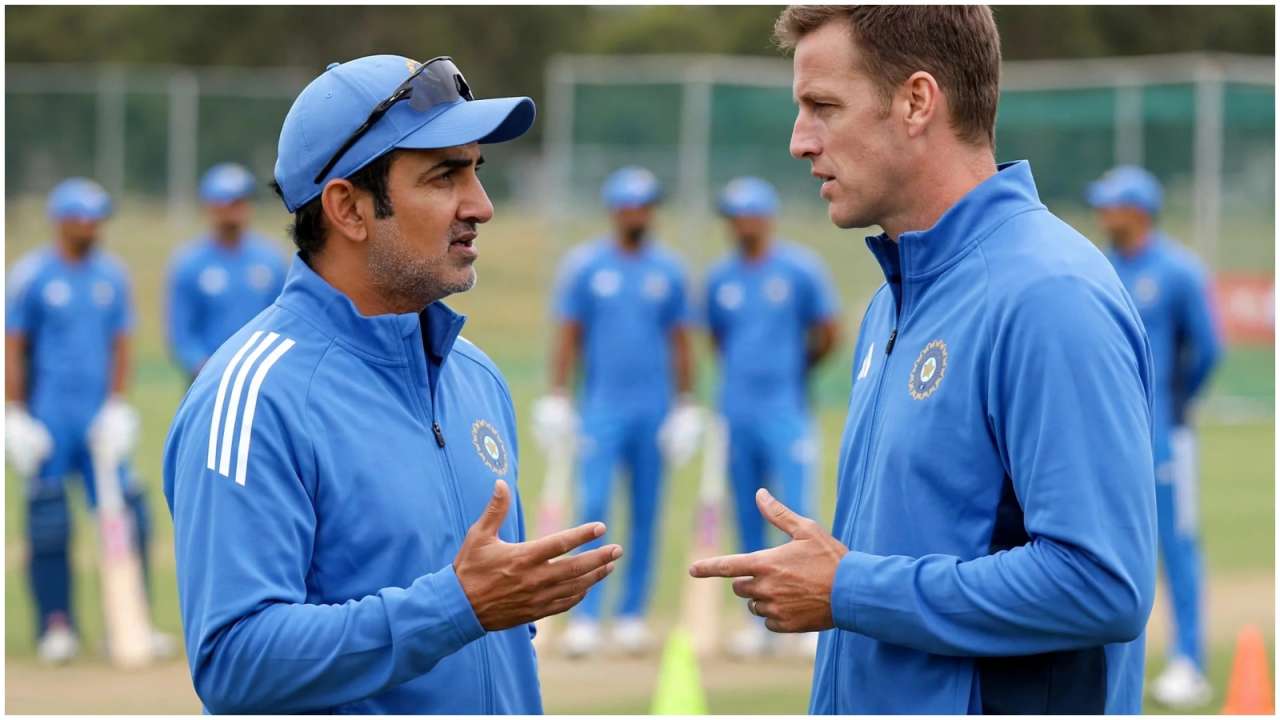 India to split coaching staff after 3rd ODI vs New Zealand: Who is going where?
 Kavya Maran Wedding: Rajinikanth, MK Stalin, Udhayanidhi head to Greece to attend SHR owner, Anirudh's marriage ceremony
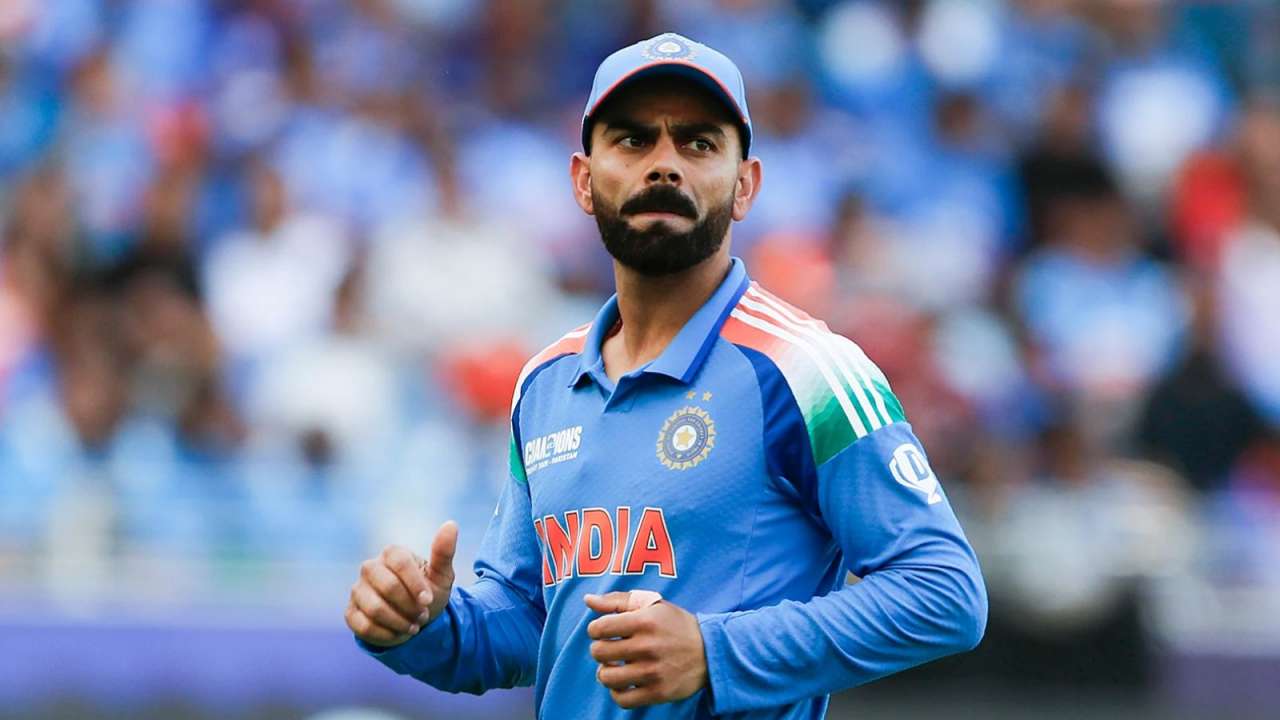 Were coaches afraid of Virat Kohli? Former India coach makes big revelations; details here
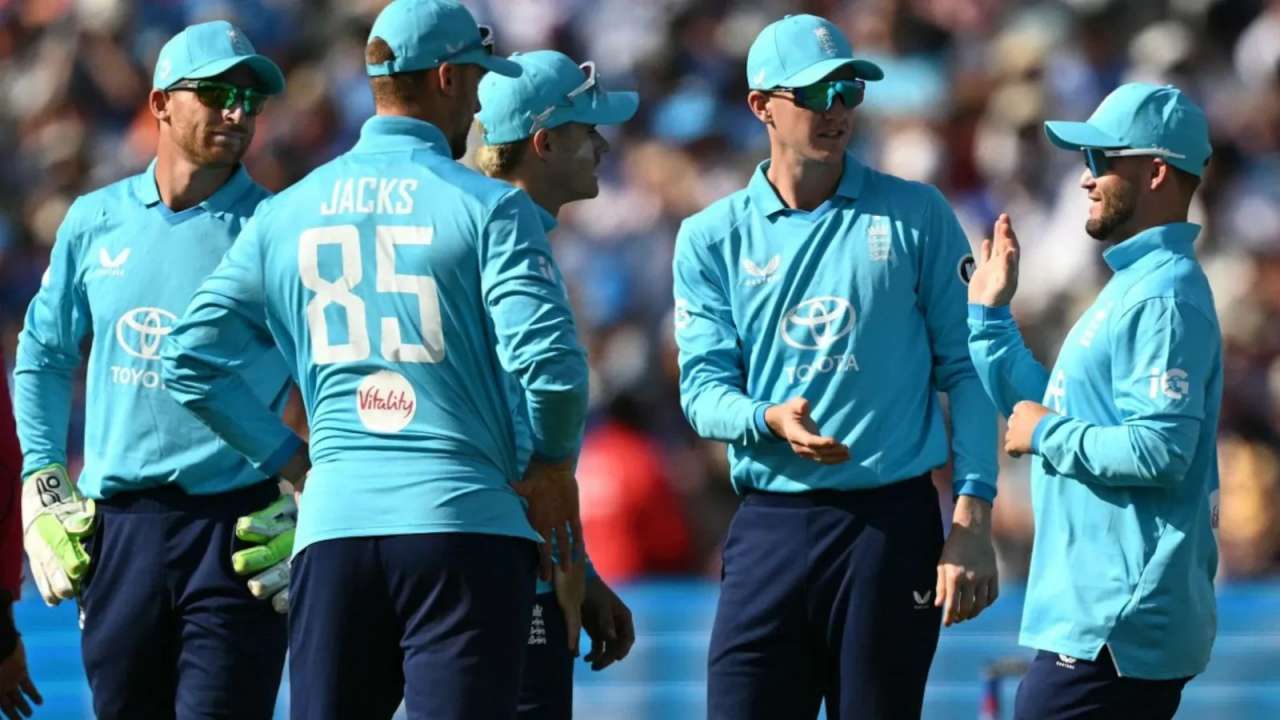 England Cricket In Crisis: Why 2027 could be ECB's toughest year? No India tour, ICC payment cut, here's all you need to know
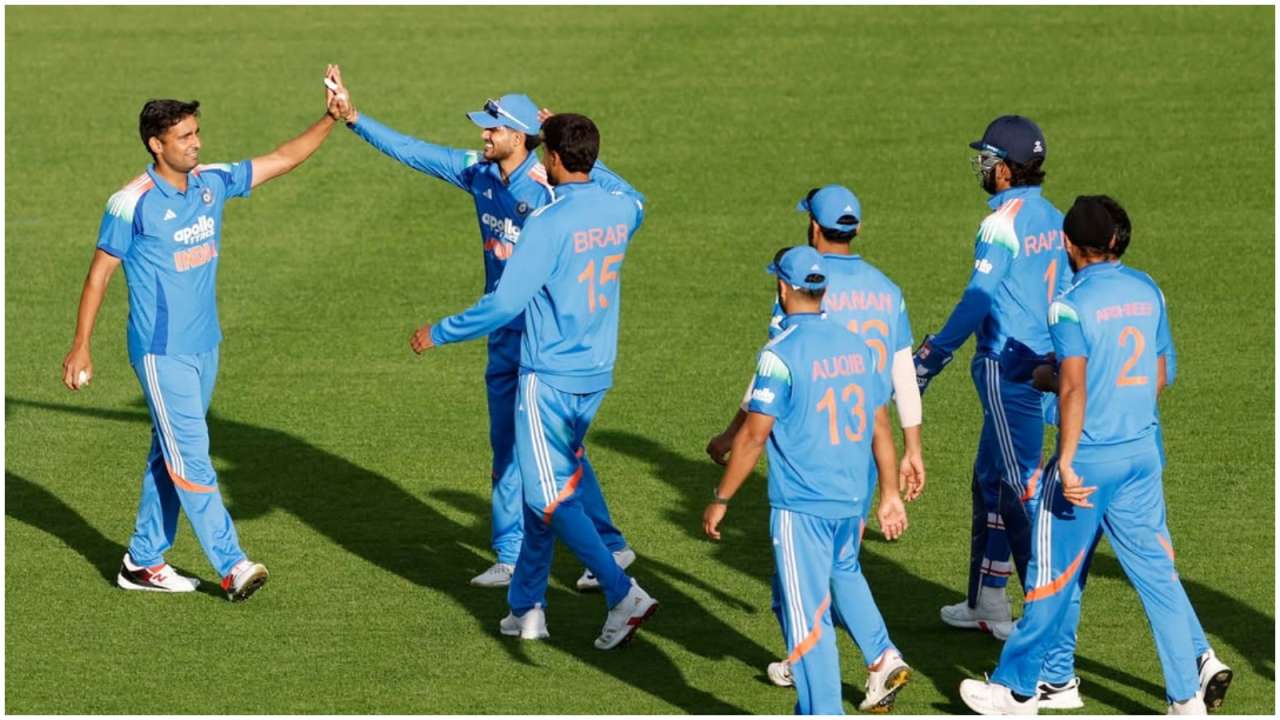 IND vs NZ, 2nd ODI Highlights: From Brar's four-wicket haul to rain drama, how India edged past Kiwis
 Nvidia Scandal: The Megaspeed Connection, Alice Huang Ties & Jensen Huang’s Affair
 US MidTerm Elections: How Trump's Defeat Could Impact Pakistan? | Democrats Vs Republicans | India
 Agniveer News: '2 Year Extension...' Army's Major Relief For Agniveers; CDS Subramani's Full Speech
 Delhi Police Protest: 'Threatened Lawyer With Ak-47' PIL Against ACP Manasvi Vashistha In Delhi HC
 Cyclone Murasu: 'Electric Poles Damaged', Aftermath Of 'Severe' Cyclonic Storm In Andhra Pradesh
EXPLAINER
As tensions rise, the deployment of such advanced weapons marks a concerning escalation in the conflict, signalling a potential new phase of warfare

Updated : Nov 25, 2024, 11:49 AM IST



Russian President Vladimir Putin has confirmed that Russia tested a new hypersonic intermediate-range missile, named Oreshnik, during an attack on the Ukrainian city of Dnipro. The strike was described as a response to Ukraine’s use of Western-supplied missiles to hit Russian territory.
What is the powerful new weapon?
The Oreshnik missile, whose name means "hazel tree" in Russian, is a nuclear-capable weapon that has not been publicly revealed before. Based on the RS-26 Rubezh intercontinental ballistic missile, it is hypersonic, capable of travelling at speeds at least five times faster than sound, and can manoeuvre mid-flight, making it difficult to intercept.
Reports claim that the missile can carry three to six independently guided warheads. Putin stated that current air defence systems cannot intercept the Oreshnik, calling it a significant advancement in Russia’s missile capabilities.
Meanwhile, the attack on Dnipro follows Ukraine’s use of US and UK-supplied long-range missiles, including the US-made ATACMS and British Storm Shadow missiles, to target Russian territory. This marked the first time Ukraine had launched such strikes, a move approved by outgoing US President Joe Biden’s administration.
Moscow has labelled the West’s involvement in supplying and authorising these weapons as direct participation in the conflict. Kremlin spokesperson Dmitry Peskov said the strike was a warning to the US and its allies, emphasising that their actions would not go unanswered.
Putin’s message to the West
In a televised address, Putin described the Dnipro strike as a successful test of the Oreshnik. He noted that the missile was used in a non-nuclear configuration and had hit its intended target. Putin warned that Russia would continue developing and deploying advanced weapons in response to Western actions.
As tensions rise, the deployment of such advanced weapons marks a concerning escalation in the conflict, signalling a potential new phase of warfare.