 PM Modi's Diwali message for nation: What he said about celebrating festival with jawans
 Pyre director Vinod Kapri slams Ramayana producers, alleges Ranbir-Yash film for '75% cut down of shows': 'Aap kis maryada ki baat karte hai'
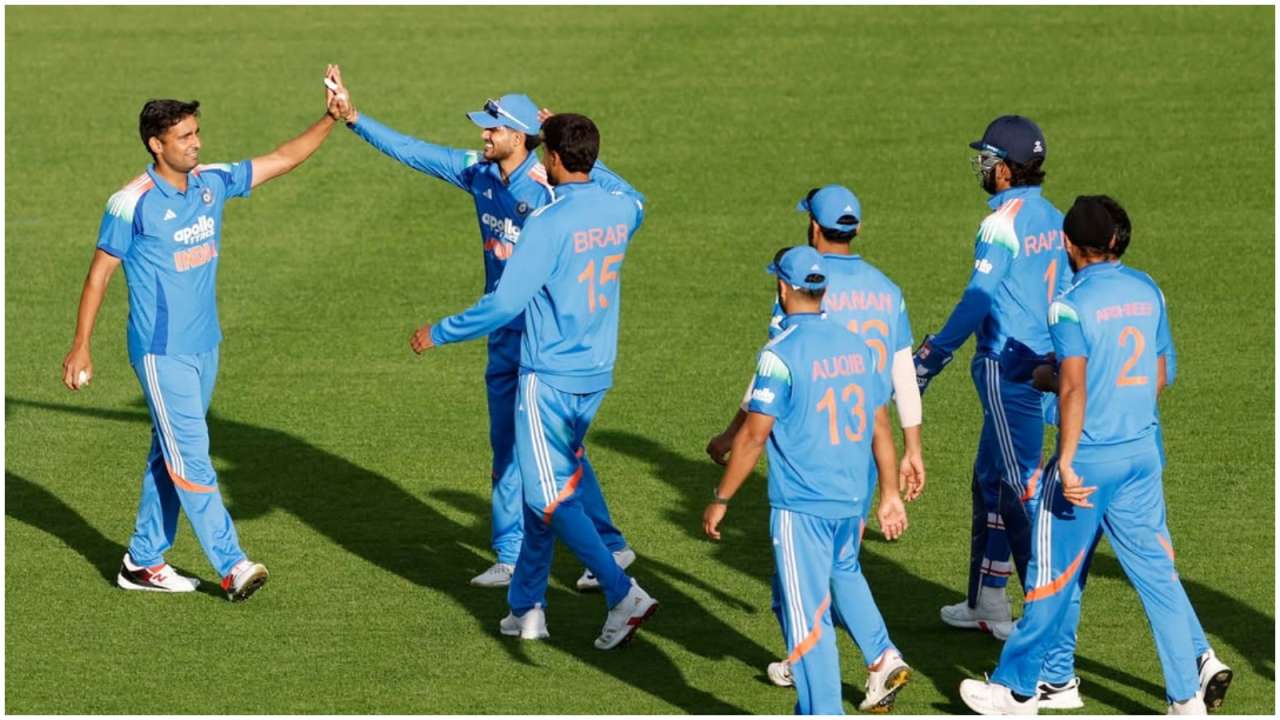 IND vs NZ, 2nd ODI Highlights: From Brar's four-wicket haul to rain drama, how India edged past Kiwis
 Sandiyar: Kamal Haasan shows no mercy, kickstarts shooting of his gritty actioner on his 72nd birthday, director pens heartfelt note
 ‘Run bulldozers over us’: Mamata Banerjee's strong message to BJP after Kalighat incidentPM Modi's Diwali message for nation: What he said about celebrating festival with jawans‘Run bulldozers over us’: Mamata Banerjee's strong message to BJP after Kalighat incident
 Sonia Gandhi hits out at Modi govt for damaging India's fabric, says Congress 'has nothing to learn from BJP, RSS'
 Rohit Shetty Firing: Lawrence Bishnoi gang's key operative Harry Boxer detained in US, to be brought back to India
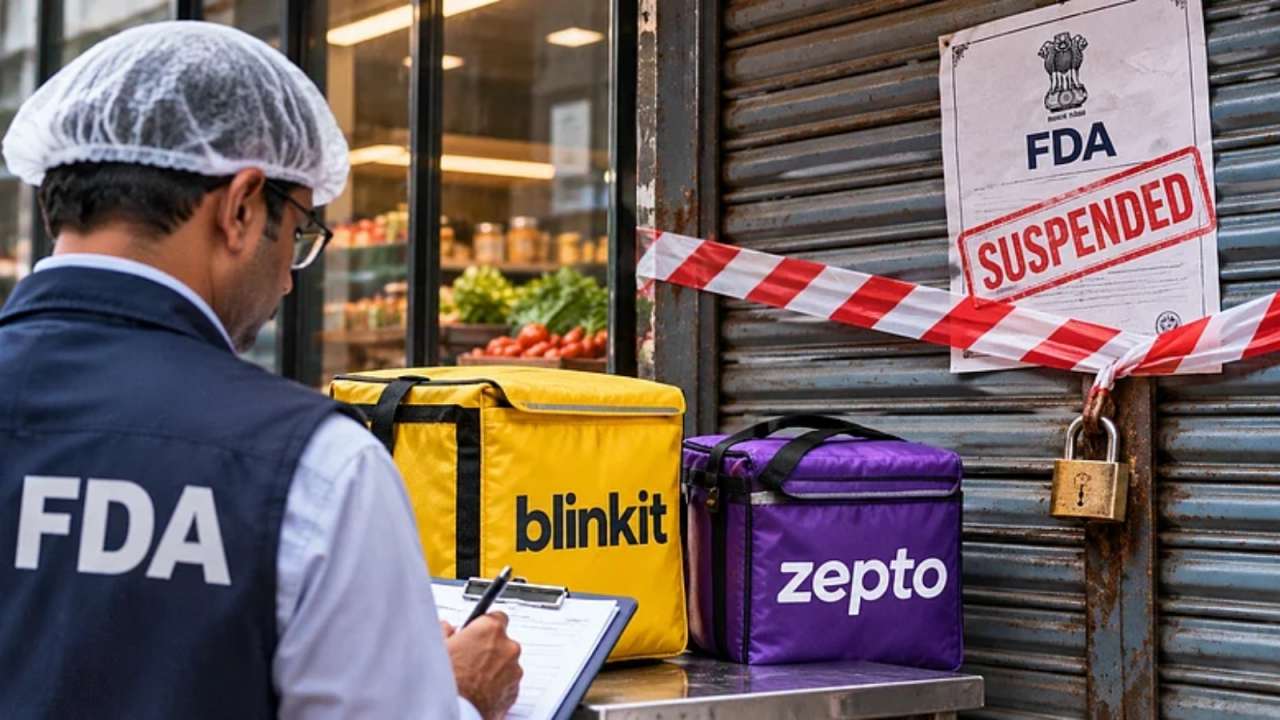 Maharashtra FDA Crackdown: Blinkit, Zepto, Biryani By Kilo, among 105 firms to face licence ban ahead of Diwali
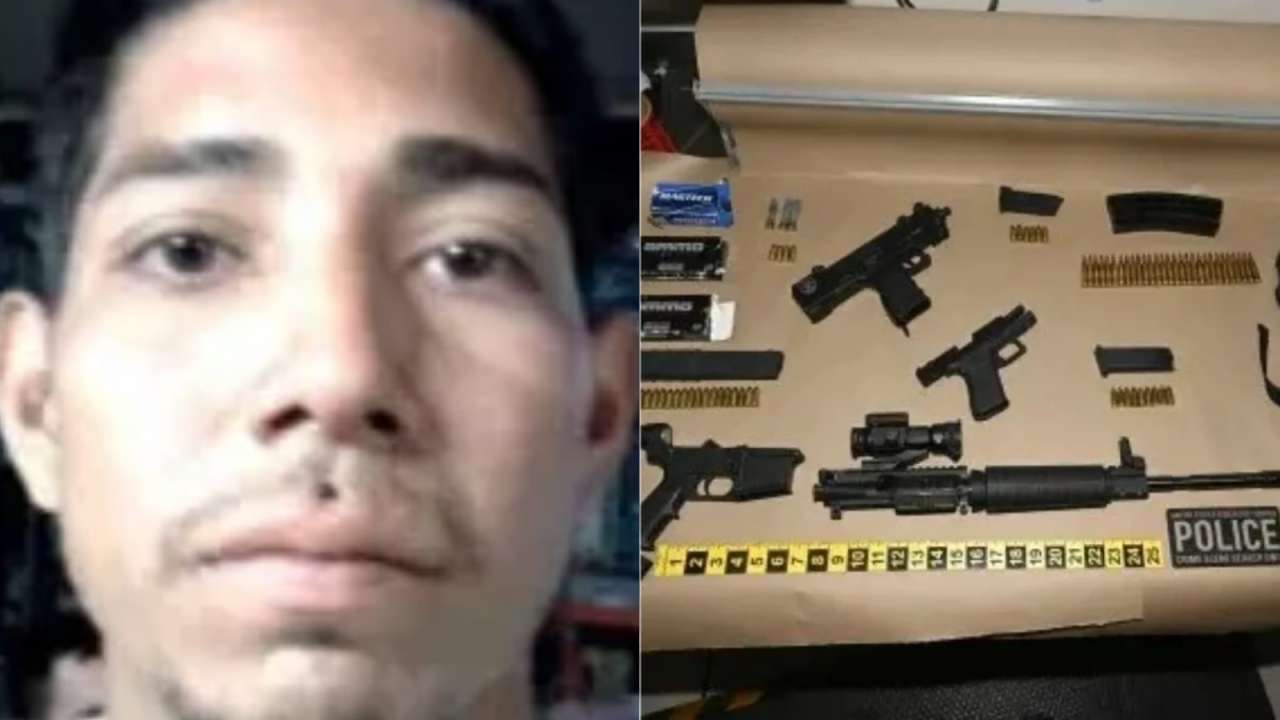 Armed Venezuelan man arrested near White House, says 'voices urged' trump assassination
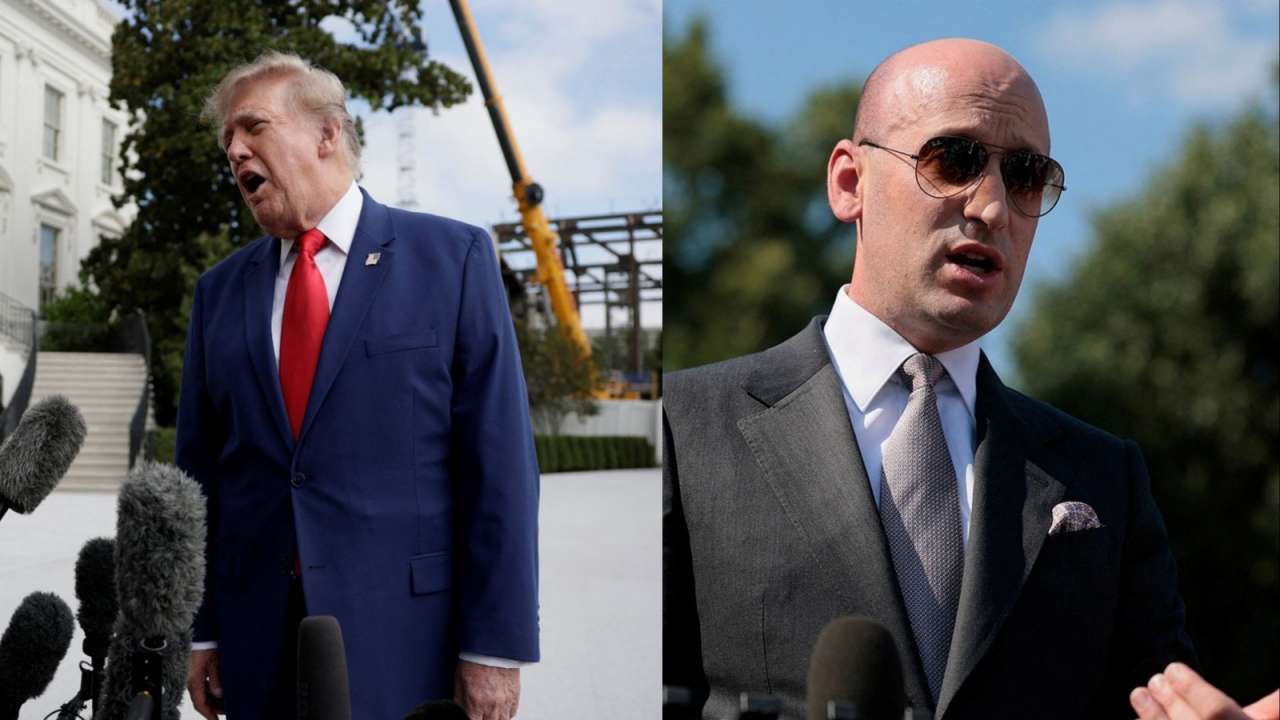 Who is Stephen Miller? Trump picks his loyalist after midterm defeat to replace Susie Wiles as chief of staff
 'POK Turned Into Gaza': People compare Pakistan Army to Israeli forces after deadly drone strikes
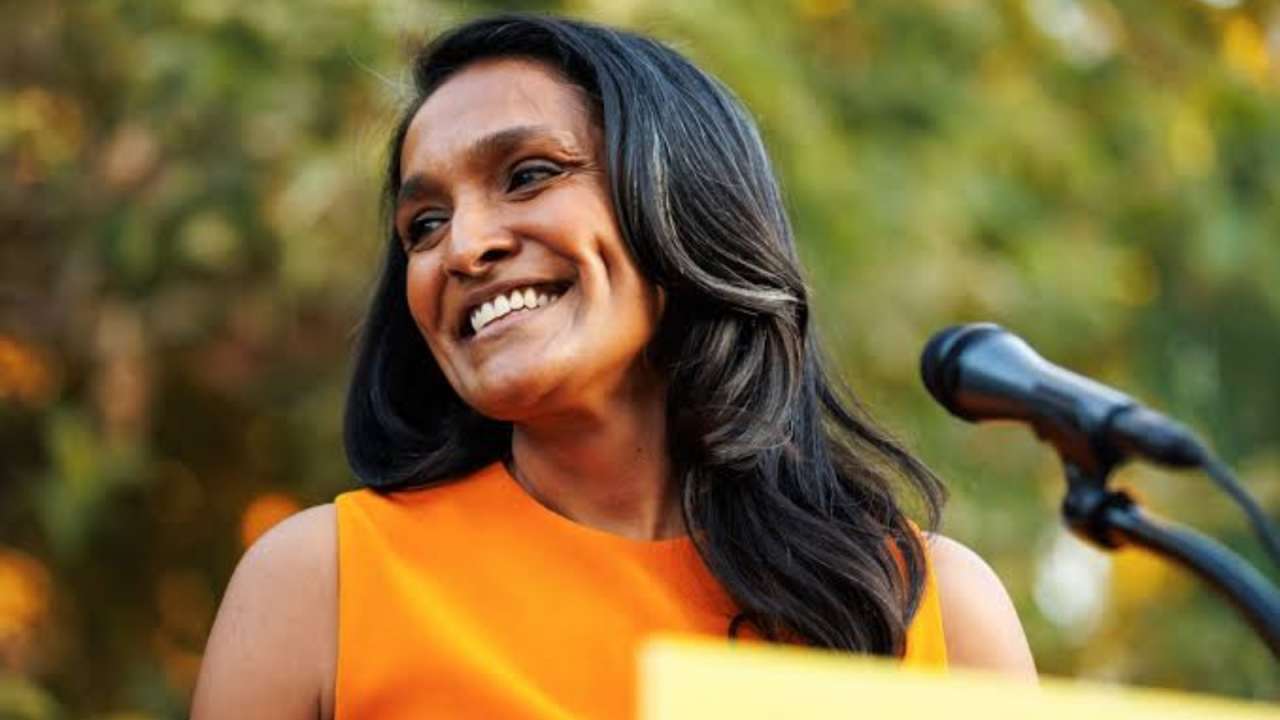 Who is socialist Nithya Raman? India-born wins LA mayoral race, becomes city’s first South Asian mayor
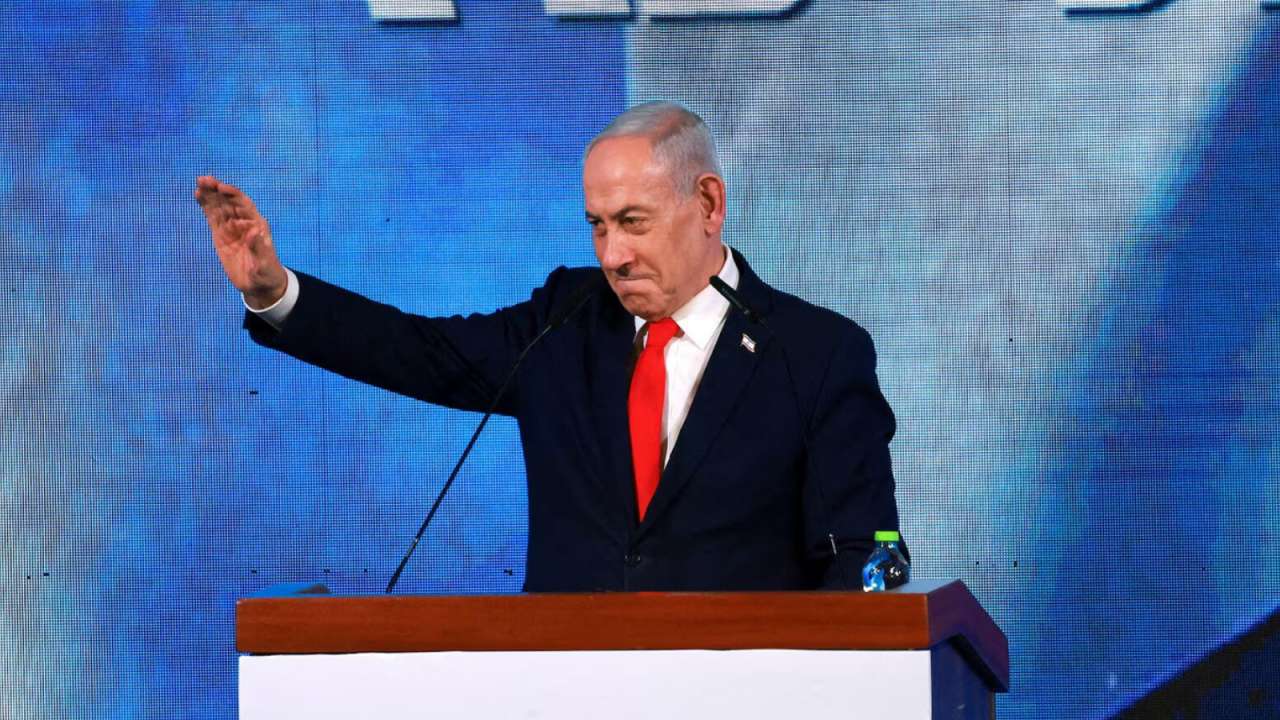 Benjamin Netanyahu's bid to stay in power takes hit as Arab parties pick Eisenkot to form next govt
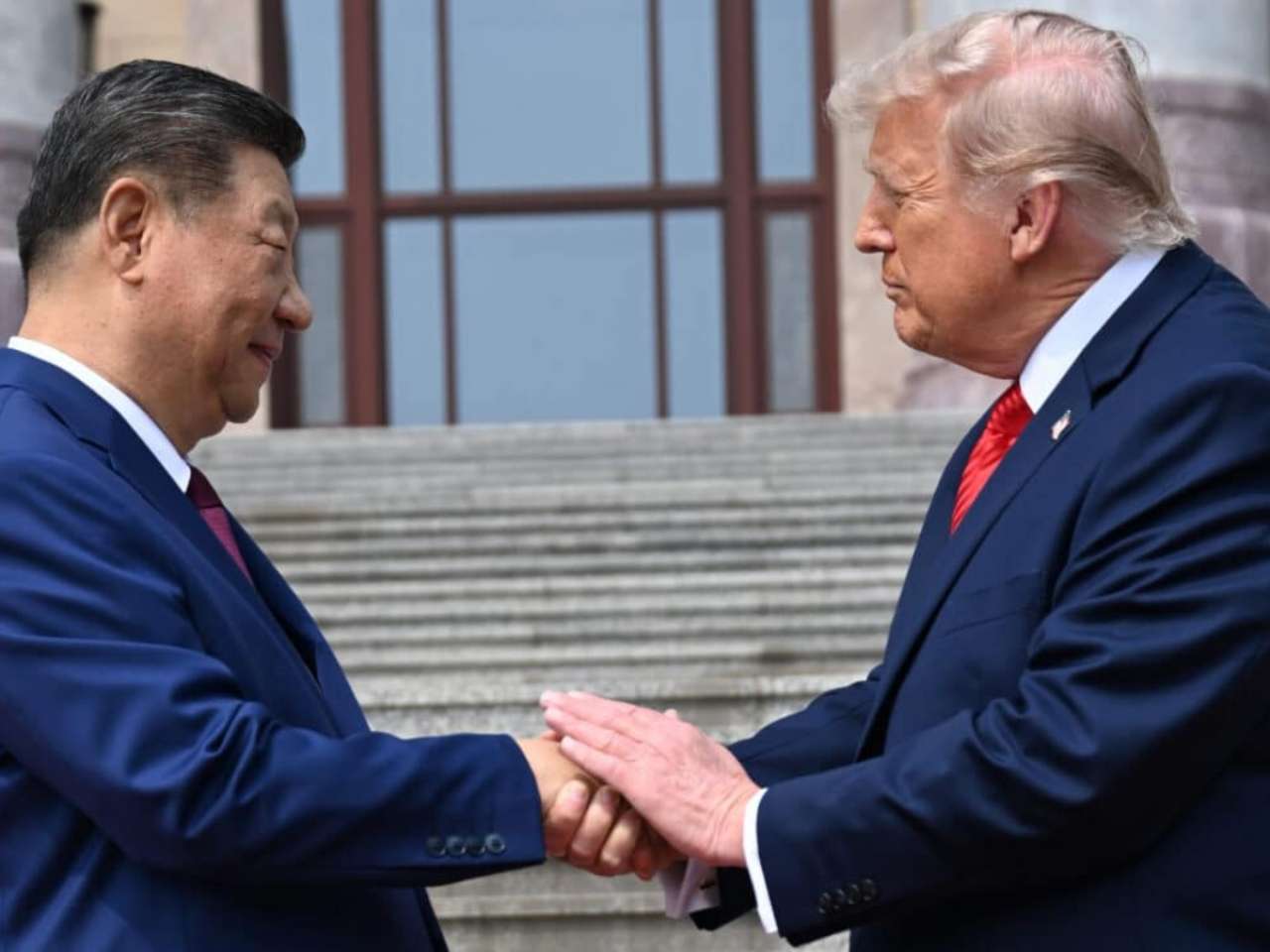 New Yalta After US Midterm? China plans Trump-Putin talks as Ukraine raises alarm over being left out
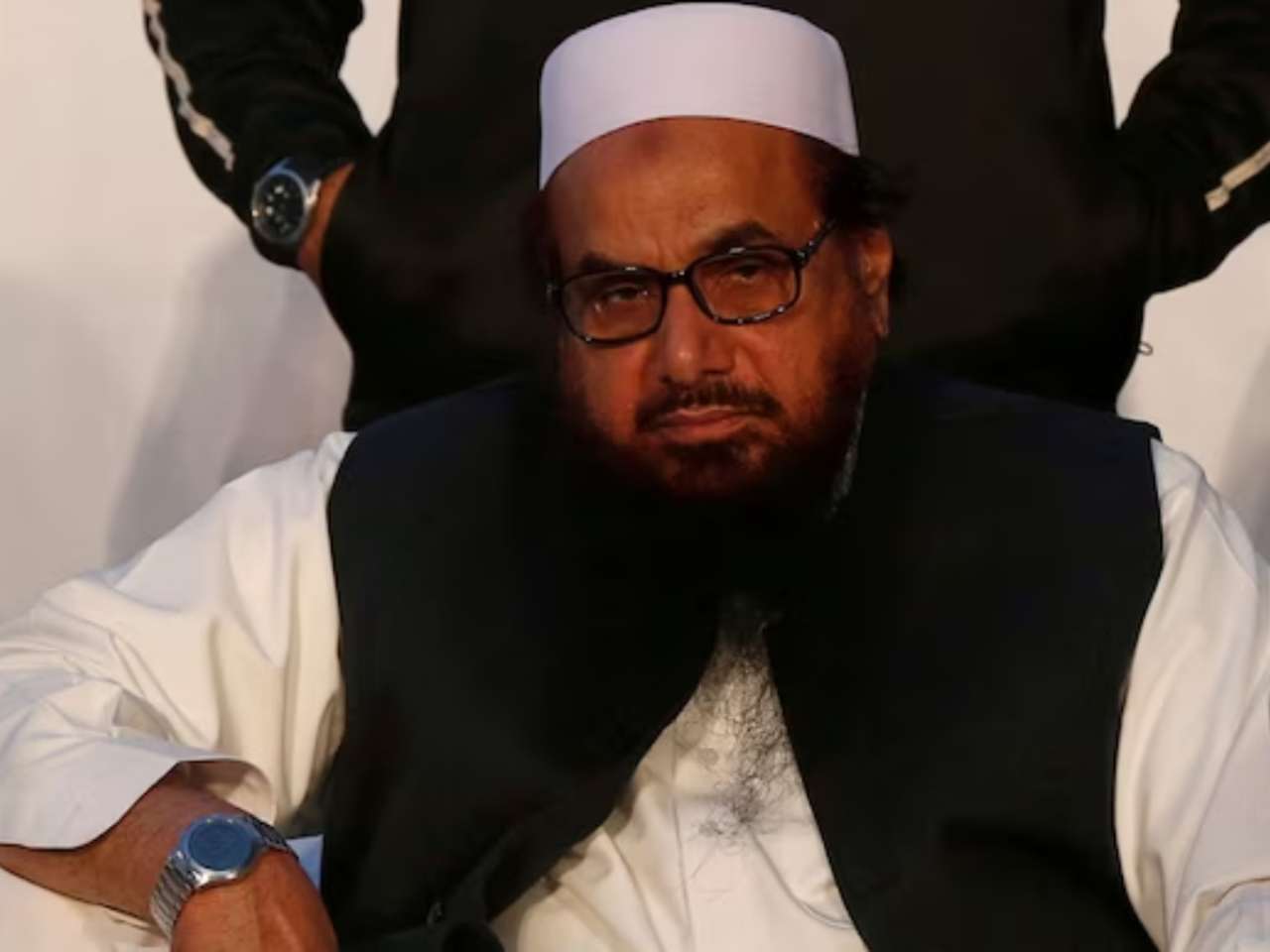 New 26/11 Threat? Is Hafiz Saeed's LeT getting maritime training near Karachi to target India?
 Gold Hits Rs 1.46 Lakh Per 10 Grams On Dhanteras: Check 18K, 22K and 24K gold rates in Delhi, Mumbai, Chennai, Kolkata
 Trump humiliated in US midterms, planning fresh attack on Iran? Pentagon, Israel reportedly prepare for new strikes
 Trump's midterm defeat could shake up AI: Why Democrats' victory may impact Nvidia, data centres, India's $105 billion opportunityPyre director Vinod Kapri slams Ramayana producers, alleges Ranbir-Yash film for '75% cut down of shows': 'Aap kis maryada ki baat karte hai'Sandiyar: Kamal Haasan shows no mercy, kickstarts shooting of his gritty actioner on his 72nd birthday, director pens heartfelt note
 Ventilator 2: Priyanka Chopra announces sequel to her National Award-winning production, admits 'I want to tell stories that mean something'
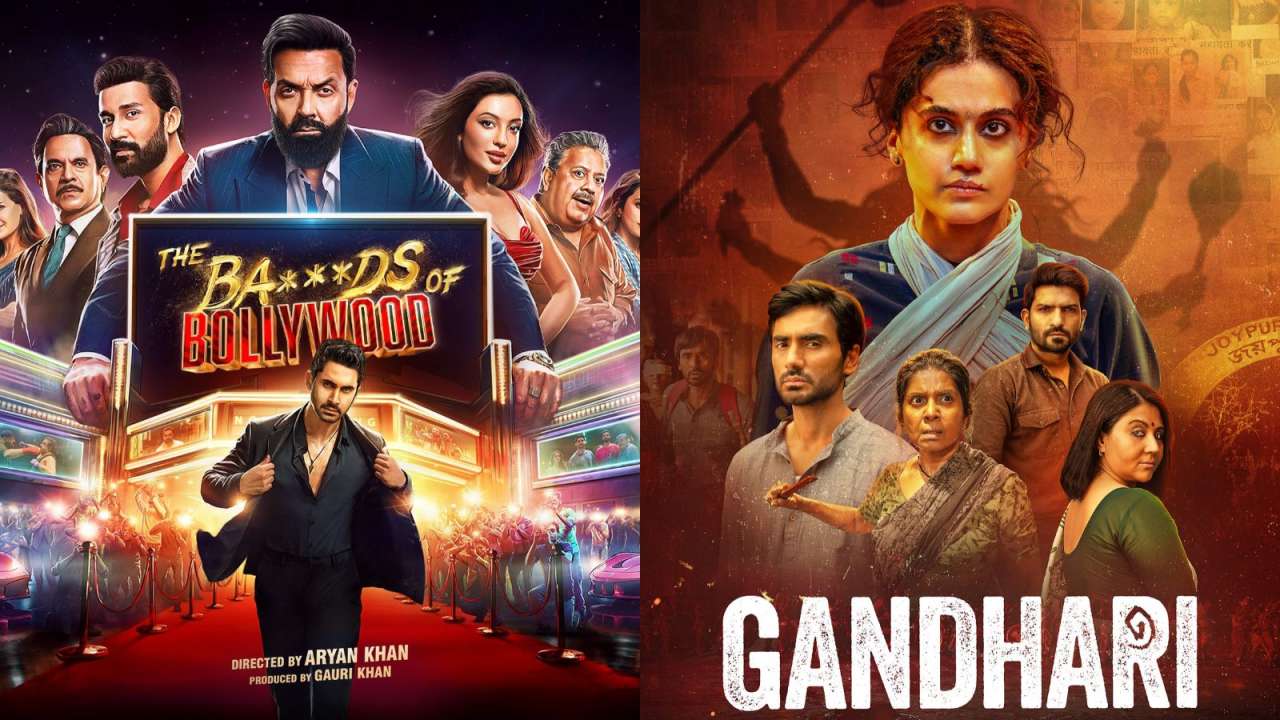 Shah Rukh Khan, Taapsee Pannu create global impact, here's how The Ba***ds of Bollywood, Gandhari change entertainment landscape
 Ramayana Part One: Despite positive reviews, Ranbir Kapoor FAILS to beat THESE records of Ranveer Singh
 Dhanteras 2026: Are banks open or closed on November 6? Check RBI holiday list
 Why did Sensex surge over 2,000 points, Nifty rally 576 points today?
 Diwali Muhurat Trading 2026: What investors need to know about date, timings and settlement
 Gold, Silver prices today, November 5, 2026: Check city-wise rates in Delhi, Mumbai, Chennai, Kolkata and more
 Gold, Silver prices today, November 4, 2026: Check city-wise rates in Delhi, Mumbai, Chennai, Kolkata and moreIND vs NZ, 2nd ODI Highlights: From Brar's four-wicket haul to rain drama, how India edged past Kiwis
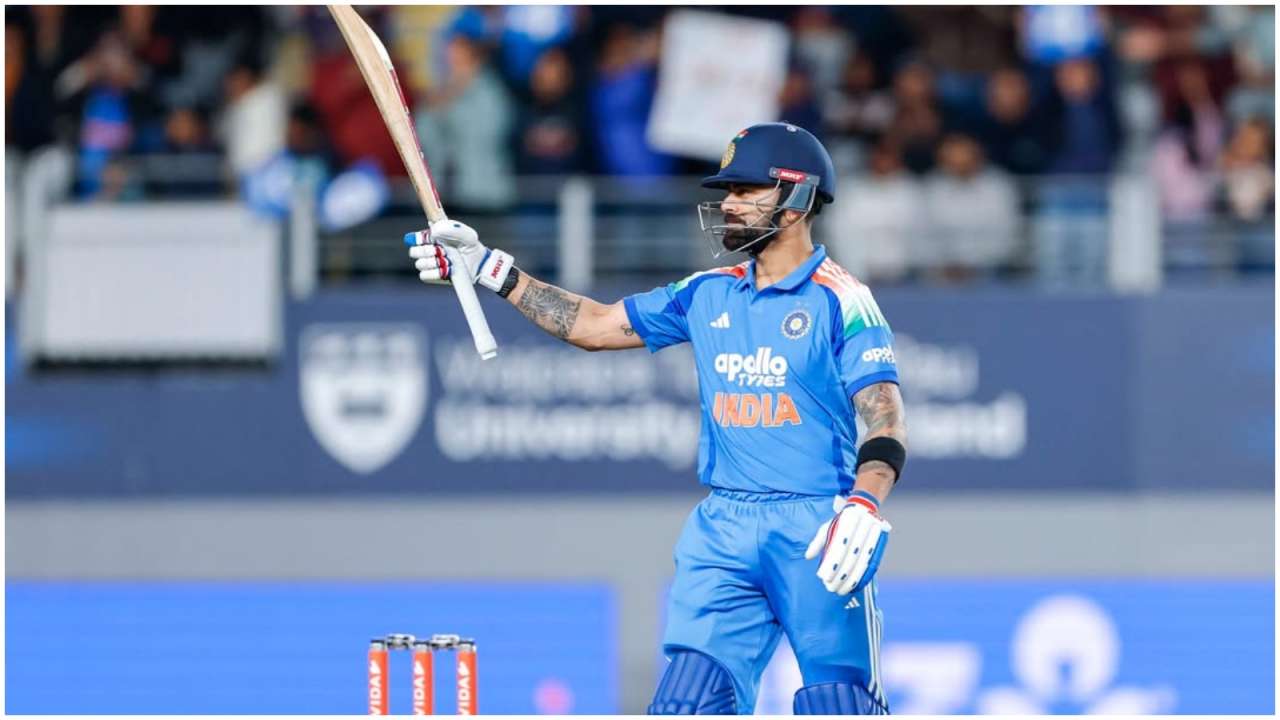 Virat Kohli creates history in Wellington, surpasses Ricky Ponting to achieve major ODI feat
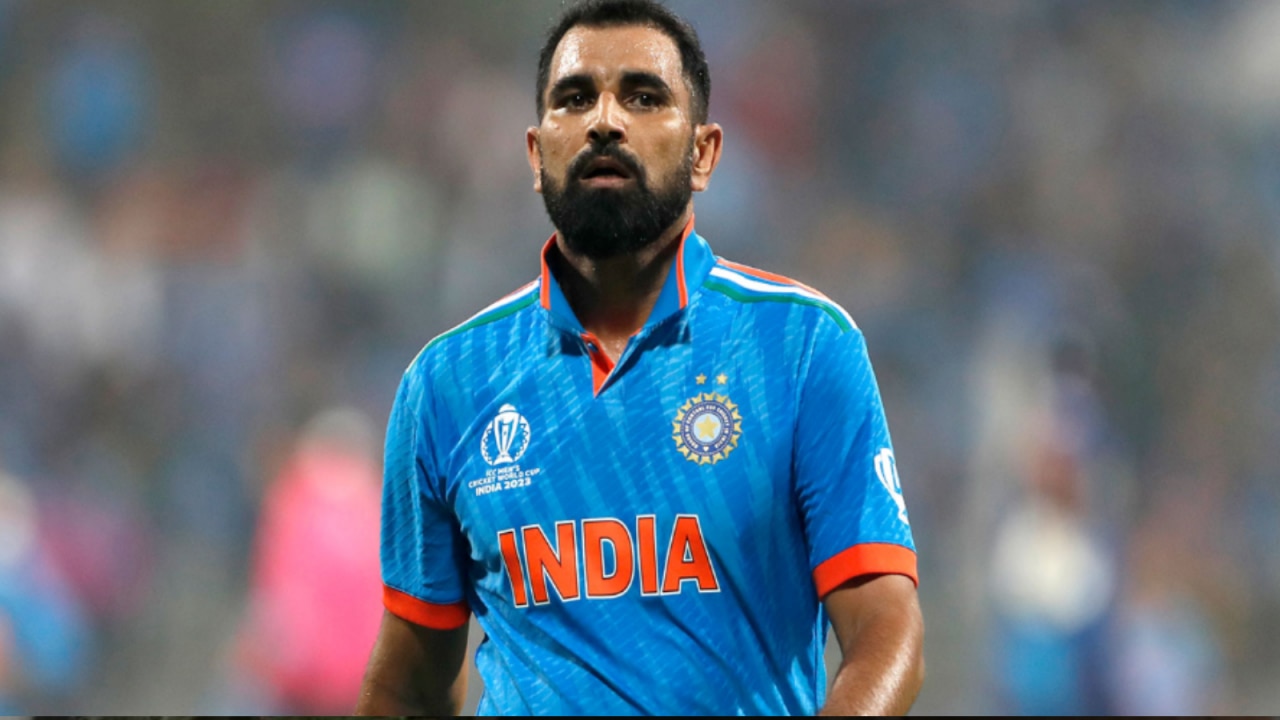 Mohammed Shami announces retirement from Test cricket, reveals plans for white-ball future
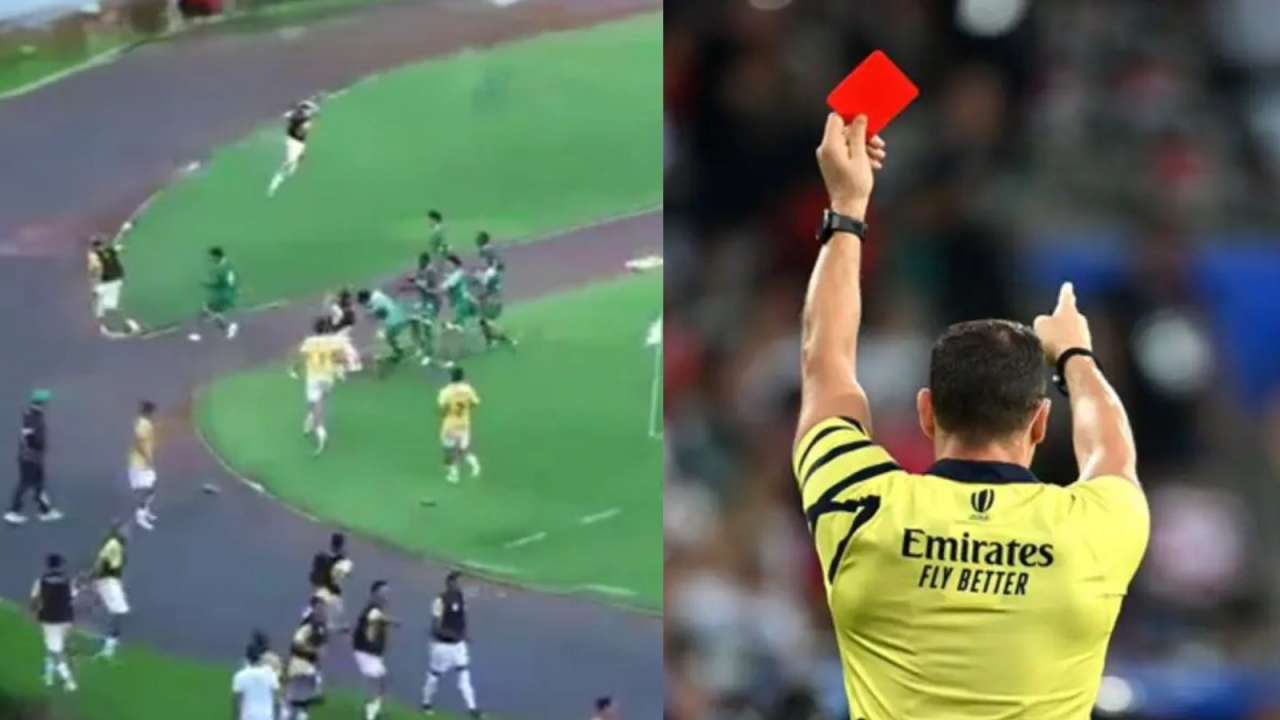 World Record Chaos: 53 Red Cards after mass brawl erupts during Brazil U20 football match
 Cristiano Ronaldo retires from international football after fallout with coach Jorge Jesus, bids emotional farewell
 US MidTerm Elections: How Trump's Defeat Could Impact Pakistan? | Democrats Vs Republicans | India
 Agniveer News: '2 Year Extension...' Army's Major Relief For Agniveers; CDS Subramani's Full Speech
 Delhi Police Protest: 'Threatened Lawyer With Ak-47' PIL Against ACP Manasvi Vashistha In Delhi HC
 Cyclone Murasu: 'Electric Poles Damaged', Aftermath Of 'Severe' Cyclonic Storm In Andhra Pradesh
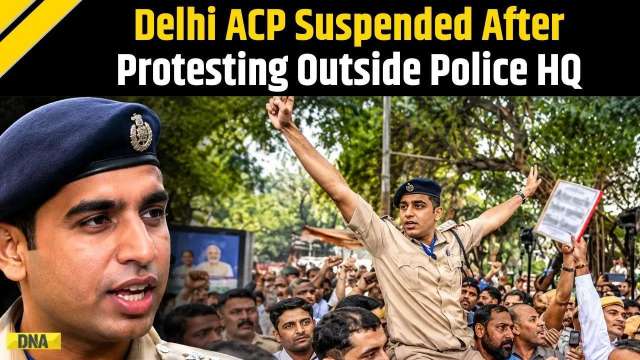 ACP Manasvi Vashishta who led protest outside Delhi Police HQ suspended
BUSINESS

Updated : Mar 19, 2018, 03:04 AM IST
















The alarm bells have started ringing for mutual funds. The Securities and Exchange Board of India, the market regulator, has said in no uncertain terms that they may have to face tough regulatory action if they fail to scale up to smaller cities in India or step up their retail play.
The advisory committee on mutual funds headed by Janki Ballabh, former chairman of the State Bank of India, is expected to submit its report in the next 2-3 months, Sebi chairman UK Sinha said at the CII mutual fund summit on Wednesday here.
“We have given incentives, very reasonable ones, to asset management companies (AMCs) for going beyond top 15 cities. I am sure that in the new mutual fund policy, we are going to have disincentives for those who do not meet this requirement,” said Sinha. “We need some sort of regulatory disincentive to meet larger legislative intent.”
To hammer home his point, he added that there are only 1,600 branches of the total AMCs compared with much more in the other financial services industry.
Many feel a weak distribution network is turning out to be the Achilles’ heel for fund houses. “In the current scenario, the industry needs willingness from asset management companies to invest more in the distributor community,” read a PWC report released on the same day.
To address the issue, Sebi will soon allow limited membership of stock exchanges for mutual fund distributors to widen their ambit. It is also setting up a self regulatory organisation (SRO) for their oversight.
The Sebi chairman also made it a point to touch upon the concentration of assets under management (AUM) with top 10 AMCs in the country, a trend that has not changed over the last five years. Sinha was also mindful of the declining retail participation in mutual fund schemes, which is now down to just 23%, from 28% in 2011. Ditto with the number of folios.
He suggested that if a company is not too keen to focus on retail participation, it should think of venturing into other businesses or starting an investment fund for institutional investors.