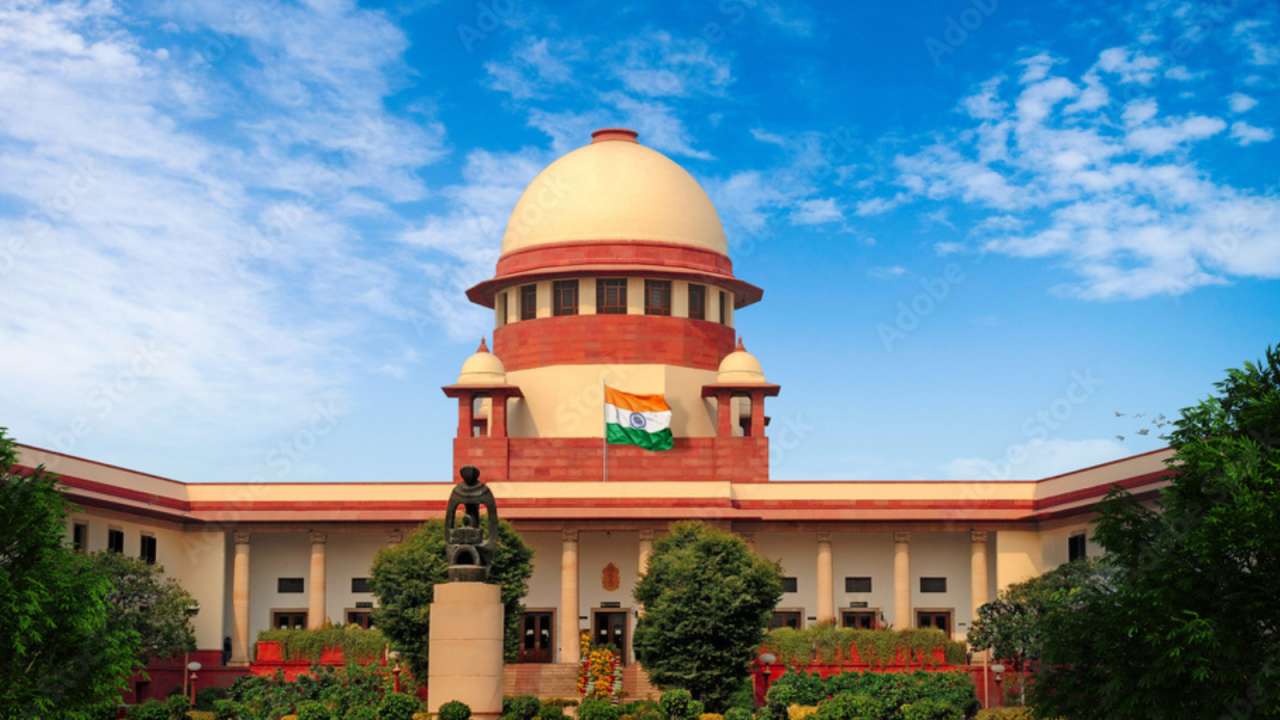
 Supreme Court rejects age-based internet ban for children, says access is fundamental right
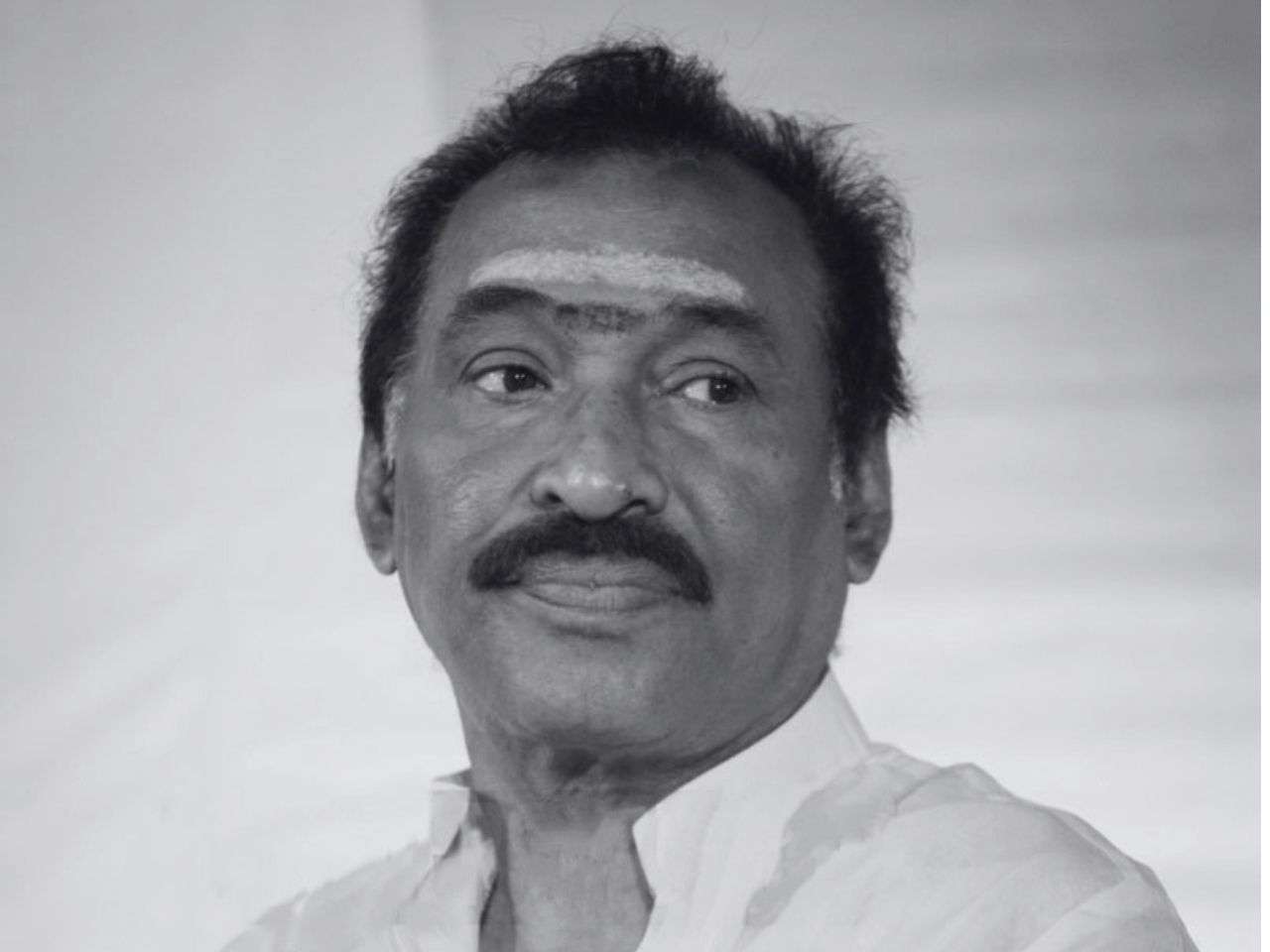 Deva, Tamil's Thenisai Thendral, passes away at 75, scored music for over 400 Indian films, left his fans heartbroken after losing battle to THIS disease
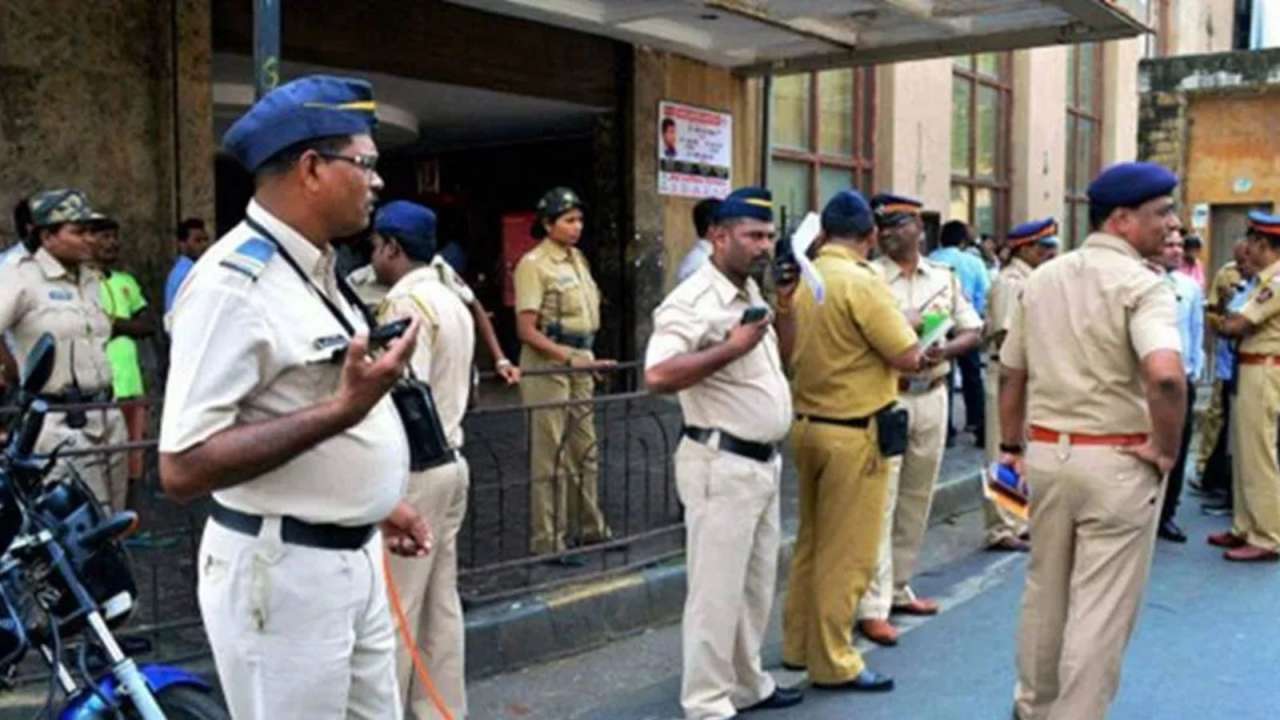 Thane Shocker: Class 12 students murder schoolmate for gold chain, burn body after taking cues from Drishyam 3
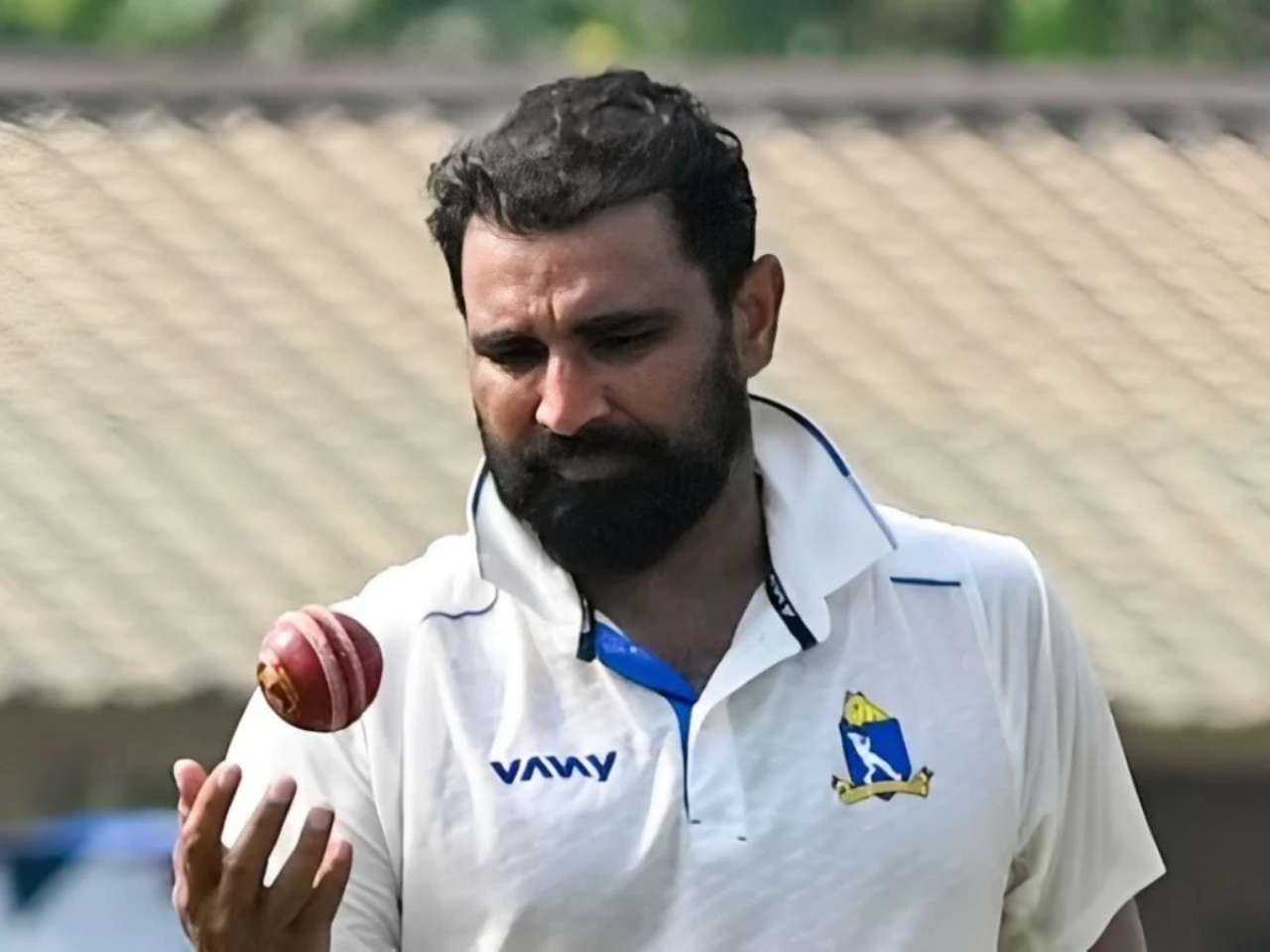 Mohammed Shami left out of New Zealand tour: Is his international career nearing its end?
 5 family members found dead in Greater Noida; tea and noodles were their last mealMohammed Shami left out of New Zealand tour: Is his international career nearing its end?
 Wasim Jaffer enters race for BCCI chief selector’s role, could challenge Pragyan Ojha for top post
 IND vs WI 5th T20I: Vaibhav Sooryavanshi posts cryptic message after sitting out 4 matches says, 'Still Believing'
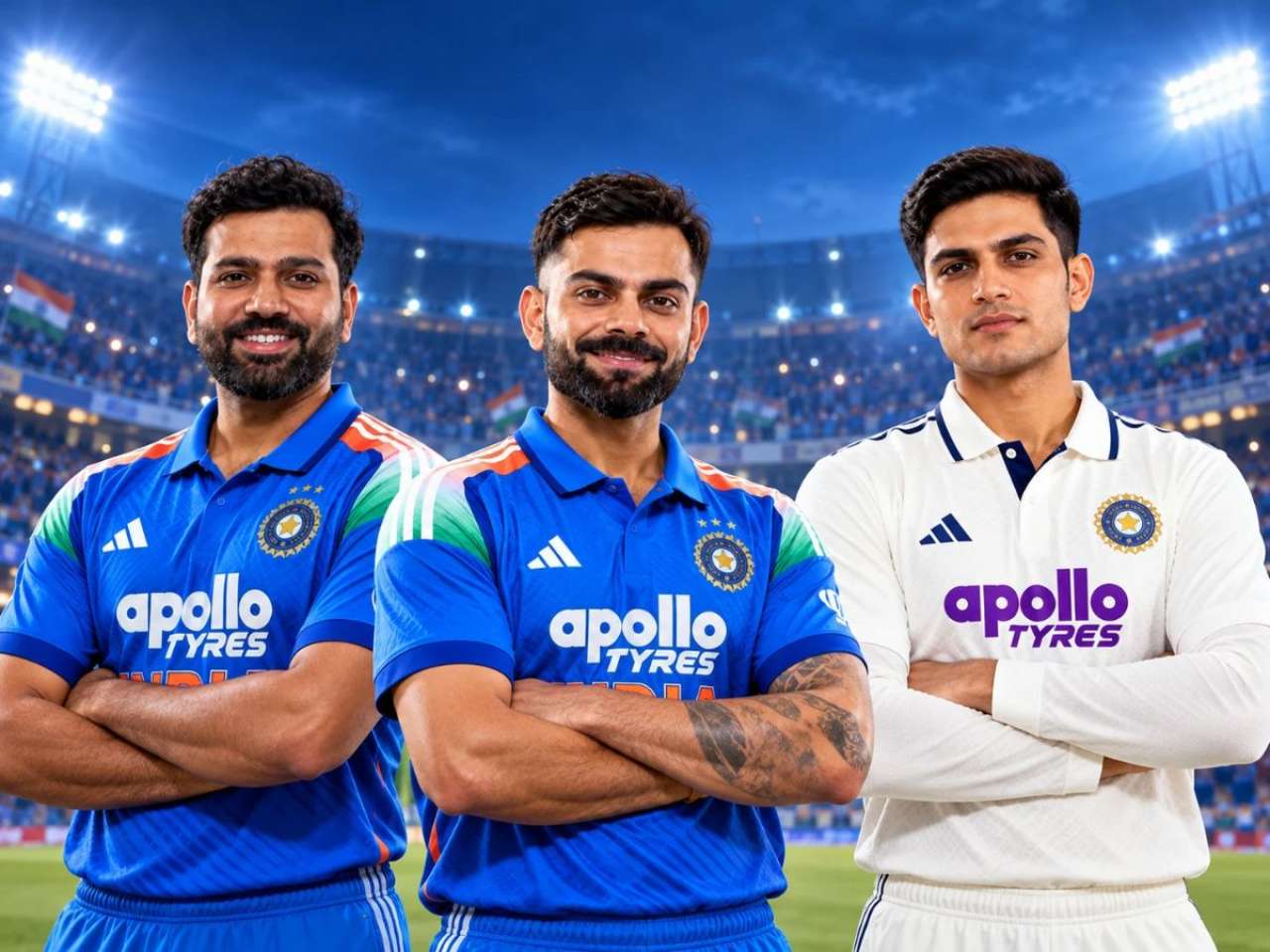 BCCI announces India’s Test and ODI squads for New Zealand tour: Who’s in, who’s out?
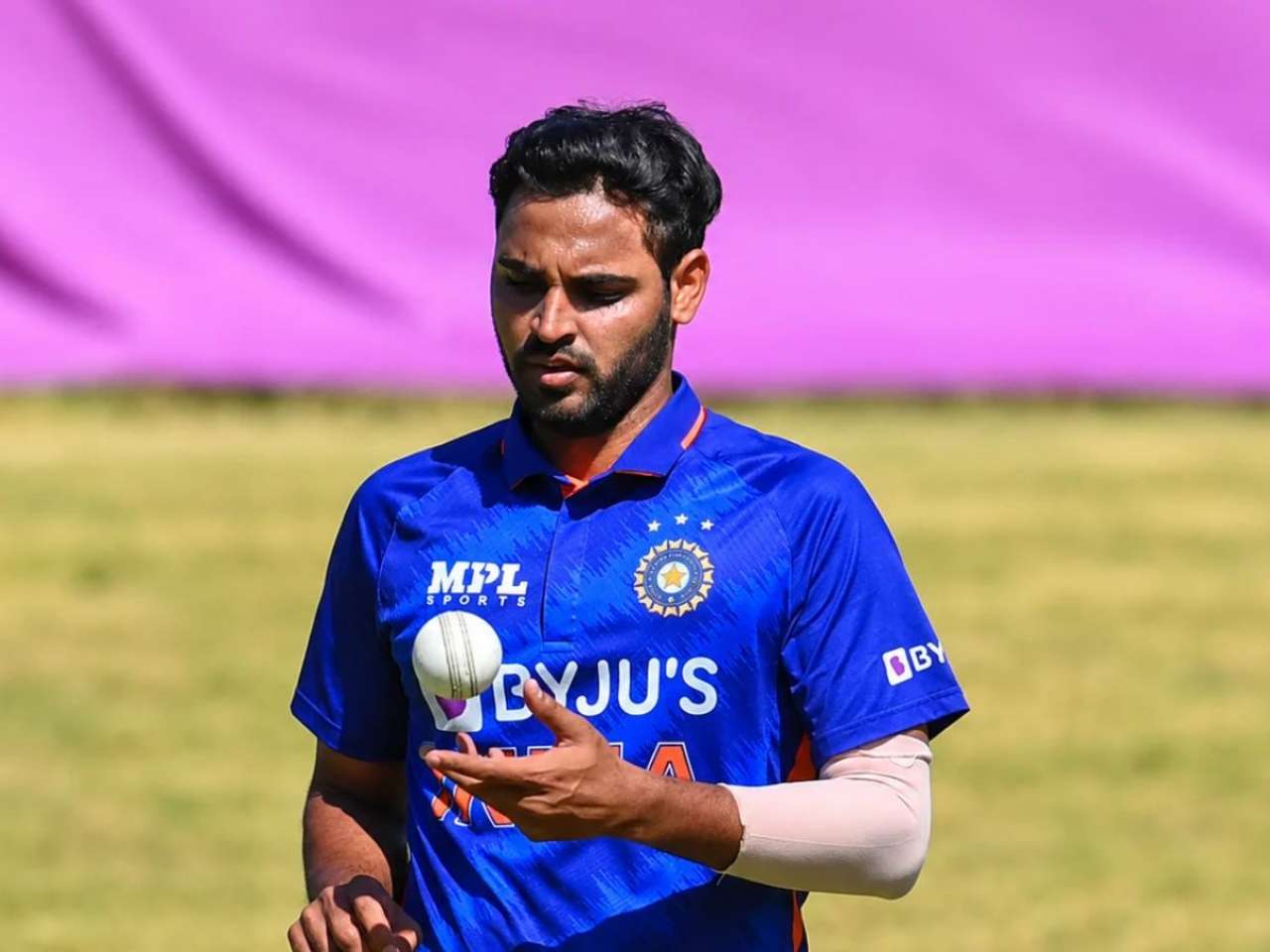 'Very critical': Ex-India star’s stark warning as Bhuvneshwar Kumar's comeback highlights pace concernDeva, Tamil's Thenisai Thendral, passes away at 75, scored music for over 400 Indian films, left his fans heartbroken after losing battle to THIS disease
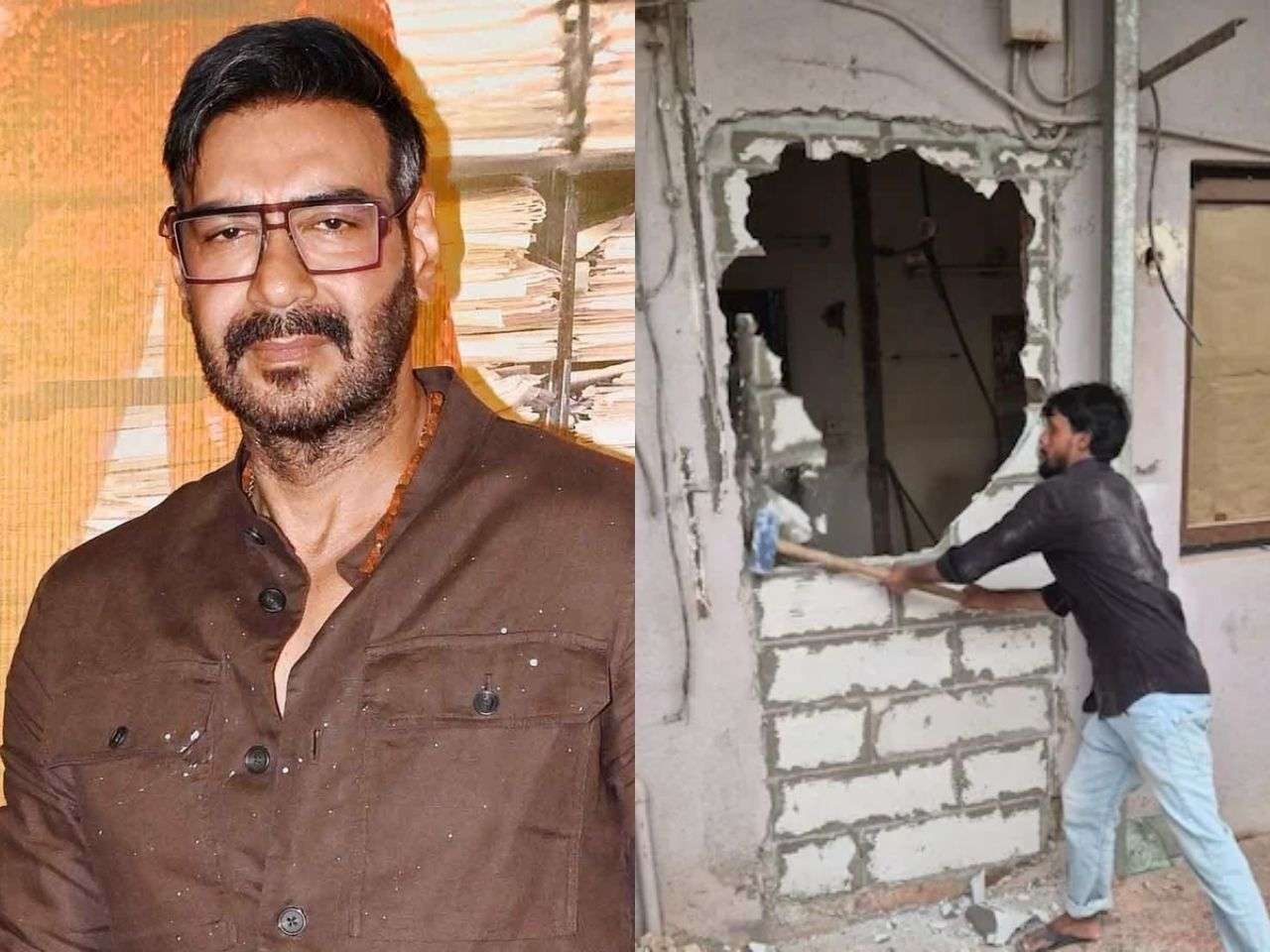 Ajay Devgn suffers MAJOR LOSS after Drishyam 3 crossed 500 crore, BMC demolished parts of actor's Juhu bungalow for THIS reason
 Viral video: Farah Khan politely declines tika on forehead, traditional welcome, leaves internet divided: 'Why are you forcing tilak on Muslims?
 Viral video: Ravi Kishan declares Rahul Gandhi as future PM of India? Mocks Congress leader's protest, calls him 'kohnibaaz pradhaan mantri ', netizens react
 Nayyi Navelli vs Prahaar box office collection Day 1: Yami Gautam beats Rajkummar Rao, but they get defeated by Vijay Deverakonda, Rajinikanth
 Karnataka Bus Horror: 4 Dead, 14 Injured In Mysuru Sleeper Bus-Truck Head-On Collision
 Pakistan School Roof Collapse Kills 21 Children And A Teacher In Peshawar | Latest News
 CJP Protest: Mumbai Police Issues Notice To Actor Imran Khan To Leave India By October 28
 CJP Protest: Rahul Gandhi Accuses Delhi Police Of Beating Youngsters At Protest | Jantar Mantar
 CJP Protest: Congress Rahul Gandhi Backs CJP Leaders Jailed For Tresspassing At Jantar Mantar
 Gold, Silver prices today, October 17, 2026: Check city-wise rates in Delhi, Mumbai, Chennai, Kolkata and more
 Flying Car! Watch video of Tesla's Roadster jump, flip and fly, when will Elon Musk bring it to India?
 Gold, Silver prices today, October 16, 2026: Check city-wise rates in Delhi, Mumbai, Chennai, Kolkata and more
 SEBI Revises Closing Auction Session Rules: What changes from December 7?
 Jio IPO: How Rs 30,213-crore issue could impact Mukesh Ambani's Reliance Jio, India’s digital ecosystem
 Dil Chahta Hai, Cocktail, Dostana: 5 must-watch Bollywood films that celebrate true friendship
 Navratri Day 4: From Shraddha Kapoor, Kriti Sanon, Sanya Malhotra, actresses who embody goddess in blue outfits
 Navratri 2026: From Alia Bhatt to Sara Ali Khan, Shraddha Kapoor, take inspiration from Bollywood actresses to stun everyone in white
 Ranbir Kapoor-Sai Pallavi, Yami Gautam-Addinath Kothare, Rajkummar Rao-Wamiqa Gabbi: 5 fresh on-screen jodis to watch out for in 2026
 OTT Releases This Week (October 5-11): Awarapan 2, Khalifa, Mandaadi; new India movies, shows to watch on Netflix, Prime VideoSupreme Court rejects age-based internet ban for children, says access is fundamental rightThane Shocker: Class 12 students murder schoolmate for gold chain, burn body after taking cues from Drishyam 35 family members found dead in Greater Noida; tea and noodles were their last meal
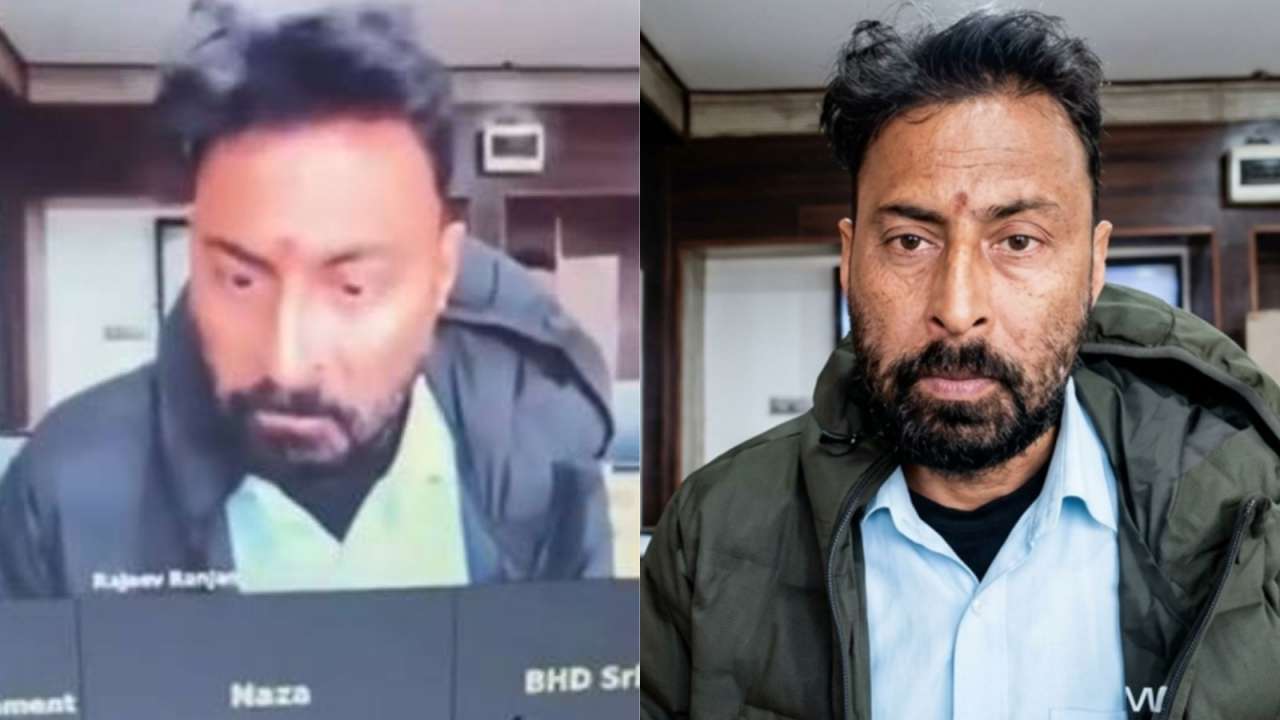 IAS officer abuses female colleague, calls het 's*it', triggers backlash in Kashmir
 Rajasthan: 8 killed, 17 injured as bus carrying Khatu Shyam devotees overturns on Delhi-Mumbai Expressway in Kota
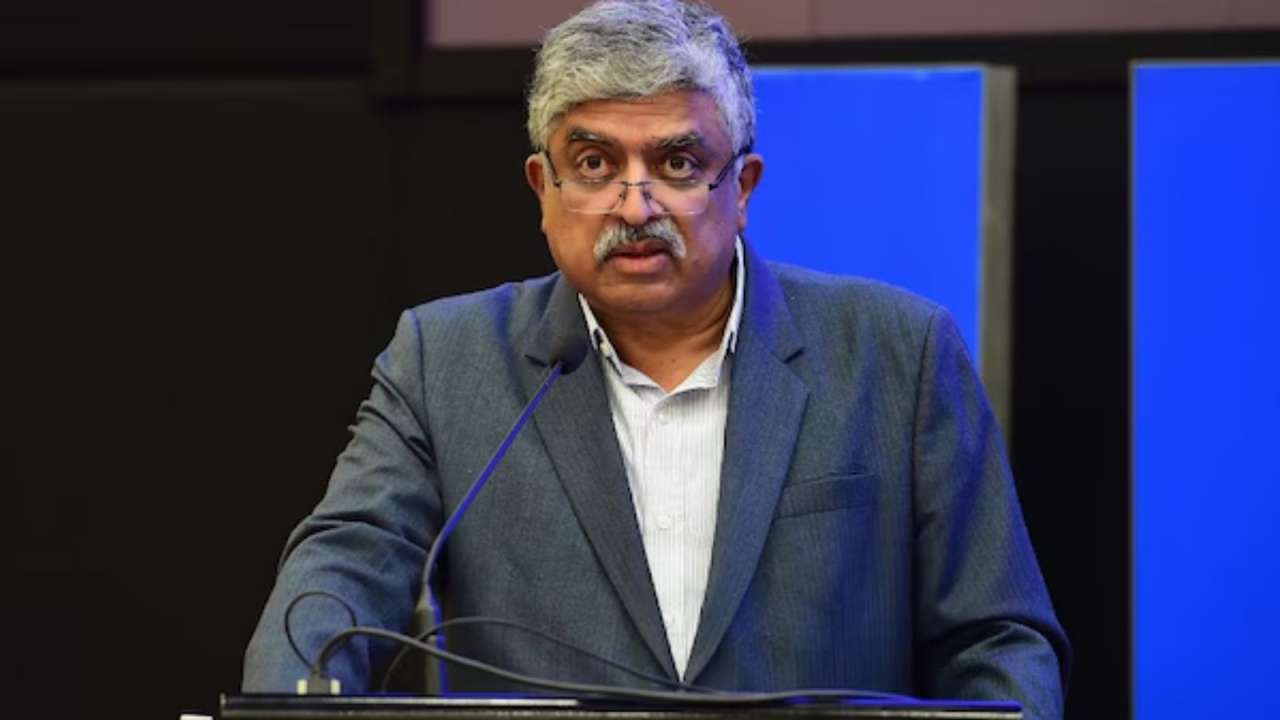 AI-generated question papers for NEET? Nandan Nilekani proposes novel idea for stopping paper leak
 Third Language Row: SC extends relaxation to Class 6 students, asks CBSE to grant exemption, here's what it means
 NEET PG 2026 Result Out: Check how to download scorecard from natboard.edu.in; Know category-wise cut-off and more
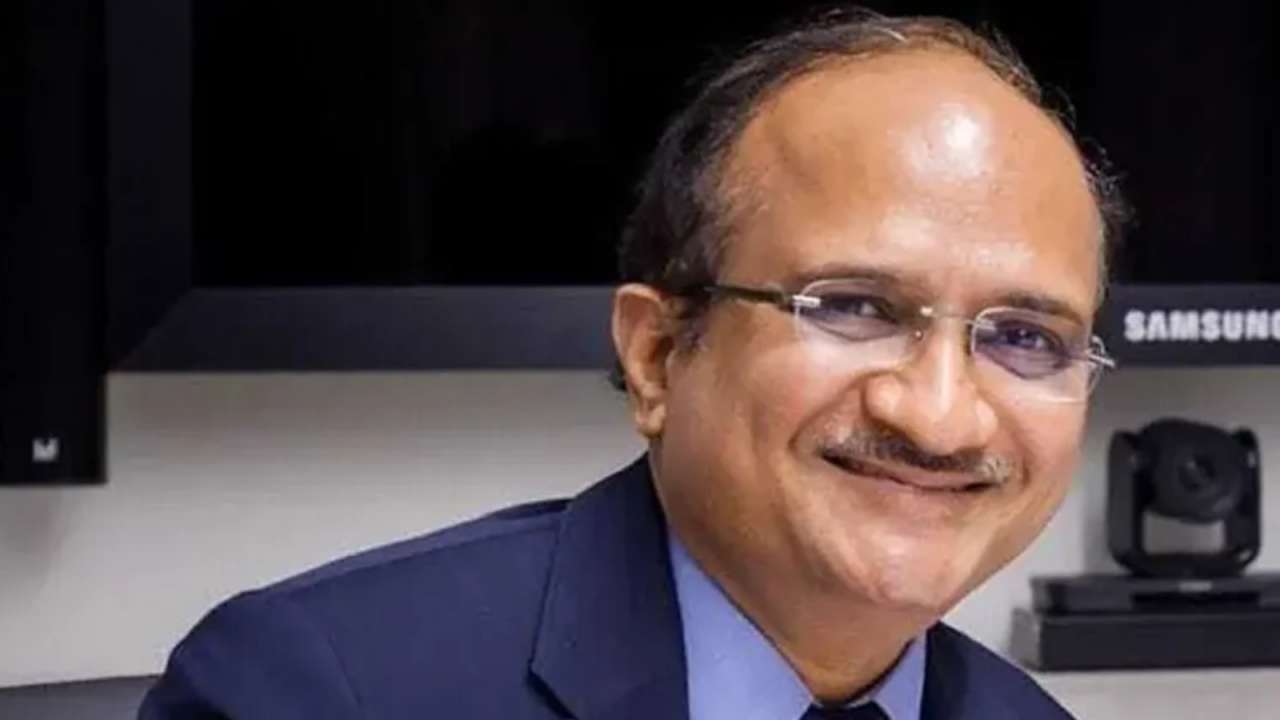 Five-year BTech programmes? Ex-IIT director makes proposals amid IIT suicide controversy
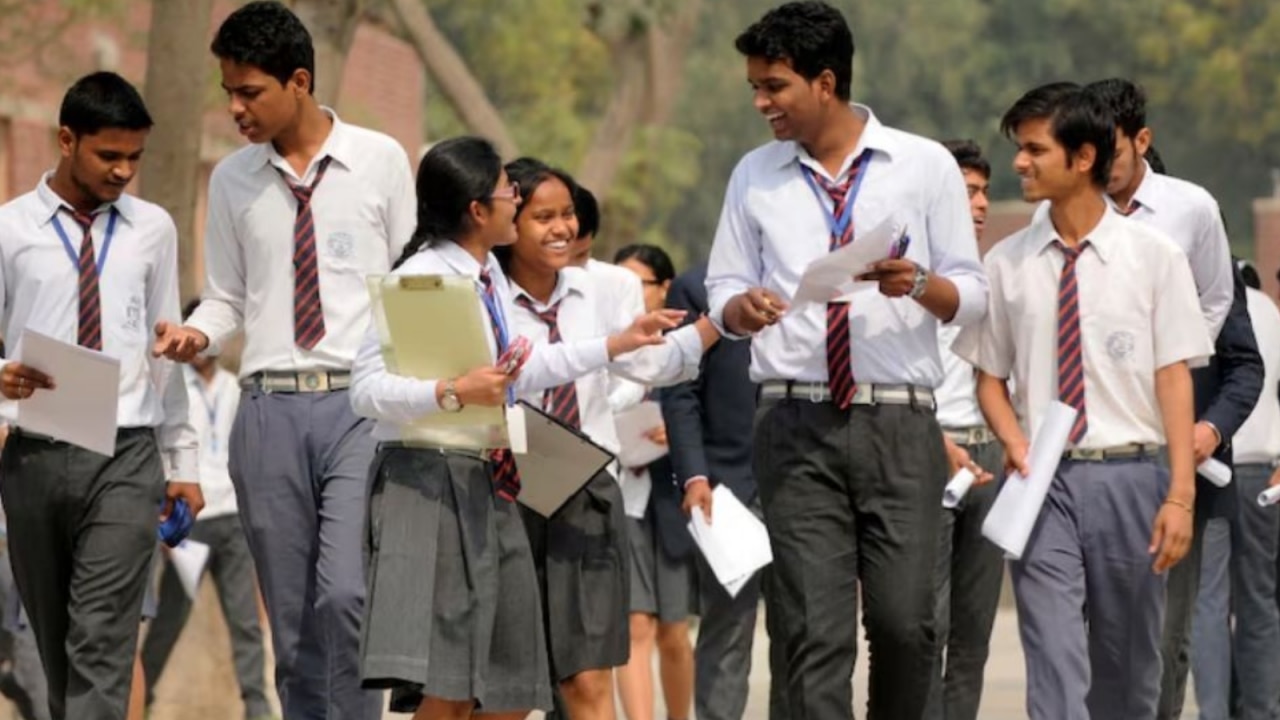 CBSE Date Sheet 2027: When will Class 10, 12 timetable be released? Check details here
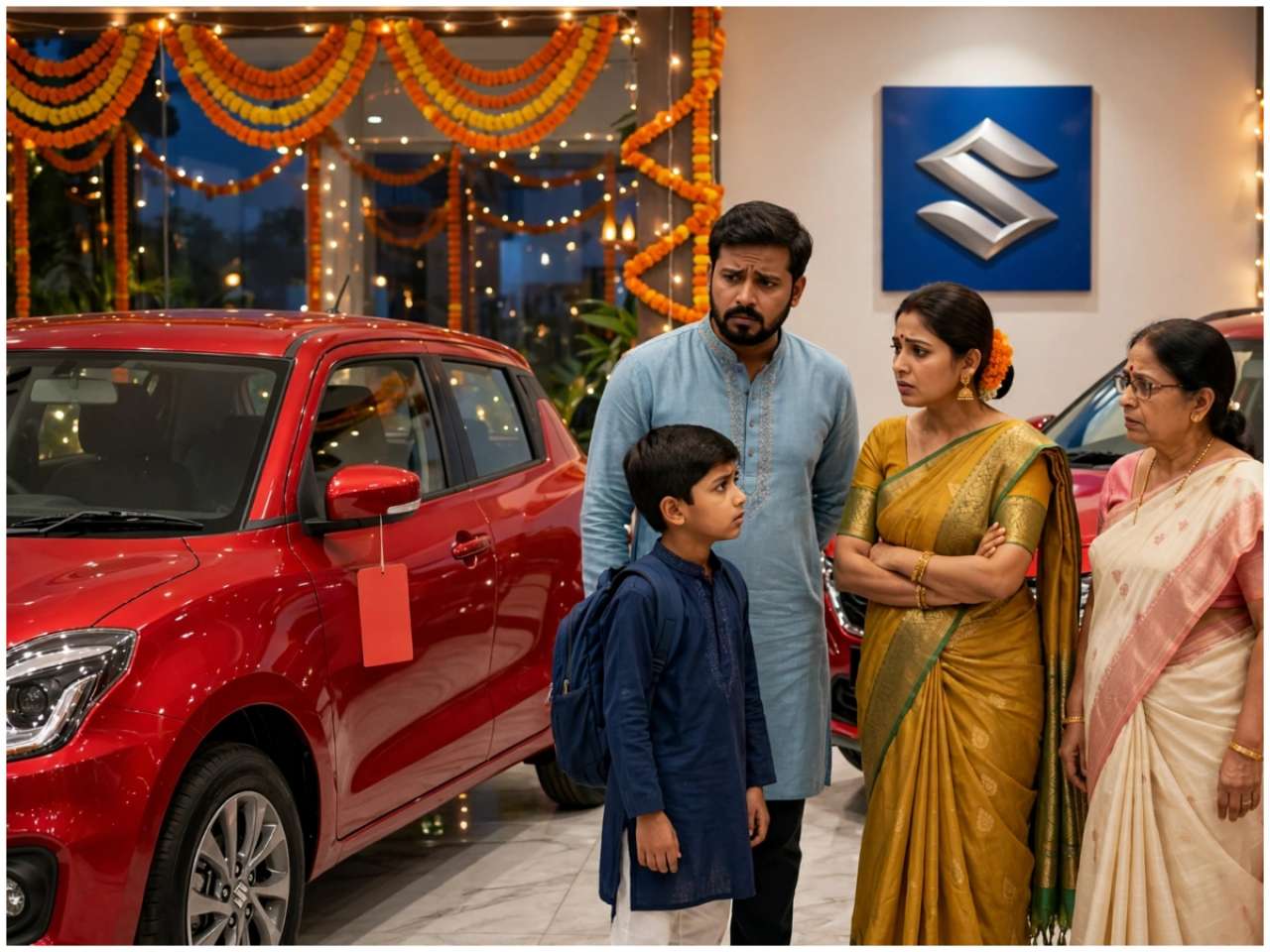 After Hyundai, Maruti Suzuki makes cars costlier ahead of festive season: Check new prices after hike
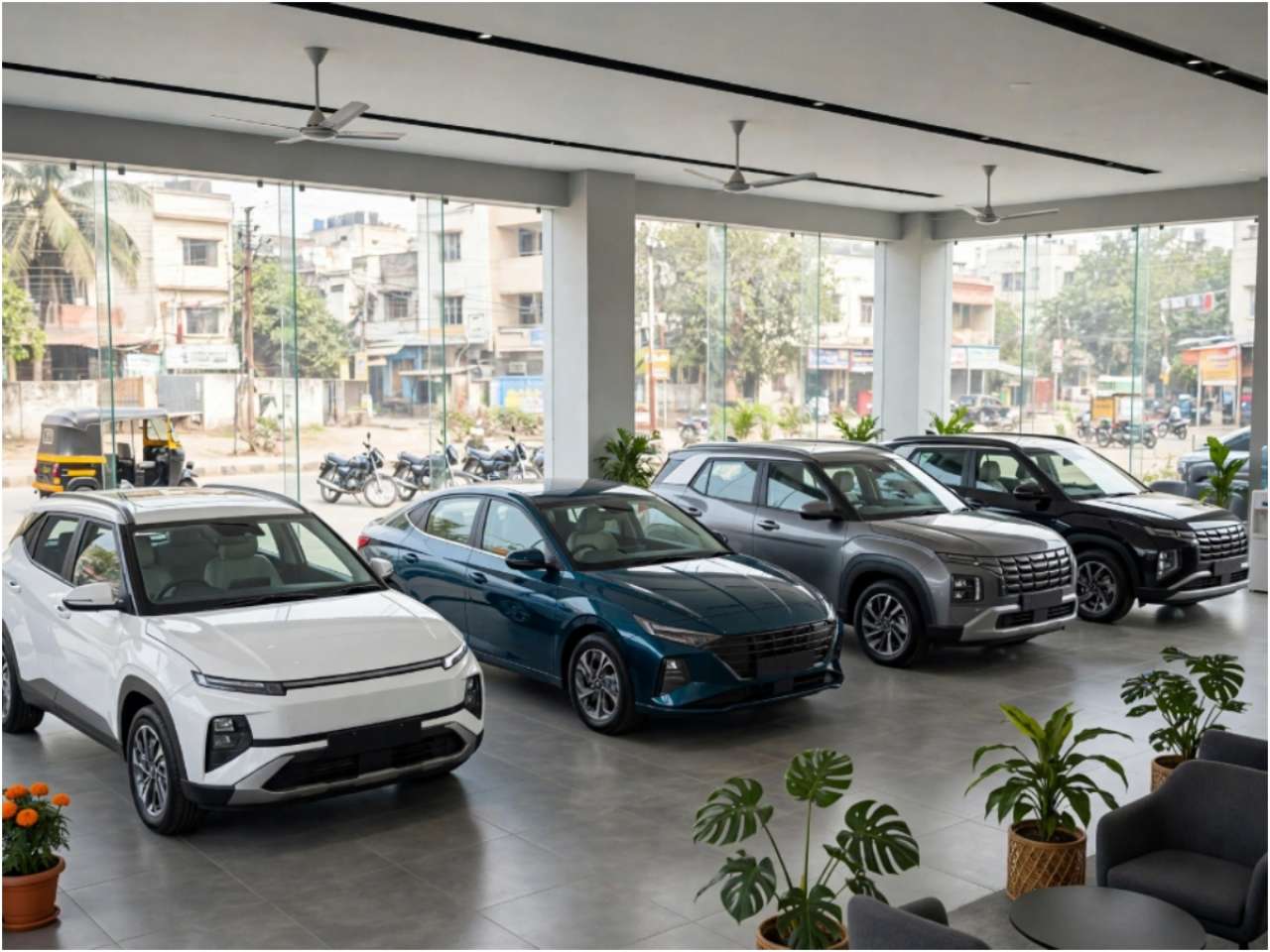 Hyundai cars to get costlier from September: Check new prices and reason behind hike
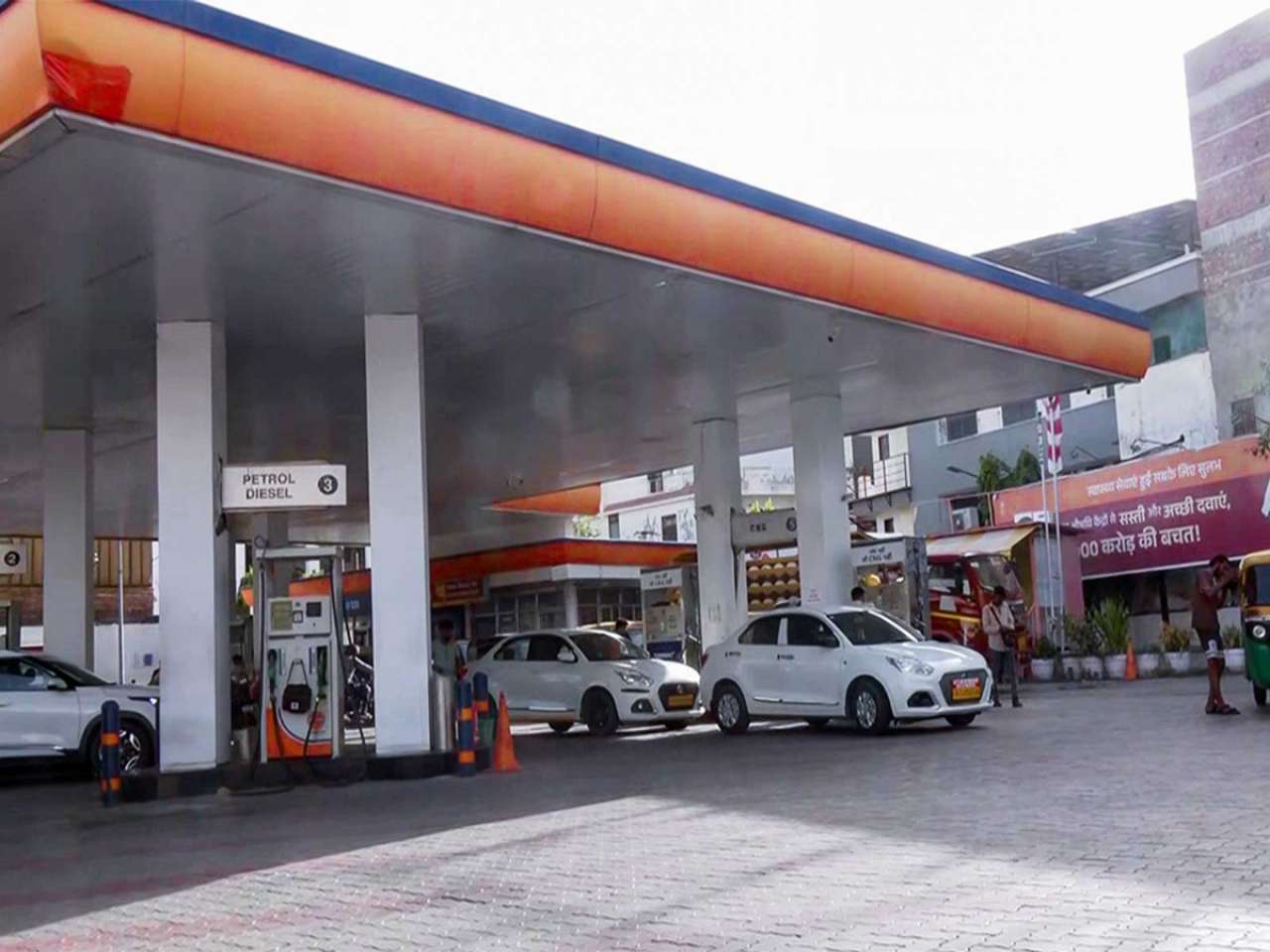 Why can't consumers choose pure petrol or E10? Centre explains why E20 is now the standard fuel
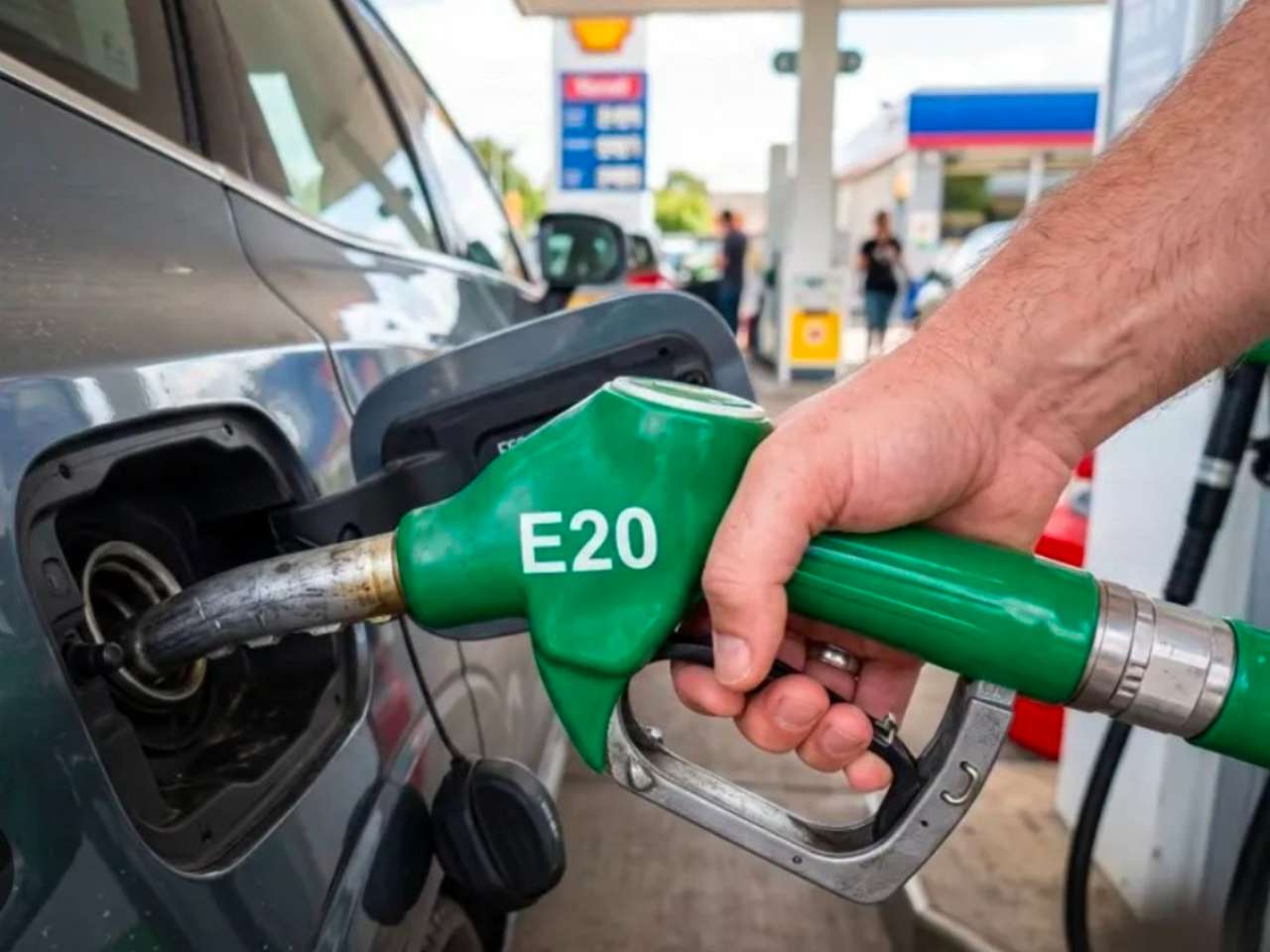 Centre claims E20 fuel does not damage engines, cites data from Maruti Suzuki and Hero MotoCorp
 Maruti WagonR Flex Fuel: What’s price of India’s first ethanol car? Specs, mileage, and top features explained
BUSINESS
The total expenditure of the central bank increased 107.84% on increase in printing expenditure for new notes

Updated : Sep 01, 2017, 07:20 AM IST




The Reserve Bank of India (RBI) has incurred massive expenditure from the demonetization exercise. The total expenditure of the central bank increased 107.84% to Rs 31,155 crore in 2016-17, primarily due to an increase in expenditure on the printing of new notes as part of remonetization of currency and provisions.
The costs of printing new currency were Rs 7,965 crore, about 133% higher than the cost the central bank incurred in the previous year when it had spent just Rs 3,421 crore. “Supply of notes during the year at 2,904.3 crore pieces was 37% higher than the total supply during the previous year. Supply of higher denomination notes during 2016-17 was 1,370.2 crore pieces, higher by 160%,” RBI's annual report, which was unveiled on Wednesday, said.
This further pushed up the provision for payables by Rs 684 crore to Rs 3,917 crore as on June 30, 2017, due to higher provisions on outstanding expenditure for printing of notes.
It is the increased expenditure and lower returns for its investments which contributed to RBI transferring just Rs 30,659 crore as dividend to the government, less than half of Rs 65,876 crore in the previous fiscal.
After a three-year pause, RBI also put aside Rs 13,140 crore to replenish its contingency fund to cushion any liabilities that it may have in future.
Managing the excess liquidity that banks deposited with the central bank also came with a pinching cost that resulted in a 17.11% decline in its net income for 2016-17 to Rs 43,232 crore (from Rs 52,157 crore) in the previous financial year due to higher expenditure on managing liquidity.
Interest on holding of rupee bonds increased by 25.85% from Rs 43,079 crore in 2015-16 to Rs 54,217 crore in 2016-17, that is the money that the central bank used to buy up securities from the banks to mop out the excess deposits of Rs 15.28 lakh crore that flooded into the banking system as people returned the demonetized notes.
The switch from non-interest bearing currency liabilities like government bonds to interest bearing deposits that the banks deposited with the central, coupled with a decline in the Reserve Bank’s credit to banks led to denting of its surplus. Usually, RBI lends money to banks under the repo window which also came to a standstill as banks were not borrowing during the two months of demonetization.
A comparison of the RBI’s balance sheet size pre- and post-demonetisation shows a decline of Rs 80,000 crore (2.4 %) during November 4, 2016, through March 31, 2017, as against an increase of Rs 4.7 lakh crore (16.1%) in the corresponding period a year ago.
The RBI annual report also shows that the income from income from foreign sources decreased by 35.27% from Rs 28,713 crore in 2015-16 to Rs 8,586 crore in 2016-17 mainly on account of the appreciation of the rupee and reduced premium income on the swaps that are in the nature of repo.
The net income from domestic sources decreased by 17.11% from Rs 52,157 crore in 2015-16 to Rs 43,232 crore in 2016-17 mainly due to higher net expenditure on interest under liquidity adjustment facility (LAF) on account of absorption of surplus liquidity in the banking system post withdrawal of Specified Bank Notes.