 Maatrubhumi trailer: Salman Khan leads emotional war drama, tells Chinese soldiers 'let's solve this sh*t bro'
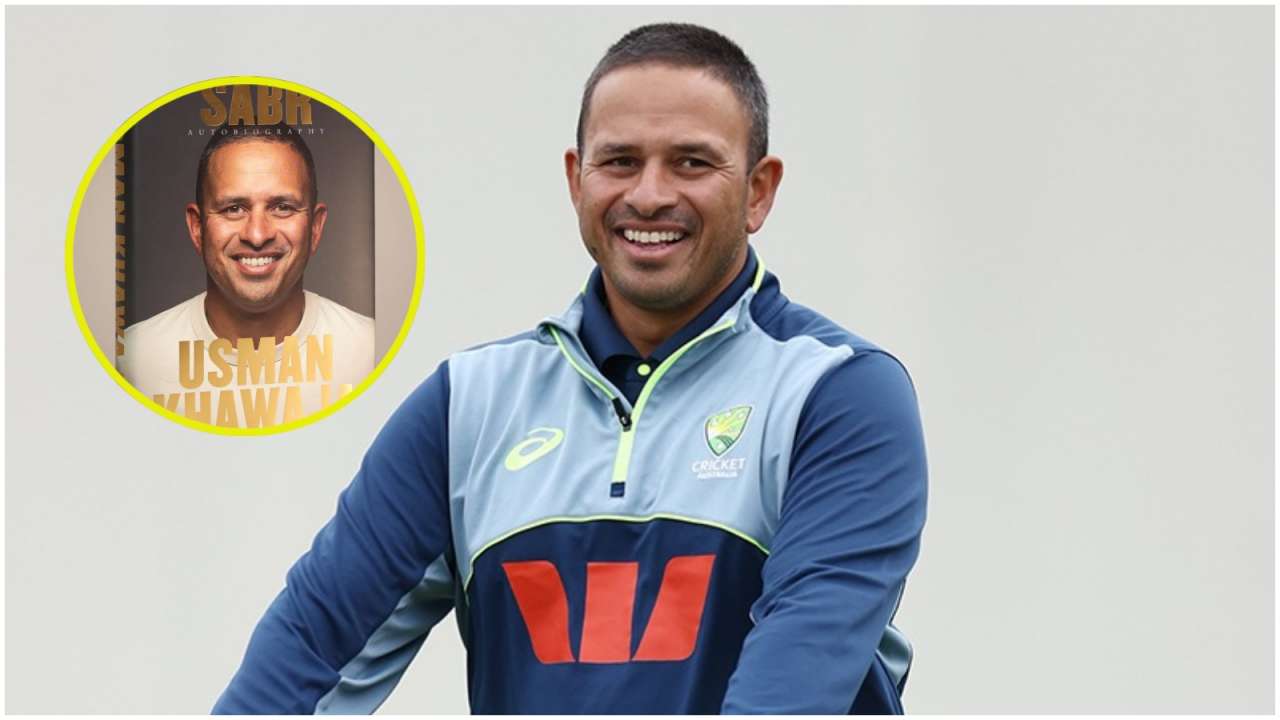 Why has Usman Khawaja reopened Australia's 2018 ball-tampering scandal? 'Not a witch hunt' remark explained
 Scene box office collection day 5: Suriya film sees major 40% dip but inches closer to Rs 100 crore in India
 Ramayana box office collection day 6: Ranbir Kapoor film crosses Rs 400 crore in India, earns Rs 800 crore worldwide
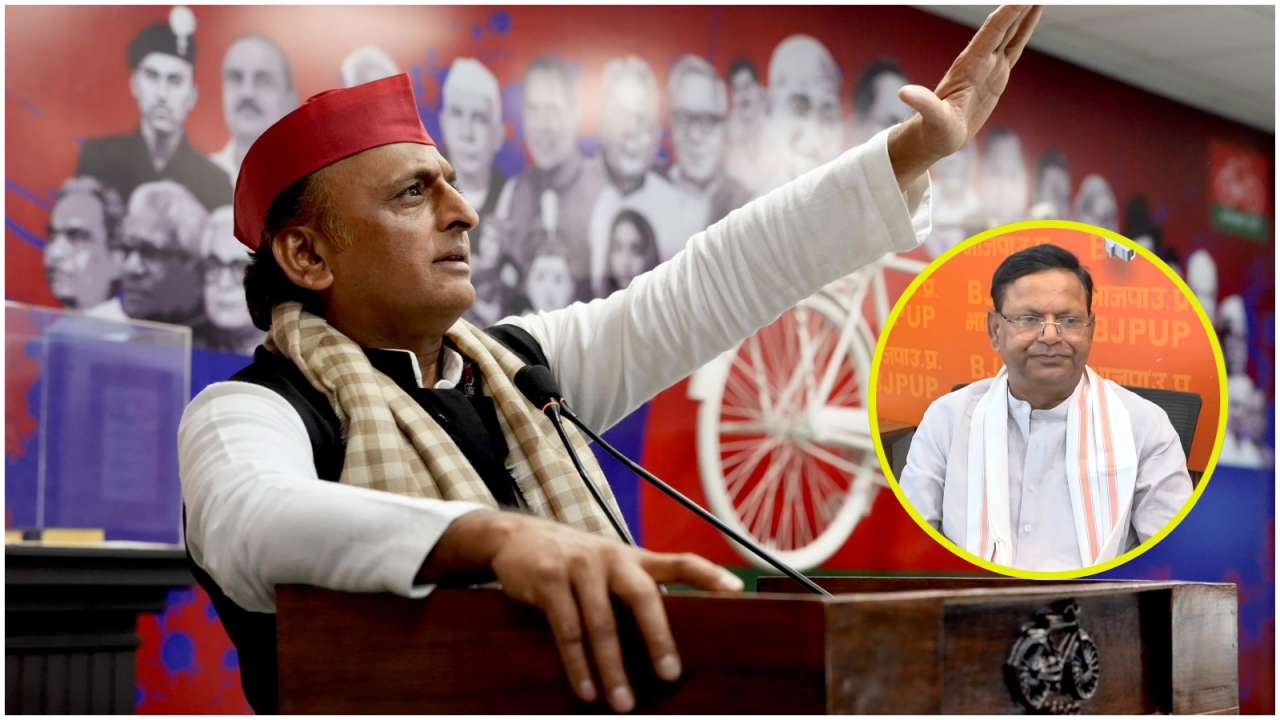 BJP asks Akhilesh Yadav to 'repent' before Ayodhya visit, SP chief hits back with fresh attackBJP asks Akhilesh Yadav to 'repent' before Ayodhya visit, SP chief hits back with fresh attack
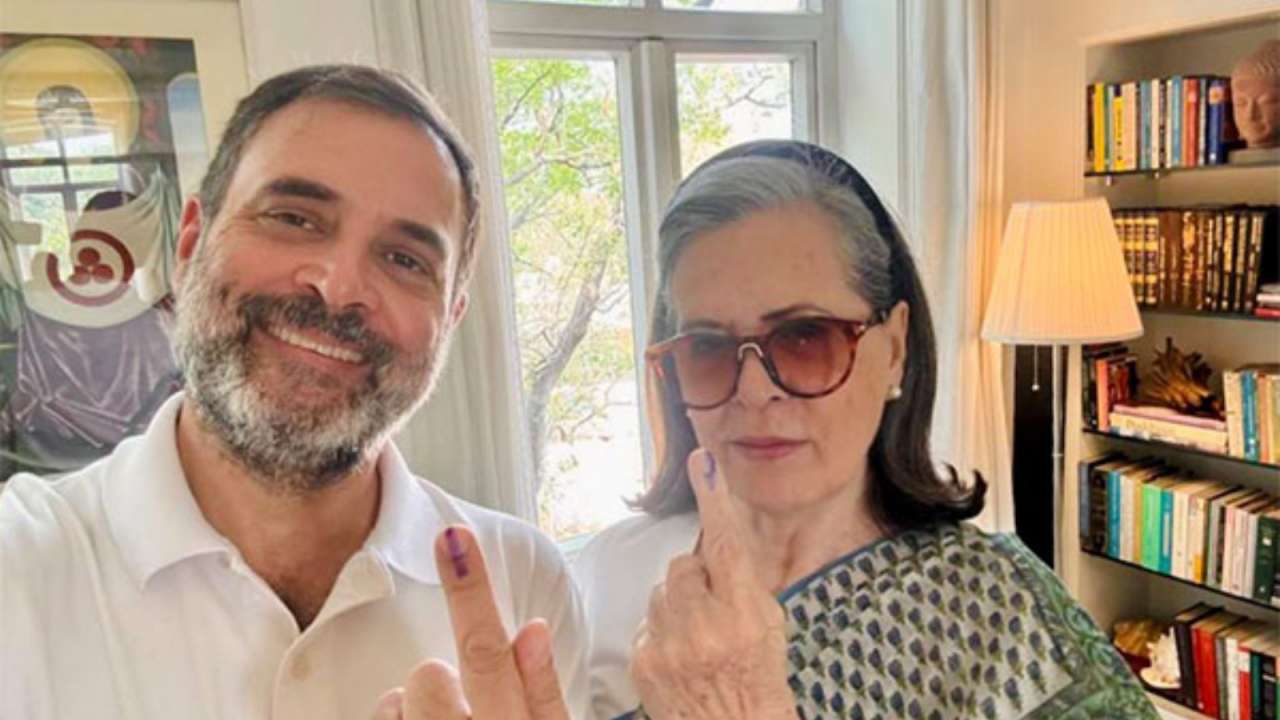 Before Rahul Gandhi, Sonia-Rajiv lost their first child: Memoir reveals heartbreaking tragedy, cruel newspaper remark
 ECI flags ‘sensitive’ objection over Akali Dal (Waris Punjab De) registration, awaits Punjab CEO report
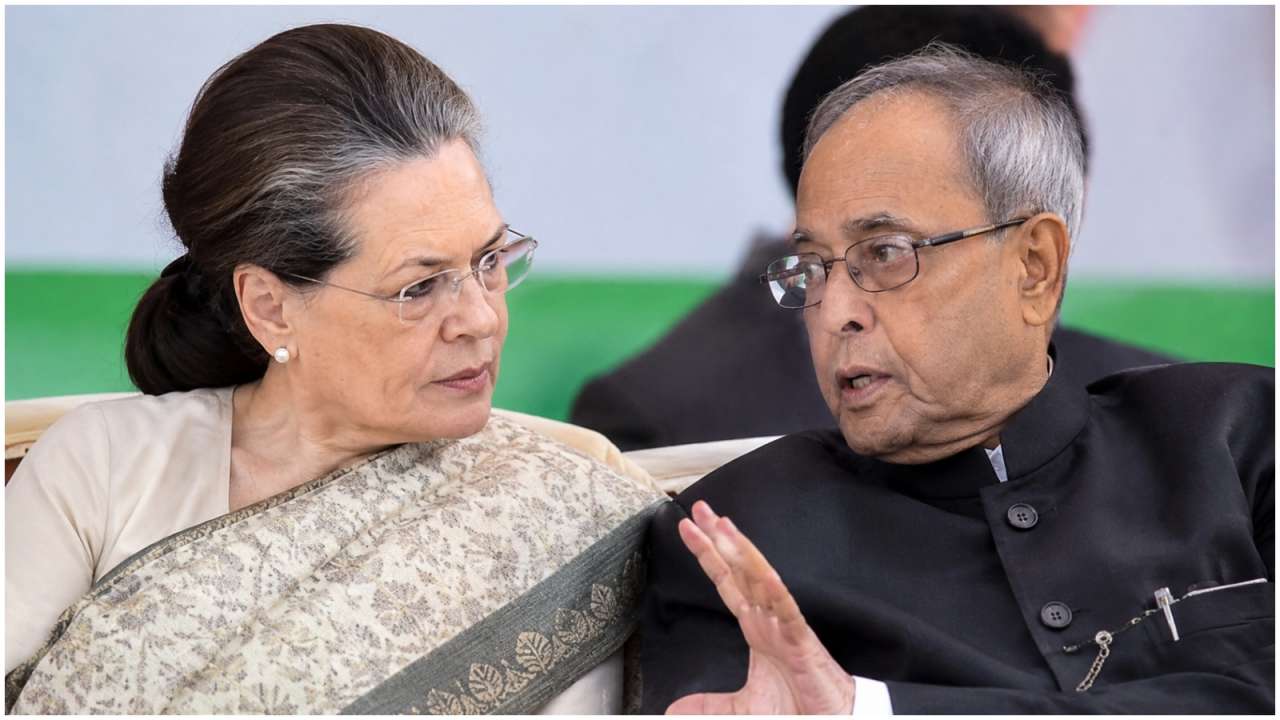 Pranab Mukherjee wanted to become PM? Sonia Gandhi recalls a surprising 2010 conversation
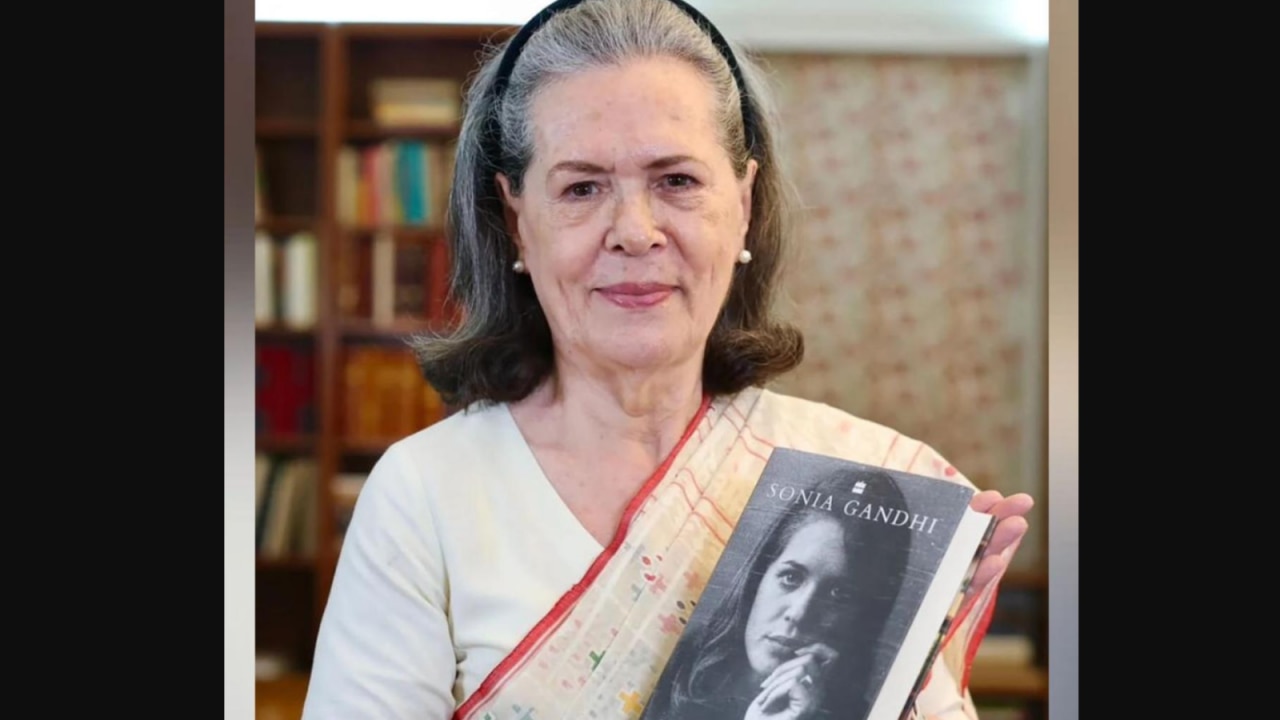 Sonia Gandhi memoir row: Congress cites Vajpayee, Advani's regret over Babri demolition to hit back at BJP
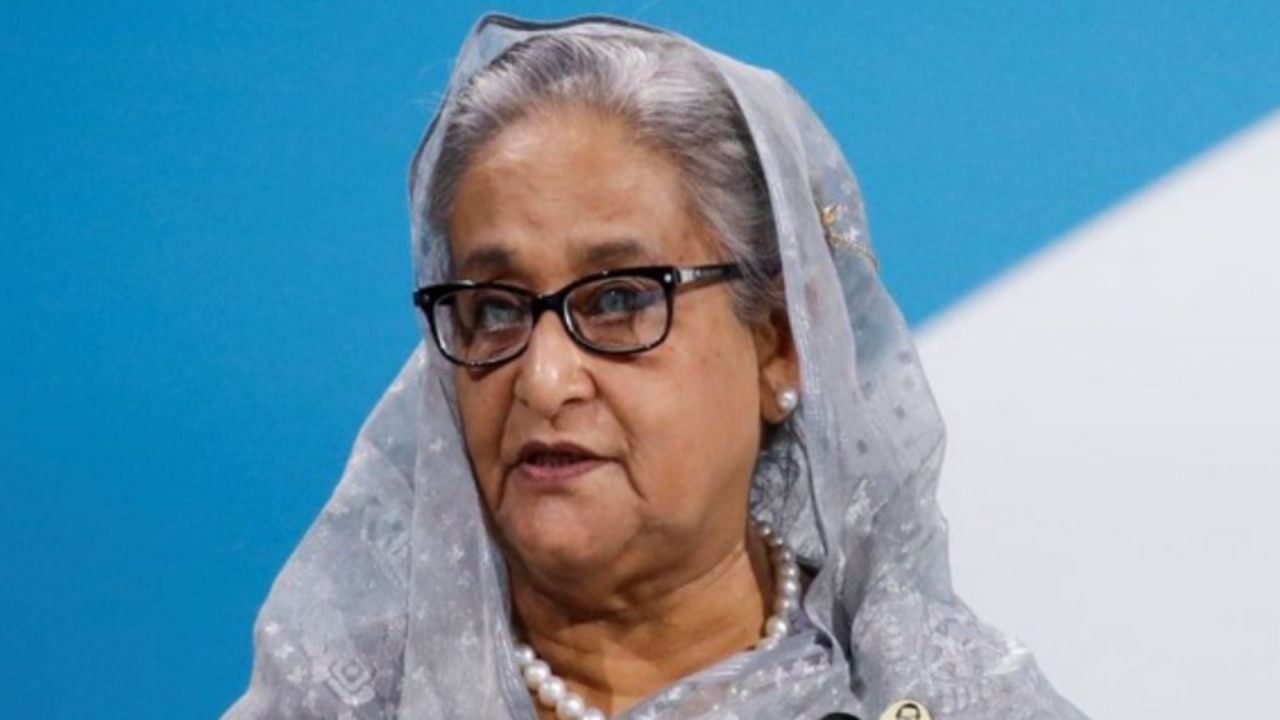 Sheikh Hasina return row: Bangladesh says death sentence must be executed if ex-PM comes home
 Trump praises Hegseth with 'A +++ grade’ as Pentagon chief faces impeachment calls
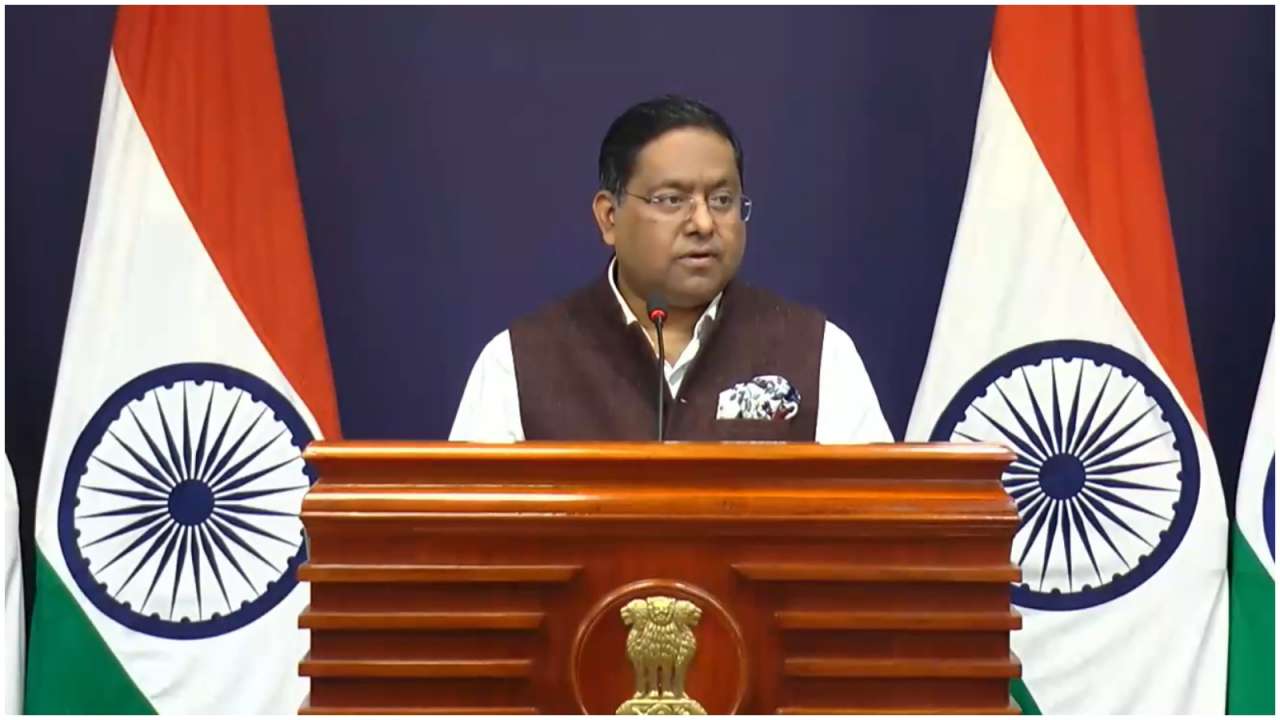 ‘Endless wars must give way to end of war’: What India said on Russia-Ukraine conflict
 Why are Chinese vloggers showing Dhaka streets as New Delhi in fake live feeds?
 Nvidia CEO Jensen Huang in spy controversy: How could it impact India’s AI ambitions?
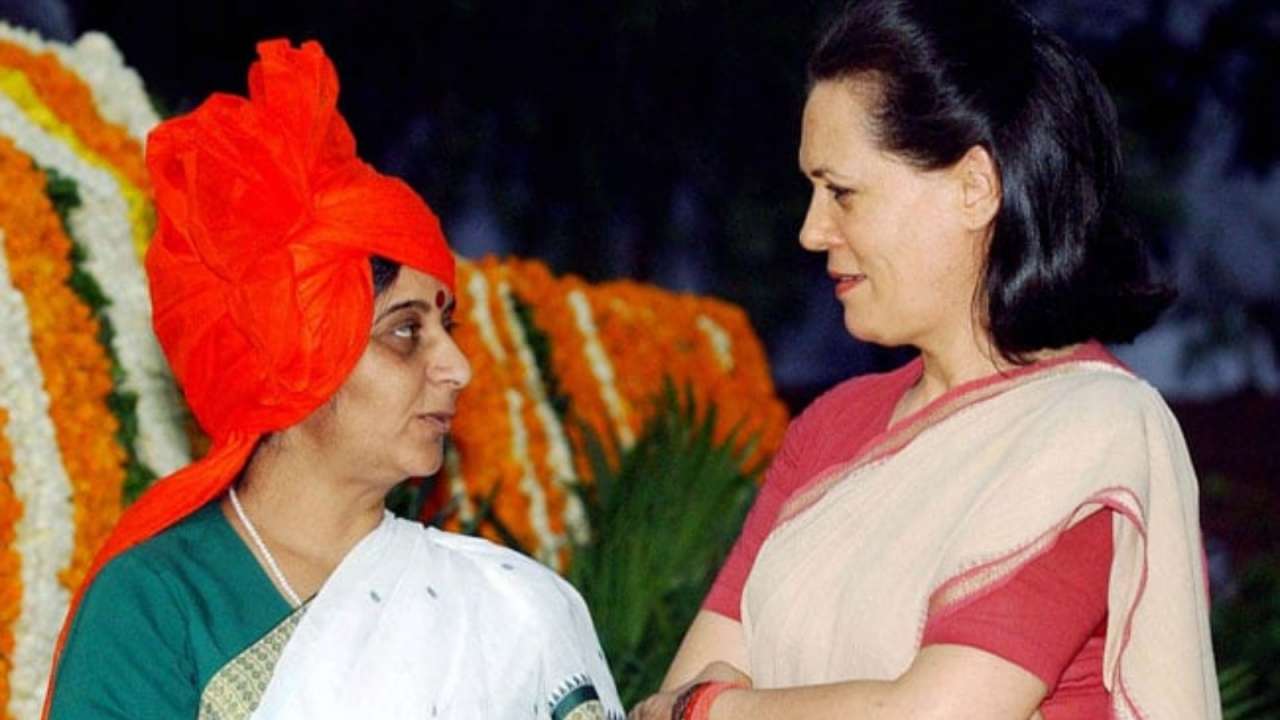 Was Sonia Gandhi afraid of BJP? Did ‘foreign origin’ campaign force her to decline PM's office? Her autobiography drops BIG hint
 Why Sonia Gandhi refused to become PM: Rahul's angry reaction, Priyanka's tears and the dramatic night that changed India
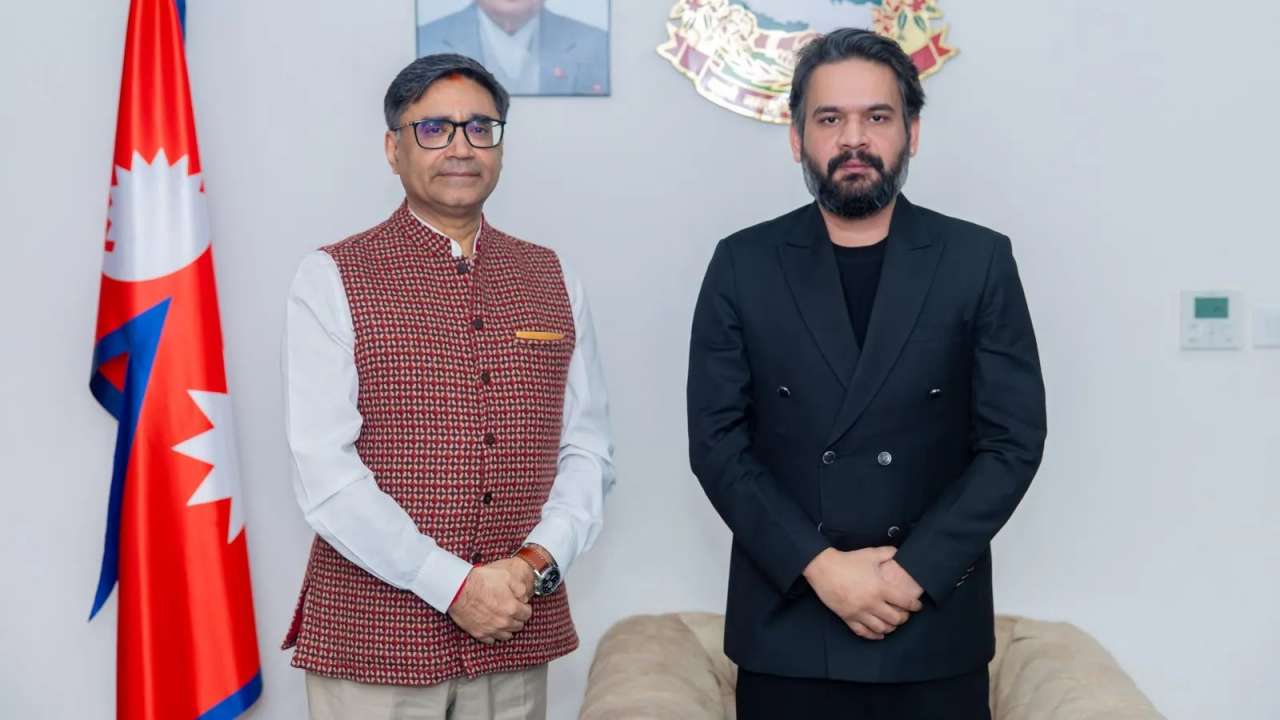 Foreign Secretary Vikram Misri Visits Nepal, Meets PM Balendra Shah
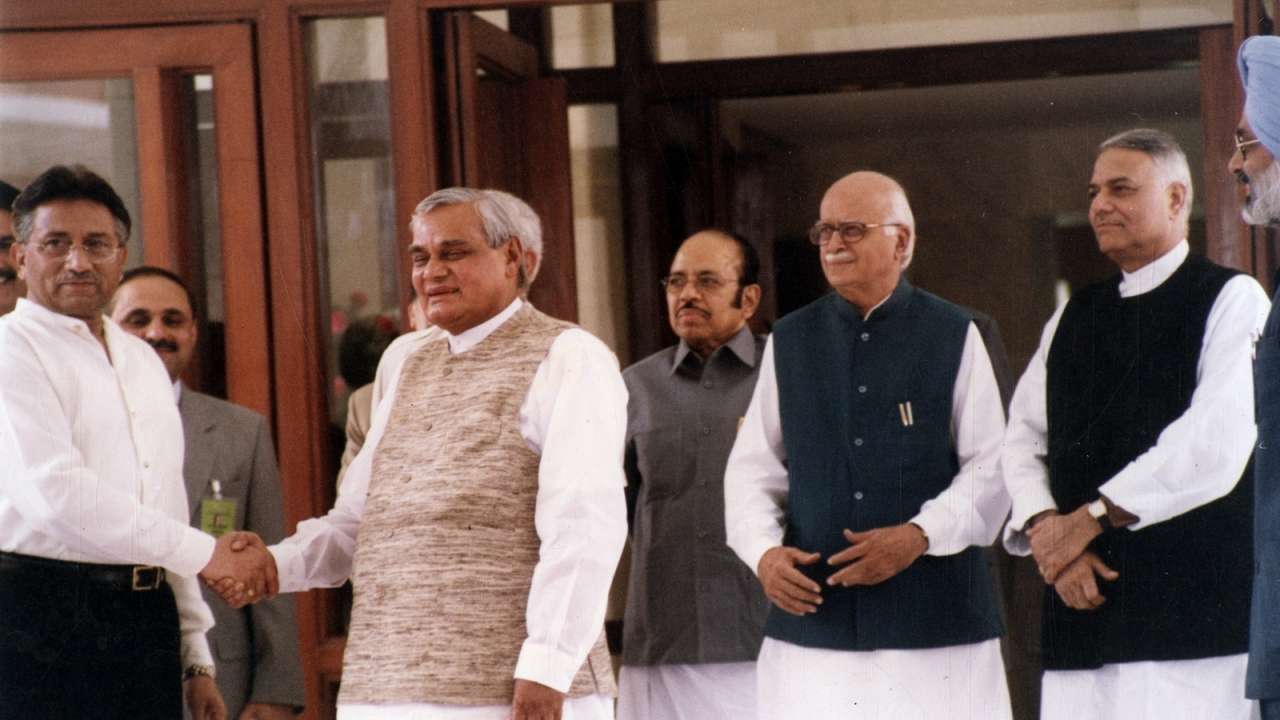 Born in Pakistan, praised Jinnah, abandoned by party: The untold story of LK Advani at 100
 Delhi AQI at 370, 1,000 or even 2,000 after Diwali? Why pollution readings show wildly different numbersMaatrubhumi trailer: Salman Khan leads emotional war drama, tells Chinese soldiers 'let's solve this sh*t bro'Scene box office collection day 5: Suriya film sees major 40% dip but inches closer to Rs 100 crore in IndiaRamayana box office collection day 6: Ranbir Kapoor film crosses Rs 400 crore in India, earns Rs 800 crore worldwide
 Diljit Dosanjh's Indore concert receives bomb threat email after singer dismisses cancellation rumours
 Saranagati: Hombale Films announces biopic on ISKCON founder after Hanuman Ansh, Mahavatar Narsimha succeed at box office
 Anthropic launches IPO roadshow: 825 million shares on offer, check price and key details
 Rupee climbs to 7-month high, gains 93.70 against US dollar in early trade
 Dhanteras 2026: Are banks open or closed on November 6? Check RBI holiday list
 Why did Sensex surge over 2,000 points, Nifty rally 576 points today?
 Diwali Muhurat Trading 2026: What investors need to know about date, timings and settlementWhy has Usman Khawaja reopened Australia's 2018 ball-tampering scandal? 'Not a witch hunt' remark explained
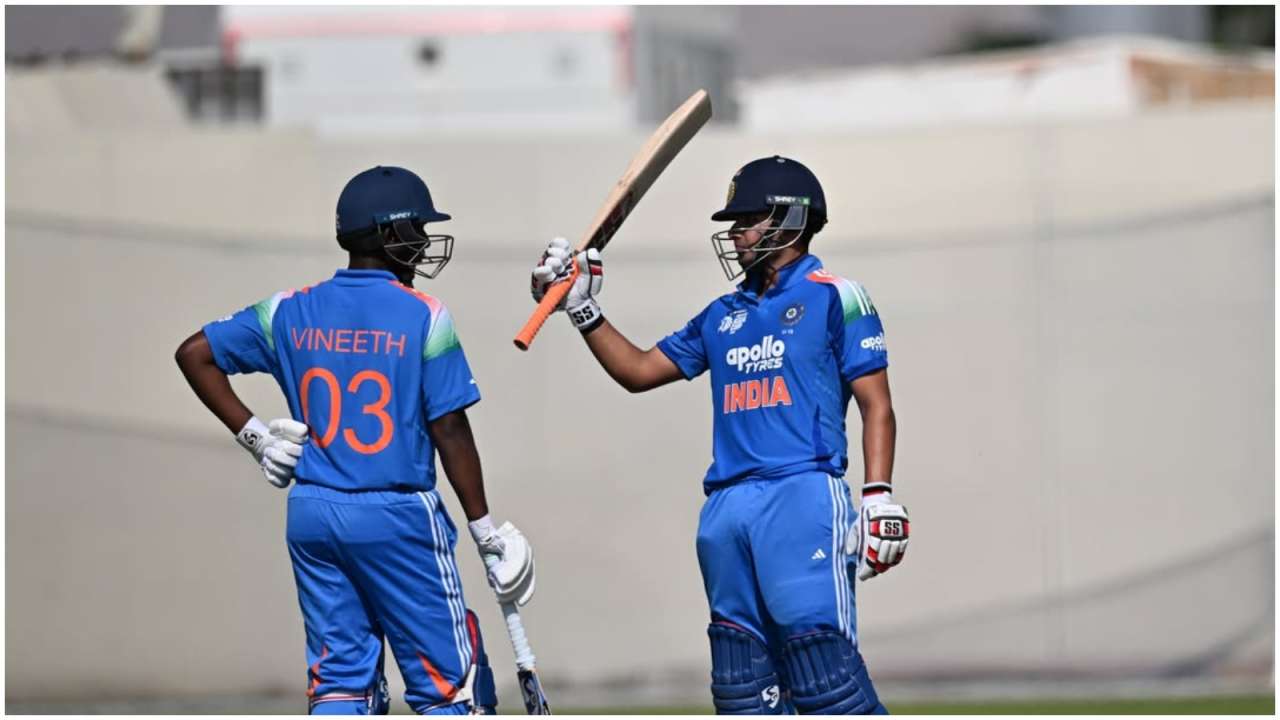 Virender Sehwag's son smashes 160 as India defeat UAE to enter U19 Asia Cup semis
 Is Michael Carrick losing the Manchester United job? Club reportedly explores replacements
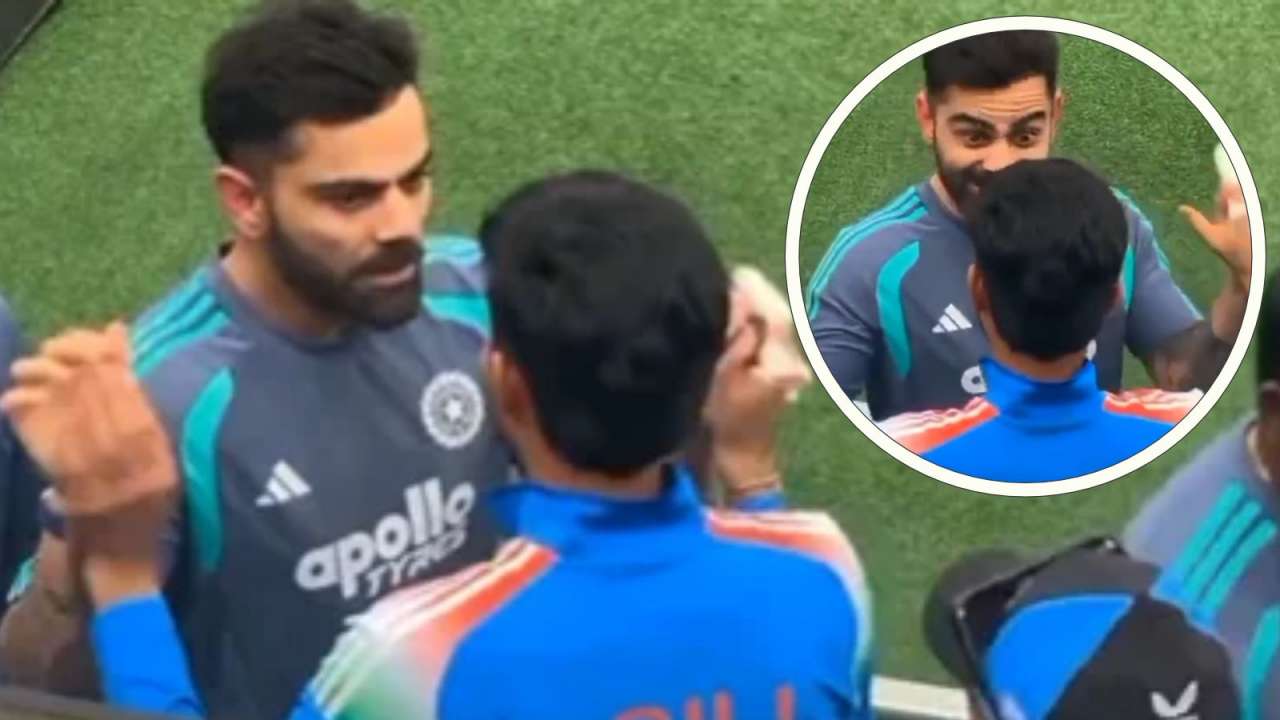 Watch: Virat Kohli, Shubman Gill turn handshake into hilarious ‘kushti’ match after rain-hit ODI
 IPL 2027 Big Trade: Arshdeep Singh to leave PBKS? Hardik Pandya's place in MI remains doubtful
 Jensen Huang News: Nvidia CEO Loses $7.4 Billion In 30 Minutes, Drops 2 Spots In Forbes Rich List
 Bhai Dooj 2026: Check Date, Time Check Shubh Muhurat, Tilak Timings, Puja Rituals
 Bangladesh News: 'Fugitive Terr*rist...' Dhaka Slams Hasina's Passport Demand, Calls For Extradition
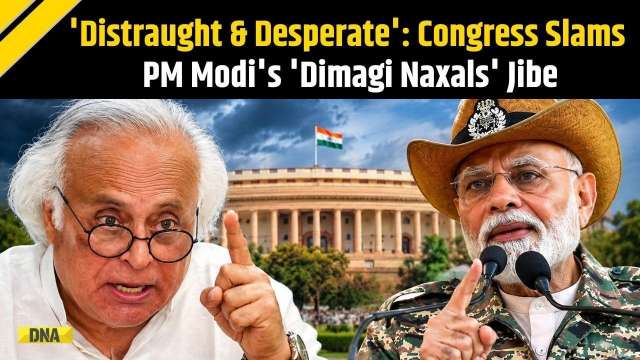 Congress vs PM Modi Row: 'Jhola-Picking-Up Time' Remark, Bastar Address & Political Reactions
 Nvidia Scandal: The Megaspeed Connection, Alice Huang Ties & Jensen Huang’s Affair
BUSINESS
The week started with release of Q3 data that showed India’s current account deficit widened to 1.4% of GDP as against 0.6% the previous quarter

Updated : Mar 24, 2018, 04:43 AM IST



Indian benchmark bond yield closed financial year 2017 tad higher than one had expected it to at the beginning of January 2017.
However, viewed against changing economic perspectives and market dynamics, participants would heave a sigh of relief and look back with satisfaction that on a year-over-year basis, the benchmark yield was 76 basis or nearly three quarter of a percent lower.
The week started with release of Q3 data that showed India’s current account deficit widened to 1.4% of GDP as against 0.6% the previous quarter.
Although this looks bad sequentially, the overall position appears to be under control and the full year deficit is expected to be well under 1%. The benefits of softening crude prices have been offset by strengthening rupee, and therefore lower earnings from services.
Bond markets finally got details of the government’s borrowing program for the first half of financial year 2018. Spread over 24 auctions, government is expected to mop up Rs 3.72 lakh crore on gross basis. Adjusted for redemptions, the net borrowing is likely to be around Rs 2.3 lakh crore.
While this was on expected lines, traders would focus more on the trajectory of inflation in the coming months and Reserve Bank of India’s policy response thereof. The Monetary Policy Committee meets this week on the April 5 and 6 to decide on
policy changes while the Indian banking industry starts the new fiscal with the epic merger of five associates with State bank of India, country’s largest PSU bank.
While no major changes are expected from the April policy, announcement of some measures to address the surfeit of liquidity in the system should be a possibility.
Speculations are rife about introduction of Standing Deposit Facility (SDF), which was expected to replace reverse repo as the floor of the rate corridor, when the concept of SDF was announced in 2014.
With the current reverse repo rate virtually embracing the repo rate and rendering the corridor less operative, the pricing of Standing Deposit Facility will be an interesting development.
One of the significant events of financial year 2017 was the sharp surge in borrowing by State governments – state development loans (SDLs) – which rose nearly 30% over previous year
However, for the financial year 2018, this is expected to be higher by a mere 12% and one of the wish-lists for the investor community has been re-issuances of state development loans, that would enhance liquidity.
Spreads between the sovereign and state bond has increased to nearly 90 basis from 55 basis a year ago.
The rupee continued its strengthening course and diverged from the usual year end weakening phenomenon. While the rupee’s gain is in line with the broader dollar weakness against emerging market currencies, softening crude prices, decline in inflation in the last six months and some recalibration on broader approach to real effective exchange rate (with more emphasis on regional trade partners), must be considered as key factors.
Global investors have acknowledged the landslide victory in state elections as an enabler for speedier macro reforms, making India a favourable investment destination. The first few months of the new fiscal will see sideways range in the key benchmark yields, until the new 10-year benchmark arrives in early May.
In global markets, it was a beginning of an end for the UK membership in European Union.
By triggering provisions of Article 50, the process for a two-year long negotiation commences. Further last week, the Scottish parliament voted 69–59 authorising a second referendum on independence from the UK.
The week ahead promises to provide great opportunities for the ones looking for volatility, since in addition to India’s policy announcements by the Reserve Bank of India, we have Bank of Japan’s Tankan Report, US FOMC minutes of its March meeting, Trump-Xi meeting and finally, the monthly non-farm payroll report from the US.
Indian bond yields should trade in a 6.67-6.77 range for a large part of the week.
The writer is executive director, Lakshmi Vilas Bank