 Ramayana box office collection day 11: Ranbir Kapoor film mints Rs 1380 crore, beats Dhurandhar lifetime haul
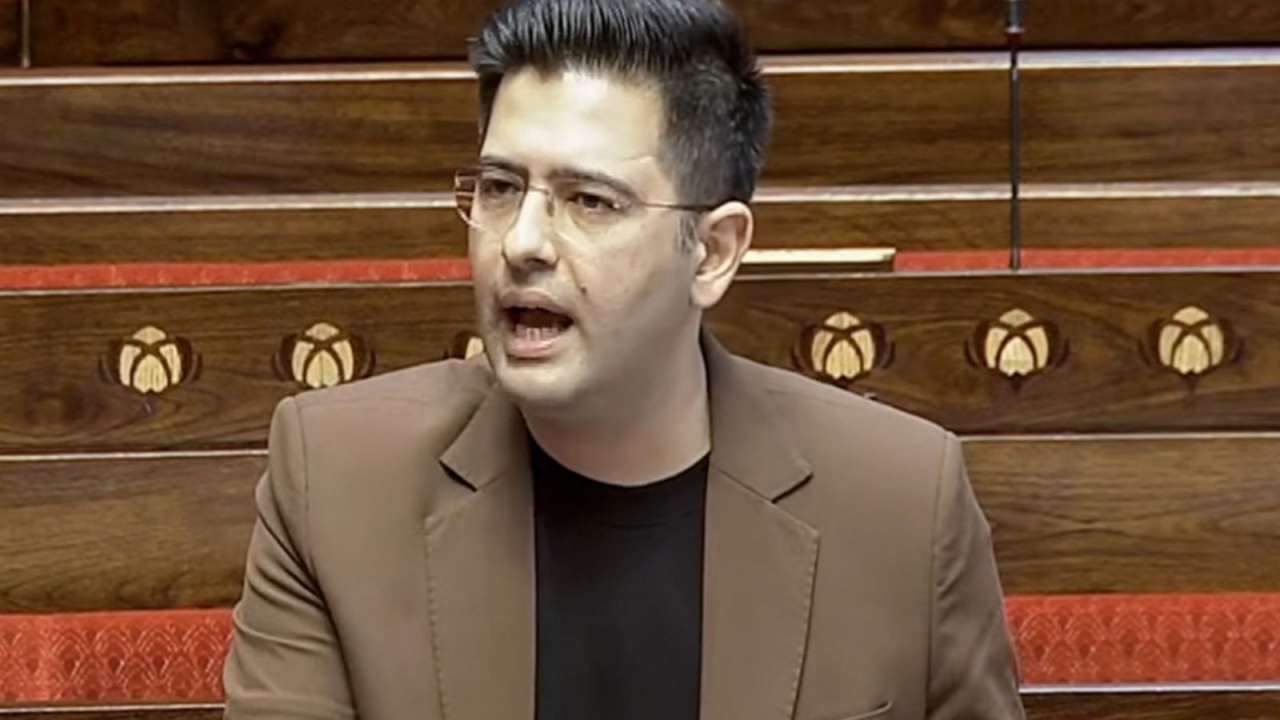 Raghav Chadha gets key role in Punjab BJP's manifesto panel ahead of 2027 assembly polls
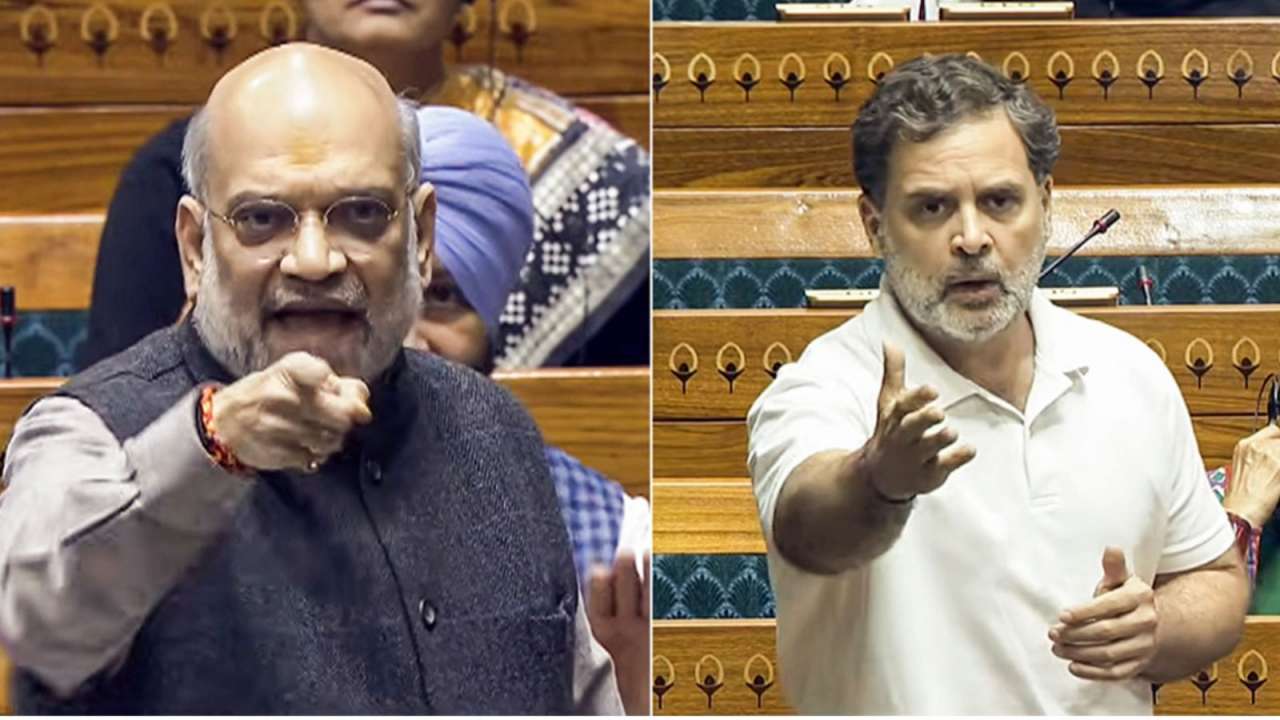 Amit Shah targets Rahul Gandhi over foreign visits, warns Congress of 30 more years in Opposition
 Jensen Huang-Alice Huang Controversy: Nvidia Customer Megaspeed says Chinese executive exited in 2025
 Scene box office collection day 10: Suriya film beats Vishwanath and Sons to become his second highest-grossing movieRaghav Chadha gets key role in Punjab BJP's manifesto panel ahead of 2027 assembly pollsAmit Shah targets Rahul Gandhi over foreign visits, warns Congress of 30 more years in Opposition
 Fifth encounter in six months: Bengal Police shoot dead ‘criminal’ accused of opening fire at police officer
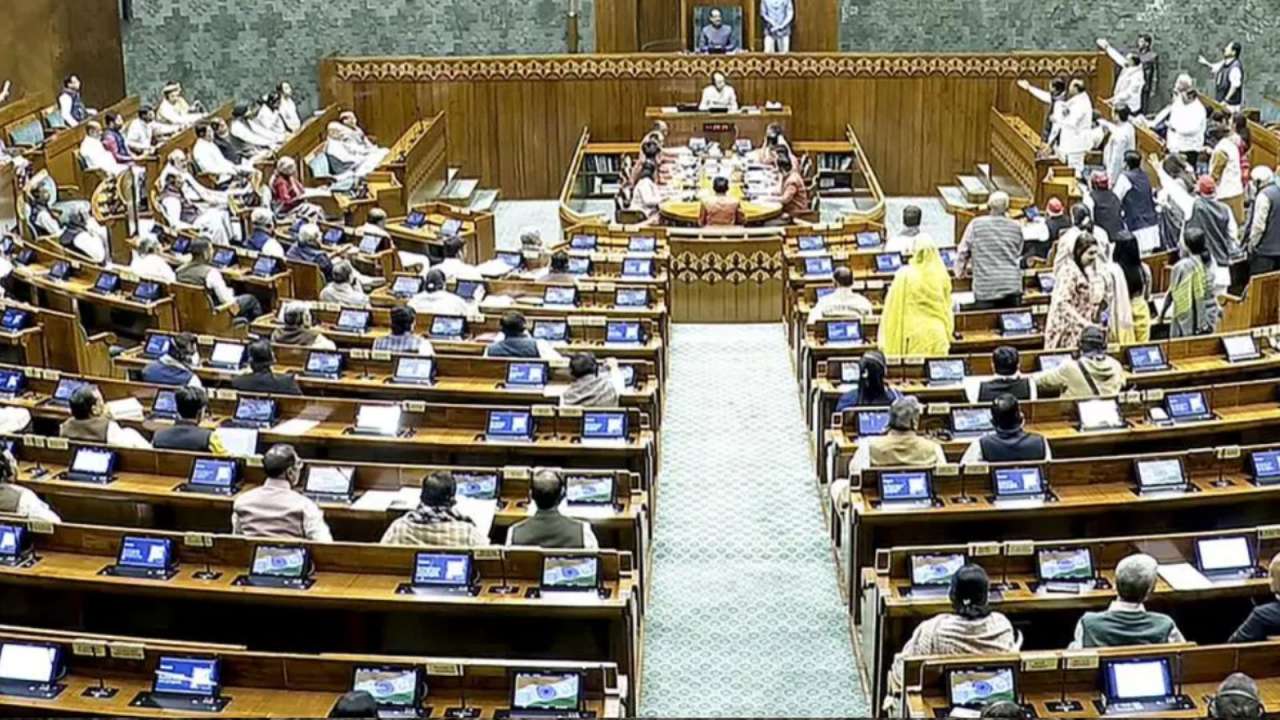 Parliament Winter Session likely in December: Women's Reservation Bill, SIR row in focus
 Chhath Puja 2026: Delhi Metro to begin services 90 minutes early on November 16Jensen Huang-Alice Huang Controversy: Nvidia Customer Megaspeed says Chinese executive exited in 2025
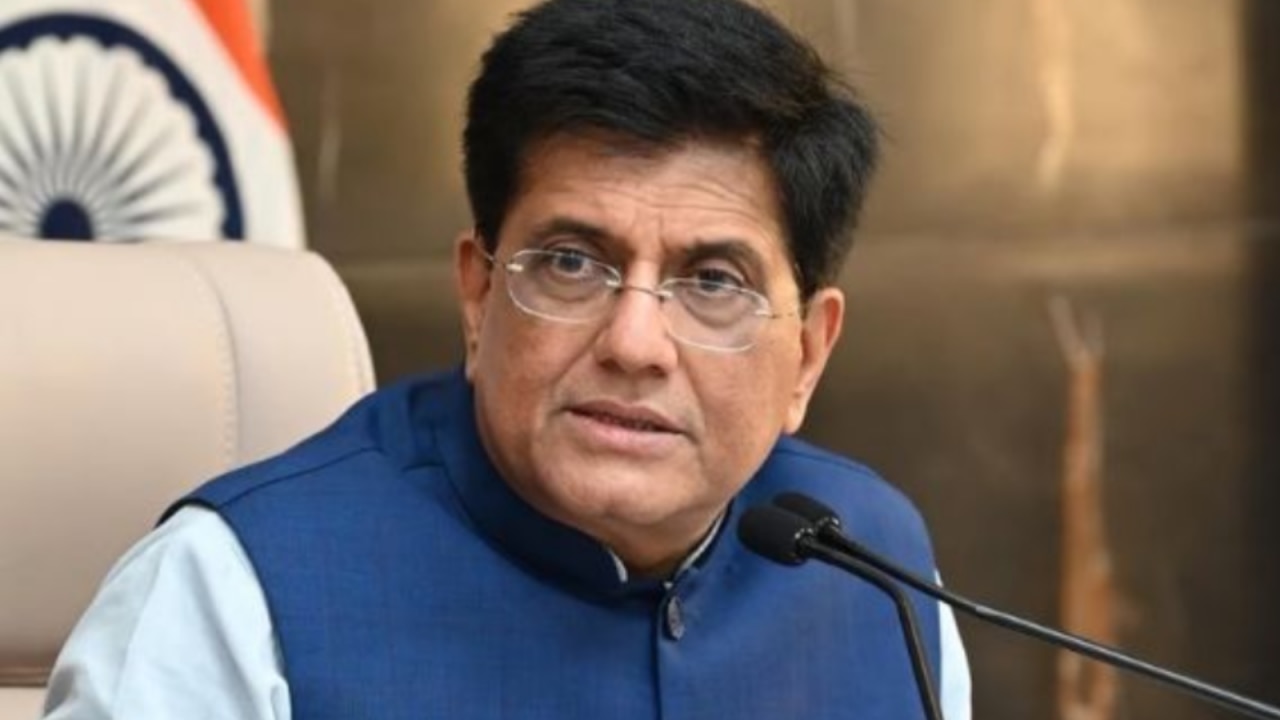 India to get lower US tariffs than competitor countries, Piyush Goyal says
 China aircraft enters Indian airspace over Sikkim, ignores warnings for 25 minutes
 Iran accuses US of 'threatening to starve' people as Trump intensifies economic pressure
 What changes at Nvidia after Jensen Huang's exit? Elon Musk warns of lost deals, Trump disclosed stock investments
 Microsoft Global Outage: Why did Outlook stop working? How were airlines in India affected?
 Nvidia After Jensen Huang: Will India's AI dream face chip shortage or open door for new rivals?
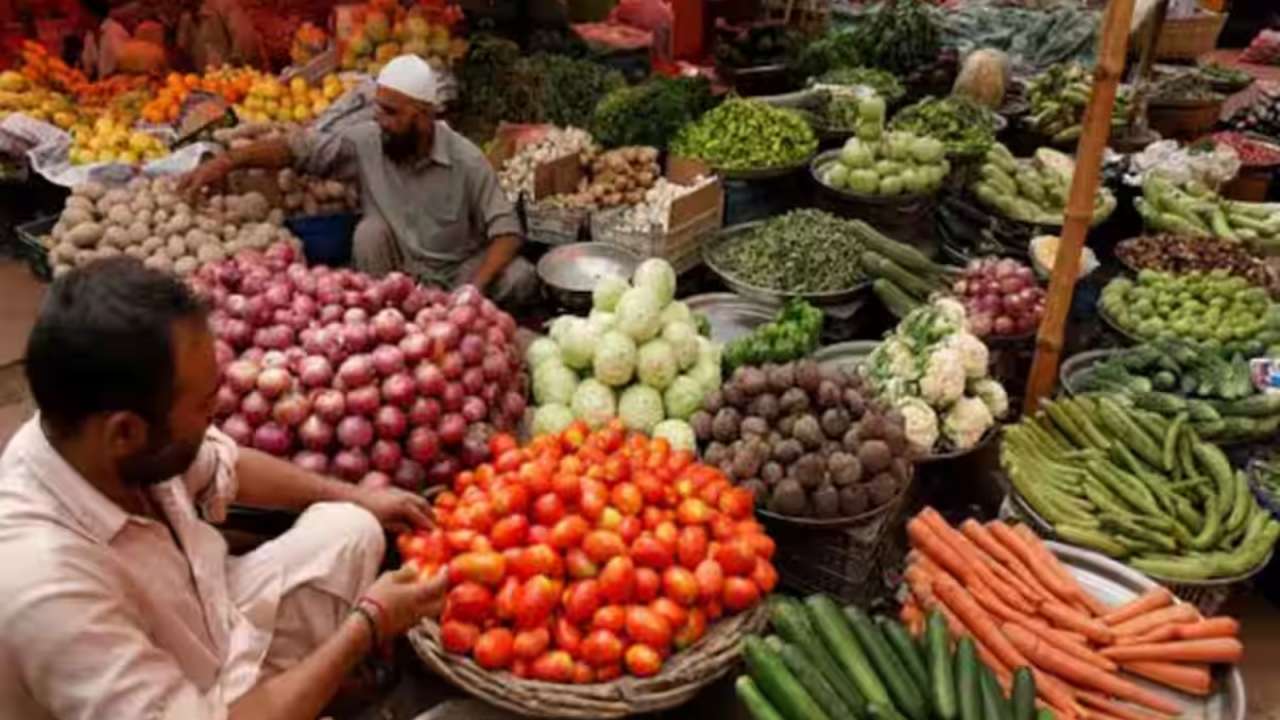 Why does inflation soar to 6.09% despite falling fuel prices, US-Iran war halt? RBI's next move under focus
 UP Elections 2027: Will Asaduddin Owaisi and Chandrashekhar Azad defeat BJP or help Yogi win?
 From Nvidia CEO Jensen Huang to top officials: 5 Alleged Chinese 'honey trap' cases that shocked worldRamayana box office collection day 11: Ranbir Kapoor film mints Rs 1380 crore, beats Dhurandhar lifetime haulScene box office collection day 10: Suriya film beats Vishwanath and Sons to become his second highest-grossing movie
 Ramayana: Kunal Kapoor thanks fans across India, Thailand and Southeast Asia for overwhelming love for Lord Indra role
 Rashami Desai's ex-husband Nandish Sandhu marries Kavita Banerjee in traditional Bengali wedding
 Ramayana box office collection day 11: Ranbir Kapoor, Yash film crosses Rs 750 crore in India
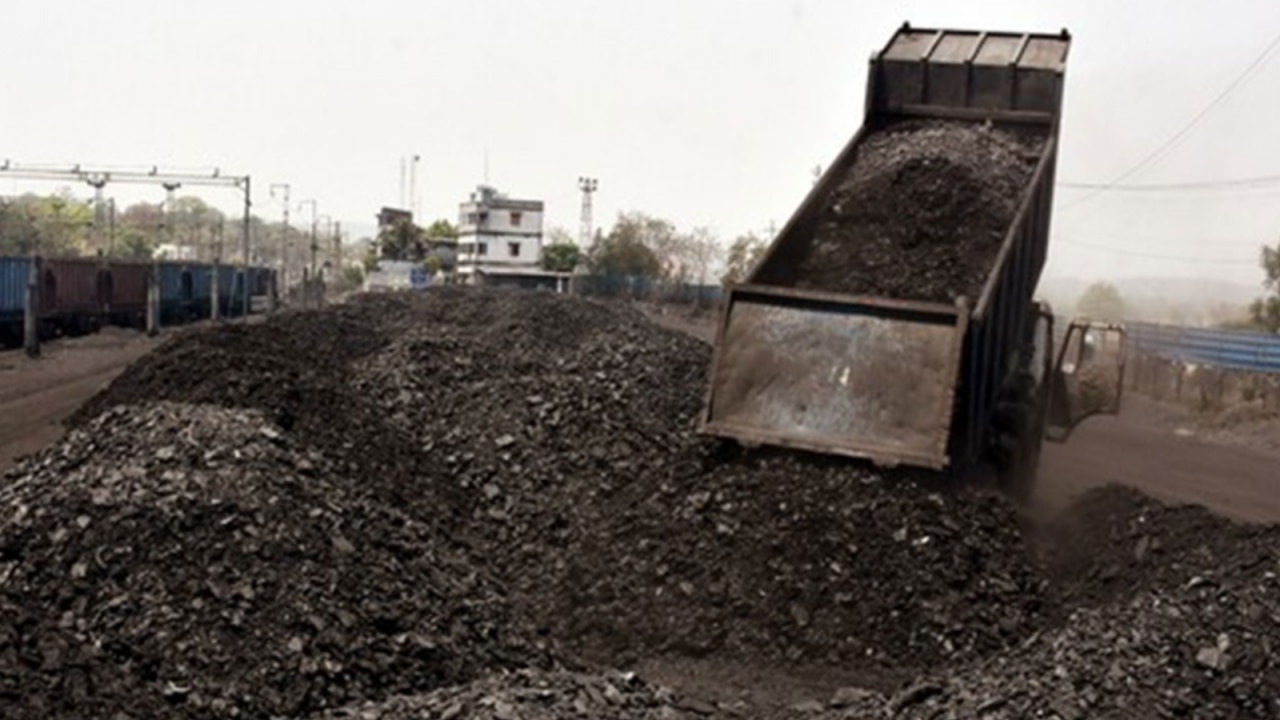 Mahanadi Coalfields IPO: 10 Things to know about issue date, GMP, price band, size and listing
 Tata Sons Listing Row: Why Noel Tata fears it could change Tata Group
 Who will replace Jensen Huang at Nvidia? 3 Indian-origin executives in the race
 Zee Entertainment announces Rs 600 crore share buyback at Rs 91 per share
 Who may replace Nvidia CEO Jensen Huang? THIS Indian tech executive emerged among top contenders
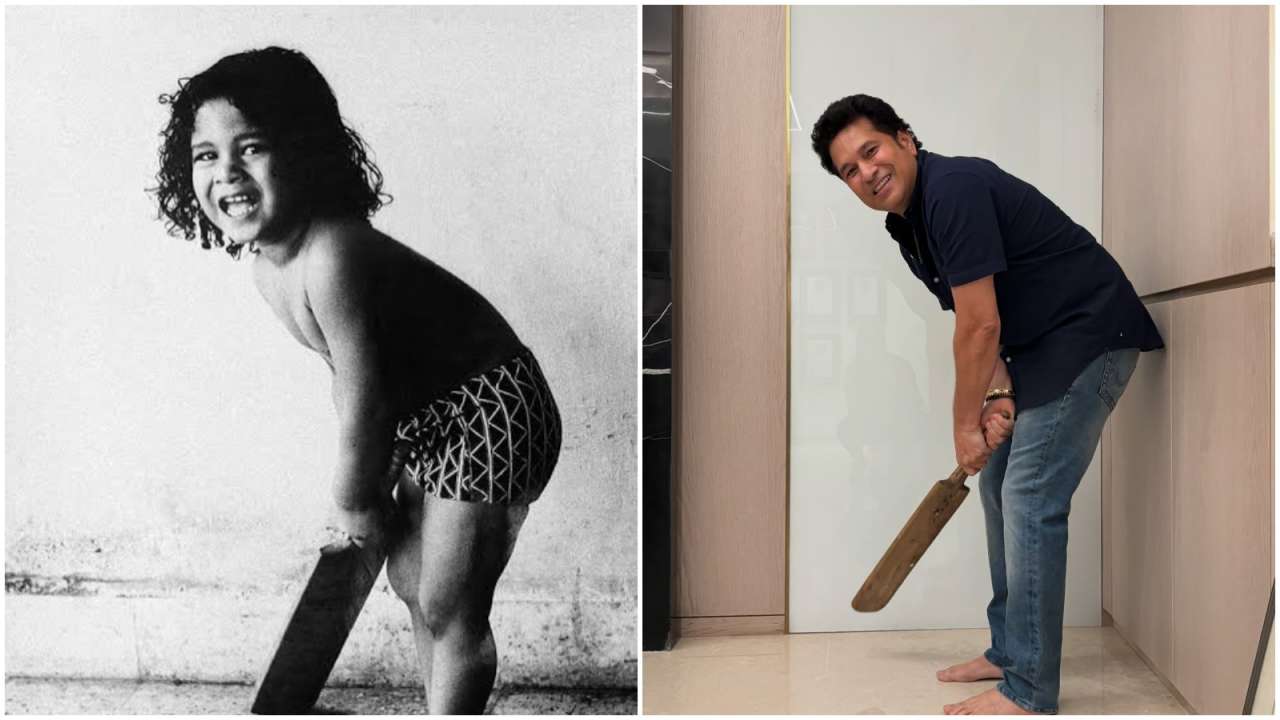 '49 saal baad bhi mere saath hai': Sachin Tendulkar recreates iconic childhood photo on 37th debut anniversary
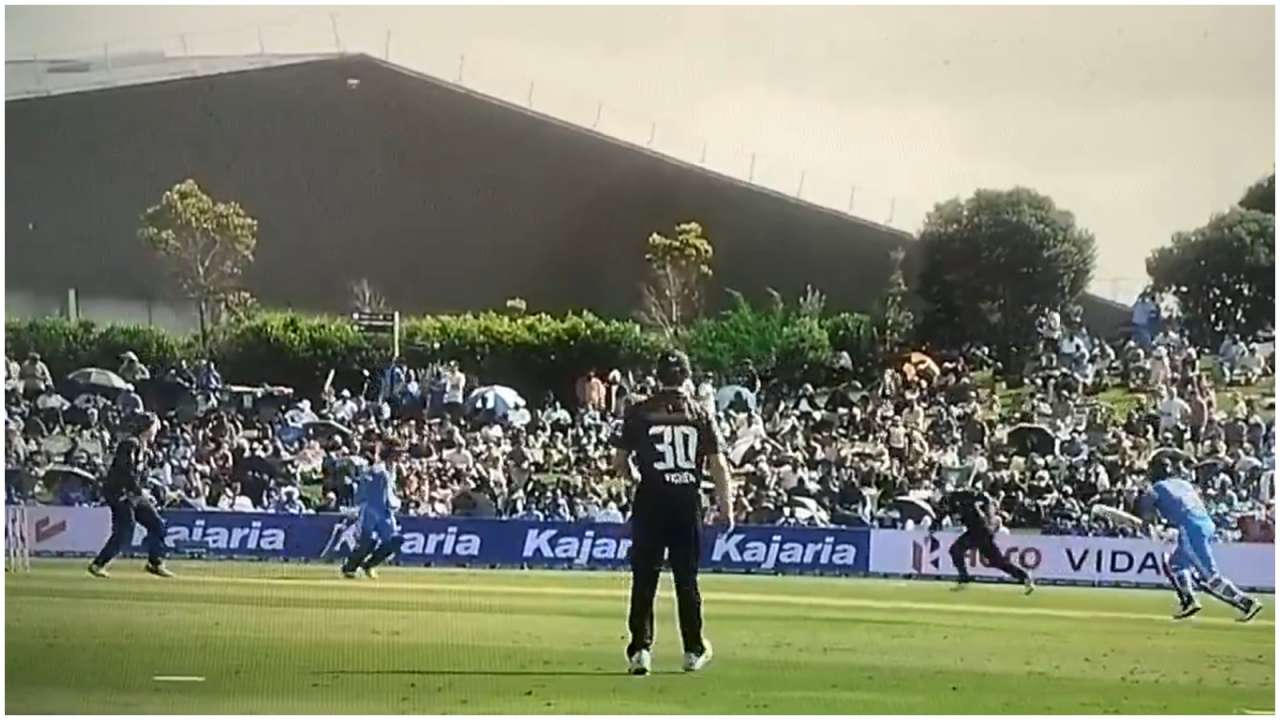 India vs New Zealand 5th ODI: Why did live telecast suddenly face disruption?
 PM Modi congratulates India U19 team after thrilling win over Pakistan in Asia Cup 2026 final
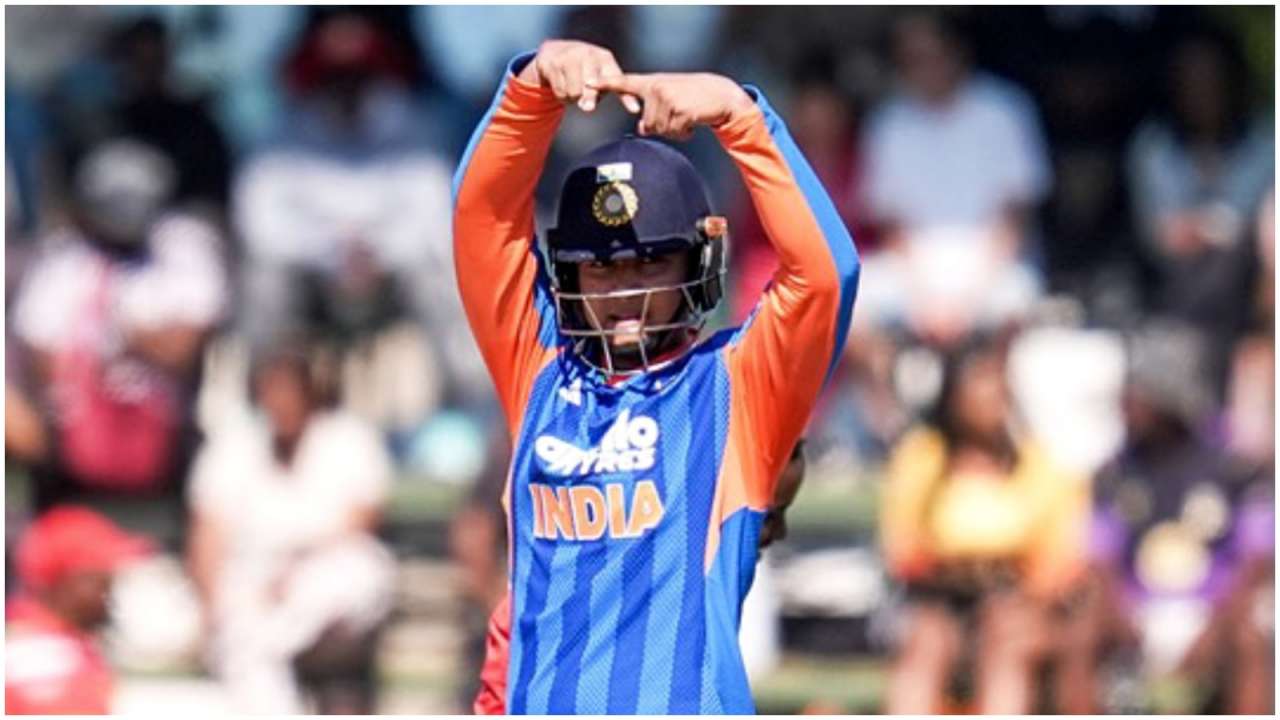 Vaibhav Sooryavanshi achieves a rare first at 15, creates history in T20 cricket
 IND vs PAK U19 Asia Cup final: When and where to watch match live on TV and online
 Israel News: 'Trying To Block Govt Formation...' Eisenkot's Bluntly Refuses Netanyahu's 'Unity Govt'
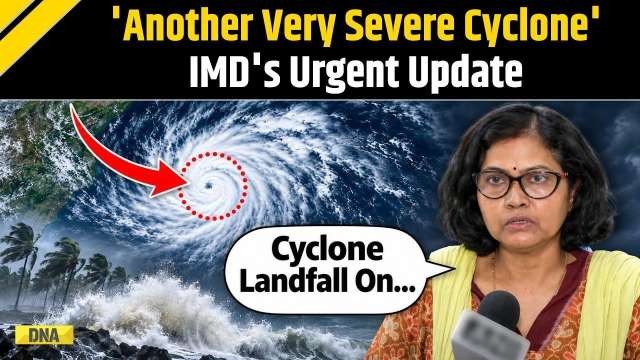 Cyclone 'Akwan' Alert: '3rd Consecutive Severe Cyclone..' IMD's Big Update On Cyclone Akvan Landfall
 J&K News: Massive Anti-Terror Manhunt In Kishtwar | Joint Army, Police Operation After 2 SPOs Killed
 Kaziranga Road Accident Update: Death Toll Rises To 24; Mini-Bus Had 13 Overspeeding Challans
 Bay of Bengal Cyclone Alert: Low-Pressure Area To Intensify By November 16; Yellow Alert In Odisha
BUSINESS

Updated : Mar 19, 2018, 03:03 AM IST

















Finance minister P Chidambaram launched Crisil Inclusex, India's first financial inclusion index. The Index will have a scale of 0 to 100. Branch, deposit and credit penetration to be the parameters of the index. Data from 2 lakh data points and 165 banks in CRISIL Inclusix will be included.
The index begins with banking services currently and can be extended to other services further. According to the index, the North East lags most in financial inclusion while top 3 states are Puducherry, Chandigarh and Kerala. India scores 40.1 on the index for 2011, against 35 in 2009.
Key findings:
The key findings of the index have been captured in a report which presents financial inclusion metrics in 632 districts of the country over a three-year timeframe (2009-2011).
Some of them are:
The all-India CRISIL Inclusix score of 40.1 (on a scale of 100) is relatively low. It is a reflection of under-penetration of formal banking facilities in most parts of the country.
The bottom 50 scoring districts have just 2 per cent of the country's bank branches.
Deposit penetration (DP) is the key driver of financial inclusion in India. The number of savings bank accounts, at 624 million, is close to four times the number of loan accounts at 160 million.
Focused efforts to enhance branch presence and availability of credit are extremely critical. The bottom 50 scoring districts in India have only 2,861 loan accounts per lakh of population, which is nearly one-third of the all India average of 8,012.
There are clear signs of improvement in the CRISIL Inclusix score over the past three years. The CRISIL Inclusix score at an all-India level has improved to 40.1 in 2011, from 37.6 in 2010 and 35.4 in 2009. Improvement in deposit penetration score is the key driver of this improvement.
Wide disparities exist across India and within states in terms of access to financial services. India's six largest cities have 11 per cent of the country's bank branches. At the other end of the scale, there are four districts in the North-Eastern region with only one bank branch each.
The key driver for the continued high performance of the top 50 districts is the significant increase in deposit and branch penetration (BP). The DP score for these districts increased by a significant 9.3 in 2011, over 2009. Also, these districts saw an addition of 2,824 branches in this period, nearly one-fourth of the total branches added in the country.
Even in the districts at the bottom of the list, there is an encouraging improvement in branch efficiency. For the bottom 50 districts, the number of savings deposit accounts per branch has improved by 20 per cent to 6,073 as on March 2011 from 4,919 as on March 2009.
Improvement in credit penetration (CP) is the key driver that enabled the improvement in score of 50 most-gaining districts.