 IND vs WI 4th T20I Live Streaming: When and where to watch India vs West Indies match live on Tv and online?
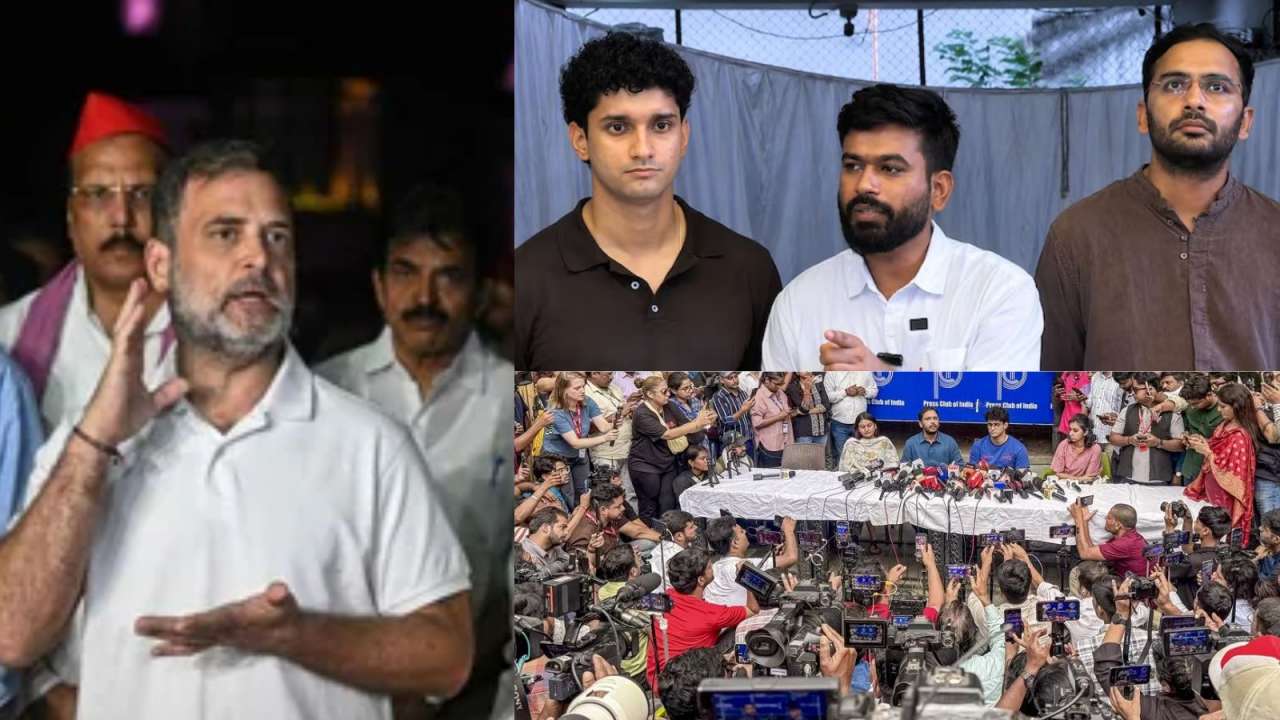 Will CJP join hands with INDIA bloc as Rahul backs it, says, 'Waving national flag not a crime'Will CJP join hands with INDIA bloc as Rahul backs it, says, 'Waving national flag not a crime'
 NEET UG Paper Leak Case: No NTA, government employee named in CBI chargesheet, details here
 Former England all-rounder makes big statement on Virat Kohli says, 'He is master of chase'IND vs WI 4th T20I Live Streaming: When and where to watch India vs West Indies match live on Tv and online?Former England all-rounder makes big statement on Virat Kohli says, 'He is master of chase'
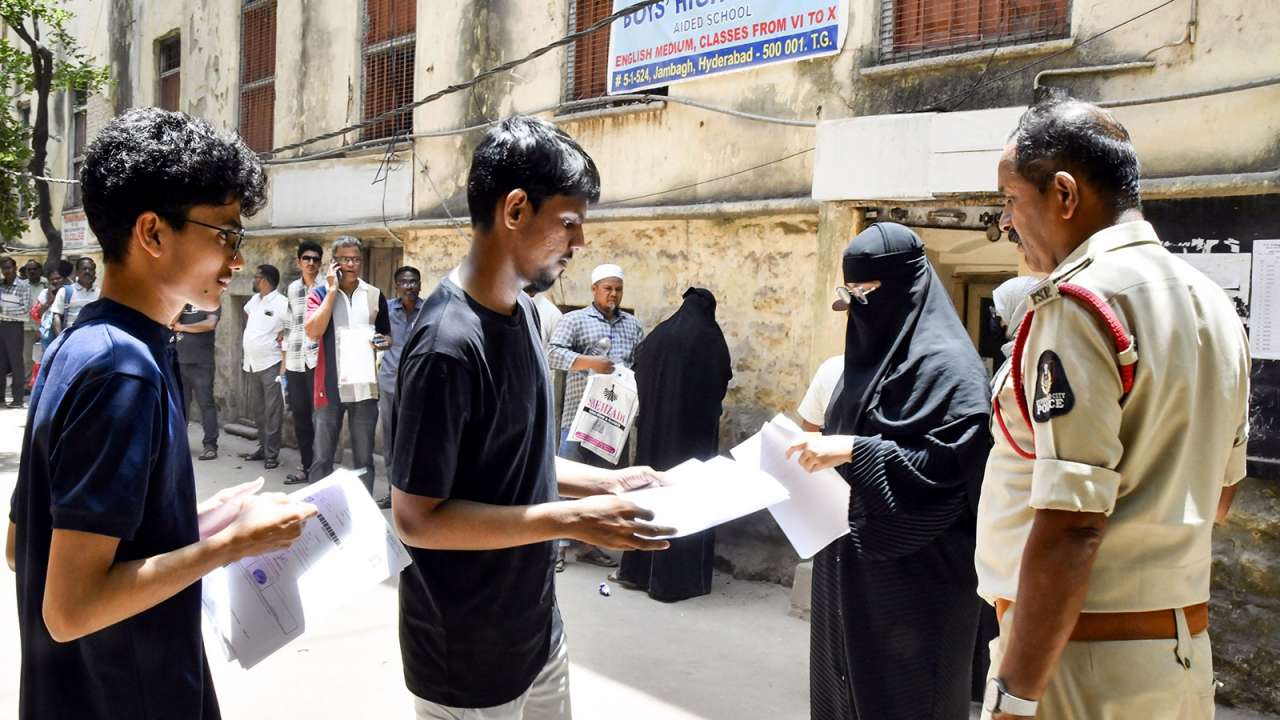
 IND vs WI 4th T20I: Hyderabad Police roll out major security plan ahead of uppal clash, deploy 2,200 cops
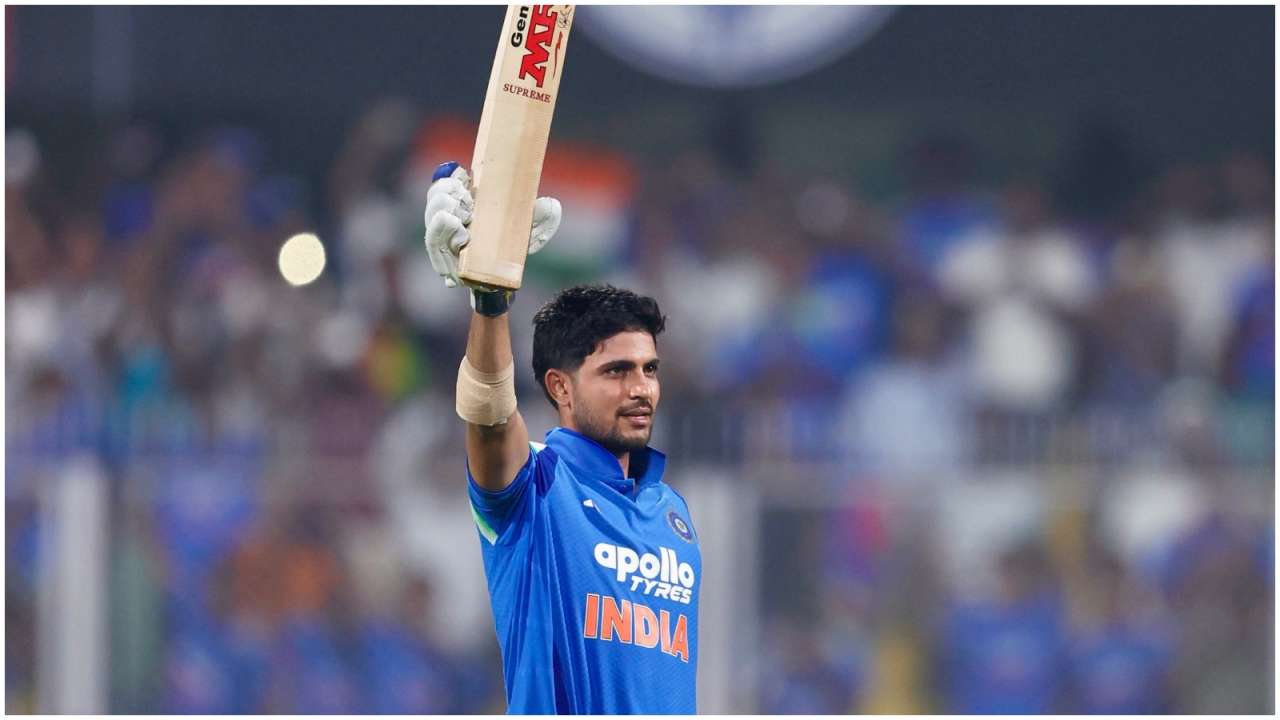 Shubman Gill wins 5th ICC monthly award: How rare is this feat?
 Shubman Gill clinches historic fifth 'ICC Player of the Month' award, Shafali Verma triumphs after Asian Games
 Drishyam 3 box office collection day 12: Ajay Devgn film is unstoppable, crosses Rs 500 crore worldwide
 Adhyayan Suman avoids box office clash with Ayushmann Khurrana, Main Na Raha Mera postponed to December
 Machan Baba: After Hanuman Ansh's blockbuster success, biopic on Deoraha Baba announced, he inspired Congress' hand symbol
 Koffee With Karan 9: Karan Johar brings back his millon-dollar question for Salman Khan, asks him 'are you still a virgin?'
 Jailer 2: What condition did Mithun Chakraborty set before agreeing to do the Rajinikanth film?
 Delhi Protest: Delhi High Court Bench To Hear Pleas On Protest Regulation & Jantar Mantar Ban
 Pakistan News: 5 Killed, 30 Injured As Rehman Baba Express Derails Near Multan In Pakistan
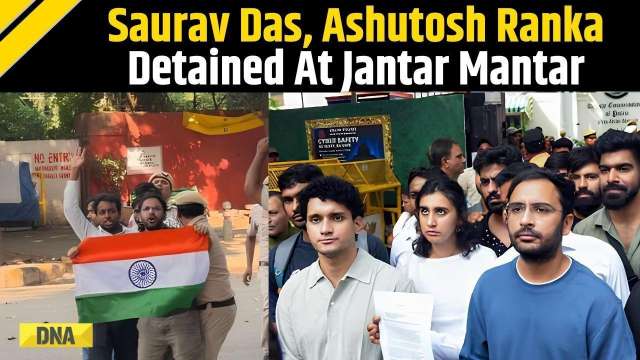 CJP Protest: Delhi Police Detains CJP Spokespersons Saurav Das And Ashutosh Ranka At Jantar Mantar
 CJP Protest: 2 FIRs Filed Over INDIA Bloc Leaders March In Delhi; SC To Hear Protesters Plea
 CJP Protest: 'Jantar Mantar De-Notified'; Govt Replaces Historic Protest Site With 3 New Venues
 RBL Bank shares crash 8% despite 170% profit jump: Why are investors worried?
 UPI payment charges postponed till Diwali, what does it mean for shops, merchants and customers?
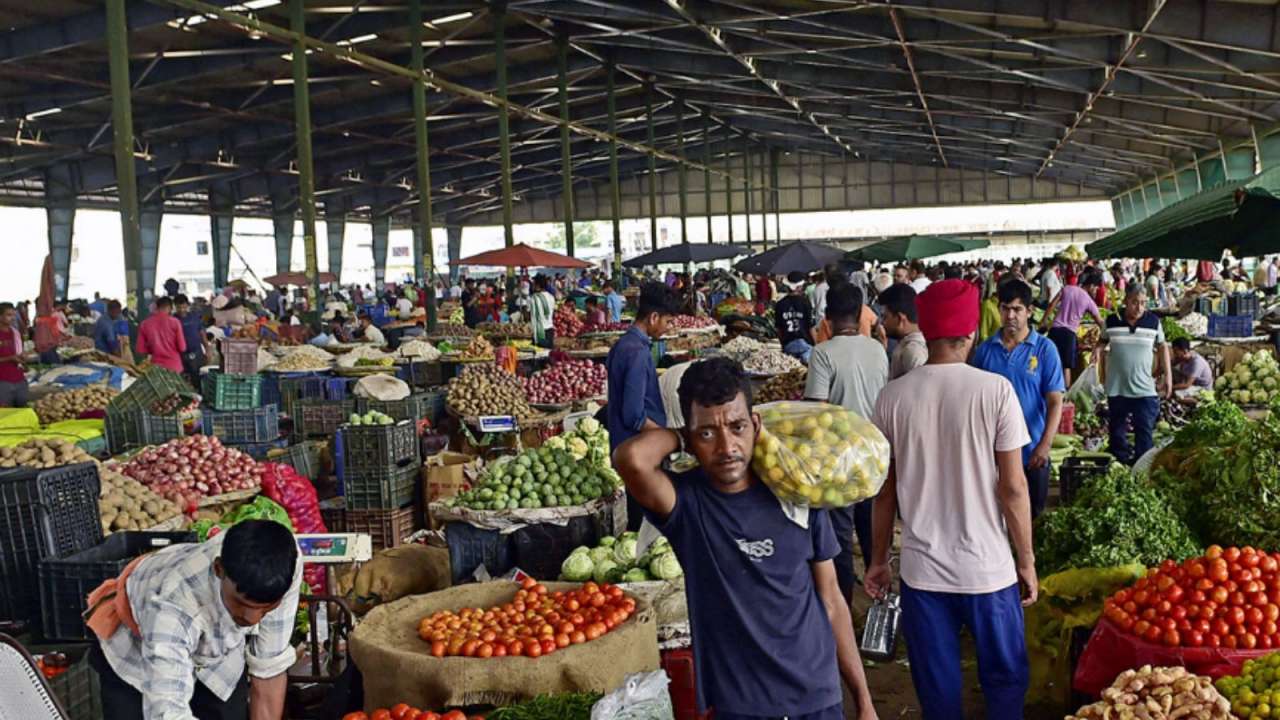 Retail inflation rises to 5.54% in September: Experts warn of pressure on purchasing power, expect more RBI rate hikes
 Gold, Silver prices today, October 10, 2026: Check city-wise rates in Delhi, Mumbai, Chennai, Kolkata and more
 Reliance Jio IPO: Price Band likely at Rs 1065-1119 per share, issue may open on October 21; check details
 Navratri 2026: From Alia Bhatt to Sara Ali Khan, Shraddha Kapoor, take inspiration from Bollywood actresses to stun everyone in white
 Ranbir Kapoor-Sai Pallavi, Yami Gautam-Addinath Kothare, Rajkummar Rao-Wamiqa Gabbi: 5 fresh on-screen jodis to watch out for in 2026
 OTT Releases This Week (October 5-11): Awarapan 2, Khalifa, Mandaadi; new India movies, shows to watch on Netflix, Prime Video
 OTT Releases This Week (Sept 28 - Oct 4): Dupahiya 2, Pooja Meri Jaan; new movies and shows to watch this Gandhi Jayanti weekend
 From Neeti Mohan, Heer, Sarthak Kalyani; Ahead of Sa Re Ga Ma Pa, 5 musical geniuses championed by AR RahmanWill CJP join hands with INDIA bloc as Rahul backs it, says, 'Waving national flag not a crime'Will CJP join hands with INDIA bloc as Rahul backs it, says, 'Waving national flag not a crime'NEET UG Paper Leak Case: No NTA, government employee named in CBI chargesheet, details here
 Air India Delhi flight diverted to Jaipur after bomb threat sparks hijack scare, 250 passengers on board safe
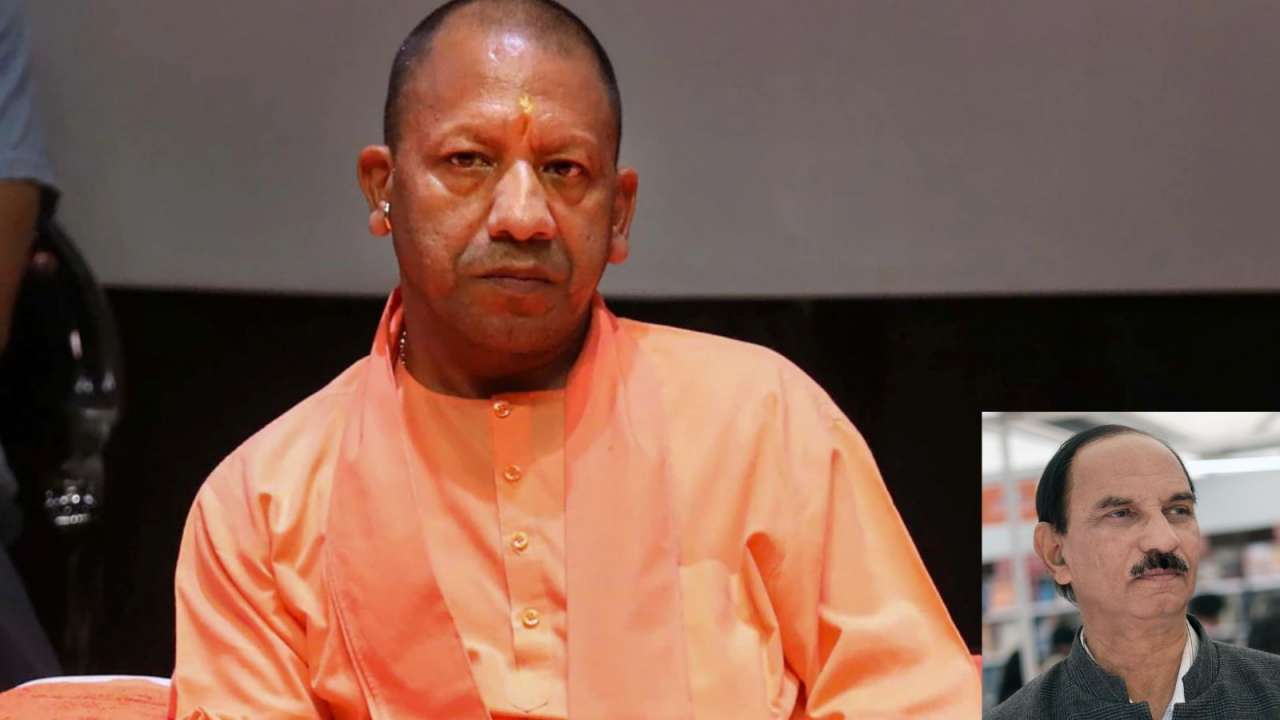 'Third Eye' has received its due and respect
 Third Language Row: SC extends relaxation to Class 6 students, asks CBSE to grant exemption, here's what it means
 NEET PG 2026 Result Out: Check how to download scorecard from natboard.edu.in; Know category-wise cut-off and more
 Five-year BTech programmes? Ex-IIT director makes proposals amid IIT suicide controversy
 CBSE Date Sheet 2027: When will Class 10, 12 timetable be released? Check details here
 From Rs 150 in 1947 to powerful student body: The story of DUSU’s rise | Explained
 After Hyundai, Maruti Suzuki makes cars costlier ahead of festive season: Check new prices after hike
 Hyundai cars to get costlier from September: Check new prices and reason behind hike
 Why can't consumers choose pure petrol or E10? Centre explains why E20 is now the standard fuel
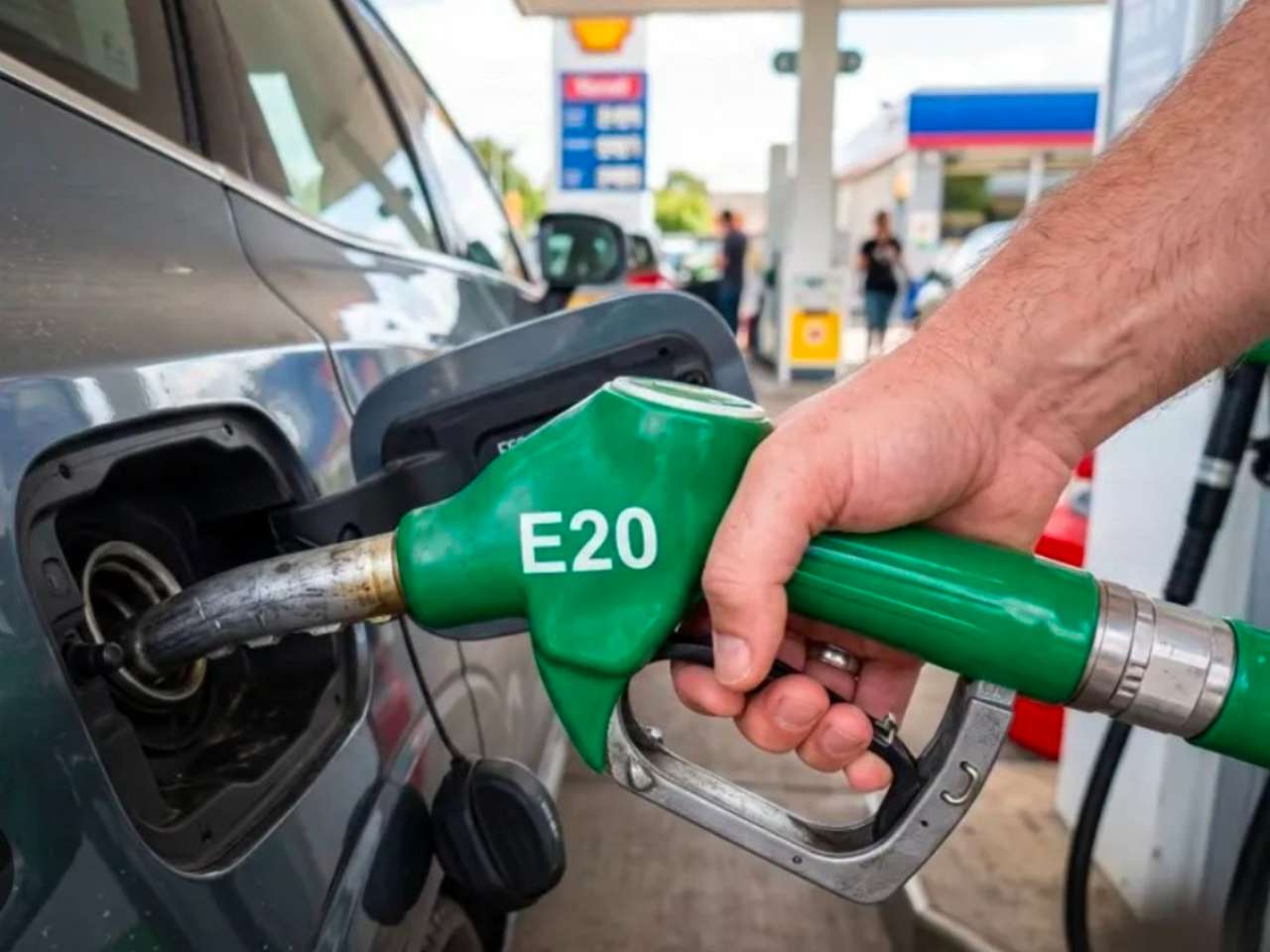 Centre claims E20 fuel does not damage engines, cites data from Maruti Suzuki and Hero MotoCorp
 Maruti WagonR Flex Fuel: What’s price of India’s first ethanol car? Specs, mileage, and top features explained
BUSINESS
For many days, 'boycott Turkish products' was trending on social media. Several Indian companies and institutions even cancelled deals with Turkish businesses.

Updated : Jun 10, 2025, 09:28 AM IST



India is treading carefully when it comes to banning trade with Turkey, despite rising public anger over Turkey’s support to Pakistan. For many days, “boycott Turkish products” was trending on social media. Several Indian companies and institutions even cancelled deals with Turkish businesses. Even apple producers from Himachal Pradesh and marble traders from Rajasthan took a strong stand against imports from Turkey. There were also growing calls to completely ban Turkish goods in India. However, the Indian government has not gone for a full ban yet—and the reason lies in trade economics.
According to reports, India currently has a trade surplus of $2.73 billion with Turkey. This means India exports more to Turkey than it imports. A complete ban could harm Turkish businesses, but it would also directly impact Indian exporters, especially in key sectors like engineering, electronics, and chemicals.
According to The Indian Express, a Commerce Ministry official said, “We have received several requests to stop imports from Turkey. However, we must also consider the interests of our exporters. A trade ban can give a strong geopolitical message, but the question is, how far are we willing to take it?”
In the financial year 2024–25, India exported goods worth $5.72 billion to Turkey. Out of this, engineering goods alone made up $3 billion. Around 35–40% of these exports came from the MSME (Micro, Small, and Medium Enterprises) sector, highlighting how deeply small Indian businesses are tied to trade with Turkey.
Meanwhile, Turkey imported $2.99 billion worth of goods from India. This included $270.83 million worth of gold and $107 million worth of fruits and nuts, including apples. Interestingly, imports of fruits and nuts rose by about 10% compared to the previous year.
While national security concerns have led to some actions against Turkish firms, India’s overall trade strategy remains cautious. The government is trying to balance geopolitical interests with economic realities, especially to protect domestic exporters and small businesses that depend on the Turkish market.