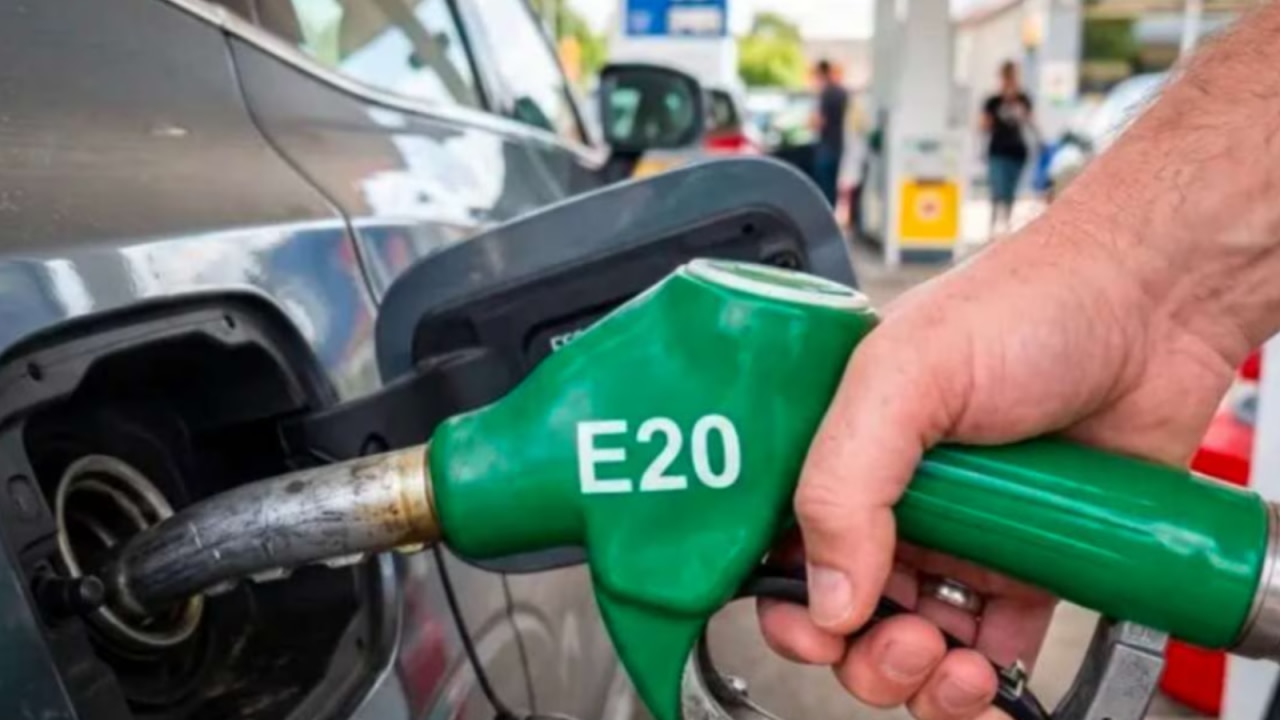
 E20 Controversy: How much ethanol did E20 petrol contain? Bharat Petroleum adds fuel to fire
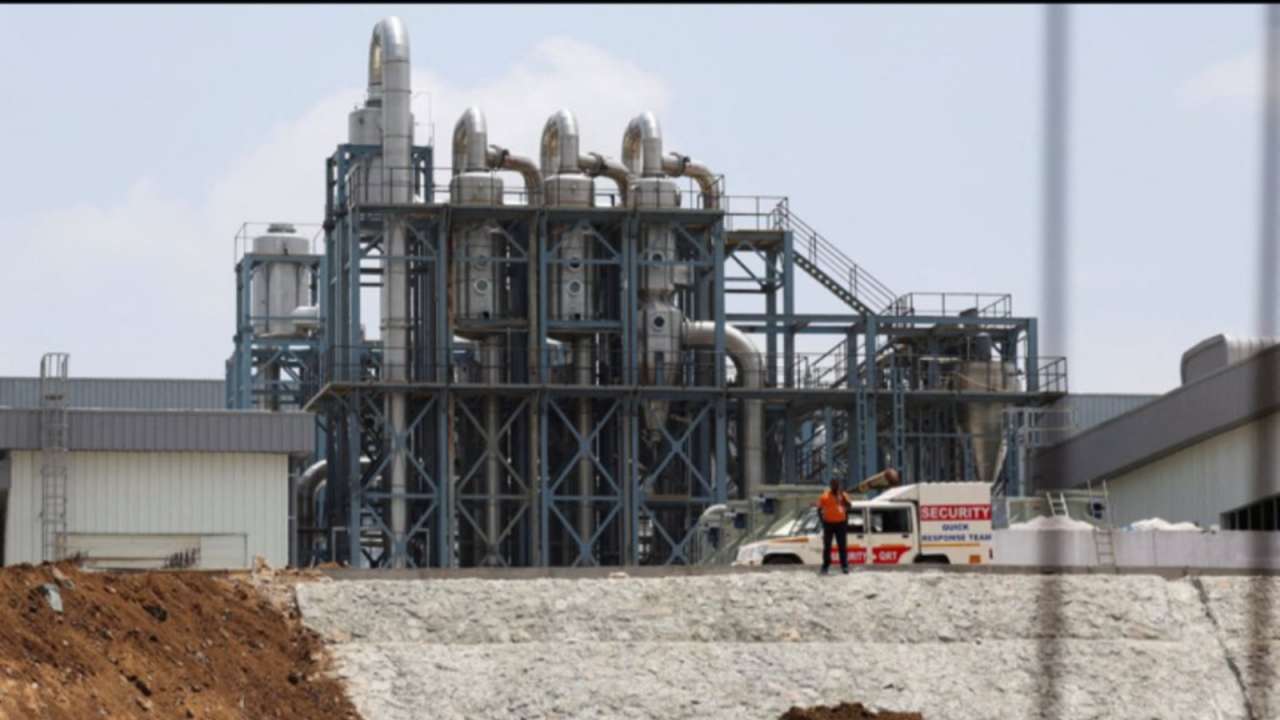 Tragedy at Tata-run iPhone factory in Tamil Nadu: Three workers die
 Scene box office collection day 4: Suriya film beats Ranbir Kapoor's Ramayana, earns Rs 150 crore
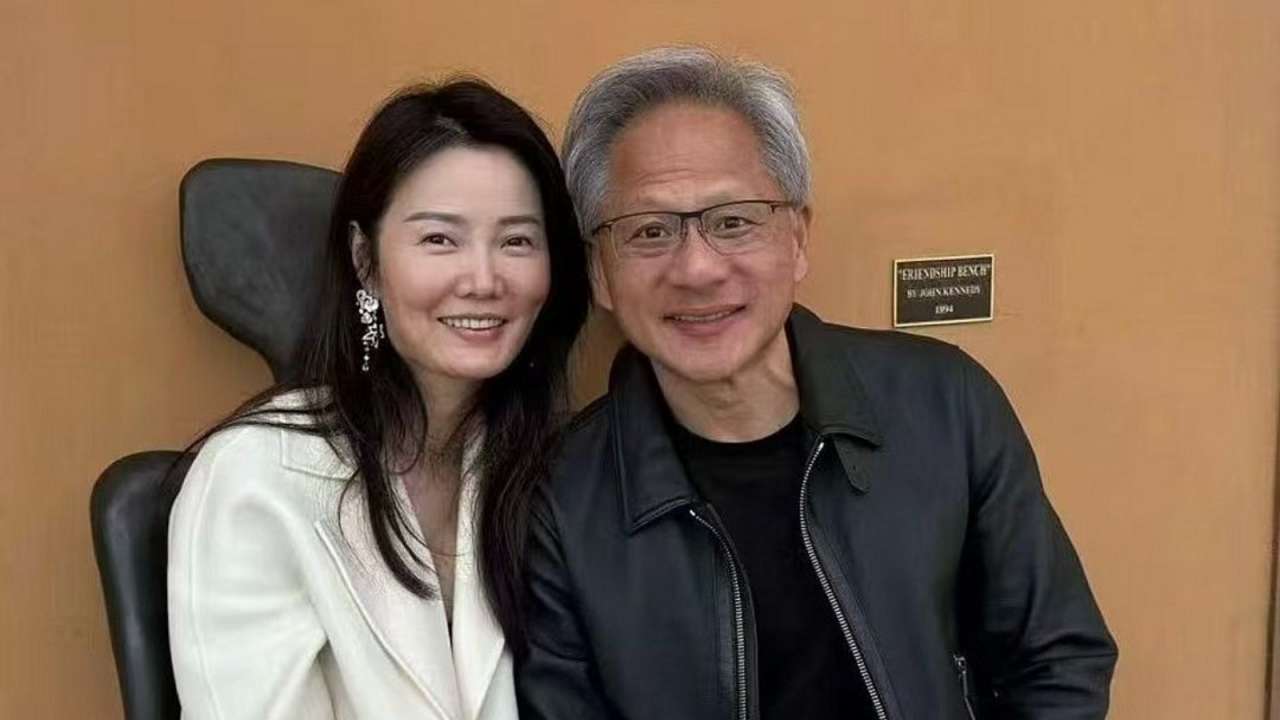 Nvidia CEO Jensen Huang in spy controversy: How could it impact India’s AI ambitions?
 Koffee With Karan 9: Kiara Advani reveals her date-night condition with Sidharth Malhotra after second pregnancyE20 Controversy: How much ethanol did E20 petrol contain? Bharat Petroleum adds fuel to fire Tragedy at Tata-run iPhone factory in Tamil Nadu: Three workers die
 Sonia Gandhi memoir row: Why BJP calls 'Belonging' a whitewashing of Emergency, Congress's past
 Sonia Gandhi reveals why she kept her Italian passport: 'It was part of me'
 Ahead of Chhath 2026, Delhi govt to launch first recreational cruise service todayNvidia CEO Jensen Huang in spy controversy: How could it impact India’s AI ambitions?
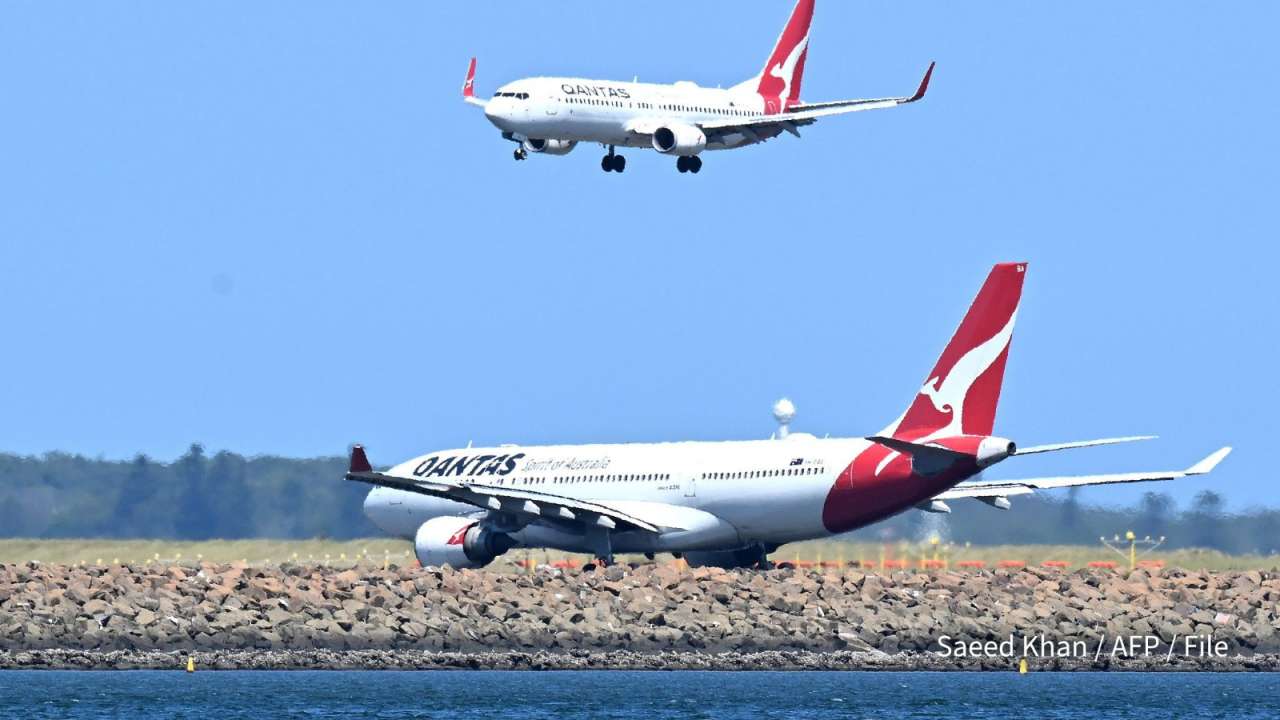 Australia’s Qantas plans 850 job cuts, moves corporate roles to India amid AI expansion
 What are Iran’s 'seven conditions' after Trump’s West Asia remark?
 Trump says US military action in Iran is ‘effectively over’, signals shift towards diplomacy
 Trump comes out in support of Jensen Huang amid spy link claims: 'He has no idea’
 Why Sonia Gandhi refused to become PM: Rahul's angry reaction, Priyanka's tears and the dramatic night that changed India
 Foreign Secretary Vikram Misri Visits Nepal, Meets PM Balendra Shah
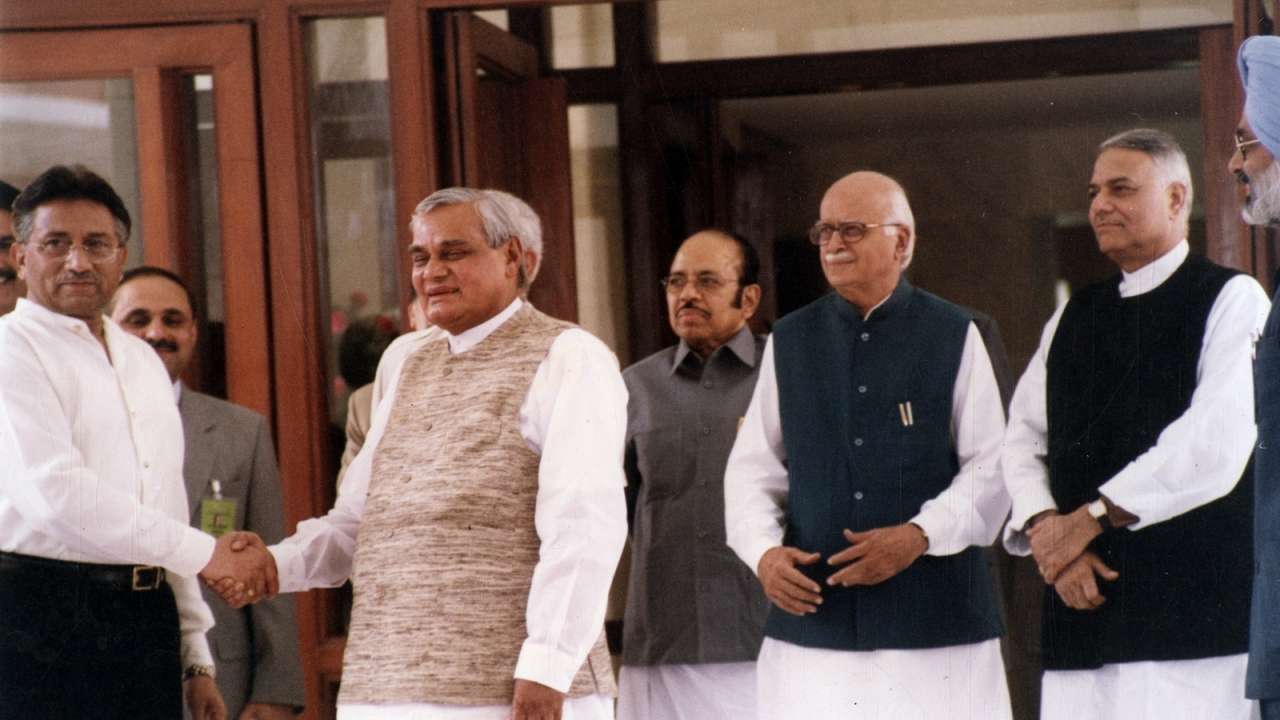 Born in Pakistan, praised Jinnah, abandoned by party: The untold story of LK Advani at 100
 Delhi AQI at 370, 1,000 or even 2,000 after Diwali? Why pollution readings show wildly different numbers
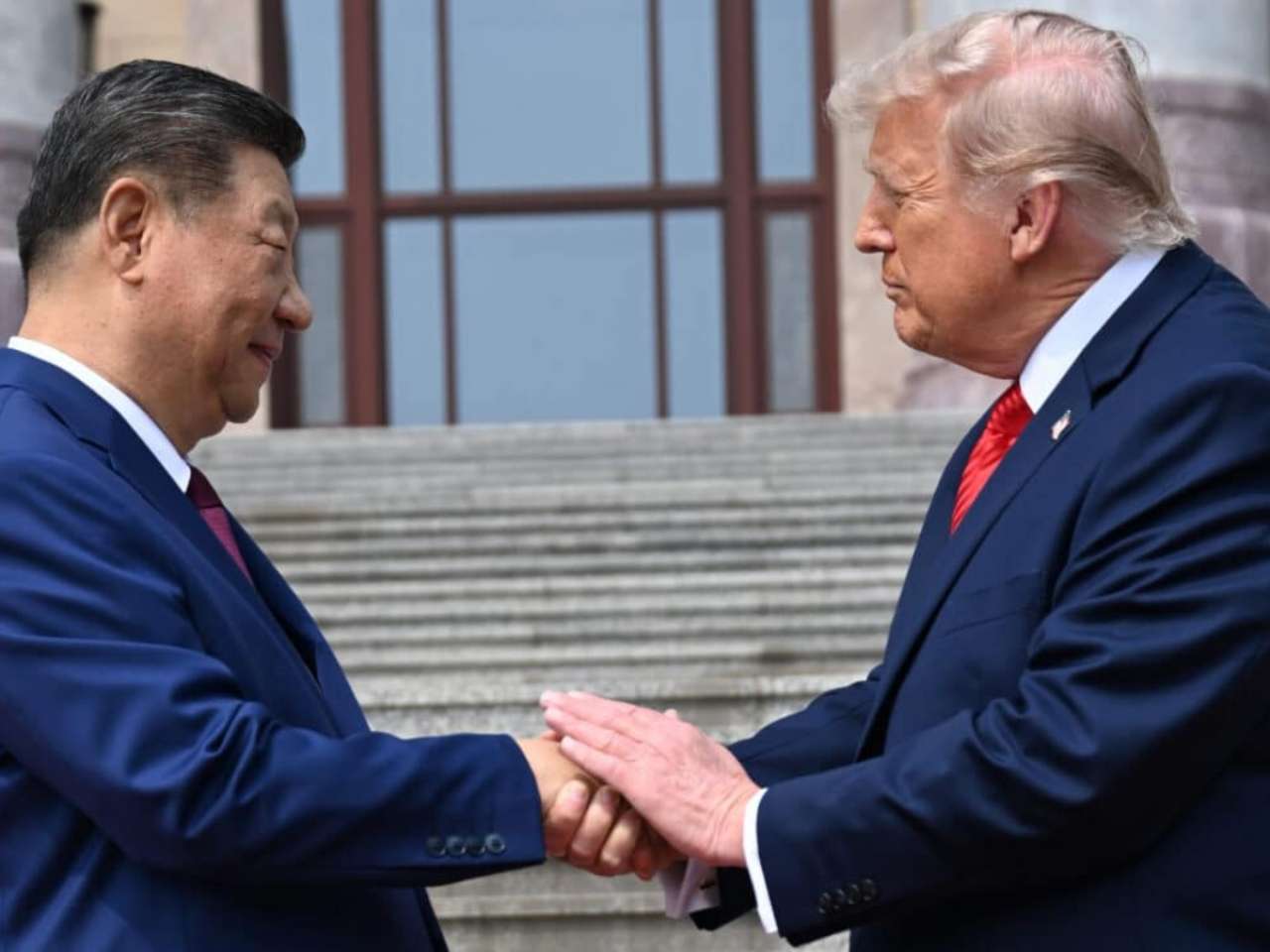 New Yalta After US Midterm? China plans Trump-Putin talks as Ukraine raises alarm over being left outScene box office collection day 4: Suriya film beats Ranbir Kapoor's Ramayana, earns Rs 150 croreKoffee With Karan 9: Kiara Advani reveals her date-night condition with Sidharth Malhotra after second pregnancy
 Atlee shares emotional note for wife Priya on their 12th wedding anniversary: 'You turned a boy into a gentleman'
 Ramayana box office collection day 5: Ranbir Kapoor, Yash film smashes century on Monday, mints Rs 650 crore
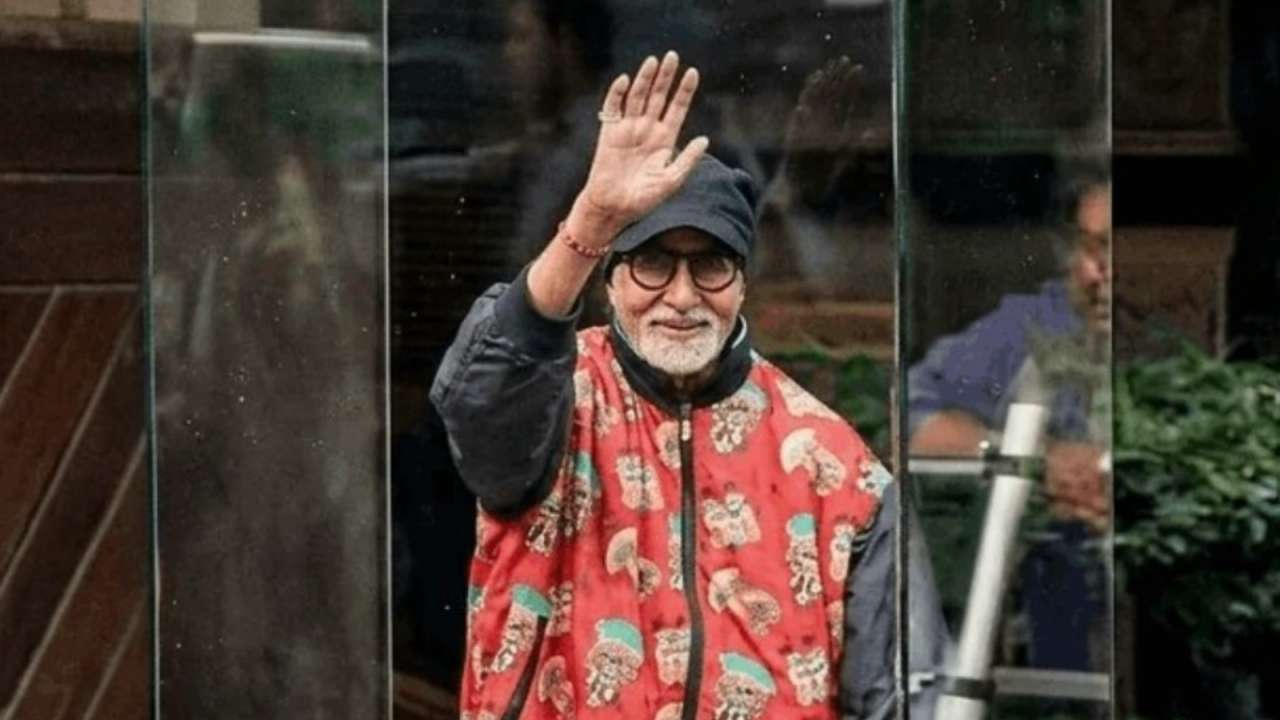 Amitabh Bachchan behind bulletproof glass reflects failure of PM Modi and Amit Shah, says Congress
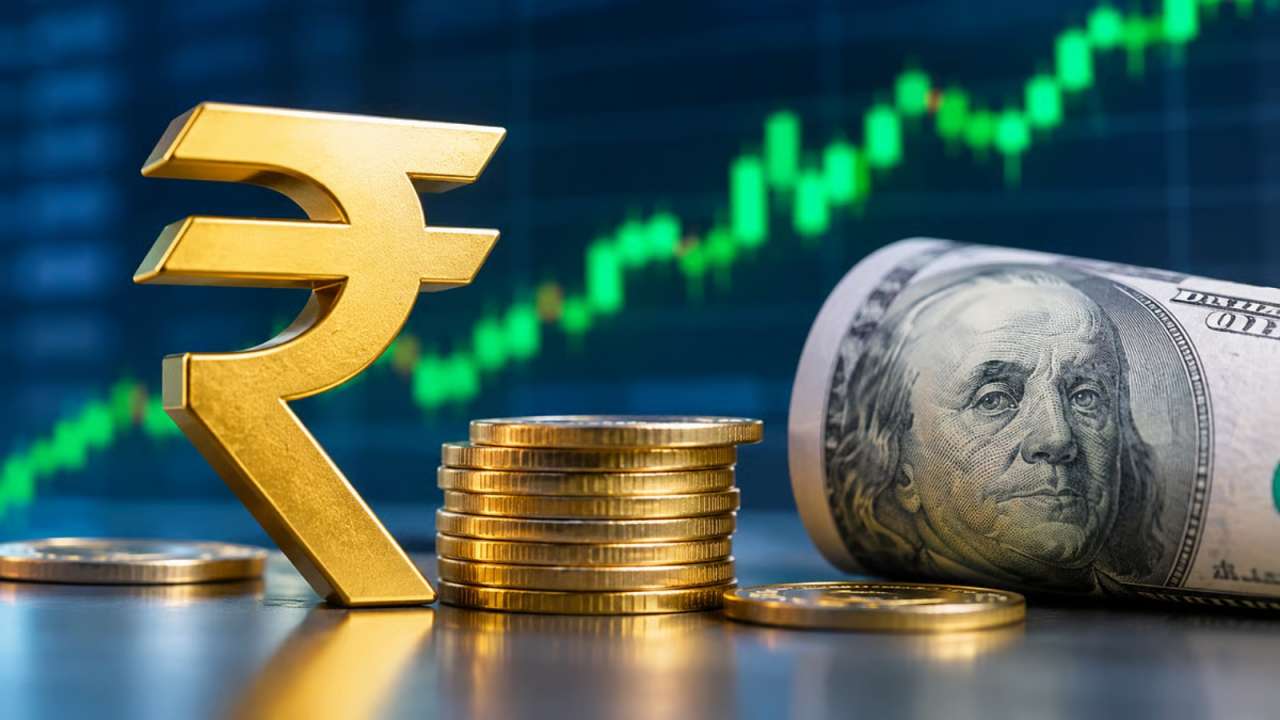 Rupee climbs to 7-month high, gains 93.70 against US dollar in early trade
 Dhanteras 2026: Are banks open or closed on November 6? Check RBI holiday list
 Why did Sensex surge over 2,000 points, Nifty rally 576 points today?
 Diwali Muhurat Trading 2026: What investors need to know about date, timings and settlement
 Gold, Silver prices today, November 5, 2026: Check city-wise rates in Delhi, Mumbai, Chennai, Kolkata and more
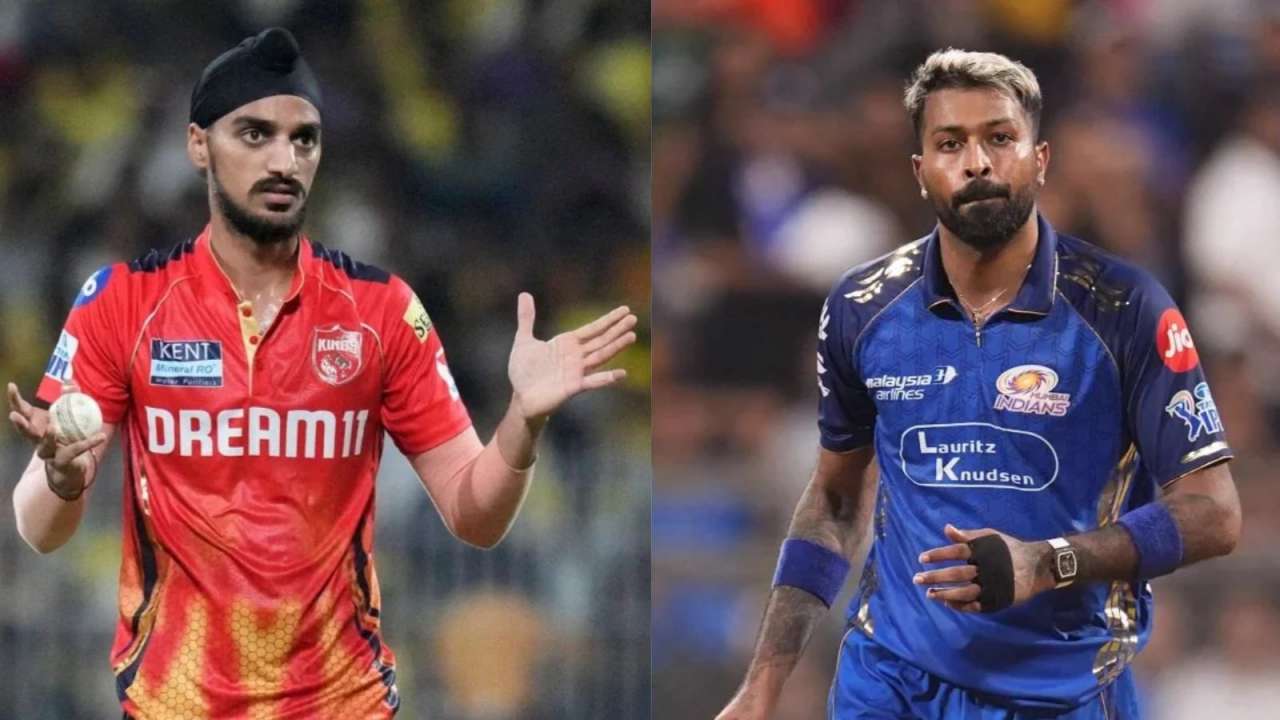 IPL 2027 Big Trade: Arshdeep Singh to leave PBKS? Hardik Pandya's place in MI remains doubtful
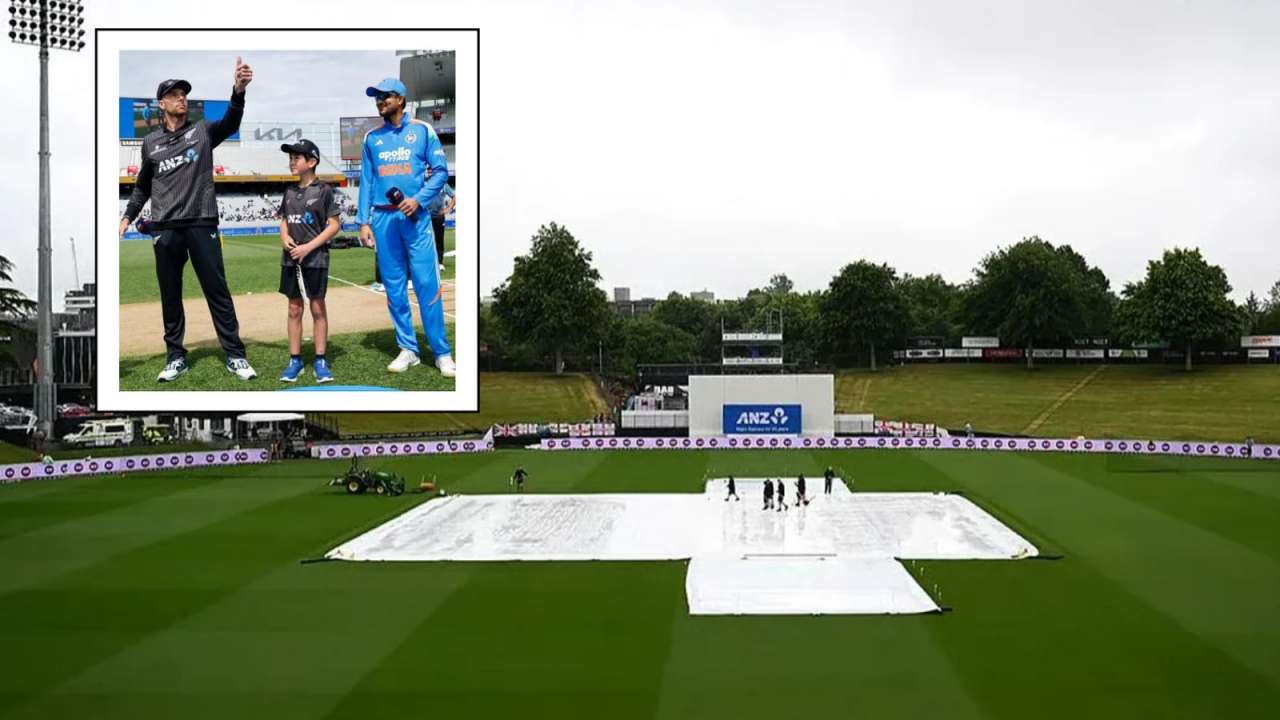 IND vs NZ 3rd ODI: Rain delays toss again in Hamilton, team returns to stadium
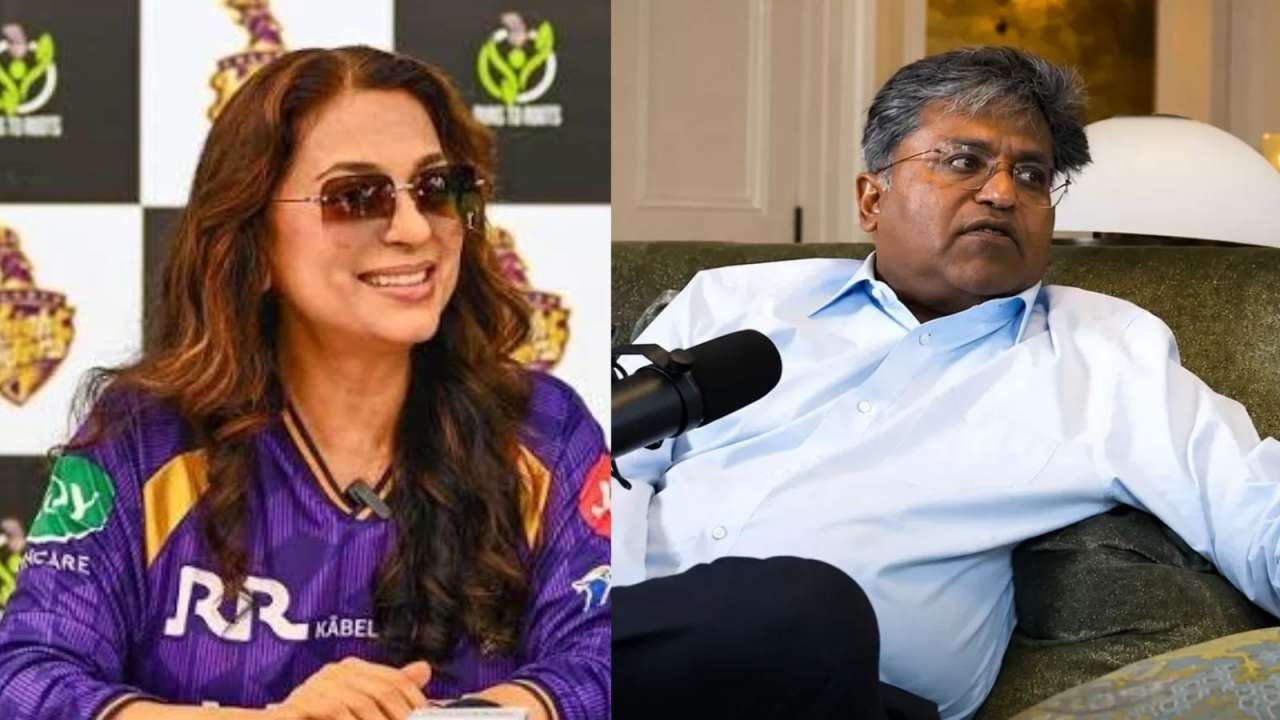 IPL 2027: Juhi Chawla backs Lalit Modi, drops big hint on new tournament schedule
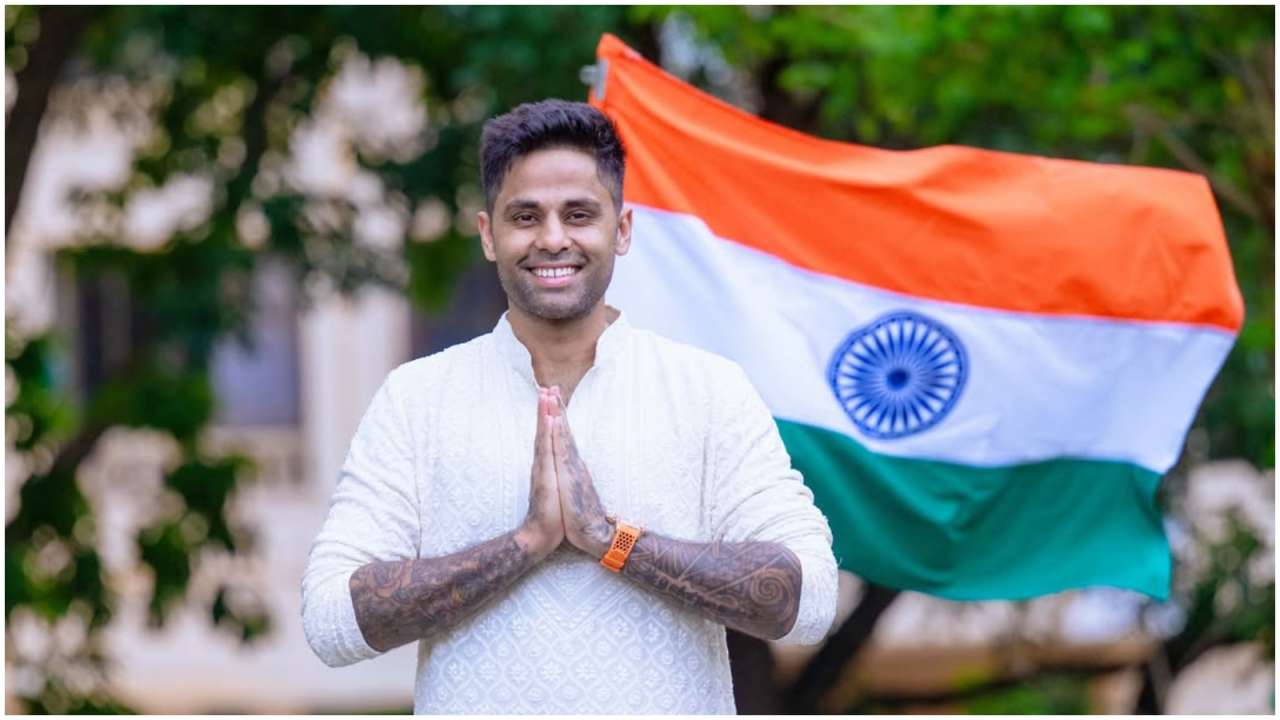 SKY is back! After missing Ranji Trophy, Suryakumar Yadav gets Mumbai captaincy for Syed Mushtaq Ali Trophy
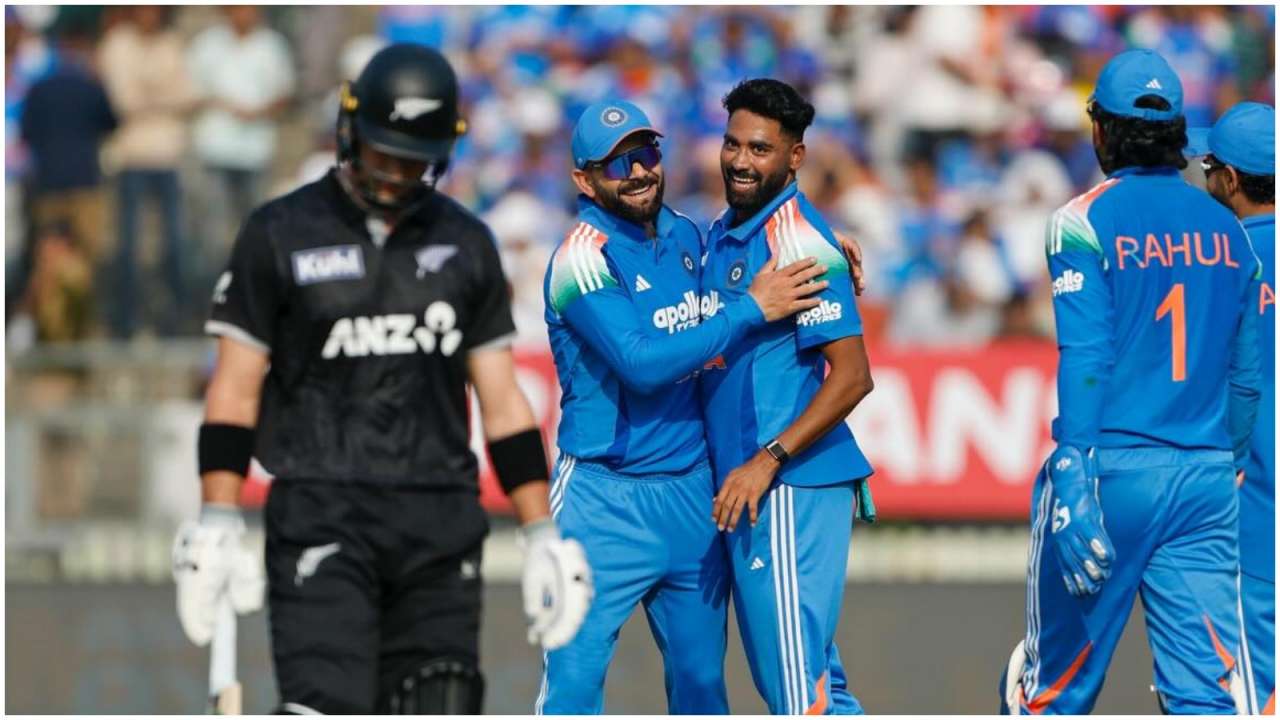 IND vs NZ, 3rd ODI: Predicted Playing XI, pitch report, weather update and all you need to know
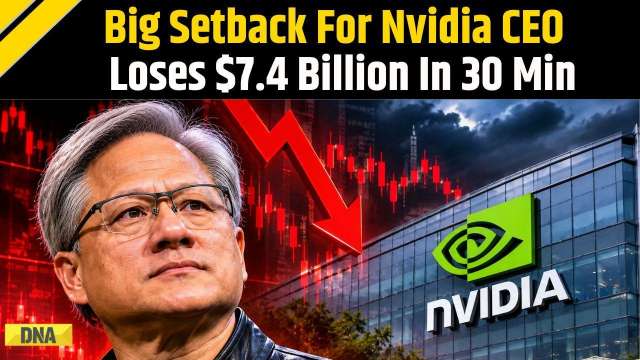 Jensen Huang News: Nvidia CEO Loses $7.4 Billion In 30 Minutes, Drops 2 Spots In Forbes Rich List
 Bhai Dooj 2026: Check Date, Time Check Shubh Muhurat, Tilak Timings, Puja Rituals
 Bangladesh News: 'Fugitive Terr*rist...' Dhaka Slams Hasina's Passport Demand, Calls For Extradition
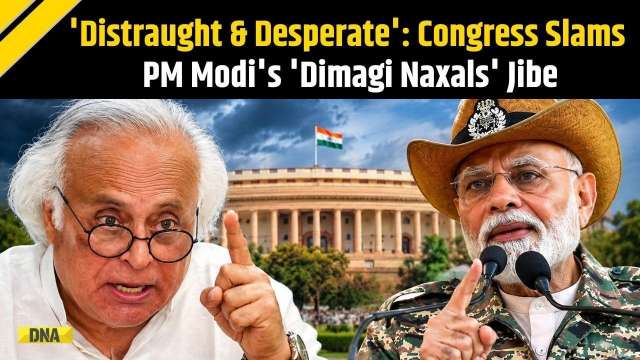 Congress vs PM Modi Row: 'Jhola-Picking-Up Time' Remark, Bastar Address & Political Reactions
 Nvidia Scandal: The Megaspeed Connection, Alice Huang Ties & Jensen Huang’s Affair
BUSINESS
Bissell travelled extensively across Indian villages, seeking skilled weavers.

Updated : May 28, 2024, 01:24 PM IST
















John Bissell, an American from Hartford, came to India in 1958 on a two-year Ford Foundation grant to advise the Central Cottage Industries Corporation on exports. However, captivated by India's rich culture and heritage, Bissell decided to stay. Utilising Rs 95,000 from his grandmother's legacy, he founded Fabindia in 1960, operating initially from two small rooms in his home.
Bissell travelled extensively across Indian villages, seeking skilled weavers. His search led him to AS Khera, a home furnishing manufacturer in Panipat, who became Fabindia's first supplier. By 1965, Fabindia generated Rs 20 lakh in revenue. However, the company faced a major challenge during the Emergency in 1975, when home-based commercial operations were restricted, necessitating a strategic pivot.
In 1976, Fabindia opened its first retail outlet at Greater Kailash in Delhi. By 1994, Fabindia had opened a second outlet in Delhi and reached annual sales of Rs 12 crore.
As a philanthropist, he established The FabIndia School in 1992, focusing on children's welfare and education in India.
Fabindia's growth attracted significant investment, including Rs 110 crore from Premji Invest, valuing the company at Rs 1,500 crore. The brand went global, opening stores in Singapore, Bhutan, Dubai, Italy, Nepal, Malaysia, and Mauritius. By 2016, Fabindia's worth had soared to Rs 5,397 crore. Today, the company generates Rs 1,668 crore in revenue, employs 55,000 artisans, and operates over 400 stores. This remarkable growth has attracted the attention of Tata, who is now interested in acquiring Fabindia.
The Tata Group is reportedly in talks with Fabindia's promoters and shareholders regarding a potential stake or outright acquisition. This acquisition could be valued lower than the USD 2.5 billion (Rs 17,000 crore) estimated during Fabindia's now-abandoned initial public offering. For Tatas, acquiring Fabindia would strategically complement their existing portfolio in the ethnic wear market, which includes brands like Westside, Zudio, and Utsa.