 Ramayana box office collection day 11: Ranbir Kapoor film mints Rs 1380 crore, beats Dhurandhar lifetime haul
 Raghav Chadha gets key role in Punjab BJP's manifesto panel ahead of 2027 assembly polls
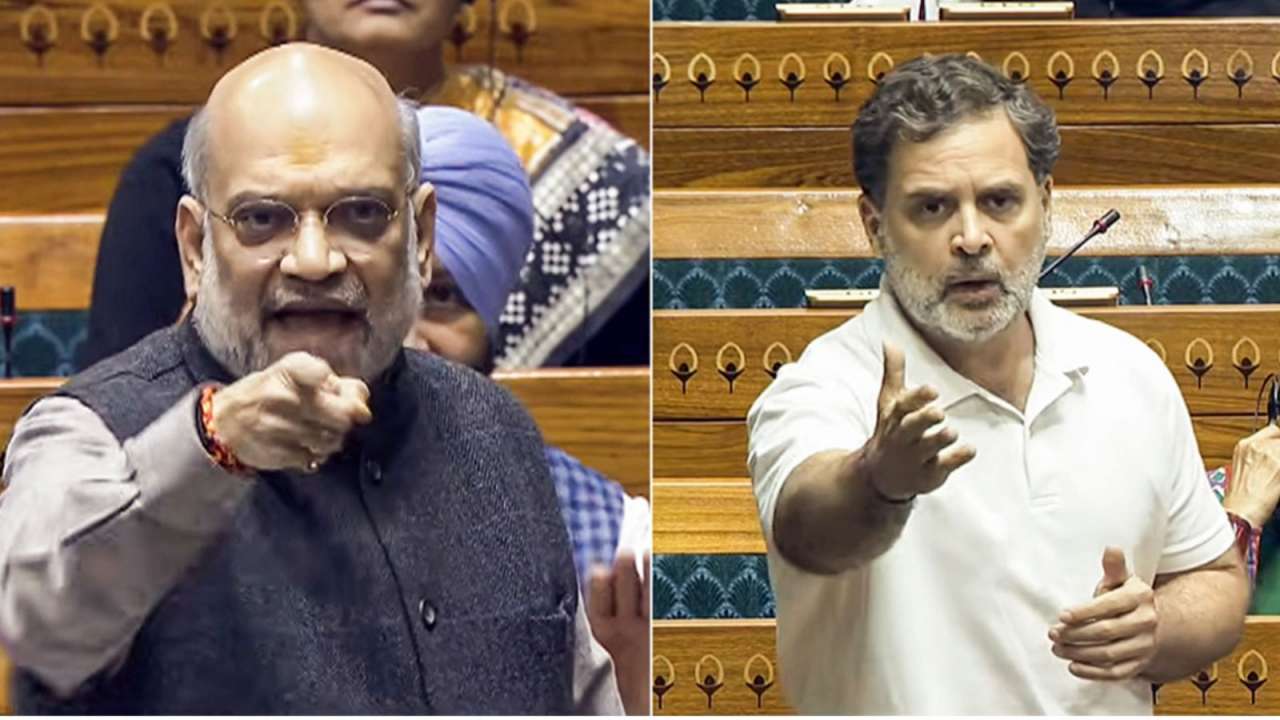 Amit Shah targets Rahul Gandhi over foreign visits, warns Congress of 30 more years in Opposition
 Jensen Huang-Alice Huang Controversy: Nvidia Customer Megaspeed says Chinese executive exited in 2025
 Scene box office collection day 10: Suriya film beats Vishwanath and Sons to become his second highest-grossing movieRaghav Chadha gets key role in Punjab BJP's manifesto panel ahead of 2027 assembly pollsAmit Shah targets Rahul Gandhi over foreign visits, warns Congress of 30 more years in Opposition
 Fifth encounter in six months: Bengal Police shoot dead ‘criminal’ accused of opening fire at police officer
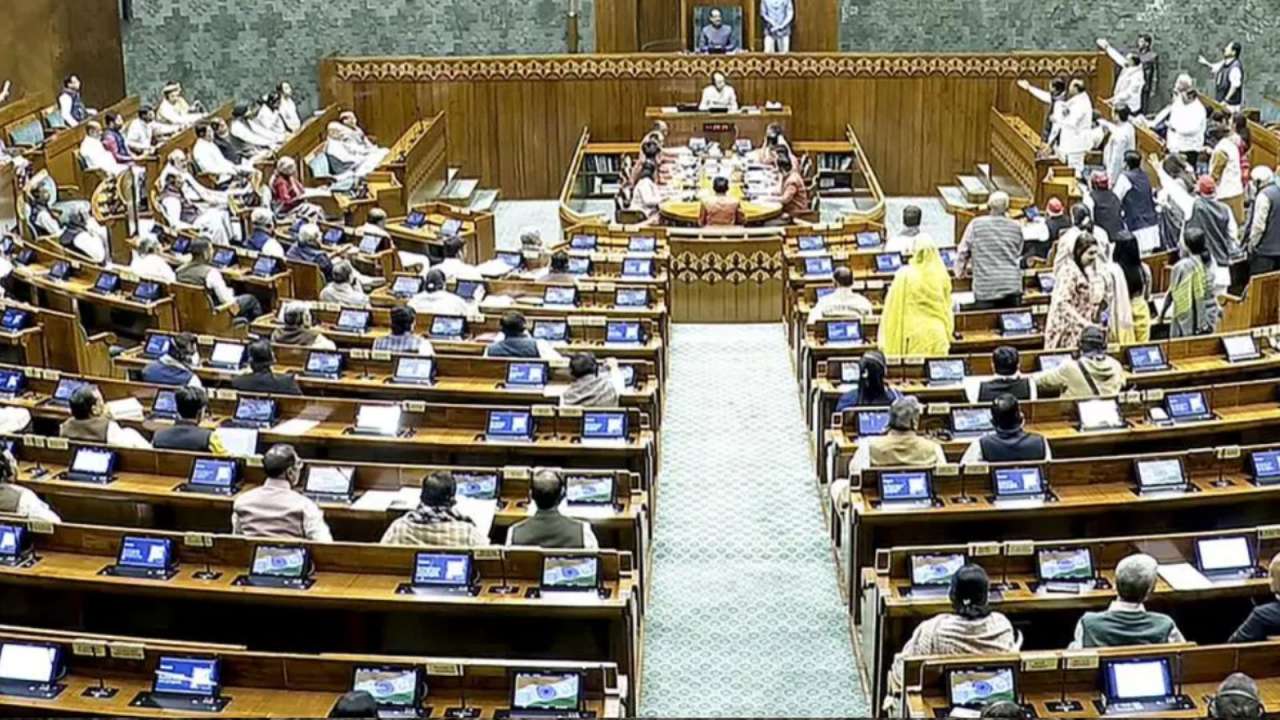 Parliament Winter Session likely in December: Women's Reservation Bill, SIR row in focus
 Chhath Puja 2026: Delhi Metro to begin services 90 minutes early on November 16Jensen Huang-Alice Huang Controversy: Nvidia Customer Megaspeed says Chinese executive exited in 2025
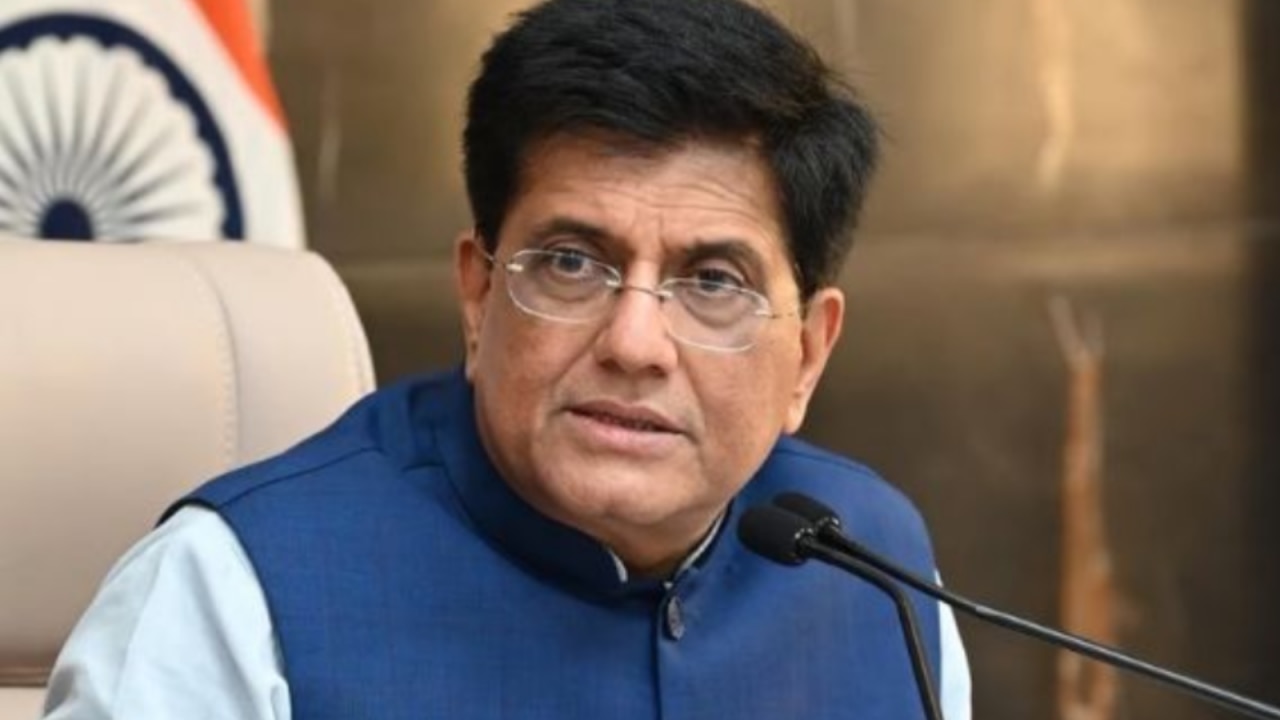 India to get lower US tariffs than competitor countries, Piyush Goyal says
 China aircraft enters Indian airspace over Sikkim, ignores warnings for 25 minutes
 Iran accuses US of 'threatening to starve' people as Trump intensifies economic pressure
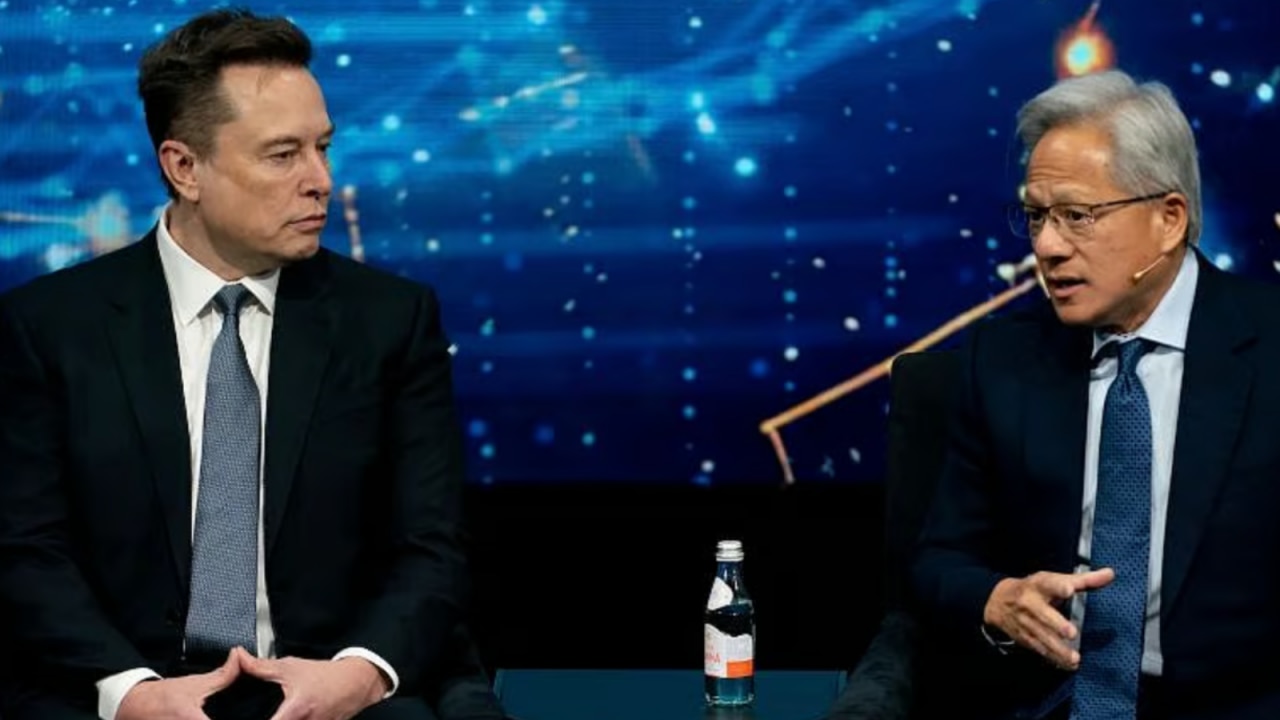 What changes at Nvidia after Jensen Huang's exit? Elon Musk warns of lost deals, Trump disclosed stock investments
 Microsoft Global Outage: Why did Outlook stop working? How were airlines in India affected?
 Nvidia After Jensen Huang: Will India's AI dream face chip shortage or open door for new rivals?
 Why does inflation soar to 6.09% despite falling fuel prices, US-Iran war halt? RBI's next move under focus
 UP Elections 2027: Will Asaduddin Owaisi and Chandrashekhar Azad defeat BJP or help Yogi win?
 From Nvidia CEO Jensen Huang to top officials: 5 Alleged Chinese 'honey trap' cases that shocked worldRamayana box office collection day 11: Ranbir Kapoor film mints Rs 1380 crore, beats Dhurandhar lifetime haulScene box office collection day 10: Suriya film beats Vishwanath and Sons to become his second highest-grossing movie
 Ramayana: Kunal Kapoor thanks fans across India, Thailand and Southeast Asia for overwhelming love for Lord Indra role
 Rashami Desai's ex-husband Nandish Sandhu marries Kavita Banerjee in traditional Bengali wedding
 Ramayana box office collection day 11: Ranbir Kapoor, Yash film crosses Rs 750 crore in India
 Mahanadi Coalfields IPO: 10 Things to know about issue date, GMP, price band, size and listing
 Tata Sons Listing Row: Why Noel Tata fears it could change Tata Group
 Who will replace Jensen Huang at Nvidia? 3 Indian-origin executives in the race
 Zee Entertainment announces Rs 600 crore share buyback at Rs 91 per share
 Who may replace Nvidia CEO Jensen Huang? THIS Indian tech executive emerged among top contenders
 '49 saal baad bhi mere saath hai': Sachin Tendulkar recreates iconic childhood photo on 37th debut anniversary
 India vs New Zealand 5th ODI: Why did live telecast suddenly face disruption?
 PM Modi congratulates India U19 team after thrilling win over Pakistan in Asia Cup 2026 final
 Vaibhav Sooryavanshi achieves a rare first at 15, creates history in T20 cricket
 IND vs PAK U19 Asia Cup final: When and where to watch match live on TV and online
 Israel News: 'Trying To Block Govt Formation...' Eisenkot's Bluntly Refuses Netanyahu's 'Unity Govt'
 Cyclone 'Akwan' Alert: '3rd Consecutive Severe Cyclone..' IMD's Big Update On Cyclone Akvan Landfall
 J&K News: Massive Anti-Terror Manhunt In Kishtwar | Joint Army, Police Operation After 2 SPOs Killed
 Kaziranga Road Accident Update: Death Toll Rises To 24; Mini-Bus Had 13 Overspeeding Challans
 Bay of Bengal Cyclone Alert: Low-Pressure Area To Intensify By November 16; Yellow Alert In Odisha
BUSINESS
India's offshore IT and BPO industries are on track to achieve $60 billion in export revenue by 2010 and can power India's economic future.

Updated : Sep 14, 2017, 03:06 PM IST

















NEW DELHI: India's offshore information technology (IT) and business process outsourcing (BPO) industries are on track to achieve $60 billion in export revenue by 2010 and can power India's economic future.
But immediate action is required to develop suitable talent, build urban infrastructure and achieve operational excellence. These are some of the key findings that have been put forward by Nasscom, the trade body and voice of the software and services industry in India, and McKinsey & Company, a leading management consulting firm, in the 'Nasscom-McKinsey report 2005- Extending India's leadership in the global IT and BPO industries.'
Based on the industry's experience over the last three years and the changing nature of customer needs, the report underlines the fact that a new approach needs to be followed by Indian IT companies in the coming years, to extend their global leadership position.
The Nasscom-McKinsey report 2005, like the previous reports (in 2002 and 1999), will help set the agenda for the entire IT and BPO industry. Elaborating on the report, S Ramadorai, CEO, TCS, and Nasscom chairman said, "Today, the Indian IT and BPO industry is estimated to be $22 billion.
The industry is in a strong position to leverage the global software opportunity and establish India as the premier IT destination in the world. Extensive innovation by various industry stakeholders could accelerate the growth in export revenues. In order to achieve this, we will require breakthrough collaboration by industry players, central and state governments and Nasscom."
Noshir Kaka, partner, McKinsey & Company, said, "Our research suggests that the total addressable market for global offshoring is approximately $300 billion, of which $110 billion will be offshored by 2010. India has the potential to capture more than 50% of this opportunity and generate export revenues of approximately $60 billion by growing at 25% year-on-year till 2010.
Inherent advantages like abundant talent supply, strong cost- and-leadership-oriented companies, regulatory support, scaleable high-quality infrastructure, and a growing domestic market have been instrumental in driving the growth of this sector."
This could contribute 1% per year to GDP growth, directly employ approximately 2.3 million people, provide indirect employment to another 6.5 million workers and pay for a massive infrastructure build-out by 2010. The industry could alone account for over 44% of export growth over the next five years, he added.
"But, sustaining India's leadership is going to be no easy task," stated Jayant Sinha Partner, McKinsey & Company. He reasoned that three key issues could prove to be stumbling blocks, if not systematically addressed.
"First, the skills and quality of the workforce need to be improved, since only 25% of technical graduates and 10-15% of general college graduates are suitable for employment in the offshore IT and BPO industries respectively.
Second, as margins come under pressure, companies must be able to continuously improve operational excellence, in addition to innovating and developing new service lines. And lastly, urban infrastructure needs immediate attention, as offshoring companies deal with bottlenecks ranging from power to cafeterias.
Further, the growth will have come from entirely new business districts, outside of Tier-I and Tier-II cities," he affirmed.
Furthermore, sustaining India's leadership will require breakthrough collaboration between the industry, central and state governments, and Nasscom.
A few imperatives that need to be addressed by the central and states governments include setting up focused education zones to improve the country's educational system, drawing up master plans to build 10-12 integrated townships with associated urban infrastructure like roads, international airports, and land development through public-private partnerships and innovative financing. And finally, ensuring free trade in services through the Mode 4 negotiations at WTO and establishing select agreements with countries.