 US Treasury Secretary Bessent blames Commerce Dept for failure to blacklist Megaspeed in Nvidia scandal
 Air India suspends flights to Riyadh, Dammam, Jeddah amid Houthi attacks on Saudi
 Vijay Sethupathi reunites with Super Deluxe's director Thiagarajan Kumararaja after 7 years with Pocket Novel, announces Hindi release
 Kabaddi Champions League: Former India star Mohit Chhillar backs it for next generation
 Will Trump succumb to Netanyahu's pressure to attack Iran again? Israel intel chief visits WashingtonAir India suspends flights to Riyadh, Dammam, Jeddah amid Houthi attacks on Saudi
 Manipur: 4 killed as armed men ambush vehicles on NH-202 in New Heaven Village
 Who are Sonia Gandhi's sisters? What does she reveal about Nadia, Anoushka in 'Belonging: A Journey of Love '?
 Rasgulla Bomb? Man dies in MP as explosive hidden inside sweet explodes in mouth
 Assam Accident: 23 killed, several injured as truck hits traveller in KazirangaUS Treasury Secretary Bessent blames Commerce Dept for failure to blacklist Megaspeed in Nvidia scandalWill Trump succumb to Netanyahu's pressure to attack Iran again? Israel intel chief visits Washington
 Microsoft 365 Outage Update: Outlook, Teams restoration underway, 48-hour email delay continues
 Was Alice Huang Really A Chinese Spy? US intel has no definitive proof, divided over Jensen Huang affair
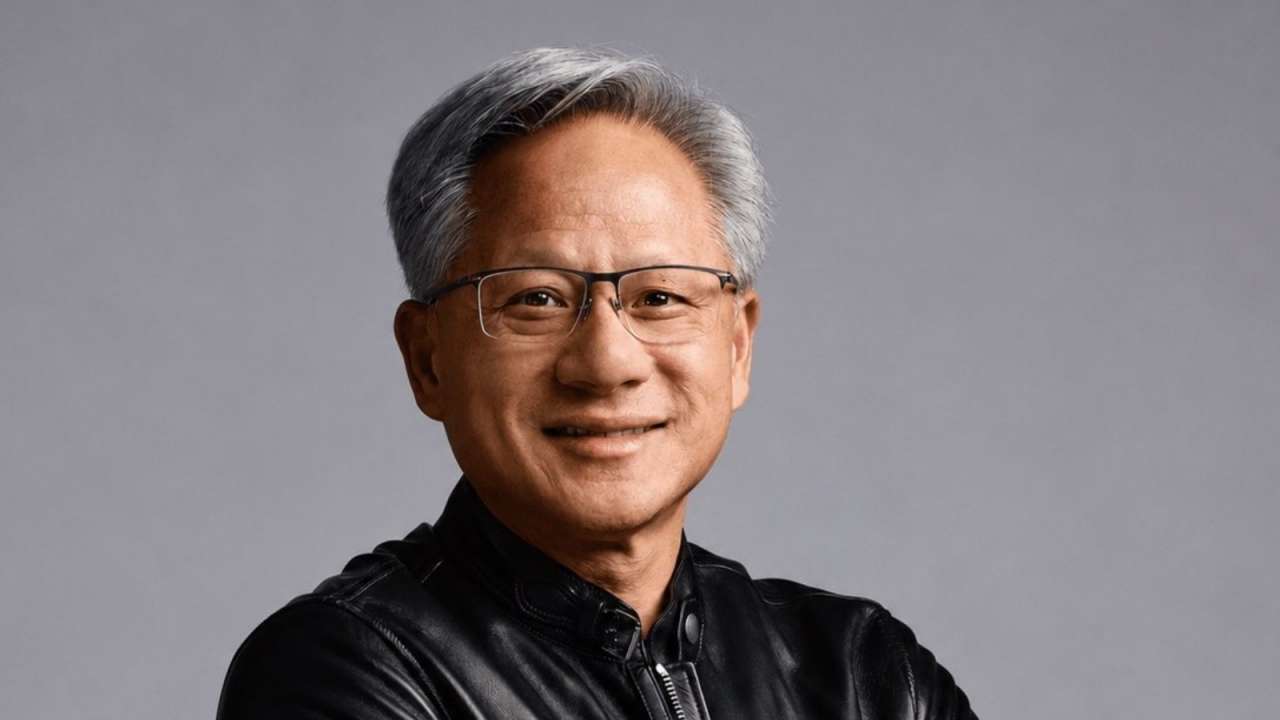 From cleaning toilets to $4.5 trillion empire: Who is Jensen Huang? His Nvidia exit, China spy controversy
 Microsoft Global Outage: Why did Outlook stop working? How were airlines in India affected?
 Nvidia After Jensen Huang: Will India's AI dream face chip shortage or open door for new rivals?
 Why does inflation soar to 6.09% despite falling fuel prices, US-Iran war halt? RBI's next move under focus
 UP Elections 2027: Will Asaduddin Owaisi and Chandrashekhar Azad defeat BJP or help Yogi win?
 From Nvidia CEO Jensen Huang to top officials: 5 Alleged Chinese 'honey trap' cases that shocked worldVijay Sethupathi reunites with Super Deluxe's director Thiagarajan Kumararaja after 7 years with Pocket Novel, announces Hindi release
 Ayushmann Khurrana on celebrating Chhath Puja for first time with Yeh Prem Mol Liya, calls it 'beautiful tradition, completely new' to him
 Amrita Rao’s sister married: Preetika Rao ties knot in intimate ceremony, gets blessings of Spiritual leader Ravi Shankar
 Moushumi Chatterjee's husband, producer Jayanta Mukherjee, passes away at his Mumbai home
 Tinnu Anand makes FIRST big statement after suffering 5 rib fractures and punctured lung, shares health update
 Who will replace Jensen Huang at Nvidia? 3 Indian-origin executives in the race
 Zee Entertainment announces Rs 600 crore share buyback at Rs 91 per share
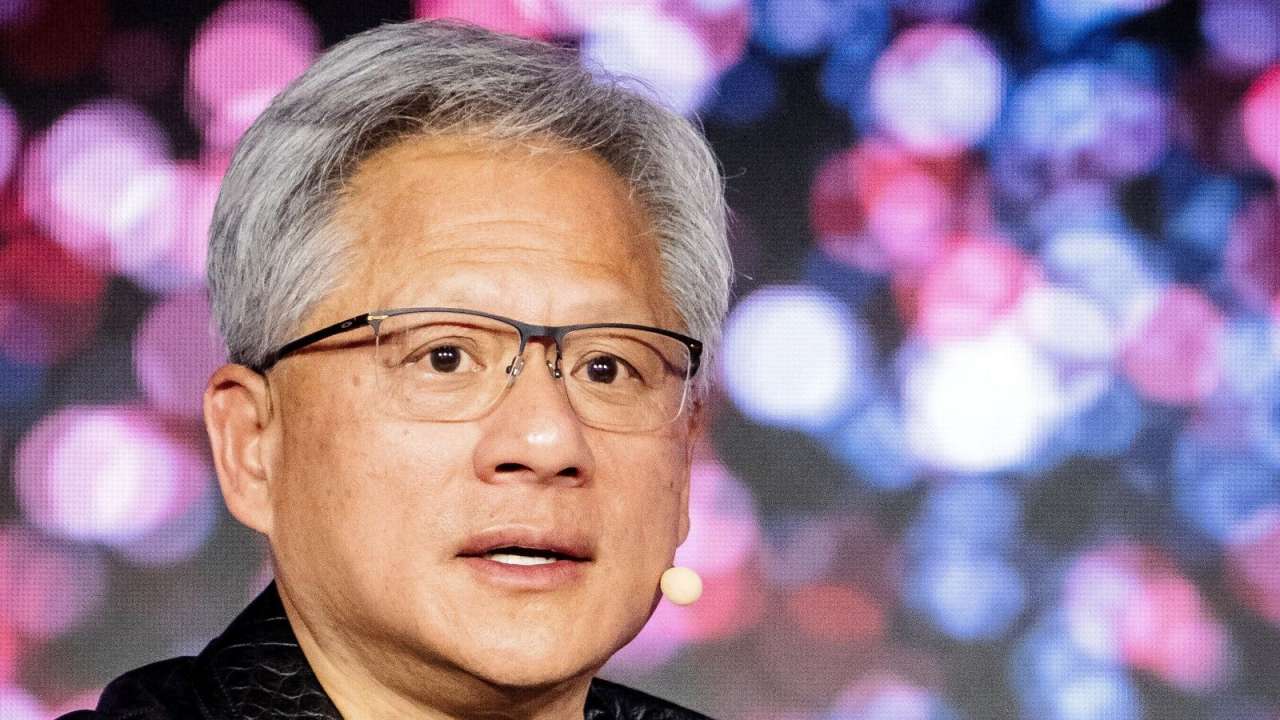 Who may replace Nvidia CEO Jensen Huang? THIS Indian tech executive emerged among top contenders
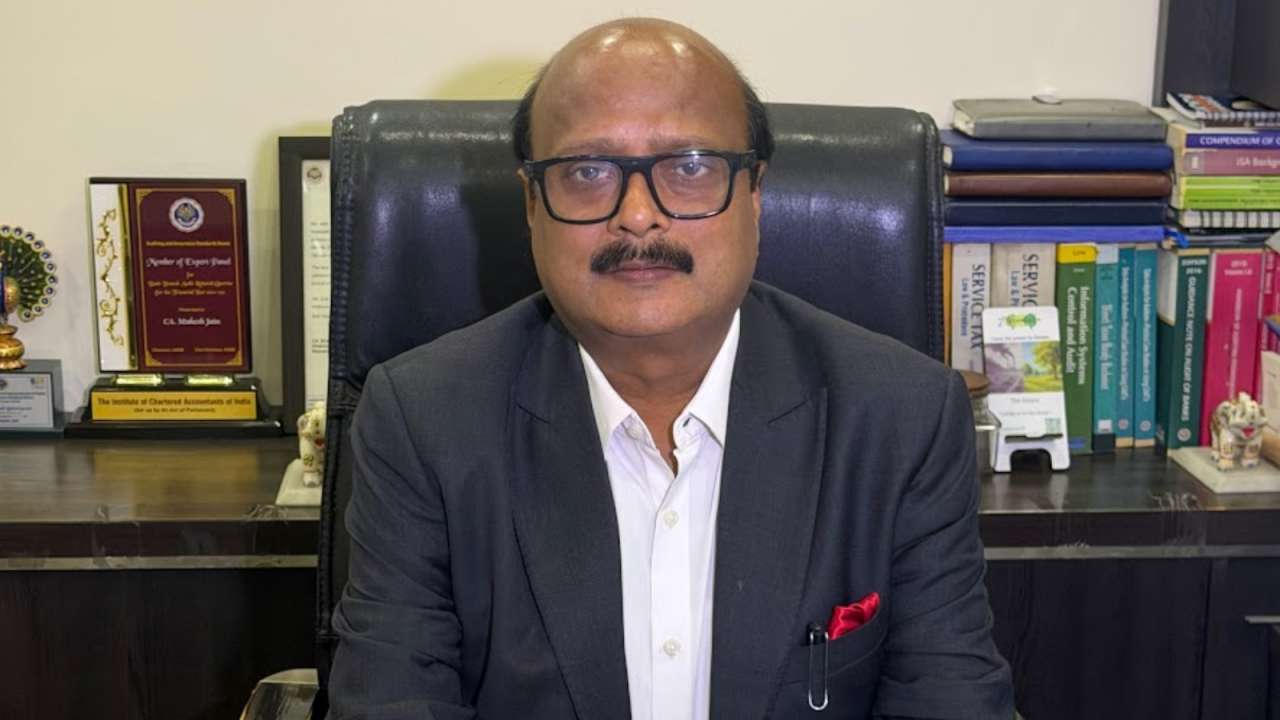 When CA Mukesh Jain Tested Kwala Intel: Inside the AI market wizard that money managers now swear by
 Tata Group Power Struggle Intensifies: Noel Tata quits boards of six companies, what next?Kabaddi Champions League: Former India star Mohit Chhillar backs it for next generation
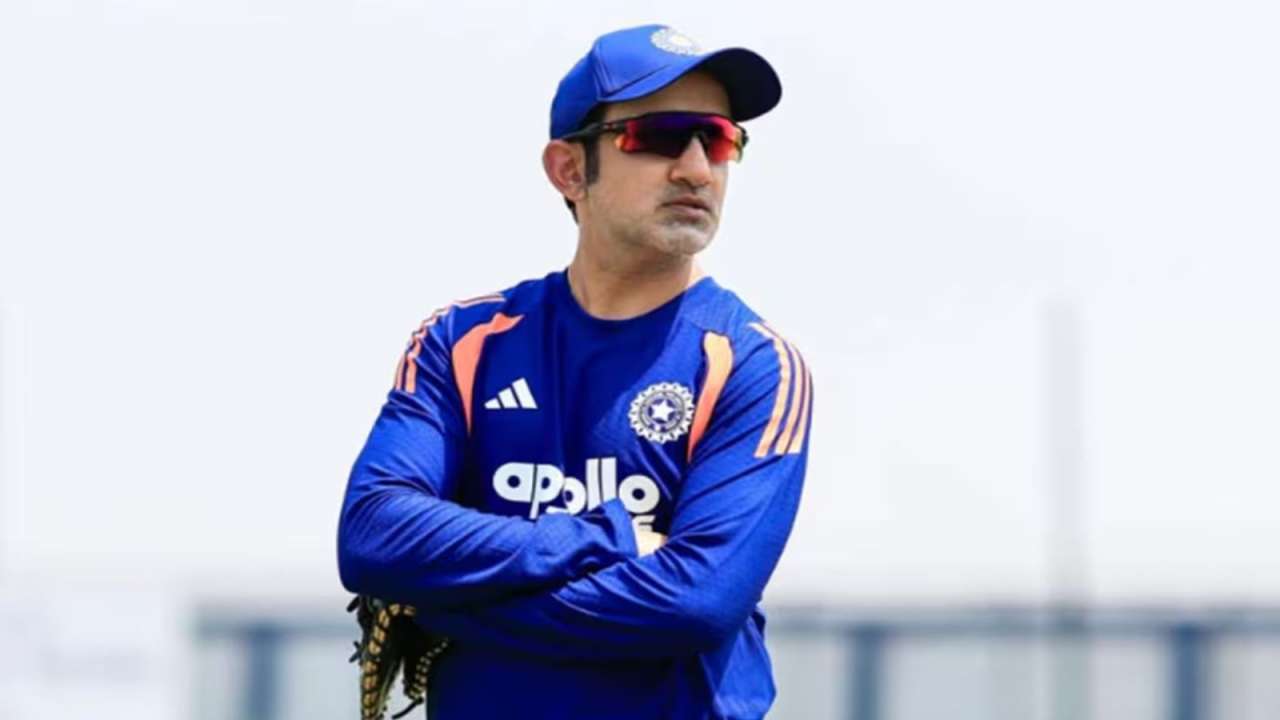 Gautam Gambhir loses patience after India's 89-run collapse against New Zealand, refuses to spare batters, slams Rohit, Kohli, Iyer
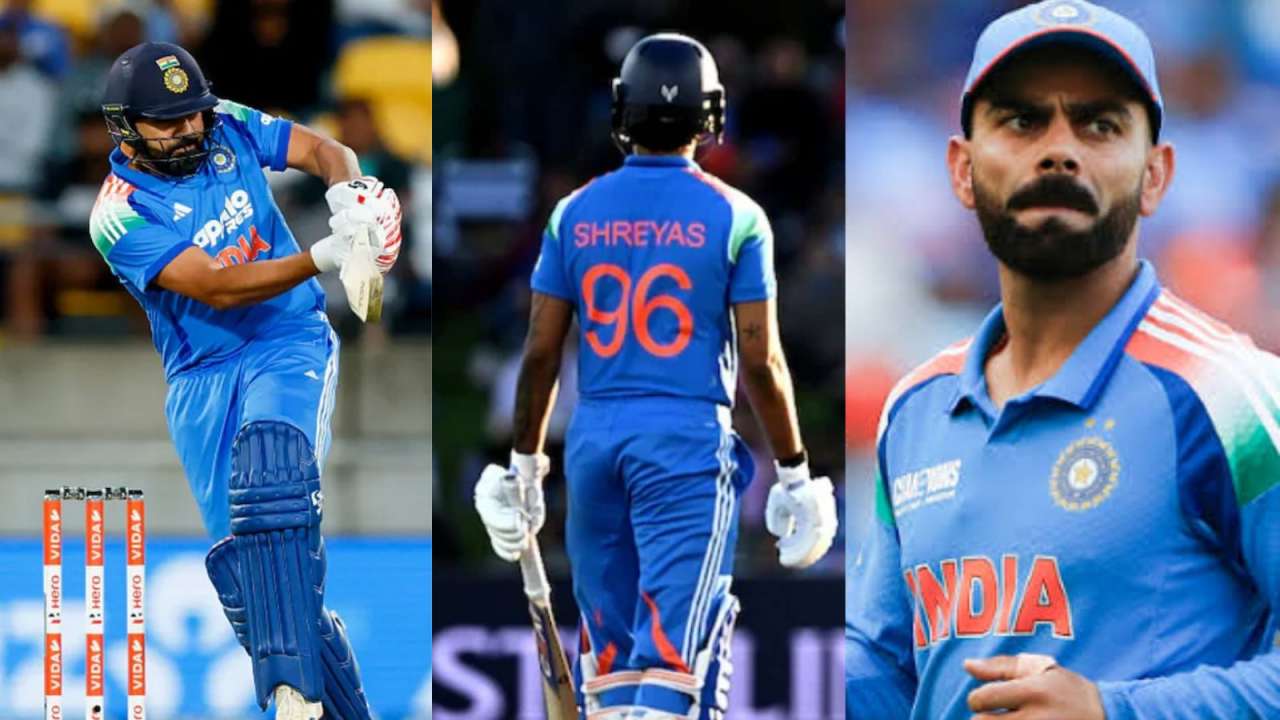 Rohit, Kohli, Shreyas Iyer fall for ducks! India suffer humiliating 89 all-out collapse
 IND vs NZ 4th ODI: Virat Kohli's calm act goes viral after Gurnoor Brar clashes with Tim Seifert, Watch video
 IND vs NZ ODI Series: Rohit Sharma's diving catch goes viral after he dismisses Finn Allen for 41, Watch
 Kaziranga Road Accident Update: Death Toll Rises To 24; Mini-Bus Had 13 Overspeeding Challans
 Bay of Bengal Cyclone Alert: Low-Pressure Area To Intensify By November 16; Yellow Alert In Odisha
 Microsoft 365 Outage Update: Gradual Recovery Underway After 20 Hours; Email Timeout Doubled to 48 Hrs
 Nvidia-Jensen Huang News: 'Would Be An Honor To Hire Him...' Will Musk Save Huang After Resignation
 J&K News: 'Won't Spare You...' 2 Days Before Kulgam Attack, CRPF Got Unexpected Warning By Boy
BUSINESS
Taxation of these funds is identical to 100% equity funds

Updated : Mar 25, 2018, 05:42 AM IST

















For first-time investors, dipping their toes into the mutual fund mart, even too many good options can be confusing. If you choose fixed income funds, the returns are steady but low. In case you prefer equity MFs, growth potential is attractive but risk is slightly higher. That’s where hybrid funds come in.
Hybrid funds are funds that invest in equity and fixed income based securities – thereby providing investors with an option of investing in single mutual fund that combines both growth and income objectives.
Combining different asset classes, a hybrid mutual fund product ensures investors are able to leverage the high returns from equities over time while also profiting from the steadier gains from fixed income. Hybrid funds are best suited for investors who want to profit from a portfolio containing top stocks and bonds, aim for growth but understand safety. It is ideal for new investors. There are some important factors to consider while buying hybrid funds.
Choosing segment: Hybrid funds let you reap the benefit of diversification, and also the very best of both worlds without putting your assets at risk. Since hybrid funds typically take a larger exposure of equity to give you tax benefits, an investor cannot decide the equity allocation. Investors can, however, decide what kind of equities their money will invest in. This choice is important because it will ultimately decide the quantum of equity returns.
For instance, there are funds that provide the flexibility to participate in investment opportunities across sectors and market capitalization ranges. The fund managers do this mixing the equity allocation between large-cap stocks and mid-cap stocks. Such a multi-cap strategy may be suited for investors wanting higher returns from the equity allocation.
Then, there are hybrid funds that stick to a predominantly large-cap focus. These schemes, with a blue-chip stock bias, would generate more stable and steady returns, especially suited for new investors with a conservative mindset.
Date with debt: An eye of debt allocation and portfolio is also important for those considering hybrid funds. While the upside of fixed income is the certainty of return, it is important to note that this strength is visible only when such instruments are of high-quality. Top-grade interest-bearing securities like corporate bonds, debentures, government securities, commercial paper and other money market instruments, with the right maturity profile and in sync with the interest rate outlook are a must-have.
The relationship between bonds and interest rates affect fund returns. So, it is important to select a hybrid fund whose debt portion is managed by investment experts with experience in handling funds both in the up cycle as well as the down cycle of interest rates. Their track-record should be closely examined. Long-term performance as well as alpha (excess return) over benchmark of debt managers is as much important as of the equity managers.
Selecting lower taxes: Hybrid funds invest their portfolio in a motley assortment of debt and equities. They can be equity-oriented or debt-oriented, contingent on their exposure to equities. If a hybrid fund invests minimum 65% in equities, it is an equity-oriented. Less than 65% equities allocation will mean it is debt-oriented.
There are quite a few tax advantages if you select the right hybrid fund. Equity oriented hybrid funds, if held for more than one year are exempt from long-term capital gains tax. This makes the taxation of these funds identical to 100% equity funds, even though they may have 65% of equity. This is a major advantage because the safety and returns from fixed income portion virtually are tax-free. Dividends are also tax-free.
For debt oriented hybrid funds, the fund assets have to be held for more than three years to qualify as long-term and gains are taxed at 20% with indexation benefits. Short-term capital gains tax on debt-oriented hybrid funds is as per investor’s income tax bracket. Dividends attract dividend distribution tax as well.
As per past performance, equity-oriented hybrid funds have gained an average 20% in last 1 year. Historically, over longer term, these funds have notched up average 15-17% annual gain and debt-oriented hybrid funds have given 12-13% returns over three-five year tenure.
The writer is executive director and CEO, Reliance Mutual Fund