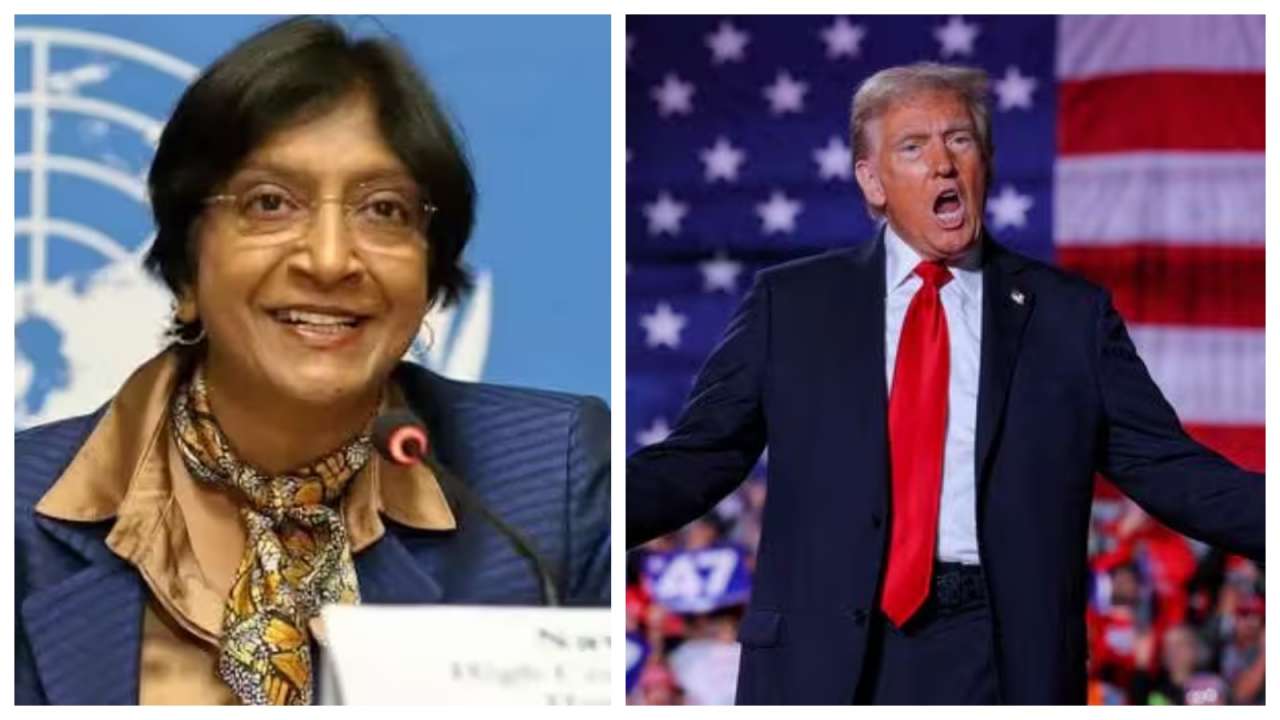
 'What Has She Done': Donald Trump mocks Nobel Peace Prize 2026 winner Navi Pillay, claims he settled India-Pak war
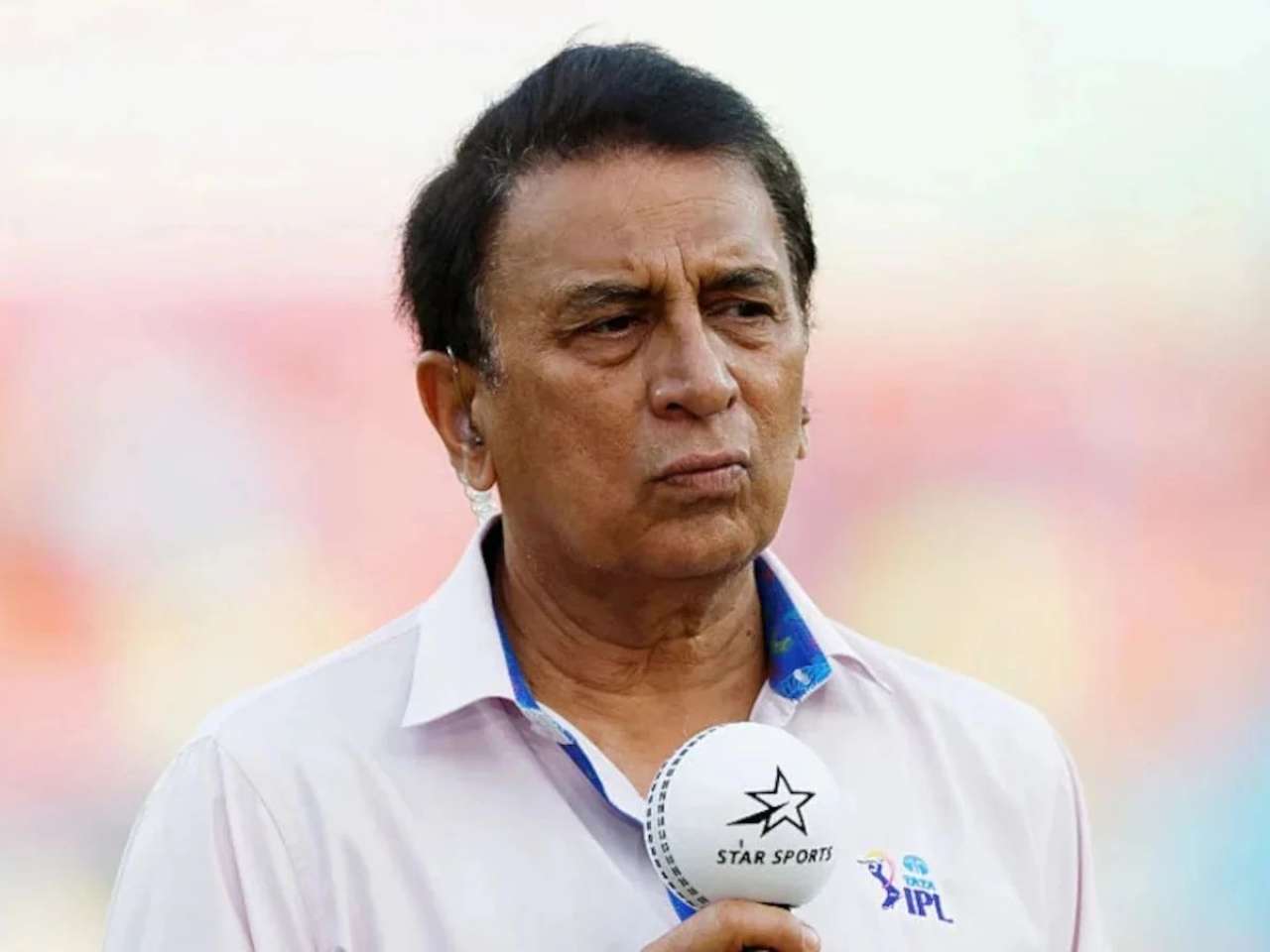 'Bowlers did not execute’: Sunil Gavaskar lashes out after West Indies shock India in high-scoring 2nd T20I
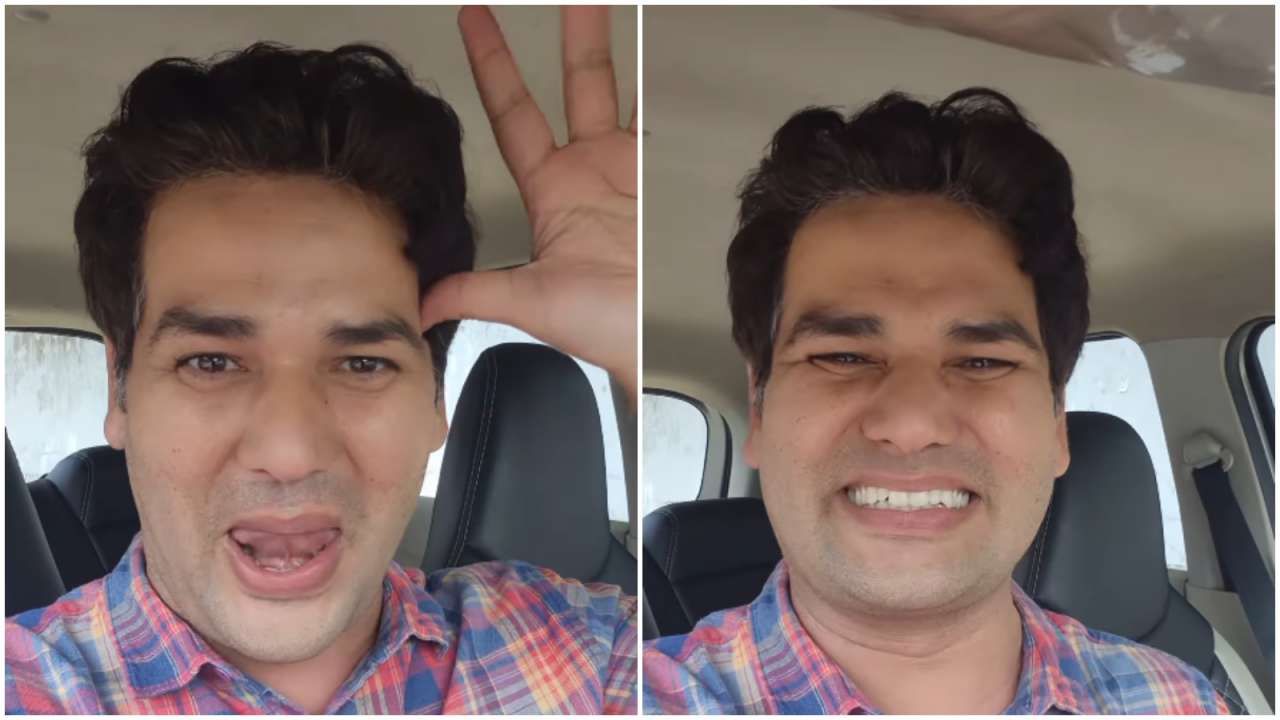 'Zyada load mat lo, bas ek kavita padhunga': Vijeta Dahiya mocks Abhijeet Dipke, Dhruv Rathee over detention by Delhi Police
 Tsunami threat after 7.7-magnitude earthquake strikes off Panama, 9 countries on alert; US warns of aftershocks | Video
 Aastha Gill calls her debut Punjabi EP Wild Card 'a true homecoming moment': 'Wanted it to be absolutely perfect''Bowlers did not execute’: Sunil Gavaskar lashes out after West Indies shock India in high-scoring 2nd T20I
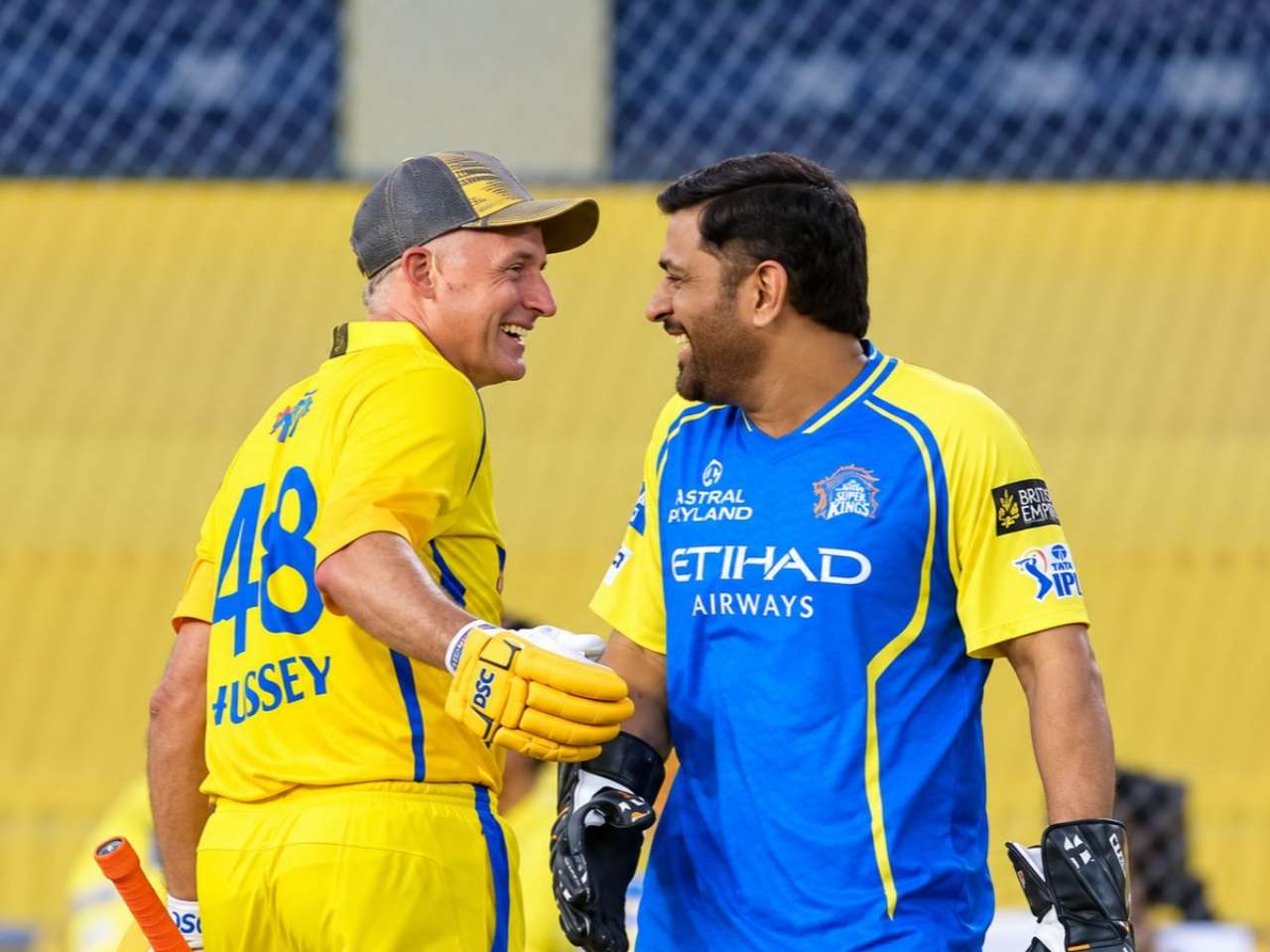 Another shake-up at CSK! Long-time batting coach Michael Hussey departs ahead of IPL 2027
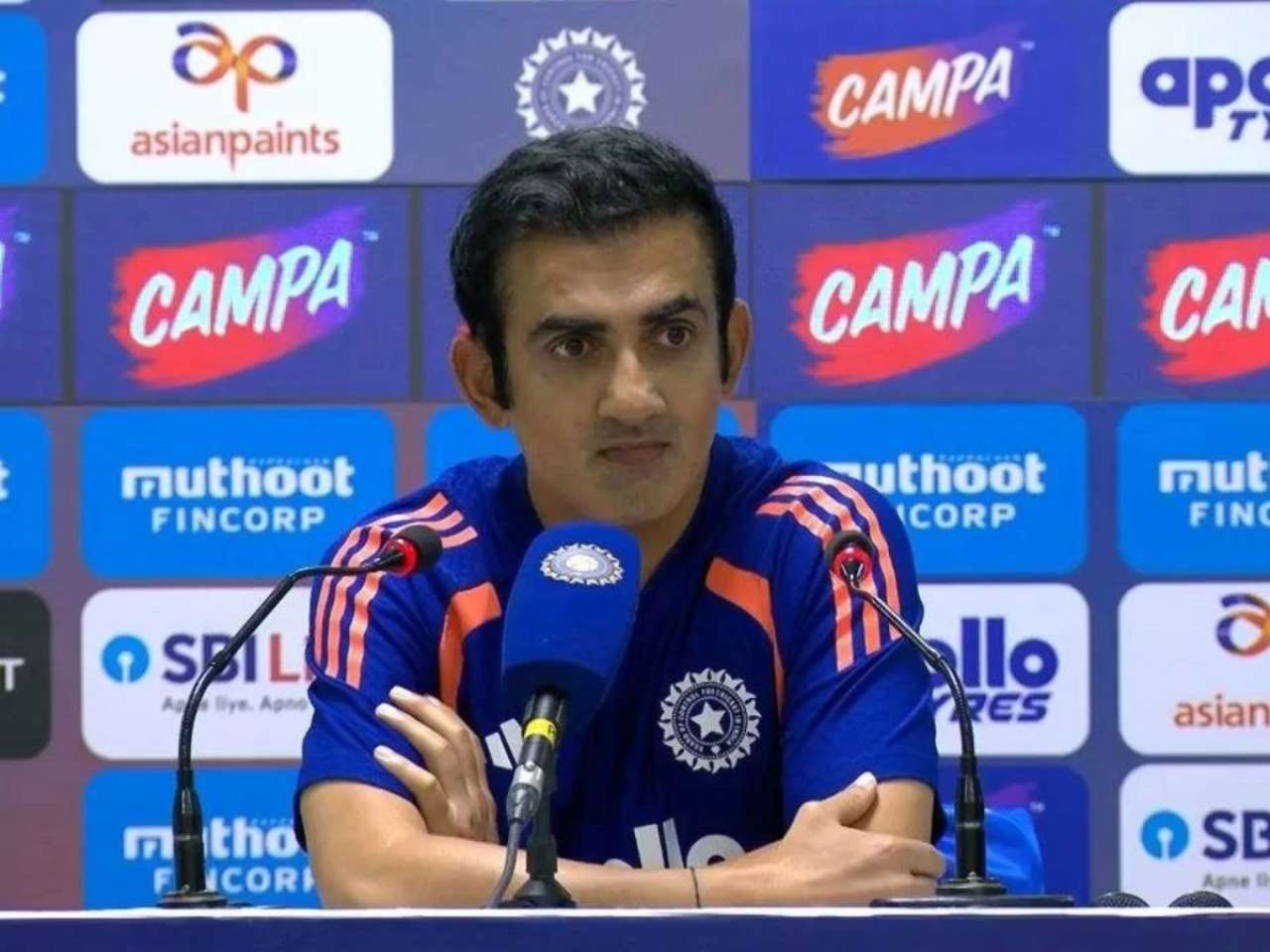 'Their careers are also at stake': Gautam Gambhir defends bowlers after West Indies complete record 250-run chase in Ranchi
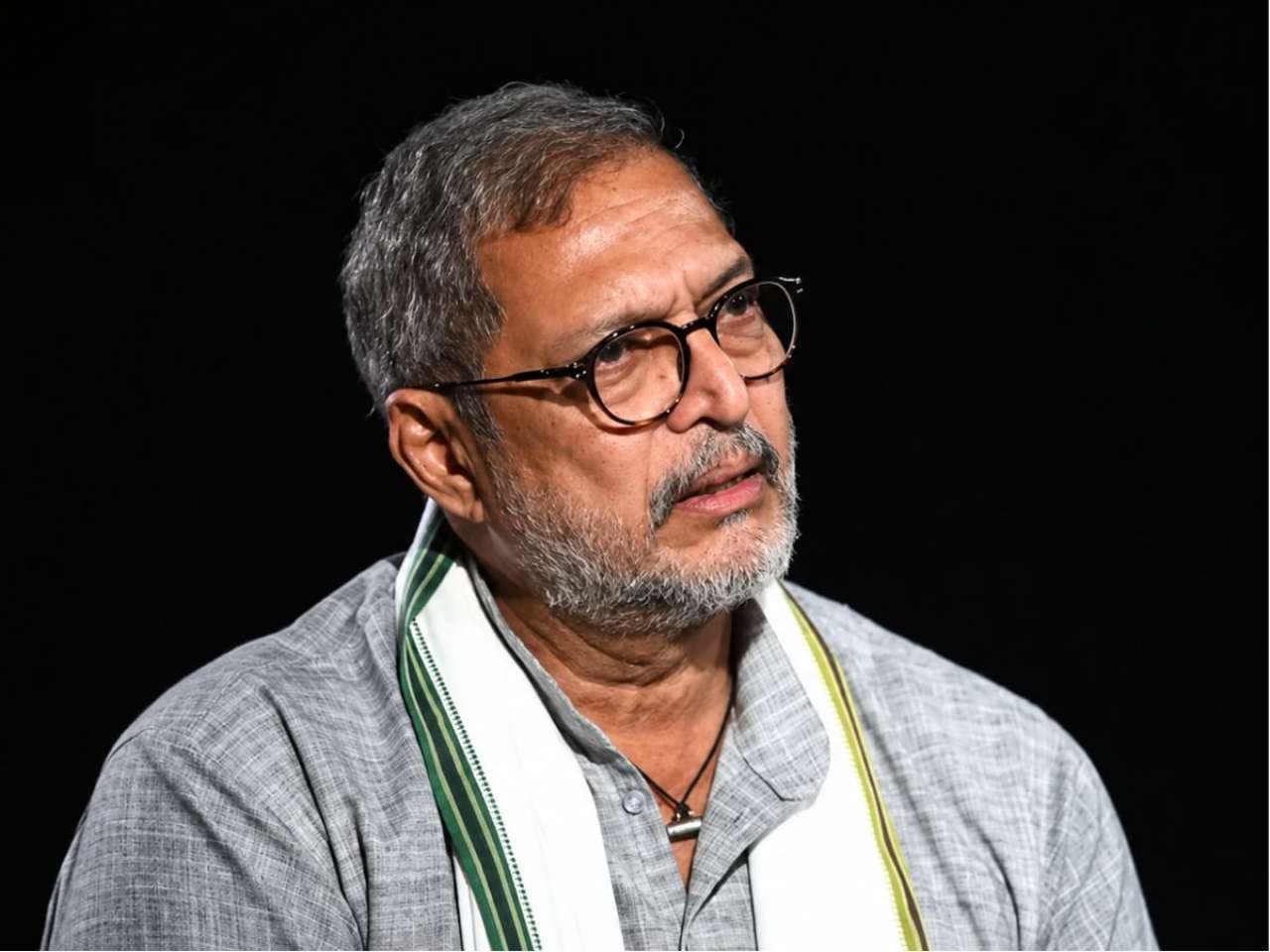 Which ex-Pakistan cricketer did Nana Patekar support after his mother’s death? Untold story revealed
 New Zealand suffer huge double injury blow ahead of India T20Is; full revised squad insideAastha Gill calls her debut Punjabi EP Wild Card 'a true homecoming moment': 'Wanted it to be absolutely perfect'
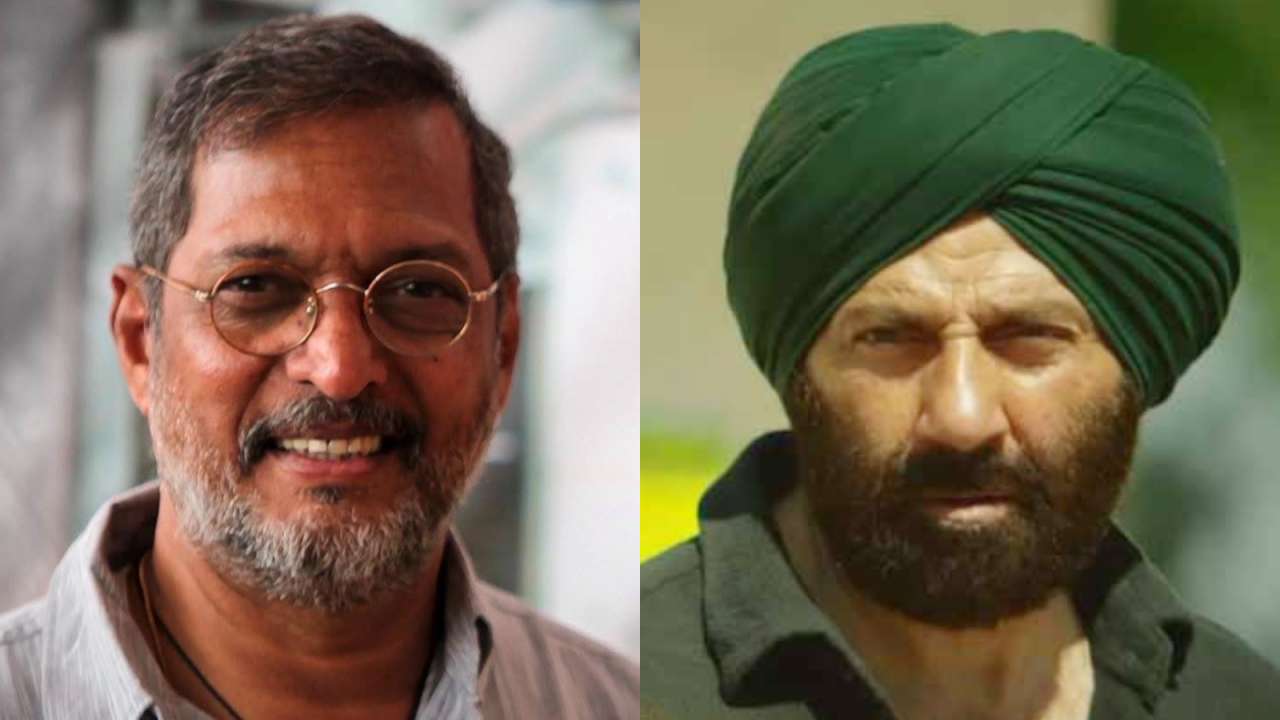 Nana Patekar wanted to act with Sunny Deol in Gadar 3, reveals Anil Sharma: 'He asked me to write a role for him'
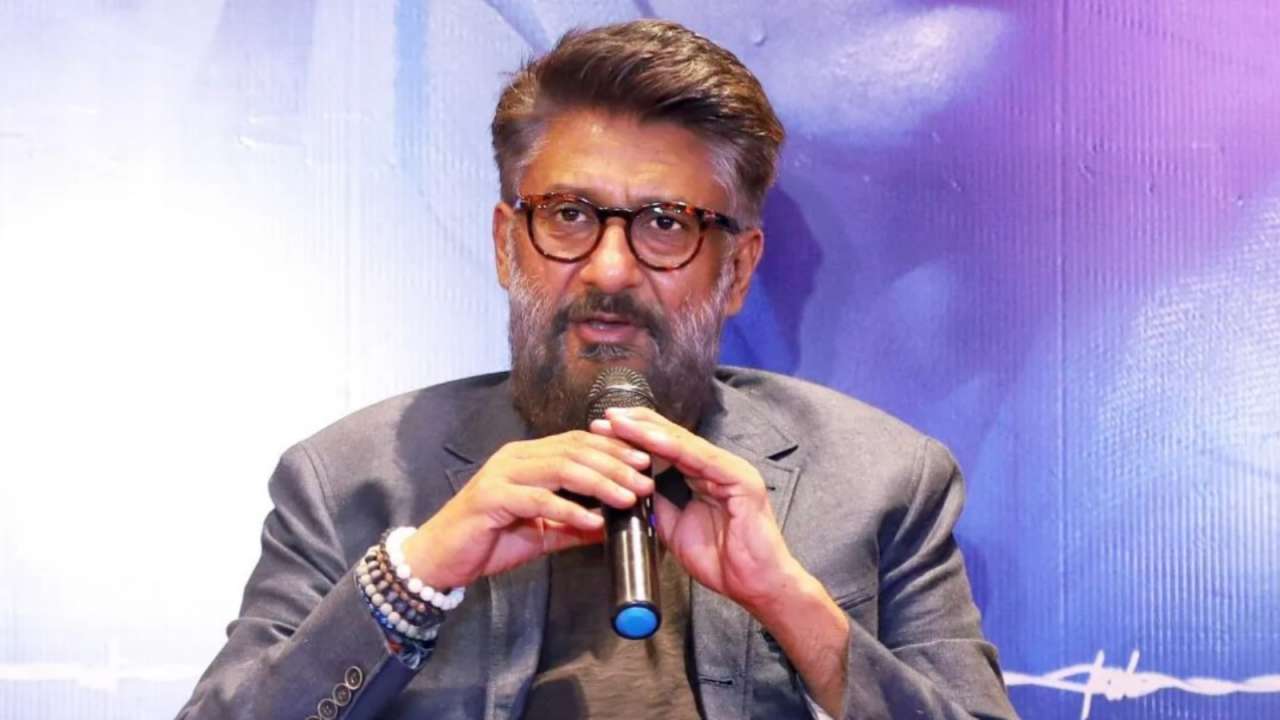 Vishwa Hindu Parishad bashes Vivek Agnihotri over his 'tax religion' remark: 'Who are you to question Hinduism'
 Nana Patekar was set to appear in premiere episode of Madhuri Dixit's Marathi KBC Kon Honar Crorepati
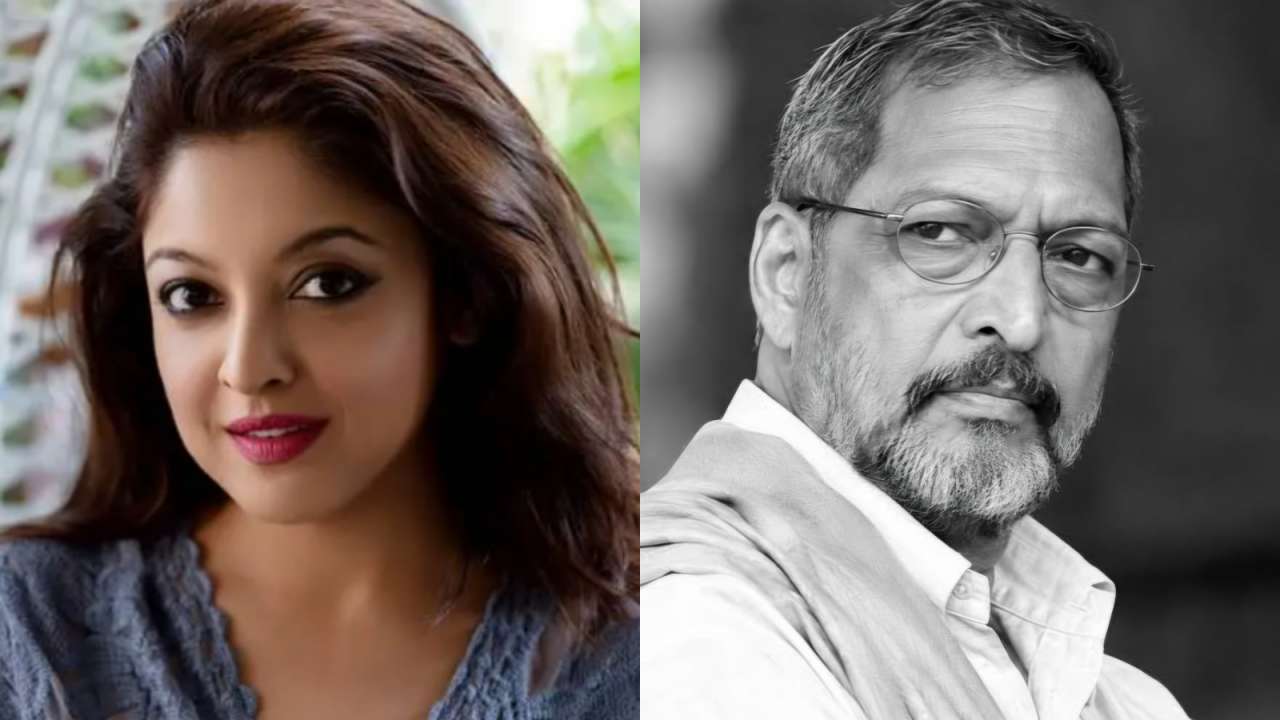 'Nana Patekar was the biggest demon': Tanushree Dutta says late actor made her life hell after #MeToo allegations
 Saudi Houthi War: India Issues Urgent Advisory To Citizens In Saudi After Riyadh Airport Attack
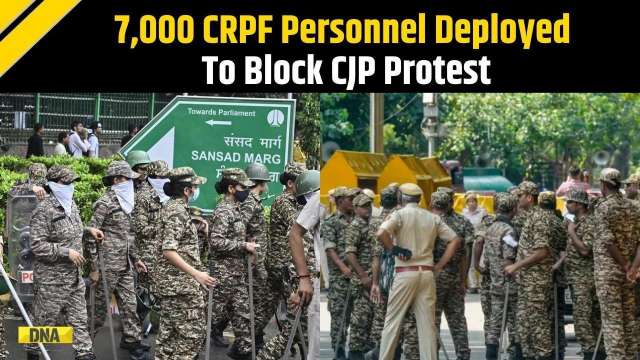 CJP Protest: 7,000 CRPF Personnel Rushed To Capital Ahead Of CJP's Oct 10 March
 CJP News: Delhi CAPF Deployment Raised To 26,000 Ahead Of CJP October 10 Protest
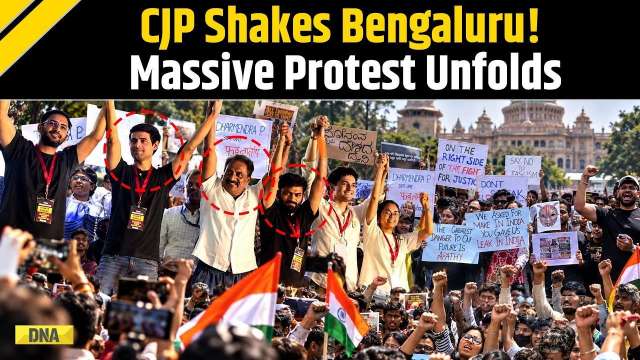 CJP Protest: In Bengaluru Dhruv Rathee, Prakash Raj Join Anti-SIR Demonstration
 Flydubai Flight News:'Revenge For Gaza'; Flydubai Co-Pilot Hamam Al-Hammami Confesses To Terror Plot
 Gold, Silver prices today, October 10, 2026: Check city-wise rates in Delhi, Mumbai, Chennai, Kolkata and more
 Reliance Jio IPO: Price Band likely at Rs 1065-1119 per share, issue may open on October 21; check details
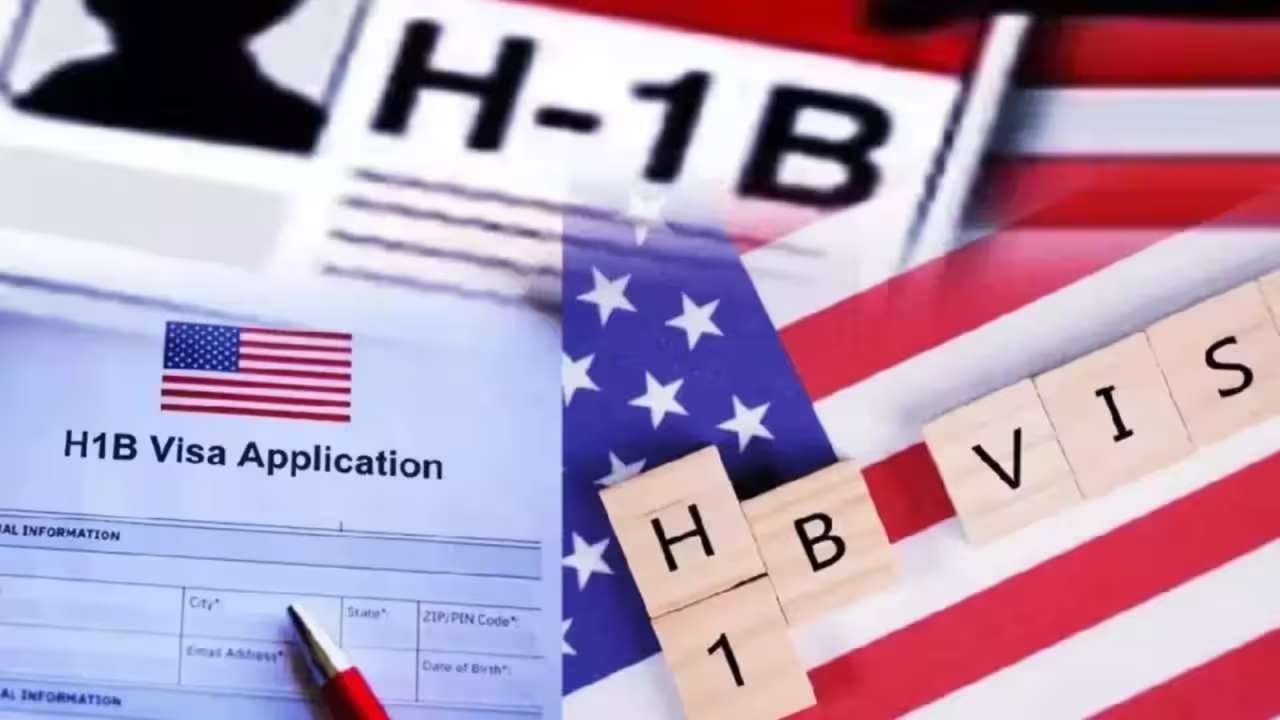 How to bypass H-1 B visa restrictions? Can Indian professionals use L-1 and O-1 visas as alternative routes to enter US?
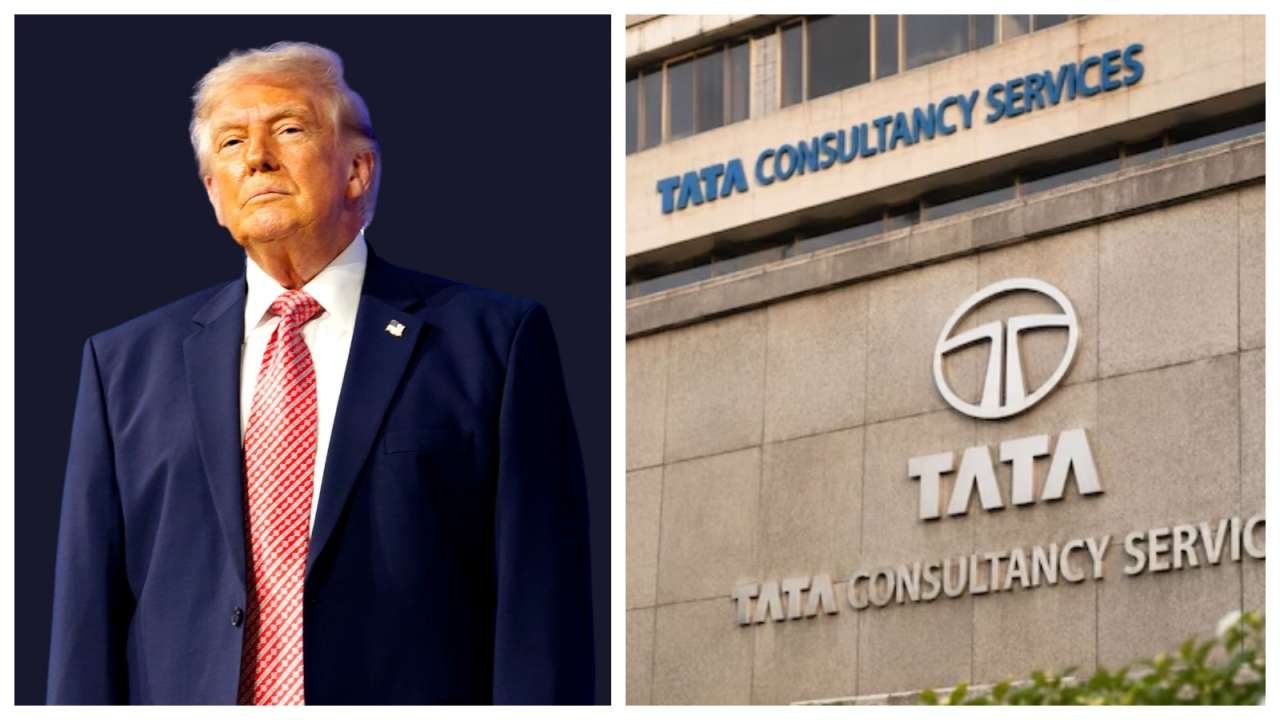 US Green Card Row: TCS says PERM suspension won't impact business, applications in single digits
 Gold, Silver prices today, October 9, 2026: Check city-wise rates in Delhi, Mumbai, Chennai, Kolkata and more
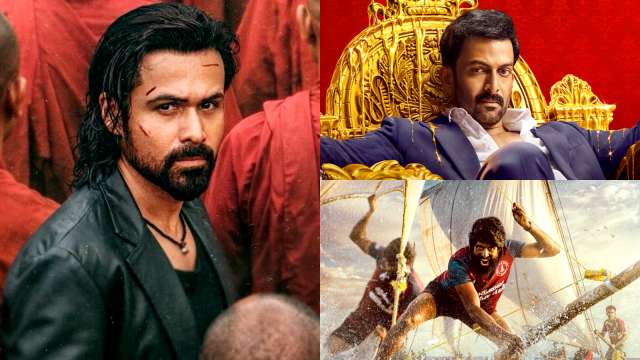 OTT Releases This Week (October 5-11): Awarapan 2, Khalifa, Mandaadi; new India movies, shows to watch on Netflix, Prime Video
 OTT Releases This Week (Sept 28 - Oct 4): Dupahiya 2, Pooja Meri Jaan; new movies and shows to watch this Gandhi Jayanti weekend
 From Neeti Mohan, Heer, Sarthak Kalyani; Ahead of Sa Re Ga Ma Pa, 5 musical geniuses championed by AR Rahman
 72nd National Film Awards 2024: Kartik Aaryan, Yami Gautam, Aditya Dhar, Mammootty, Dhanush, Anant Nag accept honours
 OTT Releases This Week (September 14-20): Lust Stories 3, Irumudi, Thudakkam; Indian movies, series to watch on Netflix, Prime Video, JioHotstar'Zyada load mat lo, bas ek kavita padhunga': Vijeta Dahiya mocks Abhijeet Dipke, Dhruv Rathee over detention by Delhi Police
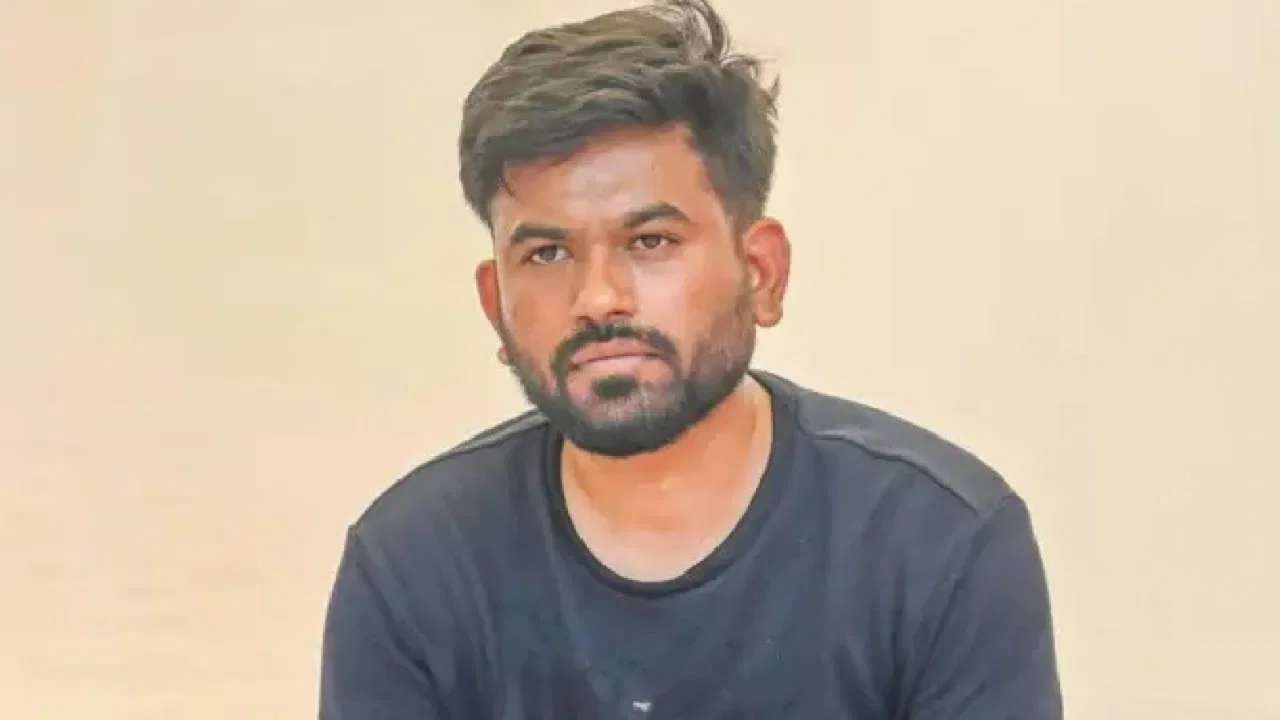 CJP founder Abhijeet Dipke's grandmother passes away at 85, hours after his detention in Delhi
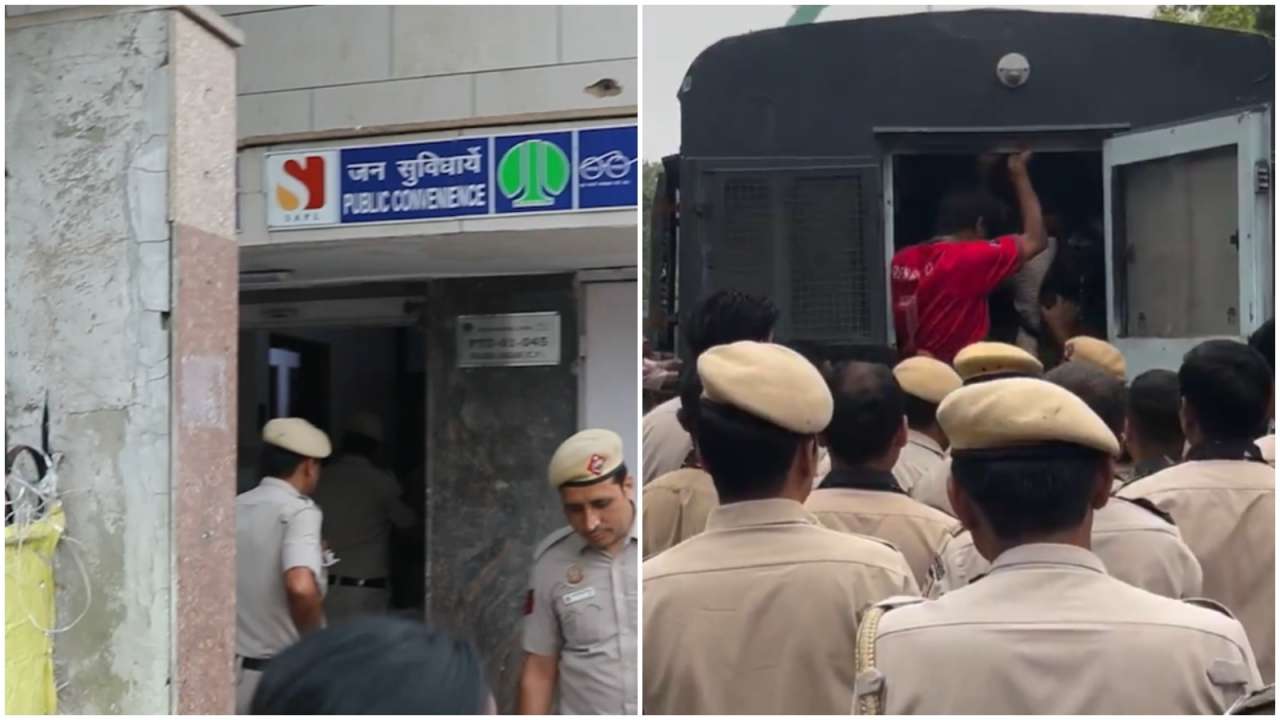 Delhi Police detain CJP protesters hiding inside washroom near Sansad Marg Area | WATCH viral video
 POCSO court sentences accused to death for brutal killing of 8-year-old in Jamnagar
 Is Bharuch's Jama Masjid a Jain Temple? Gujarat HC asks ASI to probe
 Third Language Row: SC extends relaxation to Class 6 students, asks CBSE to grant exemption, here's what it means
 NEET PG 2026 Result Out: Check how to download scorecard from natboard.edu.in; Know category-wise cut-off and more
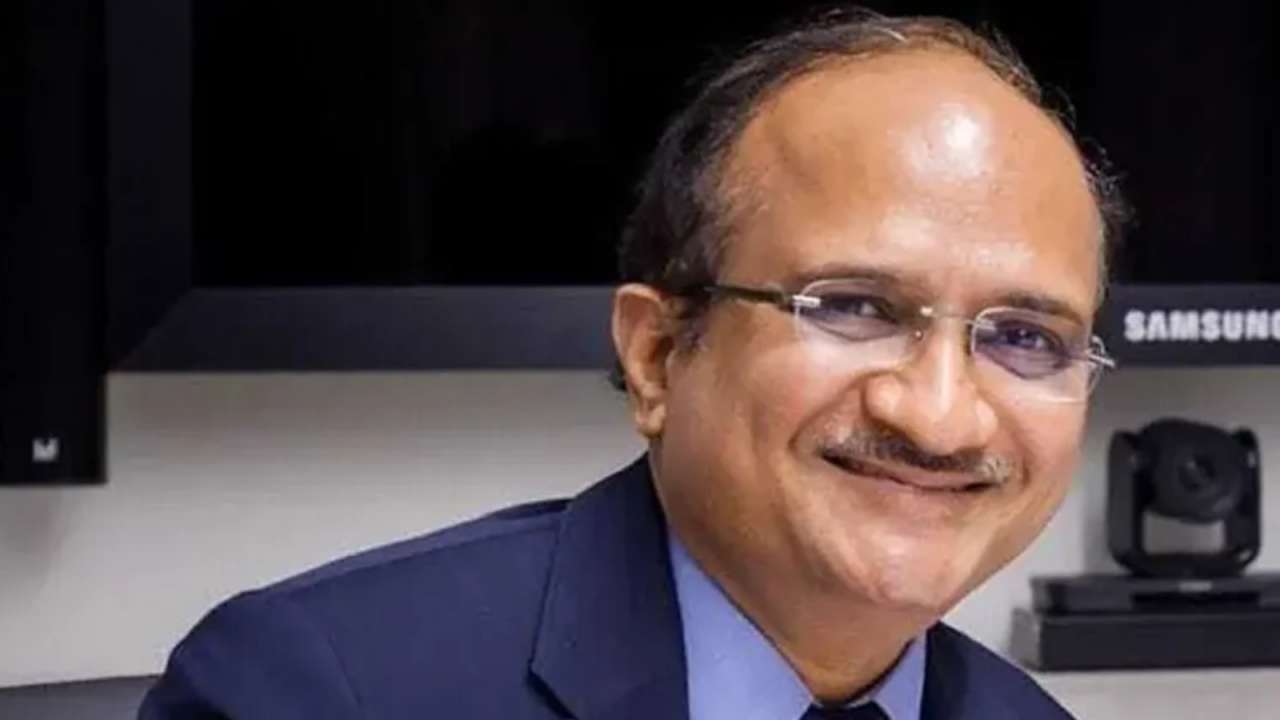 Five-year BTech programmes? Ex-IIT director makes proposals amid IIT suicide controversy
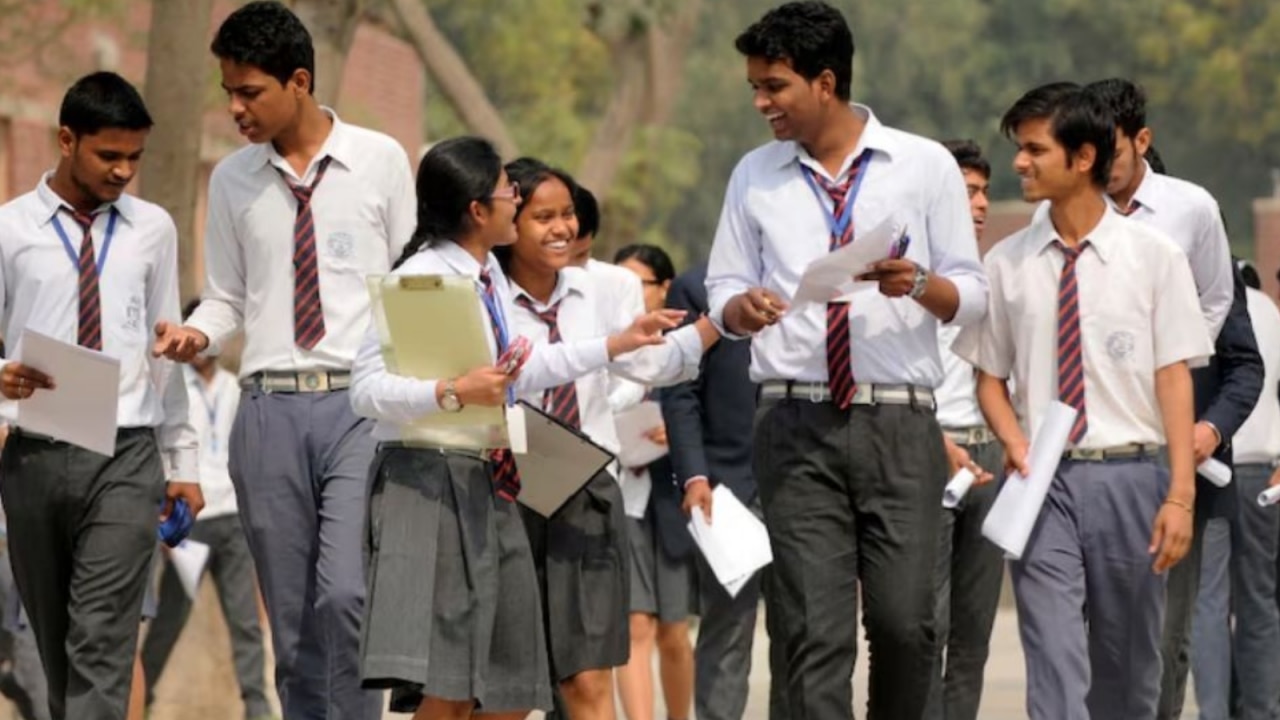 CBSE Date Sheet 2027: When will Class 10, 12 timetable be released? Check details here
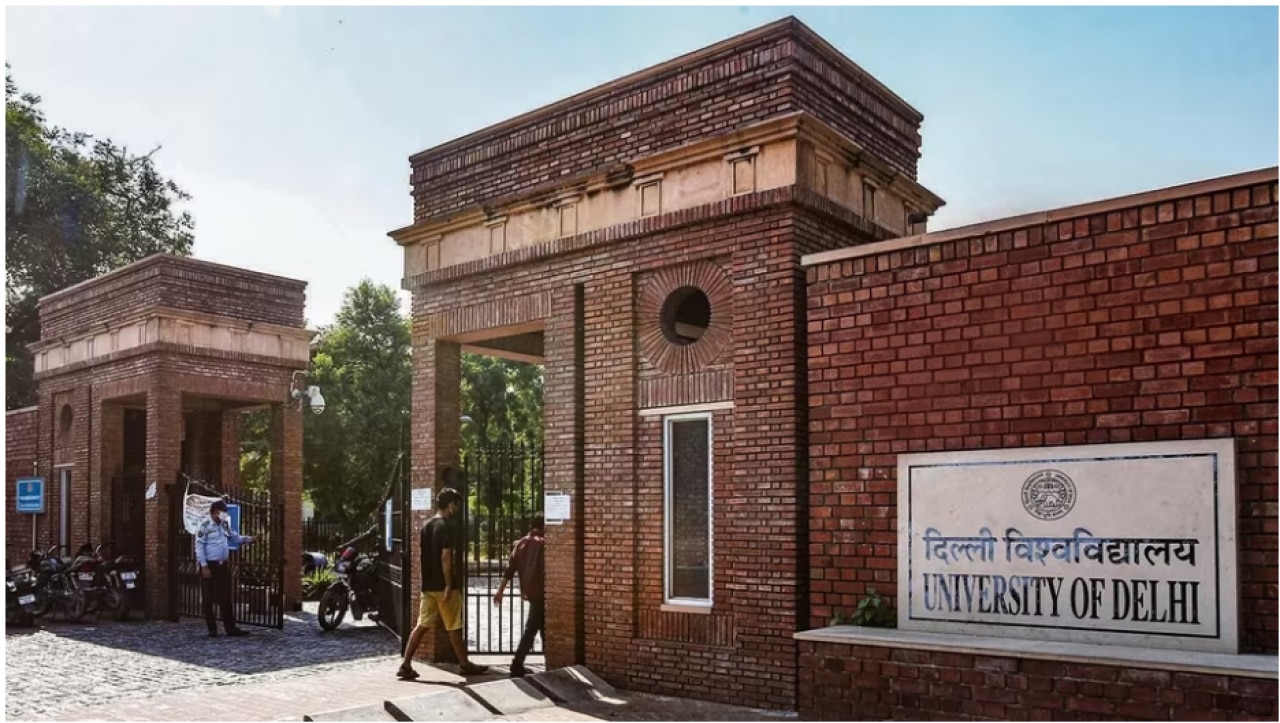 From Rs 150 in 1947 to powerful student body: The story of DUSU’s rise | Explained
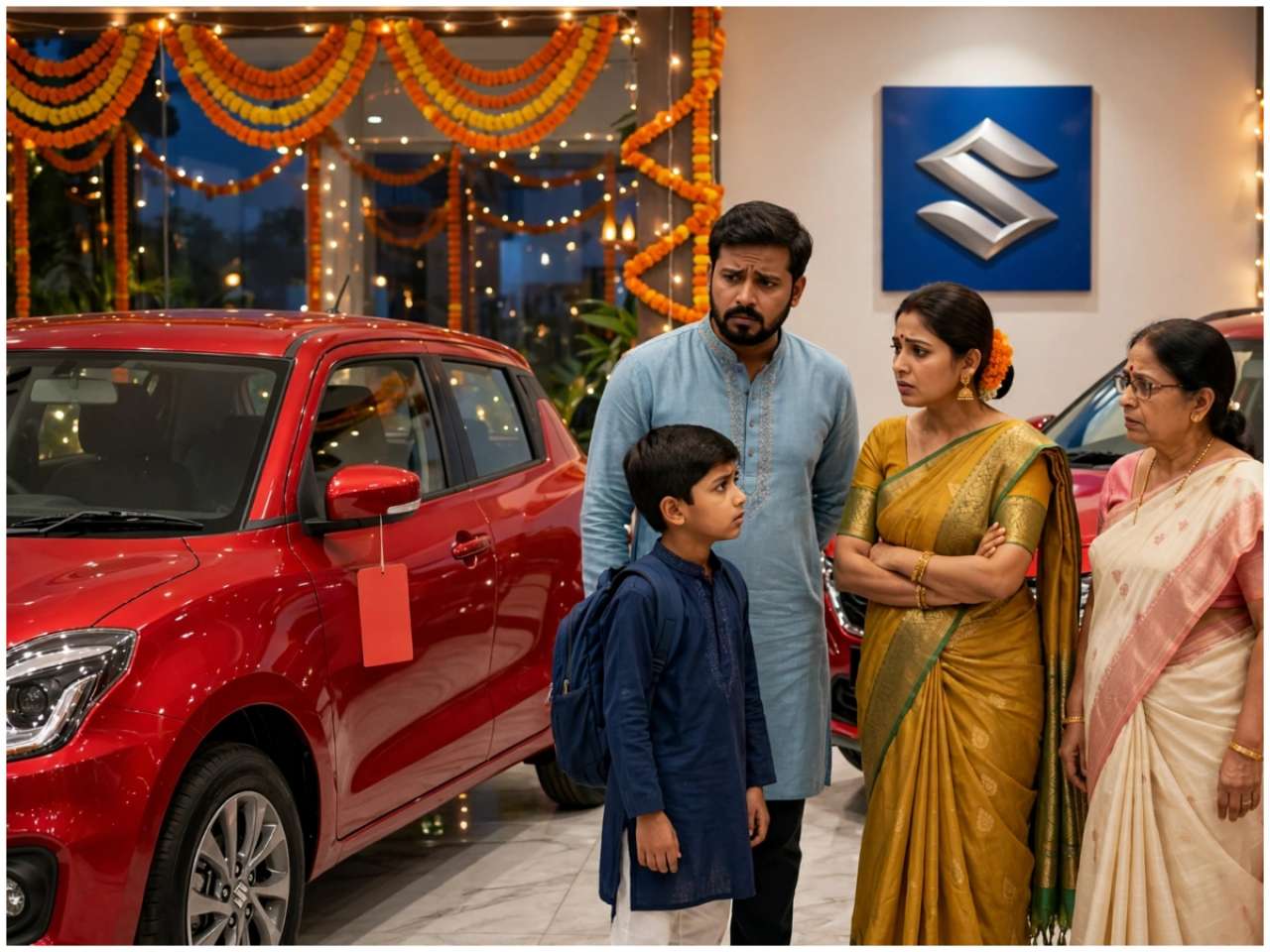 After Hyundai, Maruti Suzuki makes cars costlier ahead of festive season: Check new prices after hike
 Hyundai cars to get costlier from September: Check new prices and reason behind hike
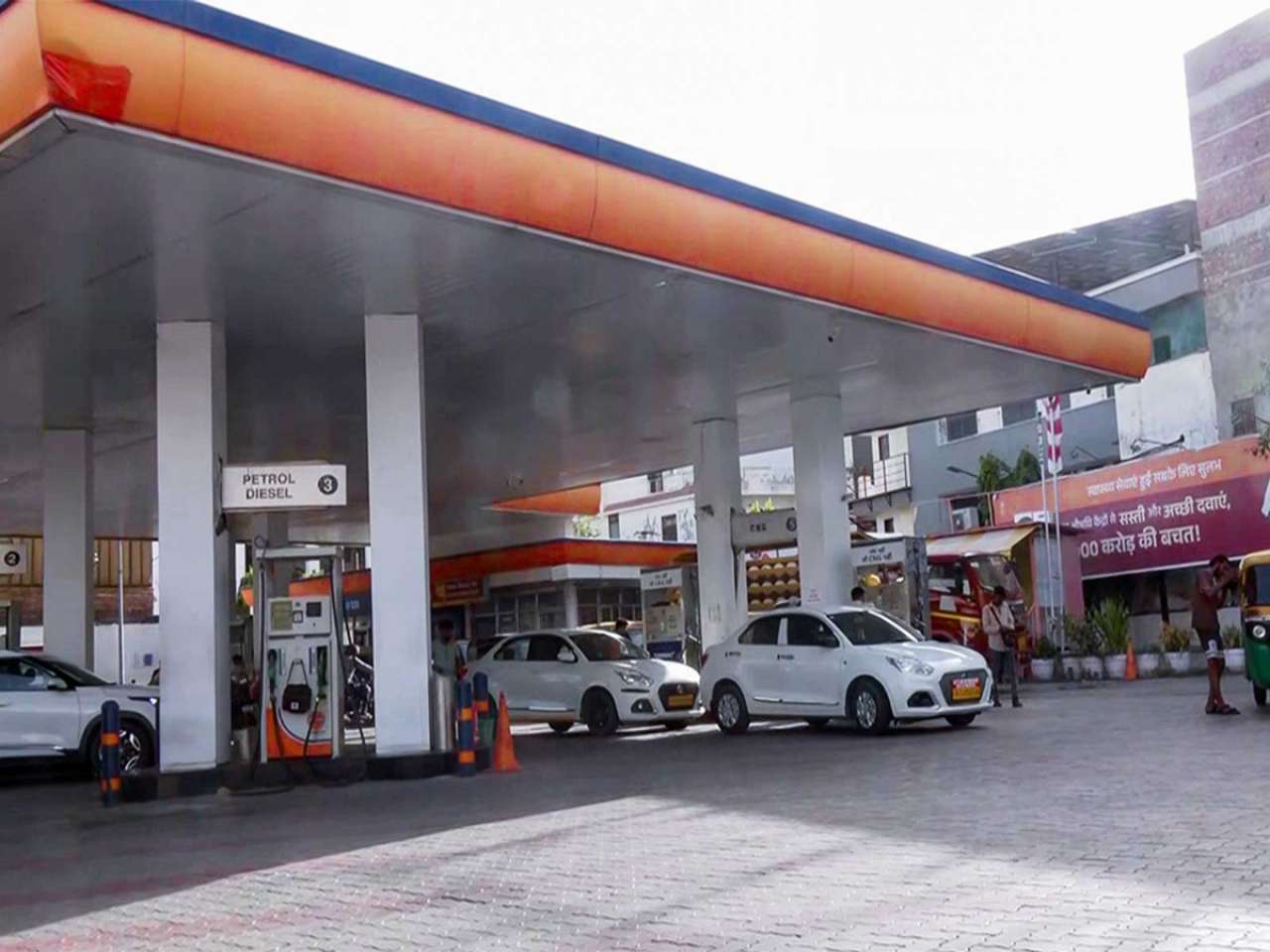 Why can't consumers choose pure petrol or E10? Centre explains why E20 is now the standard fuel
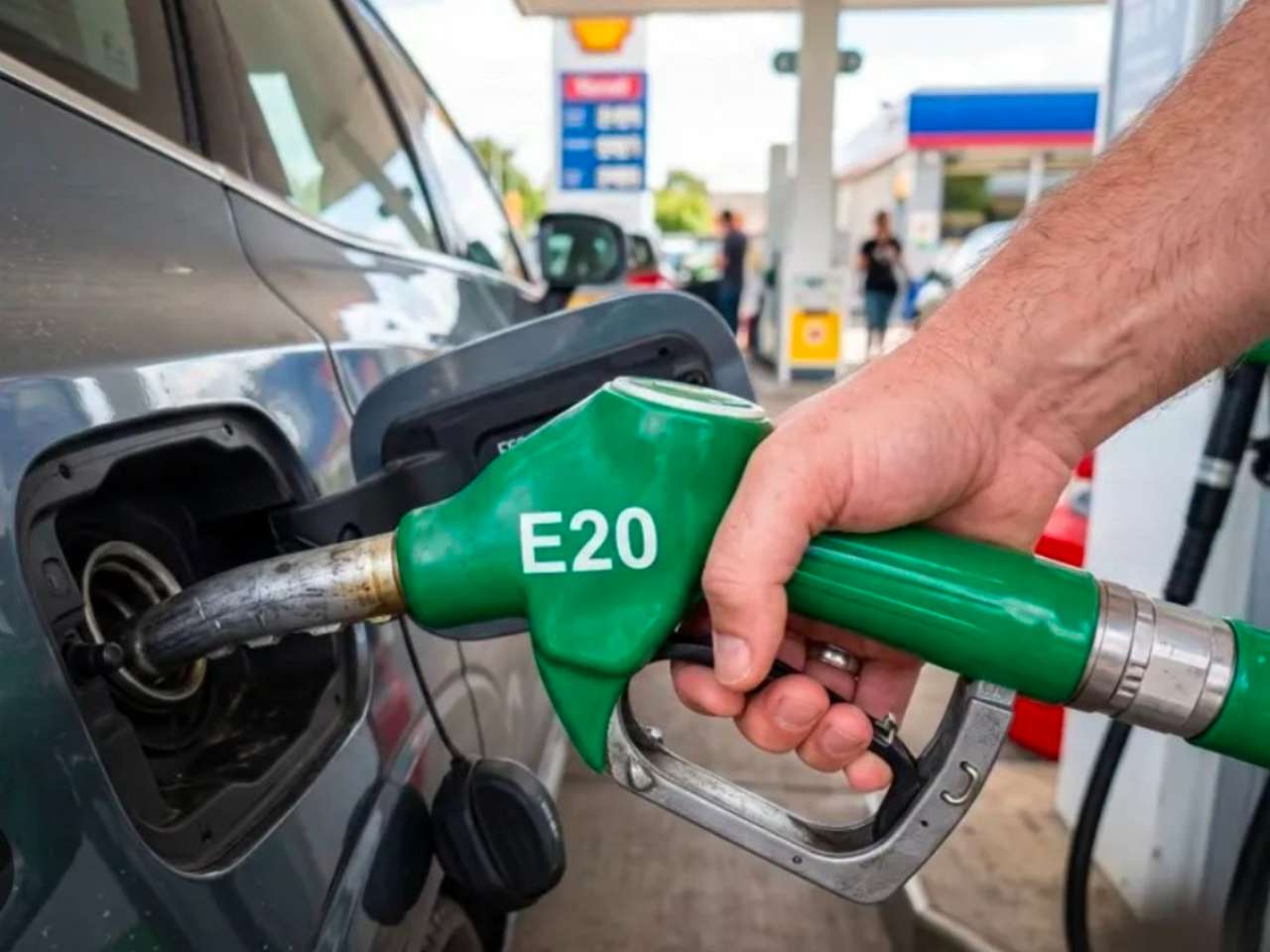 Centre claims E20 fuel does not damage engines, cites data from Maruti Suzuki and Hero MotoCorp
 Maruti WagonR Flex Fuel: What’s price of India’s first ethanol car? Specs, mileage, and top features explained
BUSINESS
The move is expected to impact the bottom-lines of giants such as Google, Facebook, Yahoo and others which earn ad revenues from business entities in India

Updated : Mar 21, 2018, 04:25 AM IST



In a move that could be seen as a way to tax large companies such as Google and Facebook, the government had proposed in Budget 2016 the decision of introduce an equalisation levy.
This would mean a deduction of 6% to be made by an Indian payer on payments to a non-resident entity for specified B2B services such as advertising, according to a report by a leading daily.
The move is expected to impact the bottom-lines of giants such as Google, Facebook, Yahoo and others which earn ad revenues from business entities in India.
The decision is also expected to many digital services that could be brought under it. Many e-commerce companies and start-ups that rely heavily on digital advertising are expected to be also hit due to this decision.
An equalisation levy of 6% will have to be deducted for the company which makes payments exceeding Rs 1 lakh in the aggregate in a financial year to a non-resident service provider for its services, said the report.
The services specified includes online advertisements, provision for digital advertising space or any other facility or service for the purpose of online advertisements.
However, there are fears that the government could widen the scope of the levy and could give powers to the government to expand its definition on the specified services.
The Budget has also proposed that the Indian companies who do not deduct equalisation levy against payments made by them and do not deposit it with the government will be disallowed such expenditure from computing taxable profits, said the report.
This means that the taxable income will be higher by the amount of disallowed expenditure, which means a higher tax payable.
The issue of taxing companies such as Google has come as many countries the world over have been troubled over it. In the UK the controversy had erupted over Google's non-payment of tax. Recently, Google had agreed to pay $185 million (Rs 1,253.3 crore) in back taxes to the UK government.
It completed its transaction in the Dublin, the capital of Ireland and paid a negligible amount as taxes.
At the heart of issue is that multi-national digital platforms do not have 'permanent establishments' in the country which would make them pay taxes in India. However, they cannot be double-taxed, which means that the government has had to find ways to earn something the profits made by them, the report added.
The Organisation for Economic Co-operation and Development (OECD) and G20 countries have tried to introduce measures to ensure tax transparency and curb avoidance by multi-national (MNCs) through aggressive tax planning.