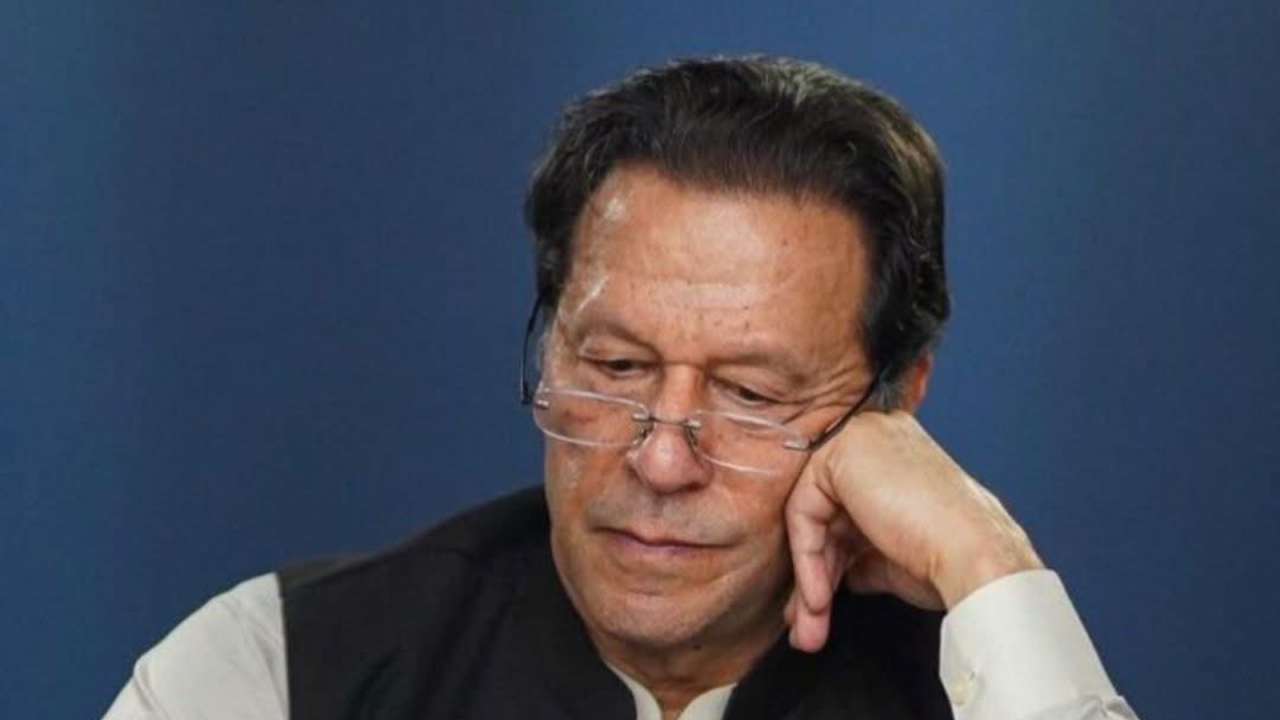
 Ex-Pakistan PM Imran Khan claims 85% vision loss, warns of brain haemorrhage: 'I Could Die In Prison'
 ‘We are prepared for any war’: Navy Chief on India’s military readiness to tackle threats
 Oil Tankers Catch Fire In Strait Of Hormuz: Will petrol and diesel prices rise in India?
 Iran blames Israel for 'fear campaign' after France accuses Tehran of cyberattacks
 INDIA’S LARGEST GOLD LOAN NBFC‘We are prepared for any war’: Navy Chief on India’s military readiness to tackle threats
 IAF chief warns China, says India is keeping eye on dragon, ready with plans to deter its designs
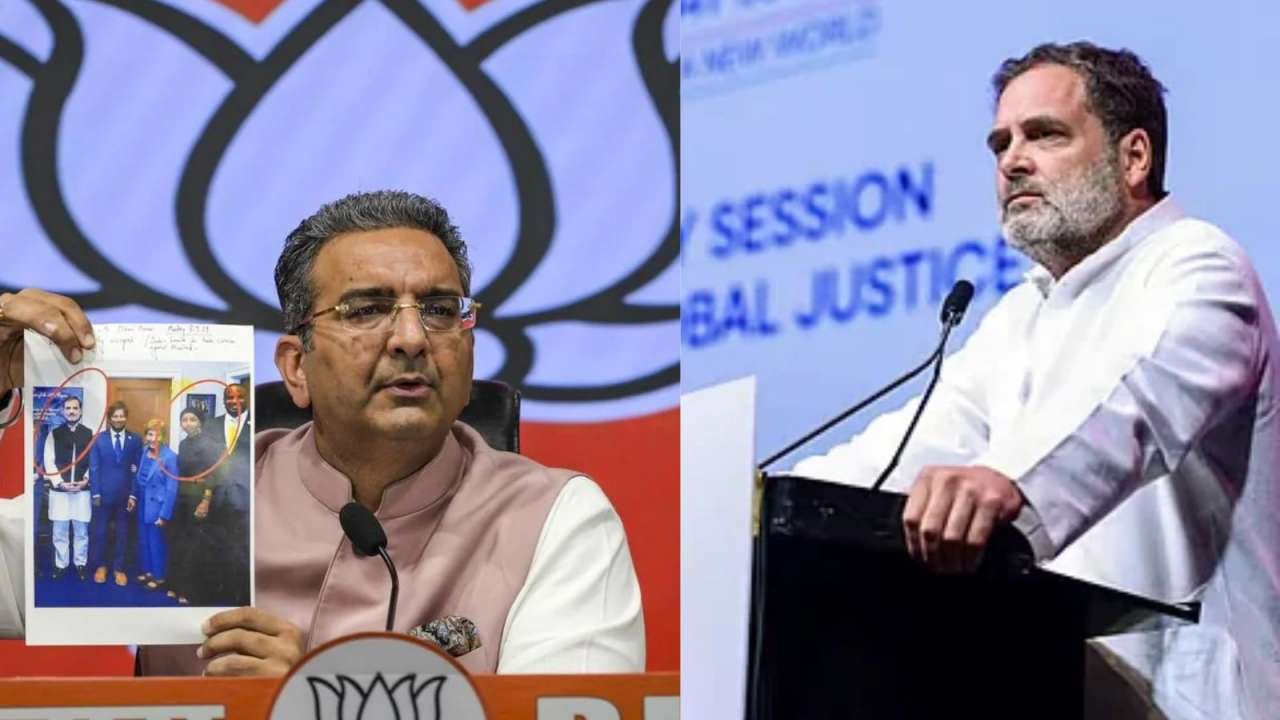 Was 'Bharat Summit' in Hyderabad meeting of anti-India forces? THIS is what BJP has said about Rahul Gandhi
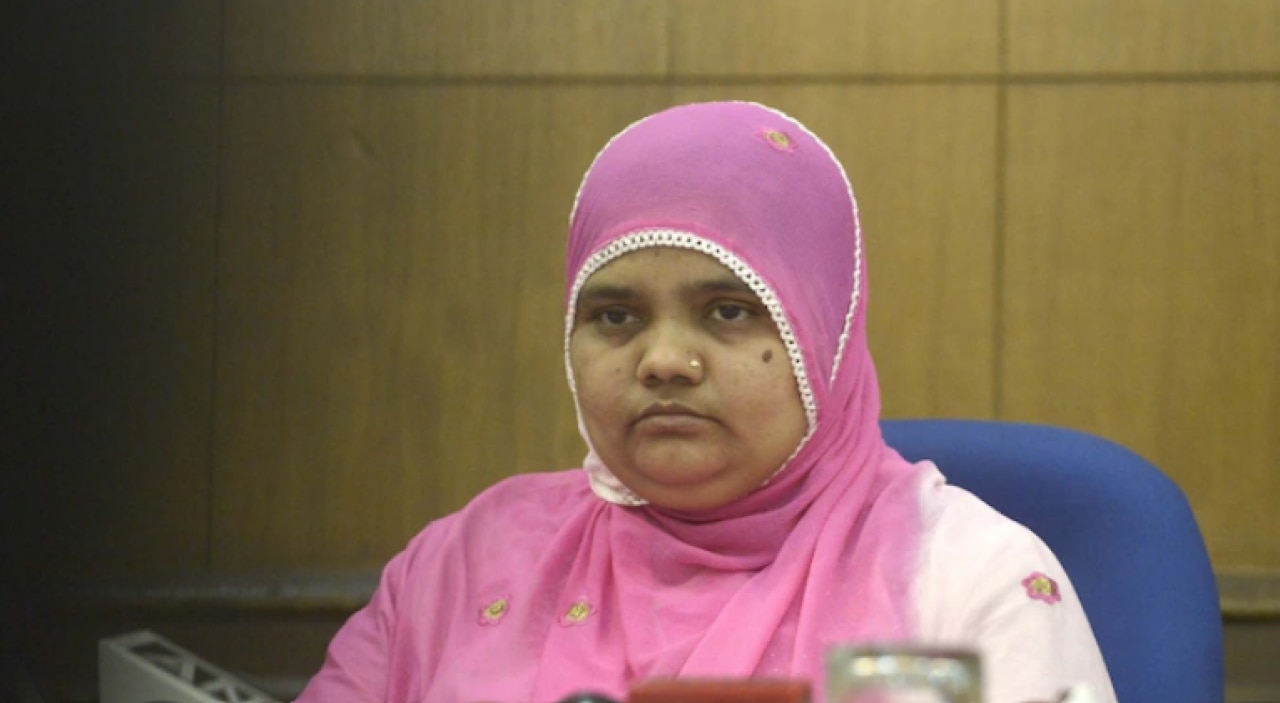 Gujarat Riots 2002: Supreme Court suspends life sentence of 2 convicts in Bilkis Bano rape case, grants bail
 Who was Latief Bhat? Lashkar terrorist responsible for attack on CRPF camp, killed in Kulgam encounterEx-Pakistan PM Imran Khan claims 85% vision loss, warns of brain haemorrhage: 'I Could Die In Prison'Iran blames Israel for 'fear campaign' after France accuses Tehran of cyberattacks
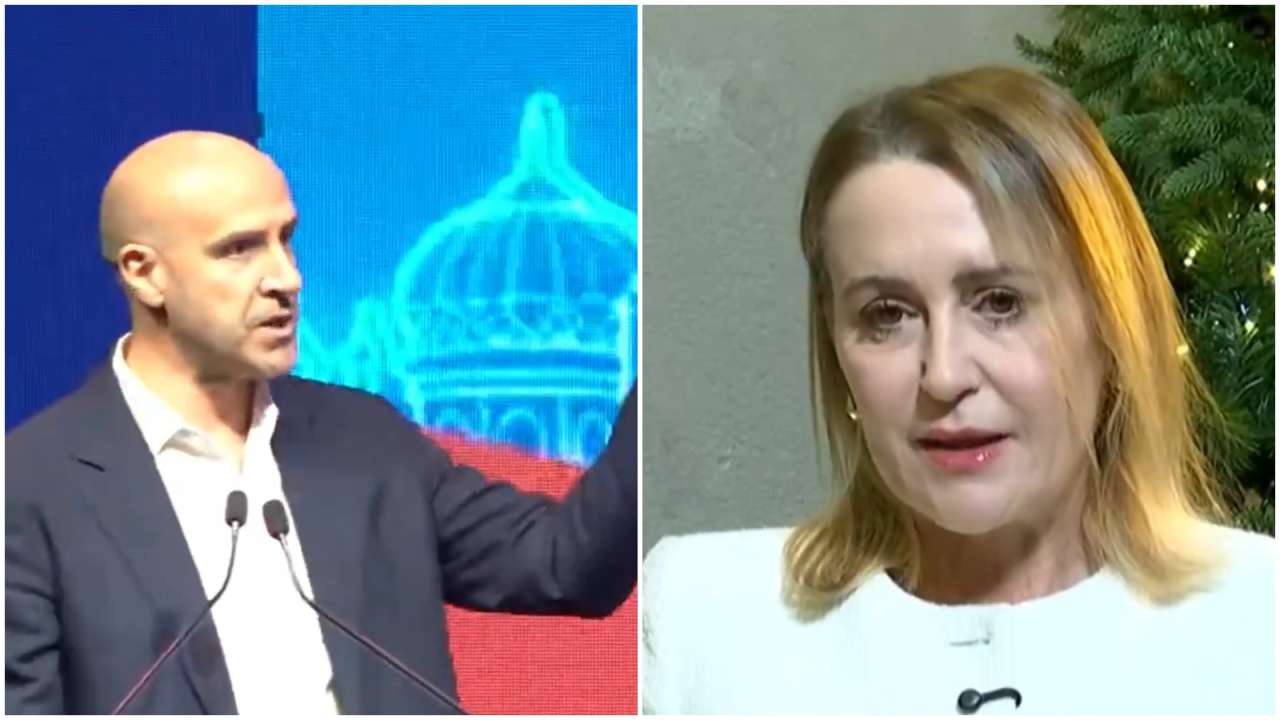 Italian MP takes on European Socialist leader over 'vote chori' remark, defends India's judiciary
 Jensen Huang eyes Nvidia CEO comeback as Elon Musk and tech allies rally behind him
 Jensen Huang-Alice Huang Controversy: Nvidia Customer Megaspeed says Chinese executive exited in 2025Oil Tankers Catch Fire In Strait Of Hormuz: Will petrol and diesel prices rise in India?
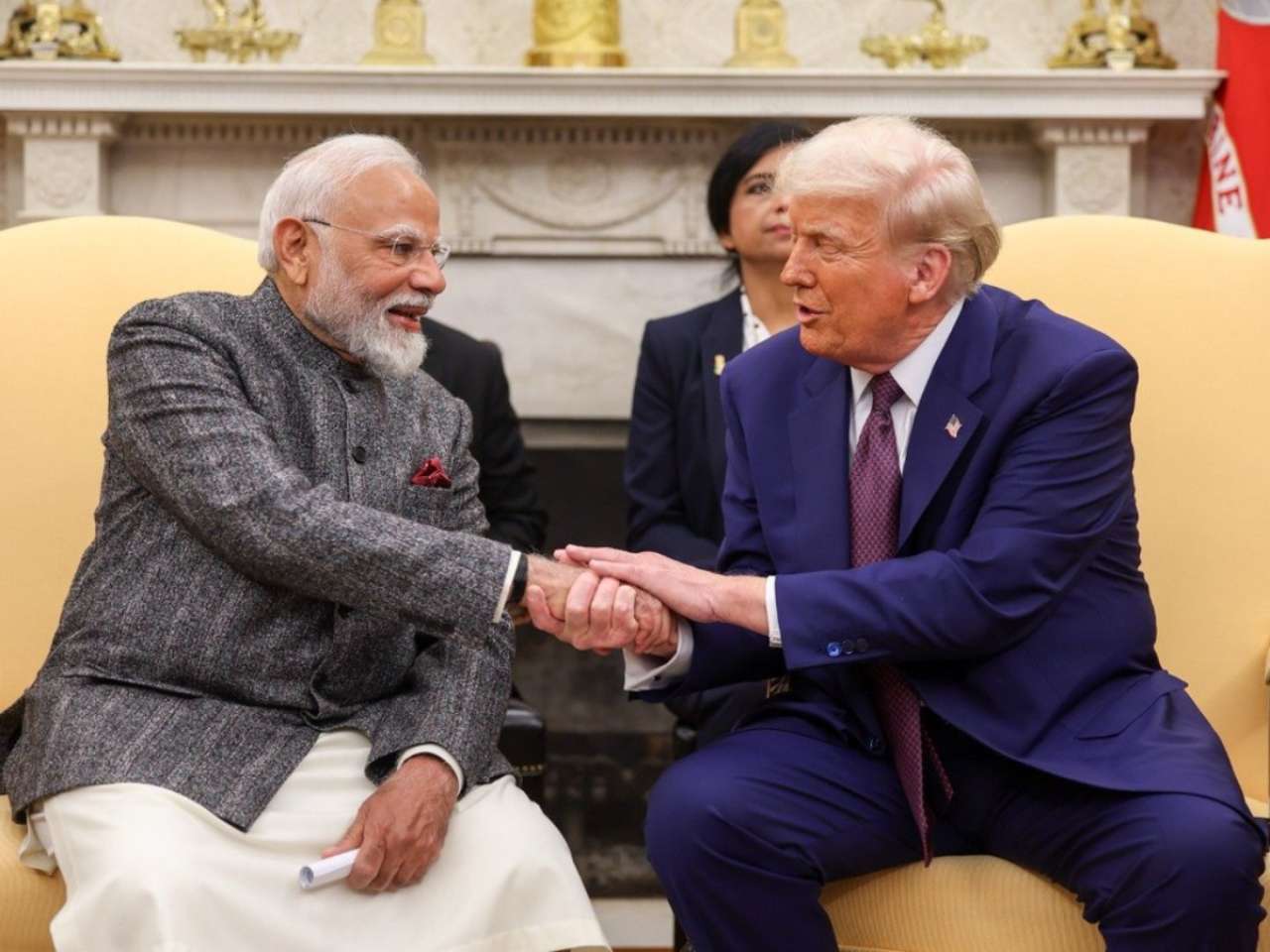 Modi-Trump Meeting In Manila: 5 Big issues India-US may discuss, from China to trade deal
 Microsoft Global Outage: Why did Outlook stop working? How were airlines in India affected?
 Nvidia After Jensen Huang: Will India's AI dream face chip shortage or open door for new rivals?
 Why does inflation soar to 6.09% despite falling fuel prices, US-Iran war halt? RBI's next move under focus
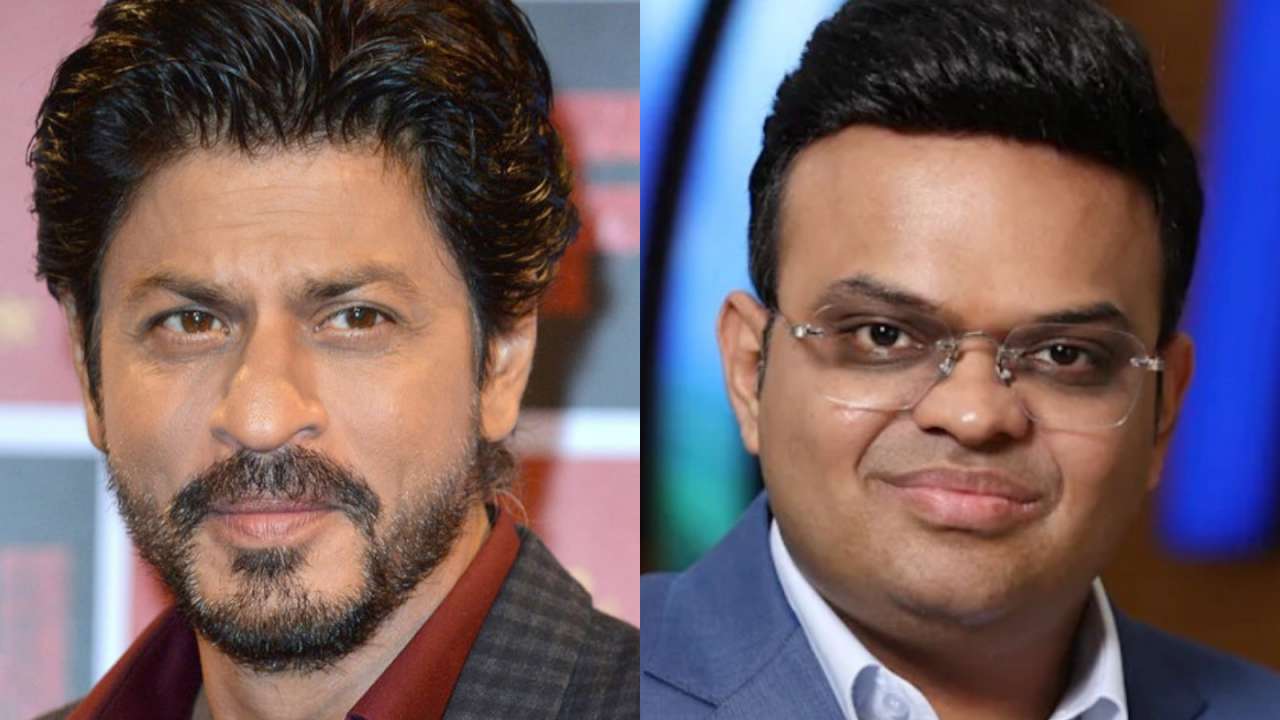 Shah Rukh Khan congratulates Jay Shah for his reappointment as ICC Chairman: 'Your leadership is greatly appreciated'
 Samuk first look out: Akshay Kumar to hunt down monstrous creature, alien action film to release in May 2027
 Samay Raina spotted with rumoured GF Medha Shankr at Mumbai cafe, netizens react: 'Confirm kar do' | Watch Video
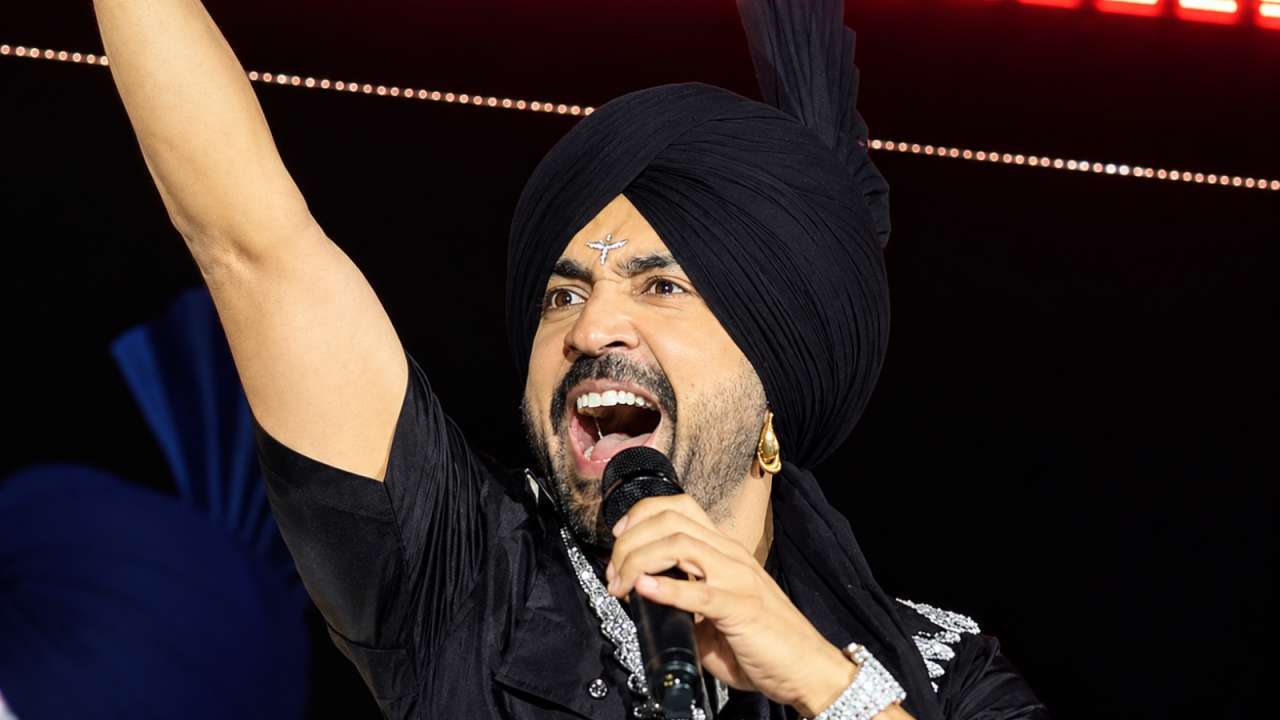 'Kisi ke baap ka Hindustan thodi hai': Diljit Dosanjh shuts down his critics at Indore concert - Viral video
 Not Salman, Shah Rukh or Aamir; this actor comes to Sharad Kapoor's rescue after Josh actor asks film industry for work
 Mahanadi Coalfields IPO: 10 Things to know about issue date, GMP, price band, size and listing
 Tata Sons Listing Row: Why Noel Tata fears it could change Tata Group
 Who will replace Jensen Huang at Nvidia? 3 Indian-origin executives in the race
 Zee Entertainment announces Rs 600 crore share buyback at Rs 91 per share
 Who may replace Nvidia CEO Jensen Huang? THIS Indian tech executive emerged among top contenders
 Jasprit Bumrah returns, Kuldeep Yadav released: India's Test squad sees major changes for NZ series
 'They abused us on Diwali': Yashveer Goud reveals reason behind India's celebrations against Pakistan
 'Will he be like Sachin Tendulkar or Vinod Kambli?': Kapil Dev makes shocking claim on Vaibhav Sooryavanshi's future
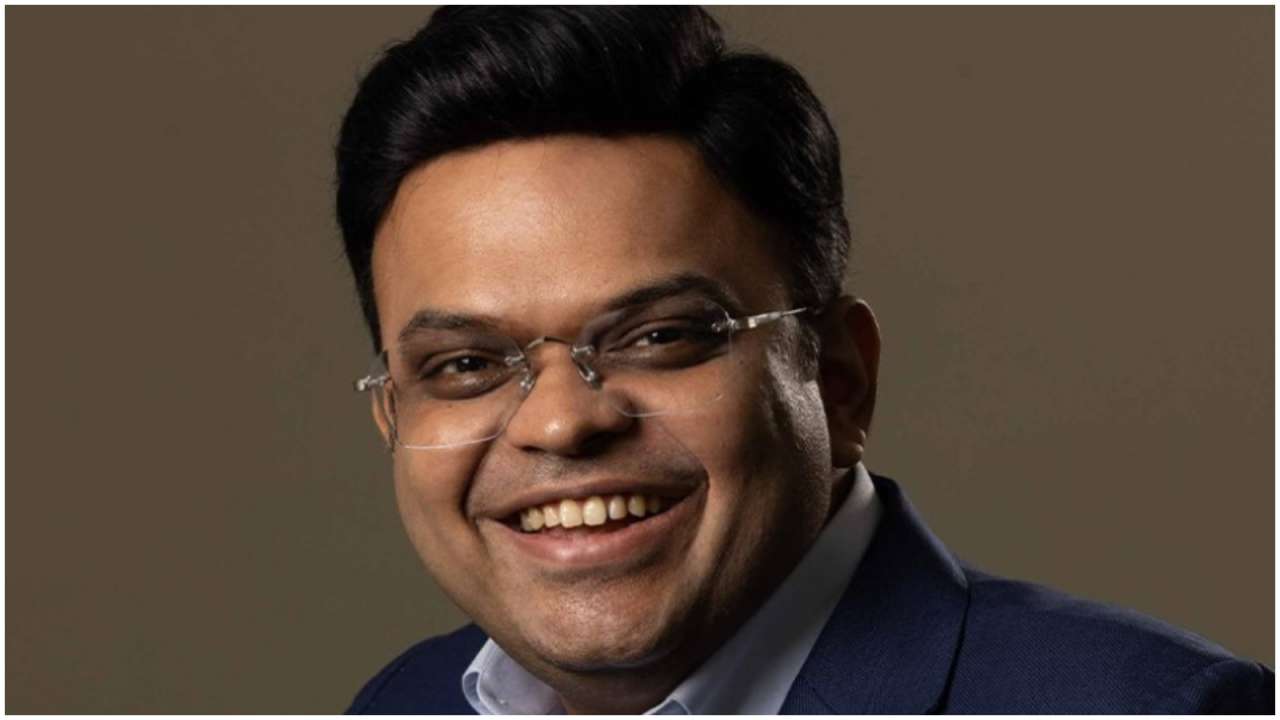 Jay Shah gets another term as ICC chairman, elected unopposed in Bali
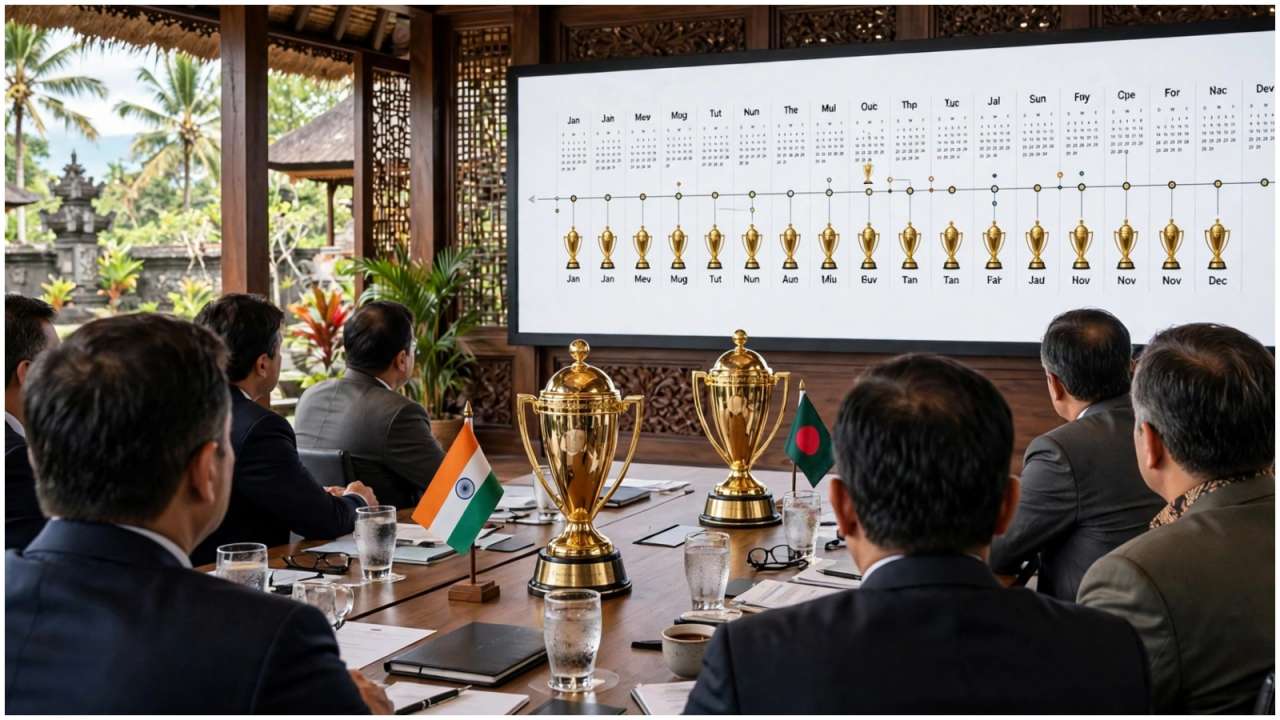 ICC finalises cricket calendar till 2035: India gets two major tournaments, here's the full list
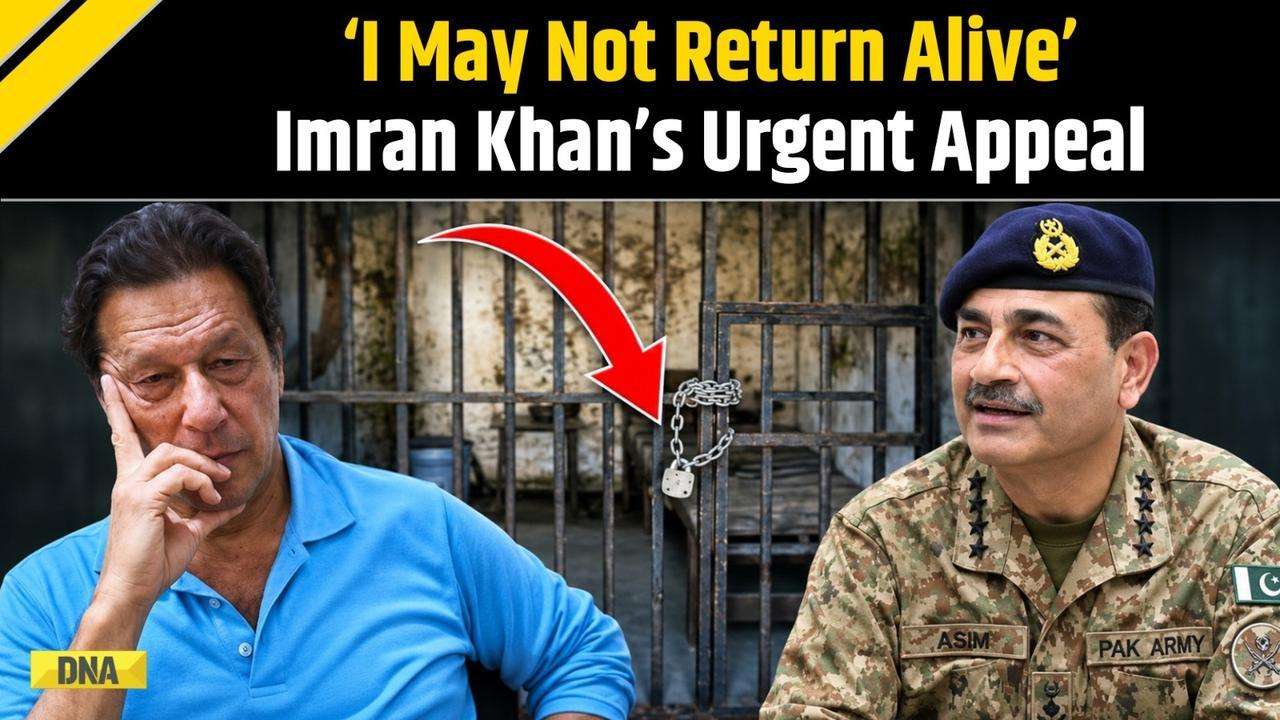
 Pakistan News: 'Give Me Justice Before It Is Too Late...' Imran Khan's Urgent Appeal From Jail
 Amitabh Bachchan Death Threat: 'Bach Gaye...' Big B's Message After Bishnoi Gang Shooters Arrested
 Jammu Kashmir News: Lashkar Terrorist Lateef Bhat, Linked To CRPF Camp Attack Killed In Encounter
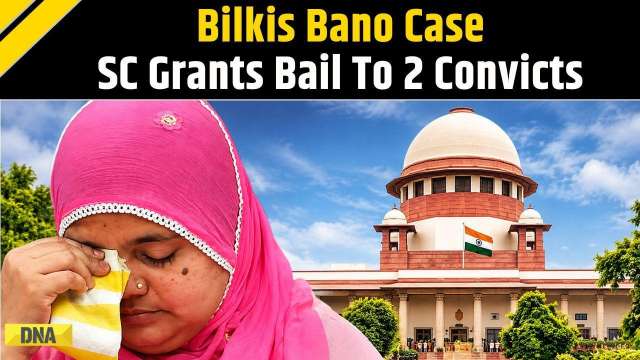 Bilkis Bano Case: Supreme Court Suspends Life Sentence Of Two Convicts, Grants Bail In Rape Case
 Diljit Dosanjh News: 'Kisi Ke Baap Ka Hindustan', Diljit Dosanjh's Message Amid Indore Concert Row
BUSINESS
In a big boost to Anil Ambani’s Reliance Infrastructure, the Supreme Court has now allowed its subsidiaries, BSES Yamuna Power and BSES Rajdhani Power, to recover around Rs 28,483 crore in regulatory assets in the coming four years.

Updated : Aug 10, 2025, 07:58 AM IST
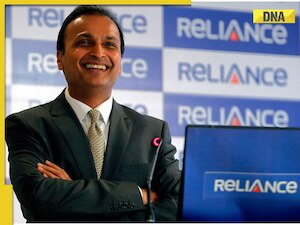
















In a big boost to Anil Ambani’s Reliance Infrastructure, the Supreme Court has now allowed its subsidiaries, BSES Yamuna Power and BSES Rajdhani Power, to recover around Rs 28,483 crore in regulatory assets in the coming four years. After the approval of the assets by the Delhi Electricity Regulatory Commission (DERC), the subsidiaries will recover the amount from consumers through higher electricity tariffs. The recovery was earlier scheduled to start on April 1, 2024.
The recovery dues are the result of gaps in the past tariff, which is to say, that the earlier electricity prices approved by DERC were not enough to fully recover the cost of supply. The matter was pending in an 11-year-long legal dispute, which the SC has now ended. Sharing the news, Reliance Infrastructure in its regulatory filing on Friday, stated that the top court in its August 6 verdict settled the writ petitions and civil appeals that the two BSES distribution companies had filed in 2014. These petitions had challenged non-cost reflective tariffs, generating regulatory assets and delays in their liquidation.
The court, in its verdict, has also issued ten guiding principles, or “sutras”, in order to assess how regulatory assets should be handled. The SC has also given nine clear directives for electricity regulators and the Appellate Tribunal for Electricity (APTEL) to ensure transparency takes place along with timely recovery. The judgment also directed that tariffs must show actual costs. It clarified that only in exceptional cases can there be any revenue gap between the approved Aggregate Revenue Requirement (ARR) and annual tariff revenue.
The court ruled that regulatory assets should not exceed 3% of the Aggregate Revenue Requirement (ARR) and must be cleared within a specified timeframe; that is, new assets must be cleared within 3 years, and the existing ones within 4 years. This decision is based on Rule 23 of the Electricity Rules, 2005, which serves as a guiding principle for managing regulatory assets.