 Russia hails Donald Trump decision to waive sanctions, envoy says 'historic moment'
 IND vs WI 5th T20I: Will rain wash out Bengaluru series decider? Check latest weather update
 Supreme Court rejects age-based internet ban for children, says access is fundamental right
 IPL 2027: Mumbai Indian's Head Coach Mahela Jayawardene quits
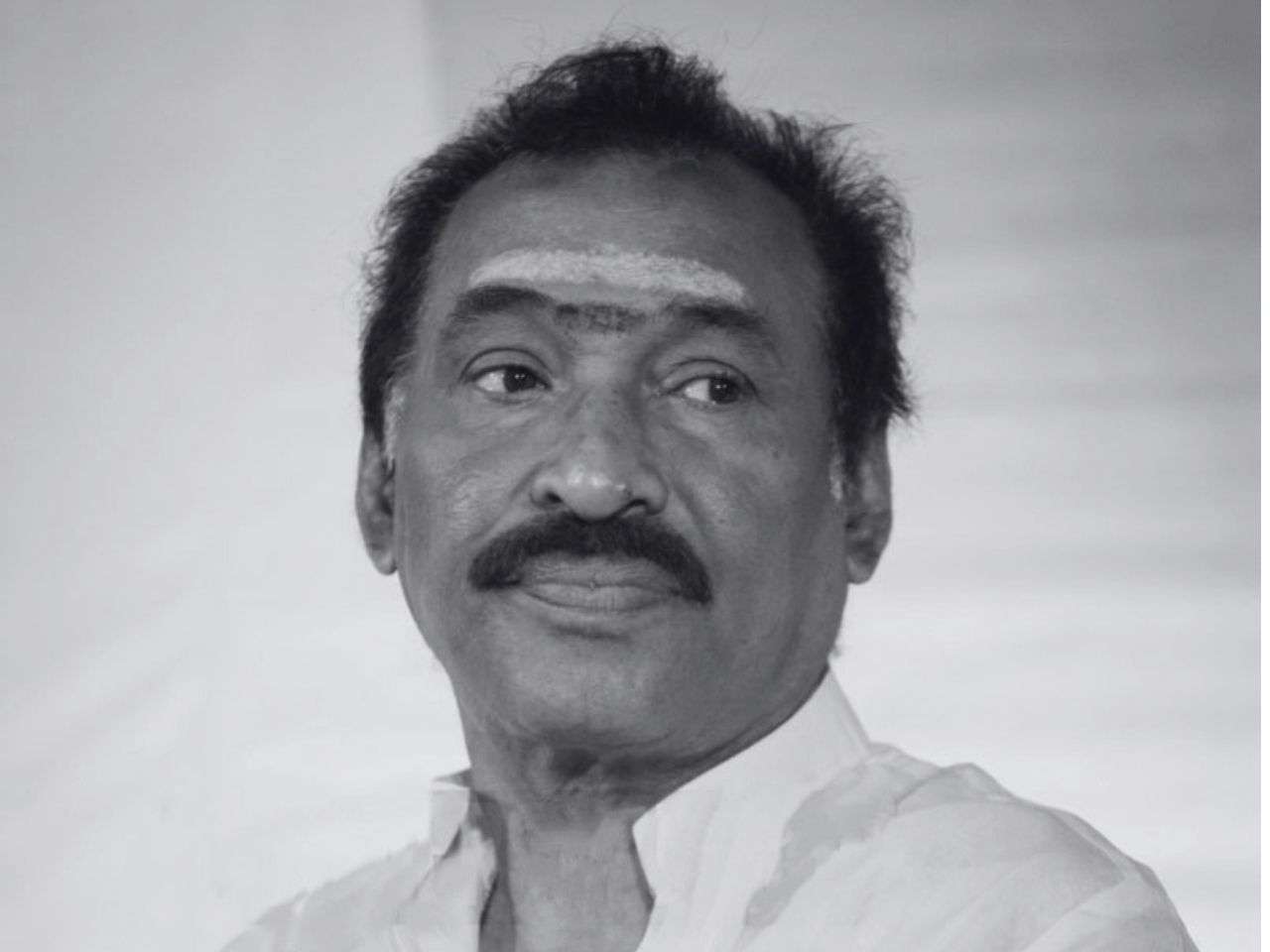 Deva, Tamil's Thenisai Thendral, passes away at 75, scored music for over 400 Indian films, left his fans heartbroken after losing battle to THIS diseaseRussia hails Donald Trump decision to waive sanctions, envoy says 'historic moment'IND vs WI 5th T20I: Will rain wash out Bengaluru series decider? Check latest weather updateIPL 2027: Mumbai Indian's Head Coach Mahela Jayawardene quits
 Mohammed Shami left out of New Zealand tour: Is his international career nearing its end?
 Wasim Jaffer enters race for BCCI chief selector’s role, could challenge Pragyan Ojha for top postDeva, Tamil's Thenisai Thendral, passes away at 75, scored music for over 400 Indian films, left his fans heartbroken after losing battle to THIS disease
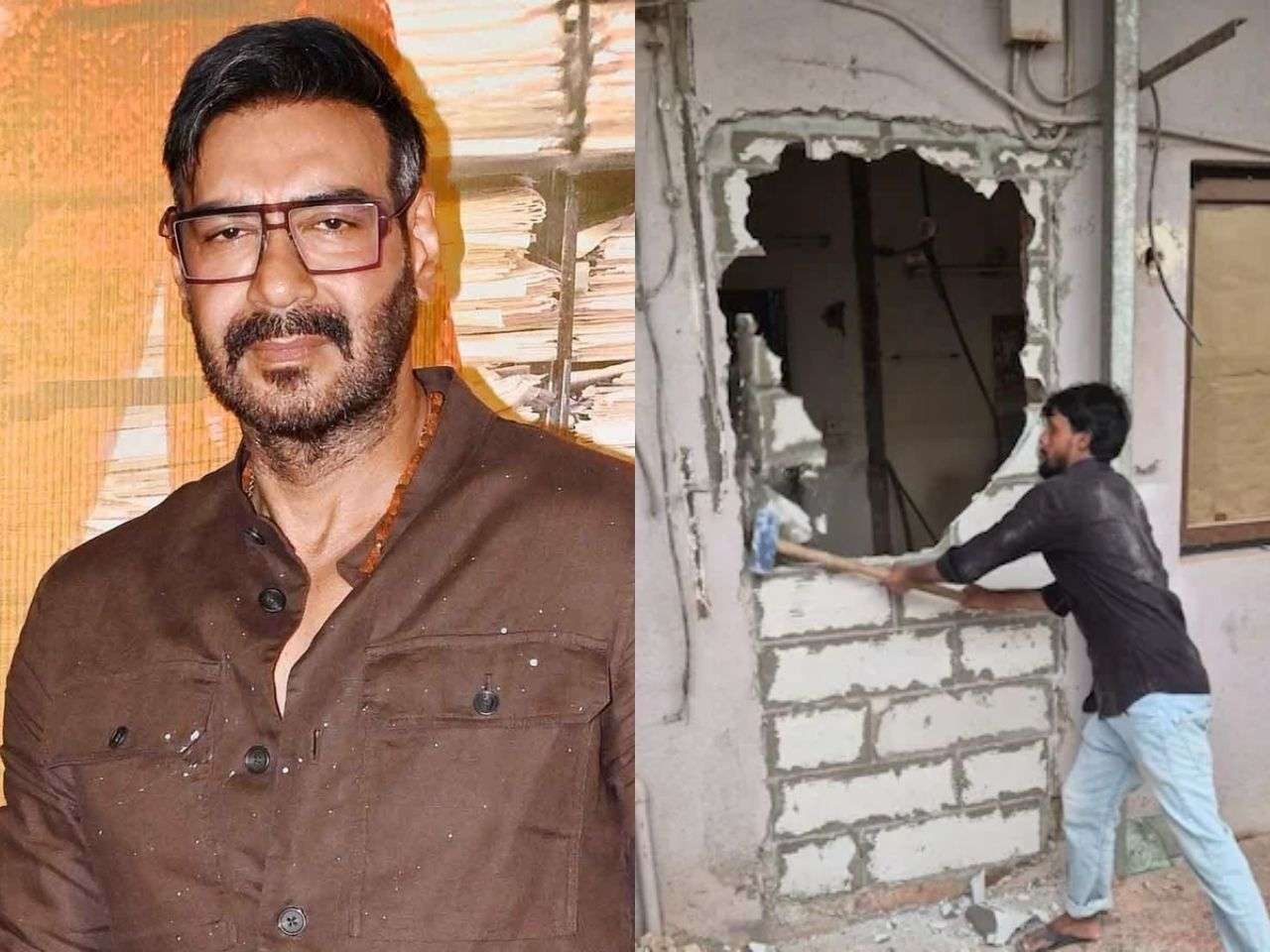 Ajay Devgn suffers MAJOR LOSS after Drishyam 3 crossed 500 crore, BMC demolished parts of actor's Juhu bungalow for THIS reason
 Viral video: Farah Khan politely declines tika on forehead, traditional welcome, leaves internet divided: 'Why are you forcing tilak on Muslims?
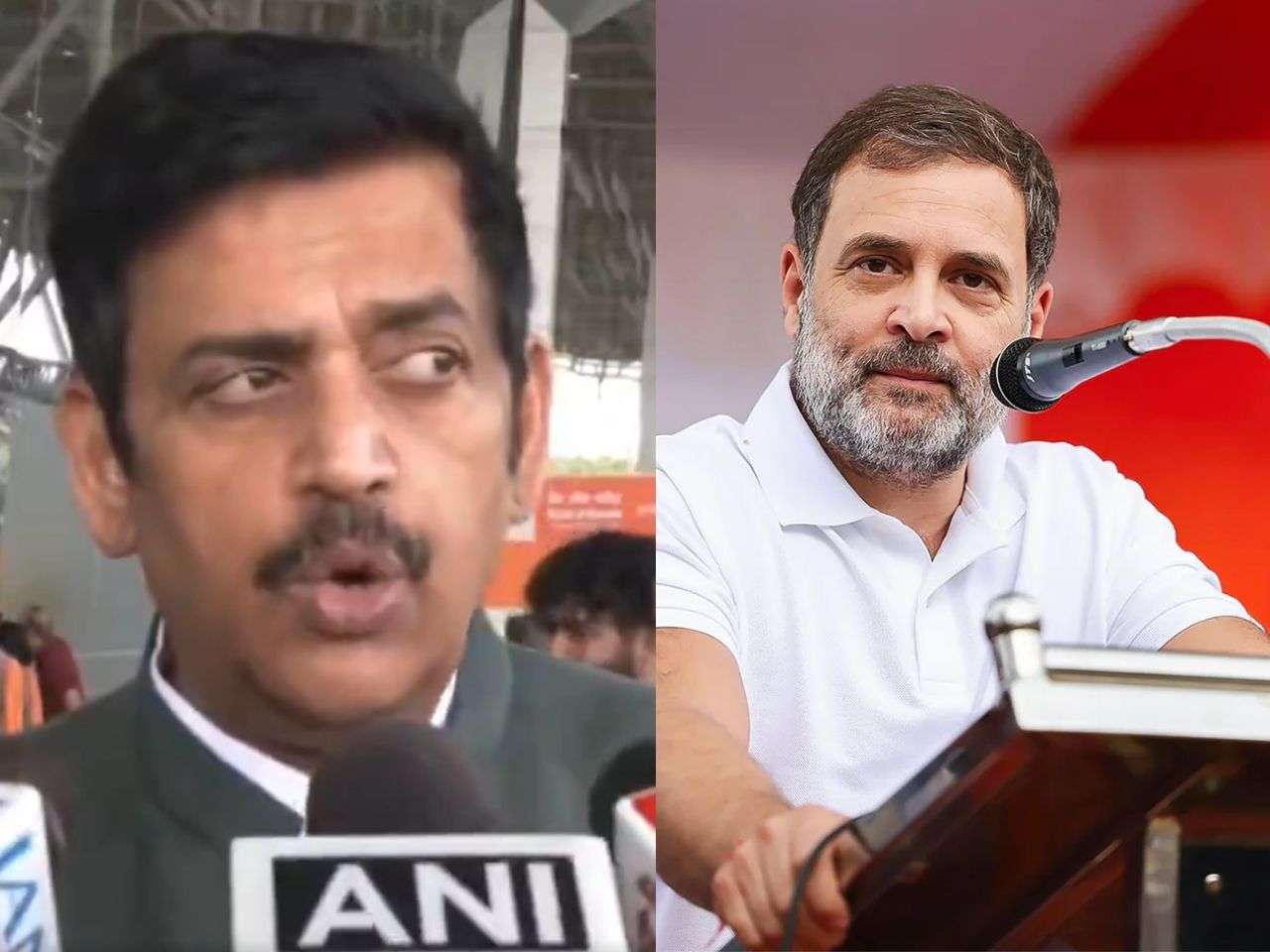 Viral video: Ravi Kishan declares Rahul Gandhi as future PM of India? Mocks Congress leader's protest, calls him 'kohnibaaz pradhaan mantri ', netizens react
 Nayyi Navelli vs Prahaar box office collection Day 1: Yami Gautam beats Rajkummar Rao, but they get defeated by Vijay Deverakonda, Rajinikanth
 Karnataka Bus Horror: 4 Dead, 14 Injured In Mysuru Sleeper Bus-Truck Head-On Collision
 Pakistan School Roof Collapse Kills 21 Children And A Teacher In Peshawar | Latest News
 CJP Protest: Mumbai Police Issues Notice To Actor Imran Khan To Leave India By October 28
 CJP Protest: Rahul Gandhi Accuses Delhi Police Of Beating Youngsters At Protest | Jantar Mantar
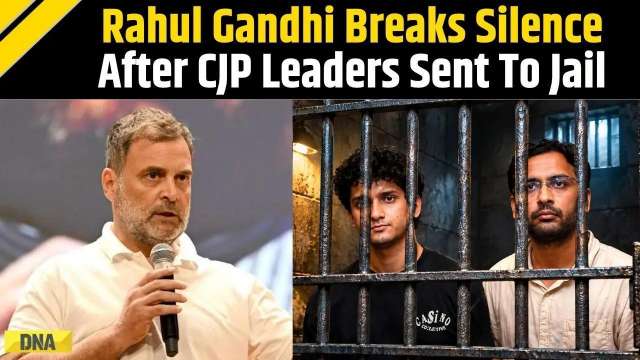 CJP Protest: Congress Rahul Gandhi Backs CJP Leaders Jailed For Tresspassing At Jantar Mantar
 Gold, Silver prices today, October 17, 2026: Check city-wise rates in Delhi, Mumbai, Chennai, Kolkata and more
 Flying Car! Watch video of Tesla's Roadster jump, flip and fly, when will Elon Musk bring it to India?
 Gold, Silver prices today, October 16, 2026: Check city-wise rates in Delhi, Mumbai, Chennai, Kolkata and more
 SEBI Revises Closing Auction Session Rules: What changes from December 7?
 Jio IPO: How Rs 30,213-crore issue could impact Mukesh Ambani's Reliance Jio, India’s digital ecosystem
 From Whalefall to Project Hail Mary, Resident Evil: 5 must-watch survival flicks of 2026 you can't afford to miss
 Dil Chahta Hai, Cocktail, Dostana: 5 must-watch Bollywood films that celebrate true friendship
 Navratri Day 4: From Shraddha Kapoor, Kriti Sanon, Sanya Malhotra, actresses who embody goddess in blue outfits
 Navratri 2026: From Alia Bhatt to Sara Ali Khan, Shraddha Kapoor, take inspiration from Bollywood actresses to stun everyone in white
 Ranbir Kapoor-Sai Pallavi, Yami Gautam-Addinath Kothare, Rajkummar Rao-Wamiqa Gabbi: 5 fresh on-screen jodis to watch out for in 2026Supreme Court rejects age-based internet ban for children, says access is fundamental right
 Thane Shocker: Class 12 students murder schoolmate for gold chain, burn body after taking cues from Drishyam 3
 5 family members found dead in Greater Noida; tea and noodles were their last meal
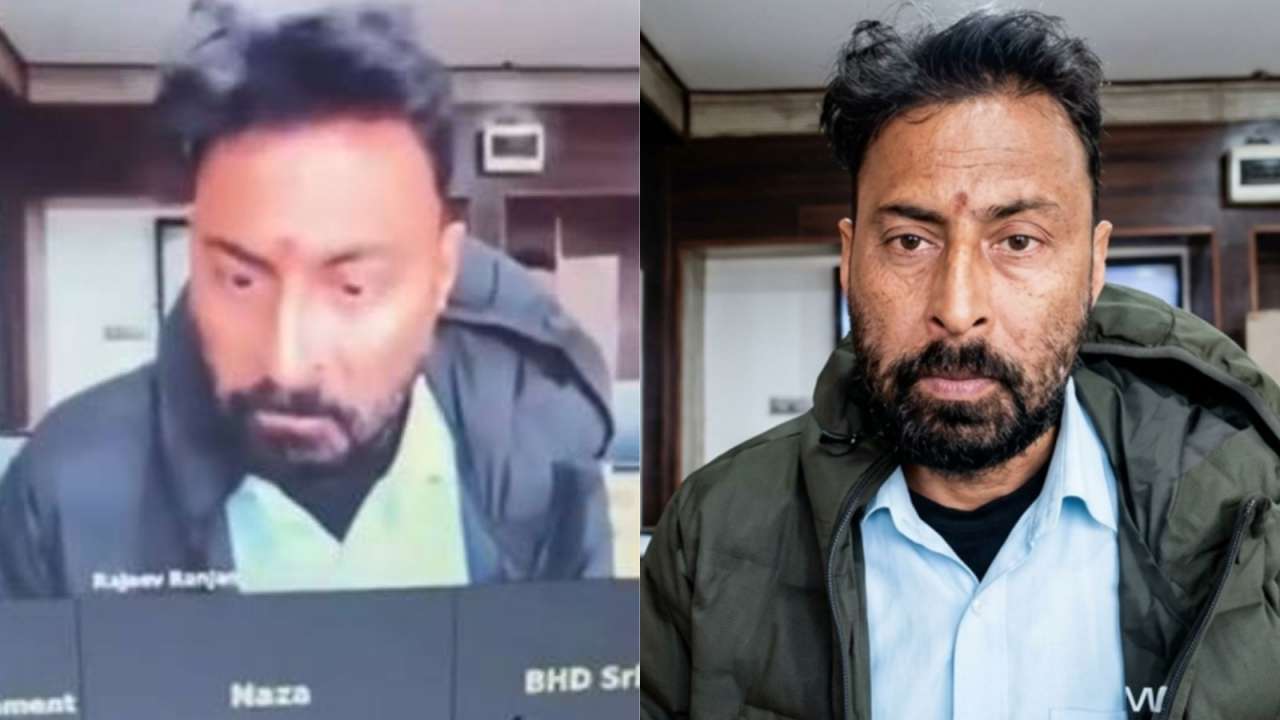 IAS officer abuses female colleague, calls het 's*it', triggers backlash in Kashmir
 Rajasthan: 8 killed, 17 injured as bus carrying Khatu Shyam devotees overturns on Delhi-Mumbai Expressway in Kota
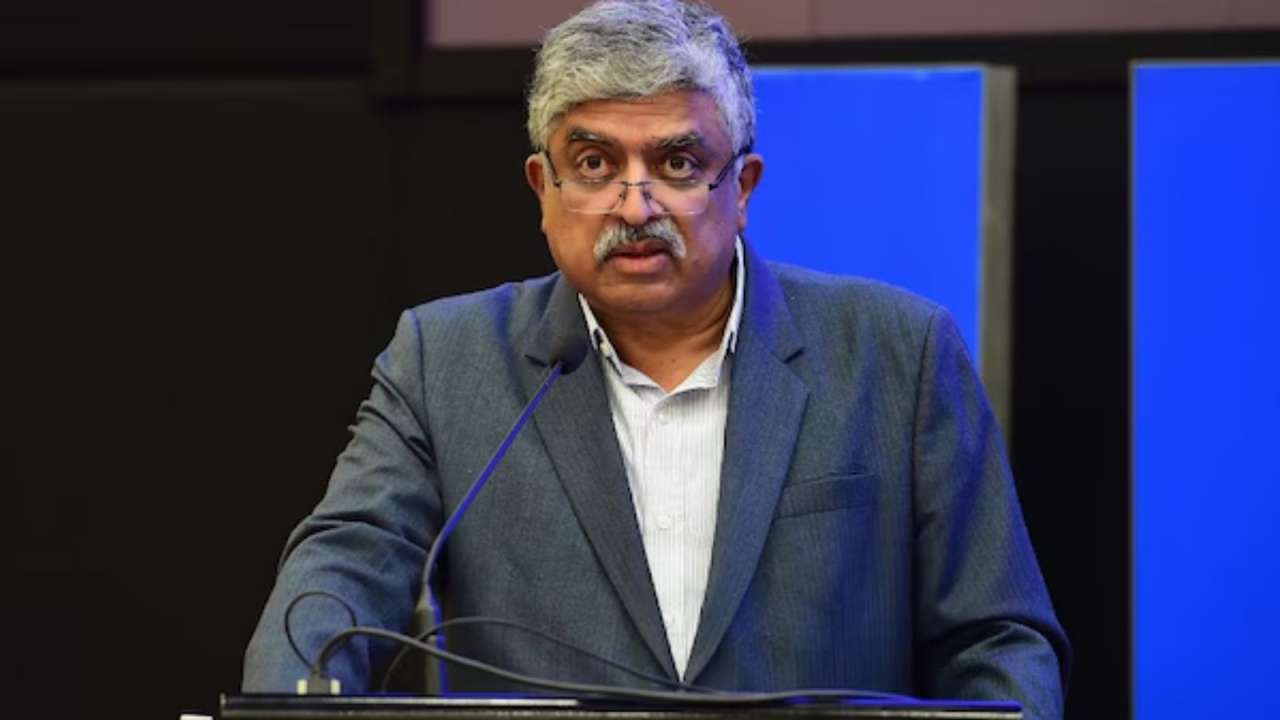 AI-generated question papers for NEET? Nandan Nilekani proposes novel idea for stopping paper leak
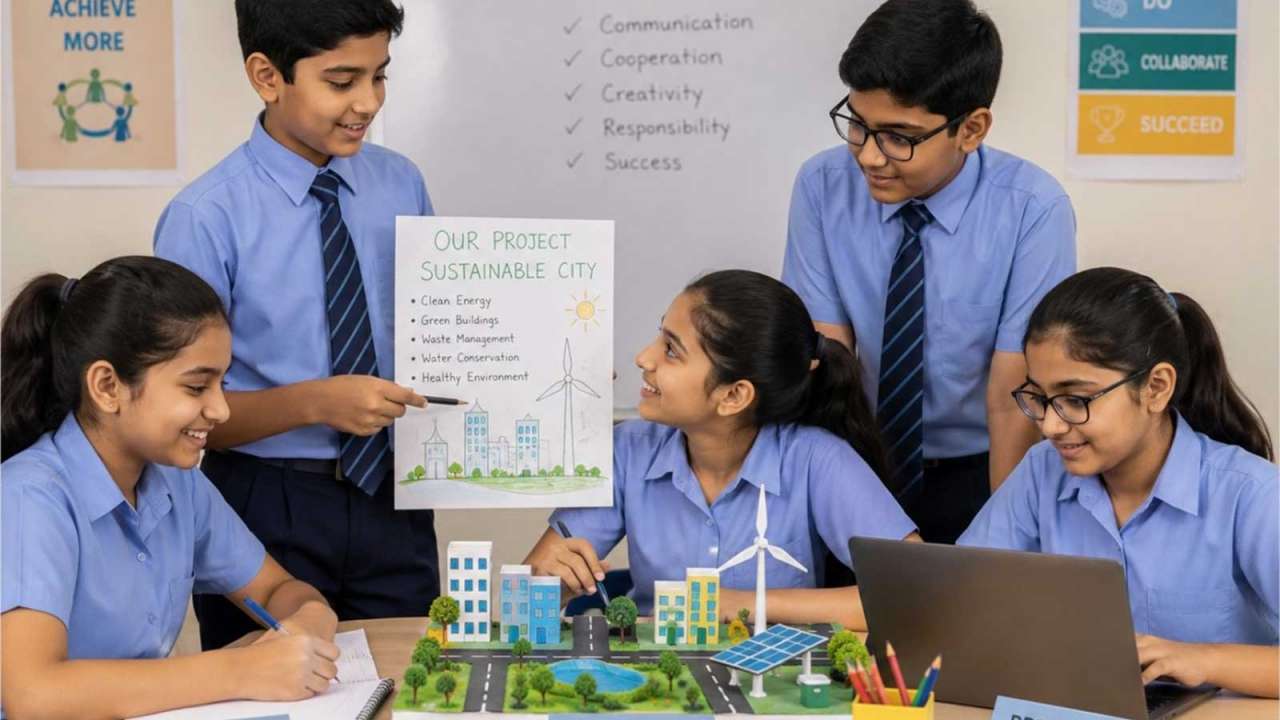 Third Language Row: SC extends relaxation to Class 6 students, asks CBSE to grant exemption, here's what it means
 NEET PG 2026 Result Out: Check how to download scorecard from natboard.edu.in; Know category-wise cut-off and more
 Five-year BTech programmes? Ex-IIT director makes proposals amid IIT suicide controversy
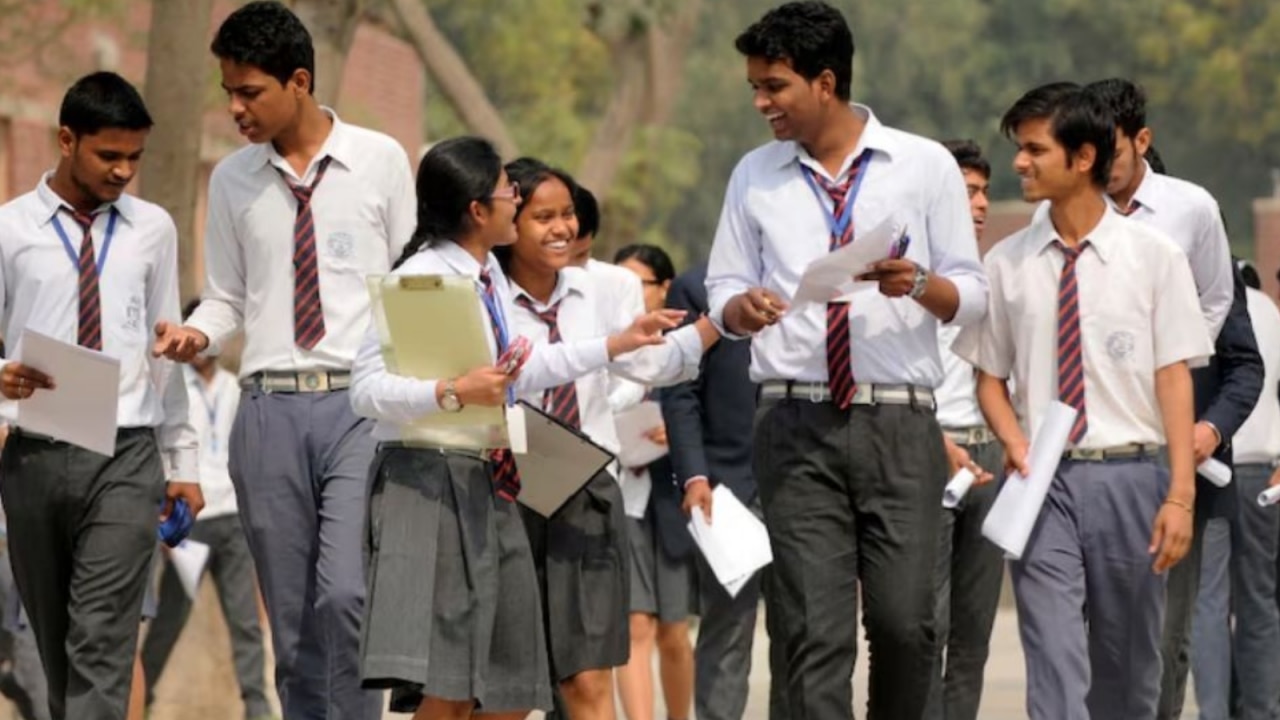 CBSE Date Sheet 2027: When will Class 10, 12 timetable be released? Check details here
 After Hyundai, Maruti Suzuki makes cars costlier ahead of festive season: Check new prices after hike
 Hyundai cars to get costlier from September: Check new prices and reason behind hike
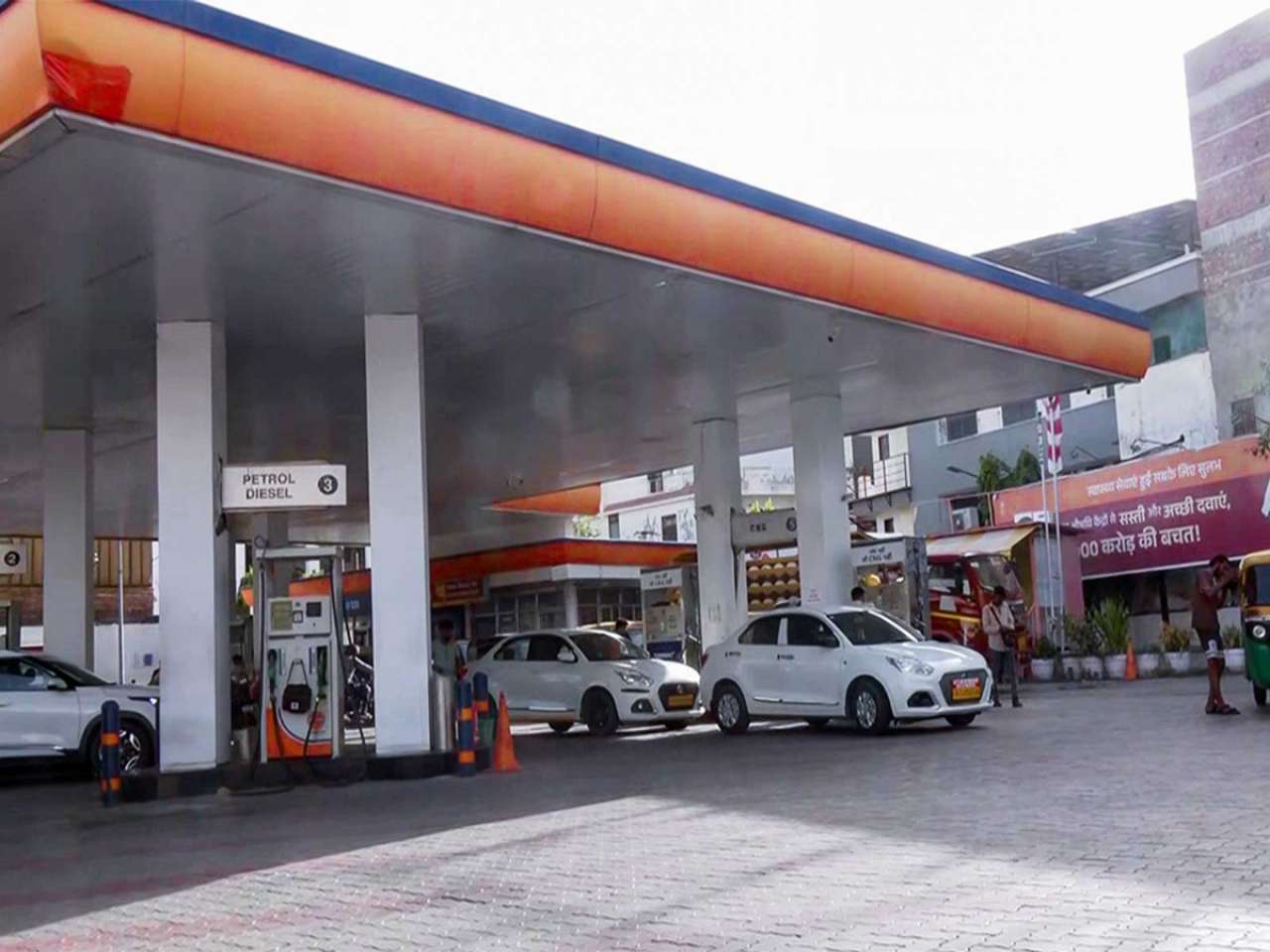 Why can't consumers choose pure petrol or E10? Centre explains why E20 is now the standard fuel
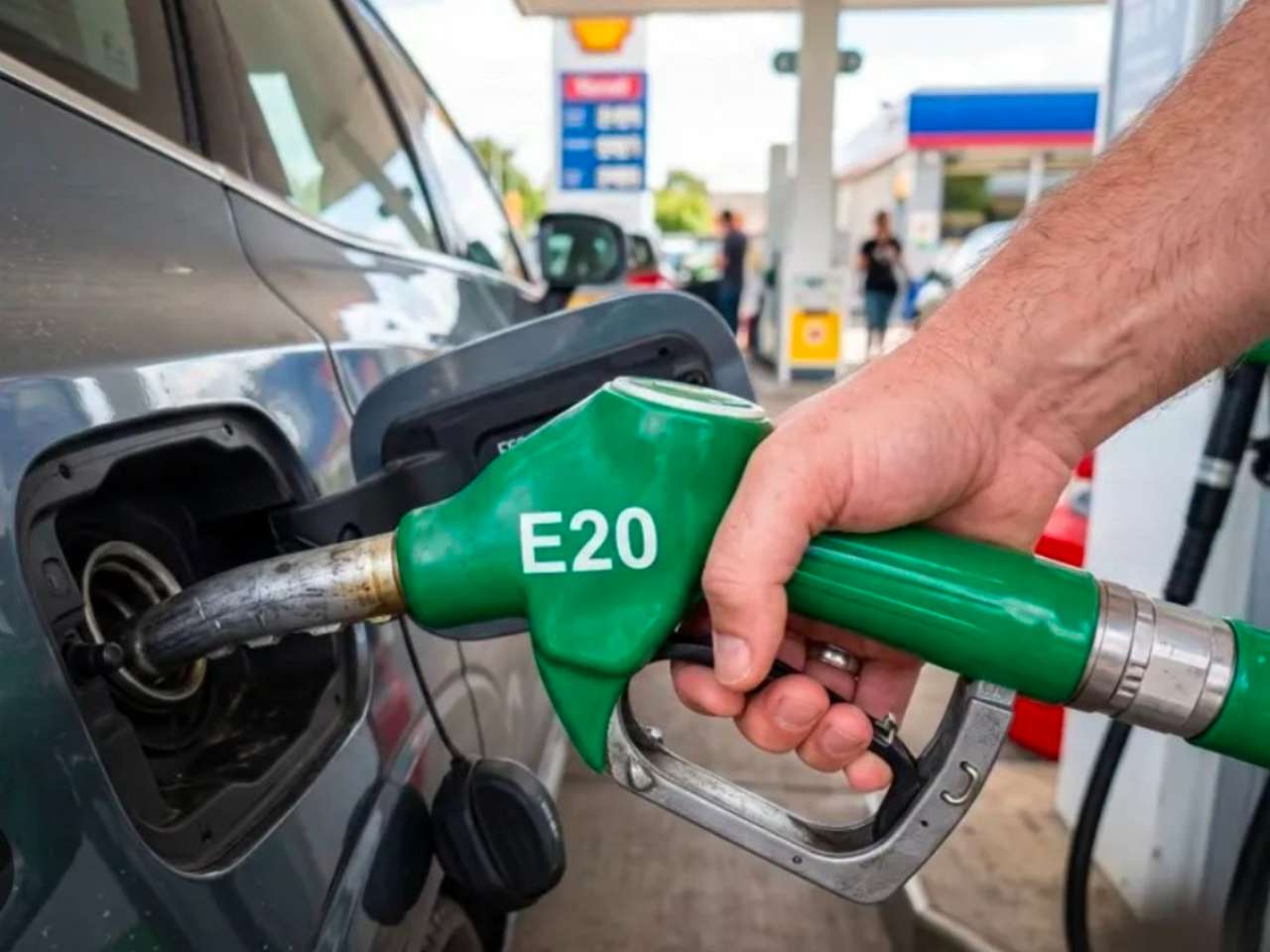 Centre claims E20 fuel does not damage engines, cites data from Maruti Suzuki and Hero MotoCorp
 Maruti WagonR Flex Fuel: What’s price of India’s first ethanol car? Specs, mileage, and top features explained
BUSINESS
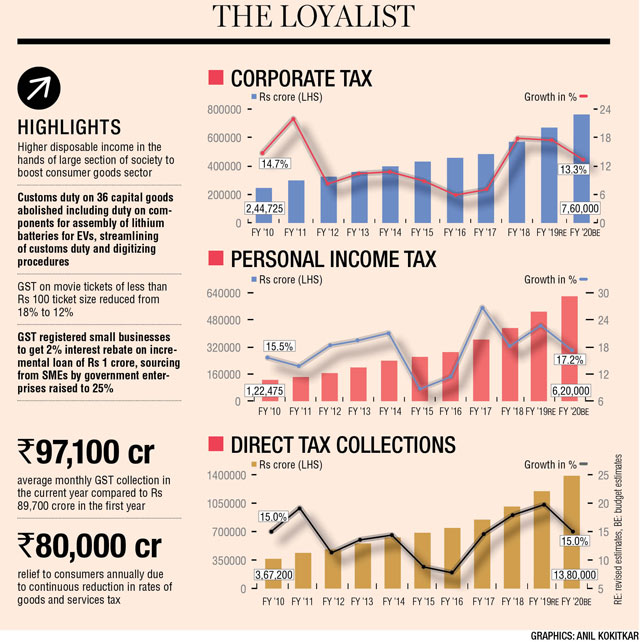
More disposable income to boost consumer demand across country

Updated : Feb 02, 2019, 05:30 AM IST



'More money into the hands of more consumers', a consistent demand by the consumer goods companies has been finally met.
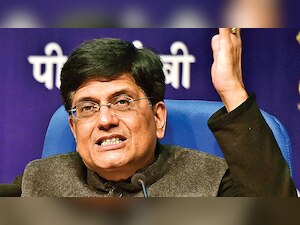
Finance minister Piyush Goyal dished out a host of schemes and tax sops for the rural consumers as well as the salaried class, thus leaving more disposable income in their hands.
A populist move, it comes as a much-awaited relief for the lower- and middle-class tax payers, unorganised sector workers and farmers.
Various steps including assured income support of Rs 6,000 annually (paid in three equal tranches) for small and marginal farmers, 50% hike in the minimum support price for 22 types of crops, 2-3% interest subvention scheme on loans for farmers doing animal husbandry and fisheries and interest subvention of 2-5% for all farmers if their harvest is washed out due to natural calamities, will go a long way in easing out rural distress.
Vivek Gambhir, managing director and chief executive officer, Godrej Consumer Products, described the budget as 'consumption first' one and said it will provide a much-needed thrust to growth in the FMCG sector.
"It re-emphasises the aam aadmi at the heart of the government's pro-growth, pro-reform agenda; maintaining the fiscal deficit, stimulating demand and building a sustainable growth platform. It is positive for FMCG; proactive efforts to drive demand and increase consumption, in rural and urban, should help improve growth. Focused efforts to relieve stress in the agrarian economy will help put more money in the hands of farmers," he said.
The lower-middle class consumers are major beneficiaries, with full income tax rebate for individuals having annual income of Rs 5 lakh.
This move is expected to leave additional money in the hands of over three crore tax assesses thereby boosting demand for consumer goods and services.
Calling it forward-looking, Sunil D'Souza, managing director, Whirlpool India, said the proposals are expected to increase liquidity in the hands of the consumer.
"Along with the recent reduction in goods and services tax (GST) on appliances, this anticipated increase in consumer spending can be a catalyst for higher demand in our sector," he said.
A pro-farmer and pro-middle class Budget, it brings more clarity on the government's path towards going digital, said Kumar Rajagopalan, CEO, Retailers Association of India. "More money in the hands of middle class will benefit retail as it will create a feeling of well-being, which is known to boost consumption. It's a feel-good budget that will lead to positive sentiments all around thus creating better retail conditions in the country," he said.
Overall, the Budget proposals have given a big boost to the urban and rural incomes by enhancing purchasing power of consumers in the rural, semi- and urban markets. Industry experts see this having positive repercussions in terms of additional spending for sectors like FMCG, consumer durable goods and automobiles. "Both rural and urban consumption will get a boost and will have positive implications for sectors like tractors, hybrid seeds, agri inputs, two wheelers, consumer goods etc," said Amarjeet Maurya, assistant vice president - mid caps, Angel Broking.
Akhil Chandna, director, Grant Thornton India LLP, said the Budget was positioned as a transformational vehicle. "Besides the farm sector, it clearly aimed at targeting the distressed middle class taxpayers and boosting their confidence. Providing a full tax rebate without increasing slab rates, to three crore tax payers comprising self-employed, small business and salaried class is a master stroke by the government. Also, raising the limit of standard deduction is an added boost and ensures more net-in-hand income for this class," said Chandna.