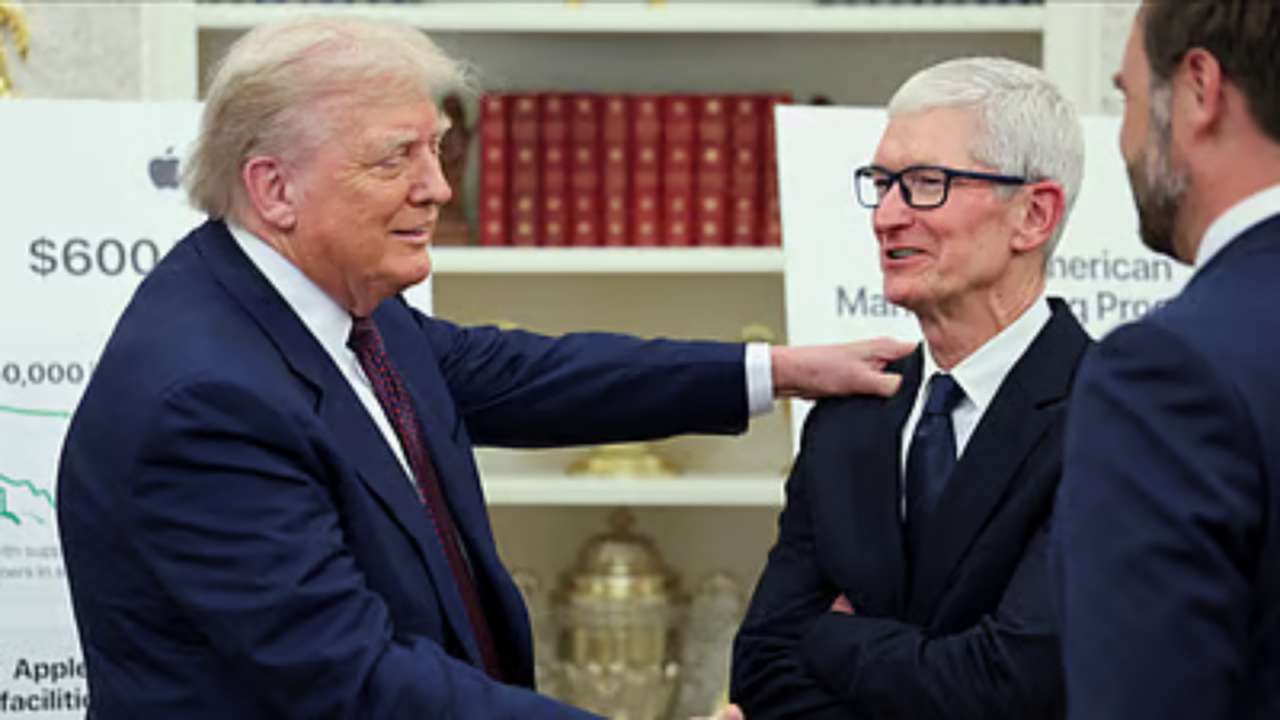
 'A Legend Replaces A Legend': Donald Trump backs Tim Cook to replace Jensen Huang as Nvidia CEO
 Zee Entertainment announces Rs 600 crore share buyback at Rs 91 per share
 Donald Trump Targeted? One killed, four injured in shooting near White House
 Maatrubhumi conquers, Military veteran, Shaurya Chakra awardee react to trailer of Salman Khan's action drama
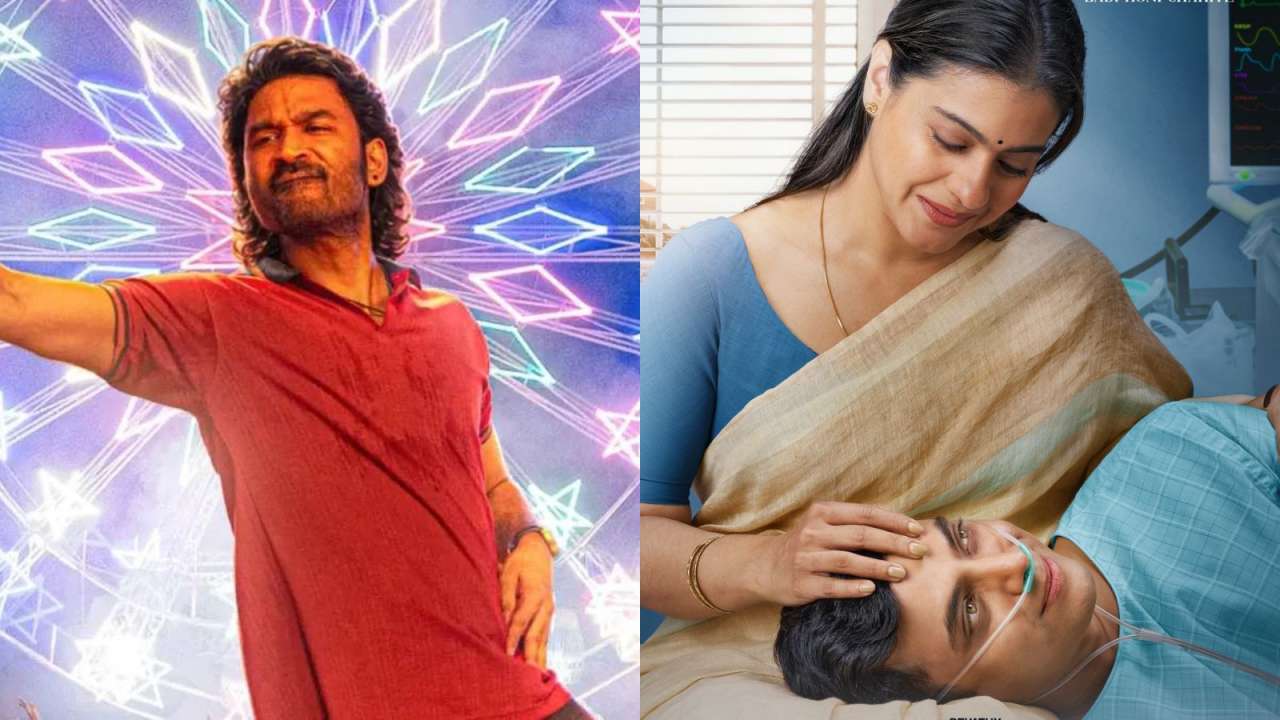 Exclusive: Salaam Venky, OM producer R Take's Shraddha Agarwal on challenge of keeping slice-of-life genre alive amid big-budget extravaganzas
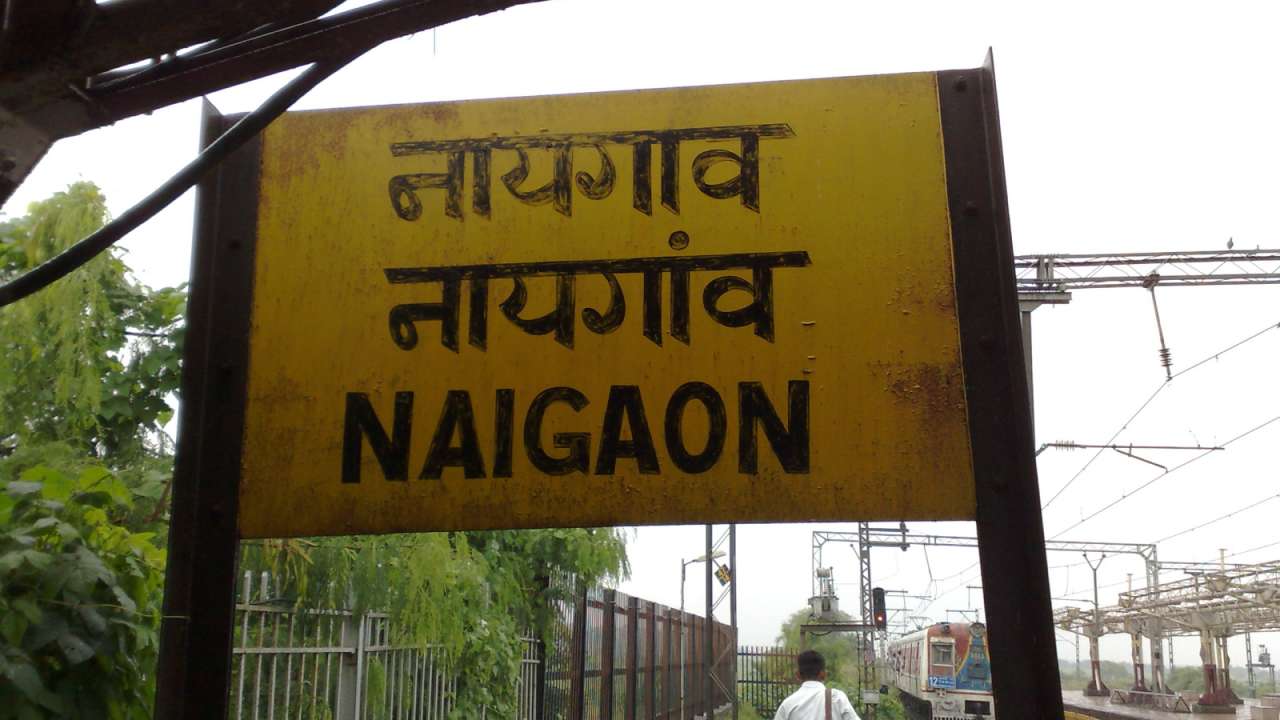 Maharashtra Shocker: 20-year-old woman molested on local train, pushed onto tracks, loses arm
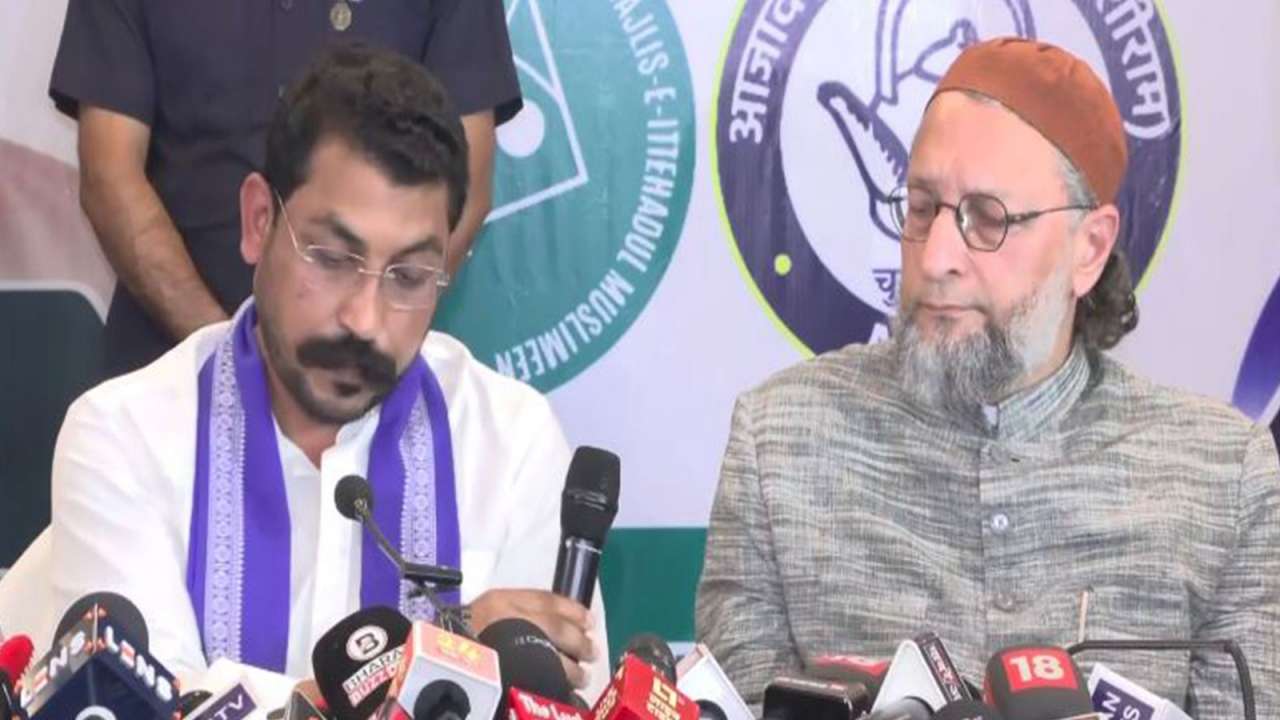 Owaisi-Azad join hands in UP, picks Chandra Shekhar Azad as CM face to consolidate Dalit-Muslim votes against BJP
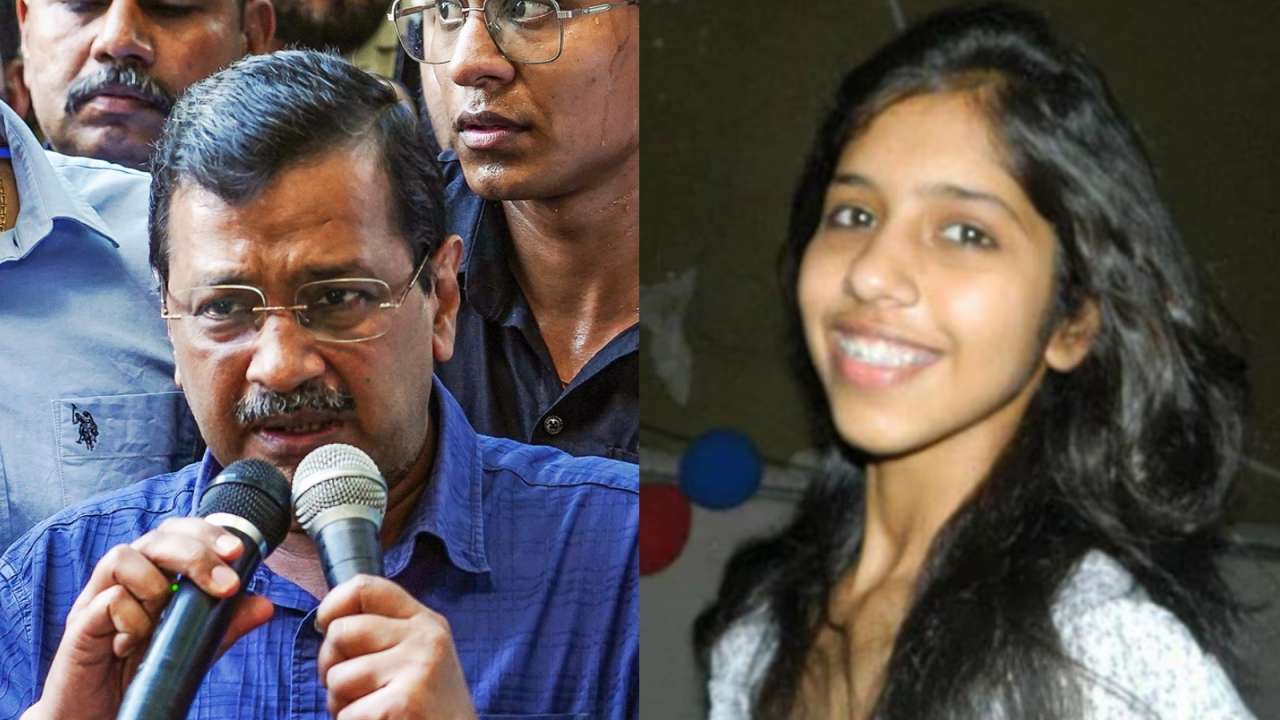 Arvind Kejriwal after Tiger Shroff? Bishnoi gang threatens him, demands ransom of Rs 7 crore, what will Rekha Gupta govt do?
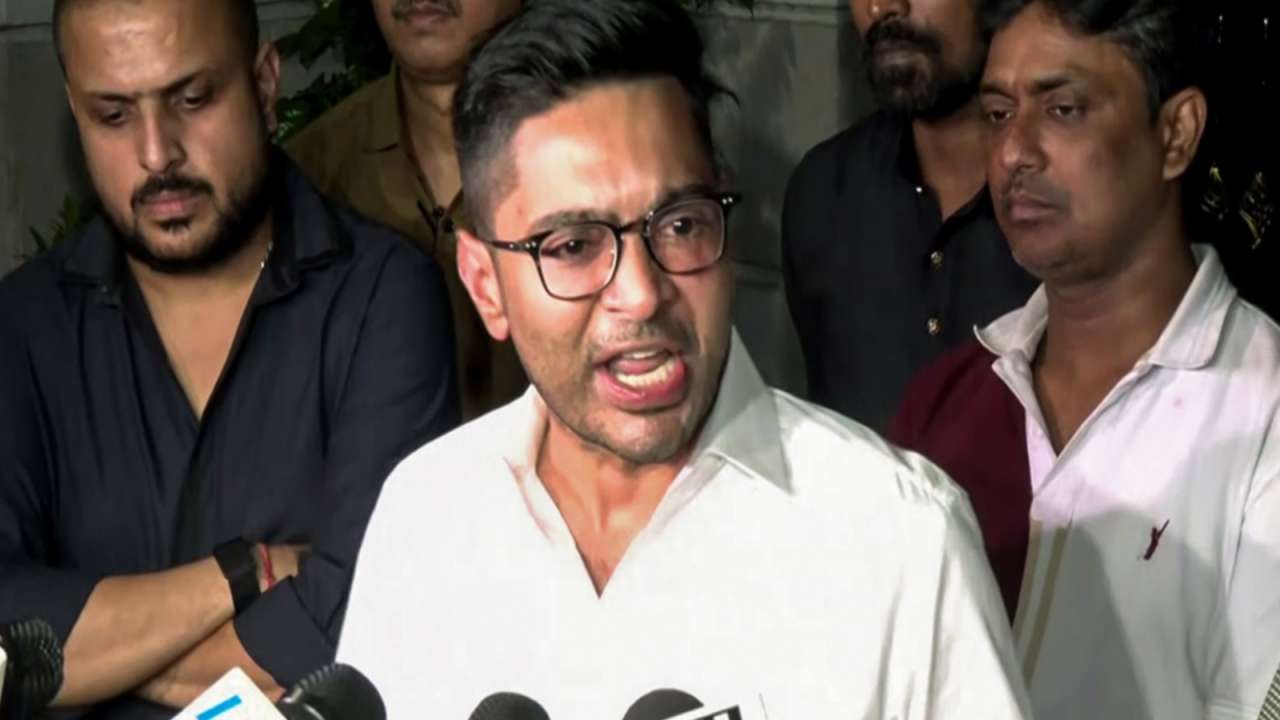 Abhishek Banerjee attacks Bengal govt after anti-encroachment action near house: 'You cannot bulldoze my voice'
 Jammu and Kashmir Horror: Bullet-riddled bodies of two missing SPOs, who had gone missing on duty, found in Kishtwar'A Legend Replaces A Legend': Donald Trump backs Tim Cook to replace Jensen Huang as Nvidia CEODonald Trump Targeted? One killed, four injured in shooting near White House
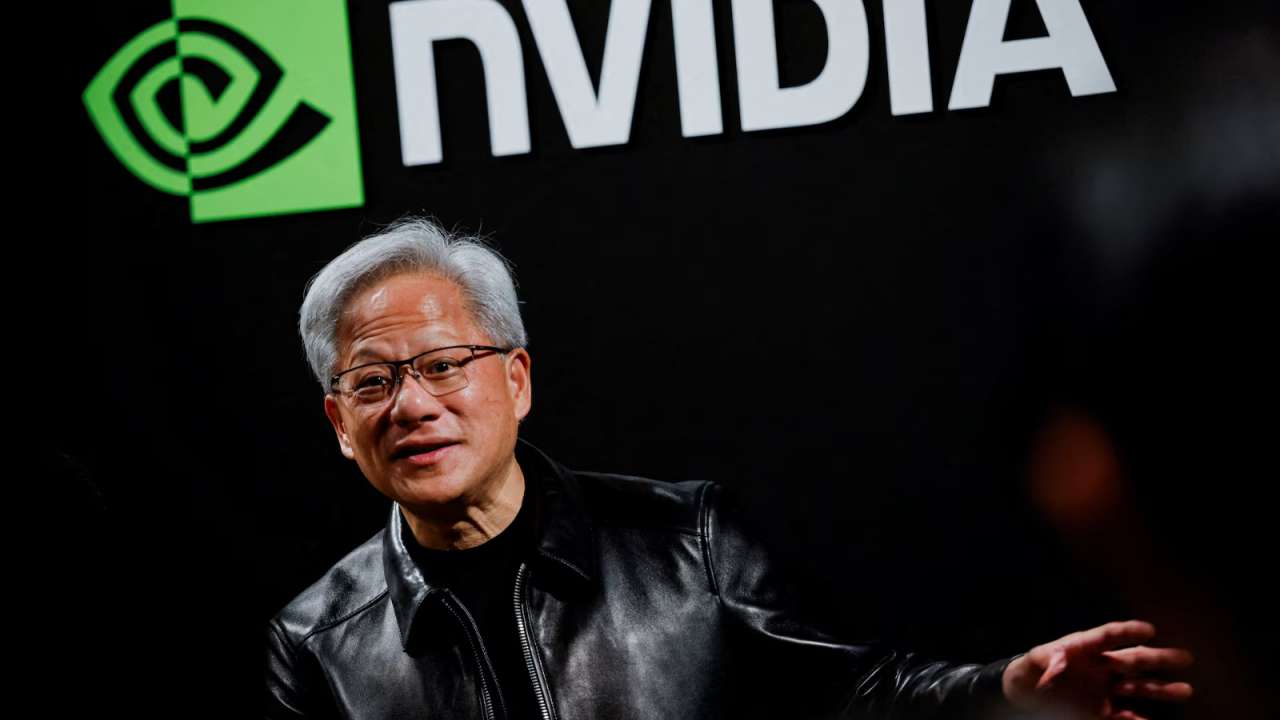 Nvidia CEO Jensen Huang resigns amid spy affair scandal; CFO Colette Kress named interim CEO
 Liberia-flagged tanker hit by projectile off UAE, 19 Indian crew safe
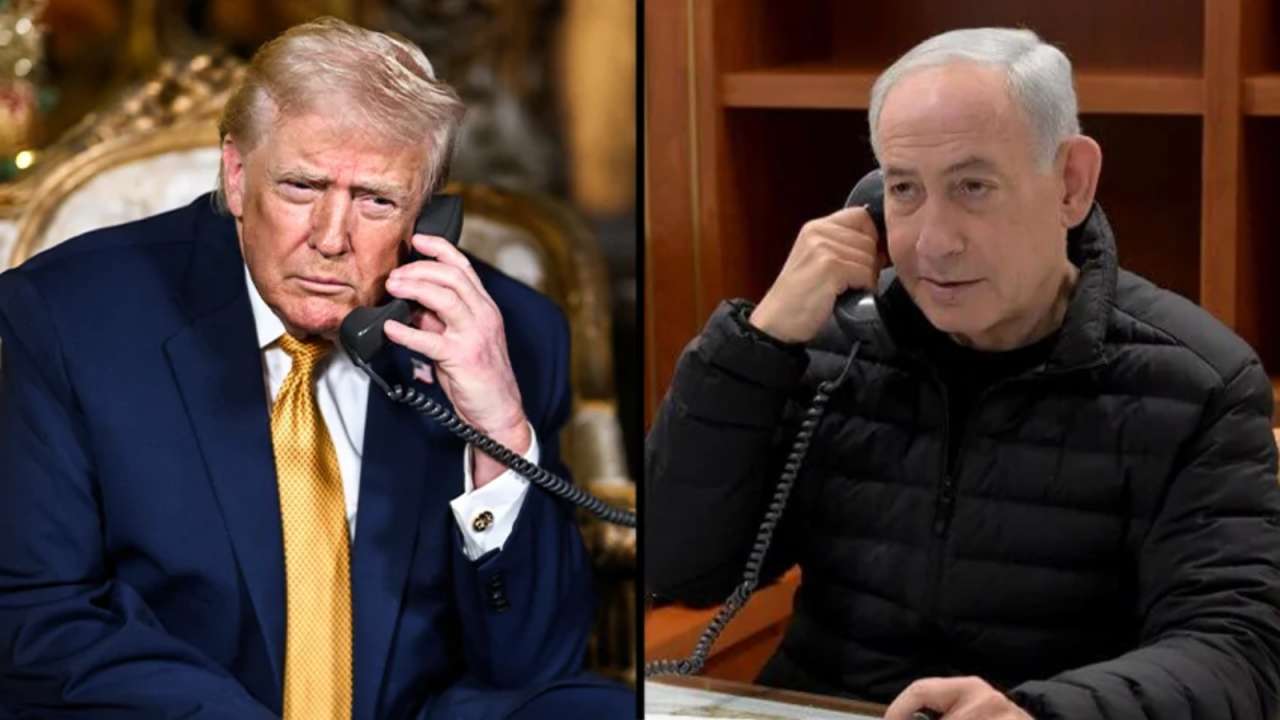 Donald Trump vs Netanyahu Over Iran War: Report claims 'shouting match from hell' call
 Why does inflation soar to 6.09% despite falling fuel prices, US-Iran war halt? RBI's next move under focus
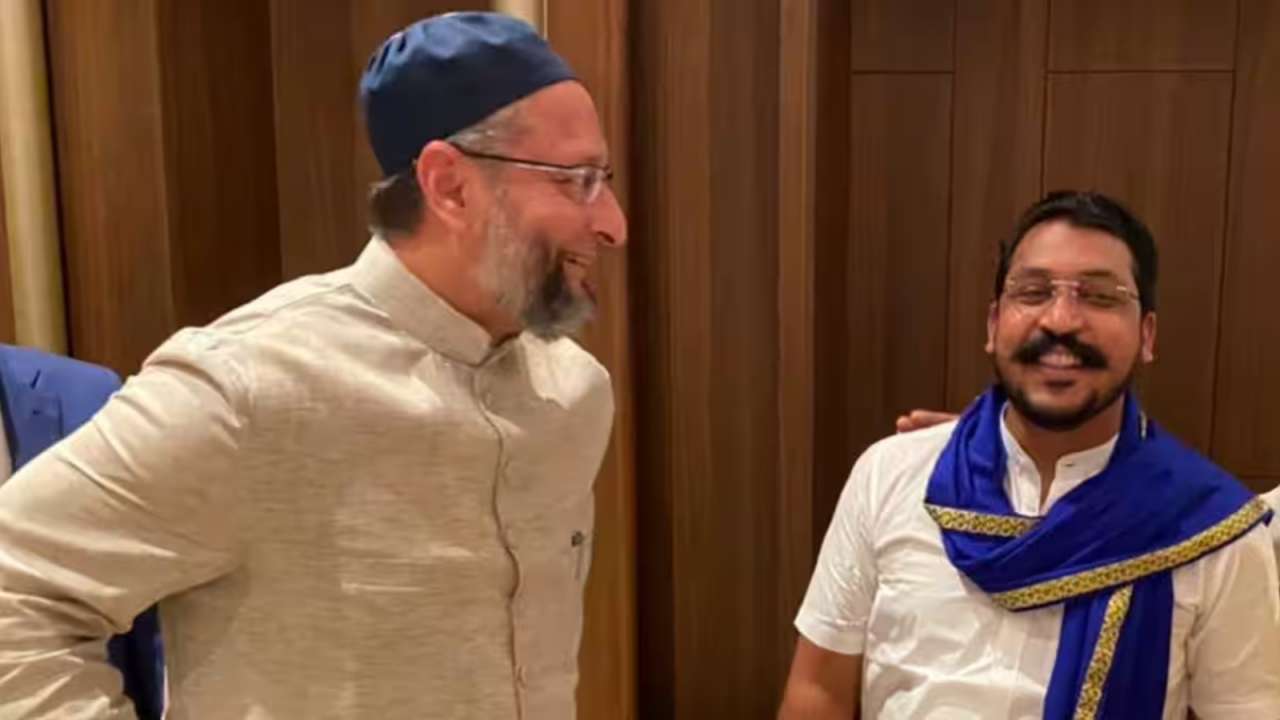 UP Elections 2027: Will Asaduddin Owaisi and Chandrashekhar Azad defeat BJP or help Yogi win?
 From Nvidia CEO Jensen Huang to top officials: 5 Alleged Chinese 'honey trap' cases that shocked world
 Brent crude crashes from $115 to $90: Will petrol and diesel prices become cheaper in India?
 Sensex soars 1,300 points, Rs 6 lakh crore added in minutes: 3 BIG reasons behind stock market rallyMaatrubhumi conquers, Military veteran, Shaurya Chakra awardee react to trailer of Salman Khan's action dramaExclusive: Salaam Venky, OM producer R Take's Shraddha Agarwal on challenge of keeping slice-of-life genre alive amid big-budget extravaganzas
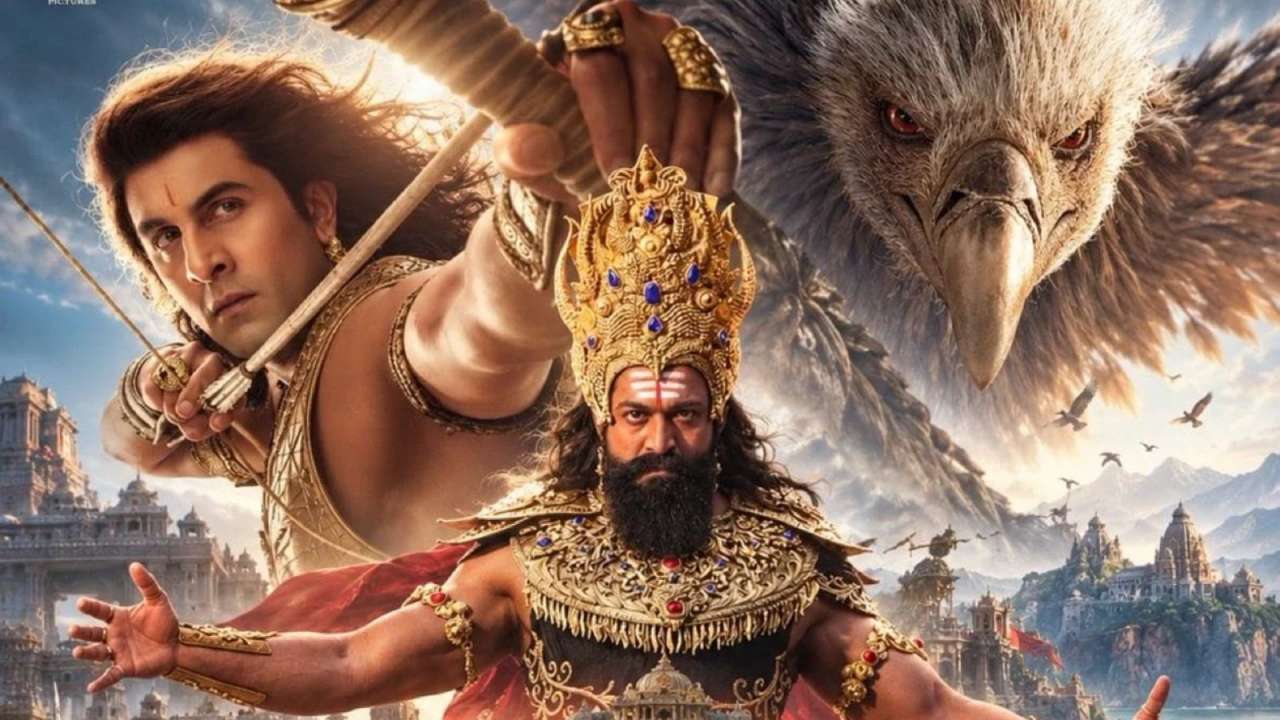 Ramayana box office collection Day 8: Despite big drop, Ranbir Kapoor scores his biggest hit, 1st 1000 crore film
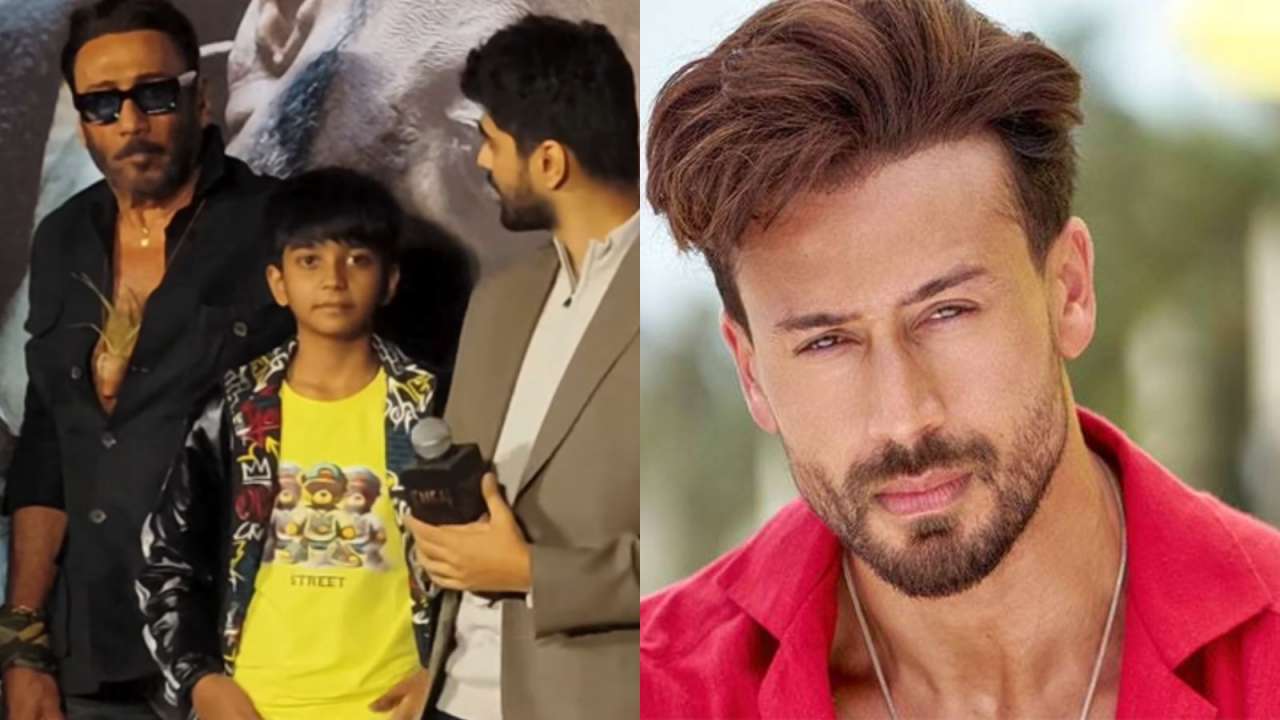 Viral video: Jackie Shroff dodges reacting to Tiger Shroff's firing incident? His mute reaction leaves netizens puzzled
 Anubhav Sinha 'jealous' of Ramayana? Director hopes film 'will no longer be gladiators', netizens brutally trolled him: 'You should stop making movies'Zee Entertainment announces Rs 600 crore share buyback at Rs 91 per share
 Who may replace Nvidia CEO Jensen Huang? THIS Indian tech executive emerged among top contenders
 When CA Mukesh Jain Tested Kwala Intel: Inside the AI market wizard that money managers now swear by
 Tata Group Power Struggle Intensifies: Noel Tata quits boards of six companies, what next?
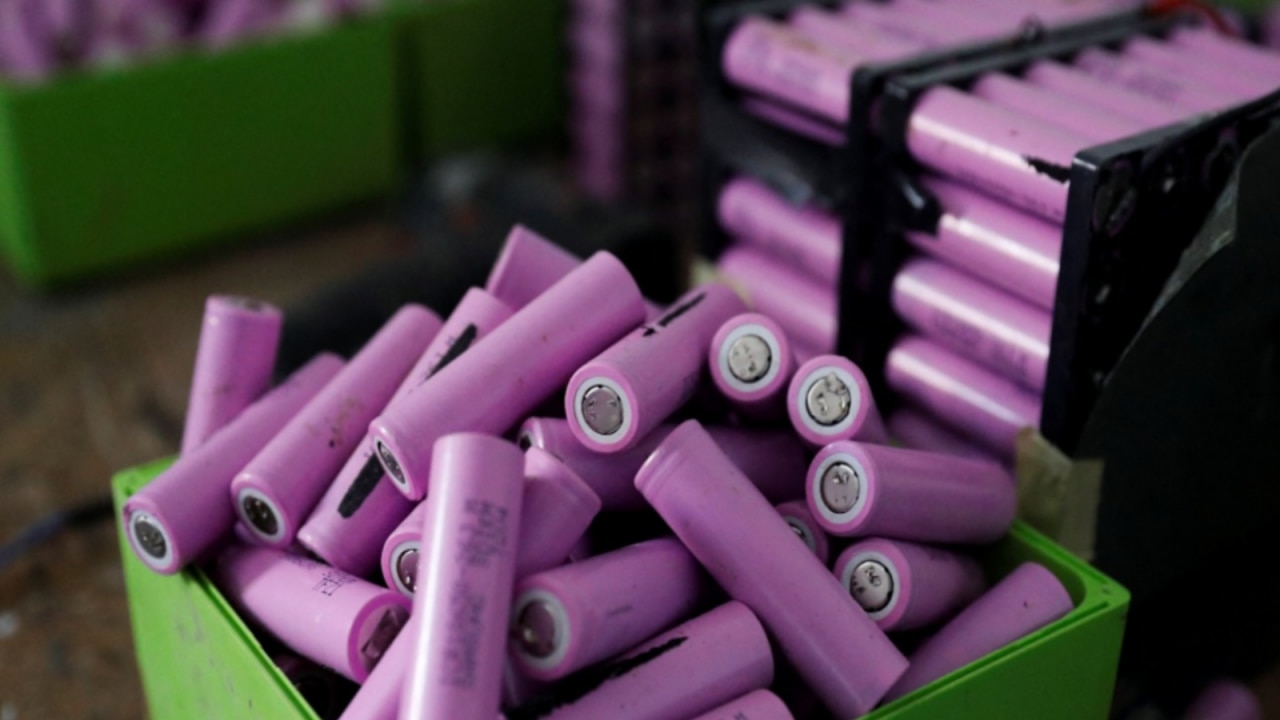 India bans lithium-ion battery waste exports: What's the reason behind the move?
 Arshdeep Singh and Samreen Kaur take relationship to next level: See engagement pictures
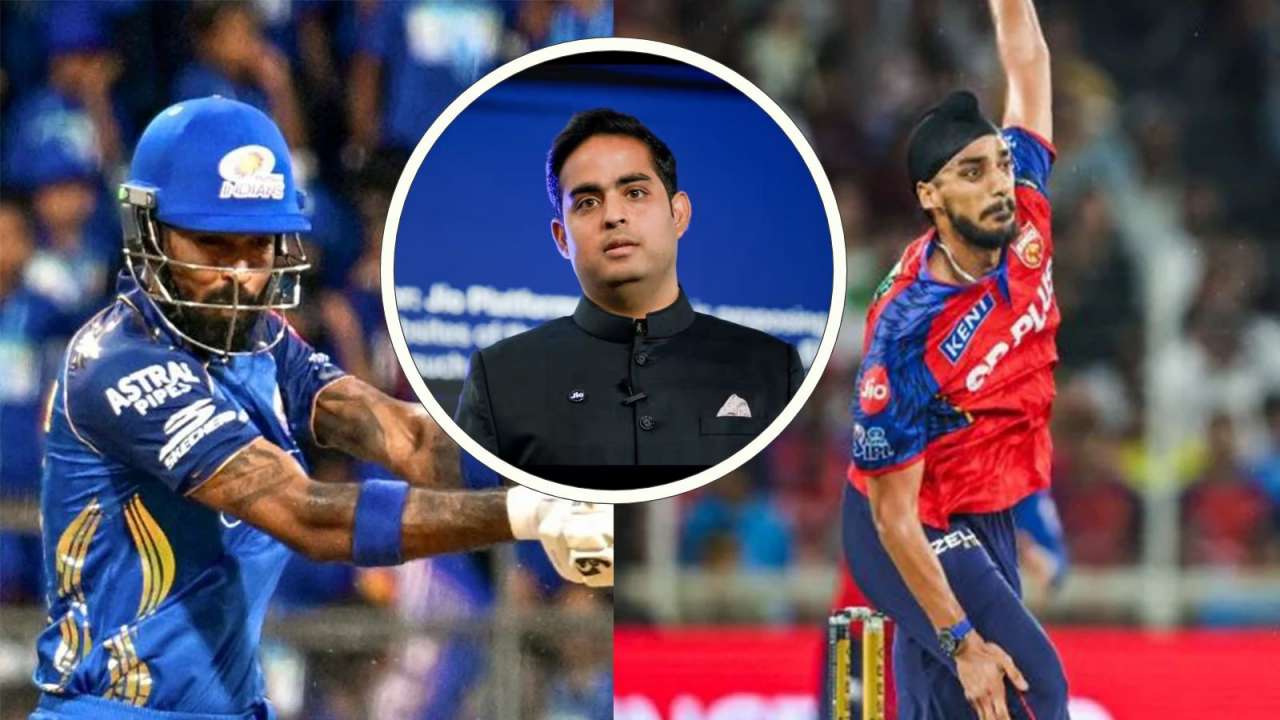 Akash Ambani's first reaction after Hardik Pandya trade, welcomes Arshdeep Singh to Mumbai Indians
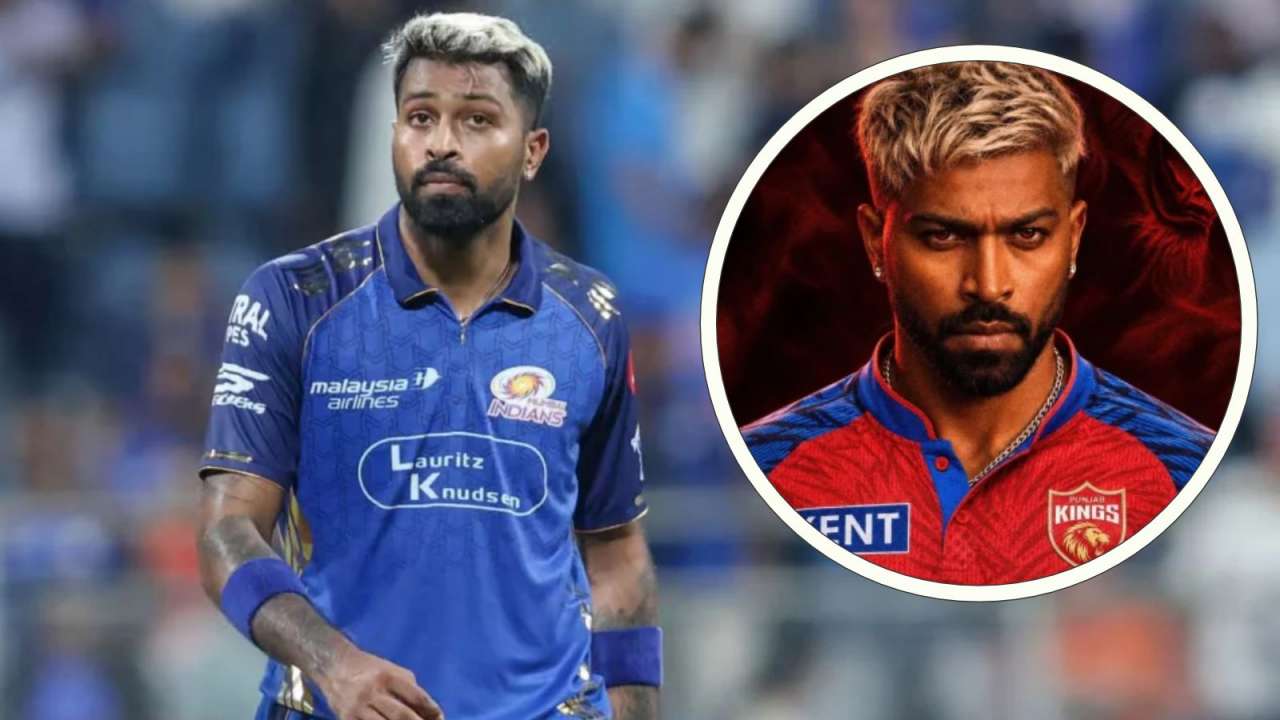 Hardik Pandya drops first message after joining PBKS goes viral, says 'Sat Sri Akal Punjab'
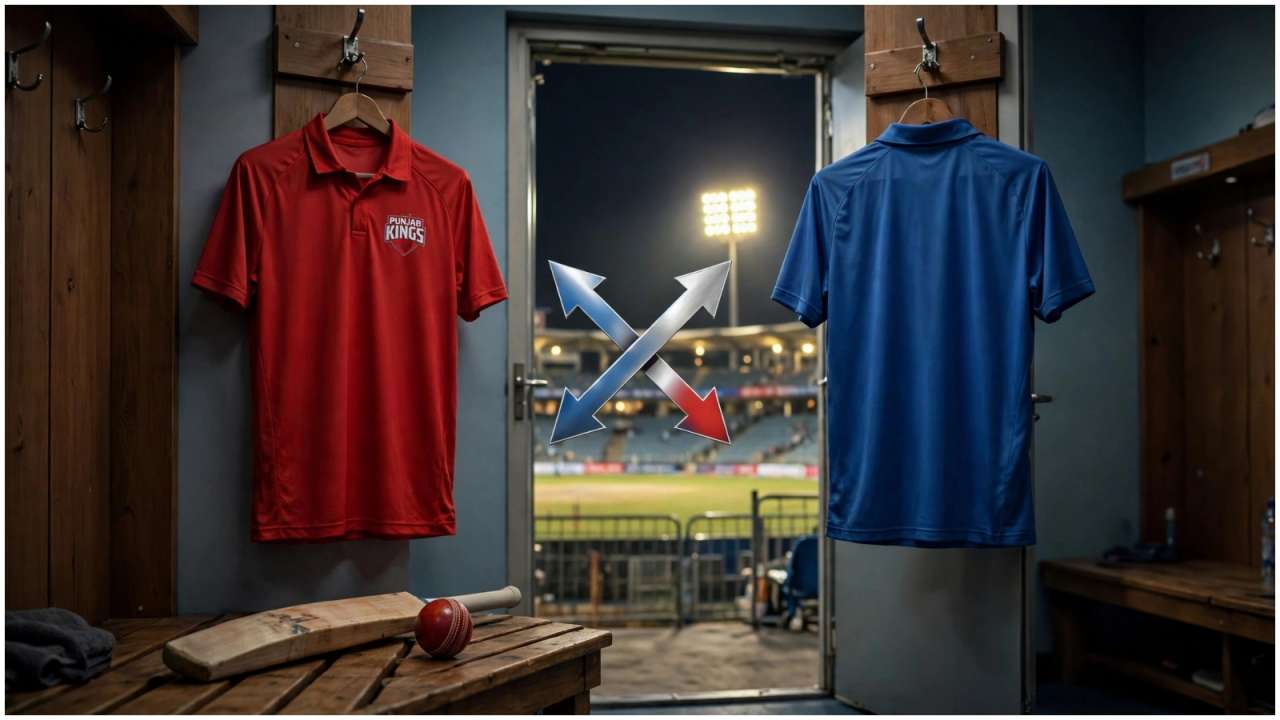 IPL 2027 trades: Full list of players who have switched teams, Hardik-Arshdeep deal included
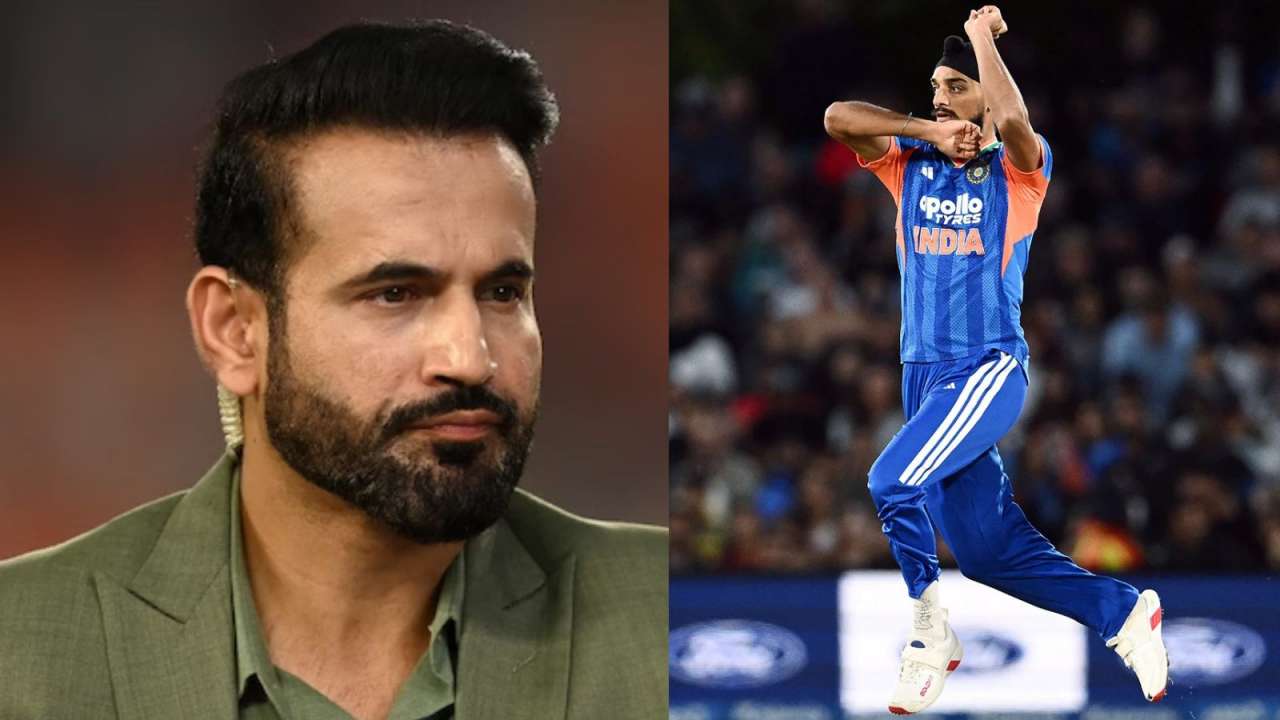 Irfan Pathan makes big statement on Arshdeep Singh's trade to MI, says 'Makes Mumbai Indians a stronger side'
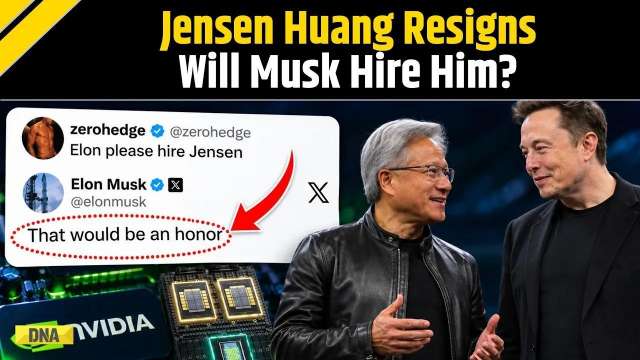 Nvidia-Jensen Huang News: 'Would Be An Honor To Hire Him...' Will Musk Save Huang After Resignation
 J&K News: 'Won't Spare You...' 2 Days Before Kulgam Attack, CRPF Got Unexpected Warning By Boy
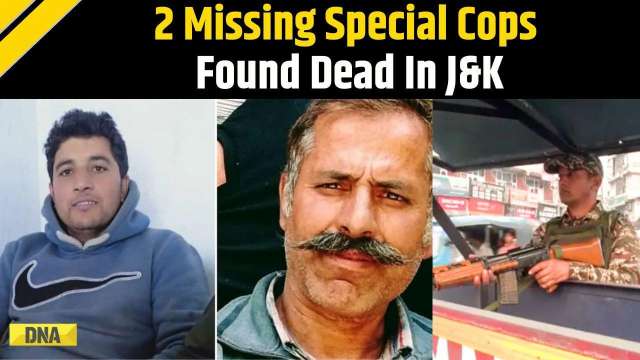 J&K News: Two Special Police Officers Who Went Missing In Kishtwar District Found Dead
 Assam Train Accident: 'Break Failure Or Control Loss...' 300 Passengers Escape Death; What Happened?
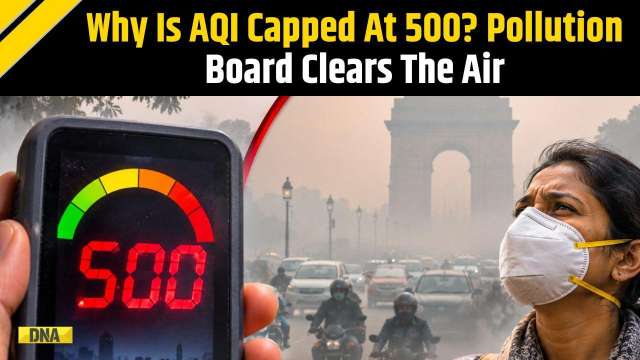 Delhi AQI News: Why India’s Official AQI Stops At 500 While Private Apps Show Readings Above 1,500
BUSINESS

Updated : Mar 19, 2018, 03:29 AM IST
















Retailers and brands have been struggling with loyalty programmes as consumers have remained cold to the concept which was introduced a decade ago.
However, the face of loyalty marketing in India is slowly beginning to change as marketeers are seeking to understand why consumers are not loyal to their loyalty programmes.
Caroline Papadatos, senior vice-president of international at LoyaltyOne, a loyalty management company, said the reasonable dividend is not very engaging and there seems to be no tangible reward for consumers in most programmes and as a result the customers generally opt out of it.
Loyalty programmes are aimed at increasing footfalls by increasing the frequency of visits by consumers.
But, on the contrary, most consumers who have a loyalty card never get around to using it because they realise it will be a long wait before they can reap the benefits.
Marketers and brands are now sweating it out to change all that.
For most brands an estimated up to 50% of the profits come from a minority group of customers and brands are upping the efforts to woo this set of consumers.
Now, loyalty programmes are getting more tailor-made, says Akash Sahai, managing director, India, Aimia, a loyalty management company.
“There is a greater attempt to understand the consumer using technology. So that the promotions and discounts being offered to the consumers are relevant and can prompt the consumers to visit the respective stores.”
A spate of irrelevant marketing emails after signing on a loyalty programme is one of the biggest complaints by consumers.
Sahai said if you keep sending offers about baby products to a customer who is not married and has no need for it then obviously the consumer is not going to come back to the store.
In order to counter this problem, marketeers are employing technology to gather more information about the consumers -- that includes details like age, frequency of visit, buying patterns, items purchase etc, so that the offers are targeted.
Vijay Bobba, CEO & MD of Payback, a provider of such programmes, said coalition loyalty programme where a consumer can collect points from different retailers is going to be a game-changer ahead.
“Moreover, the offers should be accessible from anywhere – mobile, social networking sites or the location that you are going to. Also, it has to be the same experience using different channels.”
Sahai said going ahead, loyalty marketing will also be increasingly seen in other spaces such as entertainment and healthcare.
“Loyalty marketing can be used in any industry where the customer is likely to come again. Currently, it is majorily limited to retail, banking, hospitality and travel, but going ahead we see it expanding to entertainment and even healthcare.”
As per a survey done by LoyaltyOne, the market for loyalty cards was estimated to be Rs 5,000 crore in 2011, which is estimated to rise to Rs 8,000 crore by 2015.