 Kartik Aaryan makes first big statement after Sidharth Malhotra's 'great PR budget' dig, draws parallels with Sylvester Stallone: 'Blinkers phenke main...'
 Gautam Gambhir loses patience after India's 89-run collapse against New Zealand, refuses to spare batters, slams Rohit, Kohli, Iyer
 Assam Accident: 20 feared dead, several injured as truck hits traveller in Kaziranga
 Microsoft Outage Hits Outlook, Teams: IndiGo, Air India impacted; airlines issue advisory
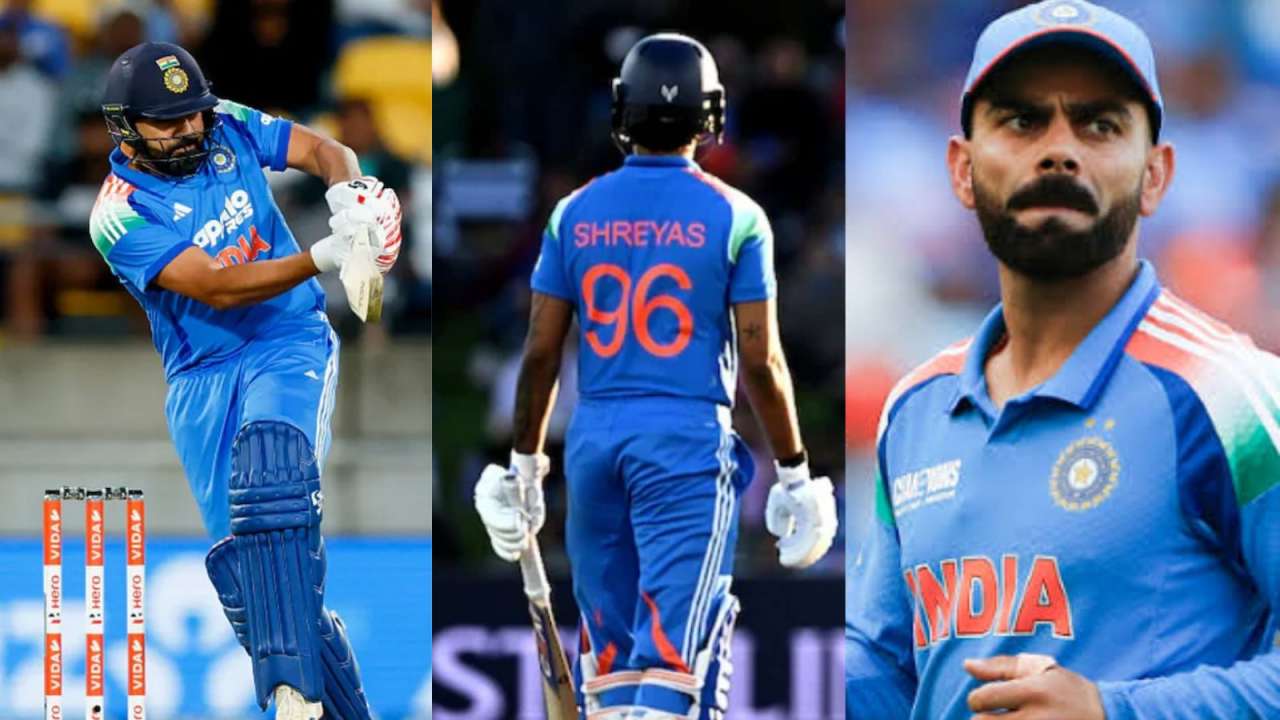 Rohit, Kohli, Shreyas Iyer fall for ducks! India suffer humiliating 89 all-out collapseAssam Accident: 20 feared dead, several injured as truck hits traveller in KazirangaMicrosoft Outage Hits Outlook, Teams: IndiGo, Air India impacted; airlines issue advisory
 Global Microsoft outage hits India flights, SpiceJet cancels 3 Delhi departures, delays reported
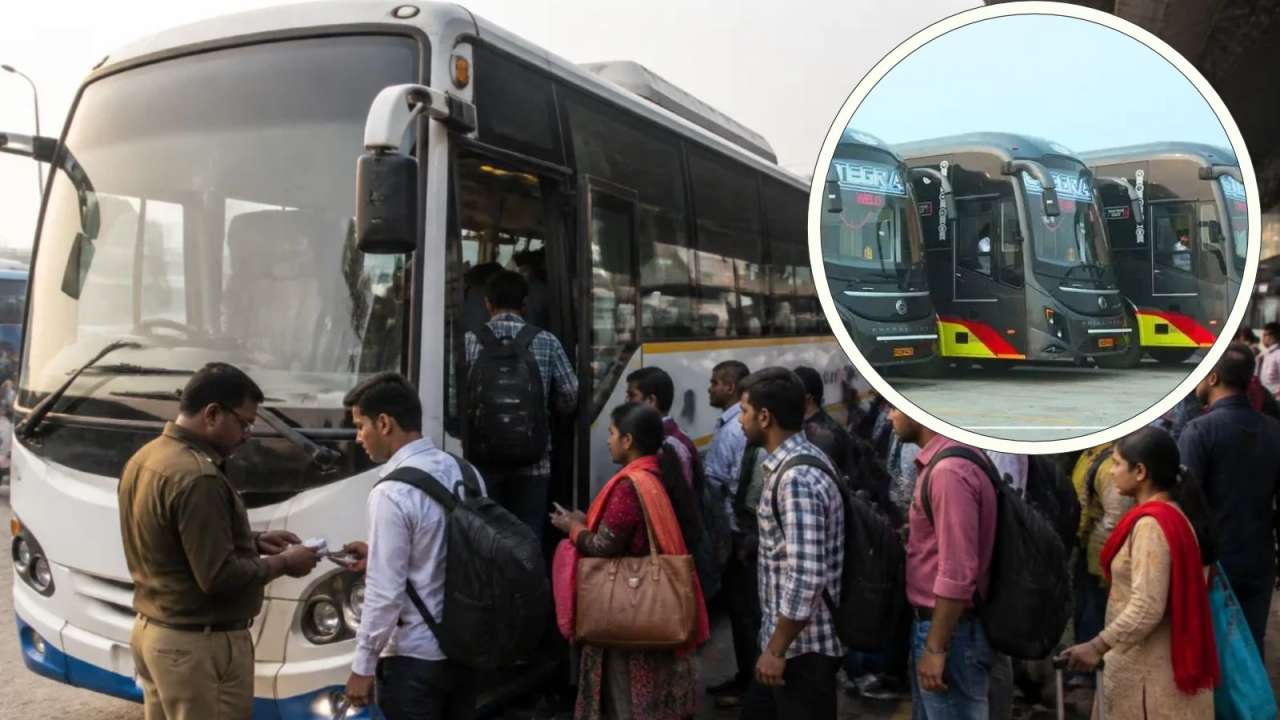 Chhath Puja 2026: Govts announce 77 inter-state buses from Delhi to Bihar, check fare, timing, route and more
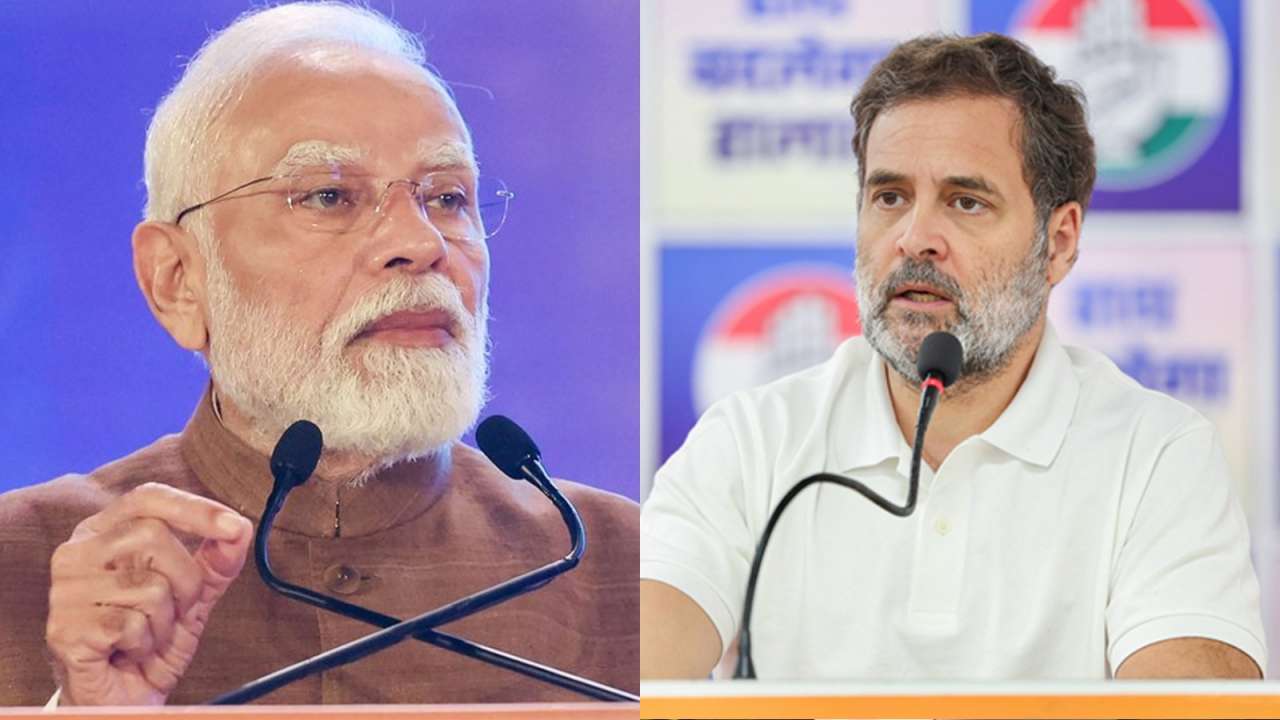 Is PM Modi tapping Rahul Gandhi's phone? Congress MP renews open debate challenge
 Was Alice Huang Really A Chinese Spy? US intel has no definitive proof, divided over Jensen Huang affair
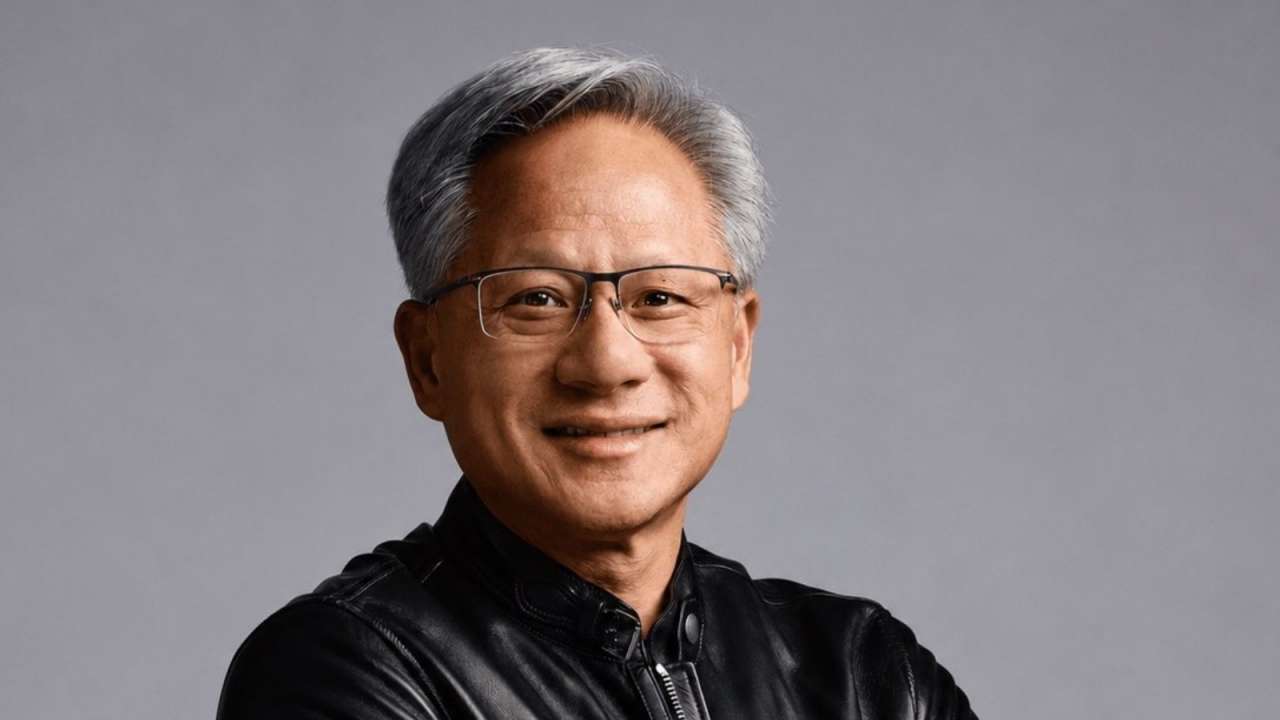 From cleaning toilets to $4.5 trillion empire: Who is Jensen Huang? His Nvidia exit, China spy controversy
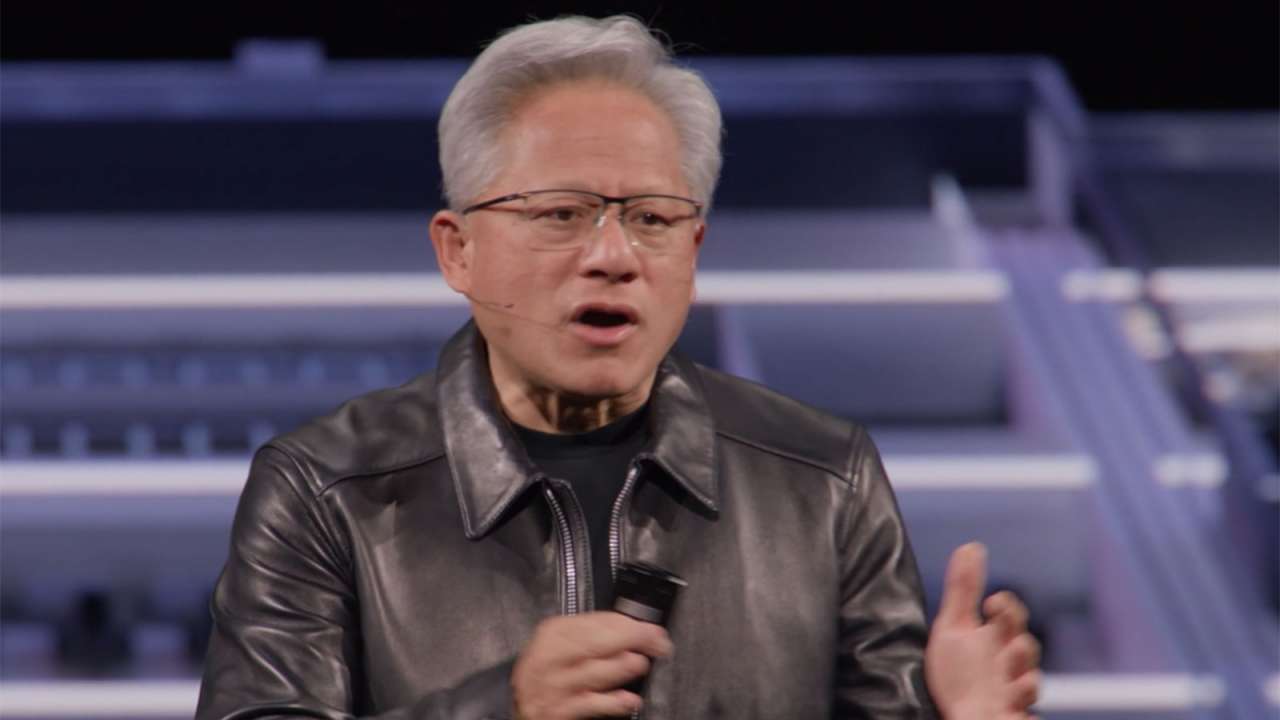 Nvidia CEO's Pathetic Final Hours In Office: Shattered Jensen Huang turns penitent, says, 'I am a piece of sh*t'
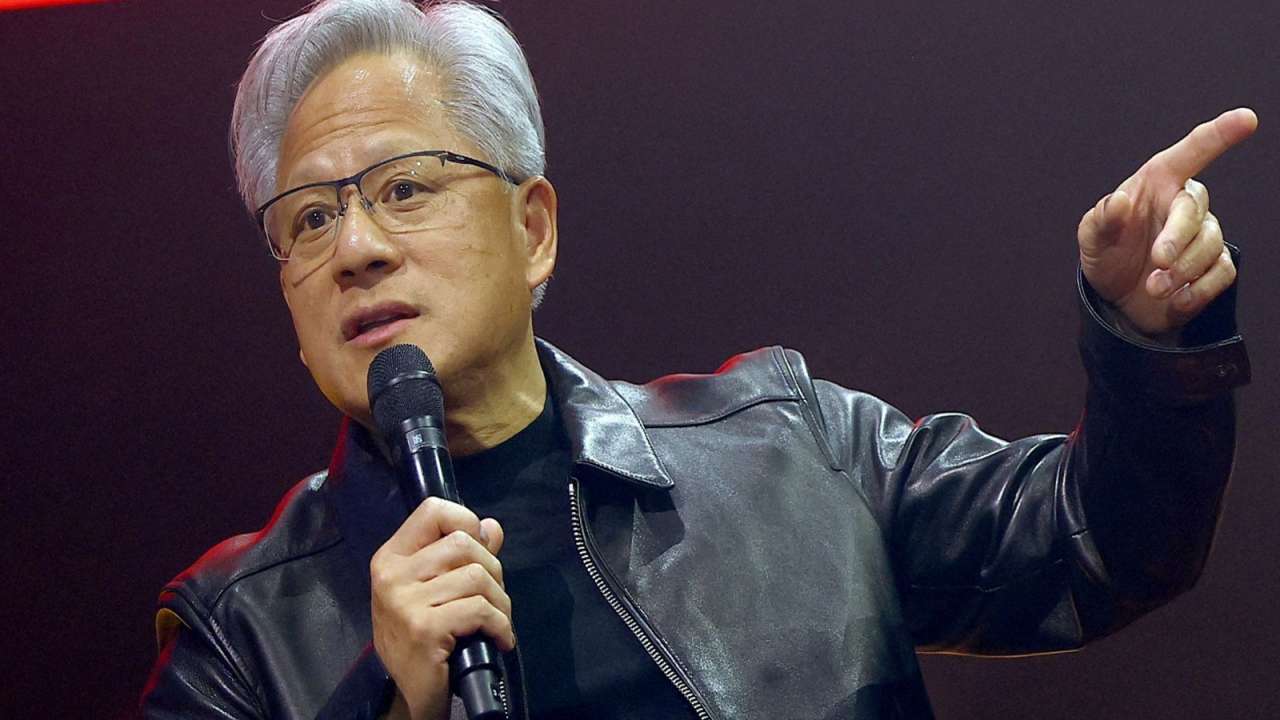 Will Nvidia employees bring back ex-Boss Jensen Huang after exit over affairs?
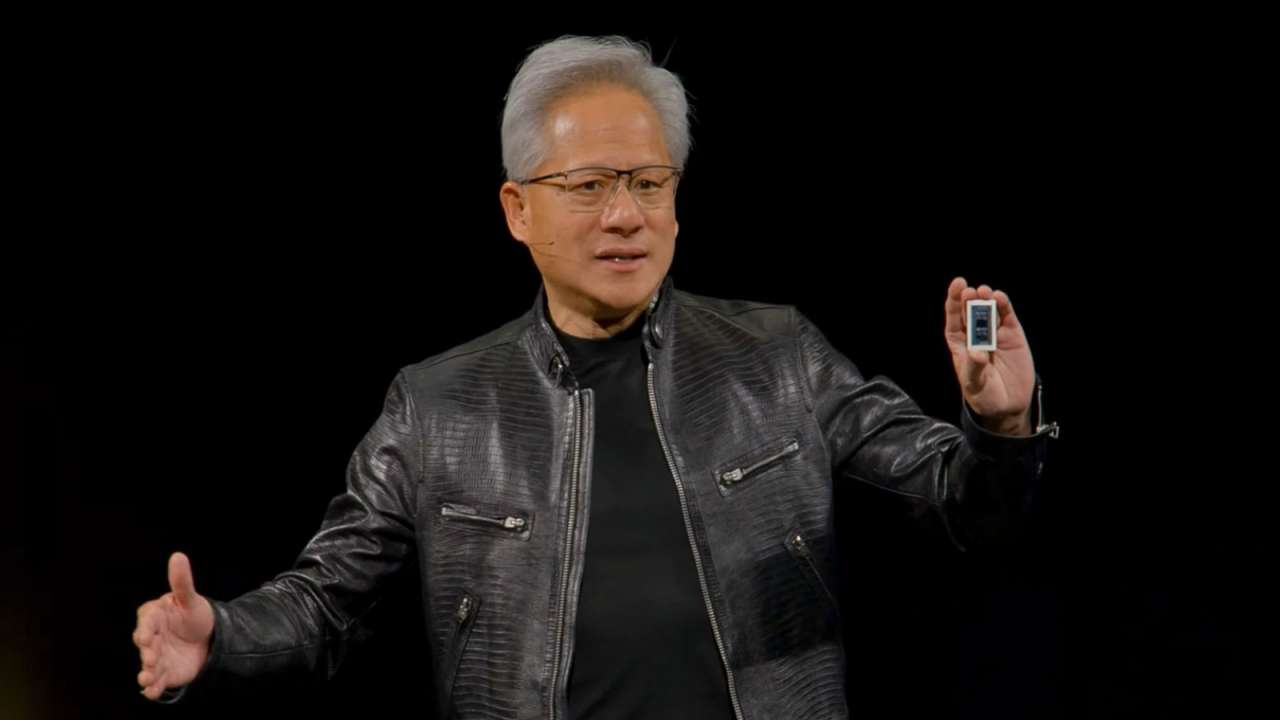 Ex-Nvidia chief Jensen Huang faces fresh claim of third affair with another employee: Report
 Microsoft Global Outage: Why did Outlook stop working? How were airlines in India affected?
 Nvidia After Jensen Huang: Will India's AI dream face chip shortage or open door for new rivals?
 Why does inflation soar to 6.09% despite falling fuel prices, US-Iran war halt? RBI's next move under focus
 UP Elections 2027: Will Asaduddin Owaisi and Chandrashekhar Azad defeat BJP or help Yogi win?
 From Nvidia CEO Jensen Huang to top officials: 5 Alleged Chinese 'honey trap' cases that shocked worldKartik Aaryan makes first big statement after Sidharth Malhotra's 'great PR budget' dig, draws parallels with Sylvester Stallone: 'Blinkers phenke main...'
 Blind Game movie review: Arjun Rampal moves on from Dhurandhar's Major Iqbal effortlessly, delivers engaging whodunnit with Priyamani
 Shanaya Kapoor delivers a winning performance in ‘Student of the Year: After Dark’, a suspense thriller packed with twists!
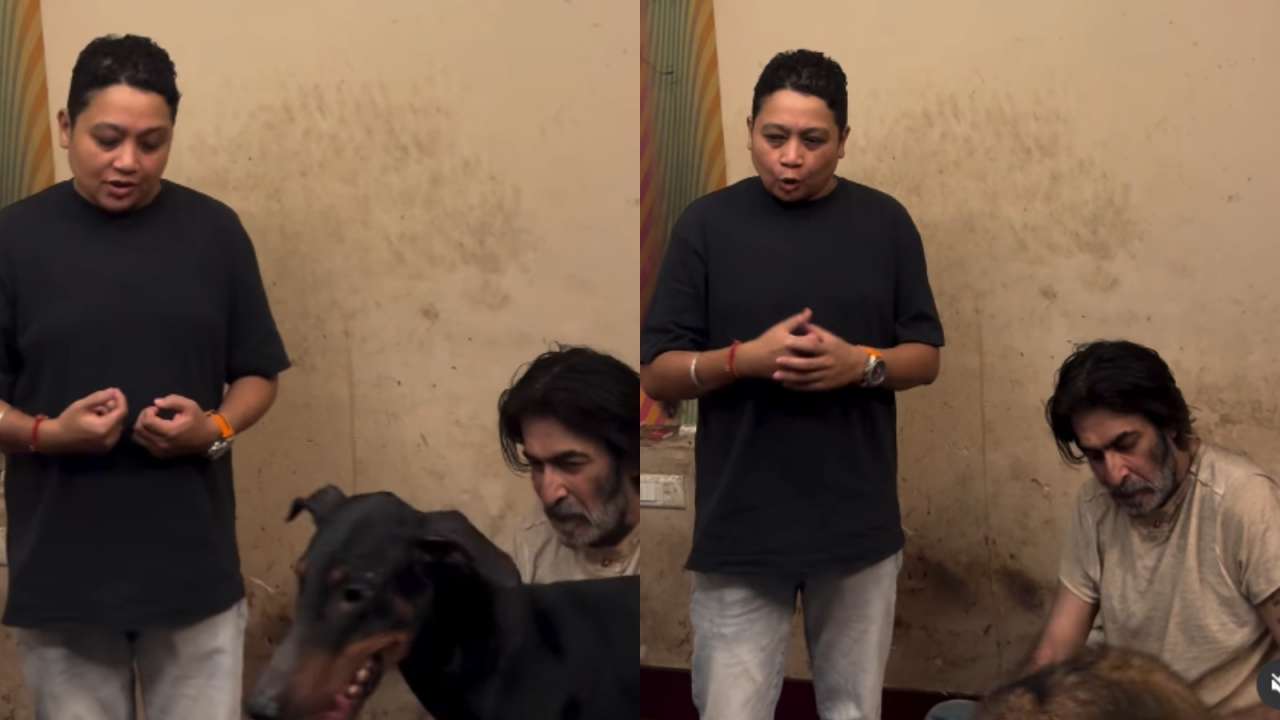 'I cannot live without them’: Sharad Kapoor gets emotional as his dogs are shifted to animal welfare centre| Watch
 Maatrubhumi conquers, Military veteran, Shaurya Chakra awardee react to trailer of Salman Khan's action drama
 Zee Entertainment announces Rs 600 crore share buyback at Rs 91 per share
 Who may replace Nvidia CEO Jensen Huang? THIS Indian tech executive emerged among top contenders
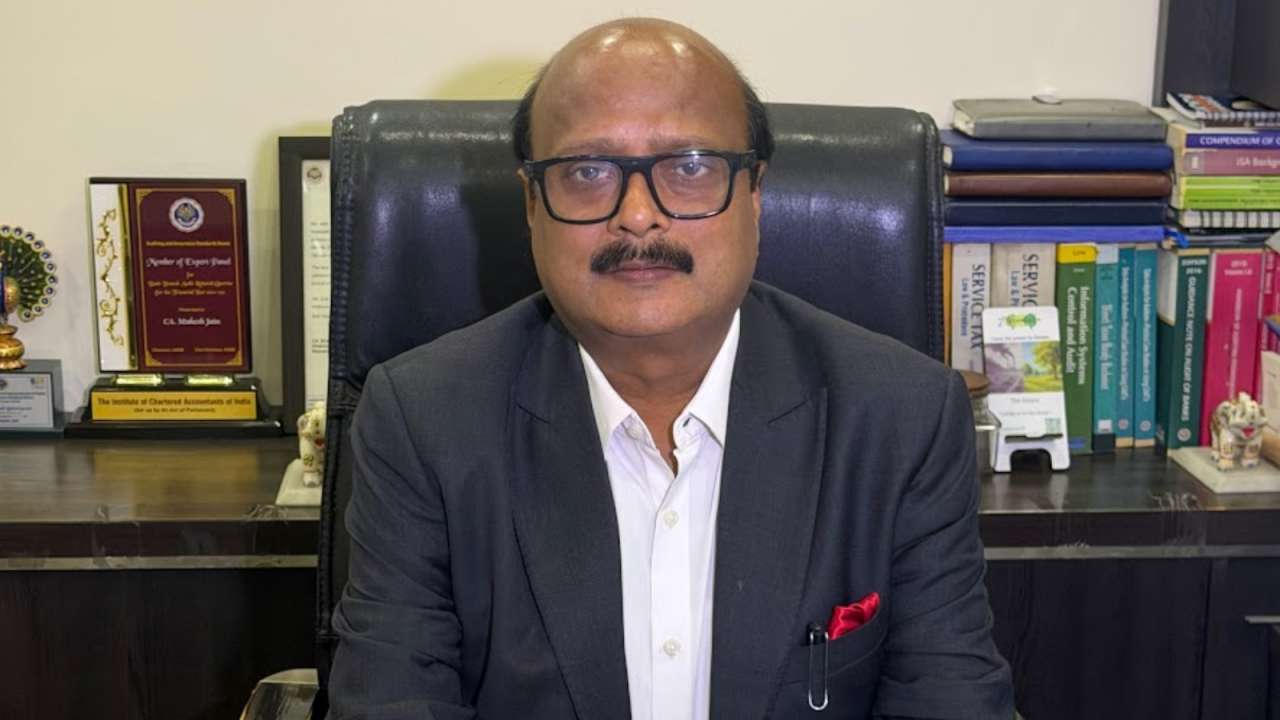 When CA Mukesh Jain Tested Kwala Intel: Inside the AI market wizard that money managers now swear by
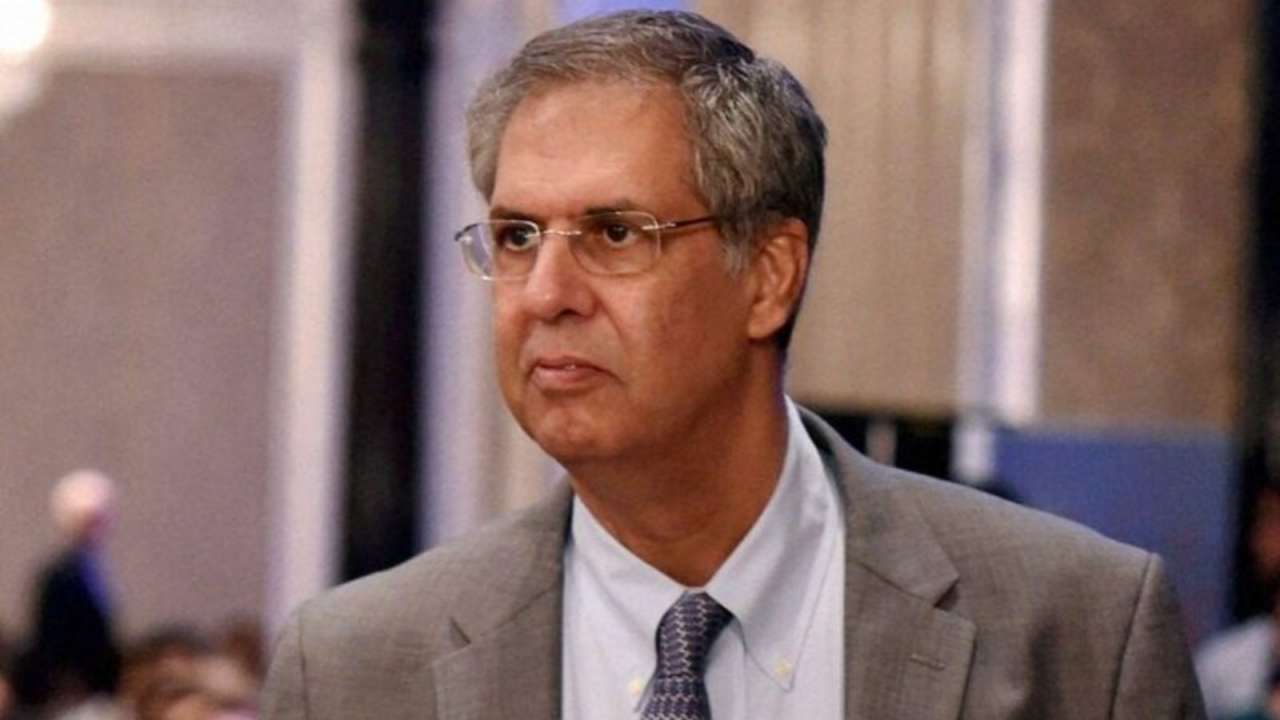 Tata Group Power Struggle Intensifies: Noel Tata quits boards of six companies, what next?
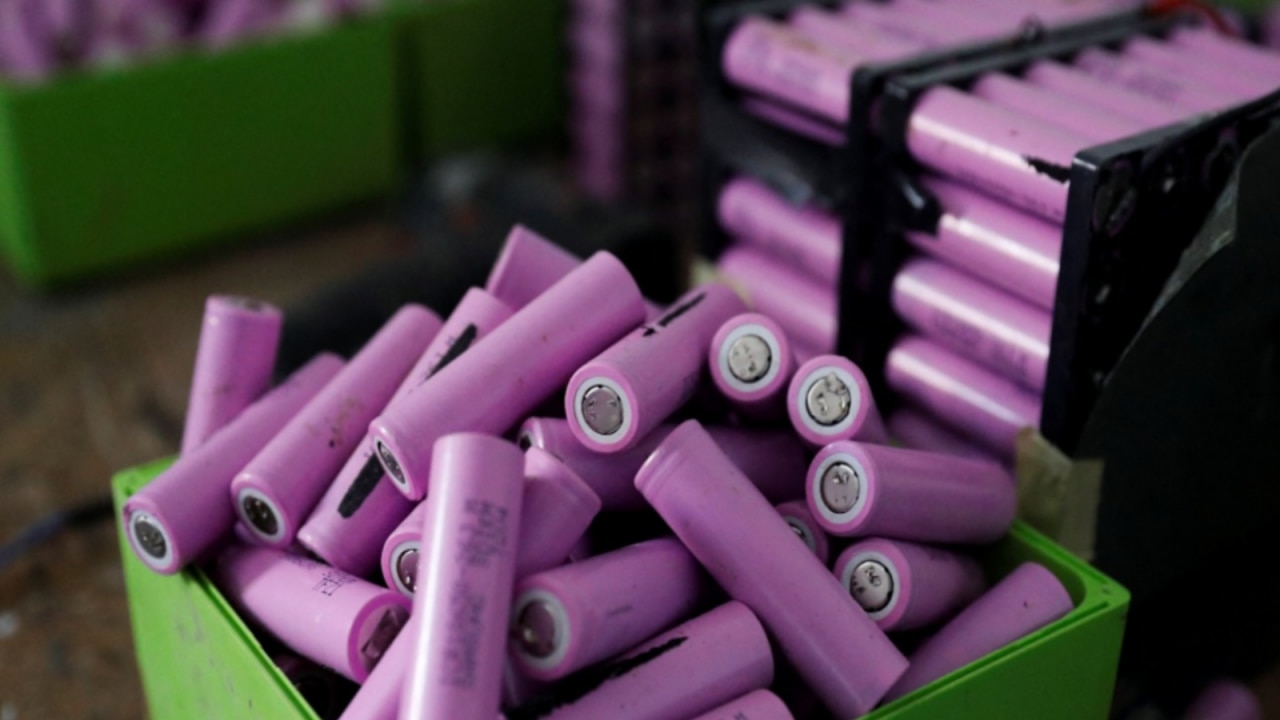 India bans lithium-ion battery waste exports: What's the reason behind the move?Gautam Gambhir loses patience after India's 89-run collapse against New Zealand, refuses to spare batters, slams Rohit, Kohli, IyerRohit, Kohli, Shreyas Iyer fall for ducks! India suffer humiliating 89 all-out collapse
 IND vs NZ 4th ODI: Virat Kohli's calm act goes viral after Gurnoor Brar clashes with Tim Seifert, Watch video
 IND vs NZ ODI Series: Rohit Sharma's diving catch goes viral after he dismisses Finn Allen for 41, Watch
 Arshdeep Singh and Samreen Kaur take relationship to next level: See engagement pictures
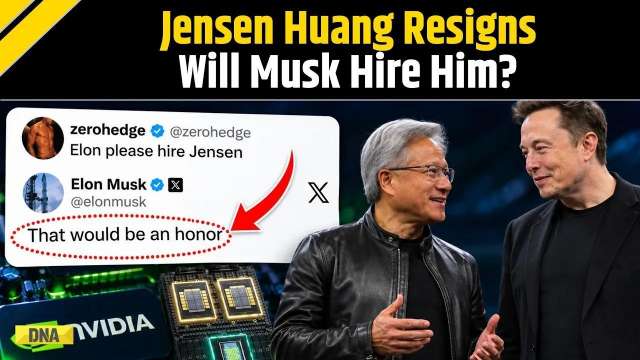 Nvidia-Jensen Huang News: 'Would Be An Honor To Hire Him...' Will Musk Save Huang After Resignation
 J&K News: 'Won't Spare You...' 2 Days Before Kulgam Attack, CRPF Got Unexpected Warning By Boy
 J&K News: Two Special Police Officers Who Went Missing In Kishtwar District Found Dead
 Assam Train Accident: 'Break Failure Or Control Loss...' 300 Passengers Escape Death; What Happened?
 Delhi AQI News: Why India’s Official AQI Stops At 500 While Private Apps Show Readings Above 1,500
BUSINESS
The jobs are at risk as the device makers are planning to import fully-assembled speaker modules from China.

Updated : Jun 22, 2025, 11:48 PM IST


Restrictions imposed by China on the export of rare earth metals have posed a risk to over 21,000 jobs in India's audio electronics segment, according to an estimate shared by industry body ELCINA with the government, PTI reported. ELCINA said that the move has disrupted global supply chains, hitting India's fast-growing hearables and wearables sector hard. The jobs are at risk as the device makers are planning to import fully-assembled speaker modules from China.
In April, China implemented strict export licensing on rare earth elements like terbium and dysprosium, which are key inputs for high-performance NdFeB (Neodymium-Iron-Boron) magnets used in consumer electronics such as hearables, wearables, and speakers.
“This creates a regressive trend — from component manufacturing back to finished good imports dependency. Over 5,000–6,000 direct jobs and 15,000 indirect jobs are at risk in speaker and audio component manufacturing, especially in Noida and South India,” Elcina noted.
India's dependence on China for NdFeB magnets
Rare earth magnets make up 5–7 per cent of the bill of materials, and India imports nearly 100 per cent of its NdFeB magnet requirement, with China accounting for 90 per cent of those imports, reports suggest.
Elcina urges government action
Elcina, India's oldest electronics industry body, has urged the government to begin government-to-government (G2G) talks with China, seek industry-specific exemptions, and boost domestic R&D and manufacturing under the electronics component manufacturing scheme. The body also recommended that the government consider a production-linked incentive (PLI) scheme for critical minerals, to reduce India’s reliance on China and ensure the resilience of its electronics supply chain.