 Kangana Ranaut lands in major trouble, FIR against actress-politician for insulting Sonia Gandhi and family
 Nudes for war secrets: Pak operative sent photos, Indian Air Force officer allegedly shared military plans
 Viral video: Gurpreet Ghuggi REACTS to Love Gill's game in Bigg Boss 20, amid affair rumours: 'Woh show mere liye important...'
 US flight chaos ends as FAA lifts ground stop: What officials revealed about ageing air traffic systems
 How did Jensen Huang mislead Nvidia executives on his affairs with Chinese 'spy'?Nudes for war secrets: Pak operative sent photos, Indian Air Force officer allegedly shared military plans
 Horrifying Accident Caught On Cam: Traveller veers off lane, collides with truck killing 24
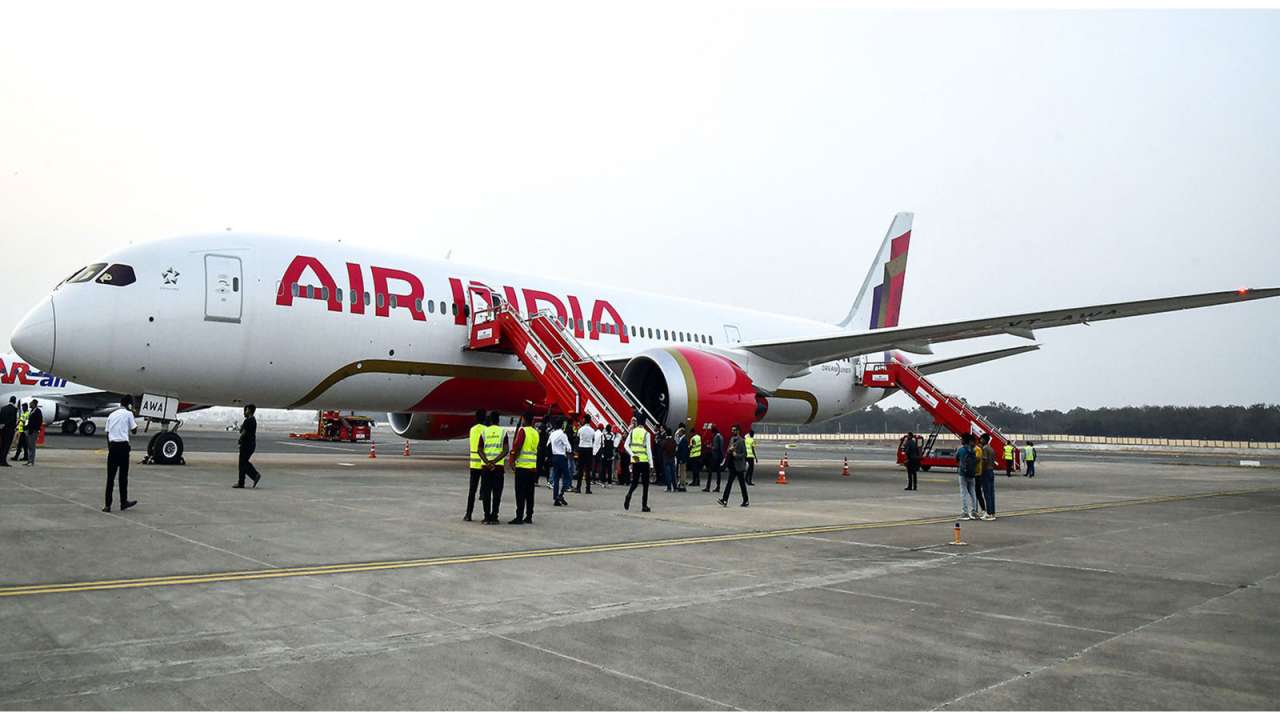 Air India suspends flights to Riyadh, Dammam, Jeddah amid Houthi attacks on Saudi
 Manipur: 4 killed as armed men ambush vehicles on NH-202 in New Heaven Village
 Who are Sonia Gandhi's sisters? What does she reveal about Nadia, Anoushka in 'Belonging: A Journey of Love '?US flight chaos ends as FAA lifts ground stop: What officials revealed about ageing air traffic systemsHow did Jensen Huang mislead Nvidia executives on his affairs with Chinese 'spy'?
 Microsoft reveals reasons behind global outage, hitting airline operations in India
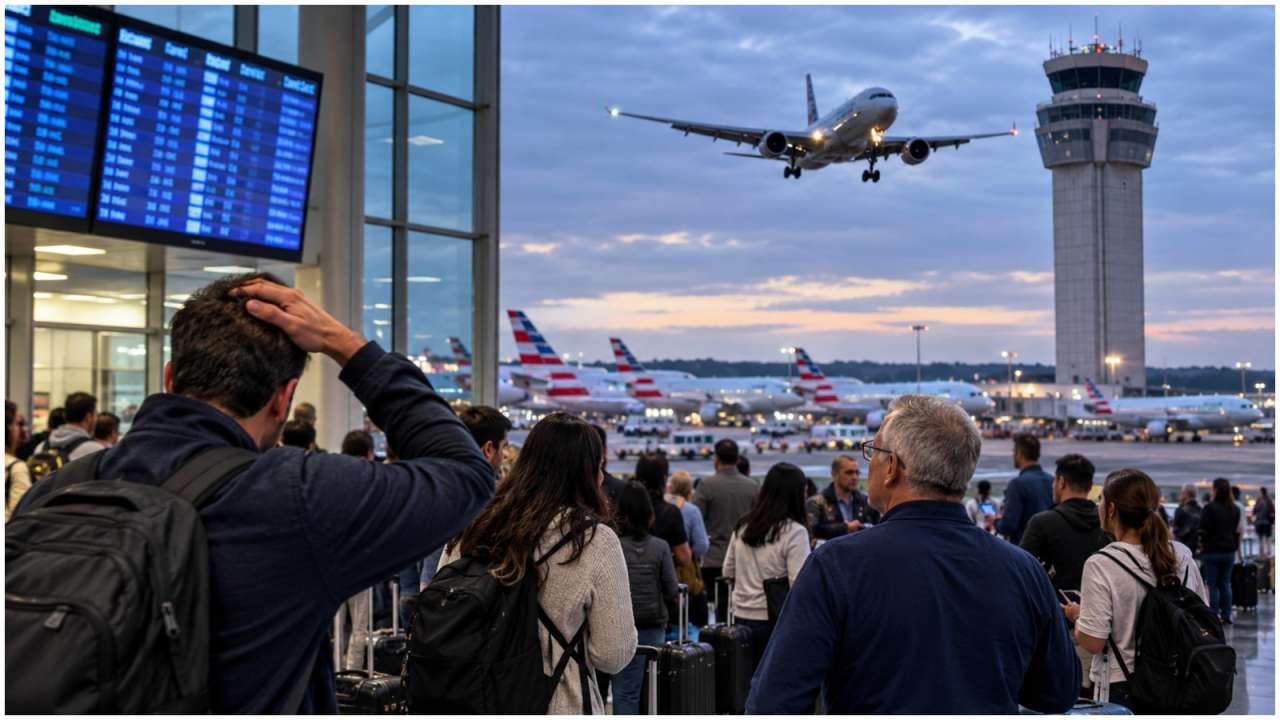 US airports hit by major disruption as FAA issues nationwide ground stop, thousands of flights affected
 US Treasury Secretary Bessent blames Commerce Dept for failure to blacklist Megaspeed in Nvidia scandal
 Microsoft Global Outage: Why did Outlook stop working? How were airlines in India affected?
 Nvidia After Jensen Huang: Will India's AI dream face chip shortage or open door for new rivals?
 Why does inflation soar to 6.09% despite falling fuel prices, US-Iran war halt? RBI's next move under focus
 UP Elections 2027: Will Asaduddin Owaisi and Chandrashekhar Azad defeat BJP or help Yogi win?
 From Nvidia CEO Jensen Huang to top officials: 5 Alleged Chinese 'honey trap' cases that shocked worldKangana Ranaut lands in major trouble, FIR against actress-politician for insulting Sonia Gandhi and familyViral video: Gurpreet Ghuggi REACTS to Love Gill's game in Bigg Boss 20, amid affair rumours: 'Woh show mere liye important...'
 Viral video: Samay Raina INSULTS Huma Qureshi over Toxic failure; actress hits back at comedian: 'Tu toh life mein toxic hai'
 Ramayana box office collection: Ranbir Kapoor's epic DEFEATS Ranveer Singh's Dhurandhar 2, BEATS Pathaan's lifetime business in 9 days
 Vijay Sethupathi reunites with Super Deluxe's director Thiagarajan Kumararaja after 7 years with Pocket Novel, announces Hindi release
 Who will replace Jensen Huang at Nvidia? 3 Indian-origin executives in the race
 Zee Entertainment announces Rs 600 crore share buyback at Rs 91 per share
 Who may replace Nvidia CEO Jensen Huang? THIS Indian tech executive emerged among top contenders
 When CA Mukesh Jain Tested Kwala Intel: Inside the AI market wizard that money managers now swear by
 Tata Group Power Struggle Intensifies: Noel Tata quits boards of six companies, what next?
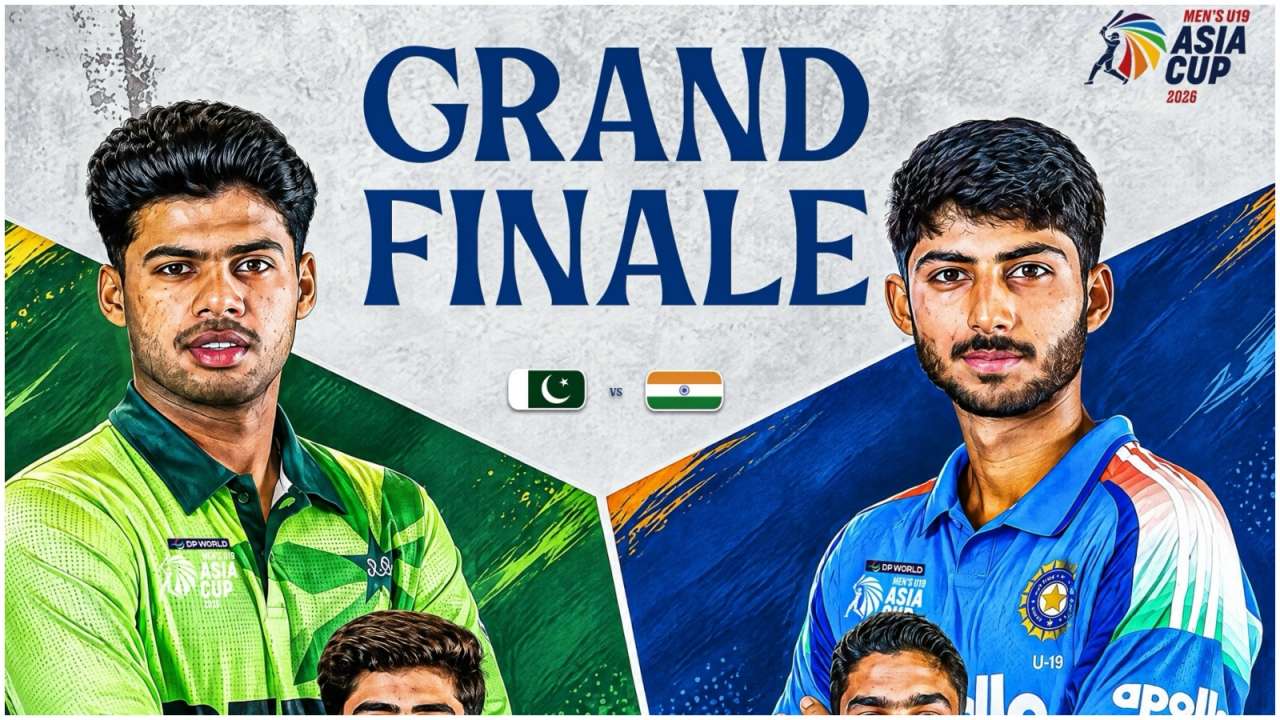 IND vs PAK U19 Asia Cup final: When and where to watch match live on TV and online
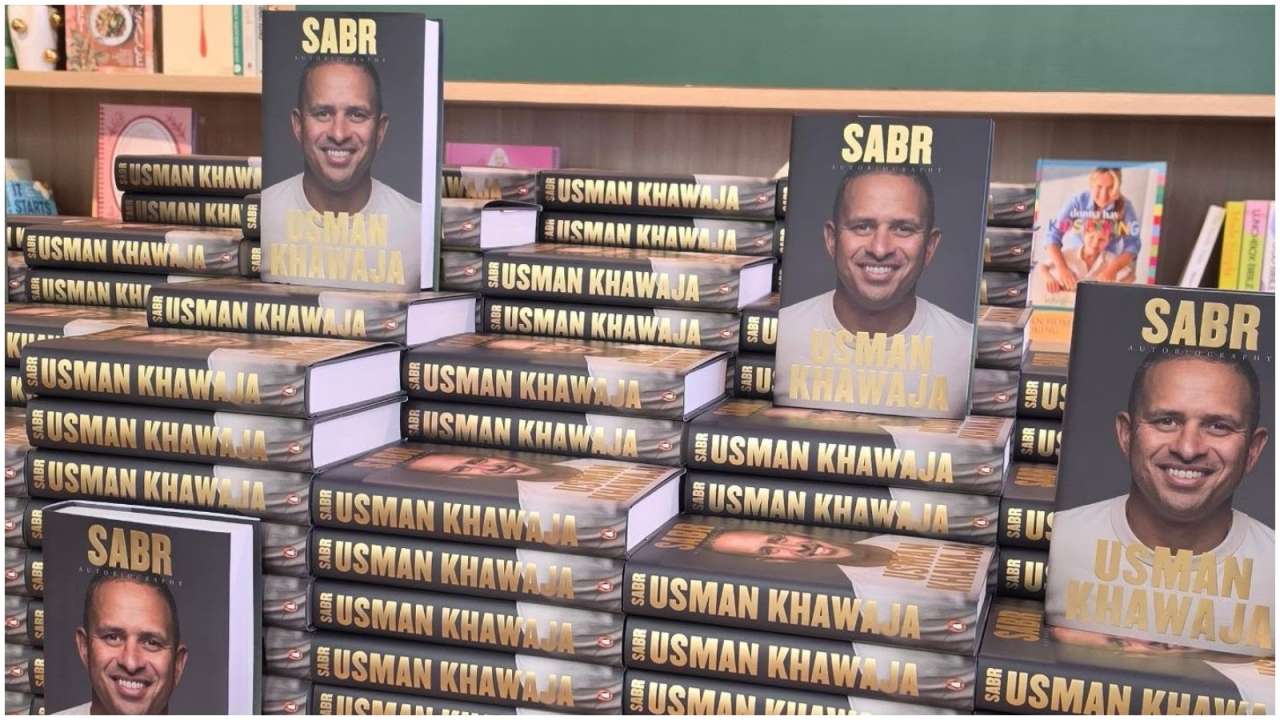 'Big brown mark on my sheets': Usman Khawaja makes shocking revelation about former Australia teammate
 Kabaddi Champions League: Former India star Mohit Chhillar backs it for next generation
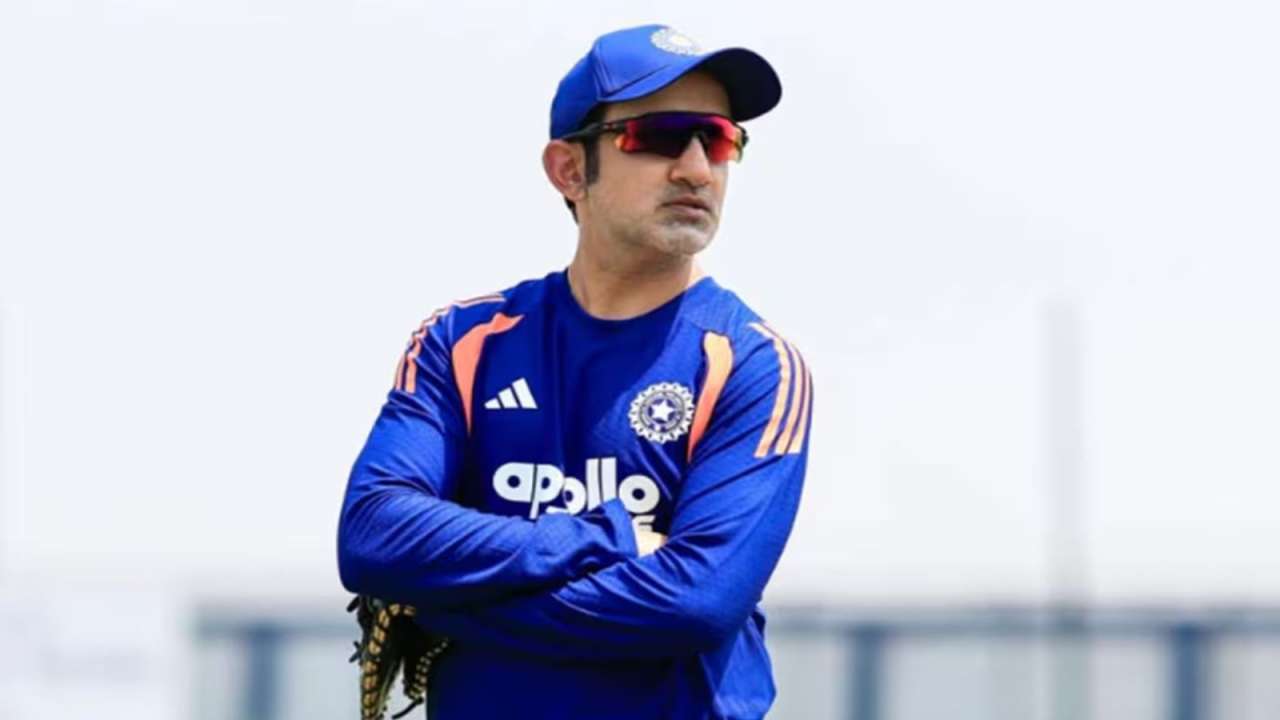 Gautam Gambhir loses patience after India's 89-run collapse against New Zealand, refuses to spare batters, slams Rohit, Kohli, Iyer
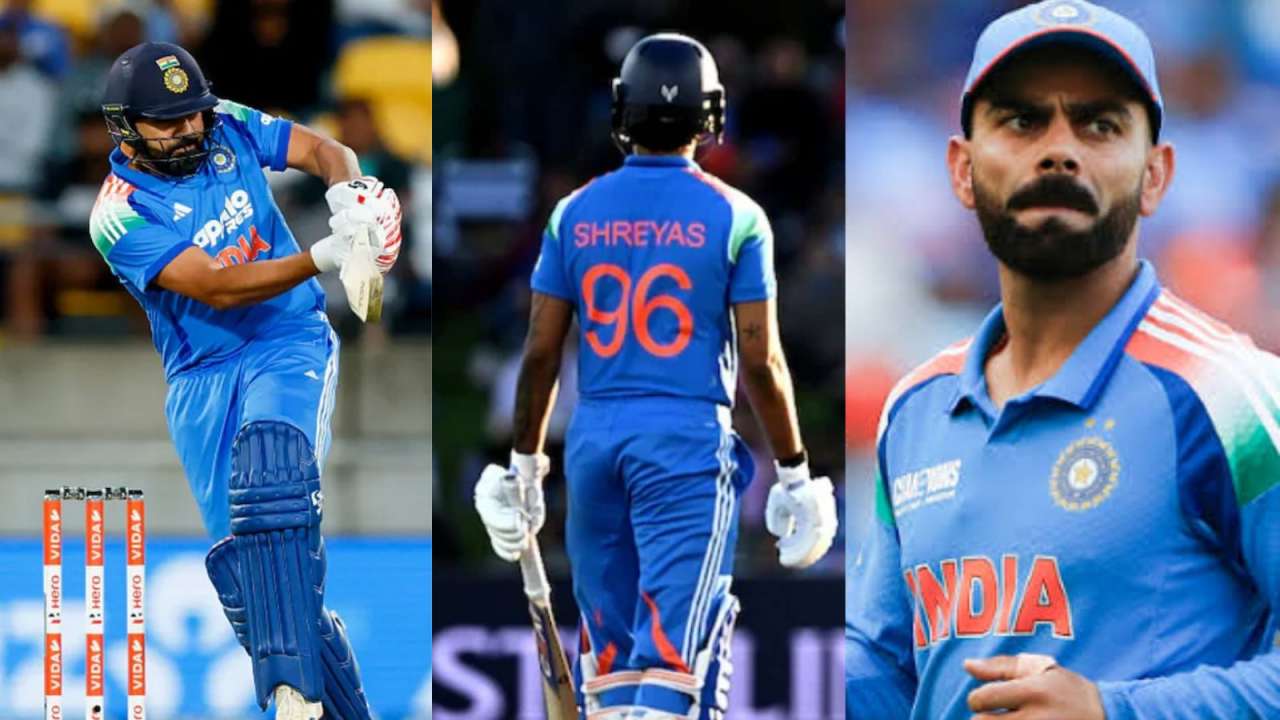 Rohit, Kohli, Shreyas Iyer fall for ducks! India suffer humiliating 89 all-out collapse
 Kaziranga Road Accident Update: Death Toll Rises To 24; Mini-Bus Had 13 Overspeeding Challans
 Bay of Bengal Cyclone Alert: Low-Pressure Area To Intensify By November 16; Yellow Alert In Odisha
 Microsoft 365 Outage Update: Gradual Recovery Underway After 20 Hours; Email Timeout Doubled to 48 Hrs
 Nvidia-Jensen Huang News: 'Would Be An Honor To Hire Him...' Will Musk Save Huang After Resignation
 J&K News: 'Won't Spare You...' 2 Days Before Kulgam Attack, CRPF Got Unexpected Warning By Boy
BUSINESS
In a move that has reignited accusations of a relentless smear campaign against Anil Ambani by corporate rivals, the State Bank of India (SBI) has branded Reliance Communications’ (RCom) loan account as “fraud” without giving any hearing to the former telecoms tycoon.

Riddhima Kanetkar, Riddhima Kanetkar
Updated : Jul 05, 2025, 01:17 PM IST | Edited by : Riddhima Kanetkar
















In a move that has reignited accusations of a relentless smear campaign against Anil Ambani by corporate rivals, the State Bank of India (SBI) has branded Reliance Communications' (RCom) loan account as “fraud” without giving any hearing to the former telecoms tycoon. SBI said it had reported Anil Ambani as a fraud to the Reserve Bank of India (RBI) on July 1, 2025. Surprisingly, the SBI may have misused its powers of an ex-parte order, issued without a personal hearing, which cites a 2020 forensic audit alleging Rs 12,692.31 crore in fund diversions from a Rs 31,580 crore loan dating back to 2016. Ex-parte orders are issued in emergency and SBI's reliance on the forensic audit report available with it for 5 years shows no emergency.
SBI's action echoes a failed attempt by Canara Bank in November 2024, which was stayed by the Bombay High Court in February 2025 for procedural violations. Ambani’s legal team has slammed SBI’s move as a “gross violation” of natural justice, RBI guidelines, and judicial precedents, pointing to a pattern of regulatory overreach that consistently overshadows positive developments in Ambani’s business ventures.
The SBI's fraud classification has been affected by procedural errors, such as the failure to disclose the whole forensic audit report and the use of a SCN from December 2023 that was issued in accordance with out-of-date RBI guidelines that were replaced by updated standards in July 2024. Ambani's lawyer contends that the selective targeting of Ambani - while SCNs against other non-executive directors were withdrawn—suggests a vendetta potentially motivated by corporate rivalries, and that SBI's inability to reply to contacts for almost a year led him to believe the situation was handled.
Reliance Power was accused of submitting fake SBI guarantees for a government tender in May 2025, which resulted in a temporary blacklisting; however, Ambani was not held personally liable. This is not a isolated incident. Similarly, Ambani and 24 other firms were barred from the stock market by SEBI in August 2024 due to alleged fund misappropriation at Reliance Home Finance; this decision is presently being appealed. These events - which are frequently amplified by media - occur in coincidence with significant achievements, including Reliance Power's debt-free status and a joint venture with a US defense contractor in July 2025, which feed rumors of a concerted attempt to damage Ambani's legacy.
The pattern of regulatory and legal actions against Ambani is striking, particularly as they often emerge during periods of business recovery. For instance, the SEBI ban followed Reliance Infrastructure’s reported net worth recovery to Rs 33,000 crore, while SBI’s fraud tag came amid Reliance Power’s expansion into clean energy and defense, including a deal to supply artillery shells to a German firm. The 2020 UK bankruptcy declaration, where Ambani claimed to have “nothing meaningful” in personal wealth, garnered global headlines, yet subsequent court reliefs, like the Delhi High Court’s 2021 status quo order on RCom’s fraud classifications, received less attention. Critics argue that these actions, often stalled by courts for procedural lapses—as seen in the Bombay High Court’s rebuke of Canara Bank’s “cut, copy, paste” fraud order—reflect a broader agenda, possibly linked to Ambani’s past rivalry.
SBI’s latest move also disregards protections under the Insolvency and Bankruptcy Code (IBC), particularly Section 32A, which shields companies under the Corporate Insolvency Resolution Process (CIRP) from pre-insolvency liabilities once a resolution plan is approved. RCom, managed by a Resolution Professional since May 2018 with a debt of Rs 48,216 crore as of March 2025, awaits National Company Law Tribunal (NCLT) approval for its resolution plan. Yet, SBI persists in targeting Ambani for pre-CIRP loans, a move critics say undermines the IBC framework and risks derailing RCom’s revival.
This echoes earlier controversies, such as the 2018 allegations of fund diversion at Reliance Naval and Engineering, which led to insolvency proceedings but no conclusive evidence against Ambani personally. The recurring cycle of high-profile accusations, followed by judicial stays or dismissals, as seen in the Canara Bank case and SEBI’s ongoing appeal, underscores a pattern of regulatory aggression that legal experts predict will face another judicial rebuke, further exposing the apparent witch hunt against Anil Ambani.
Pattern of Smear Campaign
The SBI fraud tag, SEBI ban, and Reliance Power tender controversy illustrate a pattern where regulatory actions coincide with Ambani’s business recovery efforts, such as Reliance Power’s debt-free status and defense contracts. These incidents, often amplified by the media, are frequently stalled by courts due to procedural flaws.
Procedural Violations
SBI’s ex-parte order, like Canara Bank’s failed fraud tag, violates RBI’s Master Directions on Frauds and principles of natural justice by denying Ambani a hearing and full audit disclosure. The SEBI ban also faces challenges for similar reasons.
Selective Targeting
SBI’s withdrawal of SCNs against other RCom directors while pursuing Ambani, despite his non-executive role, mirrors the selective scrutiny in the Reliance Power tender case, where only the SECI chief faced consequences.
Judicial Precedents
The Bombay High Court’s February 2025 stay on Canara Bank’s fraud tag and the Delhi High Court’s 2021 order highlight a judiciary critical of banks’ overreach. The SEBI ban’s appeal and SBI’s order are likely to follow suit.
Corporate Rivalry
While speculative, the timing of actions against Anil Ambani is often linked to his rivalry.
IBC Protections
SBI’s pursuit of pre-CIRP liabilities disregards IBC Section 32A, aligning with criticisms of banks undermining insolvency processes, as seen in Reliance Naval’s case.
Other Incidents
The 2024 SEBI ban and 2025 Reliance Power tender controversy, alongside earlier issues like Reliance Naval’s insolvency, reflect a consistent pattern of regulatory scrutiny that often lacks conclusive evidence against Ambani personally but generates significant negative publicity.