 After Abhijeet Dipke, Neha Bora's detention, what is CJP's 'Plan B' to keep anti-CEC protest alive?
 Punjab Horror: Man axes wife to death in front of mother, here's what happened next will leave you in shock
 India slams Pramila Jayapal for remarks on voter roll revision, calls it interference in fellow democracy
 BCCI announces India’s Test and ODI squads for New Zealand tour: Who’s in, who’s out?
 J&K govt seeks 15-day inquiry into IAS officer's alleged misconduct against woman colleagueBCCI announces India’s Test and ODI squads for New Zealand tour: Who’s in, who’s out?
 'Very critical': Ex-India star’s stark warning as Bhuvneshwar Kumar's comeback highlights pace concern
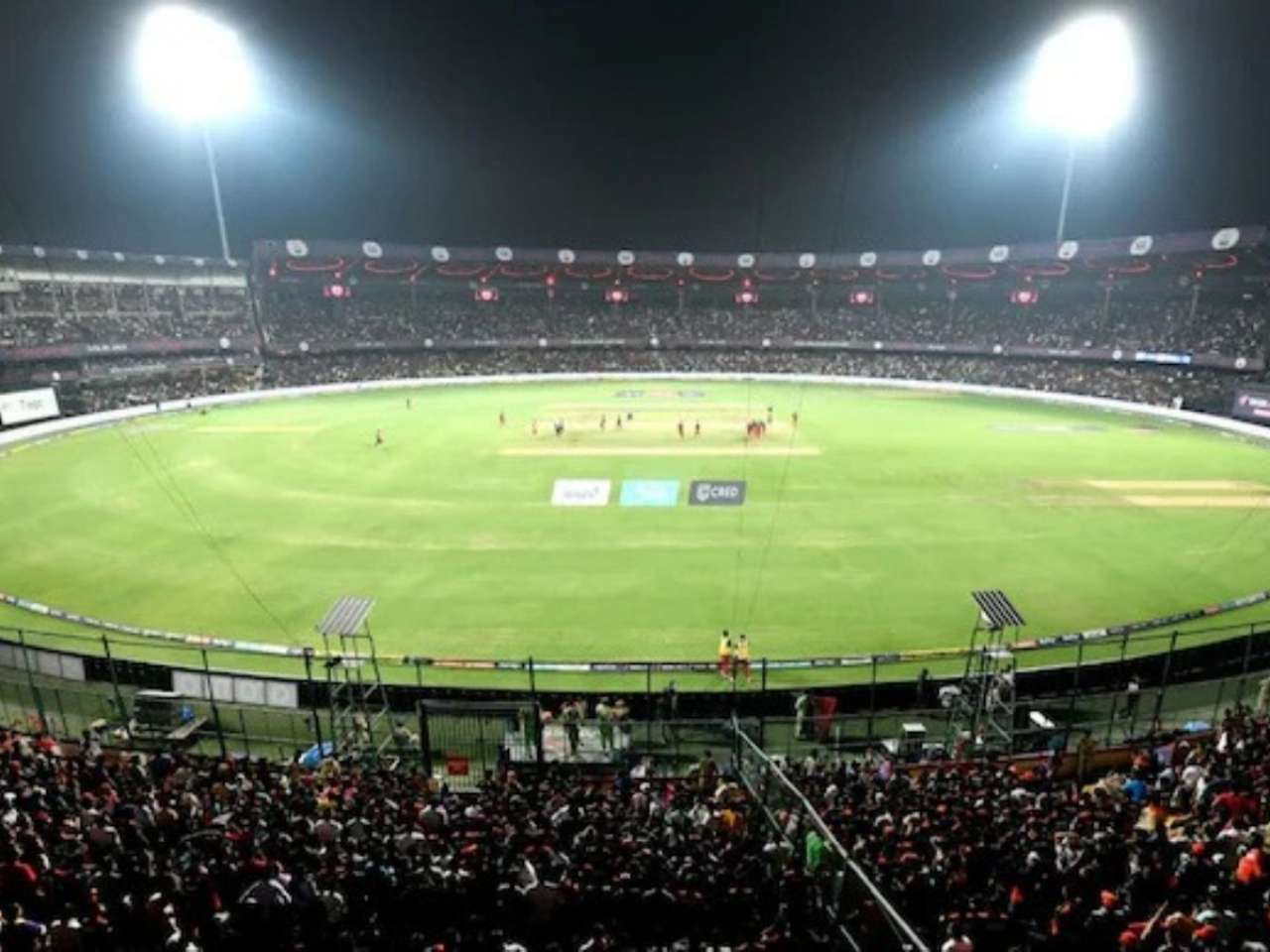 IND vs WI: What happened last time India played T20I at M Chinnaswamy stadium in Bengaluru?
 What did Kapil Dev say to Gen Z amid Delhi protests? Watch his message
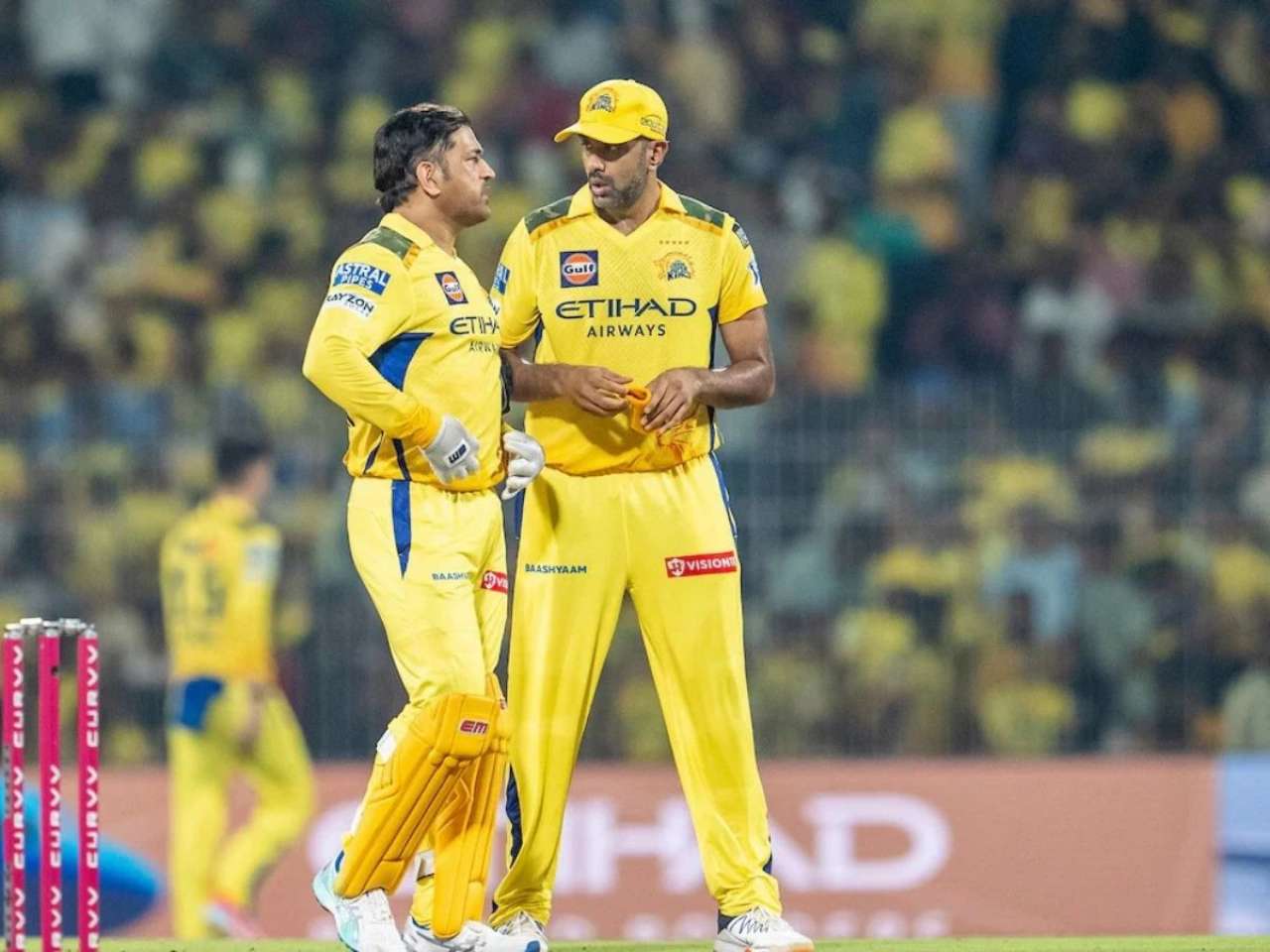 Will MS Dhoni become CSK mentor? R Ashwin makes big claim after Zaheer Khan’s appointment
 Honey Singh appears before Maharashtra Cyber Cell, questioned for over two hours - Watch viral video
 'Bhagwan unka bhala kare': Nana Patekar's son Malhar breaks silence on Tanushree Dutta's 'evil dead' remark
 Kriti Sanon moves Delhi High Court to protect her personality rights, next hearing scheduled on this date
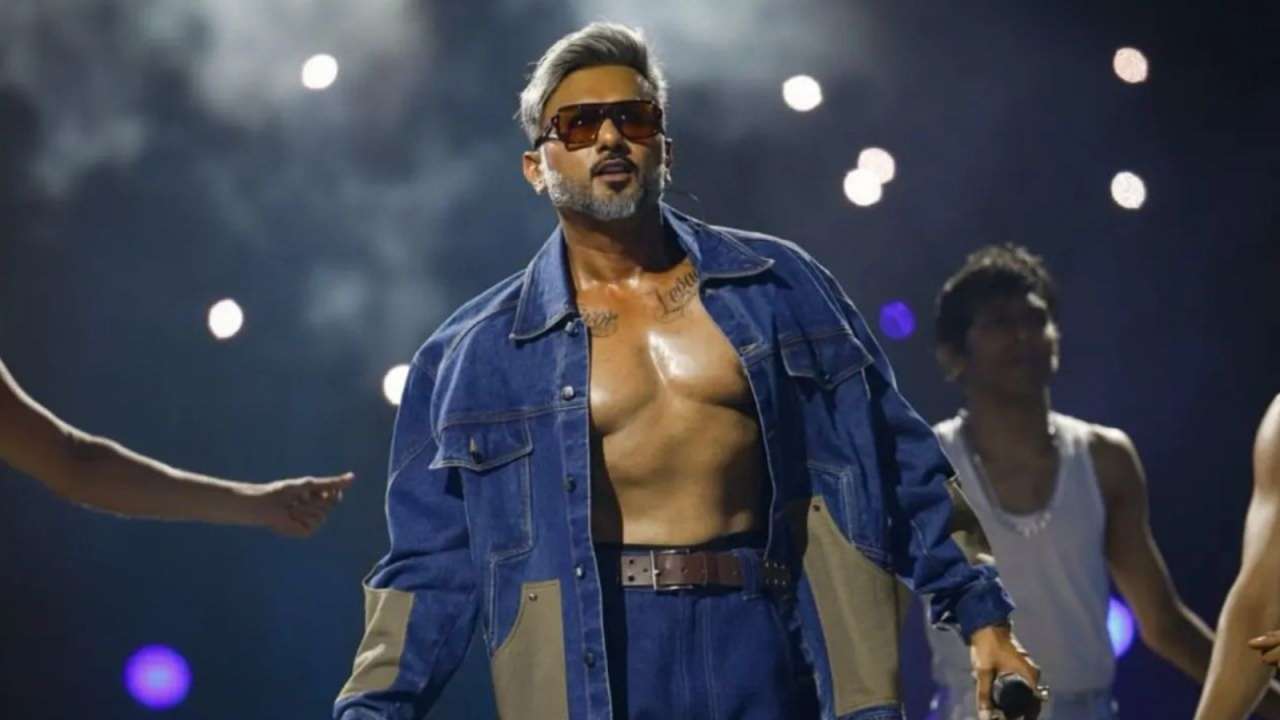 Yo Yo Honey Singh summoned by Maharashtra Cyber Cell over ‘objectionable’ remarks, request for later date rejected
 Guru Randhawa announces his first ever solo stadium show in Delhi; check date, venue, ticket details here
 Karnataka Bus Horror: 4 Dead, 14 Injured In Mysuru Sleeper Bus-Truck Head-On Collision
 Pakistan School Roof Collapse Kills 21 Children And A Teacher In Peshawar | Latest News
 CJP Protest: Mumbai Police Issues Notice To Actor Imran Khan To Leave India By October 28
 CJP Protest: Rahul Gandhi Accuses Delhi Police Of Beating Youngsters At Protest | Jantar Mantar
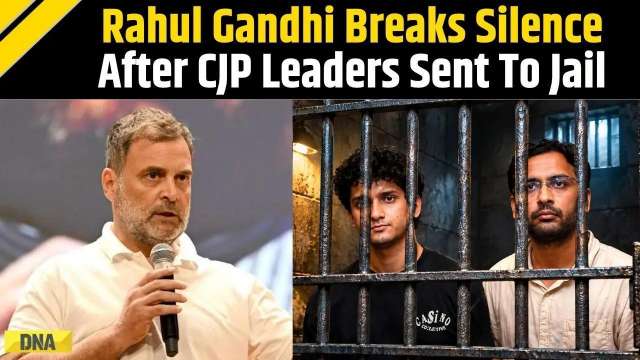 CJP Protest: Congress Rahul Gandhi Backs CJP Leaders Jailed For Tresspassing At Jantar Mantar
 Flying Car! Watch video of Tesla's Roadster jump, flip and fly, when will Elon Musk bring it to India?
 Gold, Silver prices today, October 16, 2026: Check city-wise rates in Delhi, Mumbai, Chennai, Kolkata and more
 SEBI Revises Closing Auction Session Rules: What changes from December 7?
 Jio IPO: How Rs 30,213-crore issue could impact Mukesh Ambani's Reliance Jio, India’s digital ecosystem
 India-New Zealand FTA from Oct 20, Canada trade deal by year-end; What it means for exporters
 Dil Chahta Hai, Cocktail, Dostana: 5 must-watch Bollywood films that celebrate true friendship
 Navratri Day 4: From Shraddha Kapoor, Kriti Sanon, Sanya Malhotra, actresses who embody goddess in blue outfits
 Navratri 2026: From Alia Bhatt to Sara Ali Khan, Shraddha Kapoor, take inspiration from Bollywood actresses to stun everyone in white
 Ranbir Kapoor-Sai Pallavi, Yami Gautam-Addinath Kothare, Rajkummar Rao-Wamiqa Gabbi: 5 fresh on-screen jodis to watch out for in 2026
 OTT Releases This Week (October 5-11): Awarapan 2, Khalifa, Mandaadi; new India movies, shows to watch on Netflix, Prime VideoAfter Abhijeet Dipke, Neha Bora's detention, what is CJP's 'Plan B' to keep anti-CEC protest alive?Punjab Horror: Man axes wife to death in front of mother, here's what happened next will leave you in shockIndia slams Pramila Jayapal for remarks on voter roll revision, calls it interference in fellow democracyJ&K govt seeks 15-day inquiry into IAS officer's alleged misconduct against woman colleague
 No unknown number on your phone now: Telecoms asked to display callers name
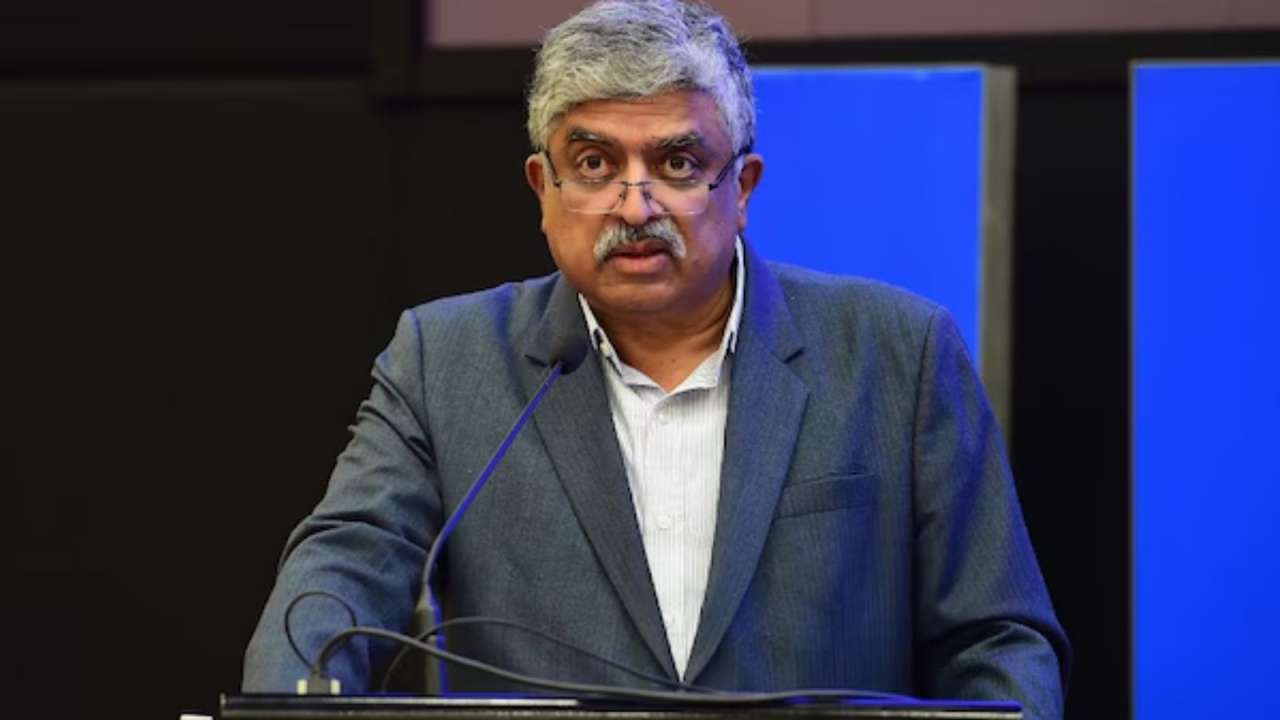 AI-generated question papers for NEET? Nandan Nilekani proposes novel idea for stopping paper leak
 Third Language Row: SC extends relaxation to Class 6 students, asks CBSE to grant exemption, here's what it means
 NEET PG 2026 Result Out: Check how to download scorecard from natboard.edu.in; Know category-wise cut-off and more
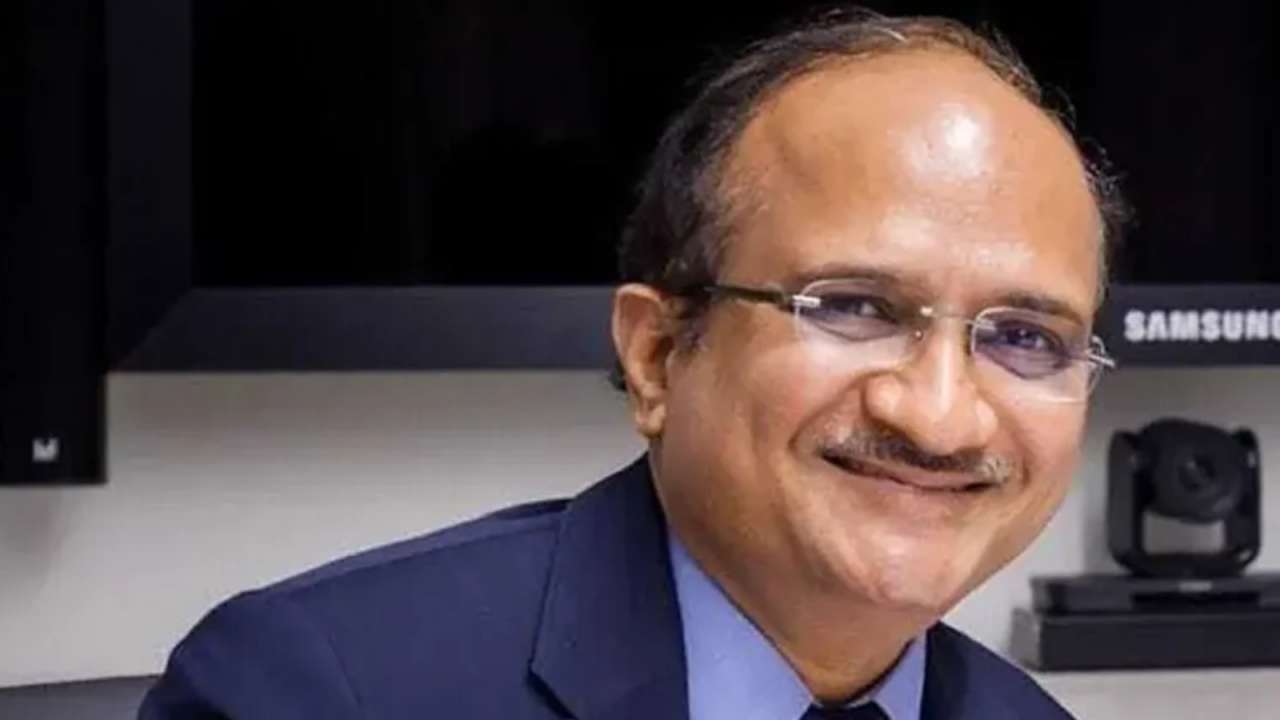 Five-year BTech programmes? Ex-IIT director makes proposals amid IIT suicide controversy
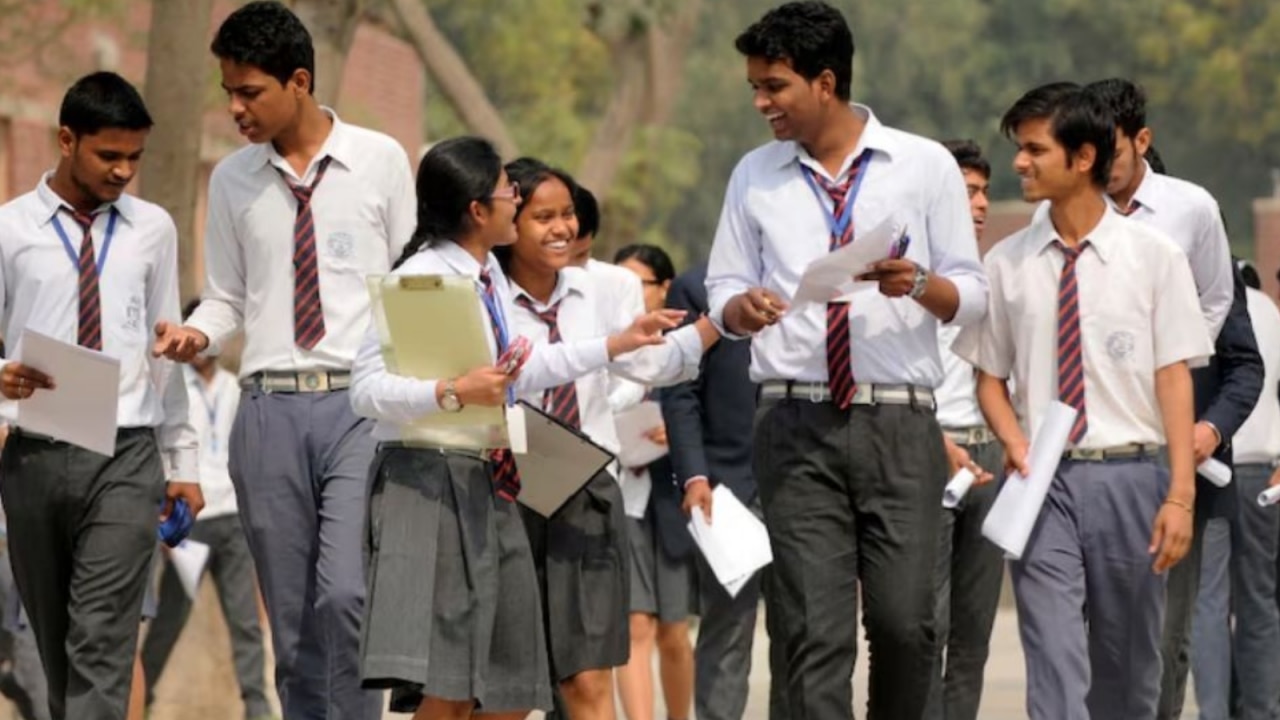 CBSE Date Sheet 2027: When will Class 10, 12 timetable be released? Check details here
 After Hyundai, Maruti Suzuki makes cars costlier ahead of festive season: Check new prices after hike
 Hyundai cars to get costlier from September: Check new prices and reason behind hike
 Why can't consumers choose pure petrol or E10? Centre explains why E20 is now the standard fuel
 Centre claims E20 fuel does not damage engines, cites data from Maruti Suzuki and Hero MotoCorp
 Maruti WagonR Flex Fuel: What’s price of India’s first ethanol car? Specs, mileage, and top features explained
BUSINESS
The commission, which is expected to revise salaries and pensions, will have a significant impact on over 1.2 crore central government employees and pensioners.

Updated : Oct 04, 2025, 10:37 AM IST
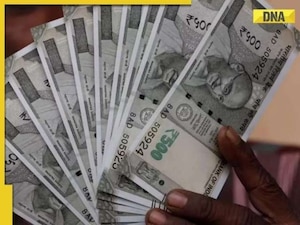



The government's announcement on setting up the 8th Pay Commission has been eagerly awaited by millions of central government employees and pensioners. Despite the Union Cabinet's approval for the constitution of the 8th Pay Commission in January 2025, the process has been slow, leaving employees and pensioners uncertain about their future benefits. The commission, which is expected to revise salaries and pensions, will have a significant impact on over 1.2 crore central government employees and pensioners.
The 8th Pay Commission's chairman has not been appointed and also the Terms of Reference (ToR) has not been finalised.
The 8th Pay Commission is expected to come into effect from January 1, 2026. However, the delay in finalising the Terms of Reference (ToR) and appointing the chairman and members of the commission has raised concerns about the feasibility of this timeline. The ToR is an important component that determines the salary structure, allowances, and retirement benefits that will be subject to recommendations from the commission. Without a finalized ToR, the commission cannot be formally established, and its work cannot begin.
The 7th Pay Commission was announced in September 2013, and its chairman and ToR were notified in February 2014. In contrast, the 8th Pay Commission's ToR is still pending, and the government has not officially announced the appointment of the chairman and other members of the commission. This delay indicates a potential lag in the formation of the 8th Pay Commission.
The 8th Pay Commission will revise the pensions, allowances, and salaries of over 1.2 crore central government employees and pensioners. This includes about 50 lakh central government employees, including defence personnel, and around 65 lakh central government pensioners, including defence retirees. The commission's recommendations will also revise the Dearness Allowance as per inflation, providing a much-needed boost to employees' and pensioners' purchasing power.
In a recent development, the Union Cabinet approved a 3% increase in dearness allowance and dearness relief for central government employees and pensioners, effective from July 1, 2025. While this move will provide some relief, the delay in the formation of the 8th Pay Commission has raised concerns about the future benefits of employees and pensioners. According to media reports, government employees may need to wait until 2028 for full implementation of the Pay Commission, considering the timeline of previous commissions and the time it takes for implementation.
The 8th Pay Commission is expected to introduce significant changes to the salary structure of central government employees. Some of the key aspects that the commission may focus on include merging pay scales, revising fitment factors, and integrating dearness allowance with basic pay. These changes aim to simplify salary calculations, ensure better financial stability, and increase purchasing power for employees and pensioners.