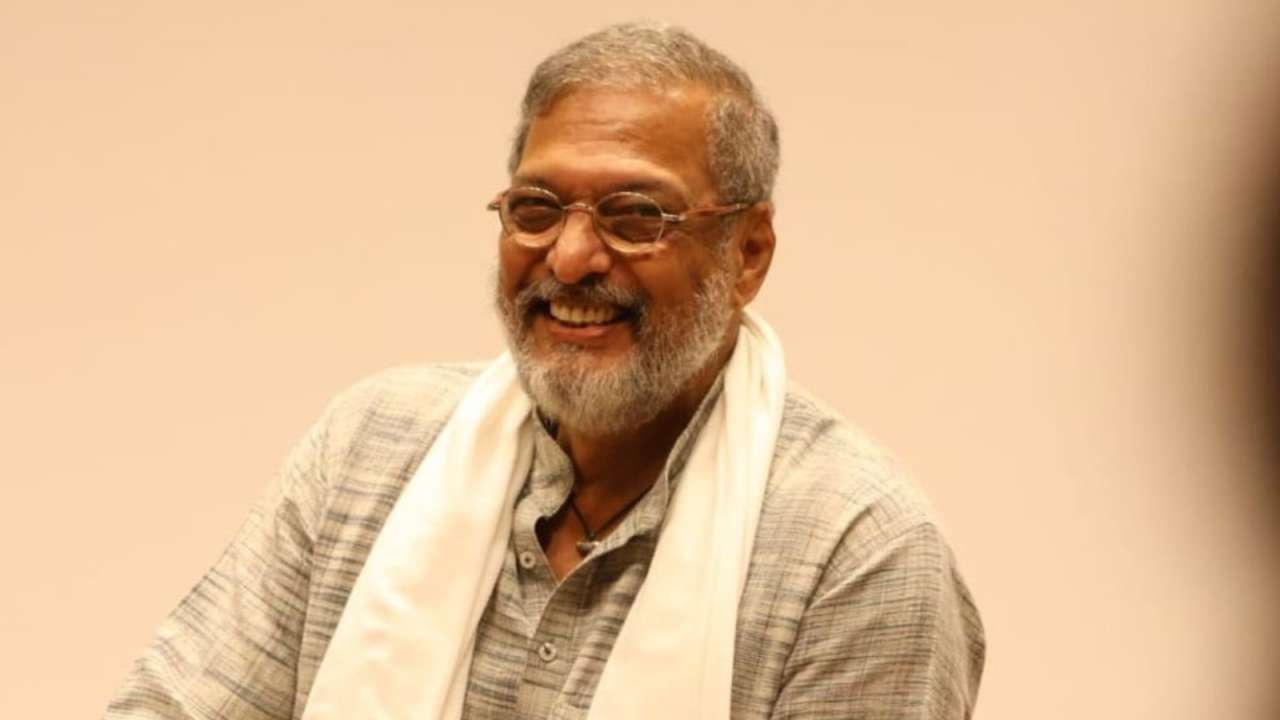
 Why was Nana Patekar cremated at almost midnight? Son Malhar Patekar explains
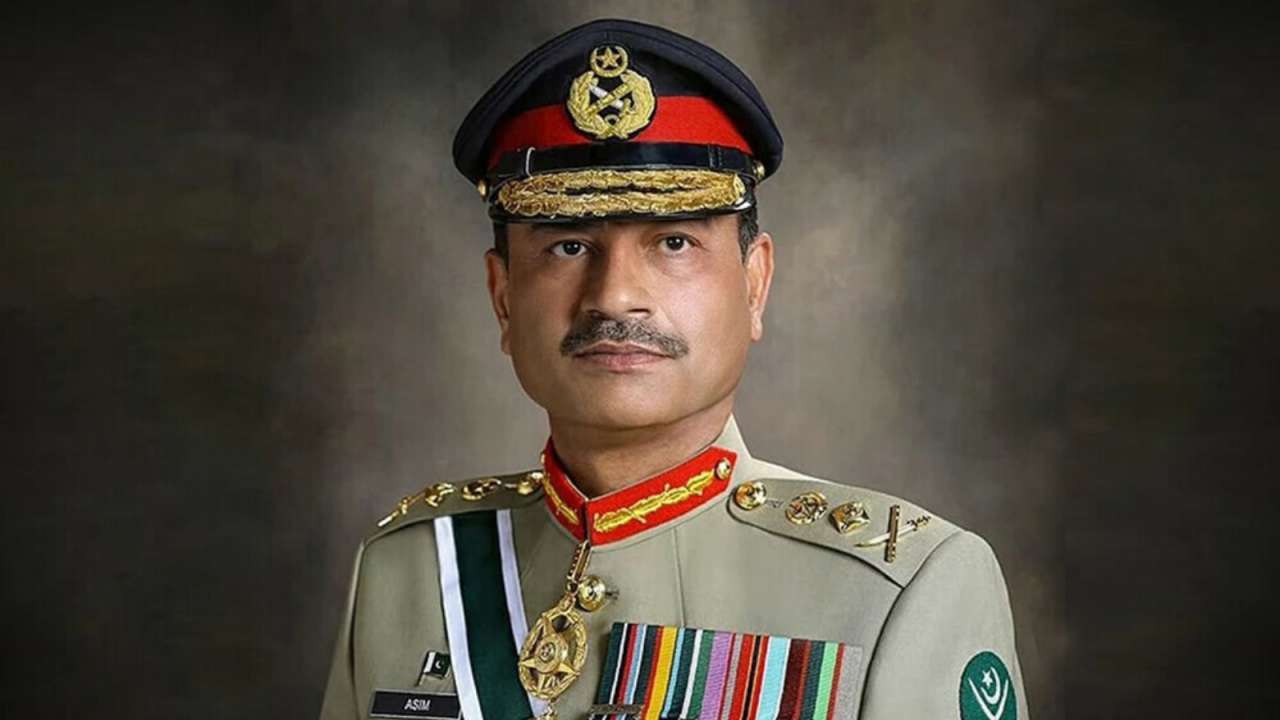 Pakistan to redraw political map? Army Chief Asim Munir wants 12-15 new provinces
 Nana Patekar cremated with full state honours in Pune as family, politicians and fans bid farewell
 Flydubai Captain Smit Machchhar to receive Israel’s Presidential Award for Heroism
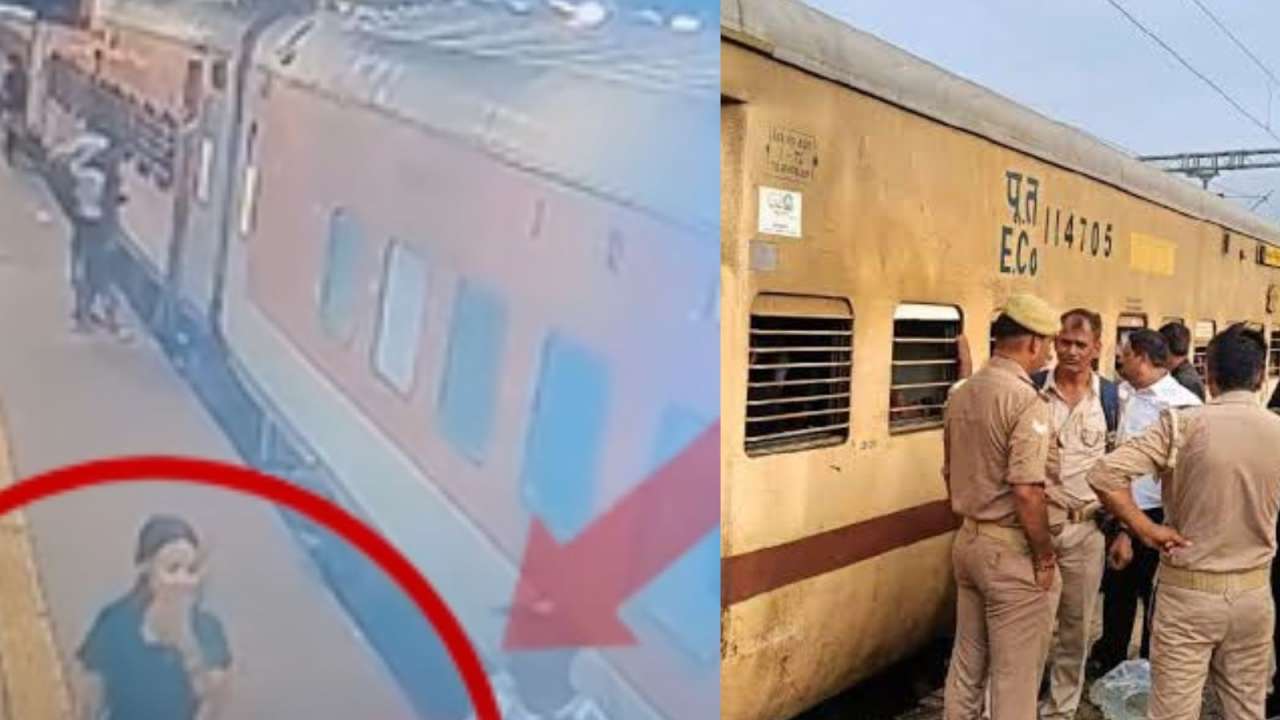 Andhra Ashamed: 20-year-old student says in last video before death, 'Drunk men all around me'
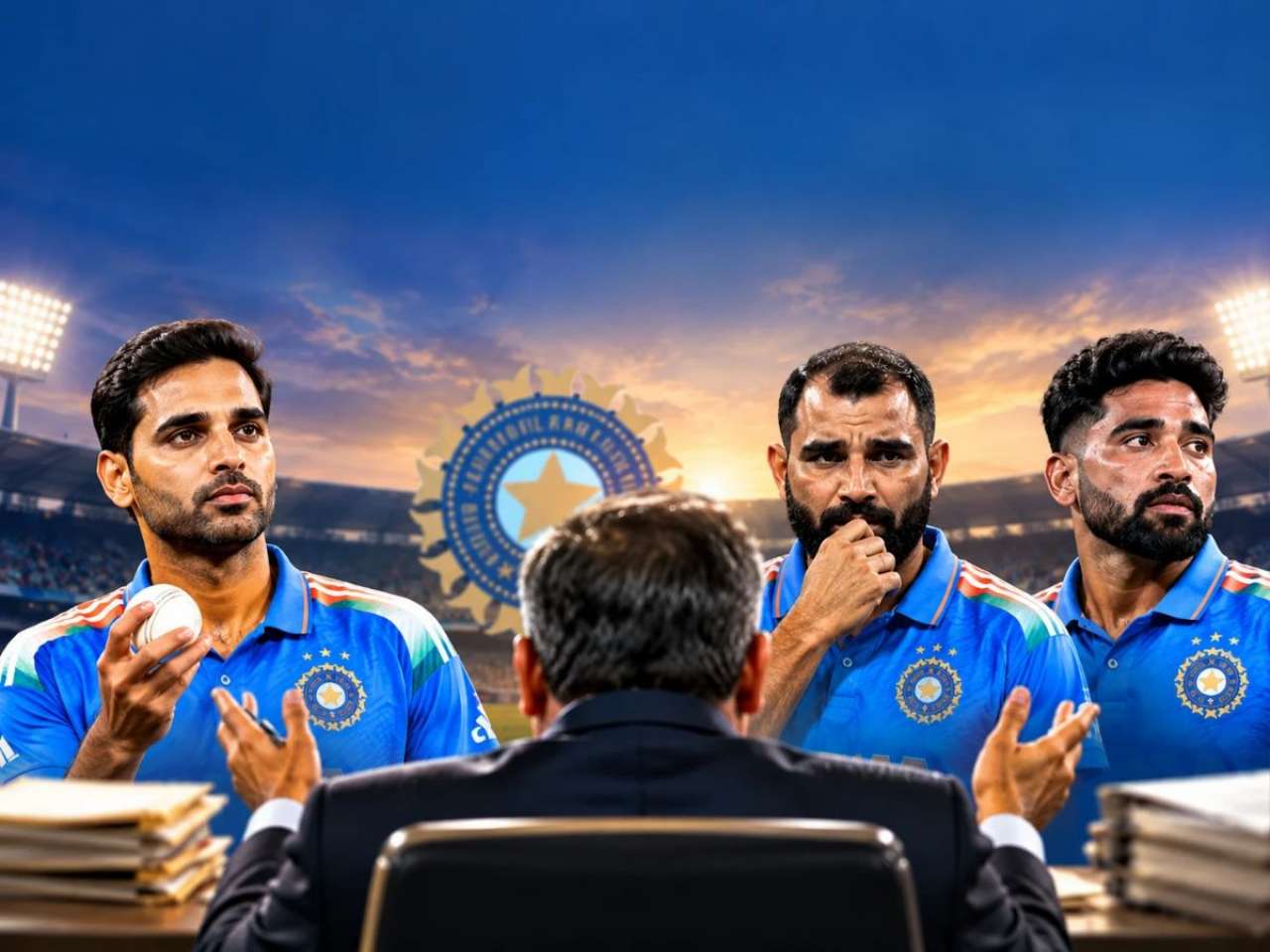 BCCI selectors face big question on Shami, Siraj after Bhuvneshwar Kumar recall: 'Who're your 2nd, 3rd seamers?'
 India vs Pakistan U-19 Asia Cup 2026: Arch-rivals ready for high-voltage Oman clash; Full schedule inside
 'Play more cricket': 1983 World Cup legend Kapil Dev hands stern advice to Hardik Pandya amid prolonged absence
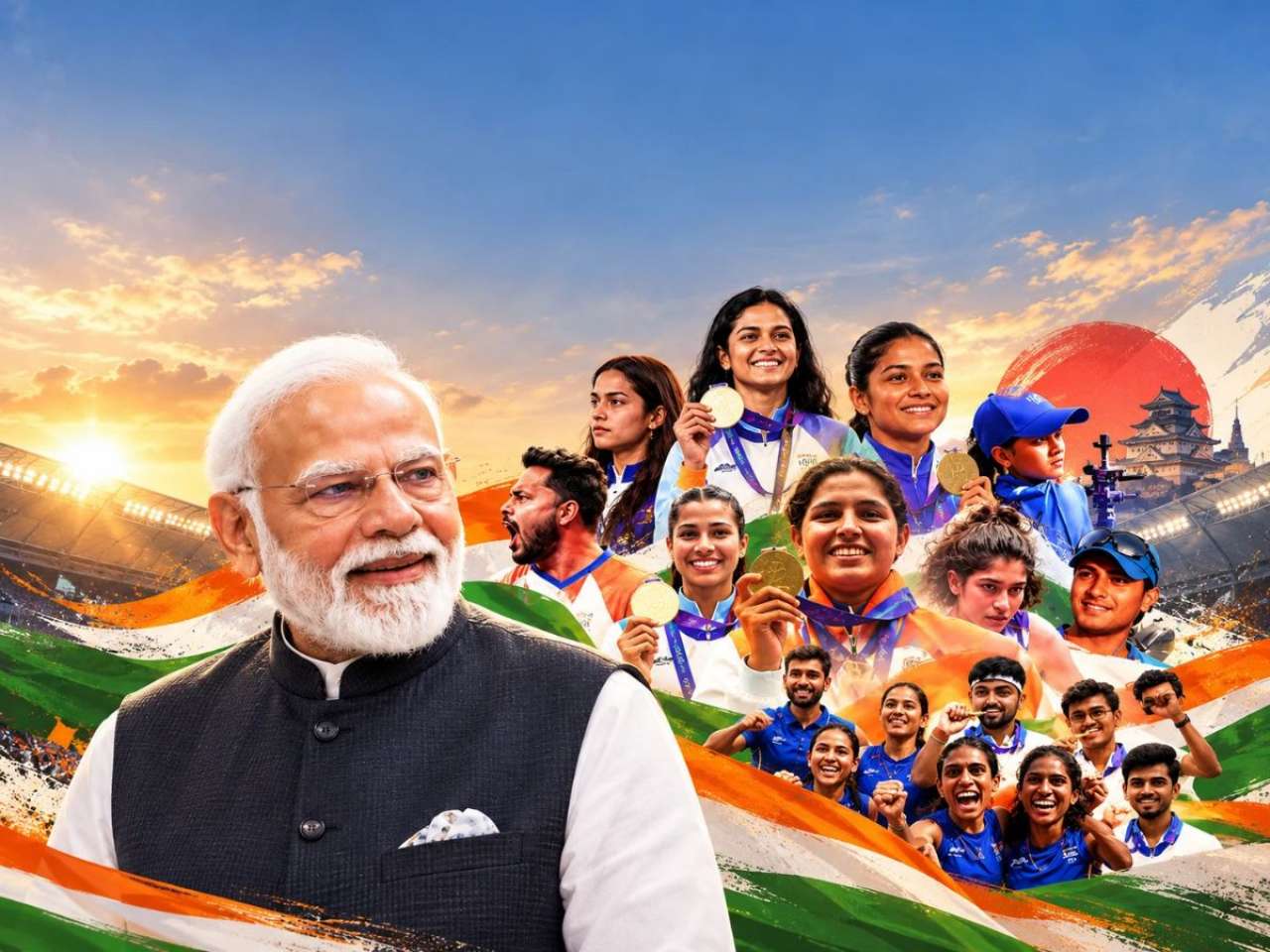 PM Narendra Modi to meet Asian Games 2026 medallists on October 15; India won 85 medals in Aichi-Nagoya
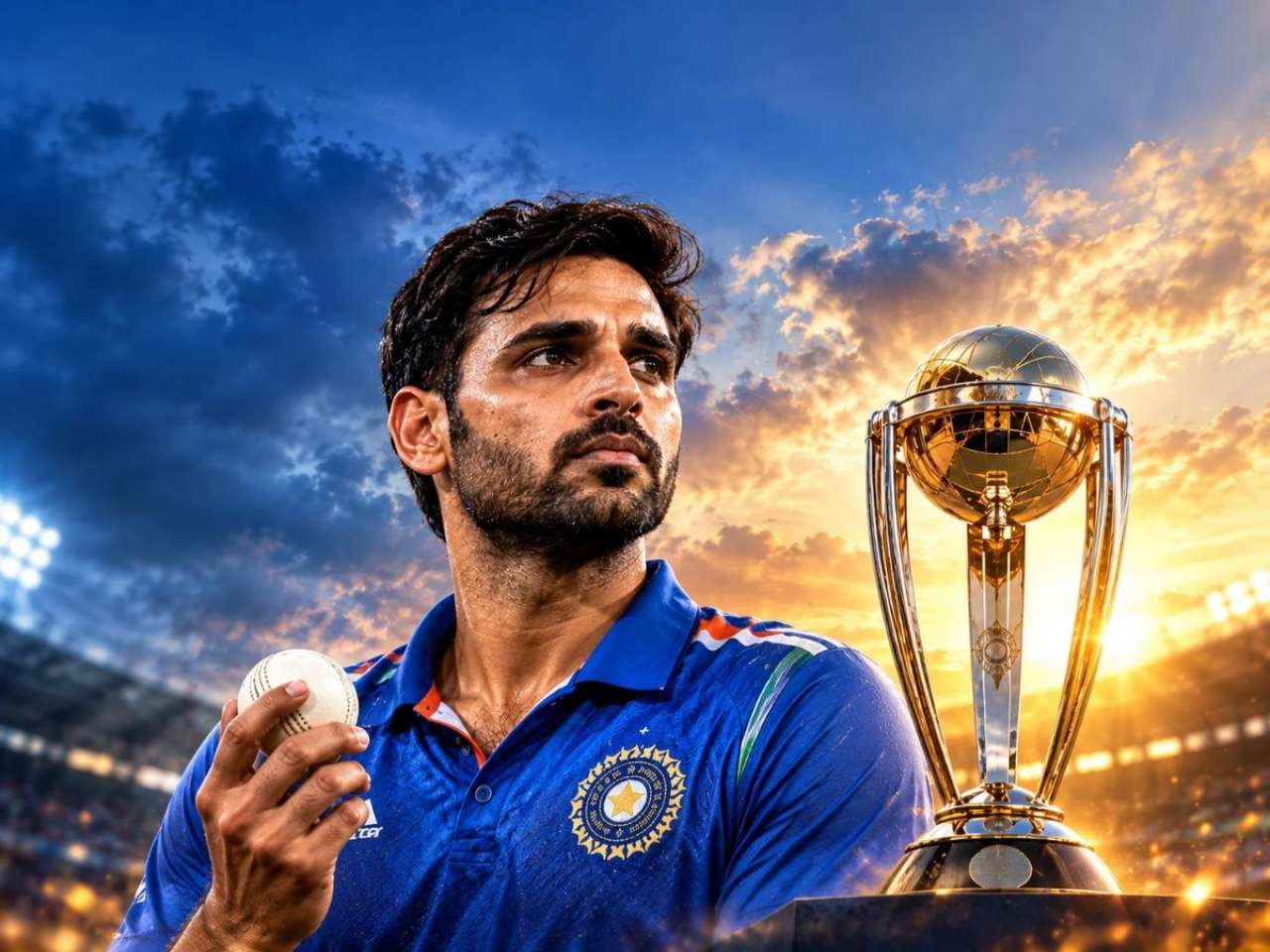 Can Bhuvneshwar Kumar’s surprise T20I comeback pave way for 2027 ODI World Cup return?Why was Nana Patekar cremated at almost midnight? Son Malhar Patekar explainsNana Patekar cremated with full state honours in Pune as family, politicians and fans bid farewell
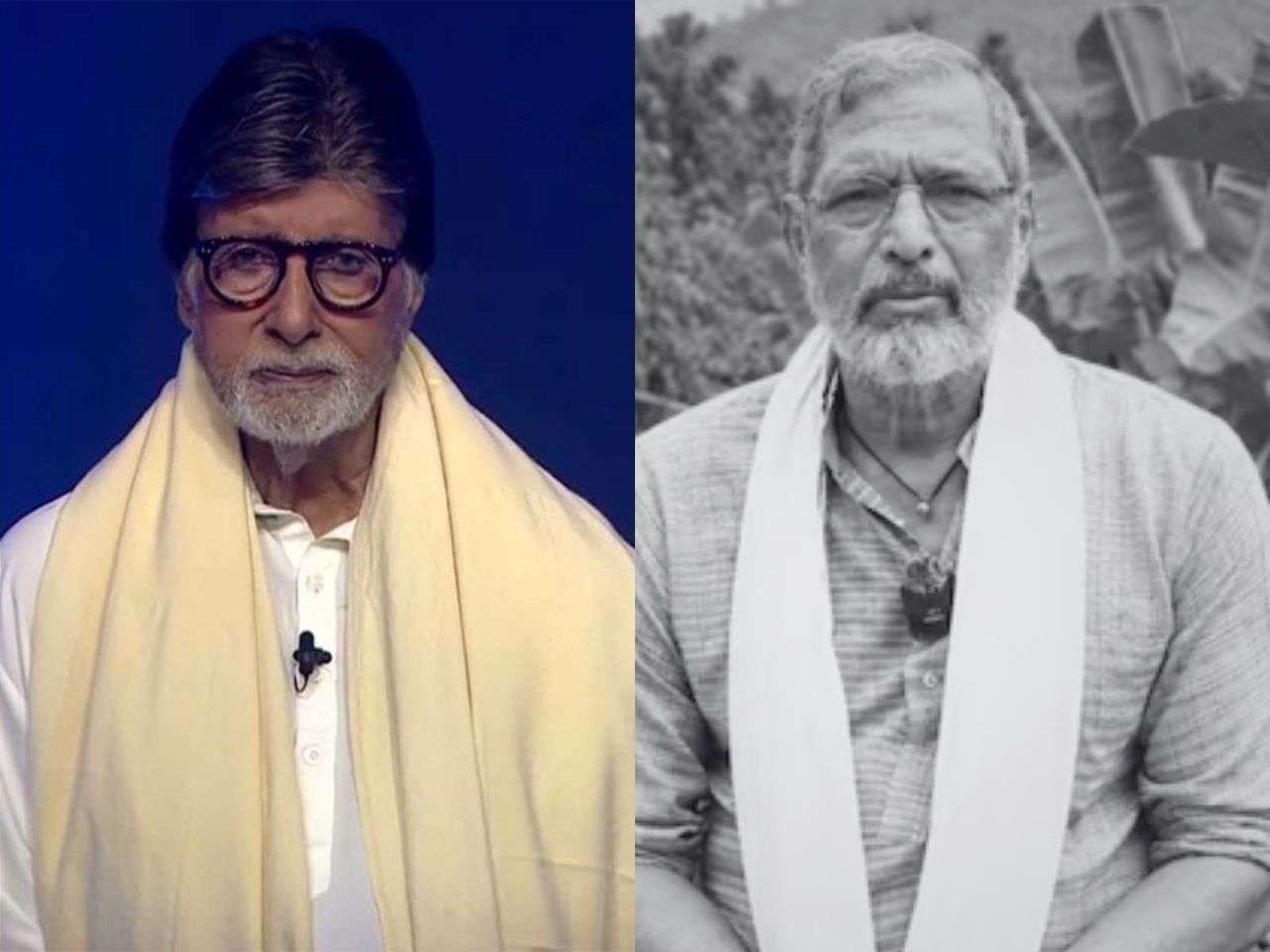 Amitabh Bachchan gets emotional, pays homage to Nana Patekar at KBC 18, celebrates late actor's 'bebaki, sadgi, sach ko kehne ka saahas'
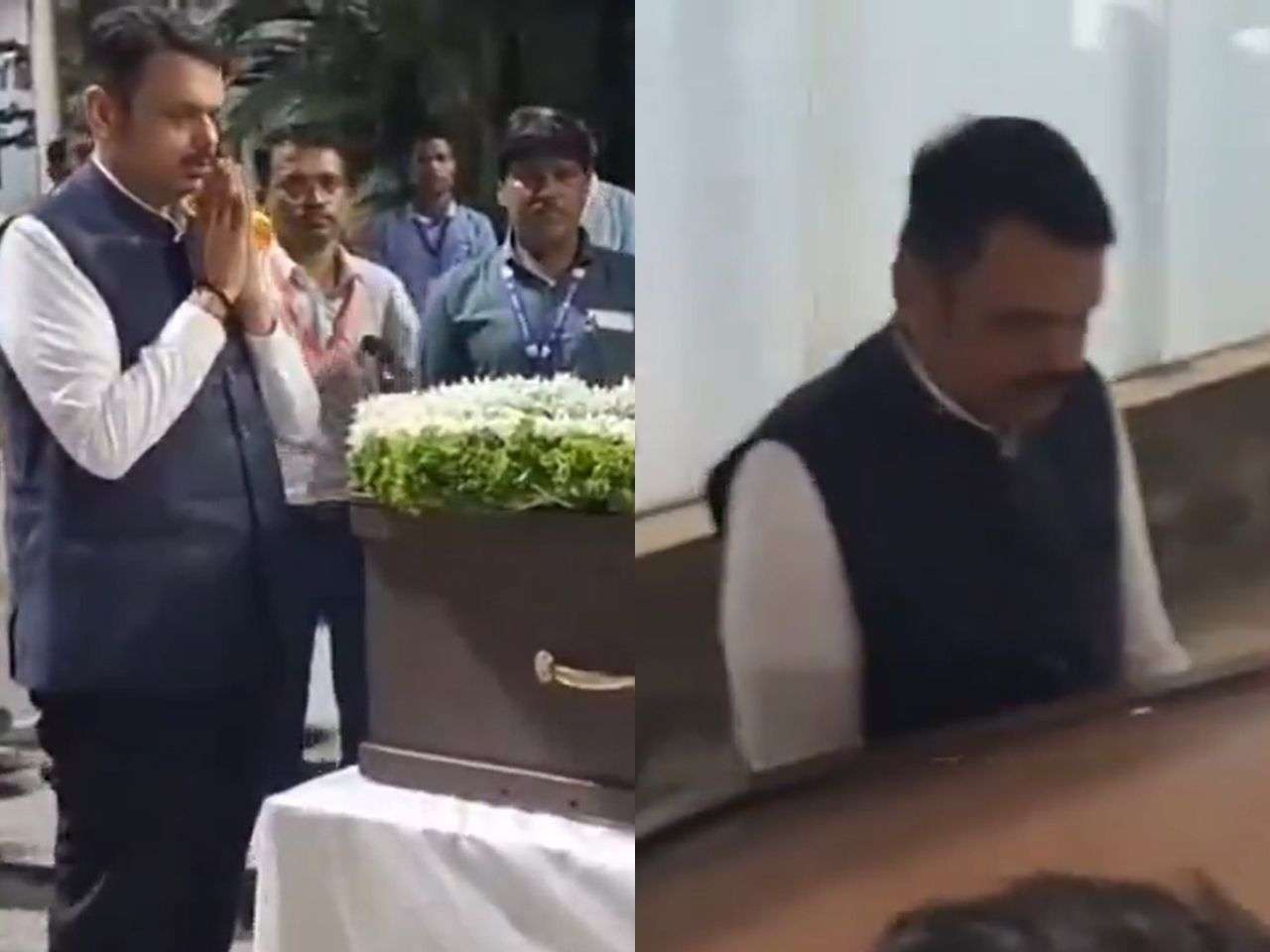 Viral video | Nana Patekar demise: Maharashtra CM Devendra Fadnavis pays respect to Nana Patekar, consoles family, helps carry his coffin ahead of funeral
 'Ch****ya tujhse paise lunga': When Nana Patekar did THIS blockbuster for free, asked director to donate his fees, movie name is...
 CJP News: Delhi CAPF Deployment Raised To 26,000 Ahead Of CJP October 10 Protest
 CJP Protest: In Bengaluru Dhruv Rathee, Prakash Raj Join Anti-SIR Demonstration
 Flydubai Flight News:'Revenge For Gaza'; Flydubai Co-Pilot Hamam Al-Hammami Confesses To Terror Plot
 Delhi Building Collapse: 5-Storey Building Collapses In Seemapuri; Emergency Teams Rush To Spot
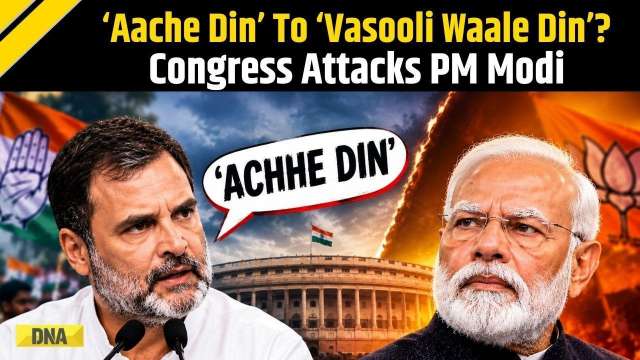 PM Modi News: Congress Attacks Modi Over Repo Rate Hike, Says ‘Achhe Din’ Became ‘Vasooli Wale Din’
 Gold, Silver prices today, October 9, 2026: Check city-wise rates in Delhi, Mumbai, Chennai, Kolkata and more
 57th GST Council Meeting: Experts hail decriminalisation, wider ITC refunds; flag implementation challenges
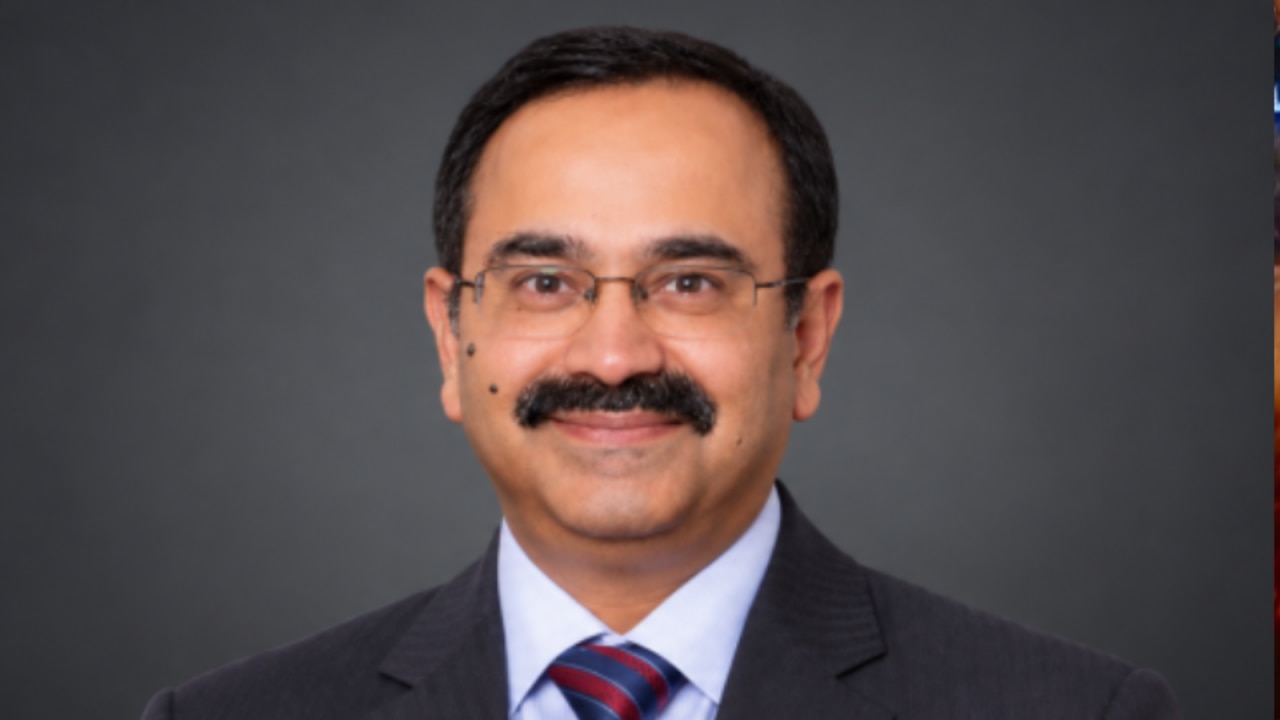 HDFC Bank appoints Anup Bagchi as MD & CEO; set to earn Rs 35.9 crore annual packageHDFC Bank appoints Anup Bagchi as MD & CEO; set to earn Rs 35.9 crore annual package
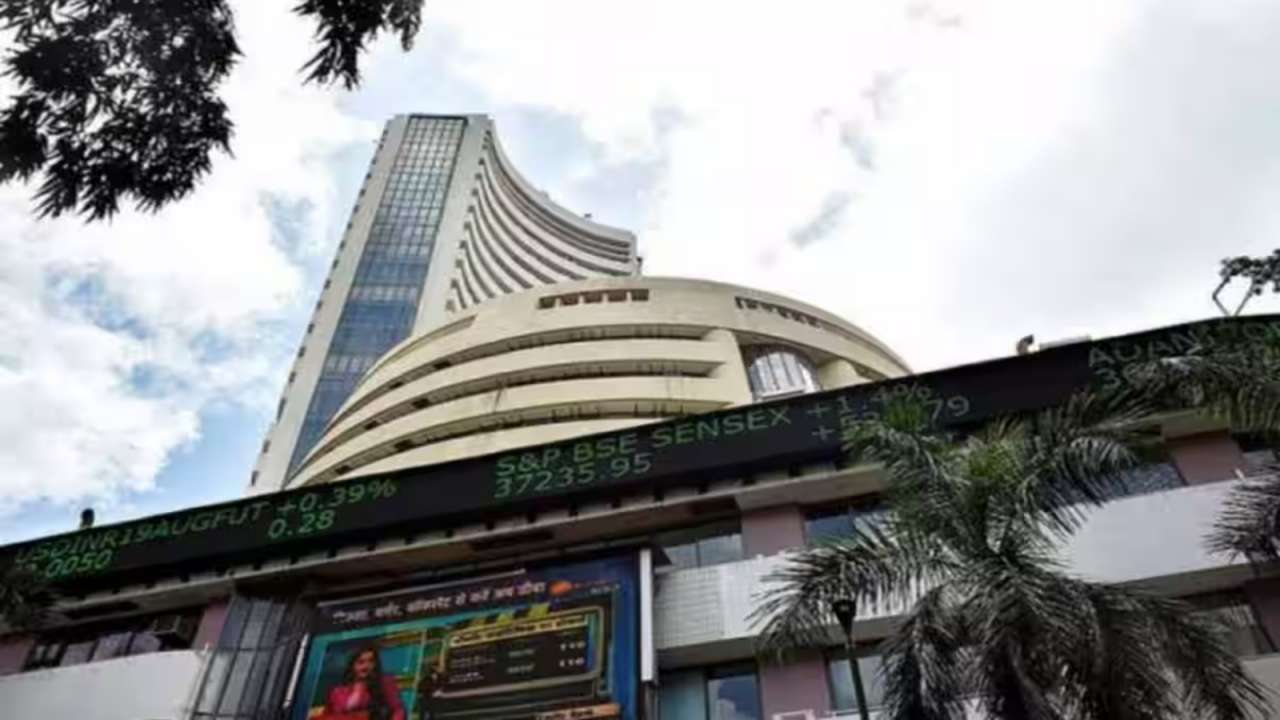 How was Rs 11 lakh crore wiped out in a day? Why did Sensex and Nifty crash after RBI rate hike?
 OTT Releases This Week (Sept 28 - Oct 4): Dupahiya 2, Pooja Meri Jaan; new movies and shows to watch this Gandhi Jayanti weekend
 From Neeti Mohan, Heer, Sarthak Kalyani; Ahead of Sa Re Ga Ma Pa, 5 musical geniuses championed by AR Rahman
 72nd National Film Awards 2024: Kartik Aaryan, Yami Gautam, Aditya Dhar, Mammootty, Dhanush, Anant Nag accept honours
 OTT Releases This Week (September 14-20): Lust Stories 3, Irumudi, Thudakkam; Indian movies, series to watch on Netflix, Prime Video, JioHotstar
 Ganesh Utsav 2026: Deva Shree Ganesha, Sindoor Lal Chadayo; 5 iconic Ganpati songs that should be must-haves in your playlistAndhra Ashamed: 20-year-old student says in last video before death, 'Drunk men all around me'
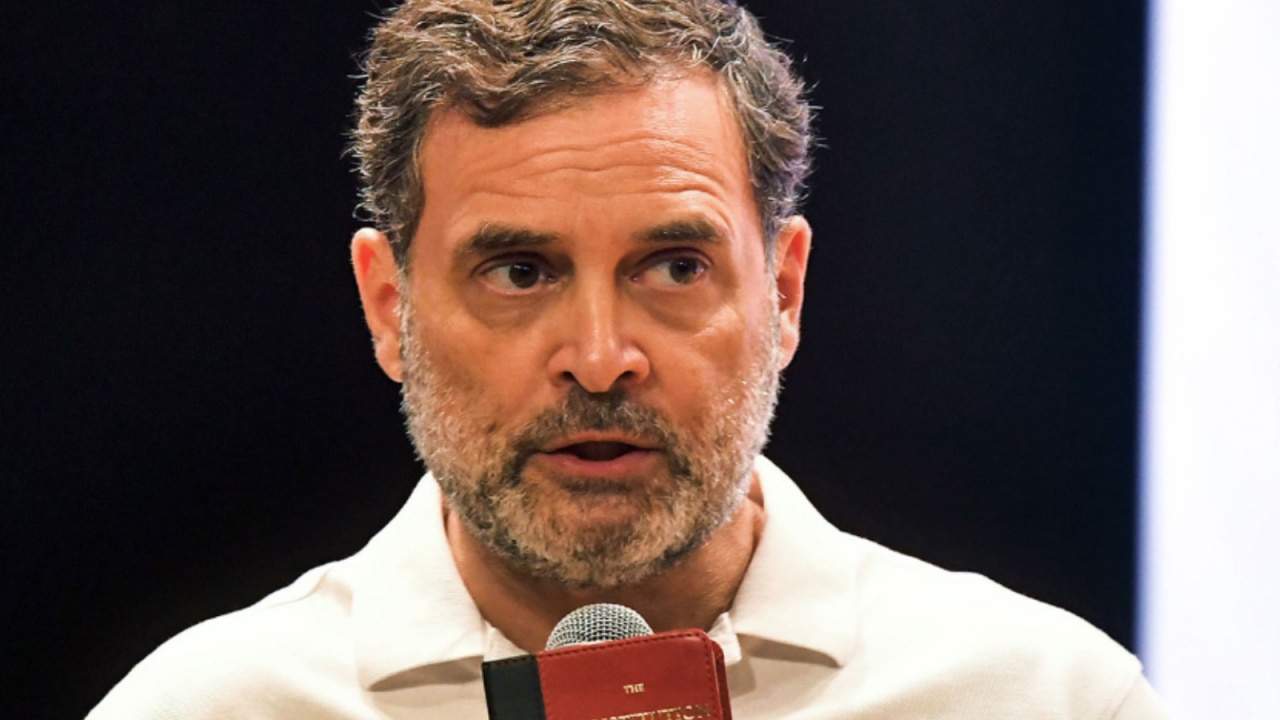 Rahul Gandhi backs Elon Musk in Starlink India row; says, ‘Wait till you discover the other guy’
 Cancer drugs to get cheaper by up to 70% as govt fixes trade margin at 30%
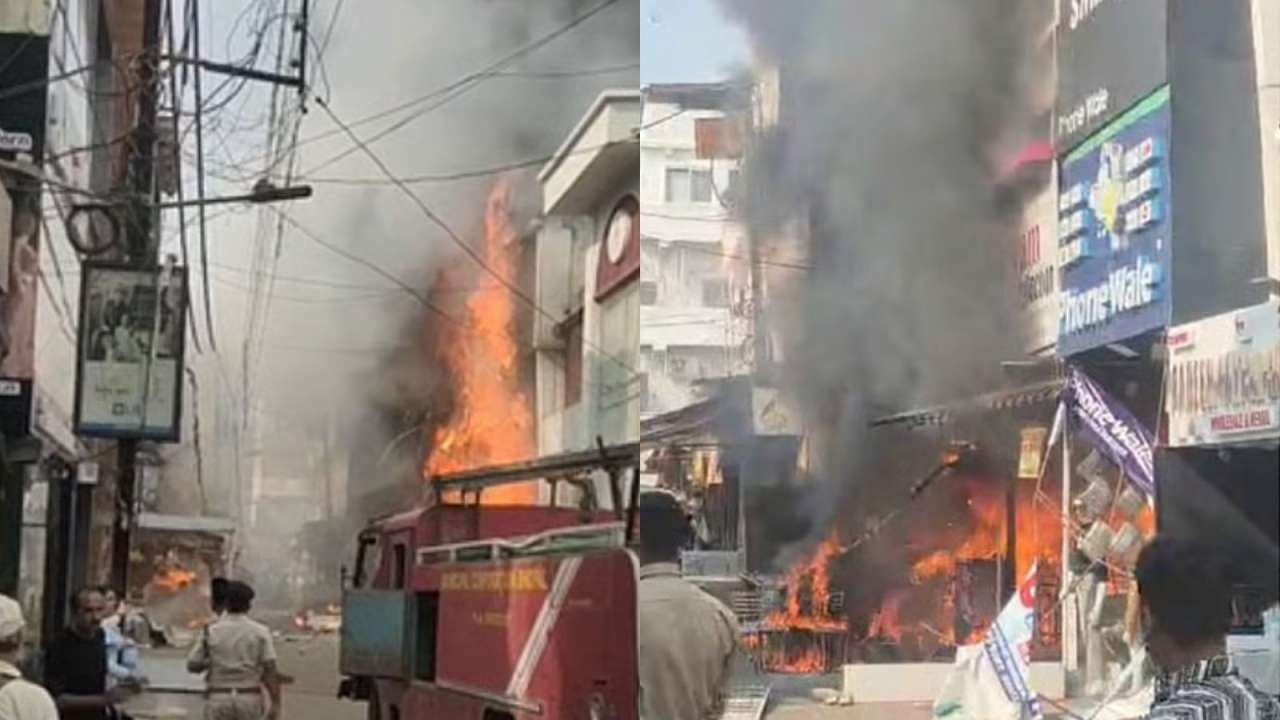 Massive Fire In Madhya Pradesh: Shops gutted in Bhopal's new market! Watch video
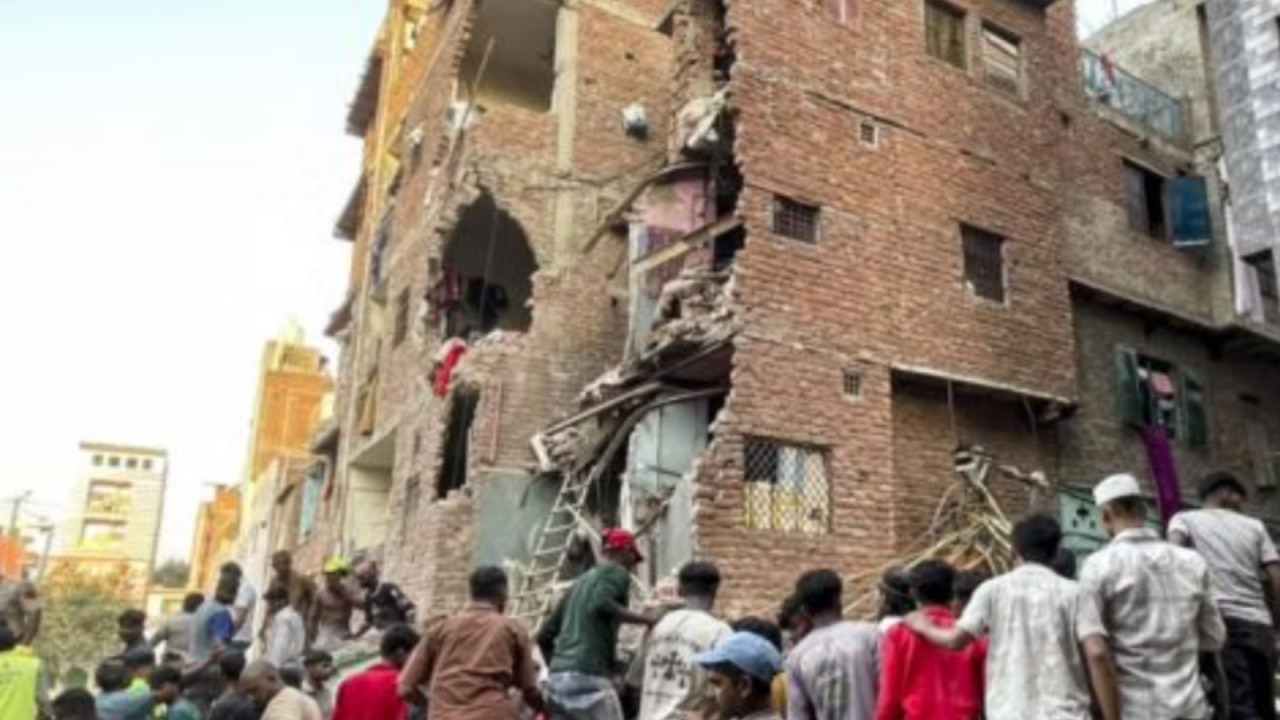 Delhi Building Collapse: Death toll rises to 5 in New Seemapuri; rescue operations continue
 Third Language Row: SC extends relaxation to Class 6 students, asks CBSE to grant exemption, here's what it means
 NEET PG 2026 Result Out: Check how to download scorecard from natboard.edu.in; Know category-wise cut-off and more
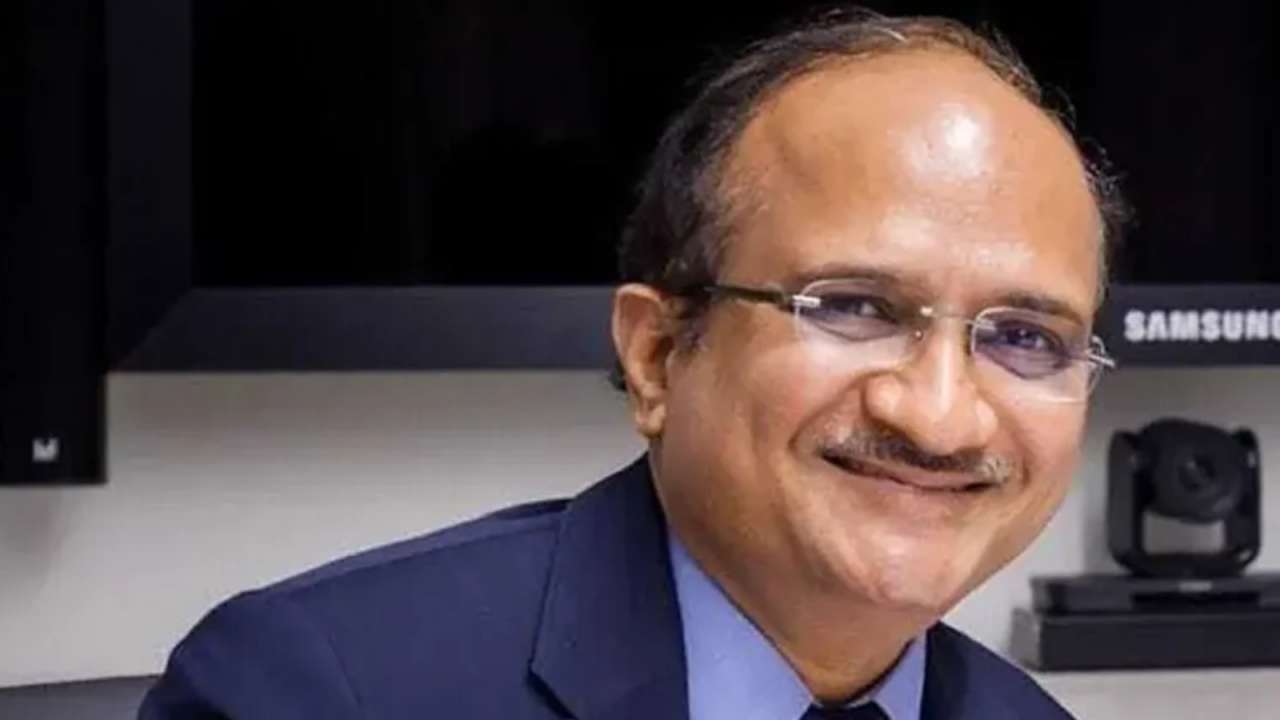 Five-year BTech programmes? Ex-IIT director makes proposals amid IIT suicide controversy
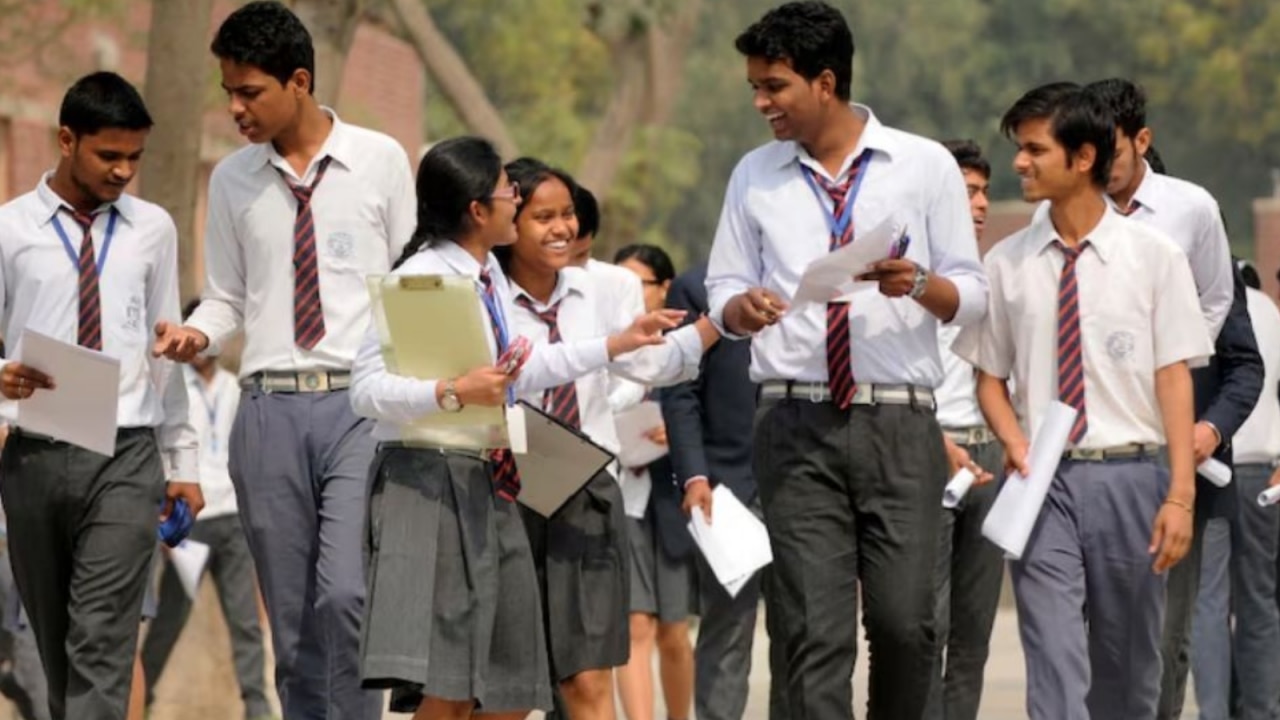 CBSE Date Sheet 2027: When will Class 10, 12 timetable be released? Check details here
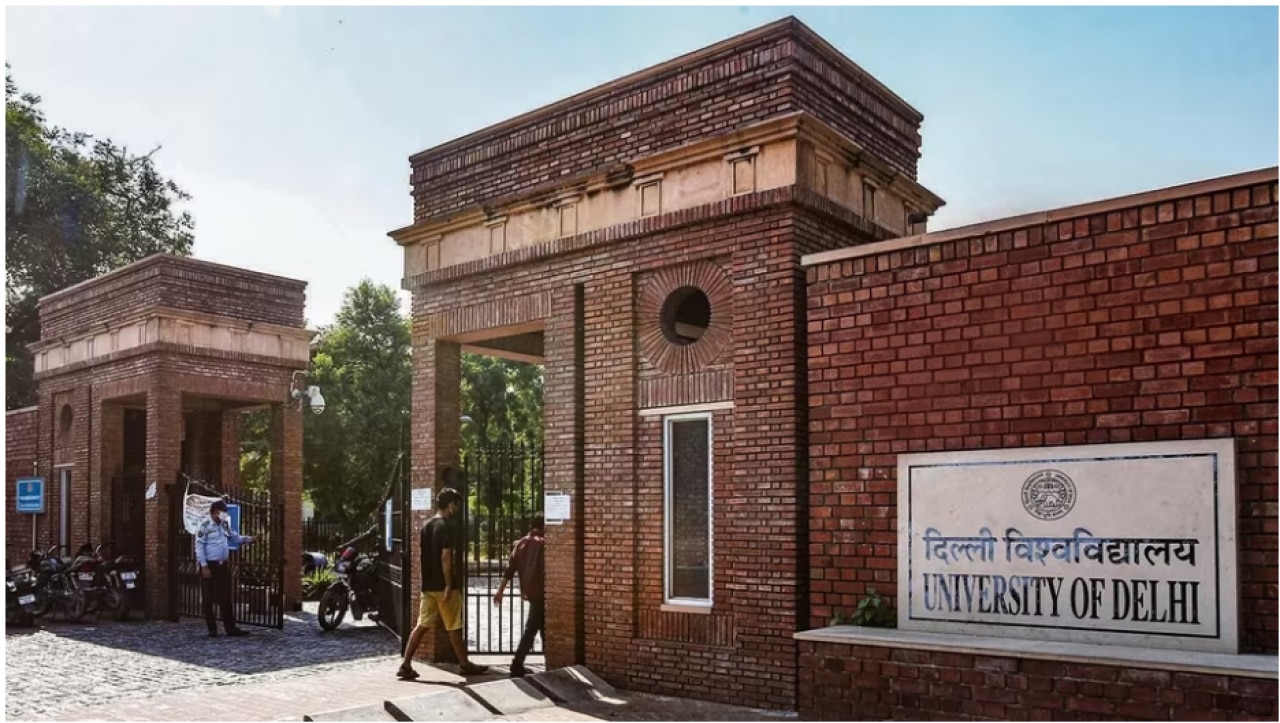 From Rs 150 in 1947 to powerful student body: The story of DUSU’s rise | Explained
 After Hyundai, Maruti Suzuki makes cars costlier ahead of festive season: Check new prices after hike
 Hyundai cars to get costlier from September: Check new prices and reason behind hike
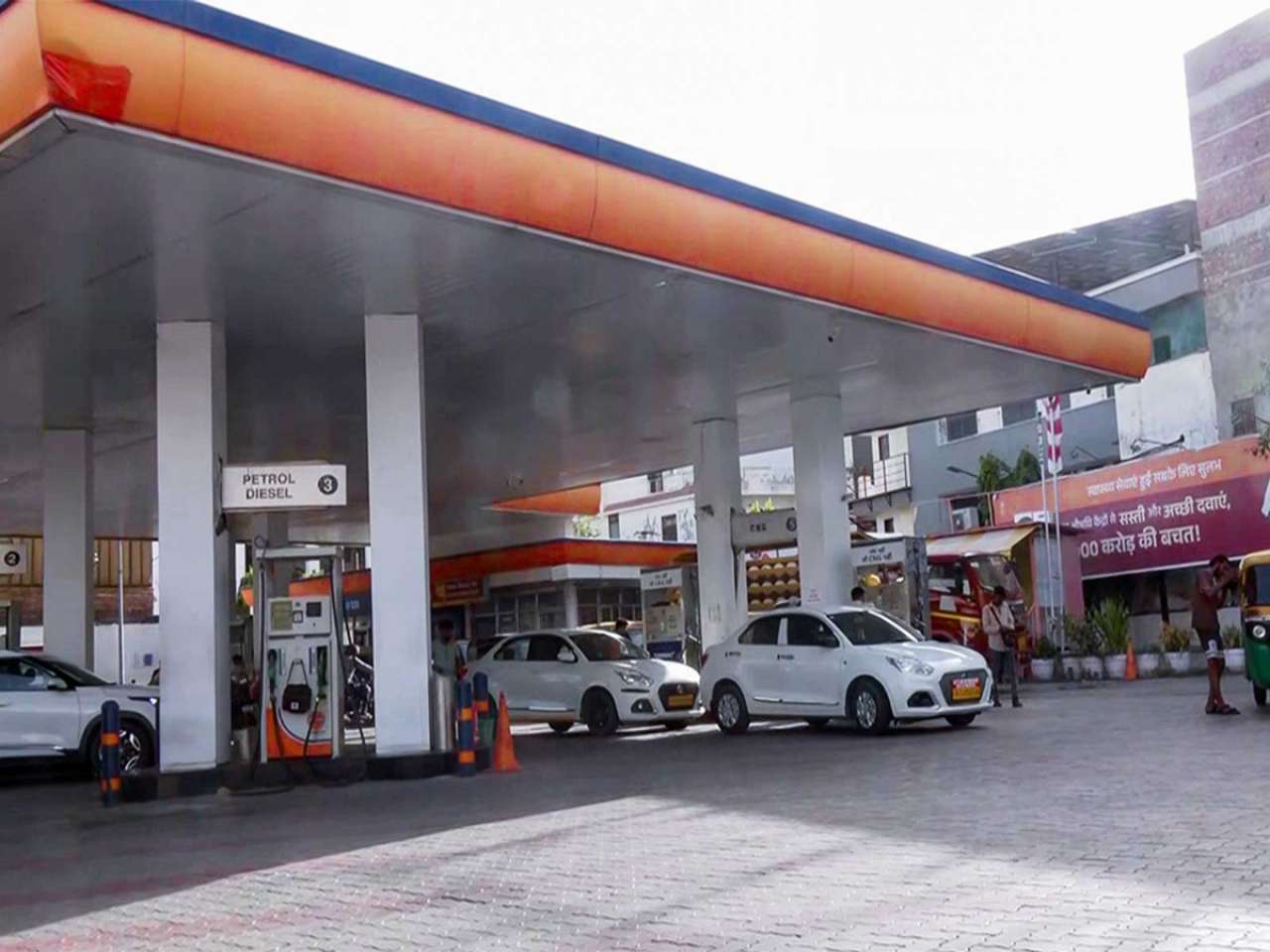 Why can't consumers choose pure petrol or E10? Centre explains why E20 is now the standard fuel
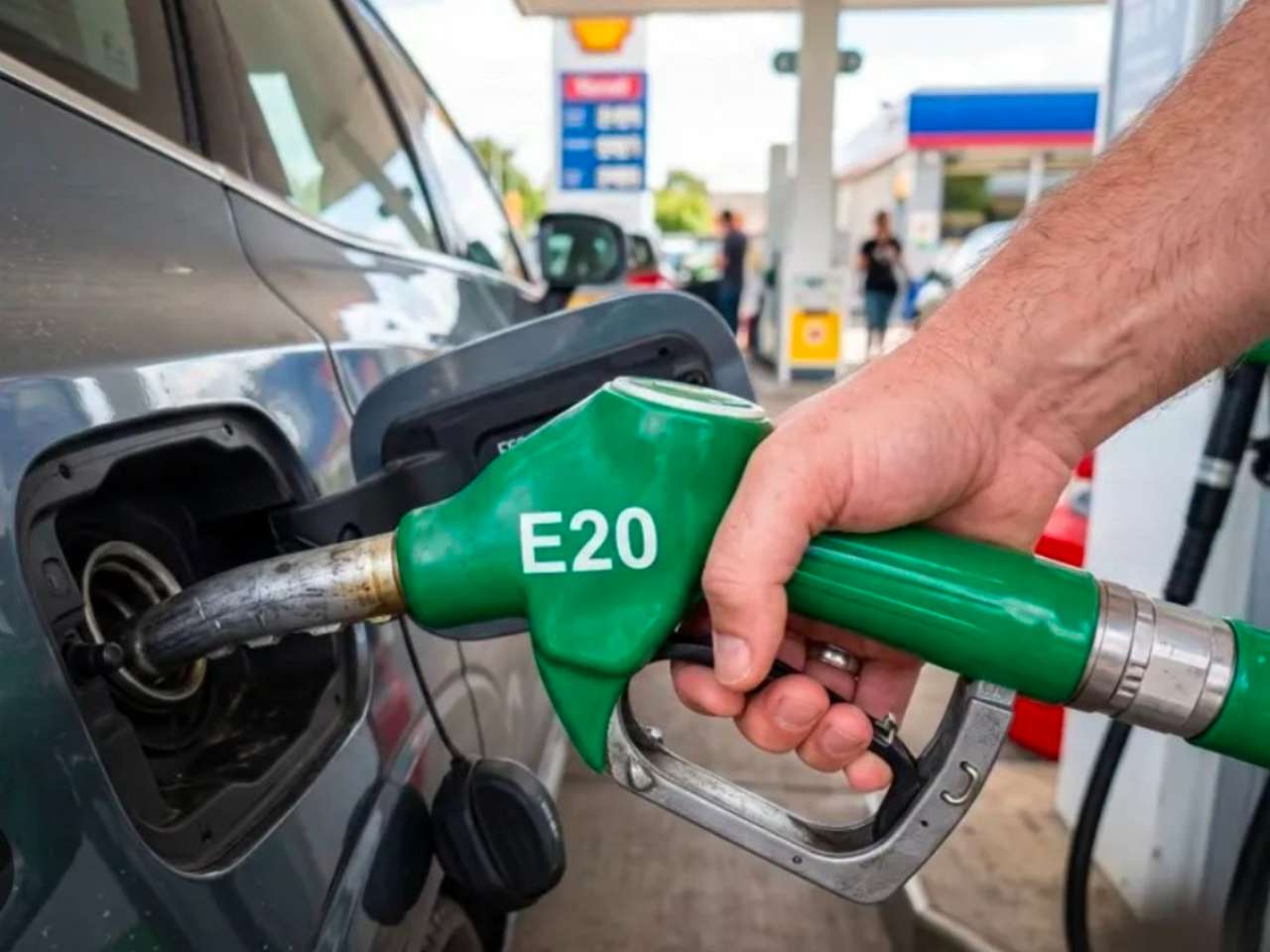 Centre claims E20 fuel does not damage engines, cites data from Maruti Suzuki and Hero MotoCorp
 Maruti WagonR Flex Fuel: What’s price of India’s first ethanol car? Specs, mileage, and top features explained
BUSINESS
The choice is between greater eurozone fiscal union and disintegration

Updated : Mar 17, 2018, 06:17 AM IST




2011 could be a make-or-break year for the embattled euro, which will almost certainly face the prospect of gradual disintegration if the eurozone doesn’t move towards fiscal union, according to economists.
“In many ways, the eurozone is undergoing a public sector version of the problems which hit the interbank market in 2008,” notes HSBC group chief economist Stephen King.
“Talk of default and restructuring has increased hugely over the last few months. But in the event of a default, a Pandora’s Box of uncertainty would spring open, unleashing all sorts of unpleasant effects.”
In such an event, adds King, the developed world’s bond markets would have “crossed a financial Rubicon, with creditors finally recognising that their investments were no longer safe.” And in the process of rushing for the exit, the financial engine, “already spluttering, would be in danger of failing altogether.”
How might such an eventuality be avoided? Eurozone members, notes King, no longer have the option of ‘stealthy default’ - by printing money to create higher inflation or a lower currency. “Eurozone debtors must either repay their debts, negotiate a restructuring or vaguely hope that a sudden surge in economic activity provides the higher income to alleviate currently stretched debt-income ratios.”
So, the obvious way forward is for the eurozone to come up with a political settlement, he adds. “Monetary unions do not work very well — and tend not to survive for very long — in the absence of some kind of political and fiscal union. On some occasions, political unions can emerge from financial crises.”
Moves towards a political and fiscal union would provide “a neat way of sharing the burden between debtors and creditors within the eurozone and, perhaps importantly, provide acceptance that the responsibility for the zone’s current difficulties lies with both debtors and creditors,” notes King. “After all, if Germany chooses to run a persistently large current account surplus, someone else needs to run an equally large deficit.”
And, with the eurozone’s overall balance of payments in neither surplus nor deficit, Germany’s excess savings were “inevitably converted into the excess borrowings of the peripheral nations.”
German savers contributed to the conversion by offering to lend to their European partners at incredibly low interest rates. “This was a crisis born not just from the silly investments of the borrowers but also by the irresponsibly generous lending by the creditors.”
Earlier this week, European Union leaders agreed on a principle of a new and permanent ‘European Stabilisation Mechanism’ (ESM) that would replace the European Financial Stability Facility (EFSF), a 440 billion euro ‘rescue fund’ that is set to expire in July 2013, points out BNP Paribas economist Clemente De Lucia. “Like the EFSF, the new fund will provide emergency financial support to countries cut off from the market, albeit under strict conditions.”
Although financial markets weren’t overly enthused by this move, the agreement on the ESM marks an important further step towards fiscal union, reasons Societe Generale economist Klaus Baader. That’s because, through the ESM, euro area governments “are committed to assisting member-states who run into financial difficulties, on a permanent basis. Second, by submitting to strict conditionality, member-states who do require assistance effectively give up their sovereignty over their fiscal policy. To that extent, this falls “well short of full fiscal union — in which one institution decides on all public sector revenue and expenditure measures - but it is a step on the way,” adds Baader.
Monetary authorities around Europe “face difficult policymaking decisions in 2011,” concurs Moody’s Analytics economist Melanie Bowler. Divergent growth and inflation paths will cloud monetary policy decision, and the European Central Bank’s one-size-fits-all monetary policy “is expected to be tested heading forward.”
The “ultimate solution” for the eurozone, adds King, is likely to include some form of ‘Act of Union’ — a political settlement that more clearly defines the responsibilities of both creditors and debtors and includes more clearly defined punishments for those who fiscally misbehave, “including, perhaps, a temporary suspension of fiscal sovereignty.” But that, he reckons, will take time, and so financial uncertainties “are not going to disappear any time soon.”