 Your loan EMIs are about to rise: RBI hikes interest rates by 0.25%
 'Zero Tolerance To Terrorism': India slams Pakistan at UN over J&K terror, defends counter-strikes
 When Smriti Mandhana became India captain, the Palash Muchhal chapter returned to spotlight: The full story
 Narendra Modi completes 25 years as head of government, what next?
 Smriti Mandhana era begins: From India’s batting star to all-format captainWhen Smriti Mandhana became India captain, the Palash Muchhal chapter returned to spotlight: The full storySmriti Mandhana era begins: From India’s batting star to all-format captain
 Lionel Messi bids Argentina farewell with goal in emotional final game
 Smriti Mandhana takes over from Harmanpreet as India name Zimbabwe squads
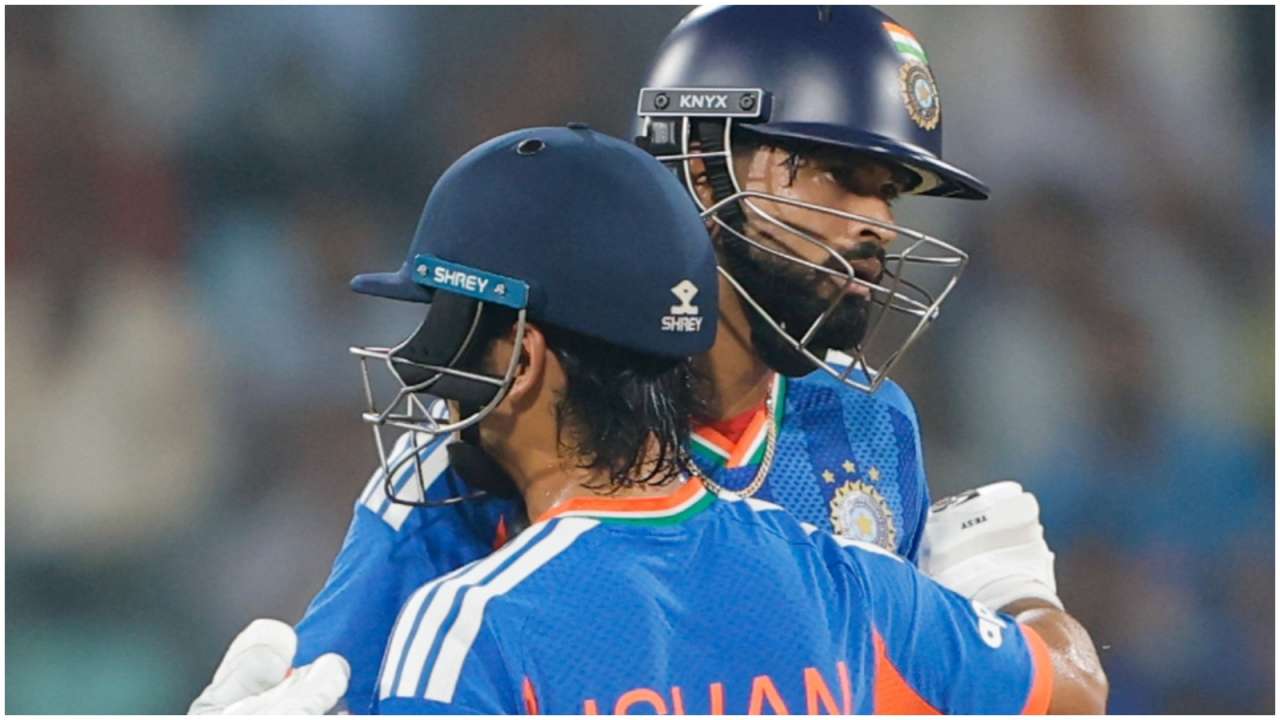 IND vs WI, 1st T20I: Shreyas Iyer unleashes in Lucknow! Captain’s century helps India hammer West Indies by 8 wickets
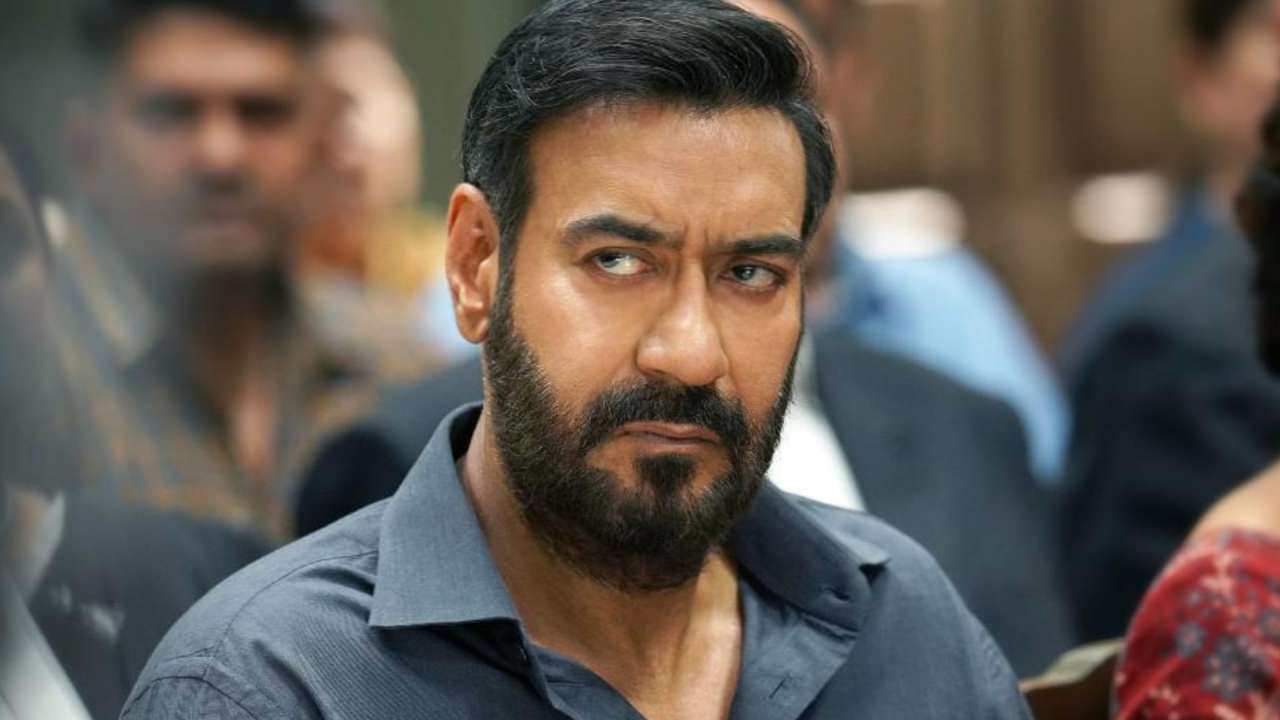 Drishyam 3 box office collection day 5: Ajay Devgn film crosses Rs 200 crore mark in India
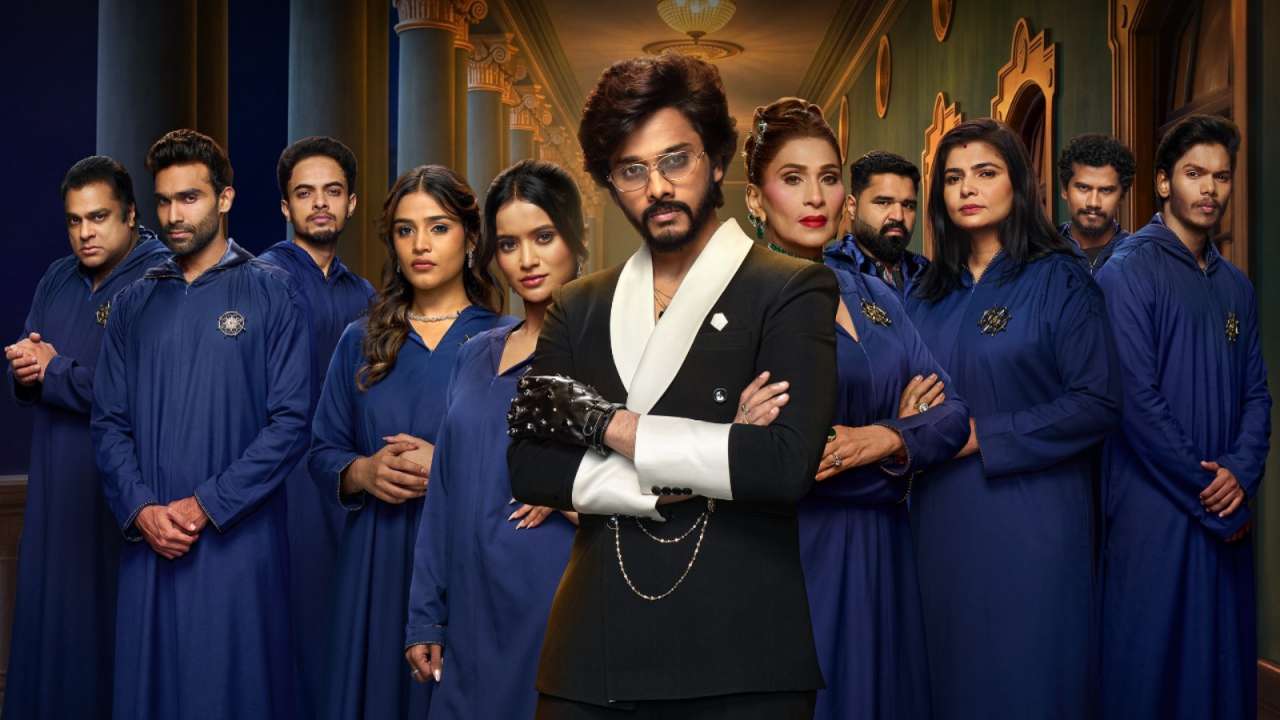 The Traitors Telugu trailer: From Chinmayi Sripada to Harsha Vardhan, meet the 20 contestants of Teja Sajja show
 Rise and Fall 2: Kajal Raghwani opens up on her suicide attempt; was Khesari Lal Yadav the reason?
 Why were Amitabh Bachchan, Badshah forced to evacuate KBC 18, Hustle 5 sets? Shocking reason revealed
 Why has Delhi High Court issued notice to Salman Khan on Kala Hiran producer's plea?
 CJP Protest: Delhi Cop Vivek Bhagat's Promotion Withheld Amid Sexual Harassment Allegation
 CJP Protest: CJP Activists Getting Police Notices Over October 10 Delhi Protest
 Delhi News: 'Create Fear In Minds Of Criminals': Supreme Court To Delhi Police On Rising RapesDelhi News: 'Create Fear In Minds Of Criminals': Supreme Court To Delhi Police On Rising Rapes
 Russia News: Researcher Dies Of 'Mystery' Pneumonic Plague; Hundreds Quarantined, 5 Hospitals ShutYour loan EMIs are about to rise: RBI hikes interest rates by 0.25%
 GST Council October 8 meeting: No rate changes expected; reforms on refunds, ITC and registration on agenda
 Cabinet approves Rs 10,000 crore SME Growth Fund: What it means for small businesses
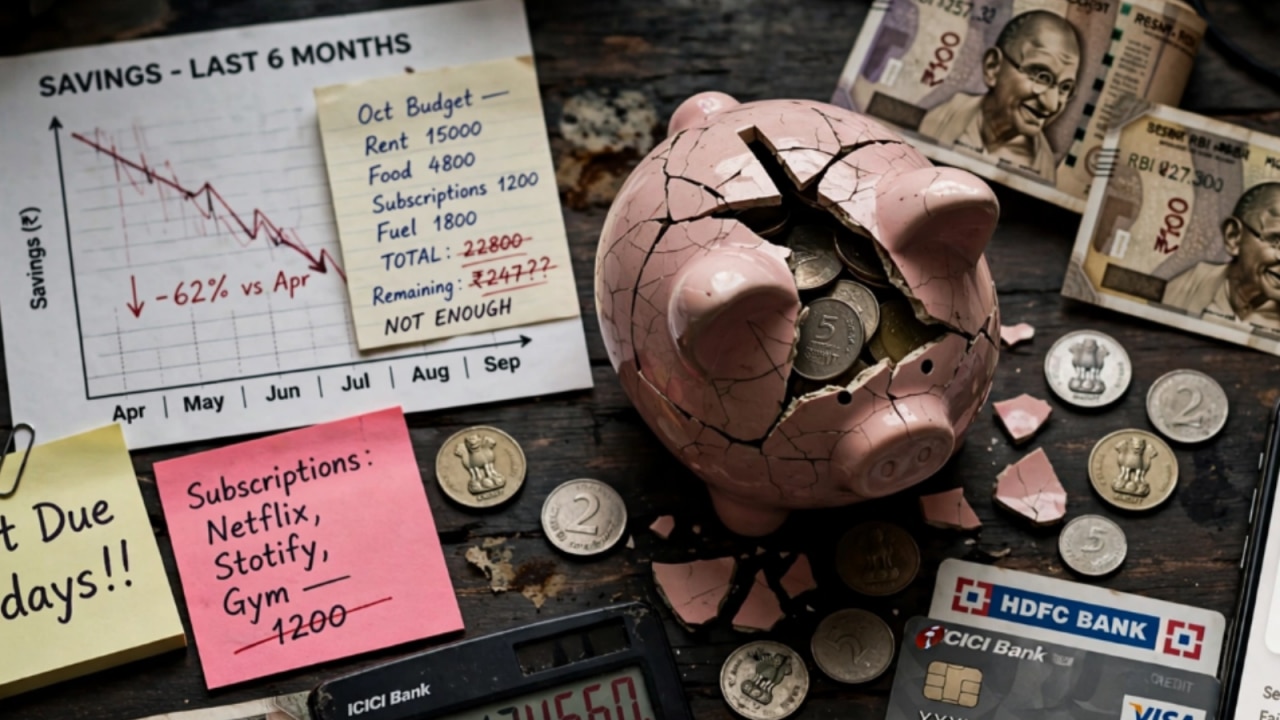 Gen Z Finance: From lifestyle spending, credit cards to financial planning—What experts suggest
 FCNR inflows cushion rupee, BoP, but sustained stability hinges on FII flows: Report
 OTT Releases This Week (Sept 28 - Oct 4): Dupahiya 2, Pooja Meri Jaan; new movies and shows to watch this Gandhi Jayanti weekend
 From Neeti Mohan, Heer, Sarthak Kalyani; Ahead of Sa Re Ga Ma Pa, 5 musical geniuses championed by AR Rahman
 72nd National Film Awards 2024: Kartik Aaryan, Yami Gautam, Aditya Dhar, Mammootty, Dhanush, Anant Nag accept honours
 OTT Releases This Week (September 14-20): Lust Stories 3, Irumudi, Thudakkam; Indian movies, series to watch on Netflix, Prime Video, JioHotstar
 Ganesh Utsav 2026: Deva Shree Ganesha, Sindoor Lal Chadayo; 5 iconic Ganpati songs that should be must-haves in your playlist'Zero Tolerance To Terrorism': India slams Pakistan at UN over J&K terror, defends counter-strikesNarendra Modi completes 25 years as head of government, what next?
 Arvind Kejriwal attacks CBI raid at Punjab CM Bhagwant Mann's camp office, alleges BJP ‘frustration’ ahead of polls
 Earthquake in Uttarakhand: 4.9-magnitude quake hits Chamoli, tremors felt across Delhi-NCR
 Why ECI rejected Rahul Gandhi-led MPs’ request to meet at Parliament Annexe
 Third Language Row: SC extends relaxation to Class 6 students, asks CBSE to grant exemption, here's what it means
 NEET PG 2026 Result Out: Check how to download scorecard from natboard.edu.in; Know category-wise cut-off and more
 Five-year BTech programmes? Ex-IIT director makes proposals amid IIT suicide controversy
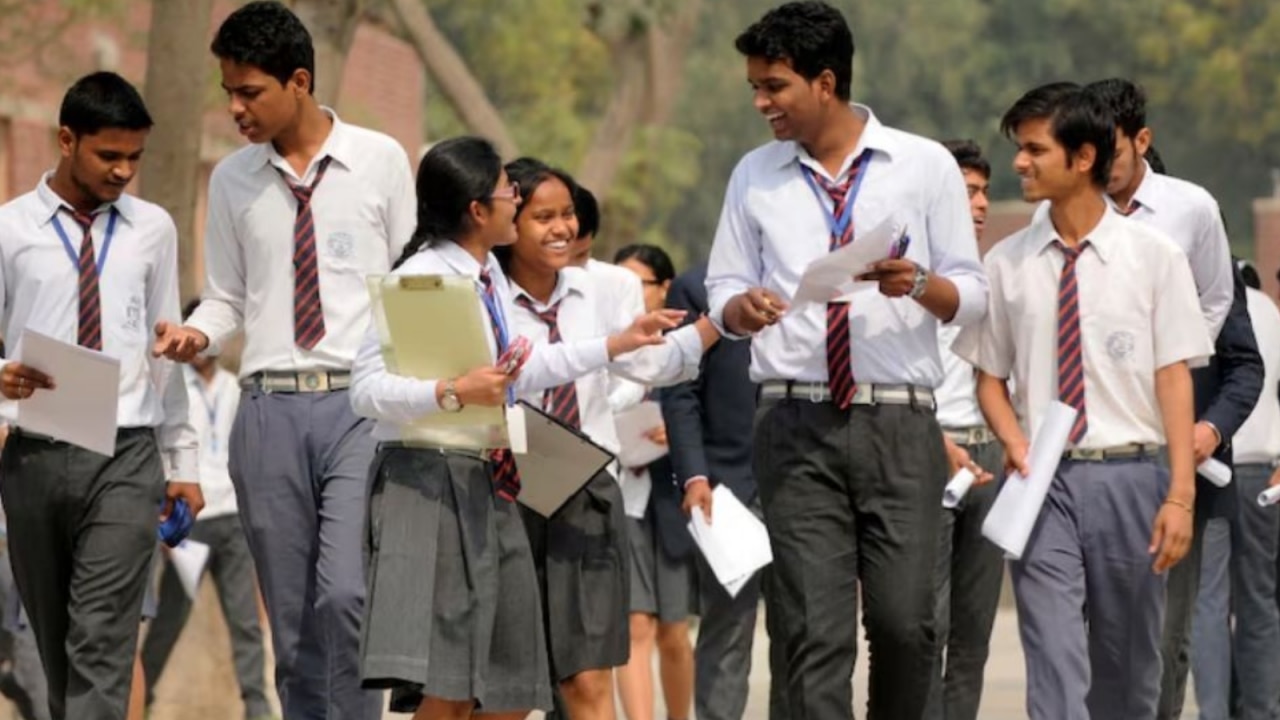 CBSE Date Sheet 2027: When will Class 10, 12 timetable be released? Check details here
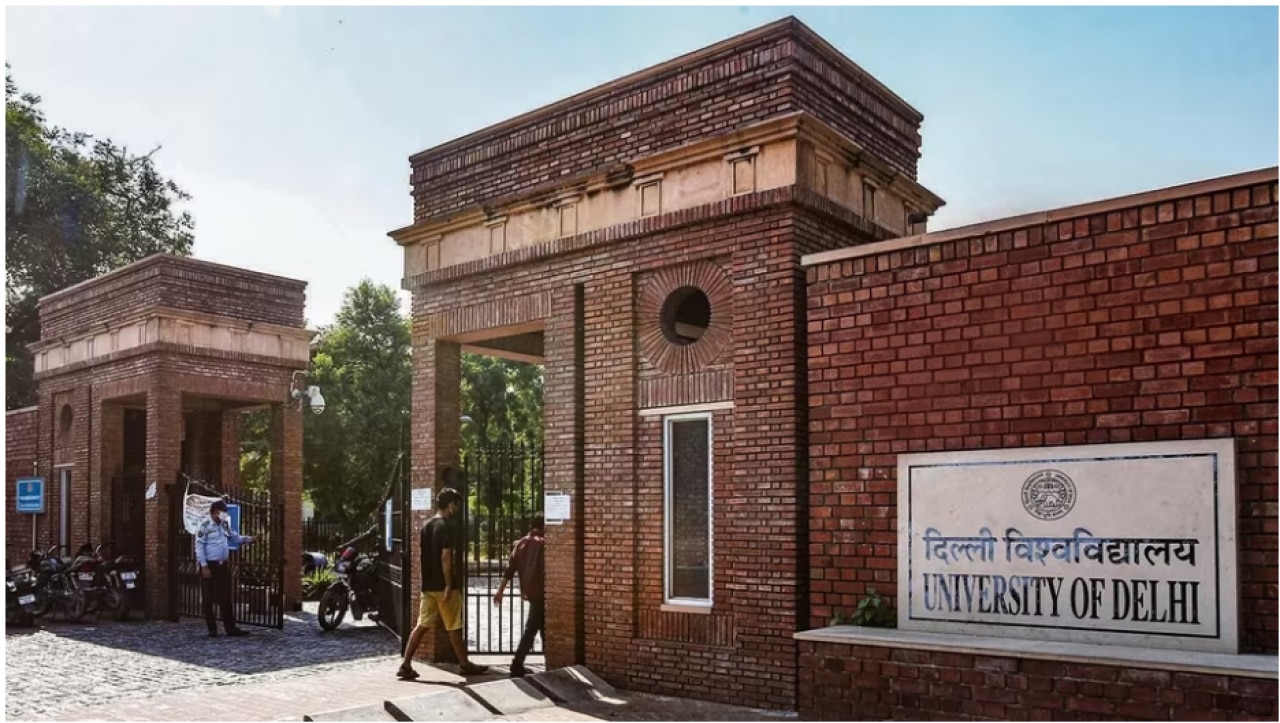 From Rs 150 in 1947 to powerful student body: The story of DUSU’s rise | Explained
 After Hyundai, Maruti Suzuki makes cars costlier ahead of festive season: Check new prices after hike
 Hyundai cars to get costlier from September: Check new prices and reason behind hike
 Why can't consumers choose pure petrol or E10? Centre explains why E20 is now the standard fuel
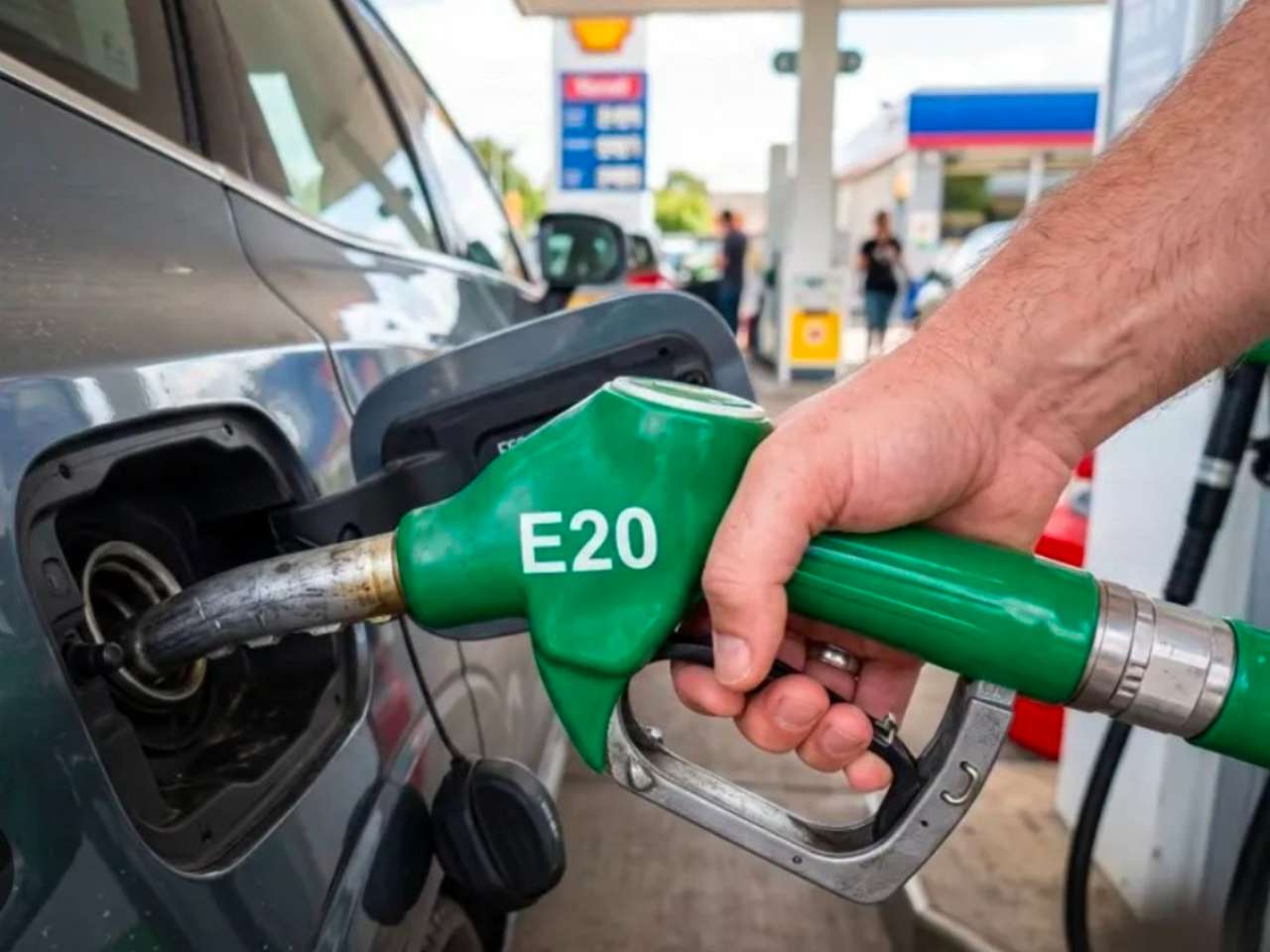 Centre claims E20 fuel does not damage engines, cites data from Maruti Suzuki and Hero MotoCorp
 Maruti WagonR Flex Fuel: What’s price of India’s first ethanol car? Specs, mileage, and top features explained
BUSINESS
Raamdeo Agrawal, Joint MD & co-founder of Motilal Oswal Financial Services explains that commodity companies may do better than those with strong brands in the future.

Updated : Mar 17, 2018, 06:15 AM IST




Contrary to popular wisdom and the findings of earlier wealth creation studies, low valuations have not resulted in higher returns, according to the latest wealth creation study from Motilal Oswal.
Companies trading at less than ten times their earnings and less than their book value, gave lower returns than those with a P/E of 15 and higher P/B ratio, in the five year period from FY05-10. In another counter-intuitive stroke, Raamdeo Agrawal, Joint MD
& Co-founder of Motilal Oswal Financial Services explains that commodity companies may do better than those with strong brands in the future.
Excerpts from an interview with DNA:
What common striking features have you noticed across all the companies that have emerged as the consistent wealth creators?
The basic success formula is to buy into good businesses, run by good management at reasonable price and then the economy will drive them to different heights. The only premise is that underlying business should net into the bad times for them to perform consistently. If the business remains solid, say like banks which keep on growing at 15% or so, they would definitely give good returns if you hold them for 5-10 years.
One thing that consistent wealth creators have shown over time is that these companies are in non-cyclical business particularly consumer-oriented companies in FMCG, pharma, autos, banking, IT etc that keep on scaling their business year-after-year and thereby keep making money regularly.
Another important thing is to look at companies with good managements, where people are of high calibre as they are the ones that make it happen - creating unique situations. If you ask me how to figure out good management, then that is a complete art. You cannot go about finding about the management personally!
How do franchisee businesses compare as wealth creators with commodity companies?
Recently, what we have seen is that commodity companies are also making an appearance among the most consistent wealth creators. This is only possible if underlying business runs in sustained fashion and that has been the case in last 8-10 years. People earlier used to say that you should buy franchise business and not the commodity business, but my sense is that probably the time has come for commodity companies where they may make more money than brand companies. The commodities have seen growth in demand for past few years; and over next 10 years or so, the emerging markets such as India and China, which are drivers of global growth, would need more of commodities. So it’s quite possible that commodity may remain fairly heightened and hence commodity companies would deliver much better performance consistently.
How can retail investors spot such wealth creators?
One thing you must remember is that if you want to make excess market returns, then you need to bring complimentary skills on table. You should have specific knowledge about the product, industry and business for you to gain more in terms of returns. For example, if you buy a large cap bank, which is in good business of banking with good management available at good price, you may make reasonable returns. But to buy a small cap company and make lots of money, you definitely need to bring in skills to understand what to buy or what not to buy.
Since retail investors in general, barring a few, bring very little complimentary skills, so if one is looking to make fantastic amount of money, the best way is to go with well-managed mutual funds, so that you are not exposed to the volatility of individual stocks. And if you are skilled and smart, confine yourself to the business you understand and know well.
What could be the reason for very little retail participation in markets?
The problem with retail investors is that they don’t trust the mutual funds from whatever experience they had in the past and they cannot do it themselves either. So they are stuck.
But those who are smart, they have been active in the market. I think coming into markets is big problem for them, as markets require skill and every time they try to come, they have experienced that there are sharks in the market that are difficult to beat. Even public issues are nowadays fully priced, but the moment there’s something left on the table, there’s no dearth of retail applications. That’s the reason I think people are not coming into the secondary markets, as they realise that they lack that skill.
Any risks you foresee for the markets or flows in general, in near term?
At the moment, one of the headwinds is rising crude prices, which may lead to higher inflation. Any delay in reforms related to deregulation of oil prices or DTC/GST rollout by government may also impact the corporate earnings though at the moment, expected corporate earnings are looking good. The political risks and corporate governance issues have emerged as the biggest concerns in the last few weeks. With this kind of political management and recent scams, flows may get muted in the coming fiscal if government does not take any action. Also next year, the US is expected to do much better, which would take away the compulsion to come into emerging markets. So there are some challenges in the near term as we are used to certain kind of flows for markets to move up.
Any opportunities you see in the midcap and small caps that you have corrected a lot recently?
The markets have hardly corrected 7-8%. Most stocks that have come down heavily are the manipulated ones while the quality ones haven’t corrected much. So if you know that the company is good and it has been unnecessarily hammered down, they you may go and buy. But then you should know! There’s no solution to ignorance. This is not a lottery place. You must have an understanding of the company before you take a call. It’s better to give your money to acknowledged fund managers and enjoy the fruits rather than punting or relying on others recommendations.
How do you see markets in the coming fiscal?
After a tremendous run of around 81% last fiscal, there is little scope for markets to rise further from here on, may be we can rise by another 4-5%. But for this fiscal, we may see markets ending with 12-13% gains at the best.
However, if everything goes correctly, modest recovery of this year would set up the backdrop for much bigger rise in FY12. This year, we have had a brilliant monsoon, full effect of that would be reflected in inflation next year. According to me FY12 would be a stable and good year for markets, unless this scam kind of news flow comes once again, but overall fundamentals are very much in place.