 Indians in Saudi Arabia get fresh warning after deadly Riyadh airport attack: Check dos and don’ts
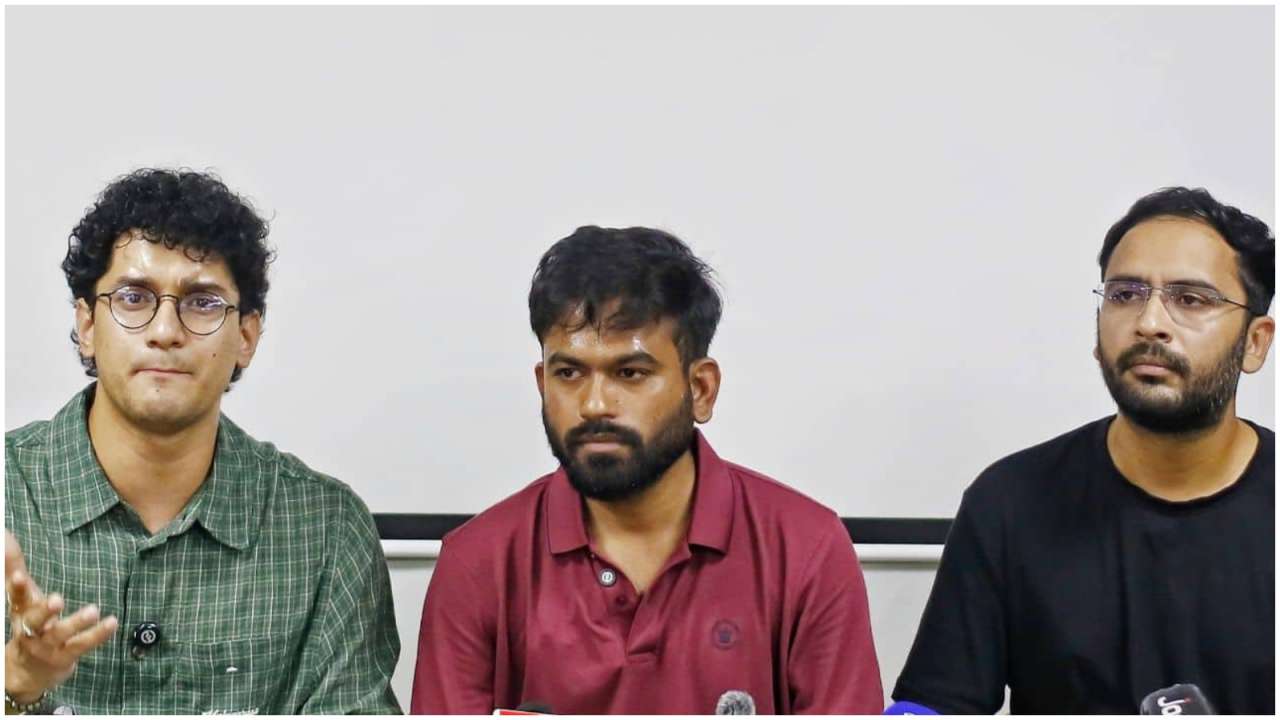 Jantar Mantar breach: Delhi Police files trespassing case against Saurav Das, Ashutosh Ranka
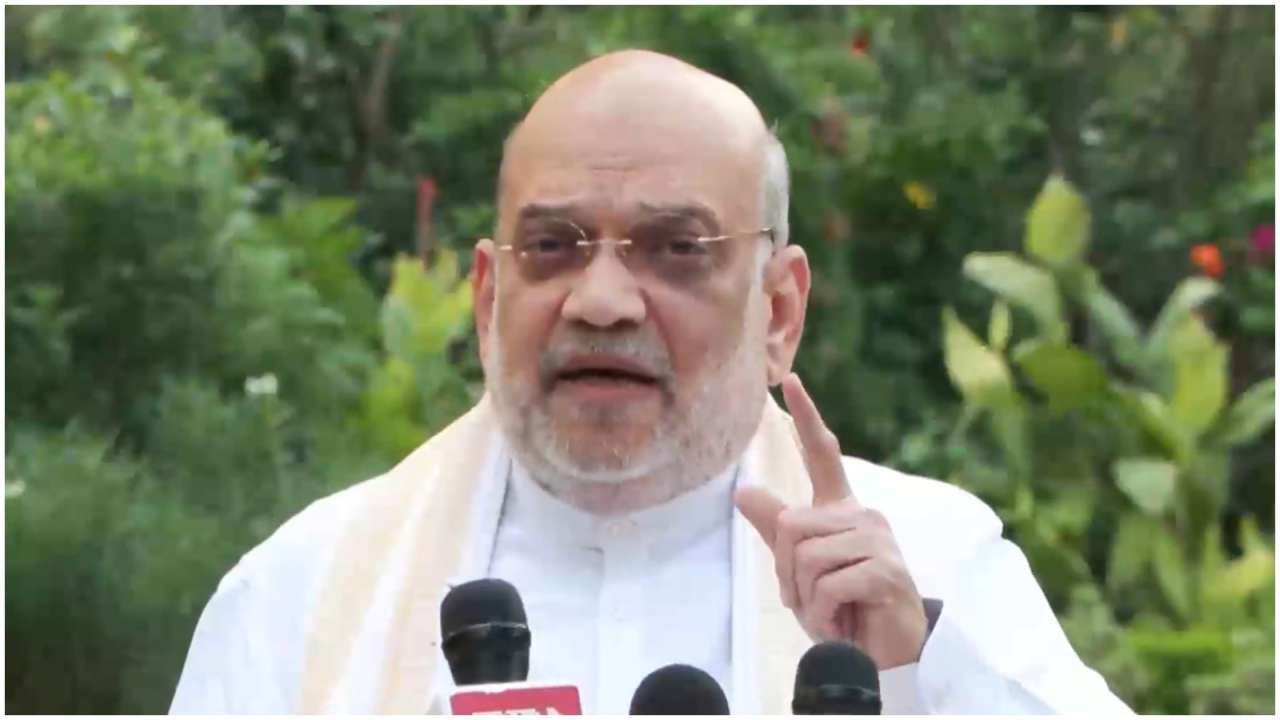 ‘Get ready to lose big time in 2029’: Amit Shah slams Rahul Gandhi over ‘vote chori’ charge
 Drishyam 3 box office collection day 12: Ajay Devgn film is unstoppable, crosses Rs 500 crore worldwide
 Adhyayan Suman avoids box office clash with Ayushmann Khurrana, Main Na Raha Mera postponed to December
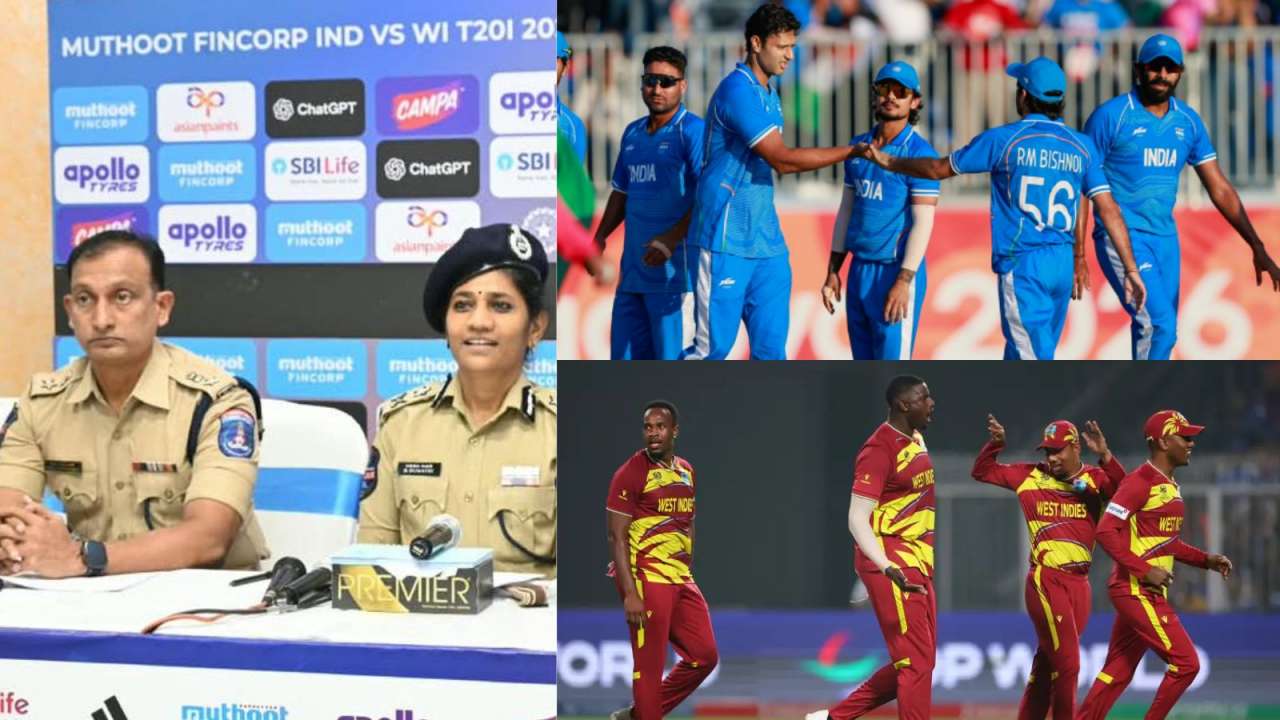 IND vs WI 4th T20I: Hyderabad Police roll out major security plan ahead of uppal clash, deploy 2,200 cops
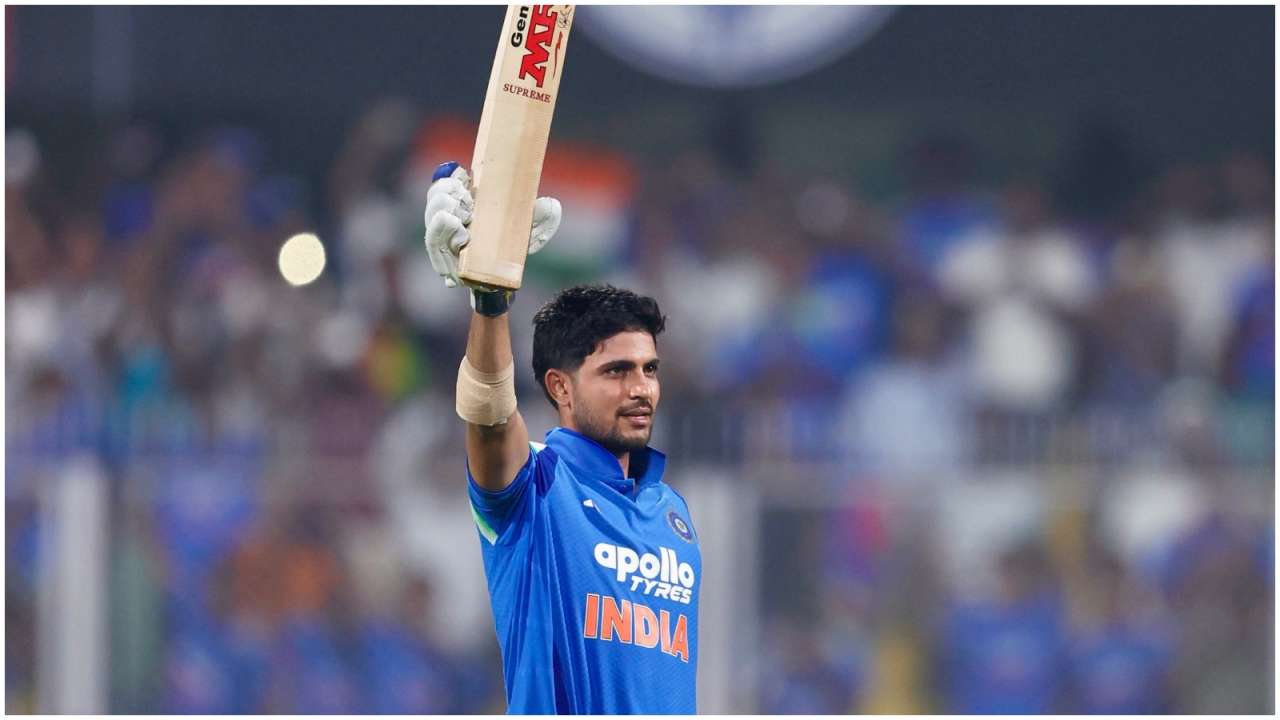 Shubman Gill wins 5th ICC monthly award: How rare is this feat?
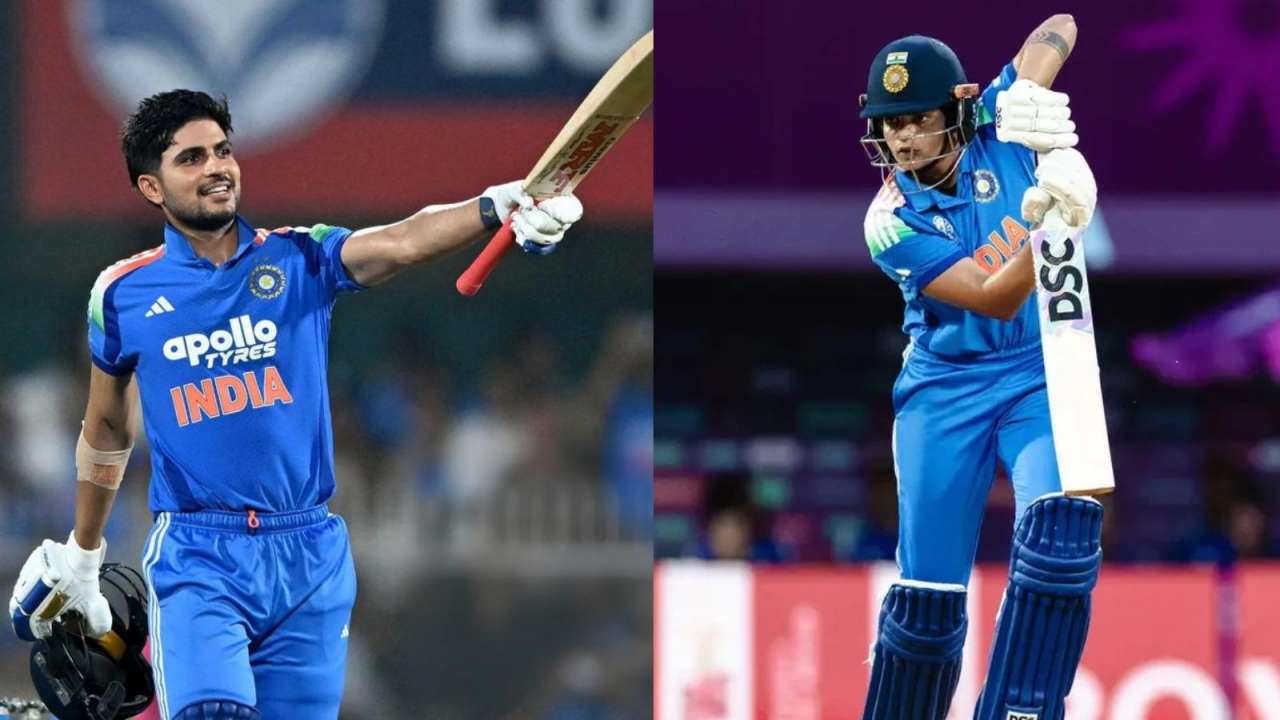 Shubman Gill clinches historic fifth 'ICC Player of the Month' award, Shafali Verma triumphs after Asian Games
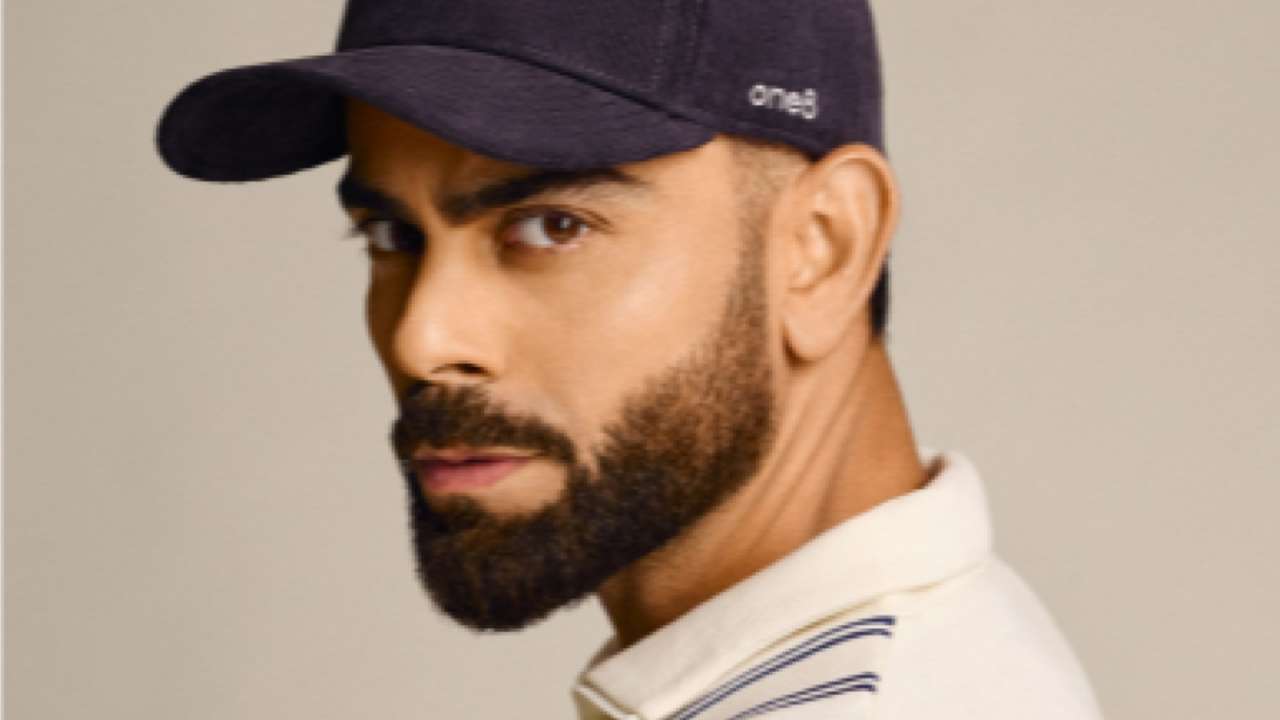 Virat Kohli on LinkedIn pitch ahead of World Cup 2027, shares insights on sportswear brand
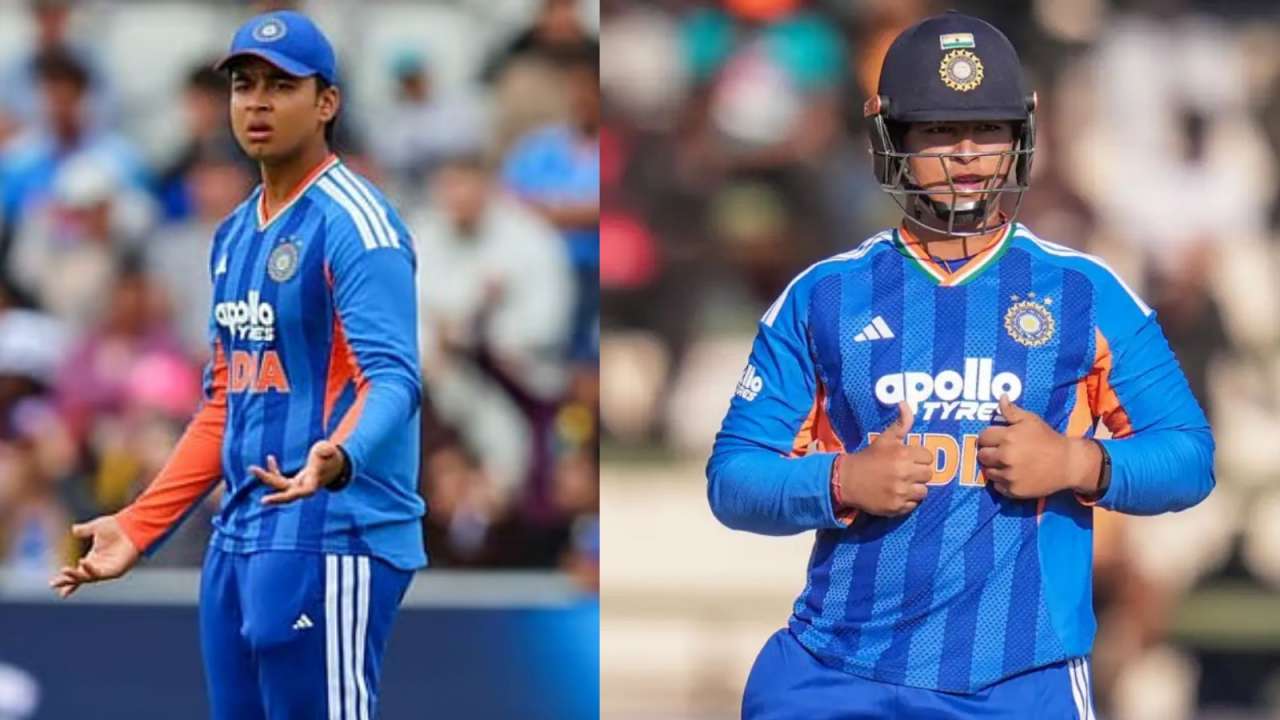 Will Vaibhav Sooryavanshi play last T20I of West Indies series? Gautam Gambhir, Shreyas Iyer get big appealDrishyam 3 box office collection day 12: Ajay Devgn film is unstoppable, crosses Rs 500 crore worldwideAdhyayan Suman avoids box office clash with Ayushmann Khurrana, Main Na Raha Mera postponed to December
 Machan Baba: After Hanuman Ansh's blockbuster success, biopic on Deoraha Baba announced, he inspired Congress' hand symbol
 Koffee With Karan 9: Karan Johar brings back his millon-dollar question for Salman Khan, asks him 'are you still a virgin?'
 Jailer 2: What condition did Mithun Chakraborty set before agreeing to do the Rajinikanth film?
 Delhi Protest: Delhi High Court Bench To Hear Pleas On Protest Regulation & Jantar Mantar Ban
 Pakistan News: 5 Killed, 30 Injured As Rehman Baba Express Derails Near Multan In Pakistan
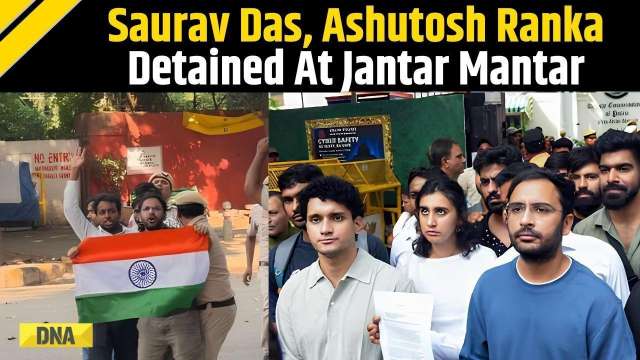 CJP Protest: Delhi Police Detains CJP Spokespersons Saurav Das And Ashutosh Ranka At Jantar Mantar
 CJP Protest: 2 FIRs Filed Over INDIA Bloc Leaders March In Delhi; SC To Hear Protesters Plea
 CJP Protest: 'Jantar Mantar De-Notified'; Govt Replaces Historic Protest Site With 3 New Venues
 RBL Bank shares crash 8% despite 170% profit jump: Why are investors worried?
 UPI payment charges postponed till Diwali, what does it mean for shops, merchants and customers?
 Retail inflation rises to 5.54% in September: Experts warn of pressure on purchasing power, expect more RBI rate hikes
 Gold, Silver prices today, October 10, 2026: Check city-wise rates in Delhi, Mumbai, Chennai, Kolkata and more
 Reliance Jio IPO: Price Band likely at Rs 1065-1119 per share, issue may open on October 21; check details
 Navratri 2026: From Alia Bhatt to Sara Ali Khan, Shraddha Kapoor, take inspiration from Bollywood actresses to stun everyone in white
 Ranbir Kapoor-Sai Pallavi, Yami Gautam-Addinath Kothare, Rajkummar Rao-Wamiqa Gabbi: 5 fresh on-screen jodis to watch out for in 2026
 OTT Releases This Week (October 5-11): Awarapan 2, Khalifa, Mandaadi; new India movies, shows to watch on Netflix, Prime Video
 OTT Releases This Week (Sept 28 - Oct 4): Dupahiya 2, Pooja Meri Jaan; new movies and shows to watch this Gandhi Jayanti weekend
 From Neeti Mohan, Heer, Sarthak Kalyani; Ahead of Sa Re Ga Ma Pa, 5 musical geniuses championed by AR RahmanJantar Mantar breach: Delhi Police files trespassing case against Saurav Das, Ashutosh Ranka‘Get ready to lose big time in 2029’: Amit Shah slams Rahul Gandhi over ‘vote chori’ charge
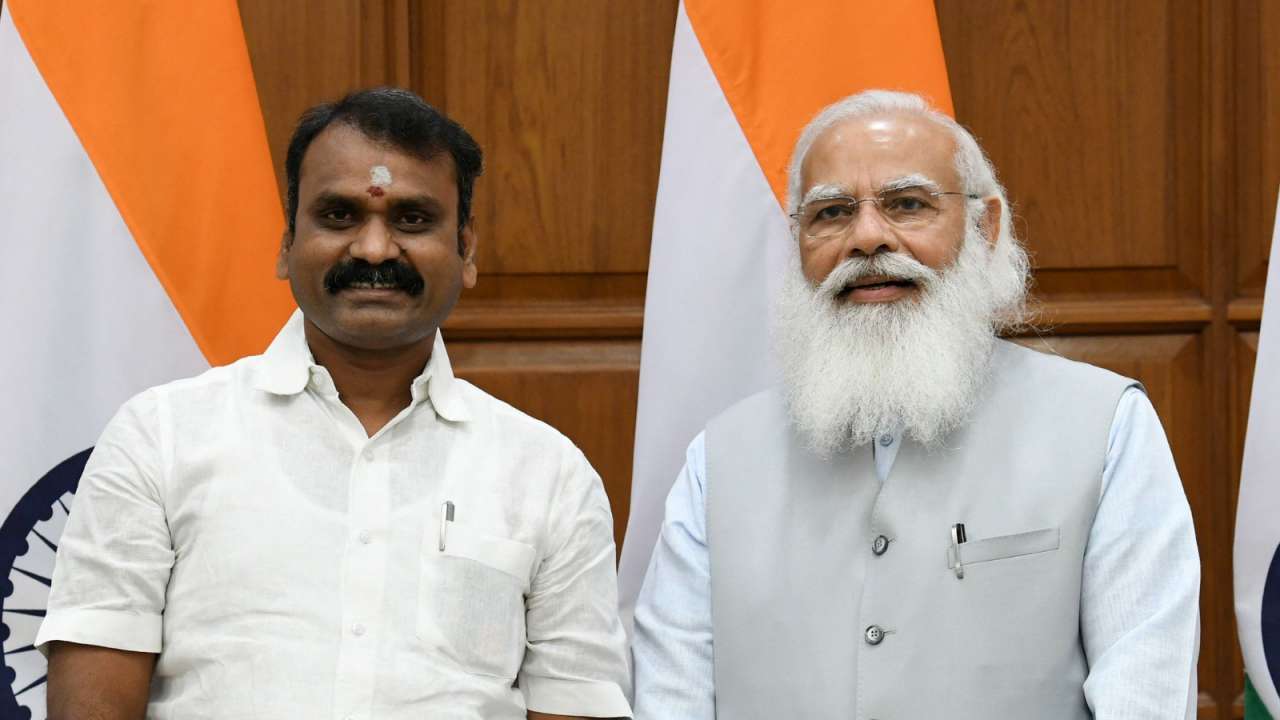 Why is L Murugan seeking exit from Modi Cabinet? BJP leader asks PM Modi to relieve him
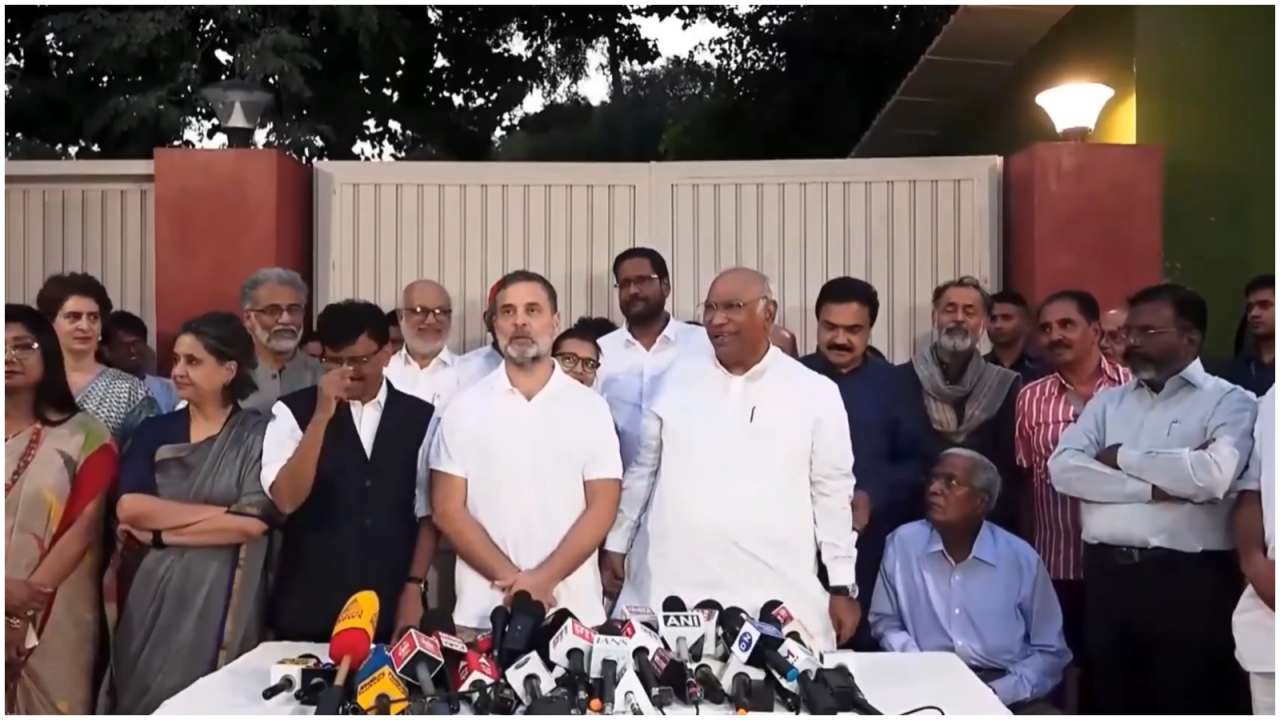 INDIA bloc’s ‘high tea’ with Rahul Gandhi: What comes next in ‘vote chori’ battle?
 Delhi Police takes down 500 social media posts amid SIR protests, flags Pakistani accounts over fake reports
 Third Language Row: SC extends relaxation to Class 6 students, asks CBSE to grant exemption, here's what it means
 NEET PG 2026 Result Out: Check how to download scorecard from natboard.edu.in; Know category-wise cut-off and more
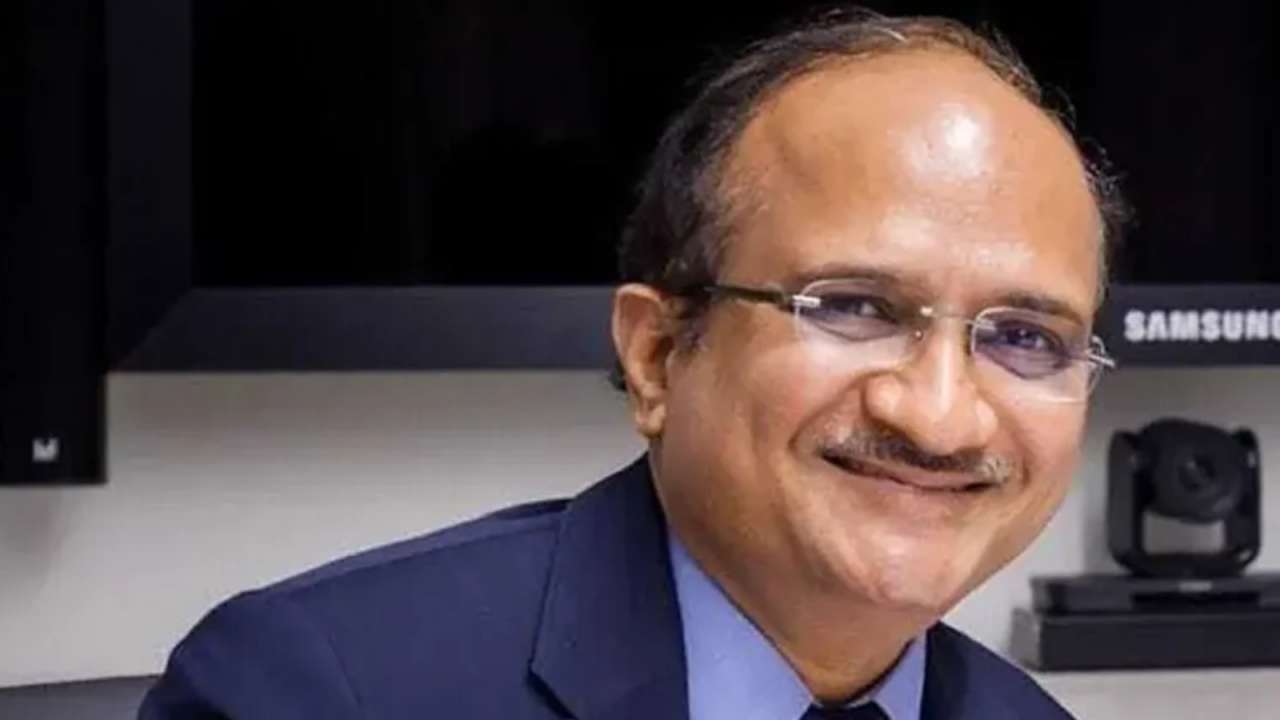 Five-year BTech programmes? Ex-IIT director makes proposals amid IIT suicide controversy
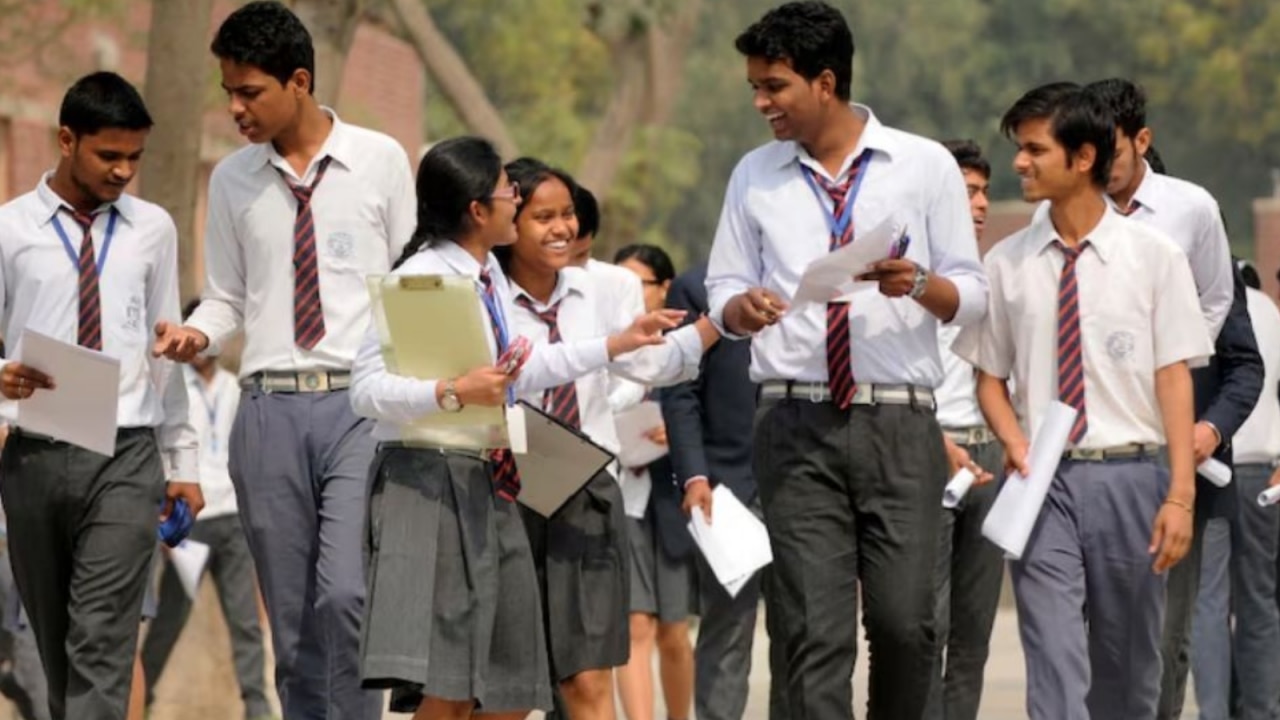 CBSE Date Sheet 2027: When will Class 10, 12 timetable be released? Check details here
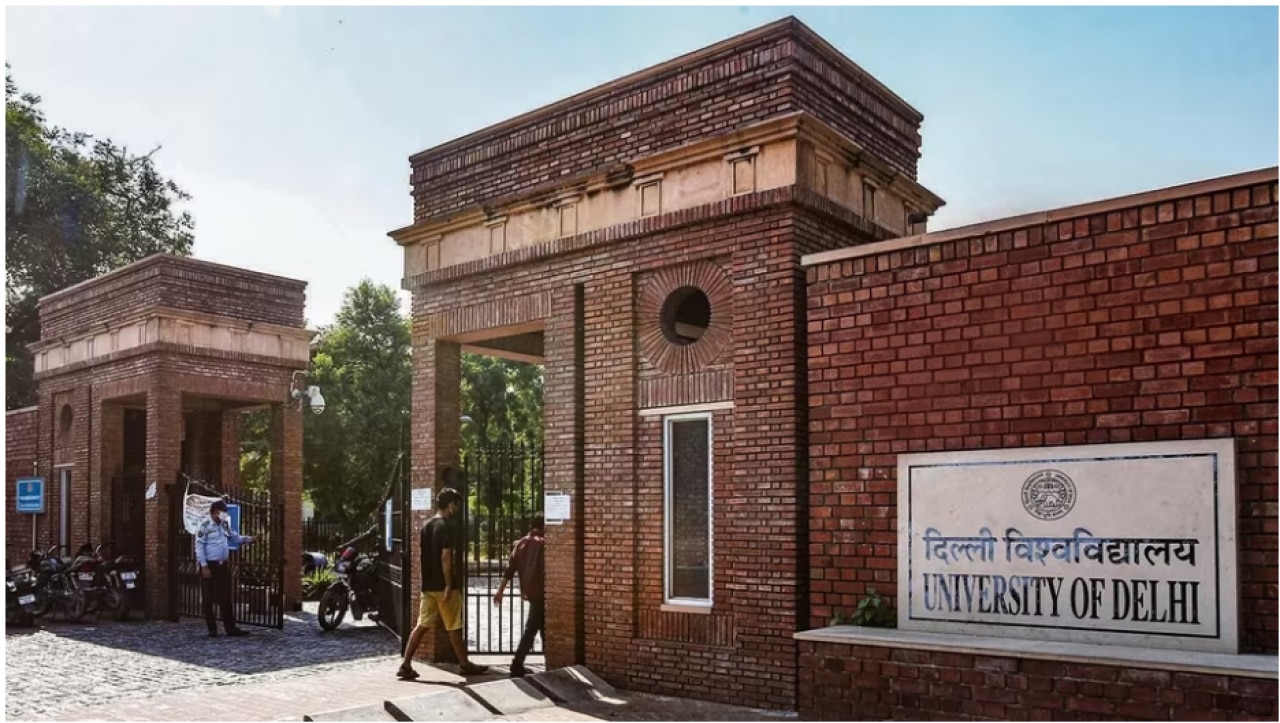 From Rs 150 in 1947 to powerful student body: The story of DUSU’s rise | Explained
 After Hyundai, Maruti Suzuki makes cars costlier ahead of festive season: Check new prices after hike
 Hyundai cars to get costlier from September: Check new prices and reason behind hike
 Why can't consumers choose pure petrol or E10? Centre explains why E20 is now the standard fuel
 Centre claims E20 fuel does not damage engines, cites data from Maruti Suzuki and Hero MotoCorp
 Maruti WagonR Flex Fuel: What’s price of India’s first ethanol car? Specs, mileage, and top features explained
BUSINESS
The mid cap stocks, which lack valuation comfort, their illiquidity on the secondary markets in the bull market is a threat to the retail investors – their market caps can fall like a pack of cards when fear on over-valuation unfolds

Updated : Mar 25, 2018, 05:33 AM IST




Yesterday the market cap of entire BSE-listed stocks crossed a total value of over Rs 127 lakh crore (nearly $2 trillion), a life-time record level. Despite such robust surge in the market cap of entire secondary markets, it is surprising to note that many mid-cap stocks still have poor liquidity in the markets.
In 2013, when the Sensex hit nearly 3-year low of 16,000, many mid-cap stocks lost their liquidity along with steep erosion in their market cap. For example, stocks like JK Tyre and Force Motors fell as low as Rs 90 (then the face value Rs 10) and Rs 300, respectively, and their daily average volume on the markets turned out to be very thin.
Many retail investors lost confidence in these illiquid stocks in the bearish phase and became scary to touch such stocks though some of them were available at PE multiple of less than 6 or at market cap, which was less than the net cash the companies were holding. However, the market cap of these stocks moved up to 8 to 10 folds within next three years.
Now the reverse is happening. Many mid-cap stocks have run up multi-folds from their three-year bottom or from their offer prices in case of IPOs. Despite such boom in the mid-cap stocks, and the whole market is now available at record level of market caps, the liquidity of many mid-cap stocks is very poor now.
There are over 500 mid-and-small-cap stocks trade at more than 30 PE multiple on their trailing earnings – a majority of them trade at more than 50 PE. A large number of these stocks have multiplied their market cap by 100% to 200% from their bottoms in the last 52 weeks, but their trading volumes have shrunk to abnormally low levels.
For example, a newly listed stock trades over 50 PE on FY17 earnings despite significant de-growth in its net profits. Daily average trading volumes in this stock are less than 3,000 shares. A small-cap stock has moved up nearly four-fold within a year, but its daily trading volume sometimes stands at poor single digit and the stock trades at more than 100 PE on FY17 earnings.
Illiquidity in the stocks, which have good management and balance sheet, and also valuation comfort, throw great opportunity in the bear market for the wealth creation.
However, the mid cap stocks, which lack valuation comfort, their illiquidity on the secondary markets in the bull market is a threat to the retail investors – their market caps can fall like a pack of cards when fear on over-valuation unfolds.
The writer is founder and managing director, Equinomics Research and Advisory