 JD Vance says US probing Iran angle in Flydubai hijacking attempt, claims 'nothing conclusive yet'
 Who is Dareez Gaur? Content creator recreates Rhiya Ahir’s viral bus-stopping act at CEC protest, hits back at trolls
 Mecca Pact In Action: Pakistan, Turkey to deploy military troops to Saudi Arabia amid Houthi strikes
 Bigg Boss 20: ScoutOp admits developing feelings for Love Gill despite relationship with Kashvi Hiranandani, viewers react
 Delhi Police on alert, barricades put up around Jantar Mantar, ECI HQ ahead of opposition march
 'Most recognised Pakistani face globally': Ravi Shastri breaks silence on Imran Khan’s treatment in jail
 Pakistan Champions finally get PCB clearance for WCL 2026: Is an India clash on the cards?
 Virat Kohli's sweet gesture for young fan in matching India kit during WI ODIs wins hearts; netizens react: 'Wow cute moment'
 Mohammed Shami’s India comeback hopes take another hit, ex-star delivers blunt verdict
 Bhuvneshwar Kumar to lead Team India? Veteran pacer gets surprise captaincy call for six-a-side eventBigg Boss 20: ScoutOp admits developing feelings for Love Gill despite relationship with Kashvi Hiranandani, viewers react
 Honey Singh skips Maharashtra Cyber questioning: What happens next for the rapper?
 Jailer 2 trailer: Rajinikanth returns as Tiger Muthuvel Pandian, Hrithik Roshan's glimpse excites fans, netizens say 'Kollywood's biggest blockbuster loading'
 Why did Ramesh Taurani once refuse a film with Suniel Shetty? Producer reveals shocking reason
 Baseer Ali reveals why he broke up with ex-girlfriend even after she agreed to convert to Islam: 'Uske jitne gunaah hain...'
 Delhi News: 'Create Fear In Minds Of Criminals': Supreme Court To Delhi Police On Rising RapesDelhi News: 'Create Fear In Minds Of Criminals': Supreme Court To Delhi Police On Rising Rapes
 Russia News: Researcher Dies Of 'Mystery' Pneumonic Plague; Hundreds Quarantined, 5 Hospitals Shut
 ECI Row: 'We Did Not Approve Revised Form 6'; CJI Surya Kant Rejects ECI Claim
 CJP News: 'Gyanu Must Go' Slogans Target CEC Gyanesh Kumar At CJP Rally | Mumbai Protest
 Gen Z Finance: From lifestyle spending, credit cards to financial planning—What experts suggest
 FCNR inflows cushion rupee, BoP, but sustained stability hinges on FII flows: Report
 Gold, Silver prices today, October 2, 2026: Check city-wise rates in Delhi, Mumbai, Chennai, Kolkata and more
 New Money Rules From October 1: What changes in Banking, Tax, UPI & Savings? Check full list
 Export schemes extended: RoDTEP, RoSCTL till December 31, RELIEF till March 2027| Explained
 OTT Releases This Week (Sept 28 - Oct 4): Dupahiya 2, Pooja Meri Jaan; new movies and shows to watch this Gandhi Jayanti weekend
 From Neeti Mohan, Heer, Sarthak Kalyani; Ahead of Sa Re Ga Ma Pa, 5 musical geniuses championed by AR Rahman
 72nd National Film Awards 2024: Kartik Aaryan, Yami Gautam, Aditya Dhar, Mammootty, Dhanush, Anant Nag accept honours
 OTT Releases This Week (September 14-20): Lust Stories 3, Irumudi, Thudakkam; Indian movies, series to watch on Netflix, Prime Video, JioHotstar
 Ganesh Utsav 2026: Deva Shree Ganesha, Sindoor Lal Chadayo; 5 iconic Ganpati songs that should be must-haves in your playlistDelhi Police on alert, barricades put up around Jantar Mantar, ECI HQ ahead of opposition march
 Karnataka voter deletion row: CEO says no name deleted through Form 7 amid bulk filing allegations
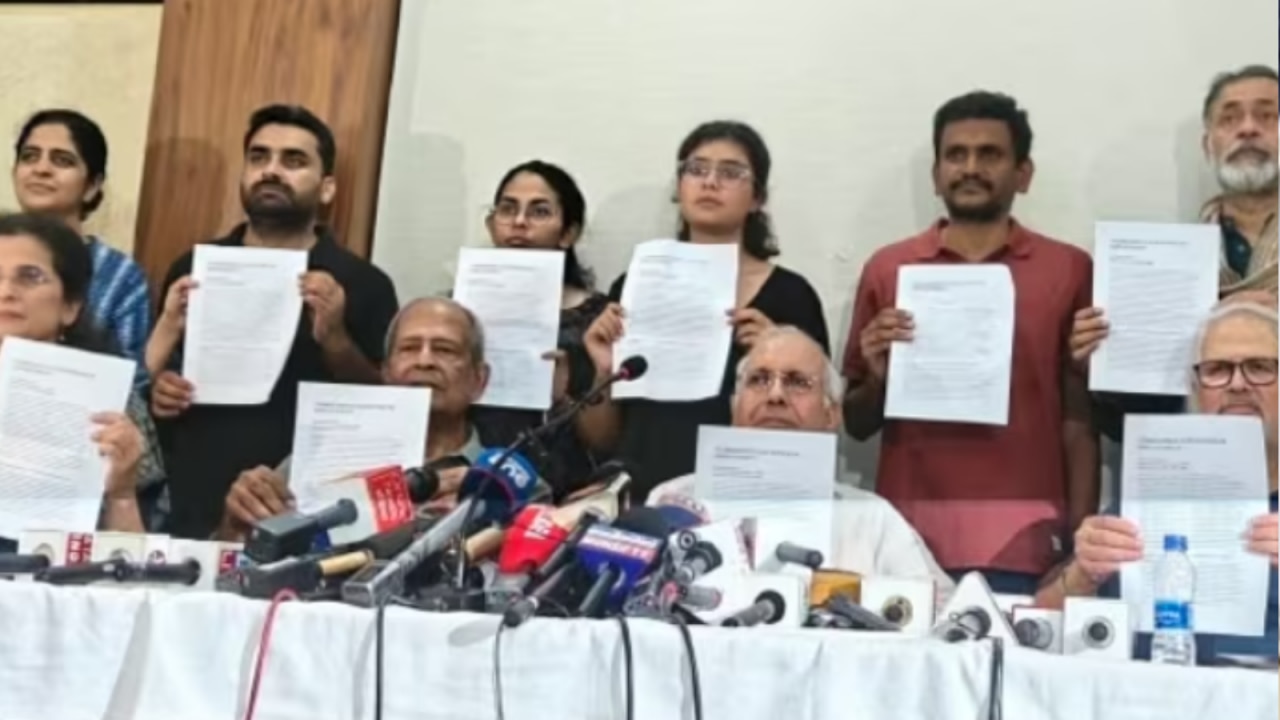 CEC Gyanesh Kumar faces impeachment notice from former officials; what are allegations?
 Anti-CEC Protest: Why was Delhi cop accused of sexually harassing journalist promoted to Additional DCP?
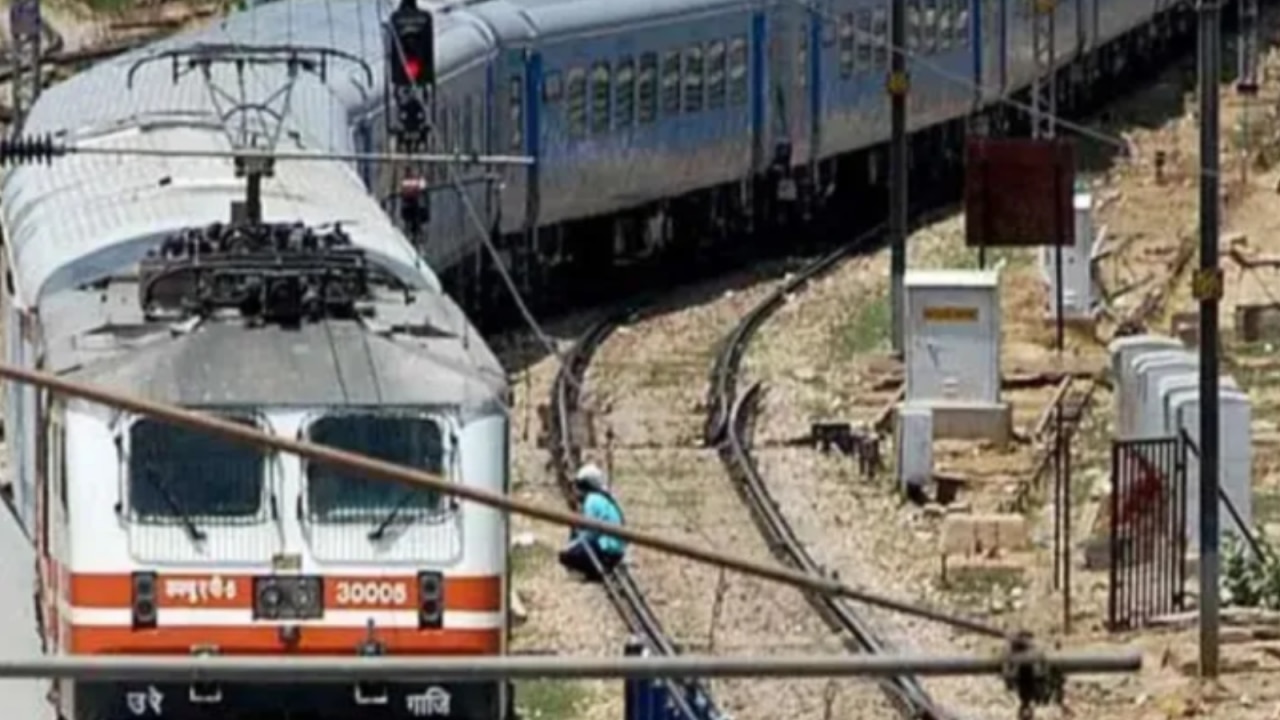 Why did Shatabdi Express locomotive skid on wet rails? Railway Board orders RDSO probe
 Third Language Row: SC extends relaxation to Class 6 students, asks CBSE to grant exemption, here's what it means
 NEET PG 2026 Result Out: Check how to download scorecard from natboard.edu.in; Know category-wise cut-off and more
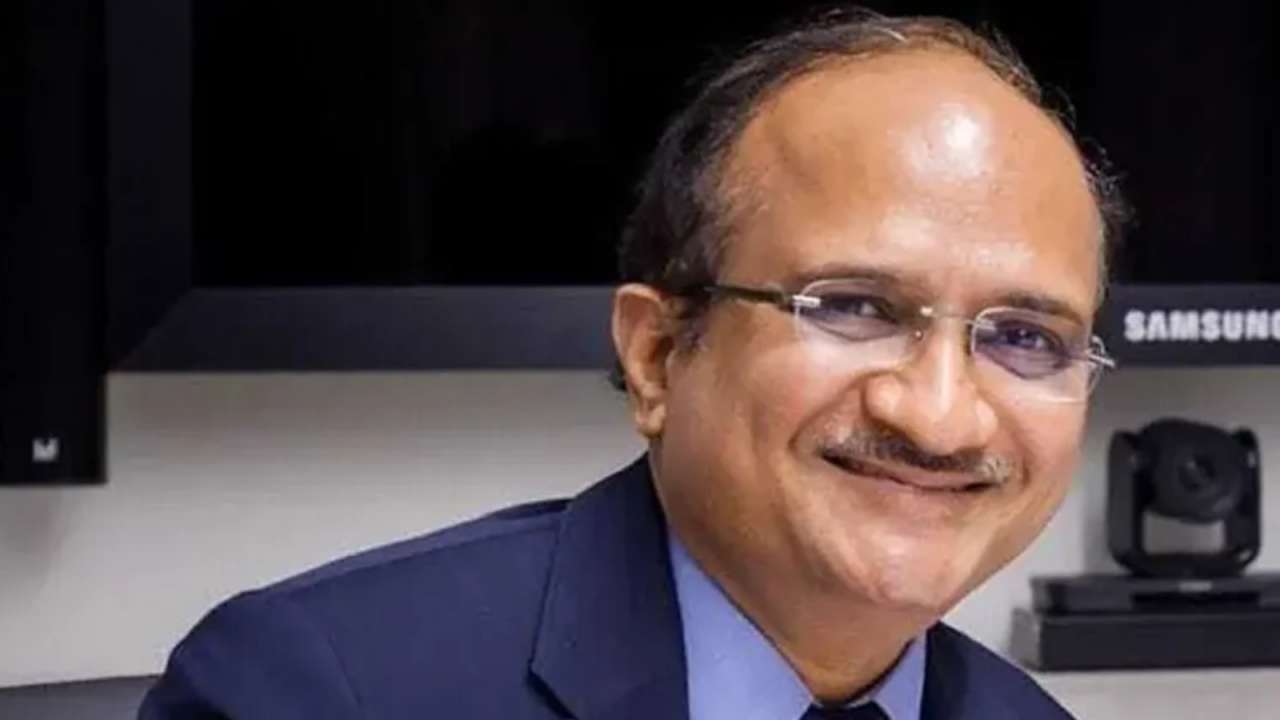 Five-year BTech programmes? Ex-IIT director makes proposals amid IIT suicide controversy
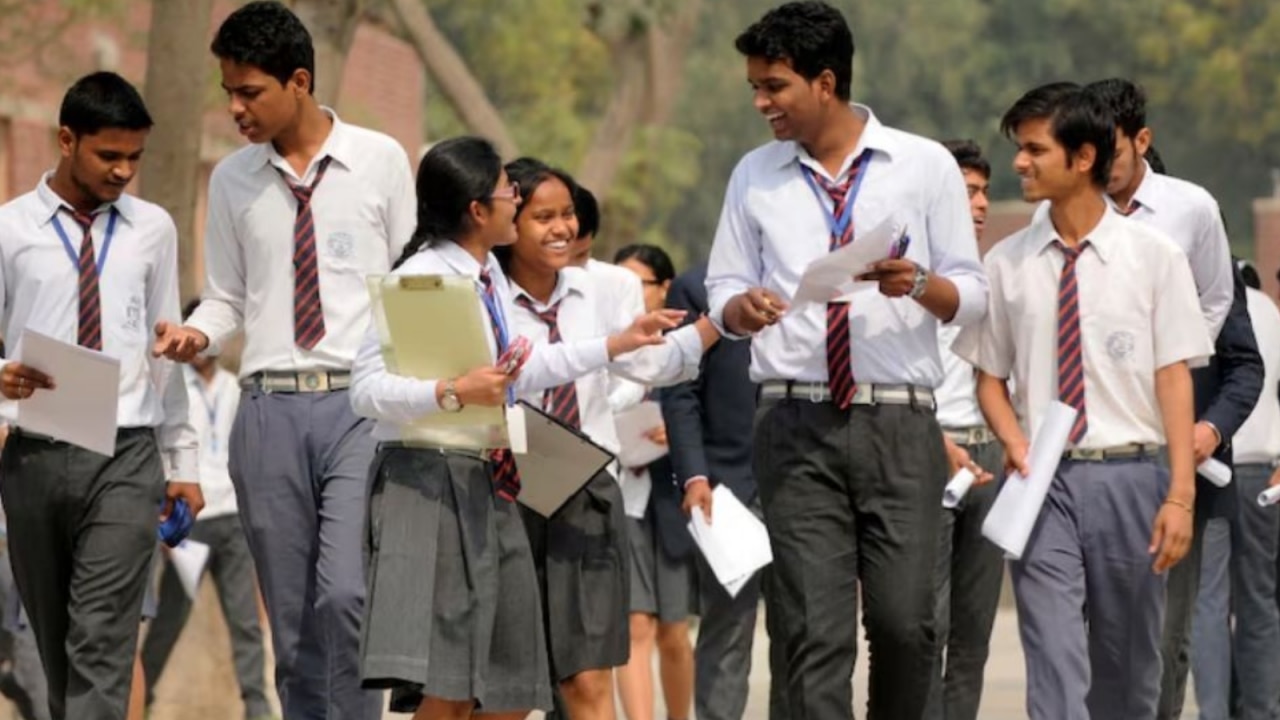 CBSE Date Sheet 2027: When will Class 10, 12 timetable be released? Check details here
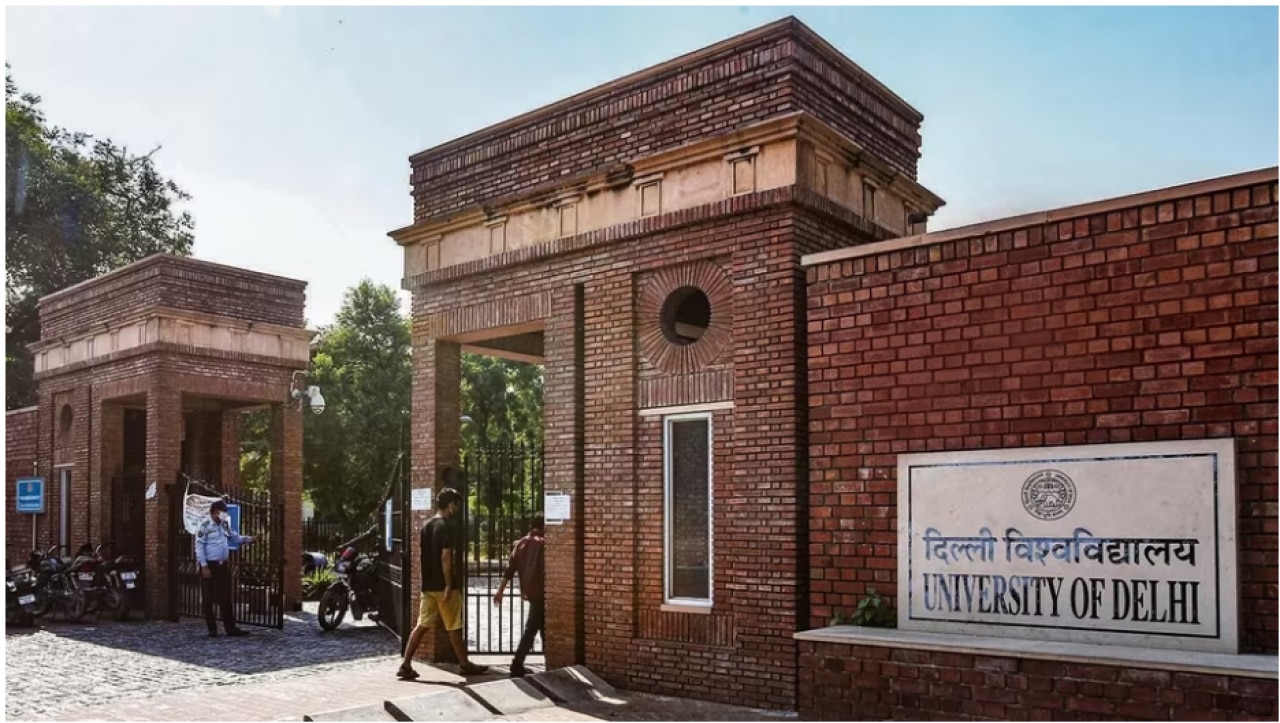 From Rs 150 in 1947 to powerful student body: The story of DUSU’s rise | Explained
 After Hyundai, Maruti Suzuki makes cars costlier ahead of festive season: Check new prices after hike
 Hyundai cars to get costlier from September: Check new prices and reason behind hike
 Why can't consumers choose pure petrol or E10? Centre explains why E20 is now the standard fuel
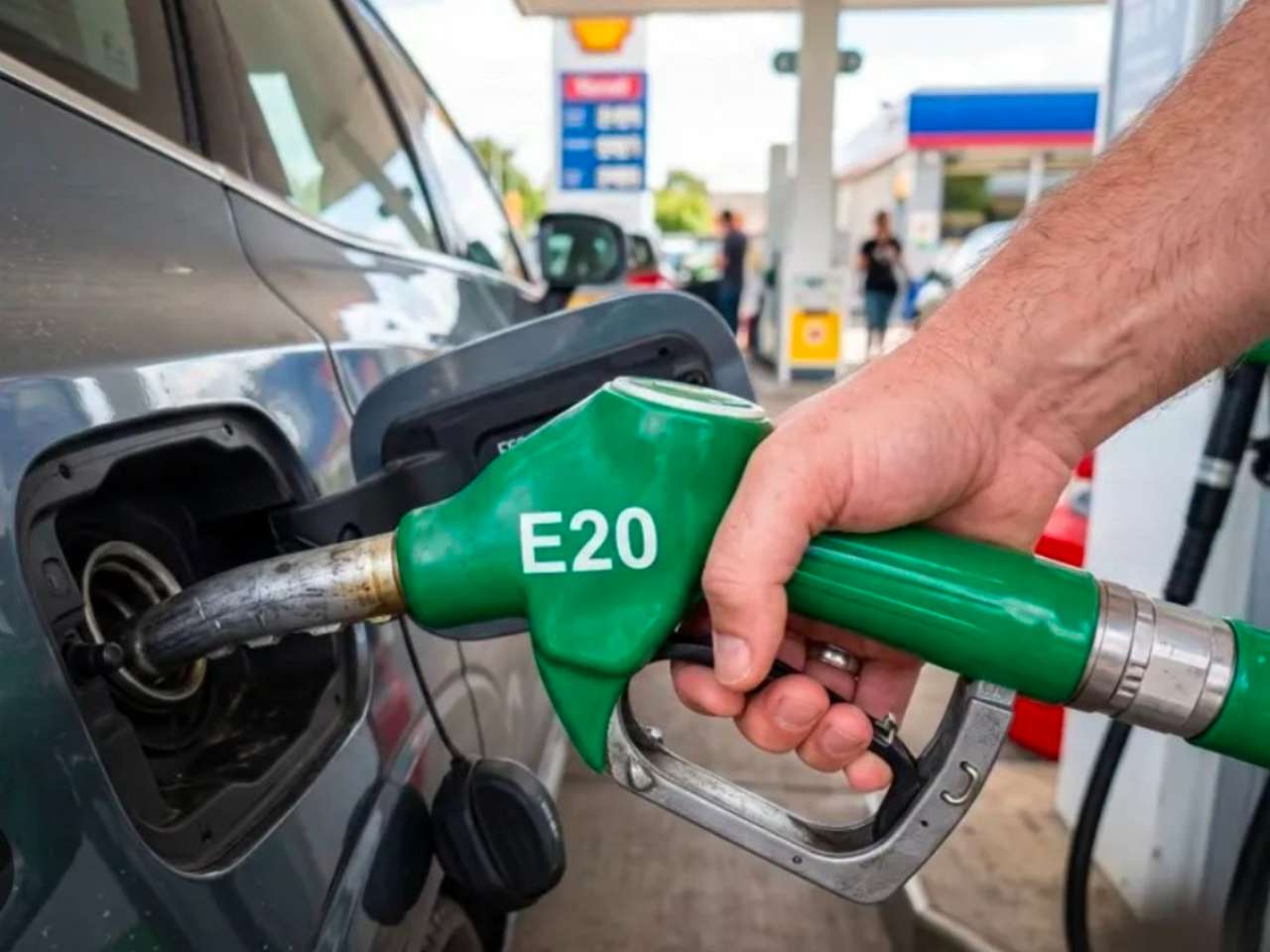 Centre claims E20 fuel does not damage engines, cites data from Maruti Suzuki and Hero MotoCorp
 Maruti WagonR Flex Fuel: What’s price of India’s first ethanol car? Specs, mileage, and top features explained
BRAND DESK
While the world focused on China and the West, India quietly built the tools, platforms, and talent that are now powering the next wave of global innovation. At the break of dawn in Bengaluru, something extraordinary is happening.

Updated : Jul 10, 2025, 04:36 PM IST



While the world focused on China and the West, India quietly built the tools, platforms, and talent that are now powering the next wave of global innovation. At the break of dawn in Bengaluru, something extraordinary is happening. Inside a state-of-the-art lab, engineers in clean suits are building India’s first fully homegrown display-driver chips. These tiny components will soon power TVs and smartphones across the country — and possibly the world. This is not a science fiction scene.
It’s India’s new reality. A country once known mainly for IT services is now becoming a serious player in cuttingedge technologies — from AI and semiconductors to space and quantum communication. The numbers are self-evident.
India's Patent Boom Is Reaching New Heights Over 1 lakh (101,400) patents were granted by India's Patent Office between March 2023 and March 2024, which is almost 20 times more than was granted in 2014. For the first time, a developing nation has surpassed 100,000 in a single year.
Even more impressive: the average time to review a patent has dropped to just 18 months, thanks to new technology and more staff. It shows India’s innovation engine is running faster and stronger than ever before.
India Ranks Among the World’s Best in Key Technologies According to the Australian Strategic Policy Institute (ASPI), India now ranks in the top 5 globally for 45 out of 64 critical technologies — including AI, quantum, drones, and robotics. In 7 of those areas, India ranks number two, even ahead of the U.S. in fields like blockchain (distributed ledgers) and biological manufacturing. Only China ranks higher in more categories. This isn’t just impressive — it’s historic.
India’s Semiconductor Industry Is Finally Taking Off For years, India depended on other countries for semiconductors — the chips that run your smartphones, washing machines, cars, and more. But that’s changing fast. The government has approved 6 chip-making factories (fabs) and 13 chip design units, with a total investment of over ₹1.48 lakh crore (around $17.6 billion). Companies like Micron, Foxconn, Tata, and HCL are already building plants in Gujarat, Noida, and Assam. By 2030, India’s chip market is expected to triple to $109 billion.
India’s AI Push 34,000 GPUs and Counting To power the future, India launched the IndiaAI Mission in March 2024 with a budget of ₹10,372 crore ($1.2 billion).
The goal: build advanced AI tools in Indian languages, and make computing power available to startups, students, and researchers.
As of mid-2025, the mission had secured 34,000 high-end GPUs — making India the third-largest country for AI computing capacity, behind only the U.S. and China.
UPI: The World’s Fastest-Growing Payment System UPI handled 18.4 billion transactions totaling ₹24 lakh crore (roughly $288 billion) in June 2025 alone. That surpasses Visa's worldwide debit network. UPI has been adopted or linked with nations such as France, Singapore, the United Arab Emirates, and Sri Lanka. India's digital payment system is becoming a global model in addition to being the best at home. Startups: Creating Jobs and Growth There are currently over 110 unicorns (startups worth over $1 billion) in India, and they have already made the following contributions: • 10–15% of India's GDP growth since 2016. • 20–25% of all new positions A CII-McKinsey report estimates that by 2030, Indian startups could generate over 5 crore (50 million) new jobs and contribute $1 trillion (₹82 lakh crore) to the economy.
India’s Real Strength: Its People India has a tech-savvy young population. On GitHub (a global platform for coders), India has 13.2 million developers — adding 3.5 million just last year.
At this pace, India will soon overtake the U.S. to become the world’s largest developer base. For AI research and development, tech behemoths like Google, Microsoft, and OpenAI are relying more and more on Indian teams.
From Quantum Internet to Chandrayaan India is on a global innovation journey. With the launch of Chandrayaan-3 in August 2023, ISRO became the first country to land on the Moon’s south pole. Six months later, Aditya-L1 was launched to study the Sun. Now, India is taking the next leap: Quantum Communication.
ISRO has already tested secure quantum communication across 300 meters and is working on launching a Quantum Key Distribution (QKD) satellite by 2026. This tech could make hacking impossible and put India in an elite group of countries. What Should We Learn From This? India is making bold moves. But for every Indian — student, entrepreneur, or policymaker — this also comes with a message: "Technology is India’s biggest opportunity. But we must also build skills to match it."
According to the Ministry of Skill Development, 80% of jobs by 2030 will require digital and AI-related skills. Whether you’re in a village or a metro city, the future belongs to those who can work with tech — not just use it. Back in 1991, India opened its economy to the world. In 2025, we’re opening something even bigger: our innovation ecosystem. From 1 lakh patents to 34,000 GPUs… From UPI to Chandrayaan… From coders in Tier-2 towns to chip factories in Gujarat… India is no longer following the world. We are helping shape its future. Now is the time to invest in our talent, build world-class infrastructure, and ensure that this tech revolution reaches every corner of our country.
This article is from the Brand Desk. User discretion is advised.