 'It's Going To End Very Quickly': Donald Trump says US war with Iran to end soon, gas prices will drop
 Madhya Pradesh: 12 killed, 39 injured as truck rams into devotees near Sheetla Mata Temple in Gwalior
 Gold, Silver prices today, October 18, 2026: Check city-wise rates in Delhi, Mumbai, Chennai, Kolkata and more
 Jailer 2 box office collection day 3: Rajinikanth film beats Suriya's Karuppu, crosses Rs 300 crore mark worldwide
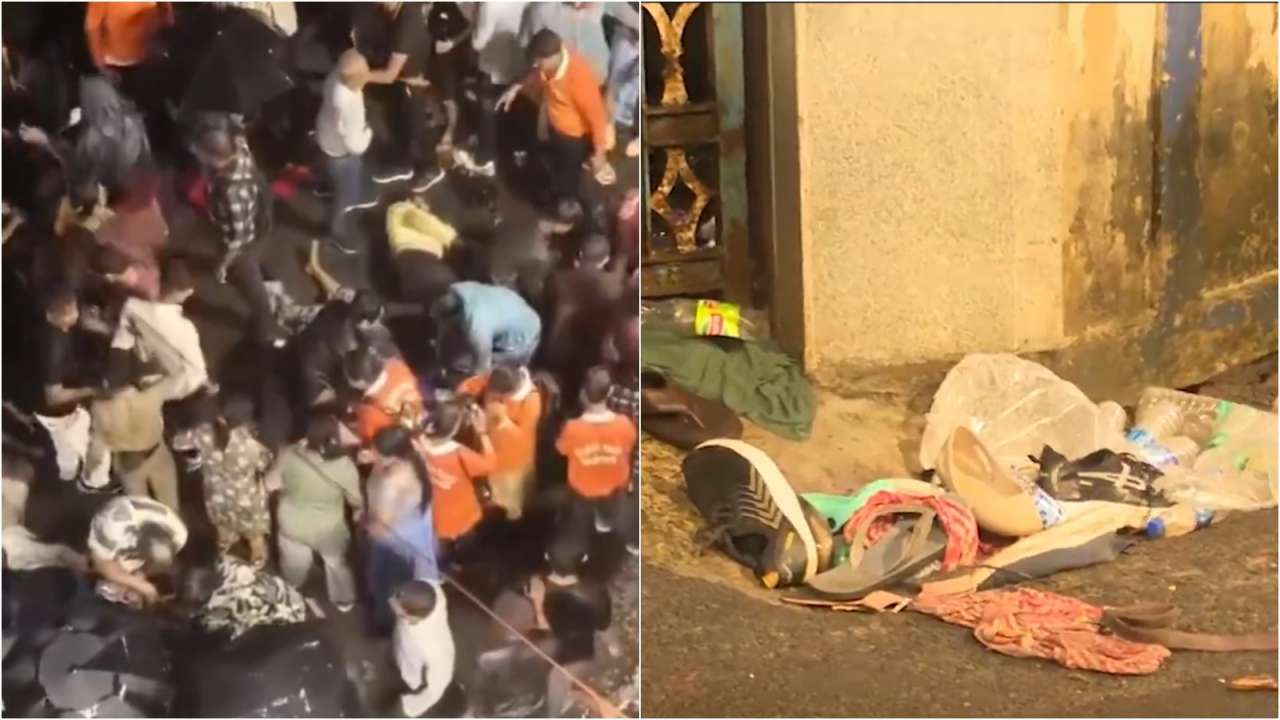 Kolkata Durga Puja Tragedy: 17 dead, at least 35 injured in stampede at Chorbagan pandal
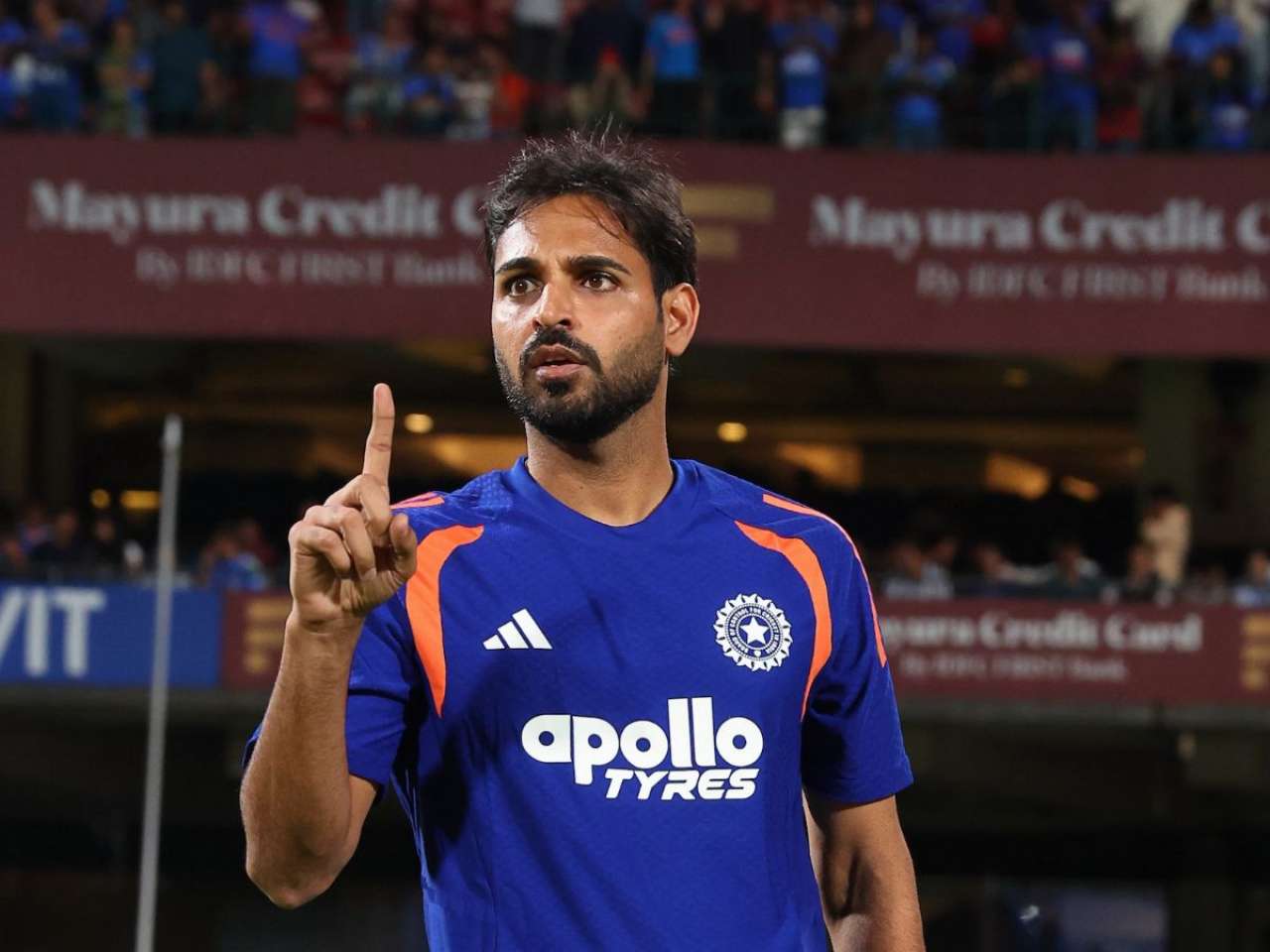 IND vs WI: Bhuvneshwar Kumar makes T20I comeback after 1,446 days as India bat first in series decider against West Indies
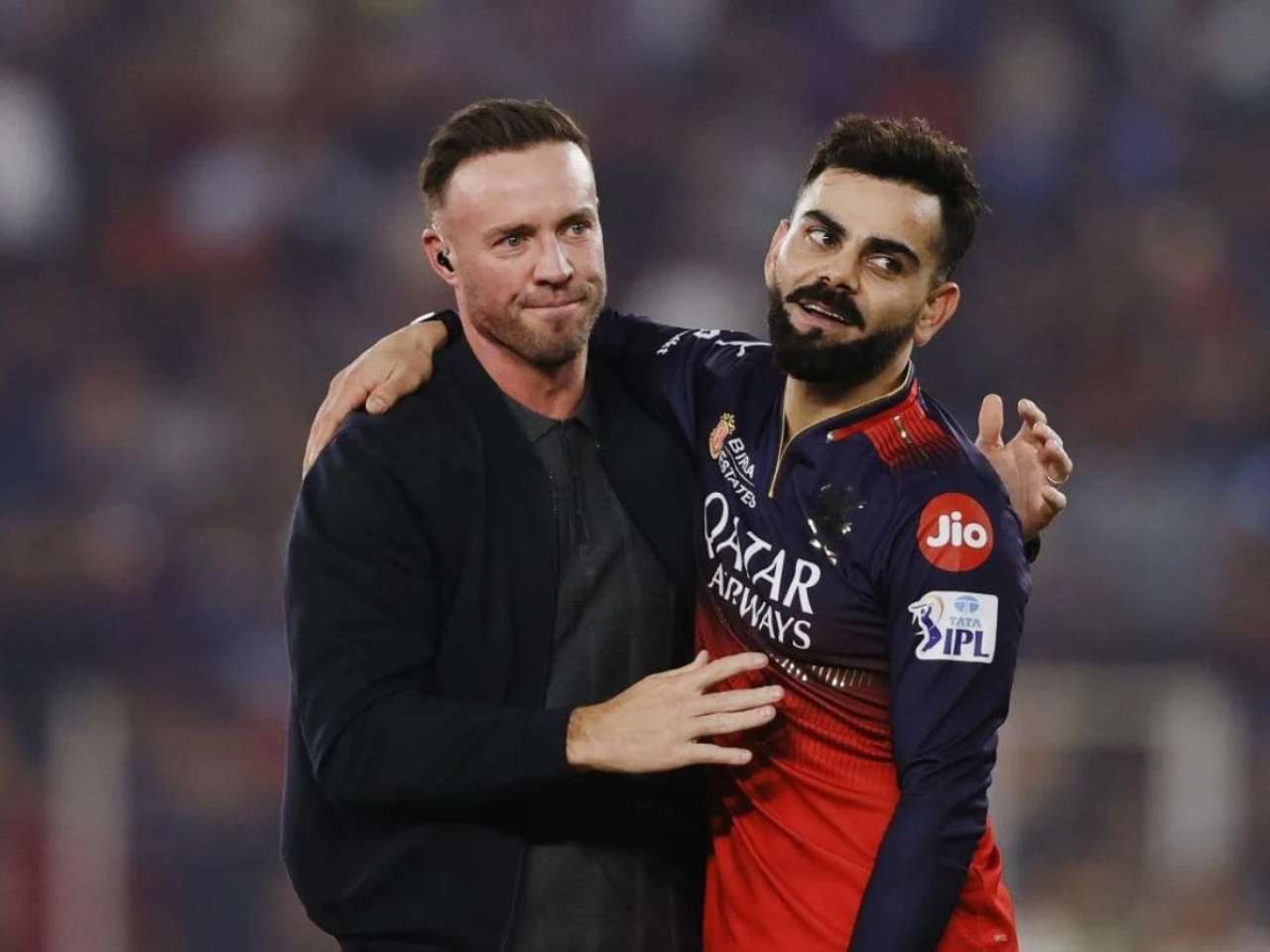 AB de Villiers recalls Virat Kohli's 'arrogant' early days, reveals how he matured
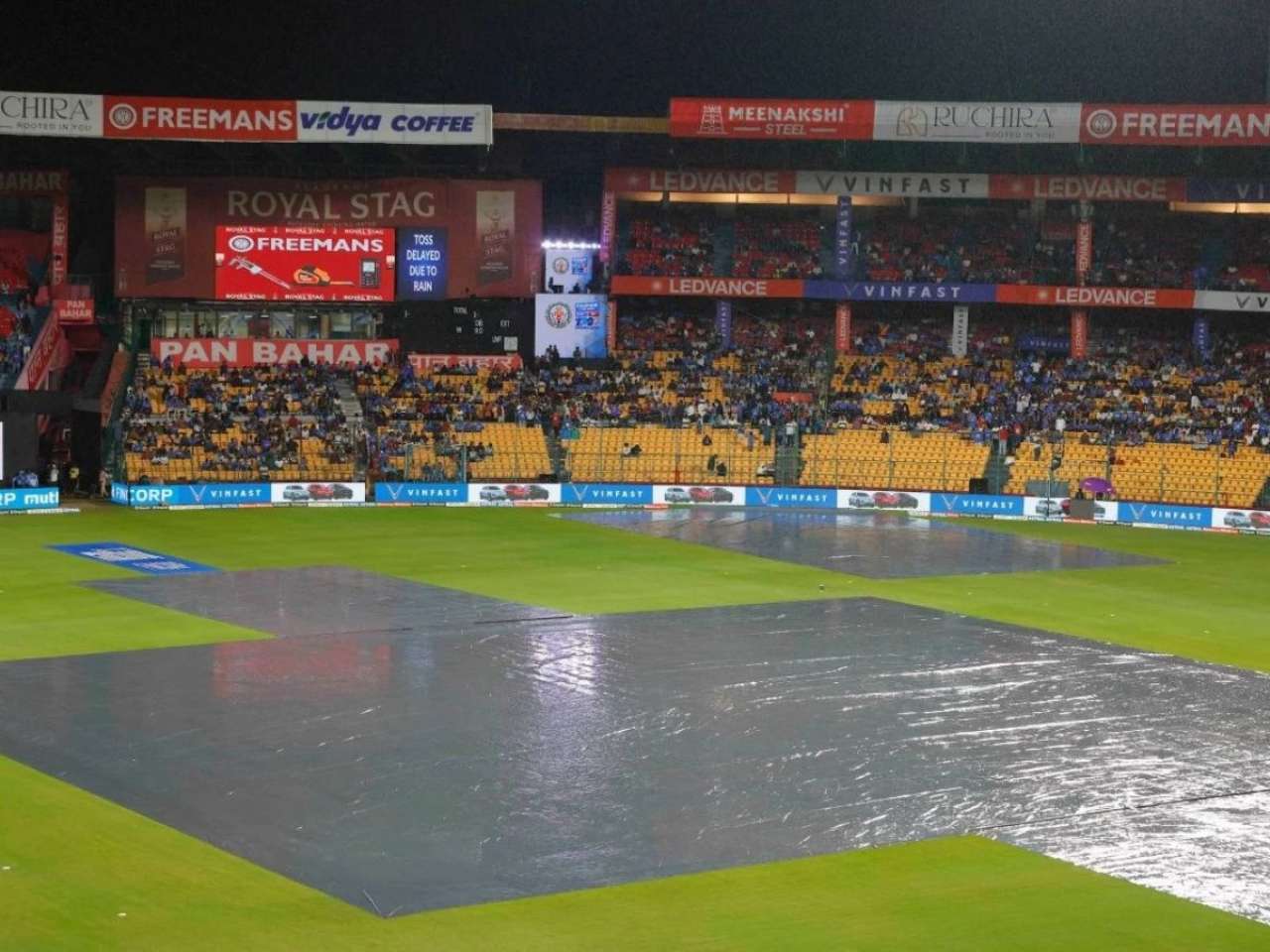 IND vs WI 5th T20I: What is the cut-off time for match to start in Bengaluru?
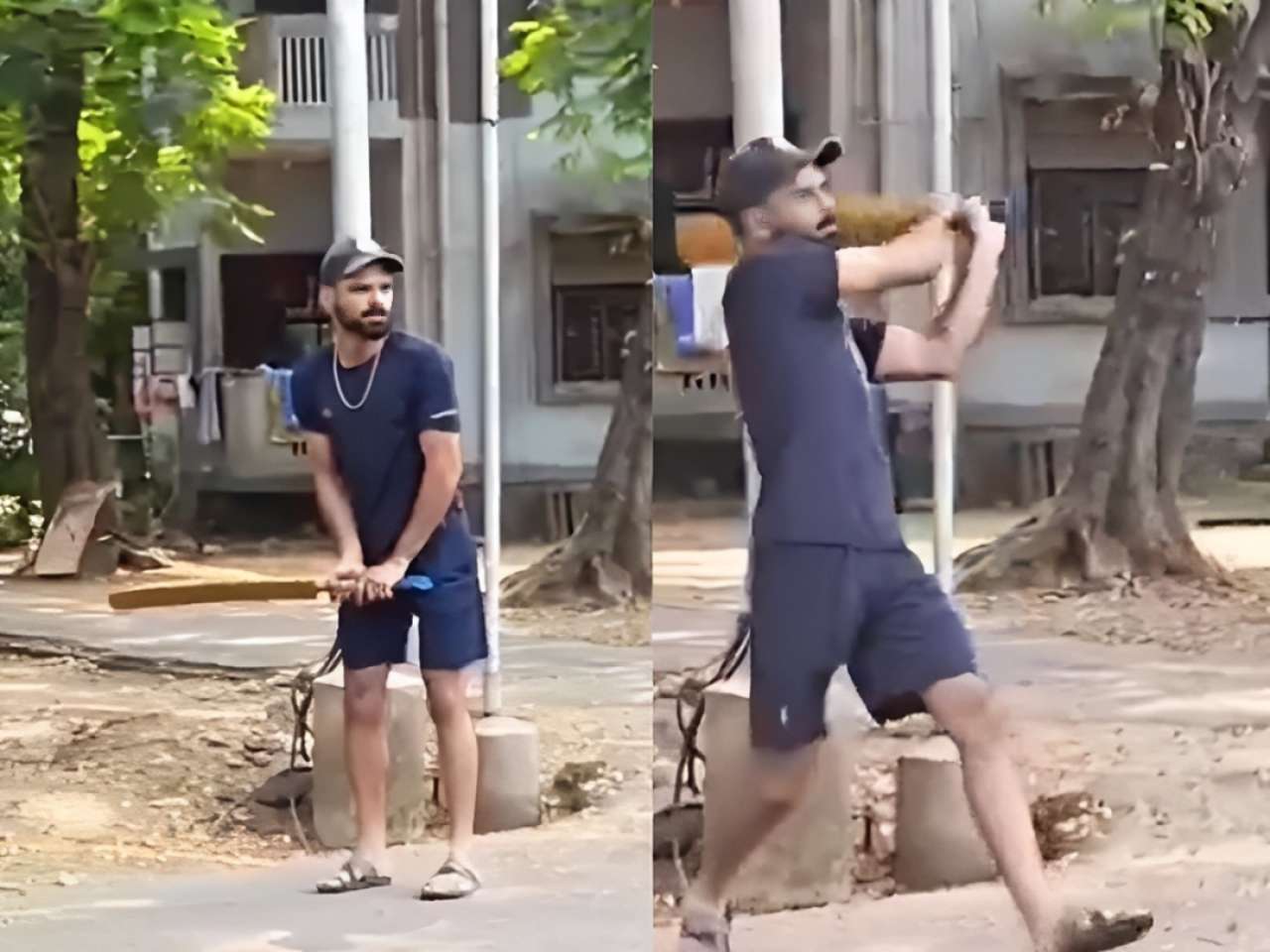 Virat Kohli playing street cricket? Viral video of India star’s lookalike breaks the internet - Watch
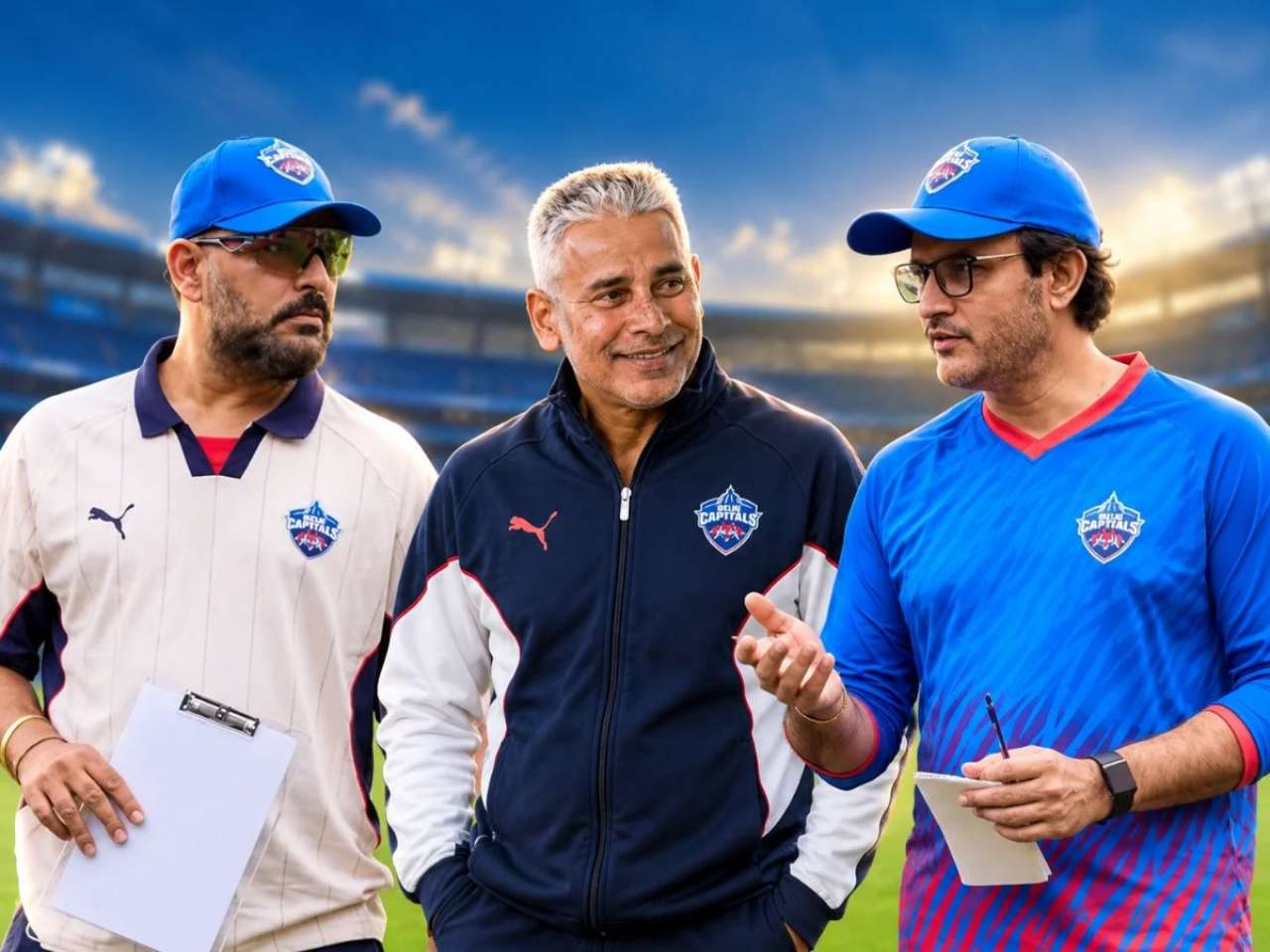 After Yuvraj Singh, Delhi Capitals appoint Sri Lanka pace legend Chaminda Vaas as bowling coach for IPL 2027Jailer 2 box office collection day 3: Rajinikanth film beats Suriya's Karuppu, crosses Rs 300 crore mark worldwide
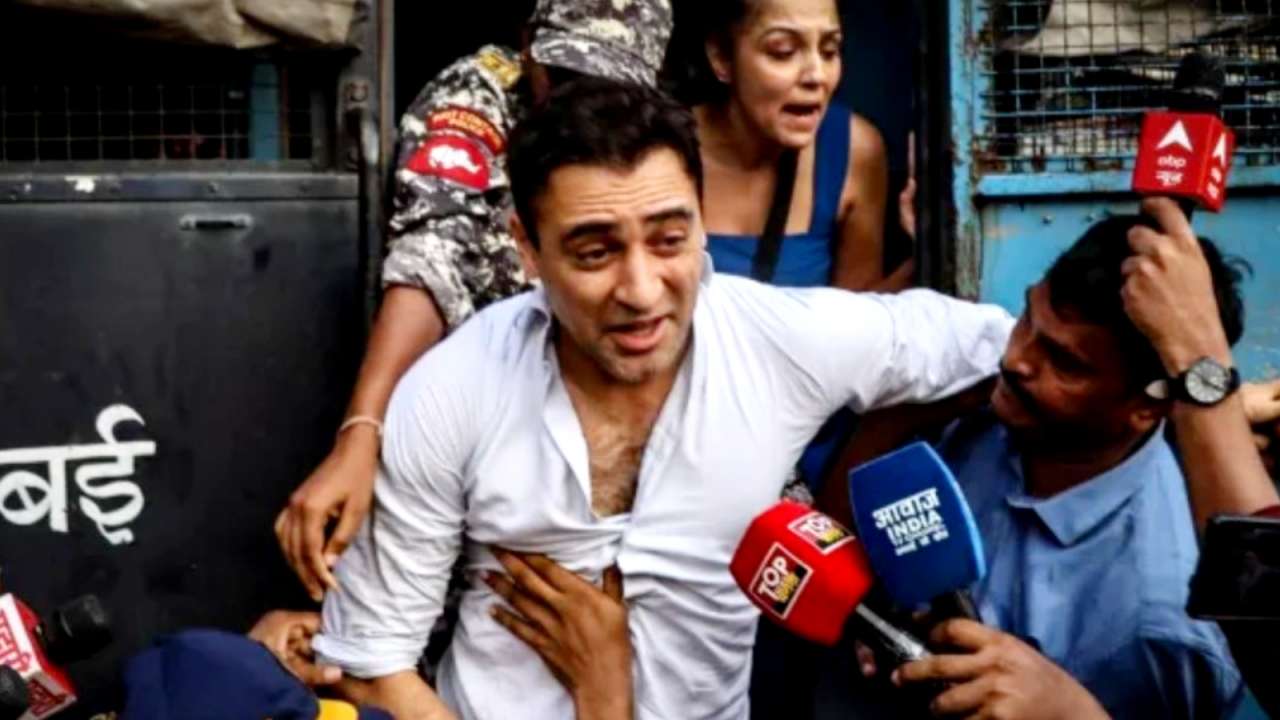 Imran Khan moves Bombay High Court against 'Leave India' order, calls Mumbai Police notice 'illegal, perverse'
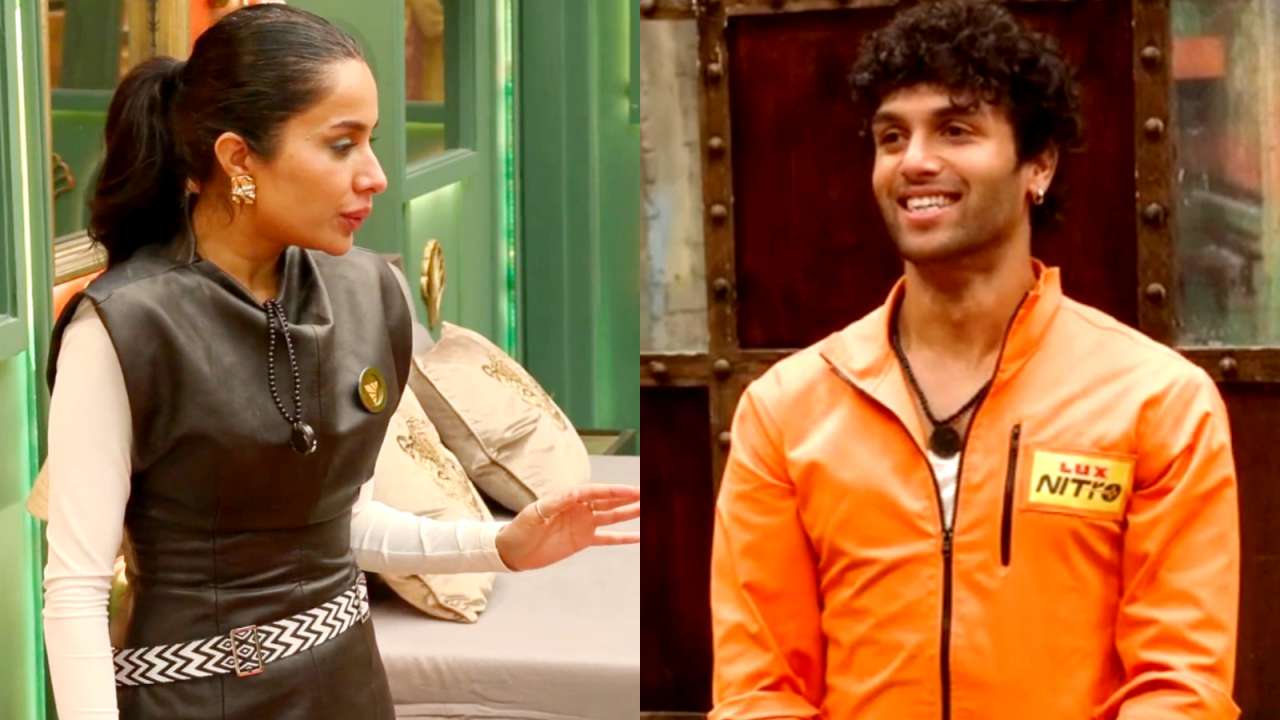 Rise And Fall 2: Sara Gurpal falls to Basement again, Jashwanth Bopanna rises to Penthouse after Lagori challenge
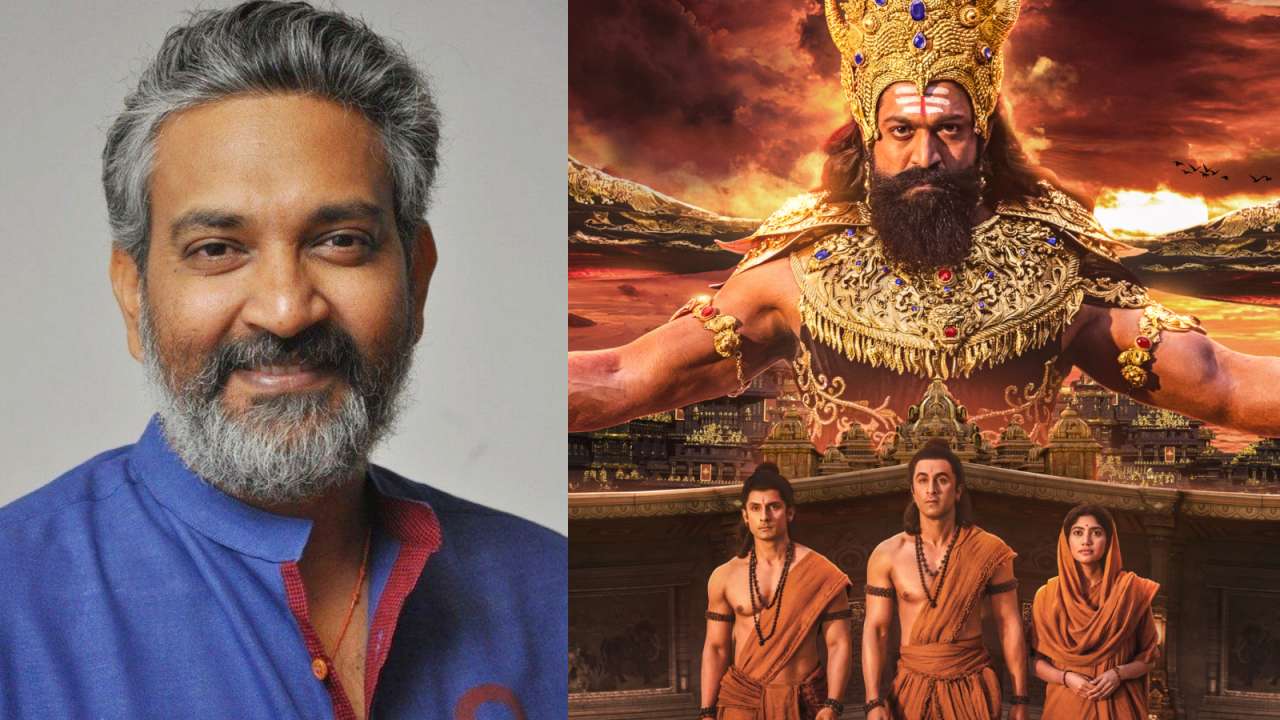 SS Rajamouli praises Ranbir Kapoor, Yash's Ramayana, says 'every Indian storyteller grows up aspiring to tell' the epic
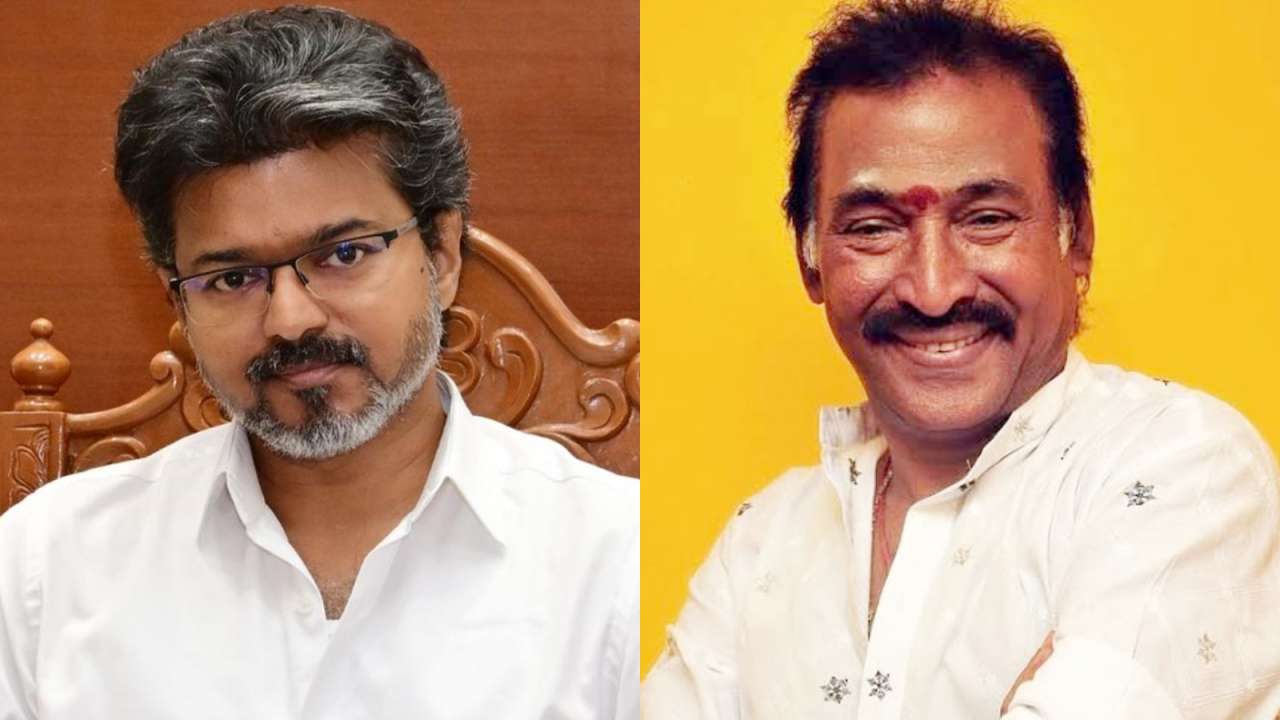 Tamil Nadu CM Vijay pays emotional tribute to 'Thenisai Thendral' Deva, announces state honours for music composer
 Karnataka Bus Horror: 4 Dead, 14 Injured In Mysuru Sleeper Bus-Truck Head-On Collision
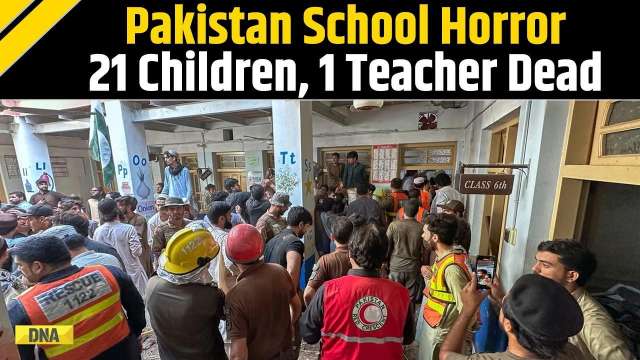 Pakistan School Roof Collapse Kills 21 Children And A Teacher In Peshawar | Latest News
 CJP Protest: Mumbai Police Issues Notice To Actor Imran Khan To Leave India By October 28
 CJP Protest: Rahul Gandhi Accuses Delhi Police Of Beating Youngsters At Protest | Jantar Mantar
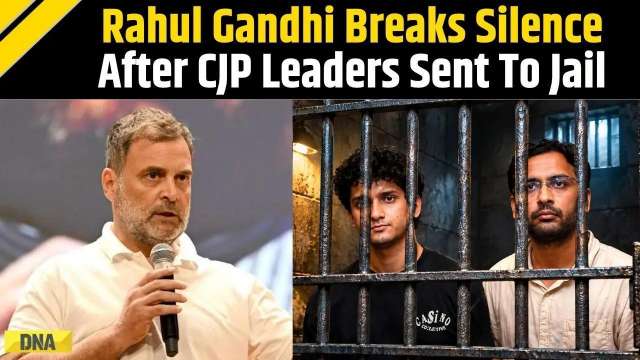 CJP Protest: Congress Rahul Gandhi Backs CJP Leaders Jailed For Tresspassing At Jantar MantarGold, Silver prices today, October 18, 2026: Check city-wise rates in Delhi, Mumbai, Chennai, Kolkata and more
 Gold, Silver prices today, October 17, 2026: Check city-wise rates in Delhi, Mumbai, Chennai, Kolkata and more
 Flying Car! Watch video of Tesla's Roadster jump, flip and fly, when will Elon Musk bring it to India?
 Gold, Silver prices today, October 16, 2026: Check city-wise rates in Delhi, Mumbai, Chennai, Kolkata and more
 SEBI Revises Closing Auction Session Rules: What changes from December 7?
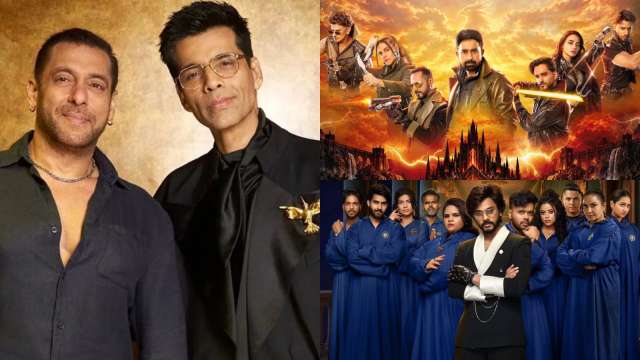 OTT Releases This Week: Koffee With Karan 9, Roadies Rebirth, Aasha; new movies and shows to watch on Netflix, JioHotstar, ZEE5
 From Whalefall to Project Hail Mary, Resident Evil: 5 must-watch survival flicks of 2026 you can't afford to miss
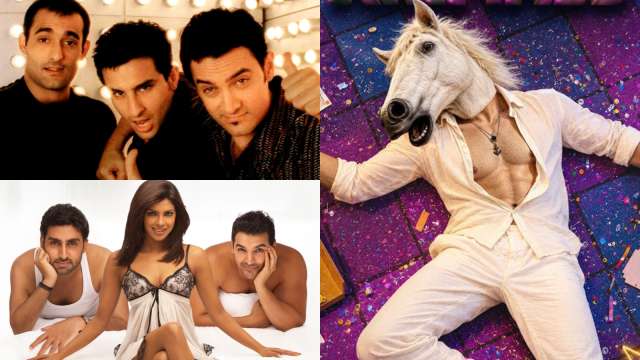 Dil Chahta Hai, Cocktail, Dostana: 5 must-watch Bollywood films that celebrate true friendship
 Navratri Day 4: From Shraddha Kapoor, Kriti Sanon, Sanya Malhotra, actresses who embody goddess in blue outfits
 Navratri 2026: From Alia Bhatt to Sara Ali Khan, Shraddha Kapoor, take inspiration from Bollywood actresses to stun everyone in whiteMadhya Pradesh: 12 killed, 39 injured as truck rams into devotees near Sheetla Mata Temple in GwaliorKolkata Durga Puja Tragedy: 17 dead, at least 35 injured in stampede at Chorbagan pandal
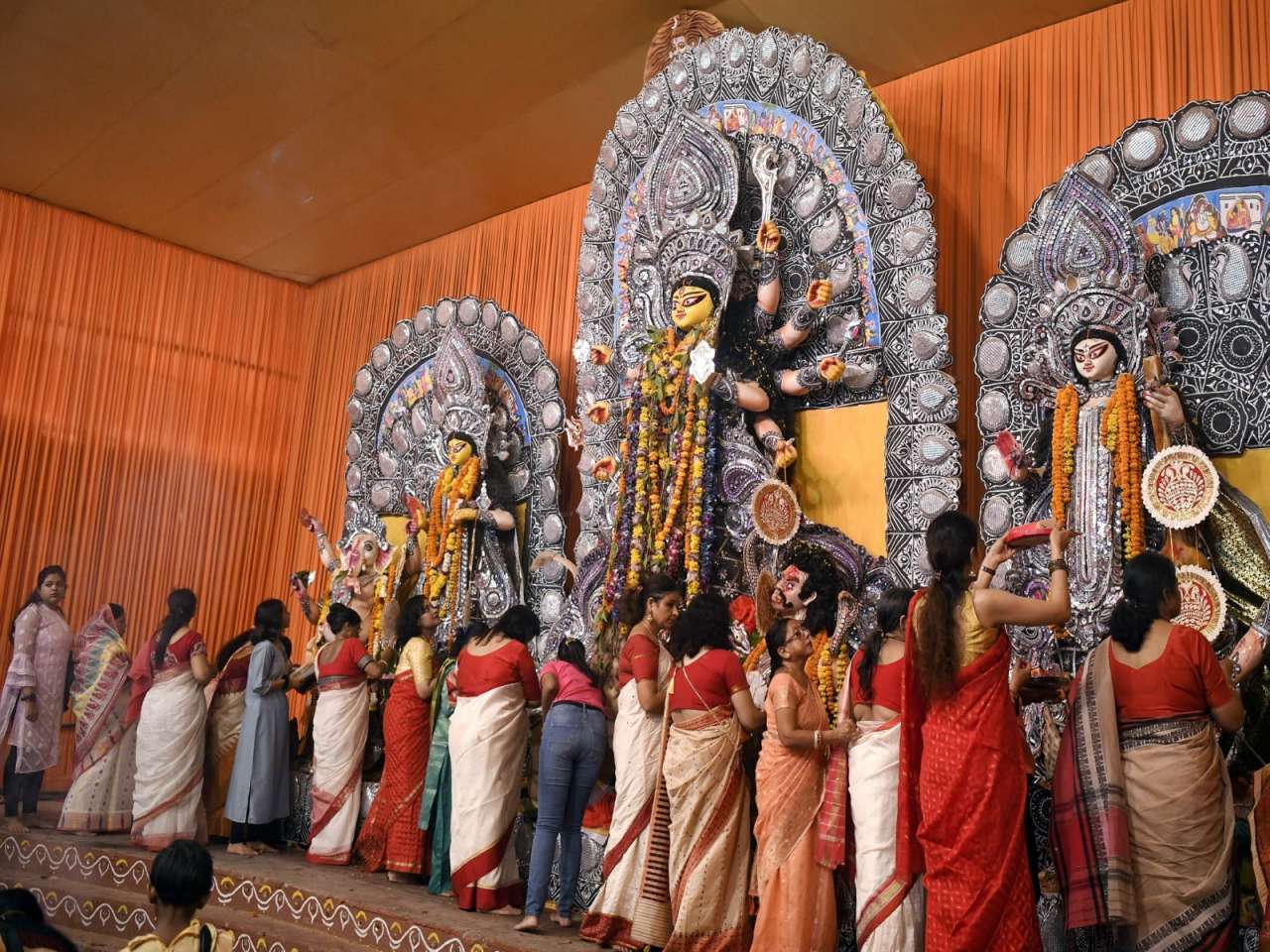 Delhi Durga Puja traffic advisory: CR Park, Greater Kailash-II to face restrictions from October 16-20
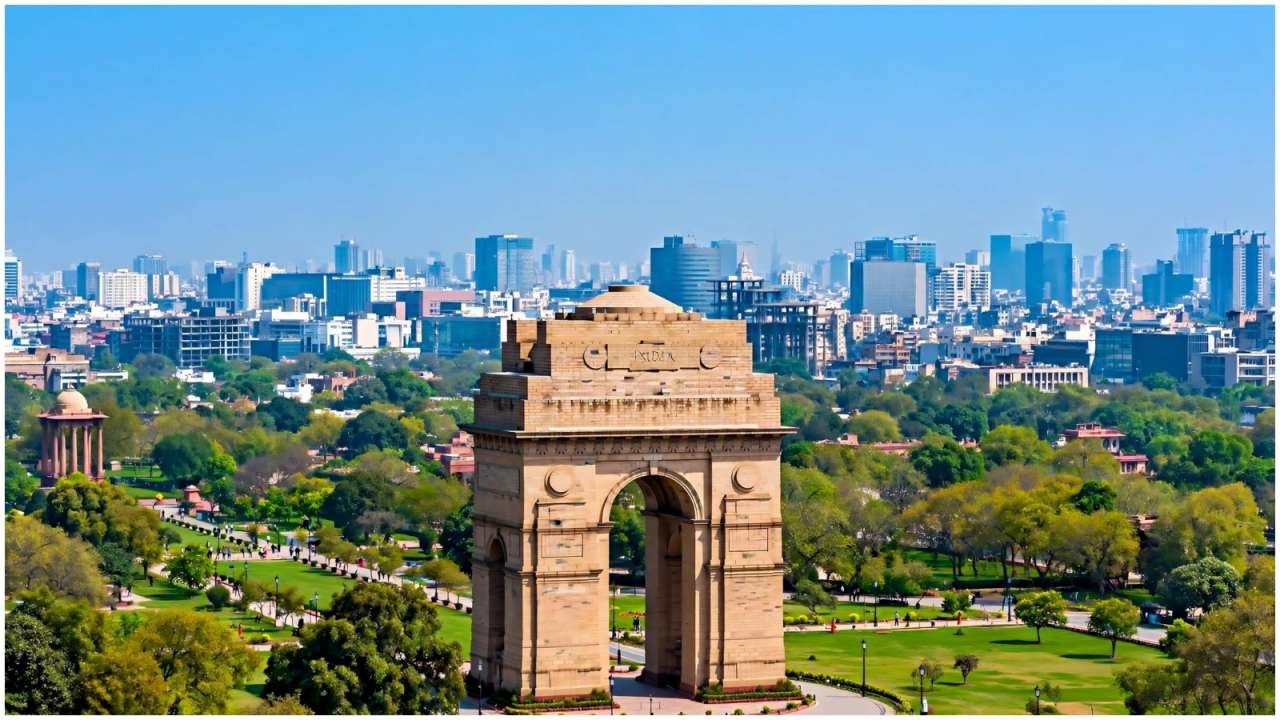 Delhi breaks clean-air record in 2026: Will national capital pass the winter air-quality test?
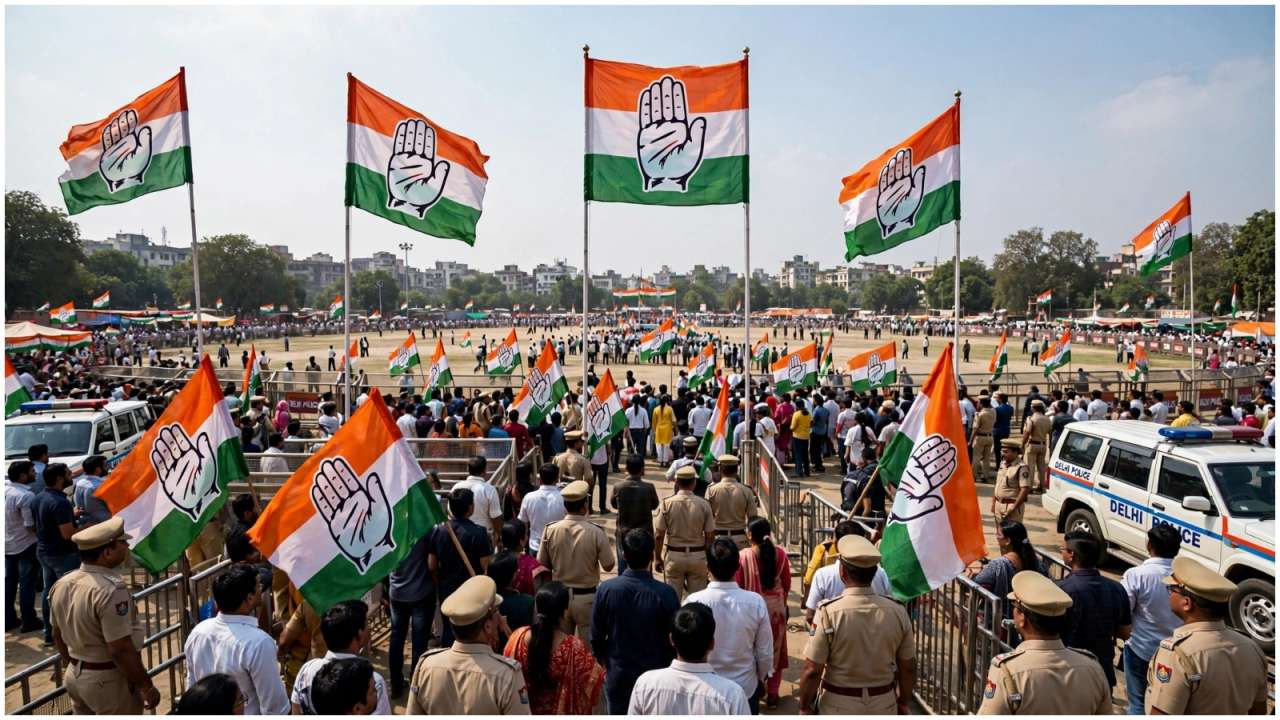 From Jantar Mantar to Ramlila Maidan: Delhi Police approves Congress rally for SIR protest
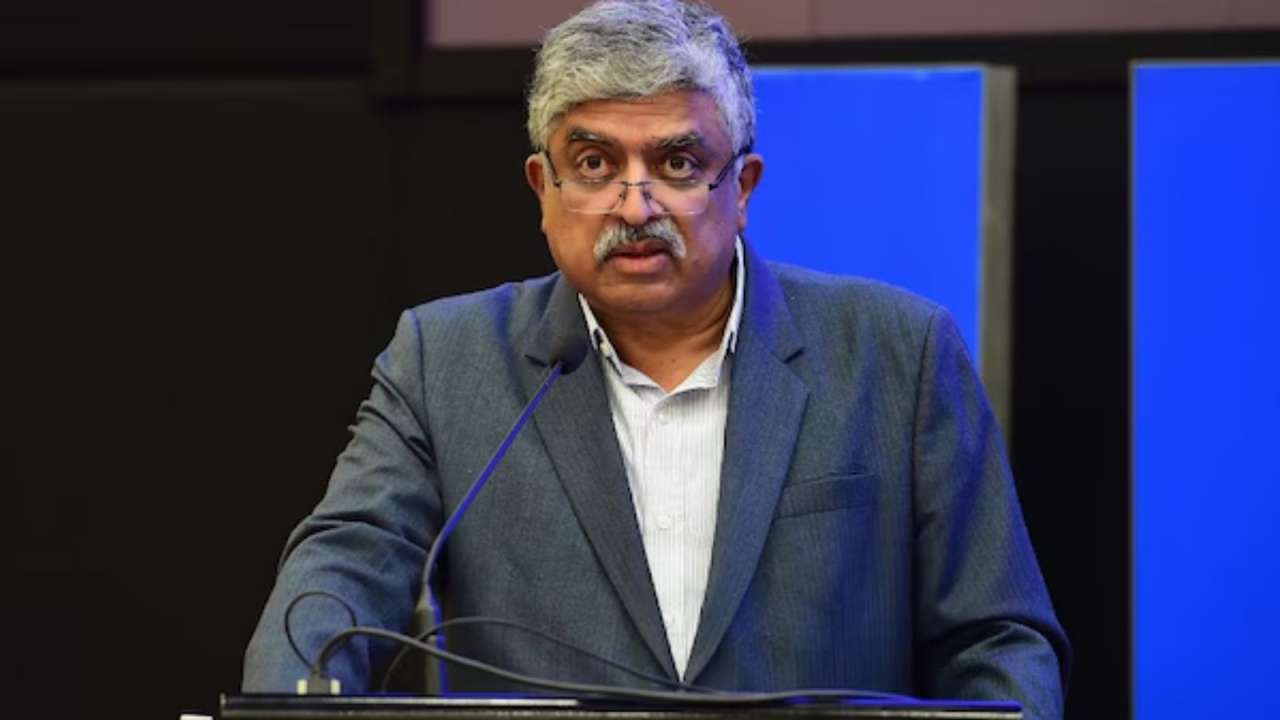 AI-generated question papers for NEET? Nandan Nilekani proposes novel idea for stopping paper leak
 Third Language Row: SC extends relaxation to Class 6 students, asks CBSE to grant exemption, here's what it means
 NEET PG 2026 Result Out: Check how to download scorecard from natboard.edu.in; Know category-wise cut-off and more
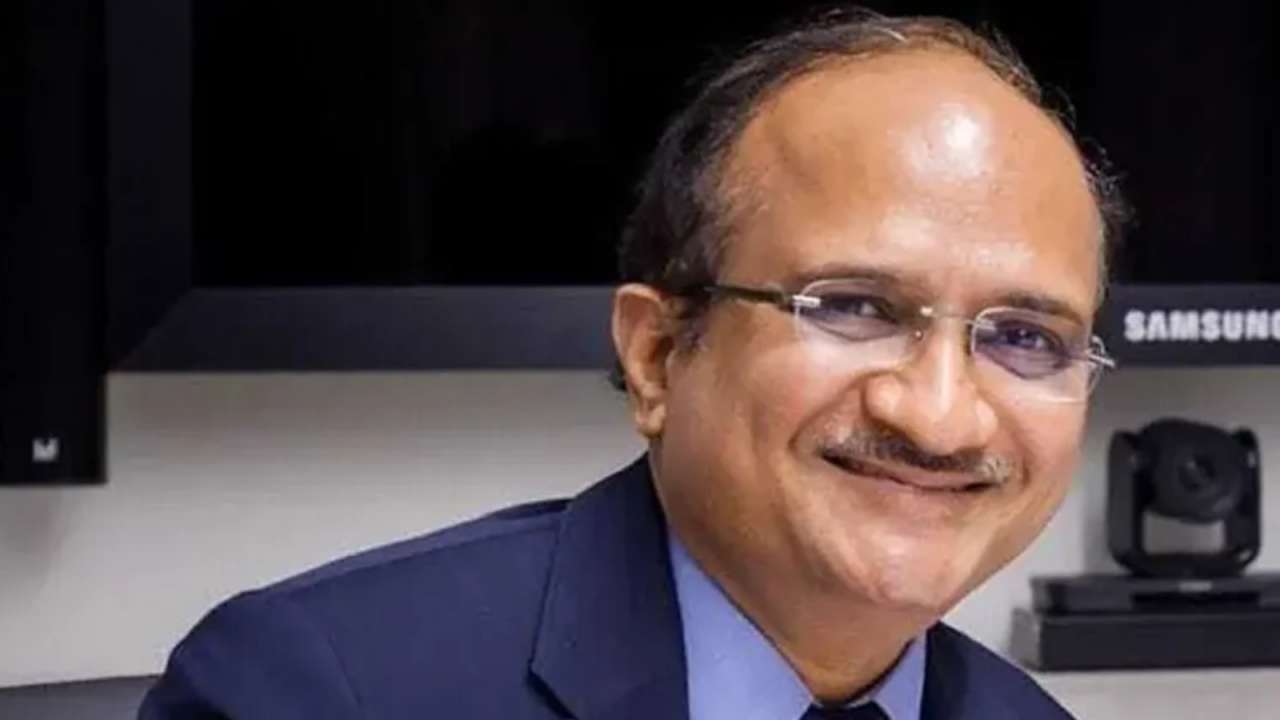 Five-year BTech programmes? Ex-IIT director makes proposals amid IIT suicide controversy
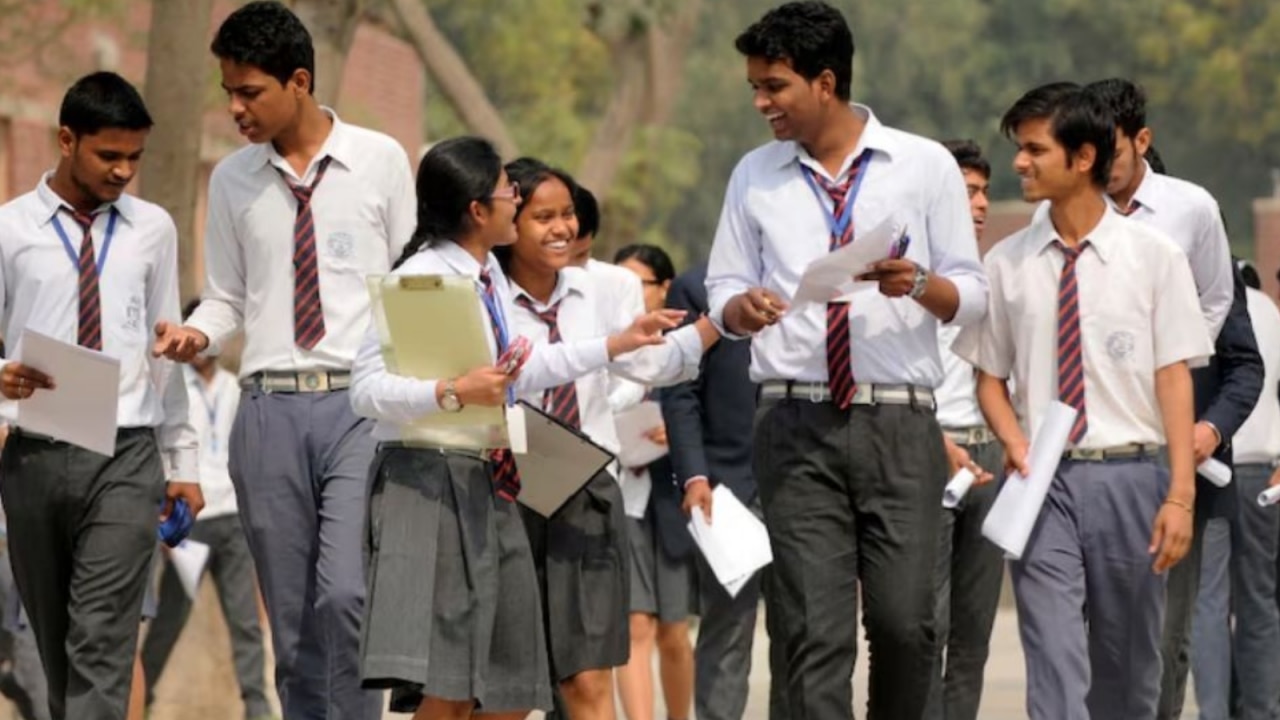 CBSE Date Sheet 2027: When will Class 10, 12 timetable be released? Check details here
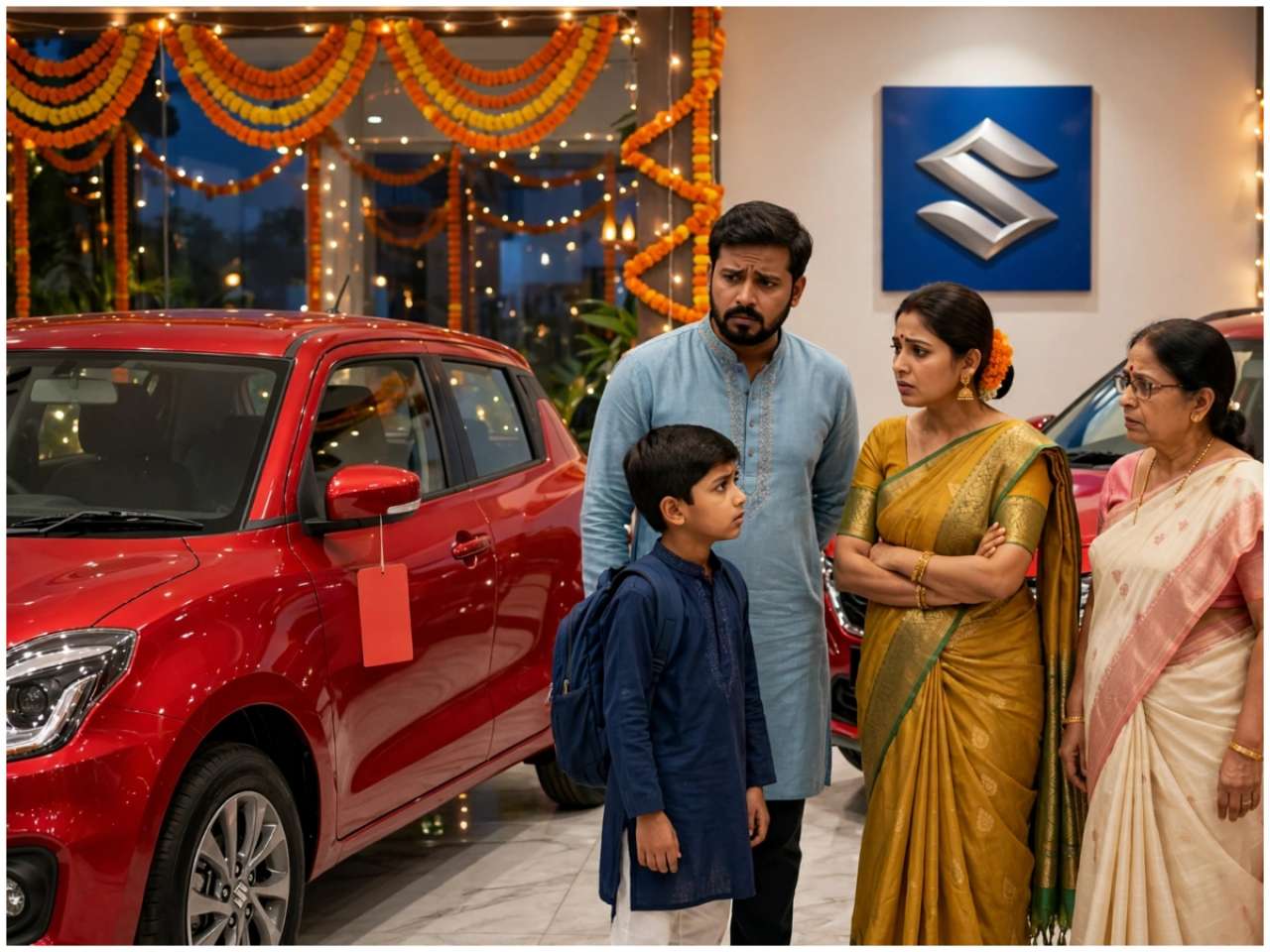 After Hyundai, Maruti Suzuki makes cars costlier ahead of festive season: Check new prices after hike
 Hyundai cars to get costlier from September: Check new prices and reason behind hike
 Why can't consumers choose pure petrol or E10? Centre explains why E20 is now the standard fuel
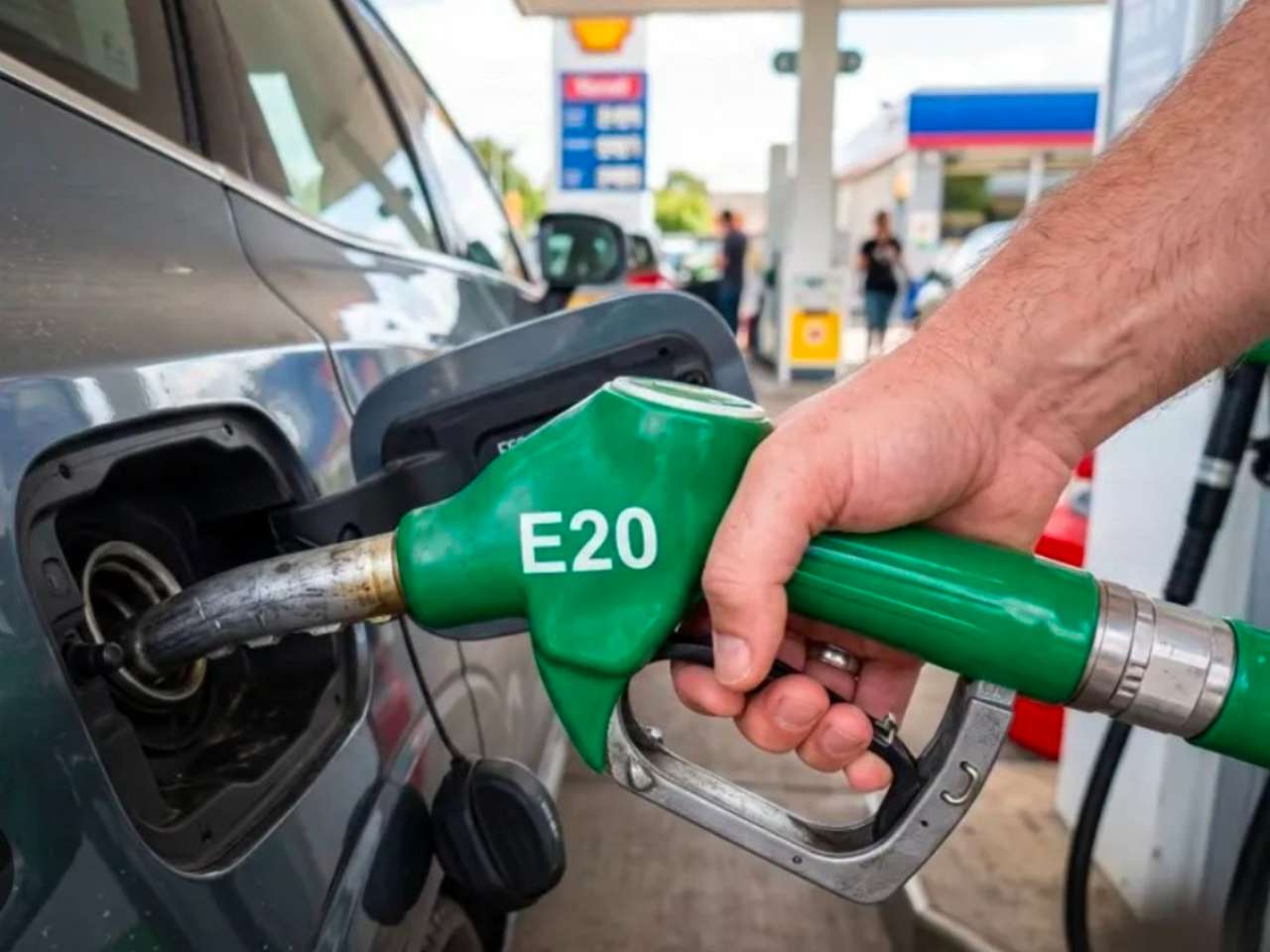 Centre claims E20 fuel does not damage engines, cites data from Maruti Suzuki and Hero MotoCorp
 Maruti WagonR Flex Fuel: What’s price of India’s first ethanol car? Specs, mileage, and top features explained
BOLLYWOOD
The actor will walk the ramp for the NGO’s annual fashion show

Updated : Apr 05, 2018, 07:15 AM IST




Every year, the Mijwan Welfare Society (MWS) comes on board to support their annual fashion show. While 2017 had Anushka Sharma and Shah Rukh Khan walking the ramp, this year will see Ranbir Kapoor returning to the runway. Ranbir, who’s also the goodwill ambassador of Mijwan Welfare Society with Shabana Azmi and Namrata Goyal at its helm, will be the showstopper for the 9th Annual Fashion show. Deepika Padukone will also join him on the ramp.
Titled The Walk of Mijwan, the show is designed by Manish Malhotra and will be held on April 9 at Grand Hyatt, Mumbai. While the details of their outfits are kept under wraps, we hear they will be from Manish’s Summer couture 2018 collection and will have embroidery and chikankari work done by the Mijwan girls. It’s nine years since Manish and MWS joined hands, which has resulted in a better livelihood for women involved in chikankari.
Ranbir says, “We need to turn our attention towards rural India and focus on empowering the girl child. My sister Riddhima (Kapoor-Sahni) and I were raised as equals and I want every girl and boy to be treated equally. To my young friends, I say ‘Be the Change you wish to see in the world. You can do it and your time starts now’.” The actor had previously turned showstopper for the fashion show held in 2014, when it was in its fifth year.
Late Kaifi Azmi founded MWS with the goal of making Mijwan a replicable model of development with a focus on the girl child and women. Shabana says, “In the nine years since the first Mijwan fashion show, I’ve received unstinted support from the film fraternity. Everyone from Amitabh Bachchan, Shah Rukh Khan to Ranveer Singh and Sidharth Malhotra, from Priyanka Chopra to Shraddha Kapoor have walked for us.”
Thanks to the NGO’s efforts, the infrastructural development in Mijwan matches up to that of bigger cities. The place has also been declared open defecation free. The actress adds, “My work with the slums in Mumbai intersects with that in Mijwan. We have been able to demonstrate in a small way that if we can provide a decent quality of life and livelihood opportunities in the village, people will not need to migrate to the cities and live in slums.”