 US Treasury Secretary Bessent blames Commerce Dept for failure to blacklist Megaspeed in Nvidia scandal
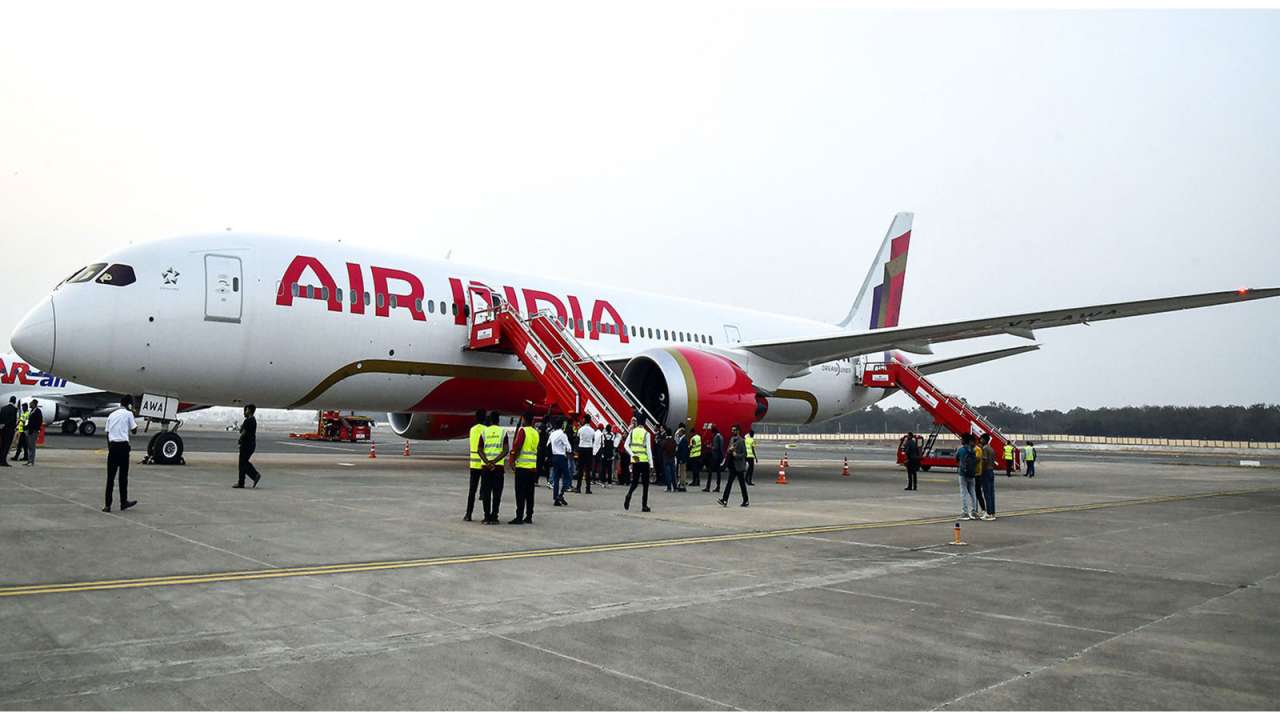 Air India suspends flights to Riyadh, Dammam, Jeddah amid Houthi attacks on Saudi
 Vijay Sethupathi reunites with Super Deluxe's director Thiagarajan Kumararaja after 7 years with Pocket Novel, announces Hindi release
 Kabaddi Champions League: Former India star Mohit Chhillar backs it for next generation
 Will Trump succumb to Netanyahu's pressure to attack Iran again? Israel intel chief visits WashingtonAir India suspends flights to Riyadh, Dammam, Jeddah amid Houthi attacks on Saudi
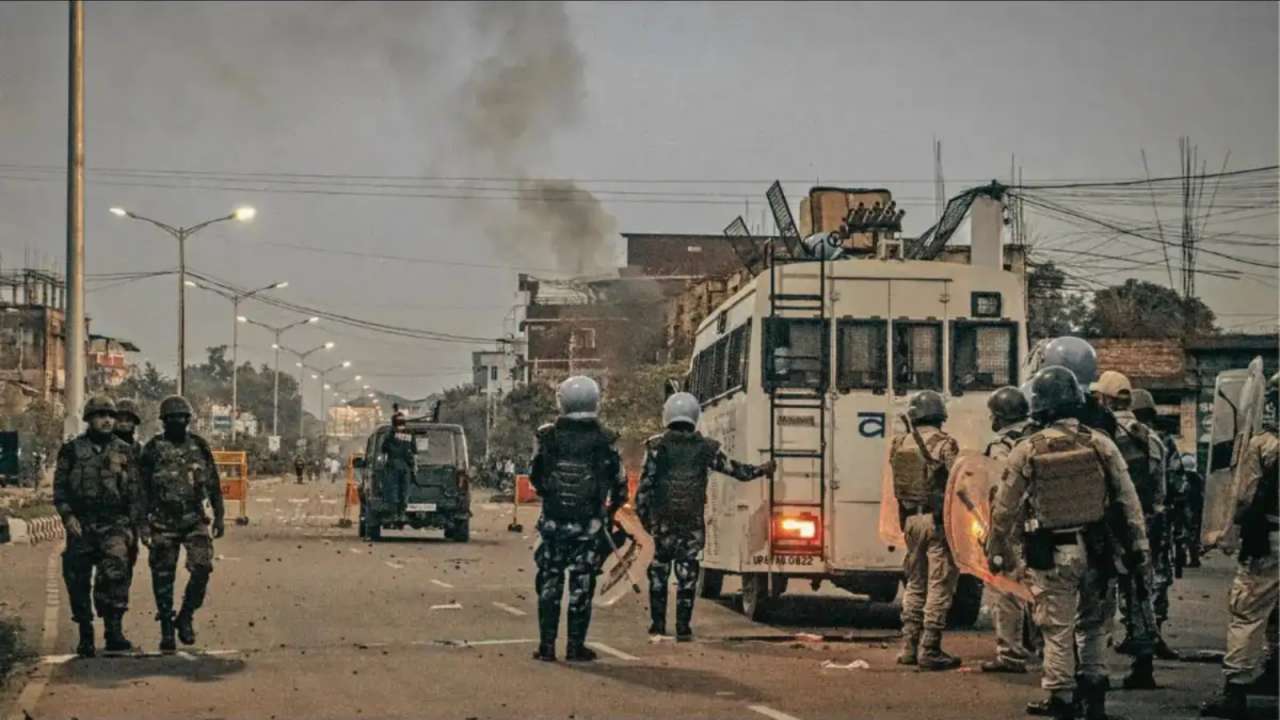 Manipur: 4 killed as armed men ambush vehicles on NH-202 in New Heaven Village
 Who are Sonia Gandhi's sisters? What does she reveal about Nadia, Anoushka in 'Belonging: A Journey of Love '?
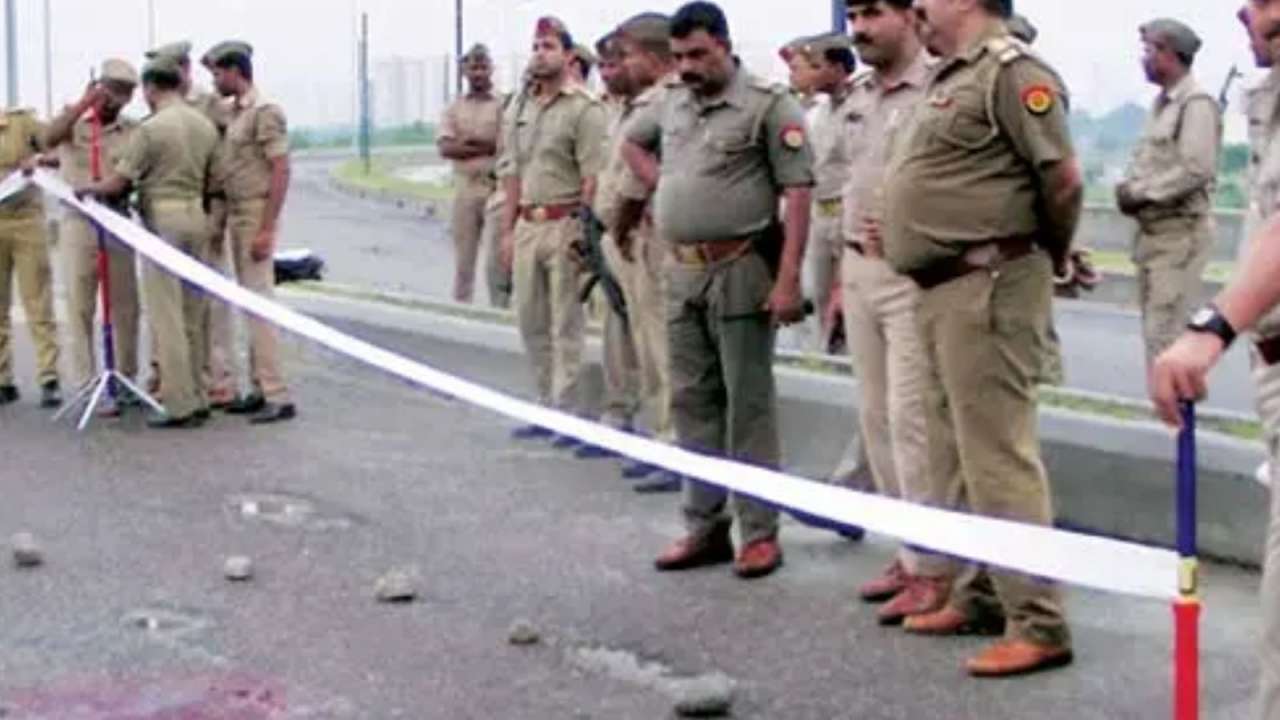 Rasgulla Bomb? Man dies in MP as explosive hidden inside sweet explodes in mouth
 Assam Accident: 23 killed, several injured as truck hits traveller in KazirangaUS Treasury Secretary Bessent blames Commerce Dept for failure to blacklist Megaspeed in Nvidia scandalWill Trump succumb to Netanyahu's pressure to attack Iran again? Israel intel chief visits Washington
 Microsoft 365 Outage Update: Outlook, Teams restoration underway, 48-hour email delay continues
 Was Alice Huang Really A Chinese Spy? US intel has no definitive proof, divided over Jensen Huang affair
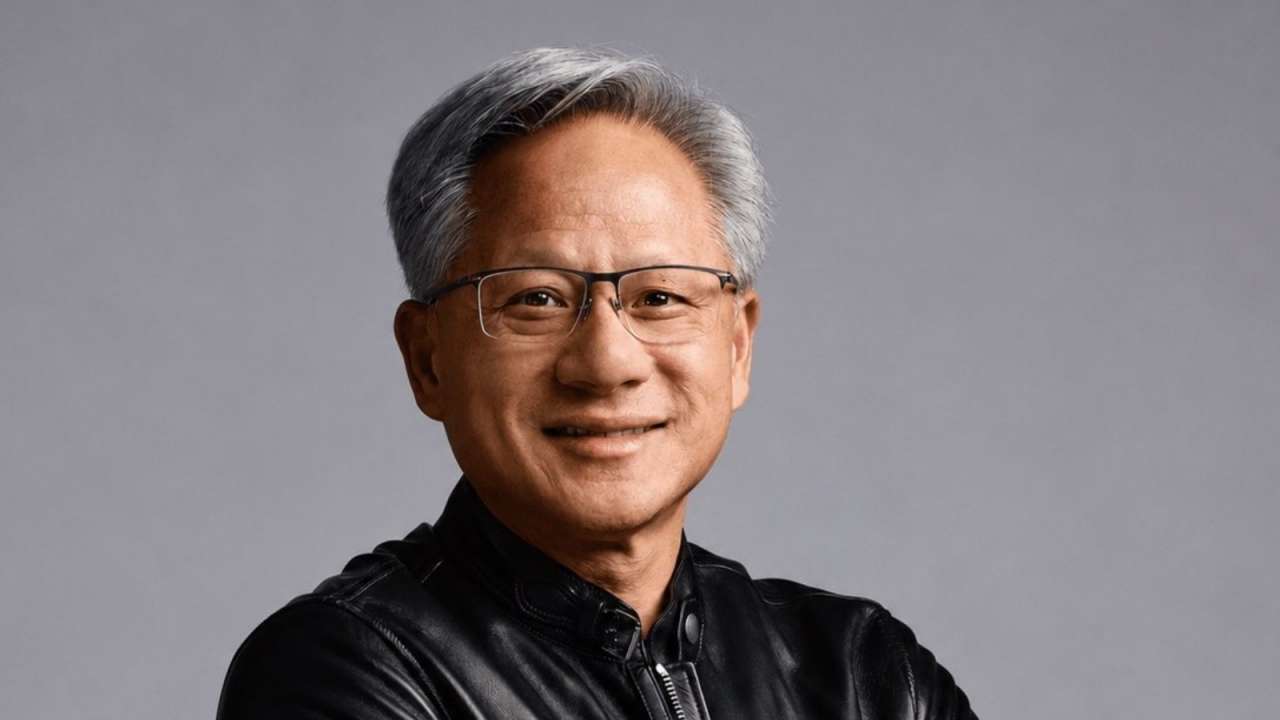 From cleaning toilets to $4.5 trillion empire: Who is Jensen Huang? His Nvidia exit, China spy controversy
 Microsoft Global Outage: Why did Outlook stop working? How were airlines in India affected?
 Nvidia After Jensen Huang: Will India's AI dream face chip shortage or open door for new rivals?
 Why does inflation soar to 6.09% despite falling fuel prices, US-Iran war halt? RBI's next move under focus
 UP Elections 2027: Will Asaduddin Owaisi and Chandrashekhar Azad defeat BJP or help Yogi win?
 From Nvidia CEO Jensen Huang to top officials: 5 Alleged Chinese 'honey trap' cases that shocked worldVijay Sethupathi reunites with Super Deluxe's director Thiagarajan Kumararaja after 7 years with Pocket Novel, announces Hindi release
 Ayushmann Khurrana on celebrating Chhath Puja for first time with Yeh Prem Mol Liya, calls it 'beautiful tradition, completely new' to him
 Amrita Rao’s sister married: Preetika Rao ties knot in intimate ceremony, gets blessings of Spiritual leader Ravi Shankar
 Moushumi Chatterjee's husband, producer Jayanta Mukherjee, passes away at his Mumbai home
 Tinnu Anand makes FIRST big statement after suffering 5 rib fractures and punctured lung, shares health update
 Who will replace Jensen Huang at Nvidia? 3 Indian-origin executives in the race
 Zee Entertainment announces Rs 600 crore share buyback at Rs 91 per share
 Who may replace Nvidia CEO Jensen Huang? THIS Indian tech executive emerged among top contenders
 When CA Mukesh Jain Tested Kwala Intel: Inside the AI market wizard that money managers now swear by
 Tata Group Power Struggle Intensifies: Noel Tata quits boards of six companies, what next?Kabaddi Champions League: Former India star Mohit Chhillar backs it for next generation
 Gautam Gambhir loses patience after India's 89-run collapse against New Zealand, refuses to spare batters, slams Rohit, Kohli, Iyer
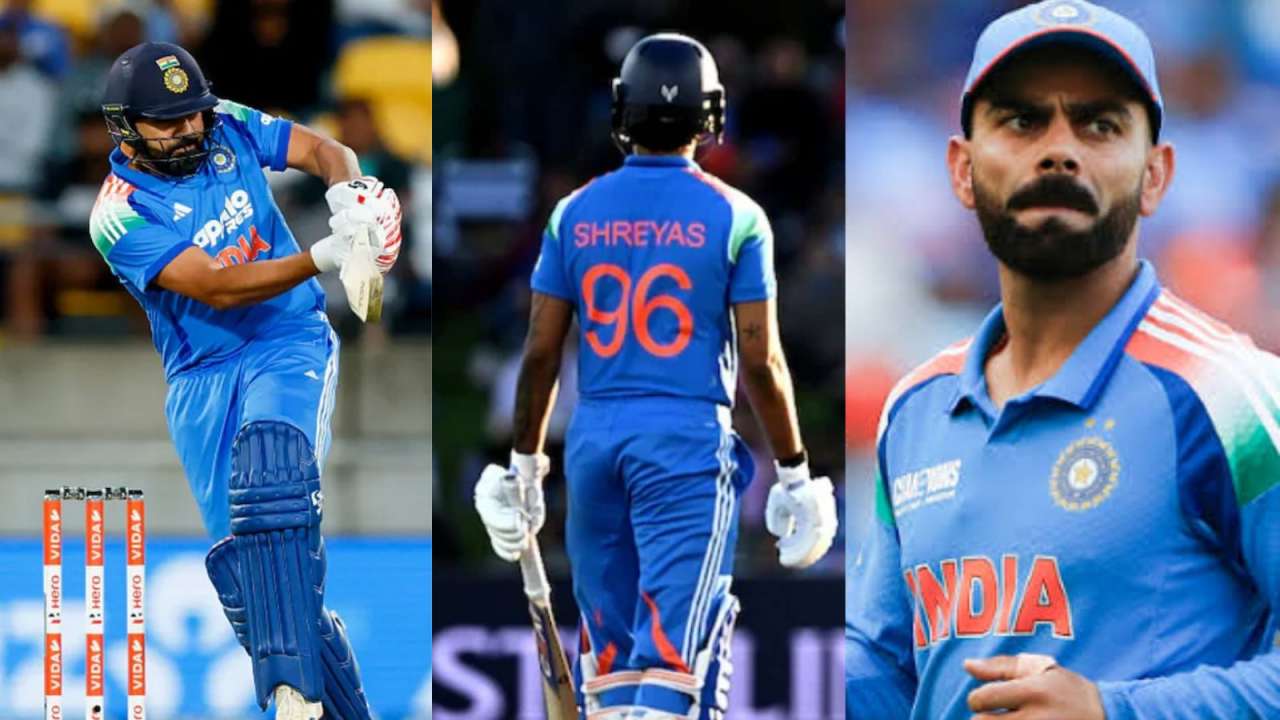 Rohit, Kohli, Shreyas Iyer fall for ducks! India suffer humiliating 89 all-out collapse
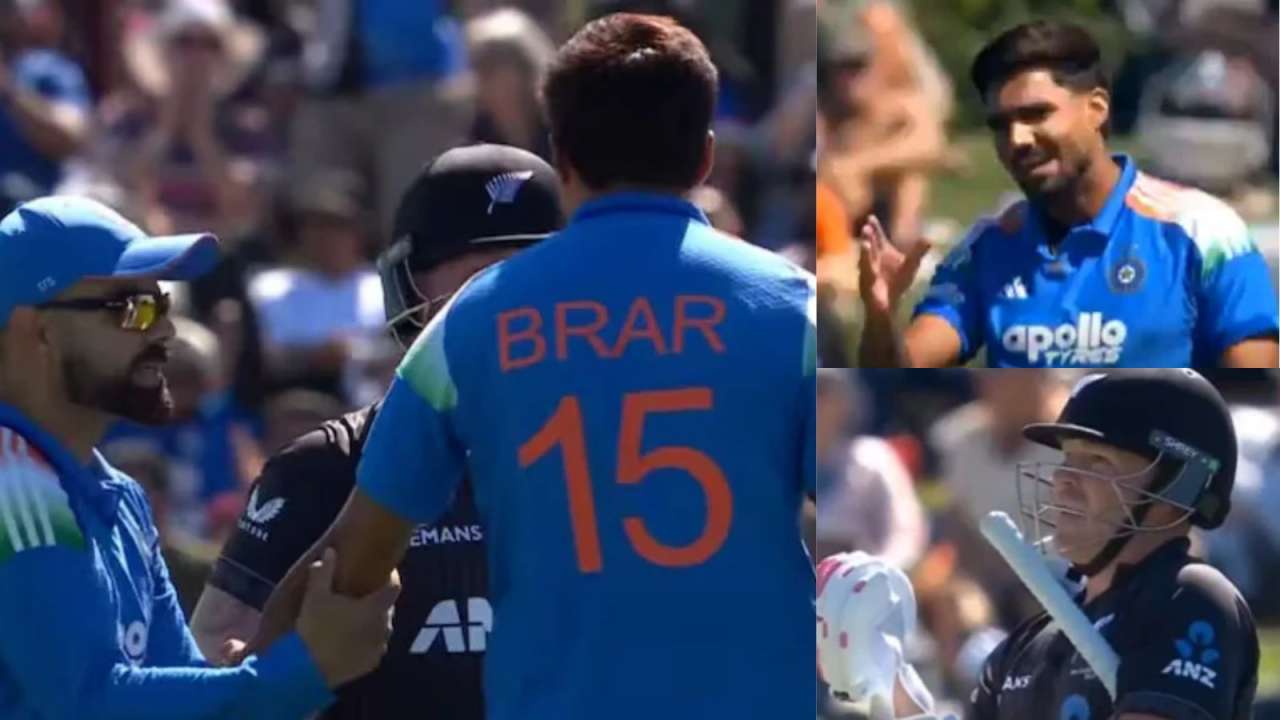 IND vs NZ 4th ODI: Virat Kohli's calm act goes viral after Gurnoor Brar clashes with Tim Seifert, Watch video
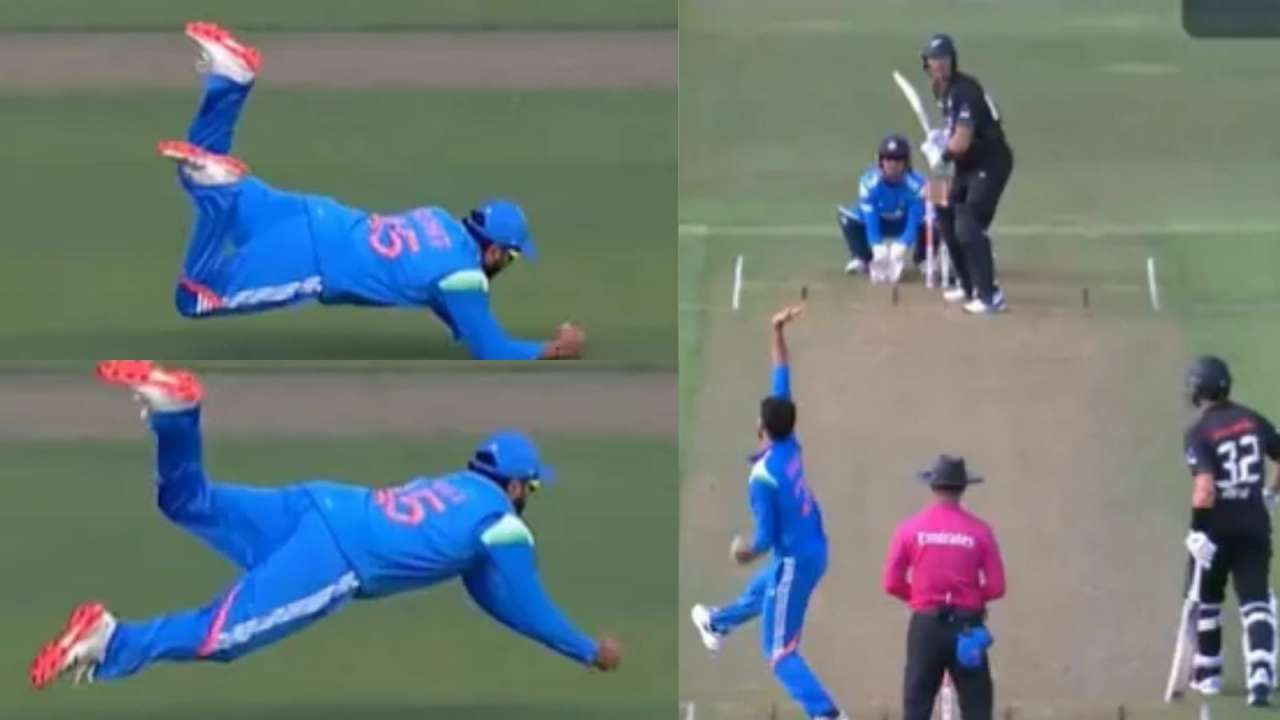 IND vs NZ ODI Series: Rohit Sharma's diving catch goes viral after he dismisses Finn Allen for 41, Watch
 Kaziranga Road Accident Update: Death Toll Rises To 24; Mini-Bus Had 13 Overspeeding Challans
 Bay of Bengal Cyclone Alert: Low-Pressure Area To Intensify By November 16; Yellow Alert In Odisha
 Microsoft 365 Outage Update: Gradual Recovery Underway After 20 Hours; Email Timeout Doubled to 48 Hrs
 Nvidia-Jensen Huang News: 'Would Be An Honor To Hire Him...' Will Musk Save Huang After Resignation
 J&K News: 'Won't Spare You...' 2 Days Before Kulgam Attack, CRPF Got Unexpected Warning By Boy
BANGALORE
The implementation of the Right to Information (RTE) Act, which is likely to take place in the state from early 2011, could face a stumbling block as school teachers in rural Karnataka lack awareness on the bill, according to an official of the Sarva Shiksha Abhiyan (SSA).

Updated : Dec 20, 2010, 09:05 AM IST




The implementation of the Right to Information (RTE) Act, which is likely to take place in the state from early 2011, could face a stumbling block as school teachers in rural Karnataka lack awareness on the bill, according to an official of the Sarva Shiksha Abhiyan (SSA).
The resource team from SSA which, along with child rights activists, is on a visit to 12 districts of North Karnataka, found that the teachers were clueless on how the Act will change the education system in the country.
“Our visits to few villages across Raichur and Bellary districts have shown that teachers in rural schools have little knowledge about the RTE Act. If teachers have no knowledge about the Act, then implementing it will be tough for the government,” said the SSA official.
The state education department is planning to conduct an awareness campaign on the Act for teachers in the rural areas of North Karnataka involving resource persons from SSA and members of voluntary organisations working on the education of underprivileged children. The RTE Act, also known as Right of Children to Free and Compulsory Education Act, 2009, includes children in the age group of 6-14 years of age. “Once the Act comes into force, teachers will shoulder the primary responsibility of ensuring that the Act is implemented in its totality,” said the SSA official.
According to the Act, all schools should set aside 25% of the seats for the children from the neighbourhood — a euphemism for kids from the underprivileged section of the society.
According to sources, the reservation would be implemented from the next academic year. Moreover, schools cannot ask for any sort of donation or capitation fee under the pretext of admission. The Act also states that schools should accord priority to children who live near the school.
“In a rural set-up, it’s the teachers who will have to ensure that neighbourhood children are attending schools regularly,” said the official.
Along with the lack of infrastructural facilities, about 50% of rural schools in Karnataka have only one teacher, managing children from class I to class V. The RTE Act specifies that any school with enrolment of up to 60 students must have at least two teachers.
“Even a school with 10 children must have at least two teachers,” said the SSA official. In addition to teaching and allied responsibilities, the teachers will have to now go for home counselling visits, census work, disaster relief duties, and election duties, to name a few.