 'India Does Not Change Security Policy Under Pressure': BJP MP Nishikant Dubey hits back at Elon Musk over Starlink
 IND vs WI: Can Sanju Samson eclipse coach Gautam Gambhir? Big record in sight as India look to bounce back in 3rd T20I
 Vidyut Jammwal reveals what separates Indian and Hollywood action films: 'If you see movies like Baahubali...'
 Pakistan Emergency: Shehbaz Sharif govt imposes Governor's rule in Khyber Pakhtunkhwa, removes PTI govt
 Nepal Flash Flood: 35 houses, bridges swept away in Gorkha after Budhi Gandaki river level risesIND vs WI: Can Sanju Samson eclipse coach Gautam Gambhir? Big record in sight as India look to bounce back in 3rd T20I
 Watch: Lionel Messi uncorks two incredible goals in first outing since international retirement
 New Zealand players to wear limited-edition 'Kotahitanga' kit in upcoming ODI series vs India; here's why
 Hardik Pandya turns 33! Mahieka Sharma shares emotional birthday letter detailing his journey and MI signing
 Will Mohammed Shami return to Team India after Ajit Agarkar’s exit? Aakash Chopra gives blunt verdictVidyut Jammwal reveals what separates Indian and Hollywood action films: 'If you see movies like Baahubali...'
 Rise And Fall 2: Who are the 3 new wildcards? Can they challenge Shehzad, Swara, Gautam, Priyanka?
 Drishyam 3 box office collection day 9: Ajay Devgn film sees massive 83% jump, nears Rs 450 crore worldwide
 CONFIRMED: Kyunki Saas Bhi Kabhi Bahu Thi 2 is going off air on THIS date, final episode promo shows Tulsi and Mihir as....
 Viral video: Tanushree Dutta now blames Nana Patekar for Sushant Singh Rajput's death; netizens brutally slam her: 'Yeh alag level ka phoonk rahi hai'
 Saudi Houthi War: India Issues Urgent Advisory To Citizens In Saudi After Riyadh Airport Attack
 CJP Protest: 7,000 CRPF Personnel Rushed To Capital Ahead Of CJP's Oct 10 March
 CJP News: Delhi CAPF Deployment Raised To 26,000 Ahead Of CJP October 10 Protest
 CJP Protest: In Bengaluru Dhruv Rathee, Prakash Raj Join Anti-SIR Demonstration
 Flydubai Flight News:'Revenge For Gaza'; Flydubai Co-Pilot Hamam Al-Hammami Confesses To Terror Plot
 Gold, Silver prices today, October 10, 2026: Check city-wise rates in Delhi, Mumbai, Chennai, Kolkata and more
 Reliance Jio IPO: Price Band likely at Rs 1065-1119 per share, issue may open on October 21; check details
 How to bypass H-1 B visa restrictions? Can Indian professionals use L-1 and O-1 visas as alternative routes to enter US?
 US Green Card Row: TCS says PERM suspension won't impact business, applications in single digits
 Gold, Silver prices today, October 9, 2026: Check city-wise rates in Delhi, Mumbai, Chennai, Kolkata and more
 Ranbir Kapoor-Sai Pallavi, Yami Gautam-Addinath Kothare, Rajkummar Rao-Wamiqa Gabbi: 5 fresh on-screen jodis to watch out for in 2026
 OTT Releases This Week (October 5-11): Awarapan 2, Khalifa, Mandaadi; new India movies, shows to watch on Netflix, Prime Video
 OTT Releases This Week (Sept 28 - Oct 4): Dupahiya 2, Pooja Meri Jaan; new movies and shows to watch this Gandhi Jayanti weekend
 From Neeti Mohan, Heer, Sarthak Kalyani; Ahead of Sa Re Ga Ma Pa, 5 musical geniuses championed by AR Rahman
 72nd National Film Awards 2024: Kartik Aaryan, Yami Gautam, Aditya Dhar, Mammootty, Dhanush, Anant Nag accept honours'India Does Not Change Security Policy Under Pressure': BJP MP Nishikant Dubey hits back at Elon Musk over Starlink
 No metro disruption, no internet shutdown: Supreme Court's message to Centre on CJP protest
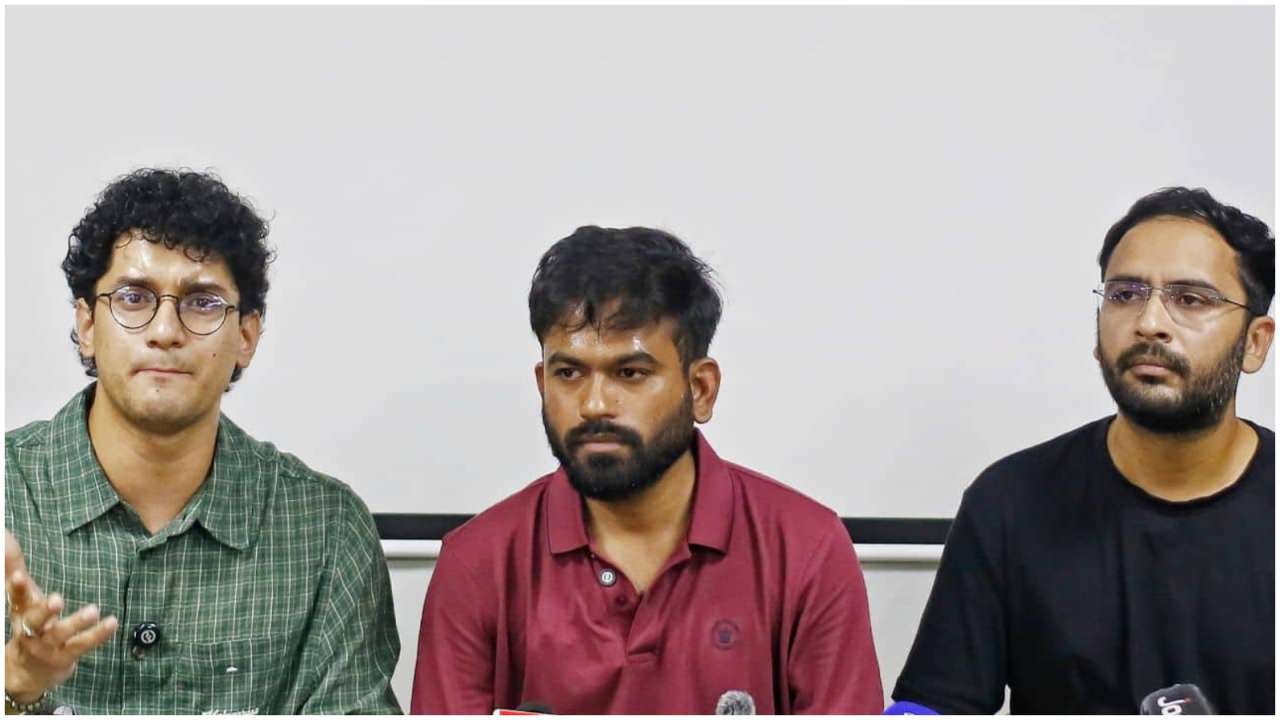 CJP's Abhijeet Dipke, Saurav Das and Ashutosh Ranka released by court a day after detention: What's next
 'Was not arrested or detained but kidnapped': Dhruv Rathee released by Gurugram Police after detention ahead of Jantar Mantar protest
 CJP's Abhijeet Dipke, Ranka, Das remain under preventive arrest, Delhi Police to produce them before magistrate
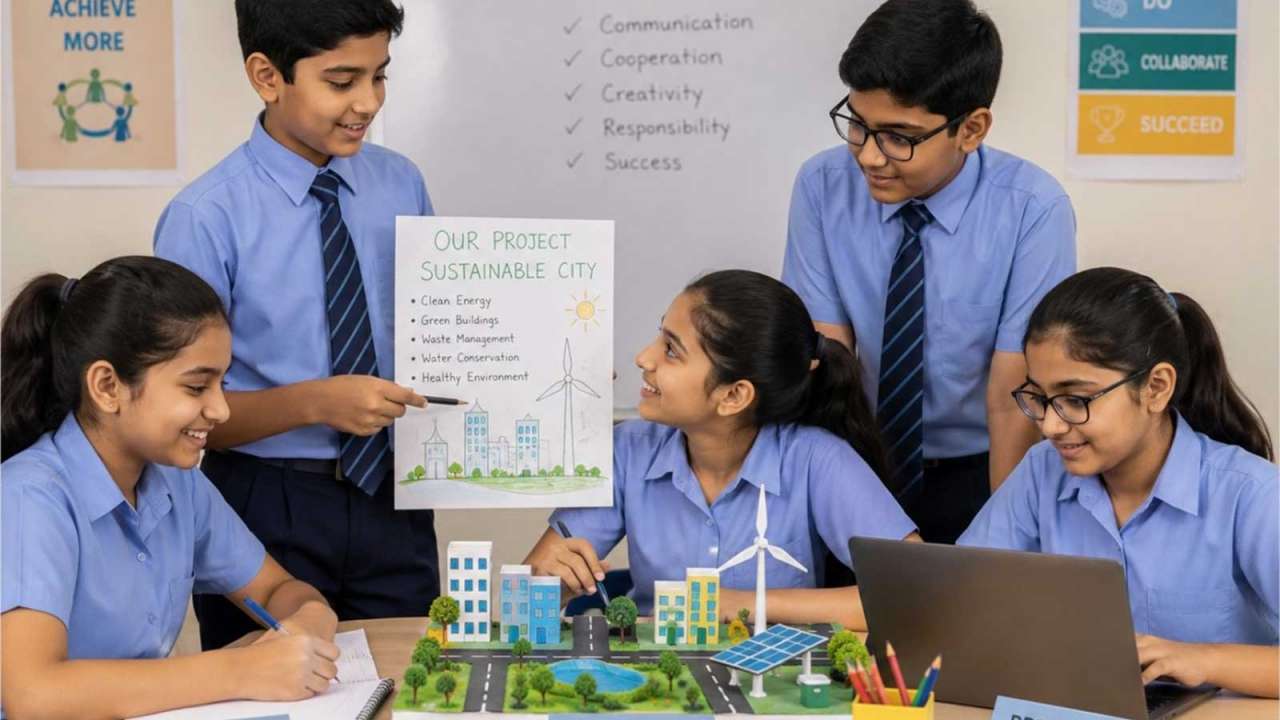 Third Language Row: SC extends relaxation to Class 6 students, asks CBSE to grant exemption, here's what it means
 NEET PG 2026 Result Out: Check how to download scorecard from natboard.edu.in; Know category-wise cut-off and more
 Five-year BTech programmes? Ex-IIT director makes proposals amid IIT suicide controversy
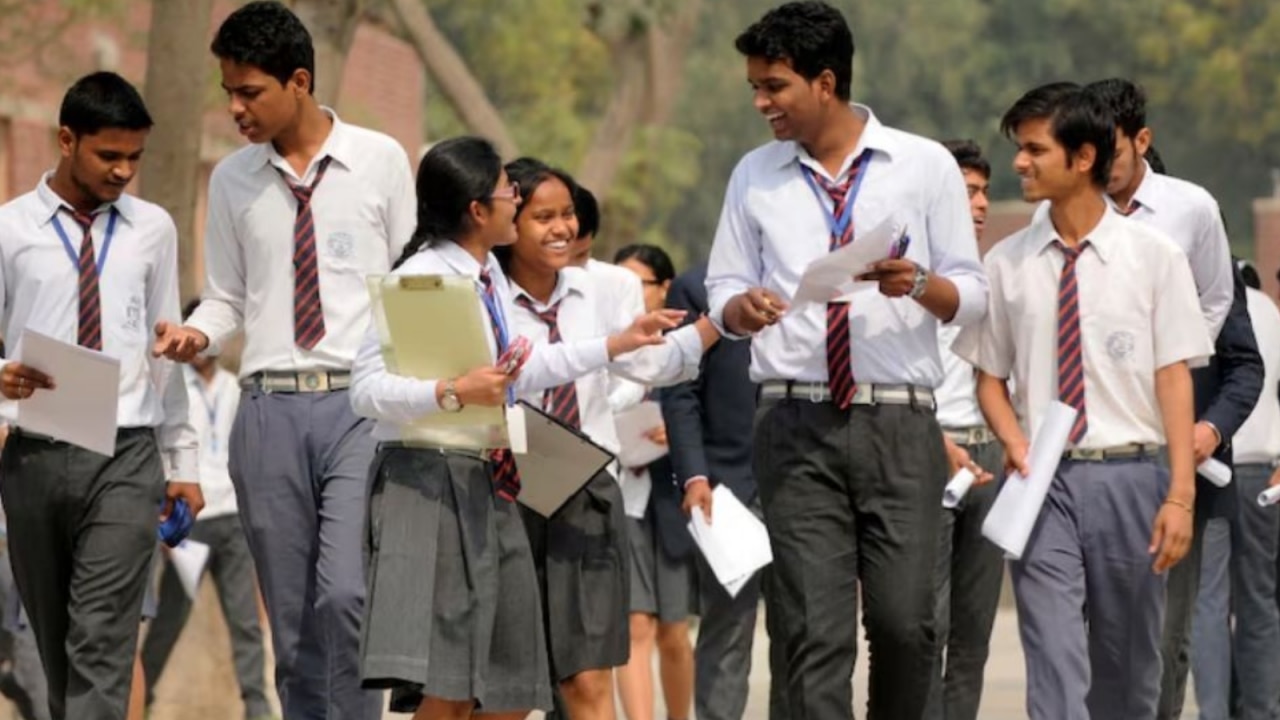 CBSE Date Sheet 2027: When will Class 10, 12 timetable be released? Check details here
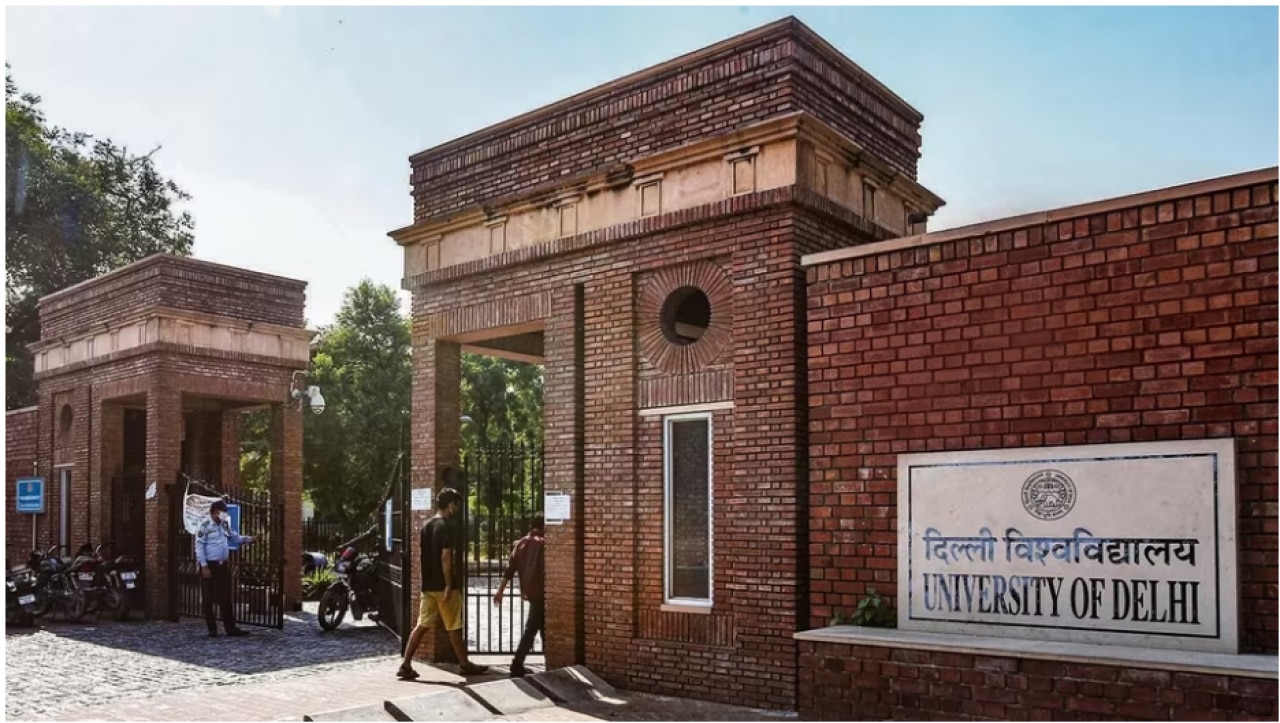 From Rs 150 in 1947 to powerful student body: The story of DUSU’s rise | Explained
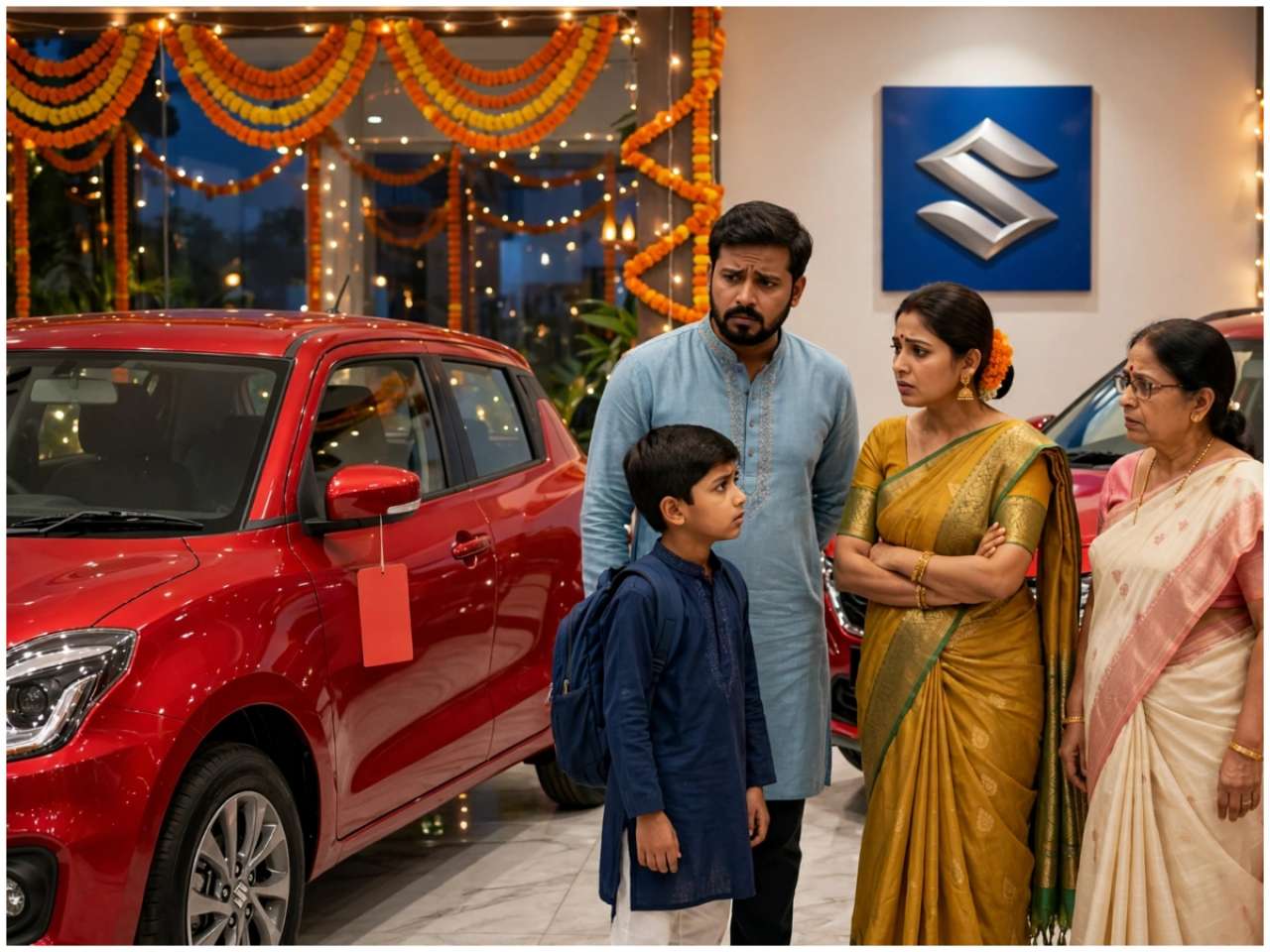 After Hyundai, Maruti Suzuki makes cars costlier ahead of festive season: Check new prices after hike
 Hyundai cars to get costlier from September: Check new prices and reason behind hike
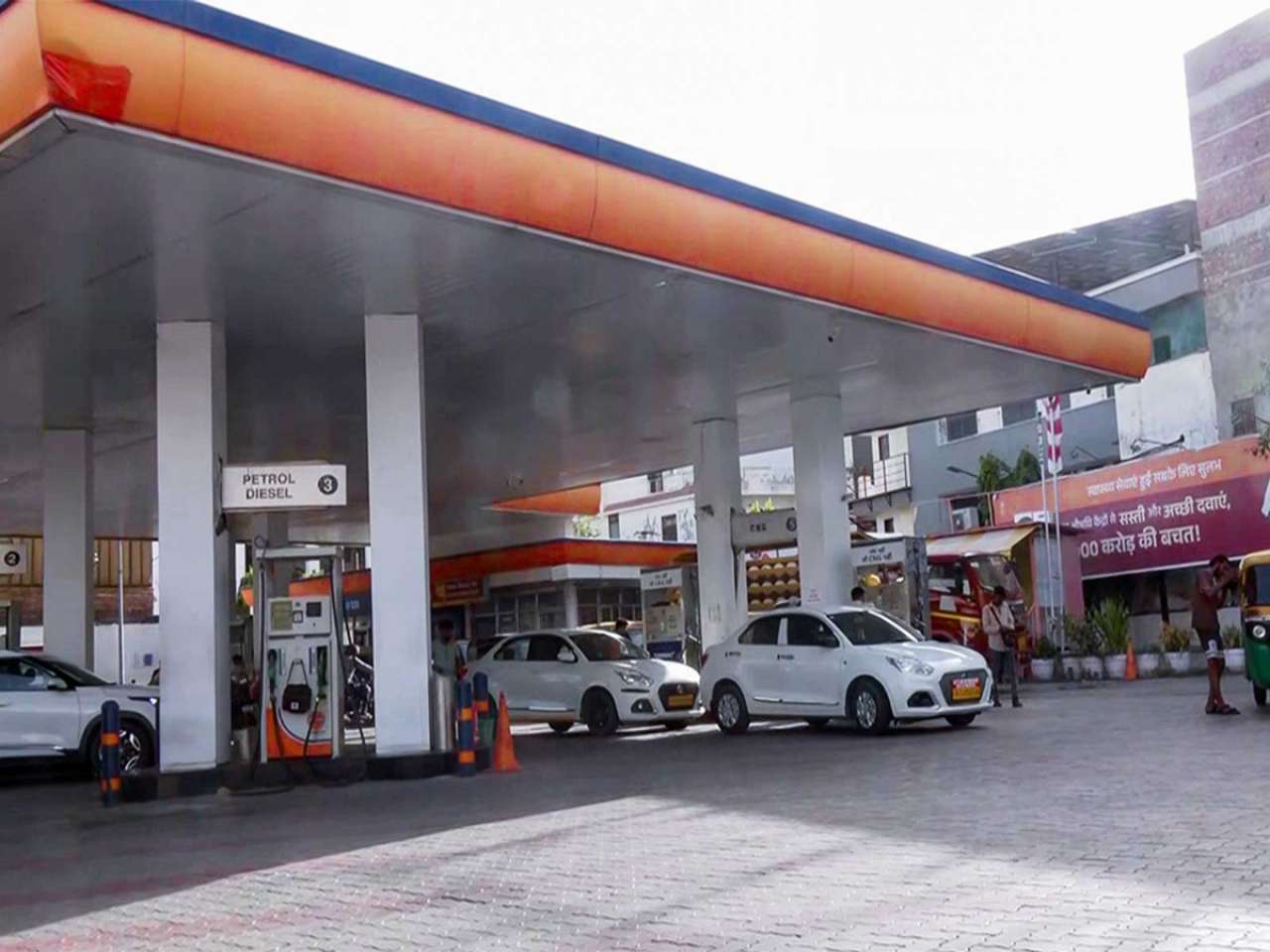 Why can't consumers choose pure petrol or E10? Centre explains why E20 is now the standard fuel
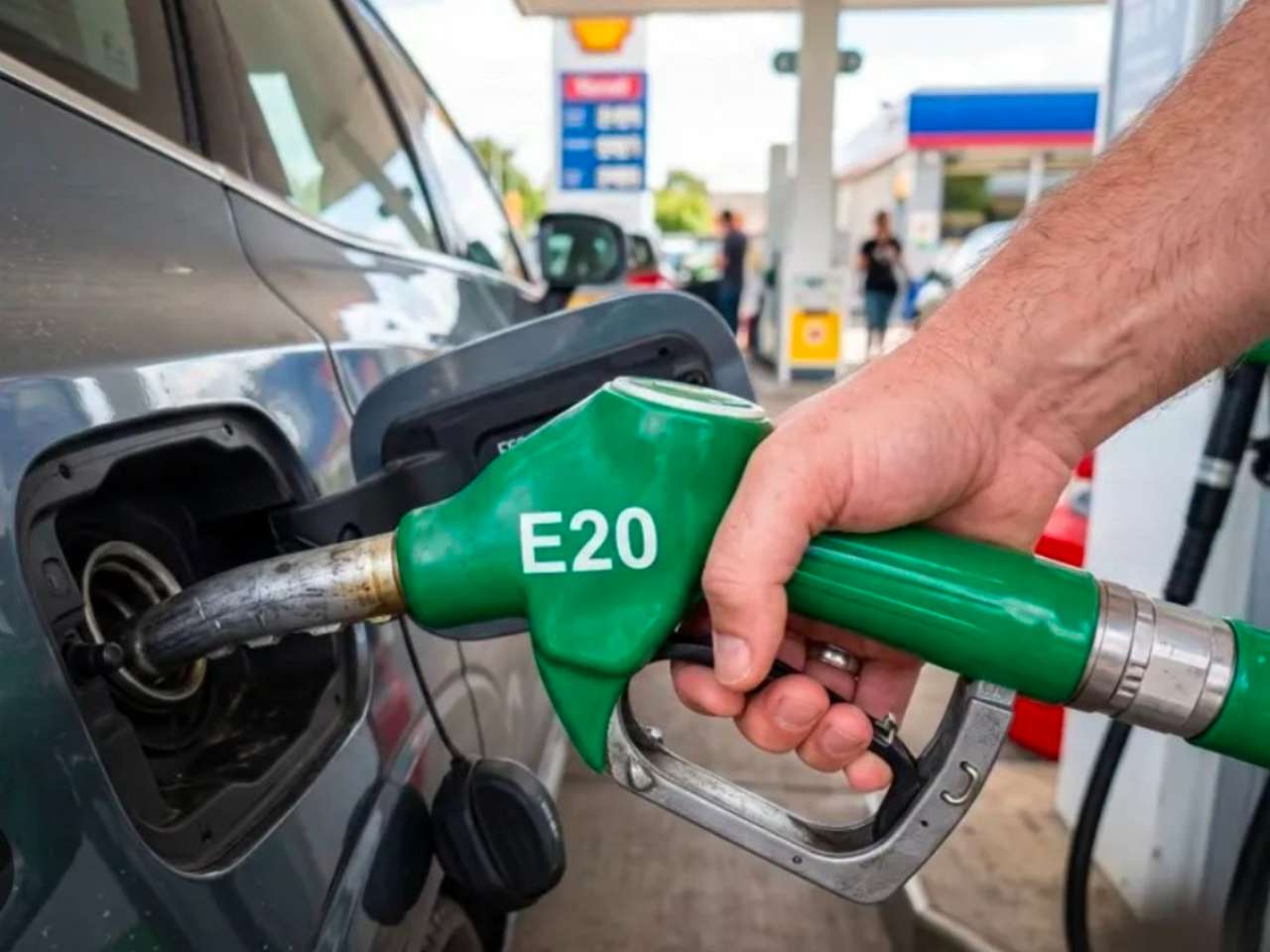 Centre claims E20 fuel does not damage engines, cites data from Maruti Suzuki and Hero MotoCorp
 Maruti WagonR Flex Fuel: What’s price of India’s first ethanol car? Specs, mileage, and top features explained
ANALYSIS
The crisis doesn’t wear the same face everywhere. In cities, it’s a pressure cooker: long commutes, endless screen-time, unstable jobs, constant performance anxiety.

Updated : Nov 24, 2025, 04:59 PM IST
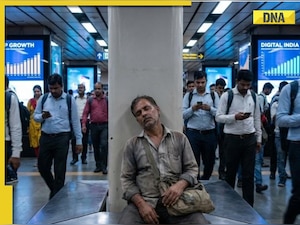



India is racing ahead on all visible metrics, GDP growth, smartphone penetration, infrastructure buildout, stock market highs. Yet, silently and dangerously, something more essential is being lost: the ability to pause, rest, feel, and connect. Behind the headlines, India is battling a deeper crisis of emotional erosion, rising burnout, and loneliness. It’s not merely a mental health issue. It’s a national emergency of attention, time, and human connection.
The Quiet Collapse Behind the Economic Boom
As per the National Crime Records Bureau (NCRB), India reported 1,71,418 suicides in 2023, nearly a 30% jump from 2014. Many of these are linked not to crime or acute poverty, but to despair: family issues, illness, job loss, and emotional isolation. The National Mental Health Survey shows that at least 1 in 7 Indian adults live with a diagnosable mental disorder. The WHO projects that between 2012 and 2030, India will suffer economic losses worth $1.03 trillion due to mental health issues. This is no longer a private problem. It affects workplace productivity, parenting, relationships, and social cohesion.
The Geography of Emotional Drain
The crisis doesn’t wear the same face everywhere. In cities, it’s a pressure cooker: long commutes, endless screen-time, unstable jobs, constant performance anxiety. Phones follow us to bedrooms, and the mind never switches off. Even weekends are mined for hustle. In rural India, it’s a slow grind of uncertainty: volatile incomes, limited healthcare, fractured families. Youth migrate not for luxury, but for dignity. Those left behind especially the elderly live with silence heavier than poverty. The result: a spiritually and emotionally fatigued nation.
The New Poverty: Attention
While India has made significant strides in lifting people out of income poverty, a new kind of scarcity has taken hold attention poverty. Parents too tired to talk to children. Couples who sleep in the same room but speak less than 10 minutes a day. Children raised on content but starved of emotional vocabulary. Elders celebrated in WhatsApp forwards but ignored in real life. In a country where storytelling, community, and togetherness were once cultural currency, we now struggle to sit with each other without devices, distractions, or deadlines.
Digital India, Distracted India
India’s digital transformation is phenomenal, but it has come with a cost. The average Indian now spends nearly 5 hours daily on their smartphone. Most of that is consumed by social media, reels, and gaming. According to global rankings, India is one of the most sleep-deprived countries, with many adults sleeping less than 7 hours.
This isn’t just poor discipline. It’s structural. Our digital ecosystem is designed for addiction, not moderation. The pause button has disappeared. School-age children are often exposed to 4+ hours of unsupervised screen time per day, according to Indian pediatricians leading to rising cases of anxiety, poor sleep, obesity, and attention disorders.
Time Use Is Changing, Not for the Better
India’s official Time Use Surveys reveal a shift. Between 2019 and 2024:
• Time spent on leisure, mass media, and entertainment increased.
• Time spent on rest, sleep, and self-care actually declined.
For women, the burden is heavier. They spend over 4.8 hours a day on unpaid work and caregiving—often after doing paid work. Emotional fatigue becomes invisible under the label of "responsibility".
A Crisis of Connection
Even in social settings, people now stare into phones more than they look into each other’s eyes. Celebrations are documented more than felt. Grief is swiped past. Loneliness is surging. Over 43% of urban Indians reported feeling friendless or isolated in recent surveys. Among the elderly, about one-third report moderate to severe loneliness, according to the Longitudinal Ageing Study in India.
On campuses, it’s worse. More than 60% of students report high stress and depressive symptoms. Suicide rates among young adults continue to rise. Tele-MANAS, the government’s mental health helpline, has received over 20 lakh calls in less than two years, many involving suicidal distress most from people aged 18 to 45. This is not individual weakness. This is a societal collapse of attention and empathy.
The Real Cost
• Burnout reduces productivity and innovation.
• Emotionally hollow parenting weakens future generations.
• Social withdrawal erodes resilience during crises.
• Chronic stress feeds India’s epidemic of diabetes, hypertension, and heart disease.
A society can survive financial poverty if its emotional base is intact. But when emotional poverty spreads, even economic success feels hollow.
What Can Be Done?
India doesn’t need to slow down but it desperately needs to balance the sprint with breath. This means change at every level family, workplace, institution, and governance.
1. Make rest respectable: Rest is not laziness. It’s renewal. Weekly offs, mental health breaks, and humane work hours must be normalized.
2. Protect family time: One hour of undistracted conversation with family each day can anchor a child more than any tuition class.
3. Enforce digital boundaries: Simple changes like “no phones at meals” or a weekly screen-free evening can reset emotional rhythms.
4. Public support for emotional health: Mental health must become a community issue, not an individual’s burden. From school programs to elder companionship schemes to state-funded counselling, India must invest in its emotional infrastructure.
5. Normalize emotional literacy: Just like financial literacy, we need emotional vocabulary in schools and workplaces: how to talk, listen, comfort, and pause.
What India Must Remember
We became a great civilization not by growing fast, but by feeling deeply by valuing connection, patience, festivals, conversation, storytelling, empathy. That surplus of emotion was our real national wealth. Today, we’re losing it. We’re building a new India with airports, smart cities, and digital highways. But we must ask are we building a country that still knows how to sit together on rooftops, or hold silence with love?
Can India grow without losing its soul?
If we choose speed over meaning, we risk raising a generation that is materially comfortable but emotionally bankrupt. But if we choose to pause without guilt, rest without shame, and reconnect without hesitation India can rise not just as an economic power, but as a society worth living in. We still have time. But not forever.
(Disclaimer: The views expressed above are the author's own and do not reflect those of DNA)