 Srinagar man claims assault by Rahul Gandhi supporters at Delhi protest for pro-modi dlogans - Watch Video
 57 Delhi metro stations to be closed tomorrow? Delhi Police writes to DMRC ahead of CJP protest at Jantar Mantar
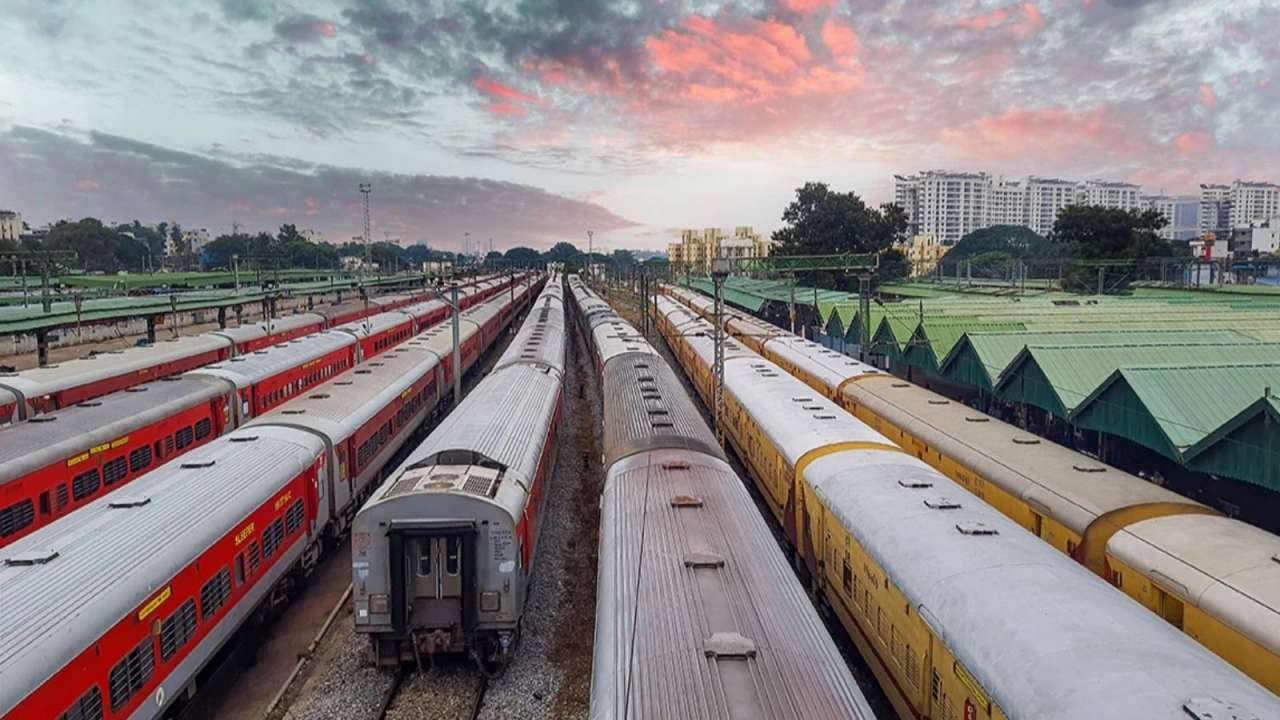 Railways cancels all incoming mail and express trains to Delhi on Oct 10 as CJP, INDIA bloc prepare protest against CEC Gyanesh Kumar
 ‘His death was nothing short of a miracle’: Tanushree Dutta breaks silence on ‘evil dead’ remark about Nana Patekar | Video
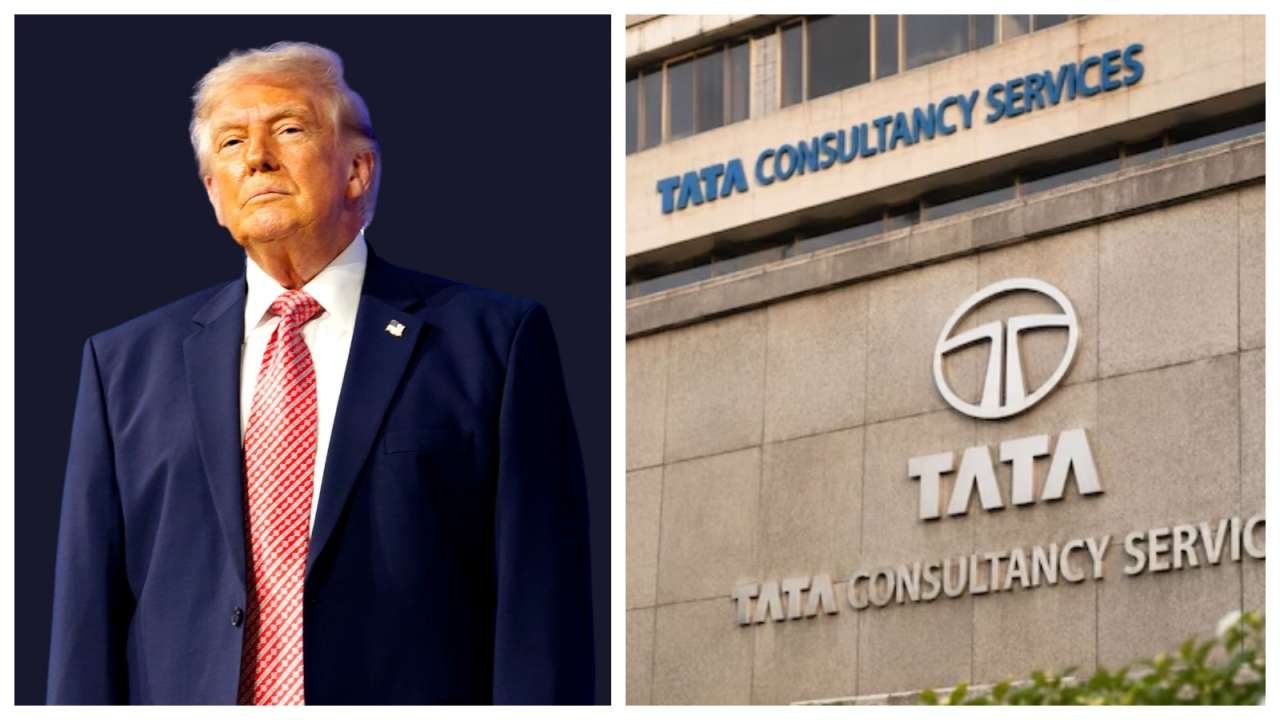 US Green Card Row: TCS says PERM suspension won't impact business, applications in single digits
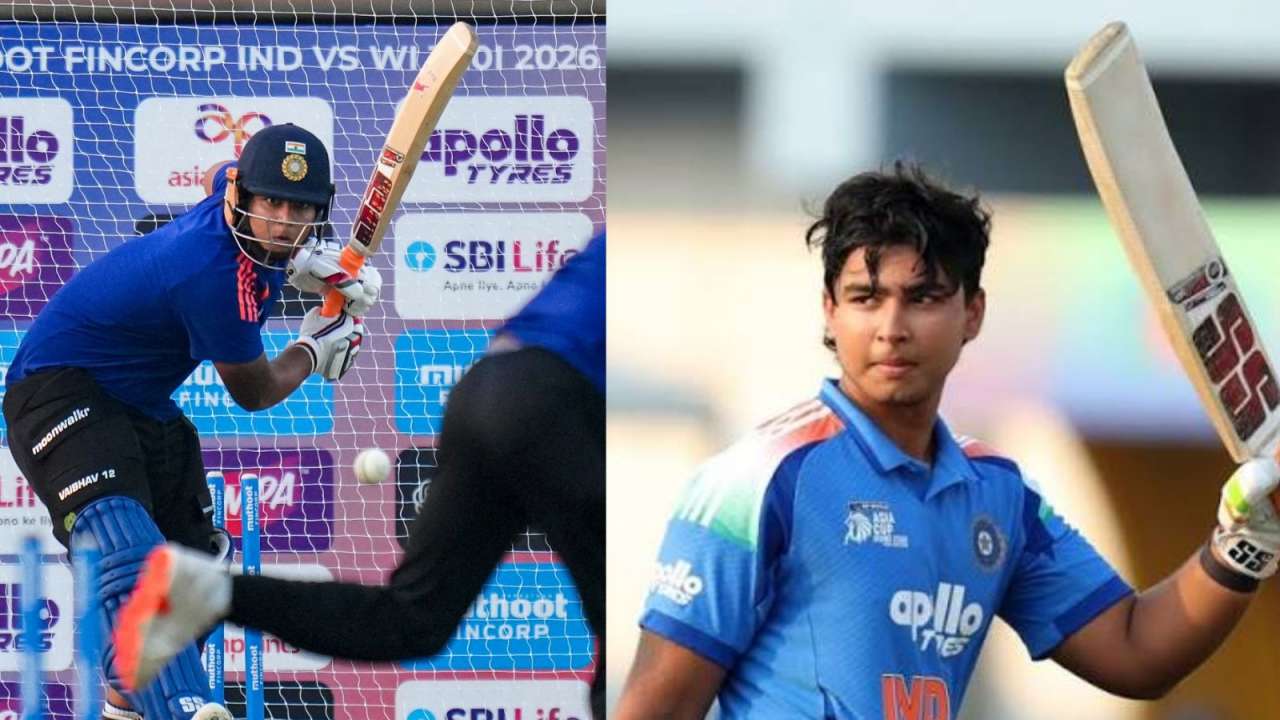 Vaibhav Sooryavanshi On Killing Spree: Rains boundaries, sixes, sends strong signals to selectors ahead of 2nd India vs West Indies T20I match
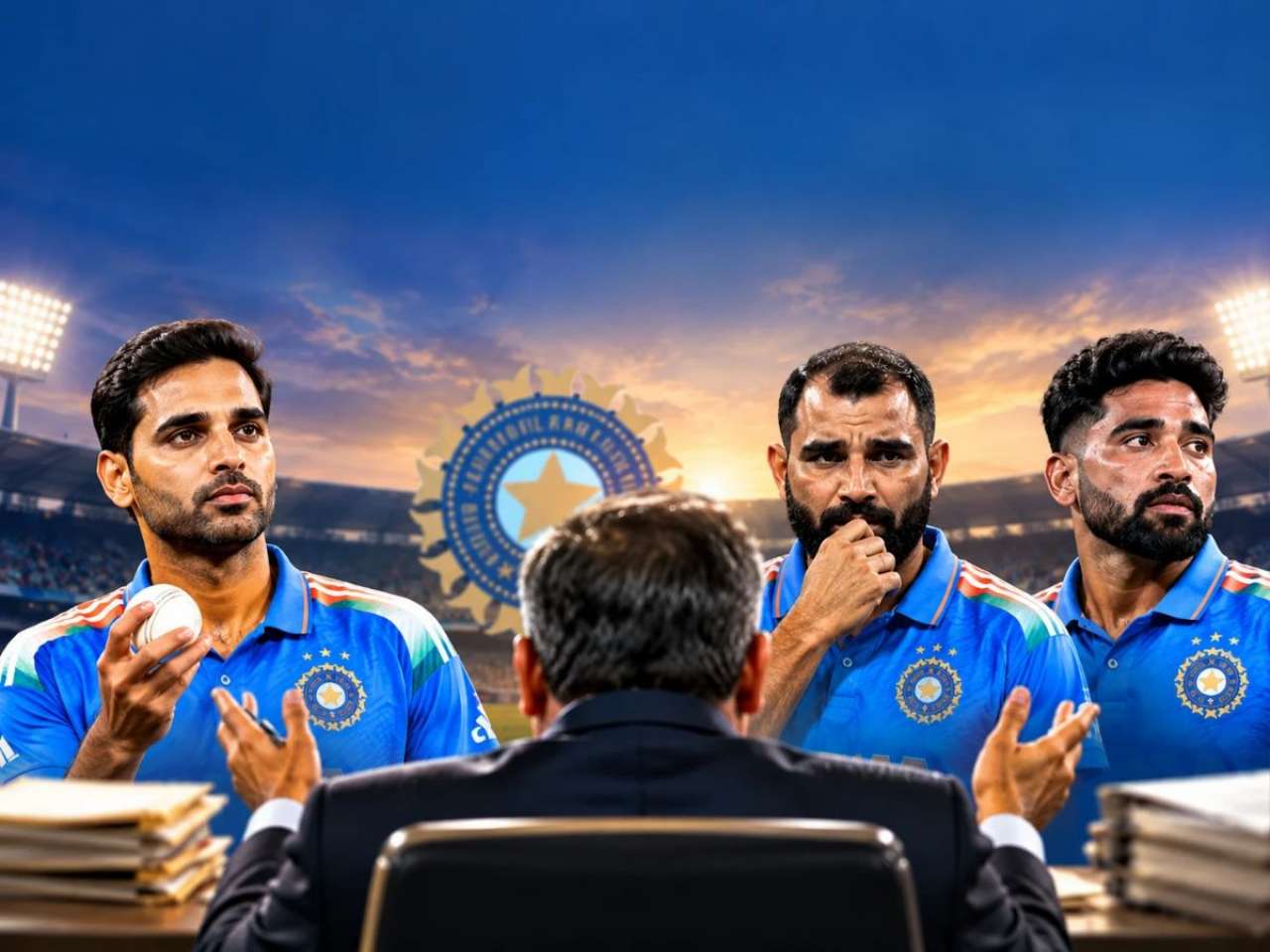 BCCI selectors face big question on Shami, Siraj after Bhuvneshwar Kumar recall: 'Who're your 2nd, 3rd seamers?'
 India vs Pakistan U-19 Asia Cup 2026: Arch-rivals ready for high-voltage Oman clash; Full schedule inside
 'Play more cricket': 1983 World Cup legend Kapil Dev hands stern advice to Hardik Pandya amid prolonged absence
 PM Narendra Modi to meet Asian Games 2026 medallists on October 15; India won 85 medals in Aichi-Nagoya‘His death was nothing short of a miracle’: Tanushree Dutta breaks silence on ‘evil dead’ remark about Nana Patekar | Video
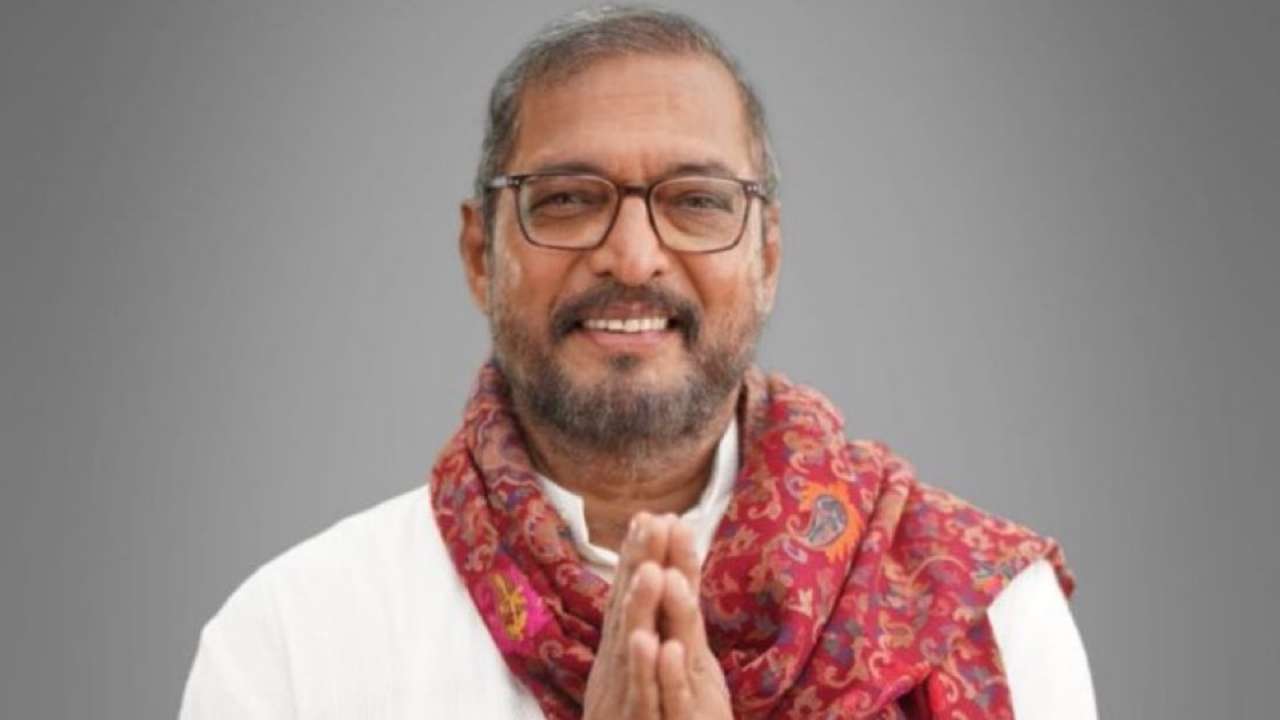 Nana Patekar’s death in Goa: Police register ‘unnatural death’ case, begin probe
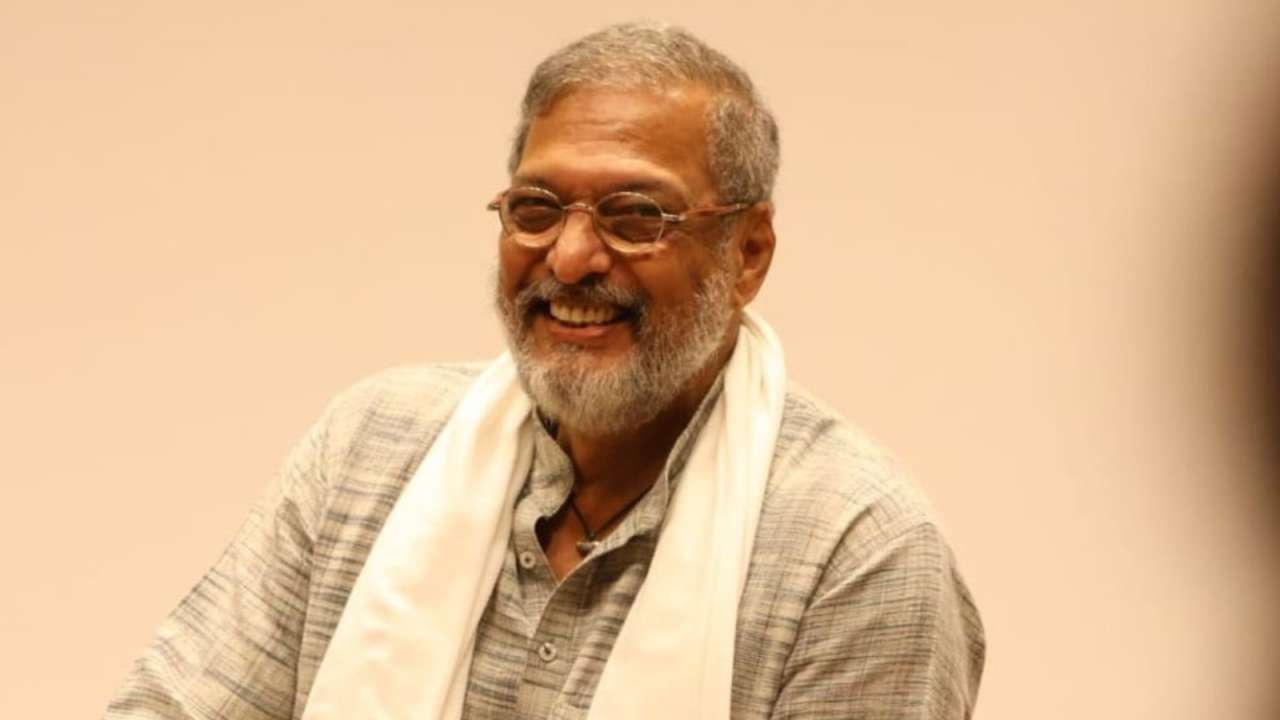 Why was Nana Patekar cremated at almost midnight? Son Malhar Patekar explains
 Nana Patekar cremated with full state honours in Pune as family, politicians and fans bid farewell
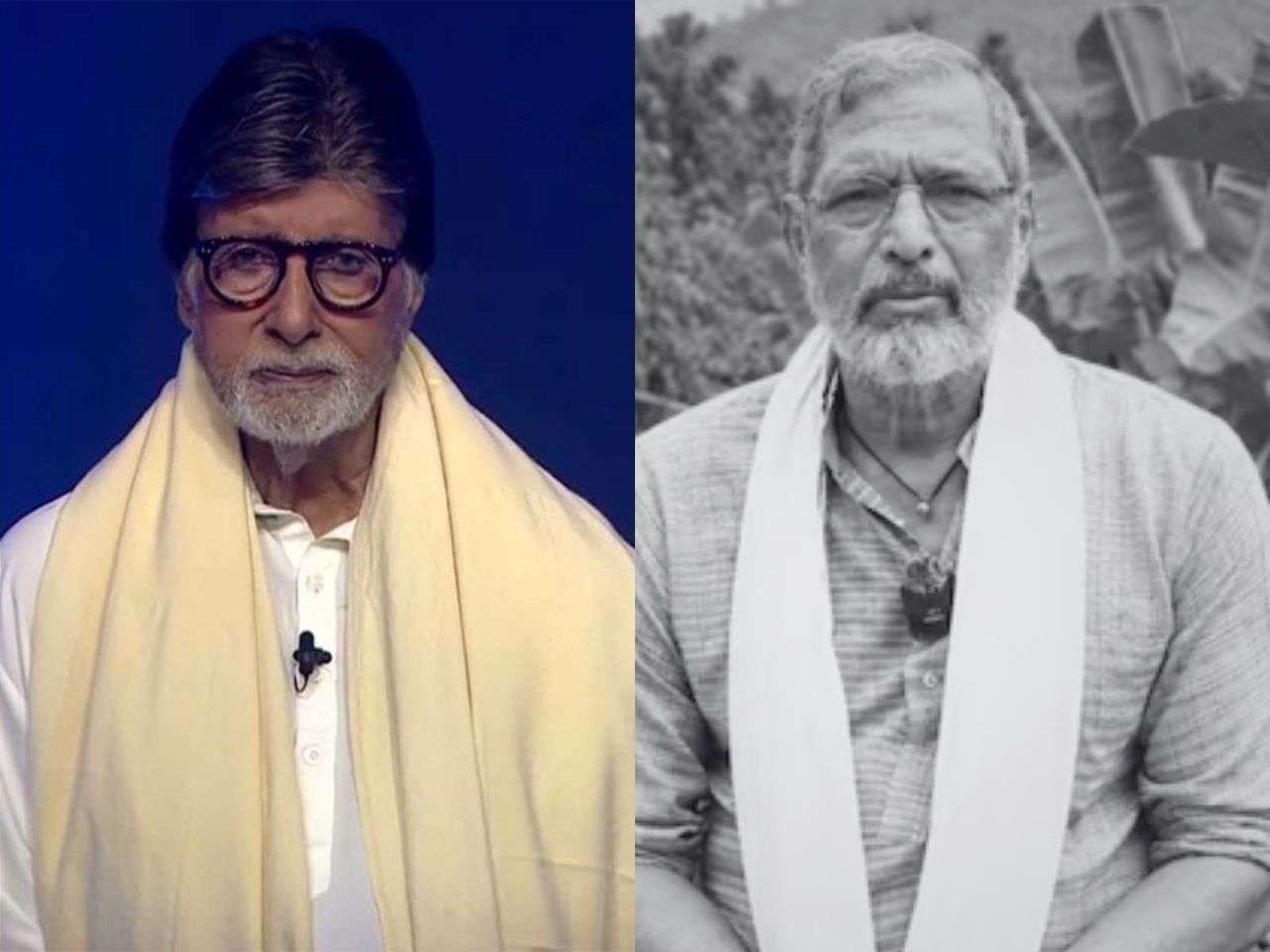 Amitabh Bachchan gets emotional, pays homage to Nana Patekar at KBC 18, celebrates late actor's 'bebaki, sadgi, sach ko kehne ka saahas'
 CJP News: Delhi CAPF Deployment Raised To 26,000 Ahead Of CJP October 10 Protest
 CJP Protest: In Bengaluru Dhruv Rathee, Prakash Raj Join Anti-SIR Demonstration
 Flydubai Flight News:'Revenge For Gaza'; Flydubai Co-Pilot Hamam Al-Hammami Confesses To Terror Plot
 Delhi Building Collapse: 5-Storey Building Collapses In Seemapuri; Emergency Teams Rush To Spot
 PM Modi News: Congress Attacks Modi Over Repo Rate Hike, Says ‘Achhe Din’ Became ‘Vasooli Wale Din’US Green Card Row: TCS says PERM suspension won't impact business, applications in single digits
 Gold, Silver prices today, October 9, 2026: Check city-wise rates in Delhi, Mumbai, Chennai, Kolkata and more
 57th GST Council Meeting: Experts hail decriminalisation, wider ITC refunds; flag implementation challenges
 HDFC Bank appoints Anup Bagchi as MD & CEO; set to earn Rs 35.9 crore annual packageHDFC Bank appoints Anup Bagchi as MD & CEO; set to earn Rs 35.9 crore annual package
 OTT Releases This Week (Sept 28 - Oct 4): Dupahiya 2, Pooja Meri Jaan; new movies and shows to watch this Gandhi Jayanti weekend
 From Neeti Mohan, Heer, Sarthak Kalyani; Ahead of Sa Re Ga Ma Pa, 5 musical geniuses championed by AR Rahman
 72nd National Film Awards 2024: Kartik Aaryan, Yami Gautam, Aditya Dhar, Mammootty, Dhanush, Anant Nag accept honours
 OTT Releases This Week (September 14-20): Lust Stories 3, Irumudi, Thudakkam; Indian movies, series to watch on Netflix, Prime Video, JioHotstar
 Ganesh Utsav 2026: Deva Shree Ganesha, Sindoor Lal Chadayo; 5 iconic Ganpati songs that should be must-haves in your playlistSrinagar man claims assault by Rahul Gandhi supporters at Delhi protest for pro-modi dlogans - Watch Video57 Delhi metro stations to be closed tomorrow? Delhi Police writes to DMRC ahead of CJP protest at Jantar MantarRailways cancels all incoming mail and express trains to Delhi on Oct 10 as CJP, INDIA bloc prepare protest against CEC Gyanesh Kumar
 Andhra Ashamed: 20-year-old student says in last video before death, 'Drunk men all around me'
 Rahul Gandhi backs Elon Musk in Starlink India row; says, ‘Wait till you discover the other guy’
 Third Language Row: SC extends relaxation to Class 6 students, asks CBSE to grant exemption, here's what it means
 NEET PG 2026 Result Out: Check how to download scorecard from natboard.edu.in; Know category-wise cut-off and more
 Five-year BTech programmes? Ex-IIT director makes proposals amid IIT suicide controversy
 CBSE Date Sheet 2027: When will Class 10, 12 timetable be released? Check details here
 From Rs 150 in 1947 to powerful student body: The story of DUSU’s rise | Explained
 After Hyundai, Maruti Suzuki makes cars costlier ahead of festive season: Check new prices after hike
 Hyundai cars to get costlier from September: Check new prices and reason behind hike
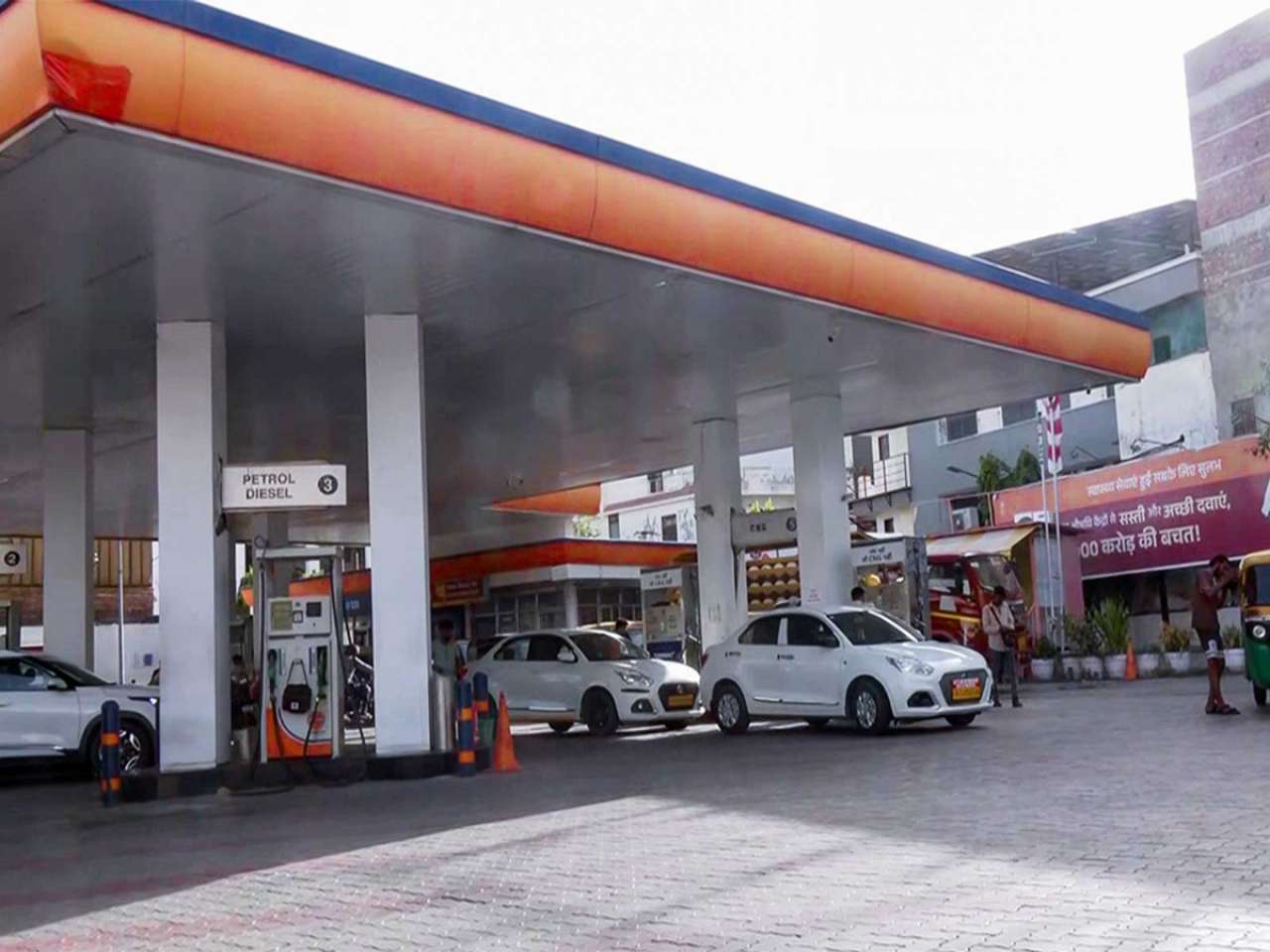 Why can't consumers choose pure petrol or E10? Centre explains why E20 is now the standard fuel
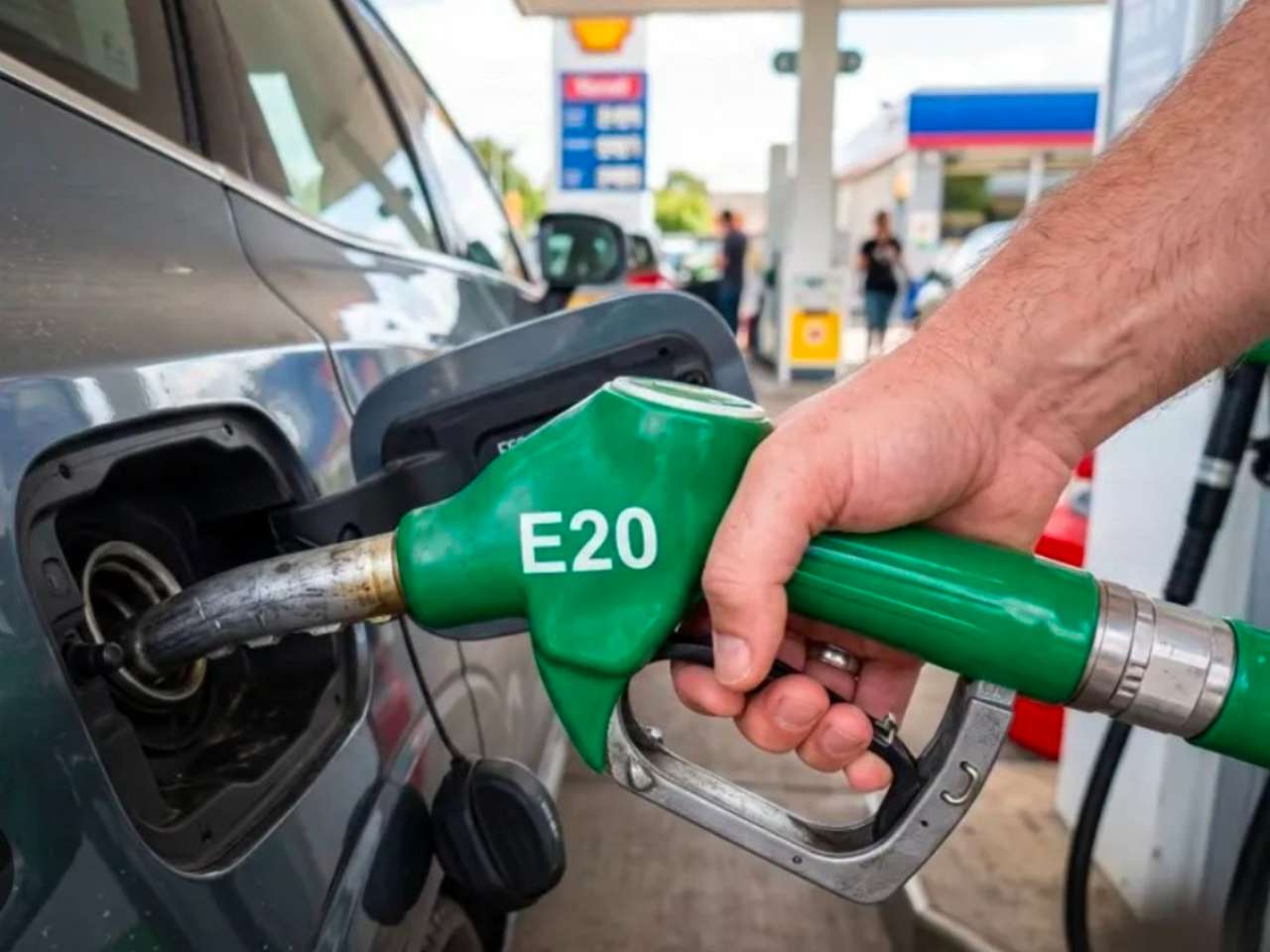 Centre claims E20 fuel does not damage engines, cites data from Maruti Suzuki and Hero MotoCorp
 Maruti WagonR Flex Fuel: What’s price of India’s first ethanol car? Specs, mileage, and top features explained
ANALYSIS
What message does the weakening of the rupee against the dollar give for the country's economy? Here's mathematics of rupee simplified.

Updated : Jul 21, 2022, 06:48 AM IST




For the first time in history, the Indian rupee has crossed 80 against the US dollar. In simple and easy words, $1 is equal to Rs 80.02 in today's date. Today, questions are being raised continuously about what message does the weakening of the rupee against the dollar give for the country's economy. Here are some questions that would come to your mind:
While these subjects are very complex, here’s an explanation of the mathematics of rupee simplified.
What does it mean when the rupee weakens?
Purchasing power is reduced. Think of it like this: Earlier Rs 70 was equal to $1. Now, for that $1, you need to pay Rs 80. When you go to buy any goods or any service in the market, then its entire transaction is done in Indian currency. But when India as a country trades in the international market, the same transaction takes place in foreign exchange. Right now our country does most of the trade in the international market i.e. transactions in dollars, which is the currency of America.
For example, all the crude oil that India buys from the international market, its full payment is done in dollars only. Now suppose India's 70 rupees is equal to one dollar and the price of crude oil per barrel in the international market is 10 dollars, then India will have to pay 700 rupees for one barrel of crude oil. But if this rupee weakens further against the dollar and its price goes beyond Rs 80, then India will have to pay Rs 800 for this one barrel of crude oil. That is, the prices of crude oil did not change, but due to the weakening of the rupee, India's expenditure on import of crude oil increased. In a nutshell, a weakening of the rupee against the dollar means that India's import bill will be expensive.
As India spends more on imports than before, it will also increase the domestic prices of those goods and services which come from other countries. Just like how the price of petrol and diesel has increased, or the mobile phones and vehicles that are imported have become expensive. This process is also called Currency Depreciation. That is, when the value of any other currency decreases in relation to the dollar, it is called falling, breaking and weakening of that currency.
Why is the Indian rupee falling?
There are many reasons for this. The first reason is inflation. The things that India imports or the things we buy from other countries, their prices have increased in the international market. Of all these, crude oil is the most important. Due to the ongoing war between Ukraine and Russia, crude oil prices have been volatile and are continuing to rise, due to which the import bill of India has increased.
Now, when a country spends more money on imports, i.e., if it spends more money on buying goods from other countries and exports are less in comparison, then it increases the Current Account Deficit. Suppose, India bought goods worth Rs 100 from other countries and sold only Rs 60 worth of goods in the international market. So this difference of Rs 40 will be our current account deficit. That is, India will suffer continuously due to this imbalance of imports and exports. It is estimated that this year the Current Account Deficit of India can be $105 billion Dollar i.e. Rs 8,40,000 crore.
Another main reason for the weakening of the rupee is the loss of confidence of foreign investors. In this year alone, foreign investors have withdrawn $30 billion i.e. Rs 2,40,000 crore foreign investment from the stock markets of India. This has weakened the rupee.
Apart from this, there are other reasons for the weakening of the rupee. For example, global supply chains are affected because of Covid-19.
How worrying is this fall in the rupee?
The rupee has weakened at almost the same pace between 2008 and 2022. In the year 2008, it was Rs 43 against $1. In 2014, it touched the level of Rs 64 against the dollar. Now, it has gone beyond Rs 80. The rupee has depreciated 25 percent against the dollar between 2014 and 2022.
Advantages and Disadvantages of weakening of the rupee
First, the disadvantages: This will increase India's expenditure on imports. Things coming from abroad, such as expensive phones, electrical items and vehicles will become costlier. Holidays abroad will become expensive. Studying abroad will cost more. Taking loans from abroad will also become expensive.
However, there are also some advantages to the fall of the rupee.
For example, the Indian government and Indian companies that export their goods to other countries will get more money than before. Think of it like that when the value was Rs 70 against $1 earlier, an export of 10 dollars item would get a trader Rs 700. But now the trader will get Rs 800 for the same item. That is, the price of the item did not increase, but due to the weakening of the rupee, that trader got this advantage on exports. People of Indian origin who live abroad and send foreign currency from there to India will now benefit more.
However, this does not mean that the rupee's fall is not worrying. This is worrying. And this is the reason that the Central Bank i.e. the Reserve Bank of India has been involved in the rescue operation of rupee.
RBI has started selling dollars from foreign exchange reserves to keep the value of rupee stable. RBI has so far sold $32 billion i.e. about Rs 2,50,000 crore from its Foreign Reserves. And now there is a foreign exchange of $580 billion i.e. Rs 46,40,000 crore left in the foreign exchange reserves of India.
There is a question in the mind of many people that how can the rupee be saved by selling dollars from foreign reserves. So there is a process for that too. In fact, when RBI sells dollars from its foreign exchange reserves, it gets rupees in return and this increases the demand for rupees in the international market. And when the demand for a currency increases, the breakdown or weakening of that currency stops.
Therefore, there are reports that in the coming time, RBI may sell more dollars from foreign exchange reserves to strengthen the rupee and increase its demand. However this is a temporary solution. Some economists also believe that RBI should not interfere much in the fall of rupee.
READ | How powerful is your Indian passport? Check countries where you don't need prior visa