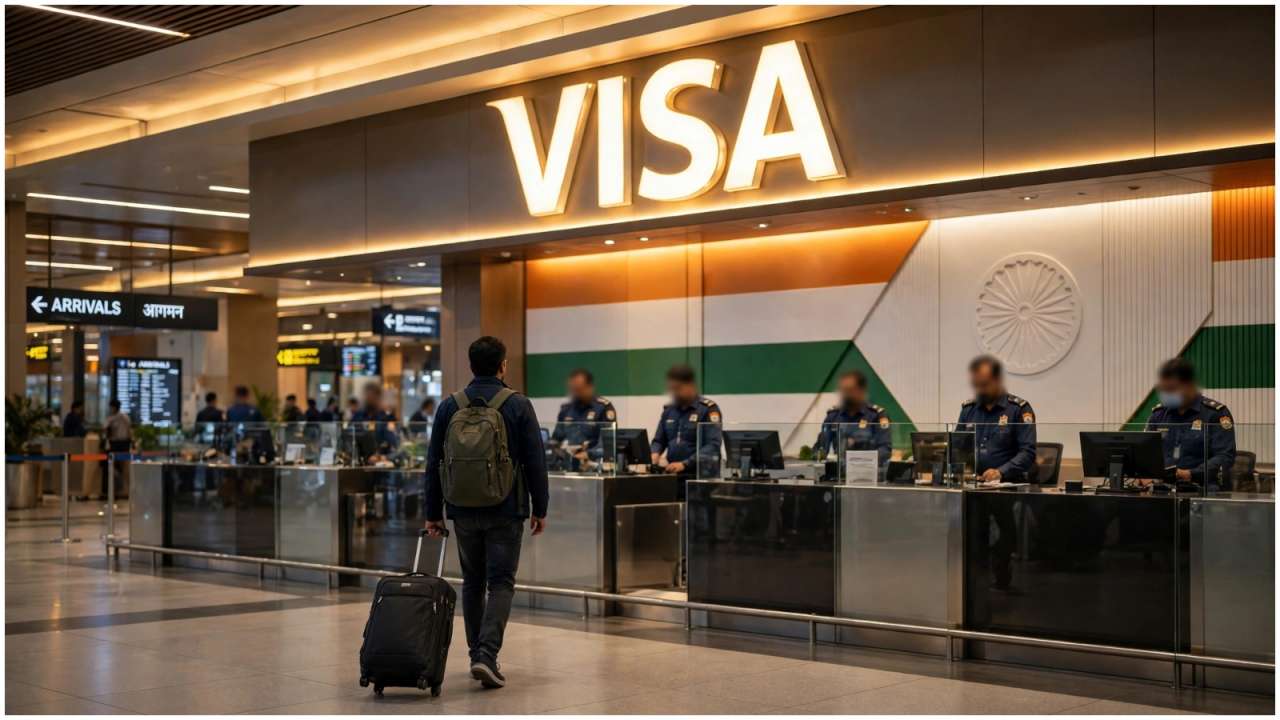
 India's new visa rules: 9 categories, shorter forms and changes for foreign visitors | Explained
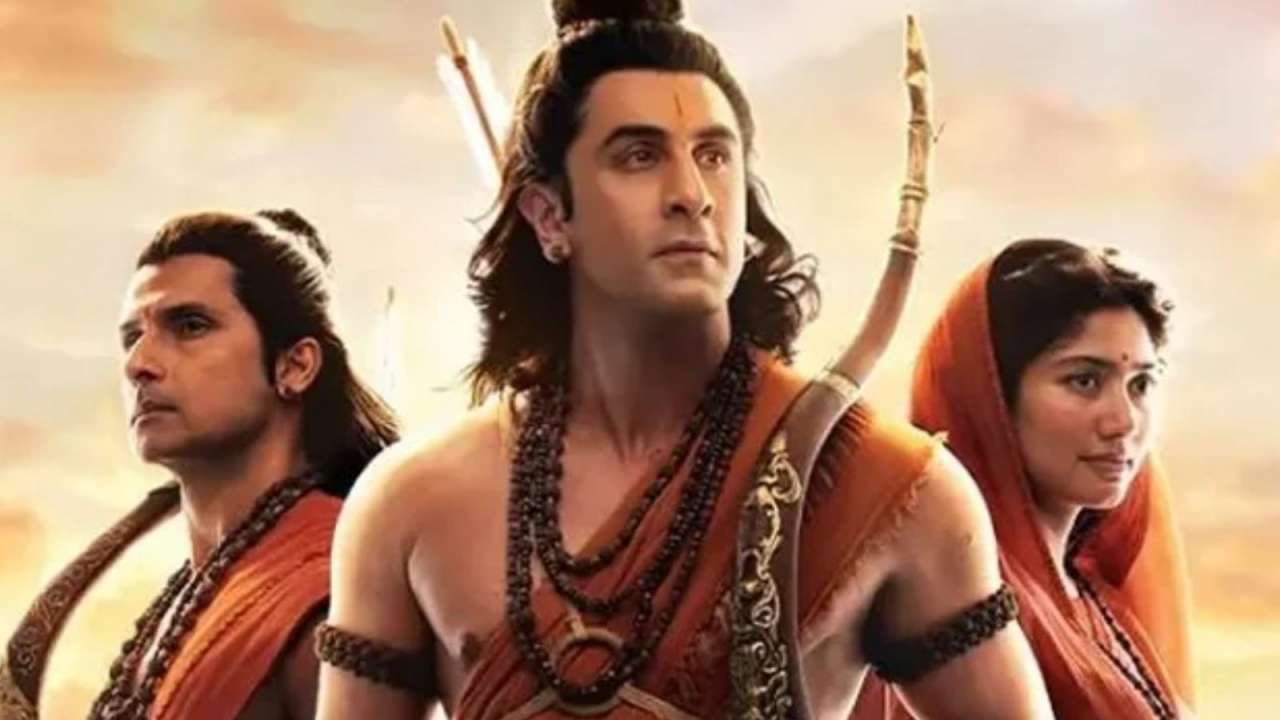 Ramayana box office collection day 7: Ranbir Kapoor, Yash film continues to SHATTER records, earns 934 crore despite minor drop
 Indore loses India's cleanest city crown after 8 years, which city takes over?
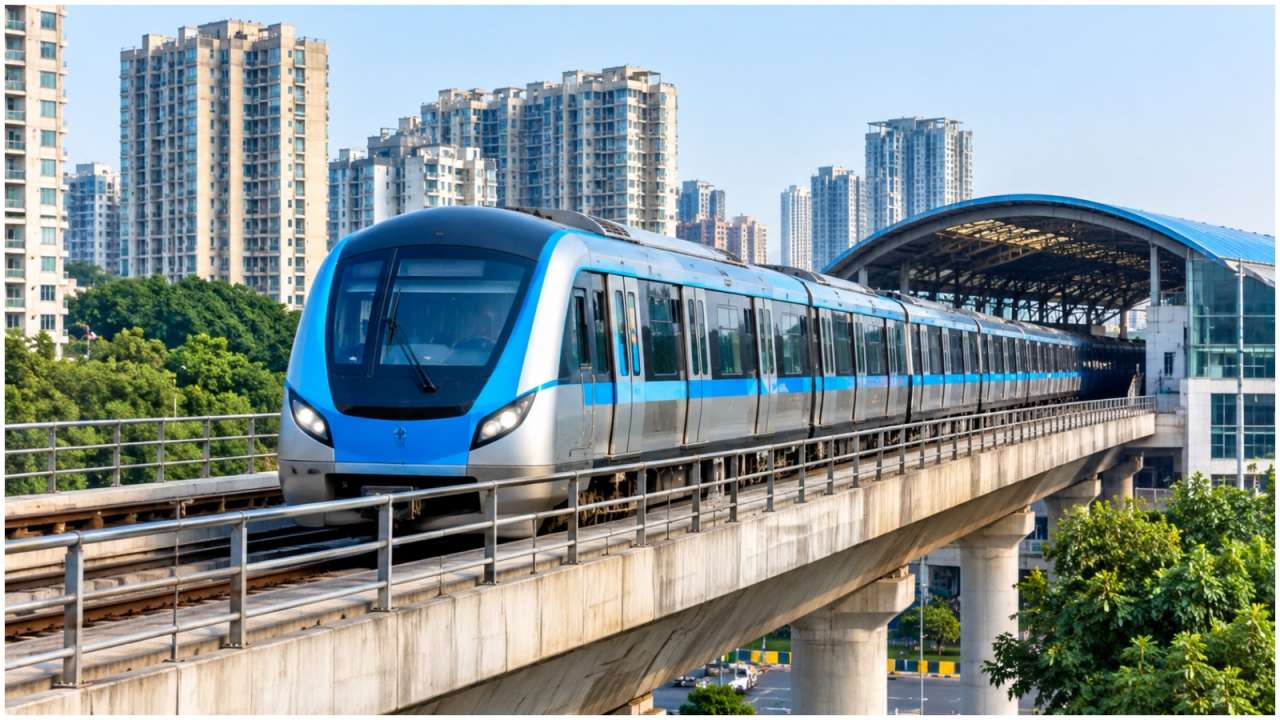 Noida Metro's Aqua Line gets 8.4-km extension: Check route, stations and cost
 Jailer 2 music composer Anirudh Ravichander gets hitched 'for lifetime' with Kavya Maran, drops first pic from intimate wedding at GreeceIndia's new visa rules: 9 categories, shorter forms and changes for foreign visitors | ExplainedIndore loses India's cleanest city crown after 8 years, which city takes over?Noida Metro's Aqua Line gets 8.4-km extension: Check route, stations and cost
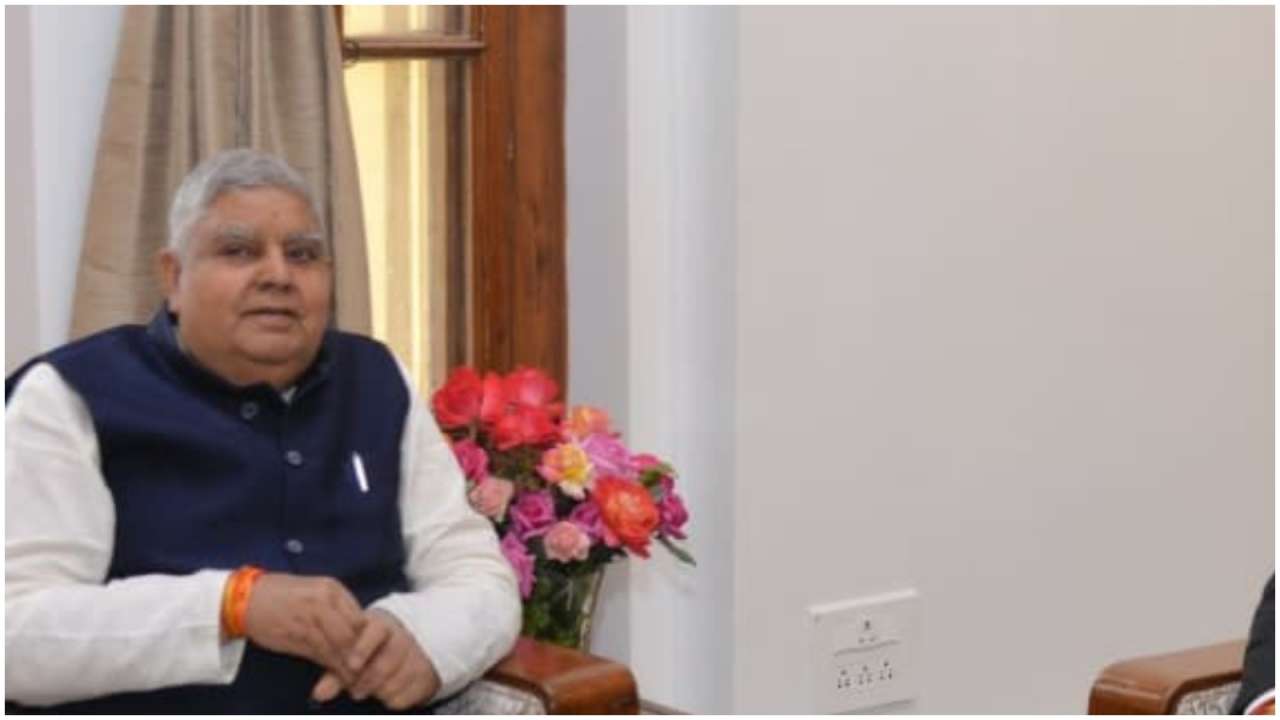 Former Vice President Jagdeep Dhankhar hospitalised after losing consciousness during morning walk
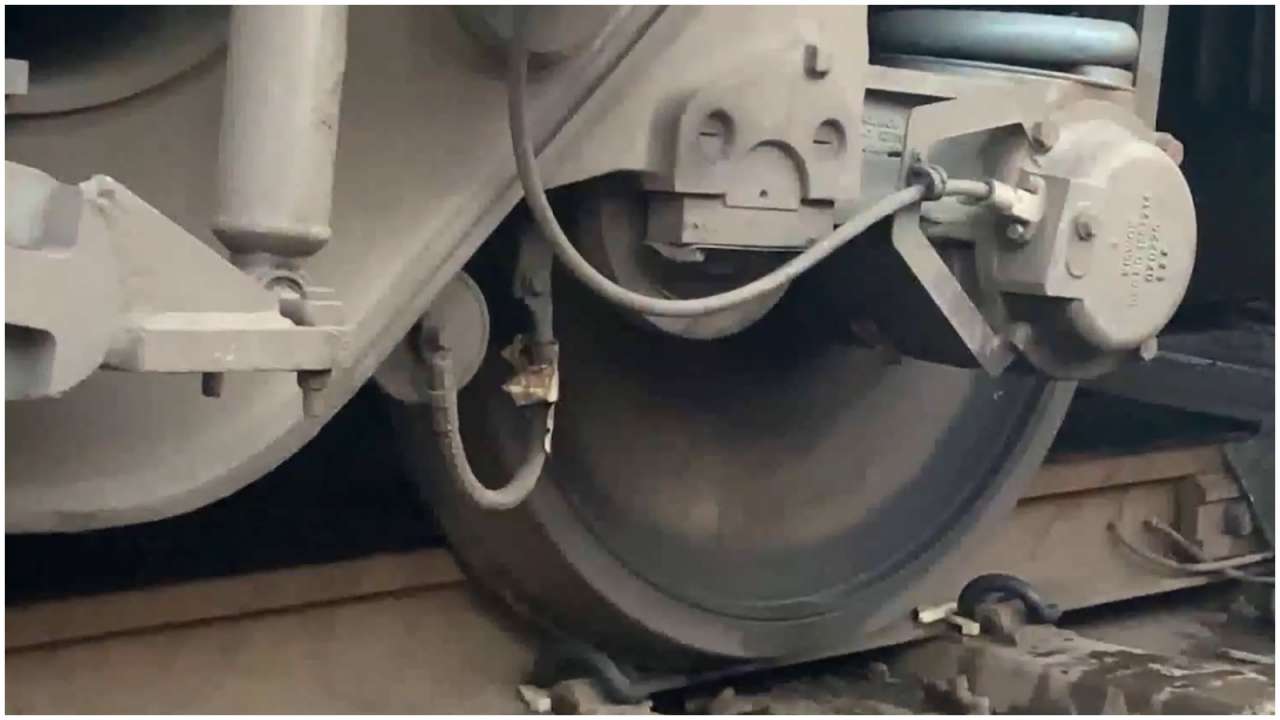 Chauri Chaura Express derails while leaving Kanpur station: What happened to passengers?
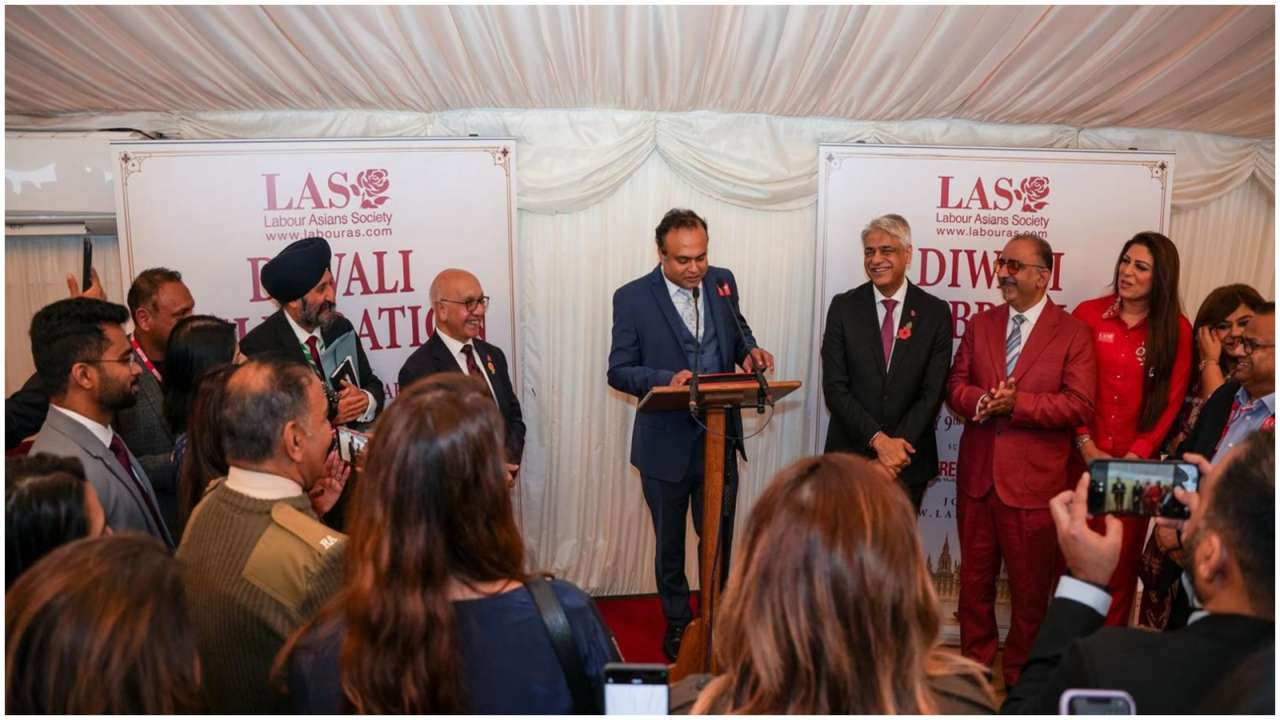 Hanuman Chalisa echoes in UK Parliament for first time: What happened at House of Lords?
 Who is Lori Huang? Will she seek divorce from Nvidia CEO Jensen Huang after his affairs with Chinese 'spy' were exposed?
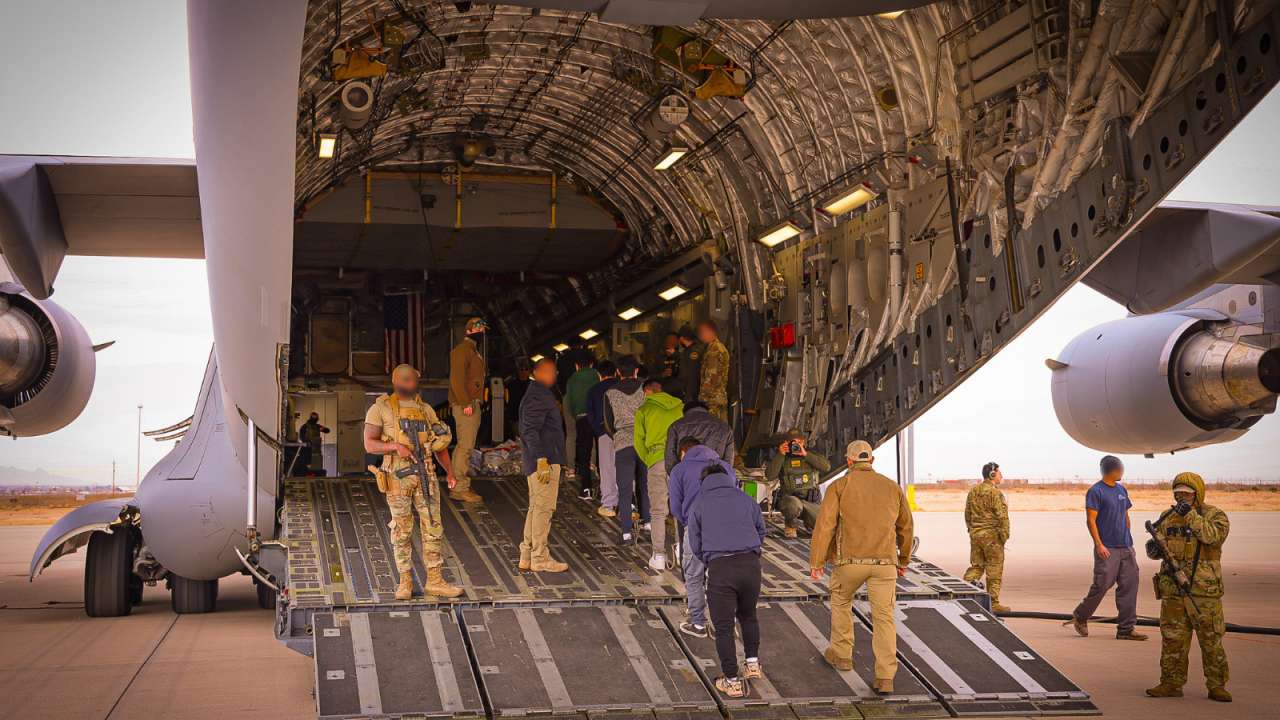 US deportation flight carrying Iranian immigrants forced to return after Pakistan refused entry: Report
 Nvidia taps ex-US Attorney Joon H Kim to lead probe into Jensen Huang affair with alleged Chinese spy
 IBM to discontinue H-1B and green card sponsorship for majority of US consulting roles
 From Nvidia CEO Jensen Huang to top officials: 5 Alleged Chinese 'honey trap' cases that shocked world
 Brent crude crashes from $115 to $90: Will petrol and diesel prices become cheaper in India?
 Sensex soars 1,300 points, Rs 6 lakh crore added in minutes: 3 BIG reasons behind stock market rally
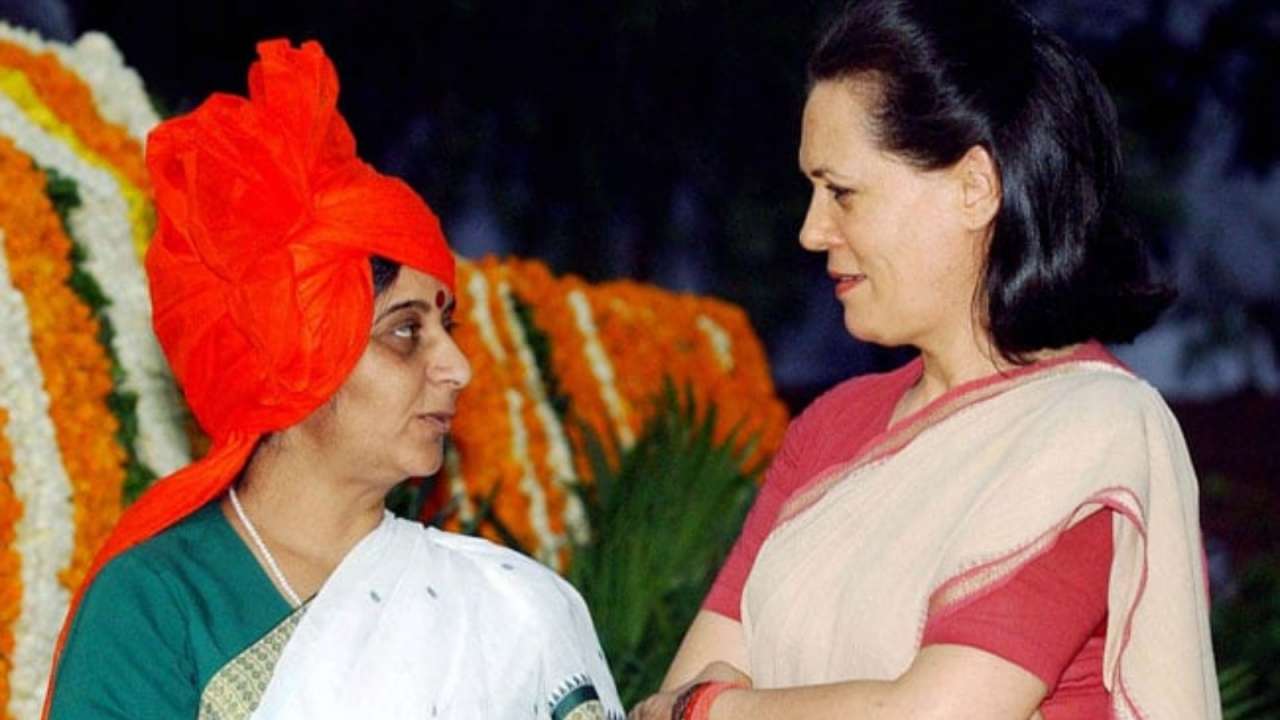 Was Sonia Gandhi afraid of BJP? Did ‘foreign origin’ campaign force her to decline PM's office? Her autobiography drops BIG hint
 Why Sonia Gandhi refused to become PM: Rahul's angry reaction, Priyanka's tears and the dramatic night that changed IndiaRamayana box office collection day 7: Ranbir Kapoor, Yash film continues to SHATTER records, earns 934 crore despite minor dropJailer 2 music composer Anirudh Ravichander gets hitched 'for lifetime' with Kavya Maran, drops first pic from intimate wedding at Greece
 Opinion: With Maatrubhumi v Eetha, Chitrangda Singh, Shraddha Kapoor are in tug-of-war, making it clash of glamour, mass appeal, metro stardom
 Nagziila: Bombay High Court grants big relief to consultant Kuldeep Singh Champawat in Rs 3.92 crore financial irregularity case
 Maatrubhumi: Meiyang Chang gets emotional seeing Prashant Tamang one last time in Salman Khan's film: 'Mero bhai I'm so glad'
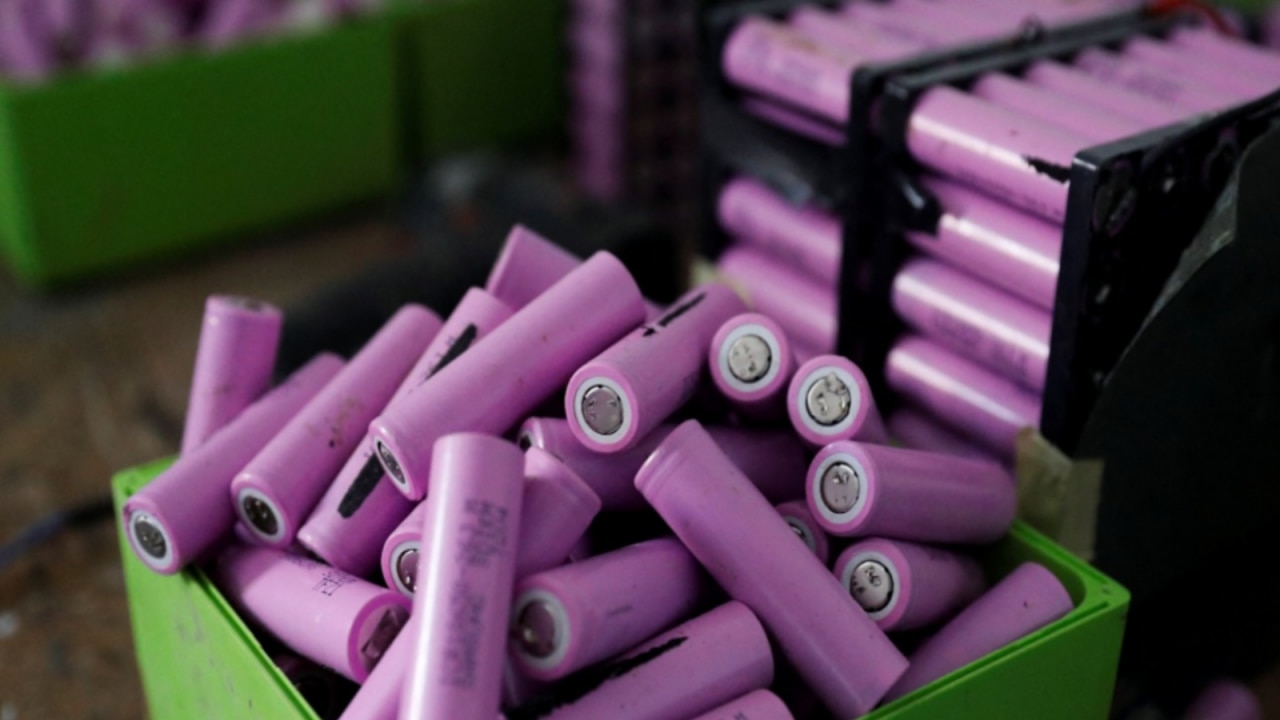 India bans lithium-ion battery waste exports: What's the reason behind the move?
 Why Mother Dairy, Amul to hike milk prices in Delhi-NCR from November 12?
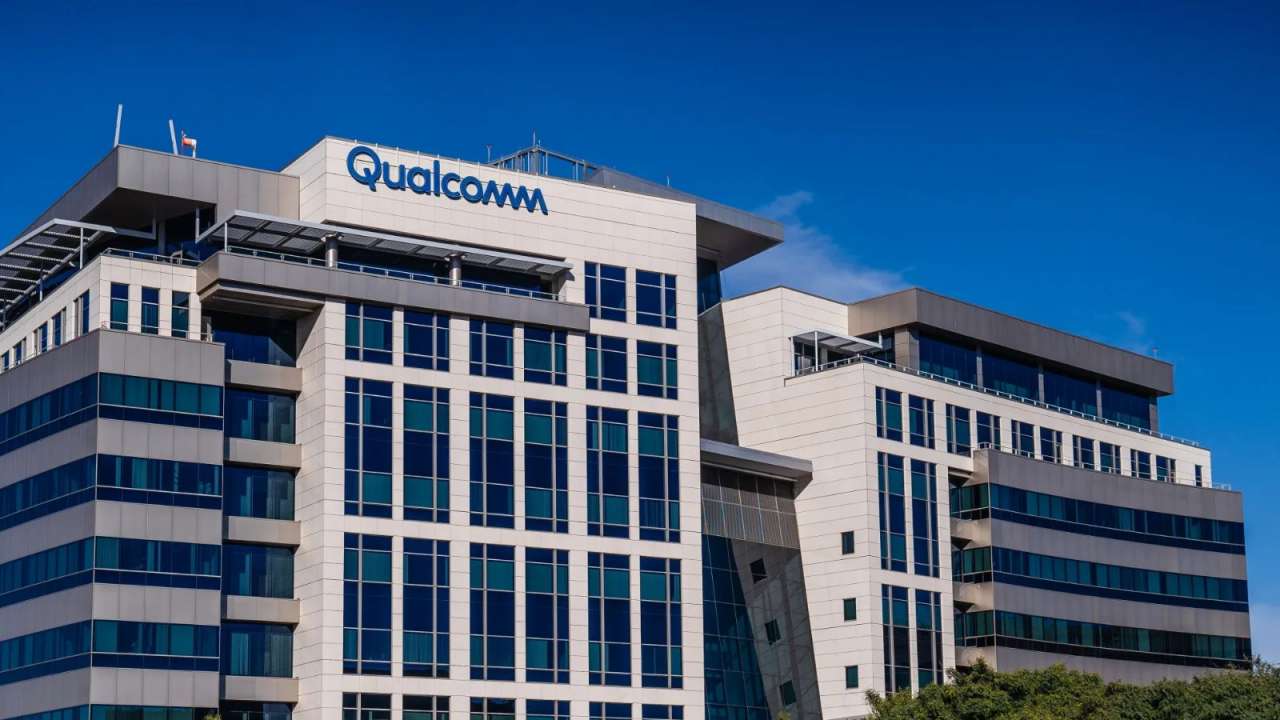 Qualcomm Layoffs 2026: How much severance will employees in India get? Check full package, eligibility and key details
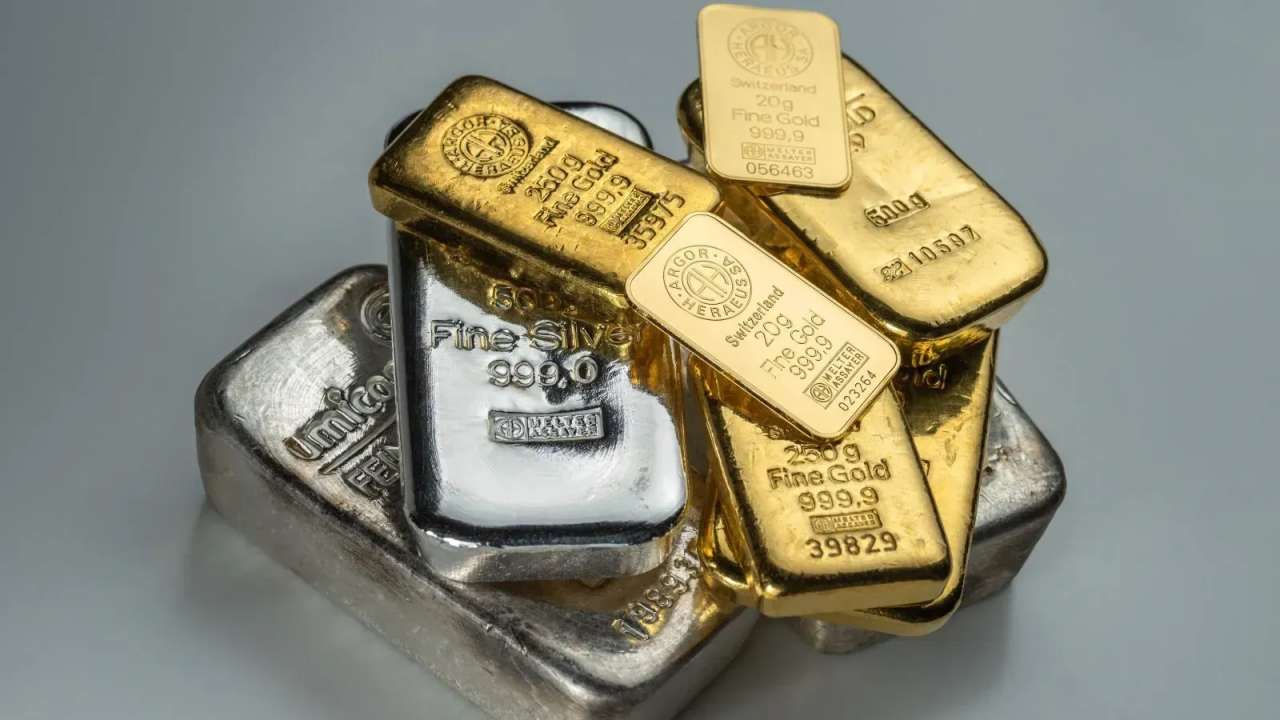 Gold, Silver prices today, November 11, 2026: Check city-wise rates in Delhi, Mumbai, Chennai, Kolkata and more
 Anthropic launches IPO roadshow: 825 million shares on offer, check price and key details
 Arshdeep Singh and Samreen Kaur take relationship to next level: See engagement pictures
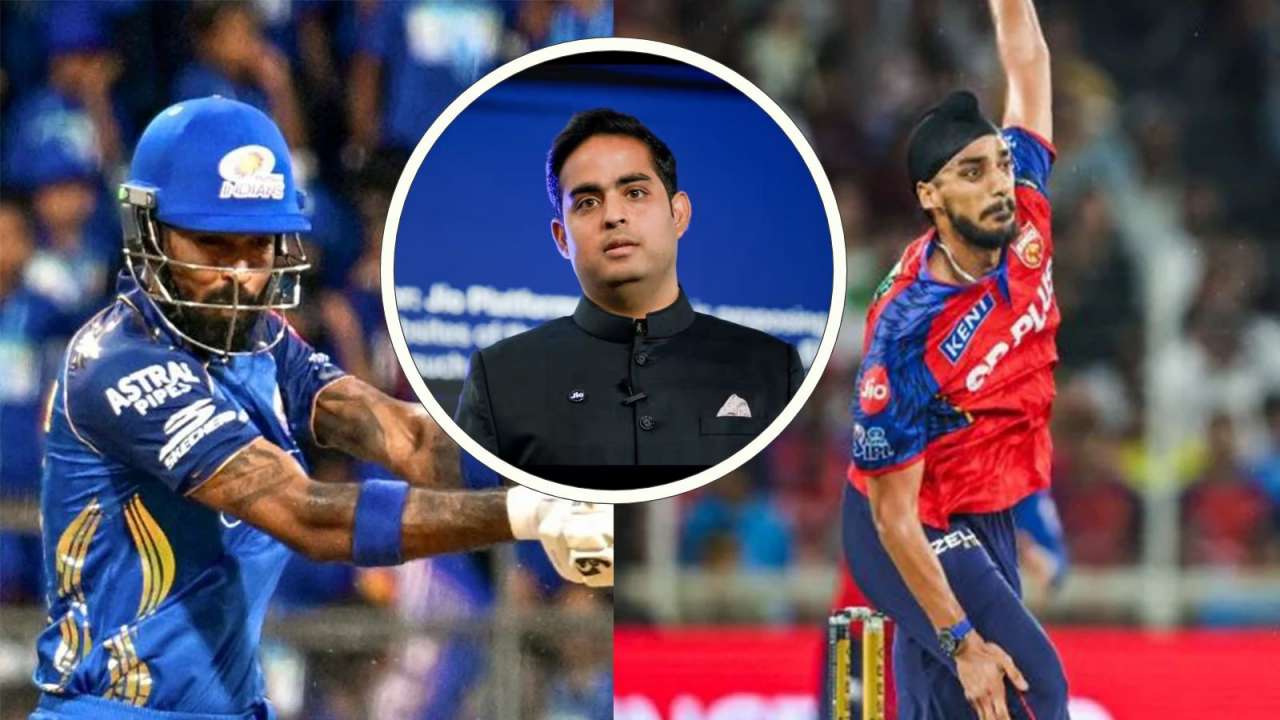 Akash Ambani's first reaction after Hardik Pandya trade, welcomes Arshdeep Singh to Mumbai Indians
 Hardik Pandya drops first message after joining PBKS goes viral, says 'Sat Sri Akal Punjab'
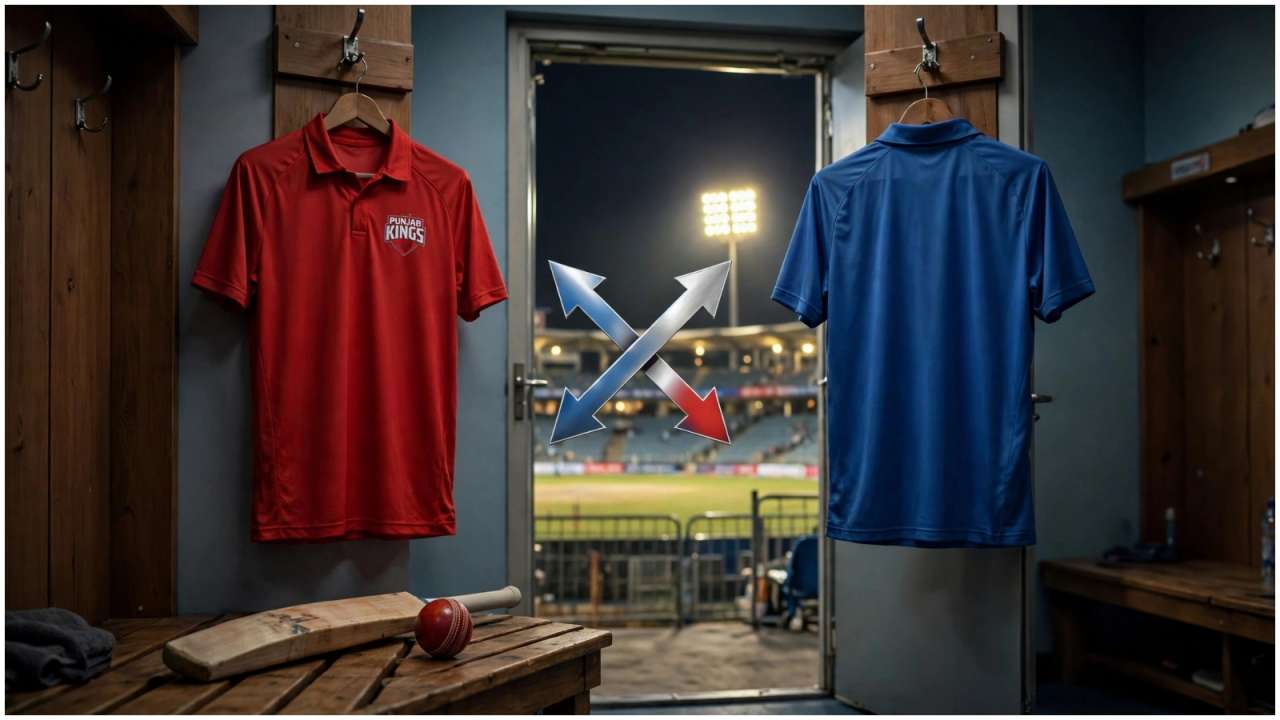 IPL 2027 trades: Full list of players who have switched teams, Hardik-Arshdeep deal included
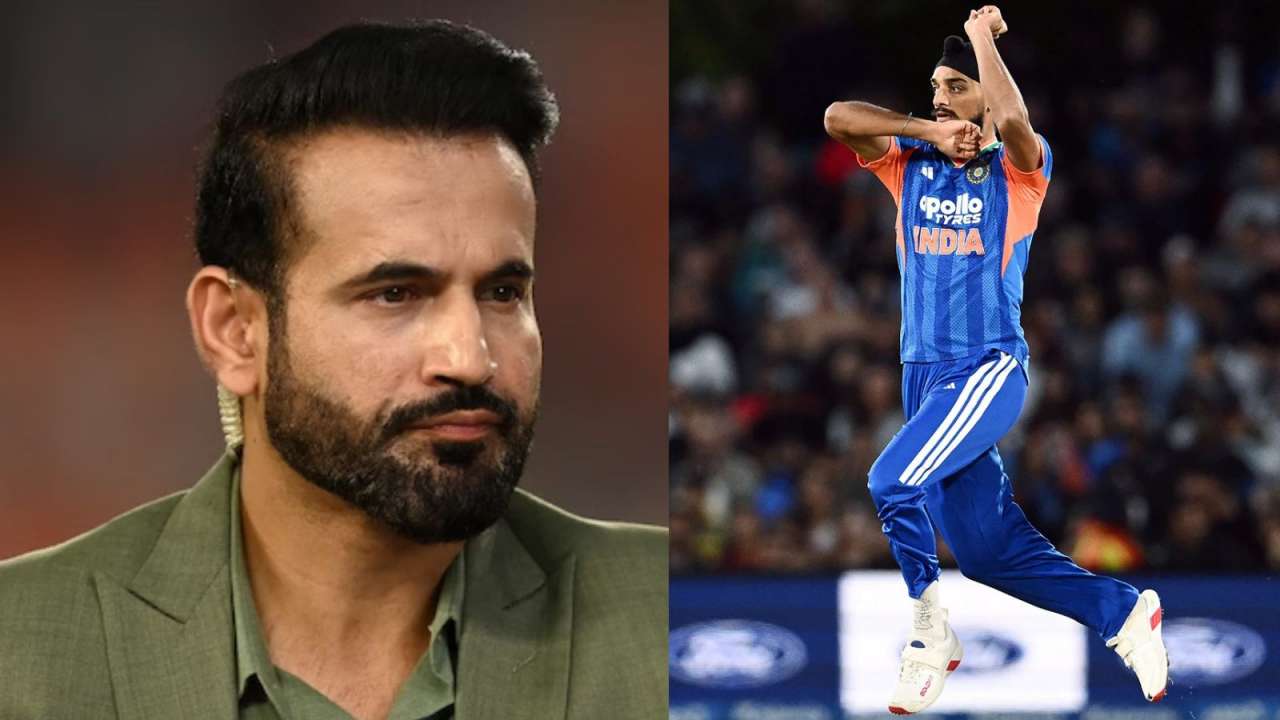 Irfan Pathan makes big statement on Arshdeep Singh's trade to MI, says 'Makes Mumbai Indians a stronger side'
 Assam Train Accident: 'Break Failure Or Control Loss...' 300 Passengers Escape Death; What Happened?
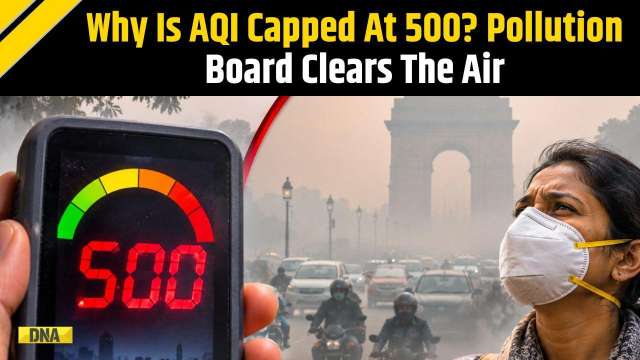 Delhi AQI News: Why India’s Official AQI Stops At 500 While Private Apps Show Readings Above 1,500
 Nvidia Scandal Explained: Jensen Huang, Megaspeed Allegations & Impact On AI Stocks & GPUsMother Dairy Milk Price Revision 2026: Check New Rates For Full Cream, Toned & Cow Milk | Amul Milk
 J&K News: 2 CRPF Personnel Injured In Terrorist Attack At Mir Bazar Checkpoint In Kulgam
ANALYSIS
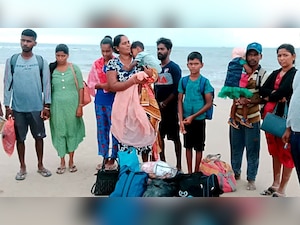
The people of Sri Lanka now want to take refuge in India to save their lives and in the last two weeks, many of its citizens have come to Tamil Nadu.

Updated : Apr 13, 2022, 06:26 AM IST
















The growing political and economic instability in India's neighbouring countries has raised its concerns. A family government has now arrived in Pakistan and there is an increased risk of ISIS. China is expanding its nuclear power due to the growing instability in the Asia region. In Nepal also, the import of essential commodities has been banned due to the decline in foreign exchange reserves. And we all know the situation in Sri Lanka.
But now Sri Lanka's economic crisis has further added to India's concern. The people of Sri Lanka now want to take refuge in India to save their lives and in the last two weeks, many of its citizens have come to the state of Tamil Nadu in India by sea.
If the situation in Sri Lanka does not improve soon, the exodus will take a very serious turn and it is possible that the situation will become exactly the same as it was during the civil war in Sri Lanka. Between 1983 and 2009, there was a battle between the Liberation Tigers of Tamil Eelam (LTTE) and the Sri Lankan Army in the island nation. At that time, between 1990 and 2009, 1.6 million Sri Lankan nationals had taken refuge in India due to which the atmosphere of instability and violence in the cities of South India had increased.
In Jaffna in Sri Lanka, fishermen want to come to India by sea. However, the Sri Lankan army is doing its best to stop these people.
Sri Lanka currently owes about $5,100 million to other countries. And its foreign exchange reserves are almost exhausted. Far from repaying the debts of other countries, Sri Lanka does not have the money left to feed the people of their country.
Due to the absence of foreign exchange, its import of fuel to food and drink is being badly affected. In this mess, Sri Lanka is now having to spread its hands in front of the IMF and other countries to feed its people.
Sri Lanka is expecting a bailout package from the International Monetary Fund but the IMF has not provided any additional help to it. The economic emergency that exists in Sri Lanka right now is a lesson for any debt-ridden country or institution that the economy can be pulled up for some time by the help of debt, but no country can progress on the basis of it alone.
There should also be a limit to the loan. Sri Lanka ignored that boundary and today the results are in front of the whole world. The Sri Lankan government is now eyeing a meeting with the IMF in New York. For this, on April 18, a team will go to New York with the Sri Lankan Finance Minister.