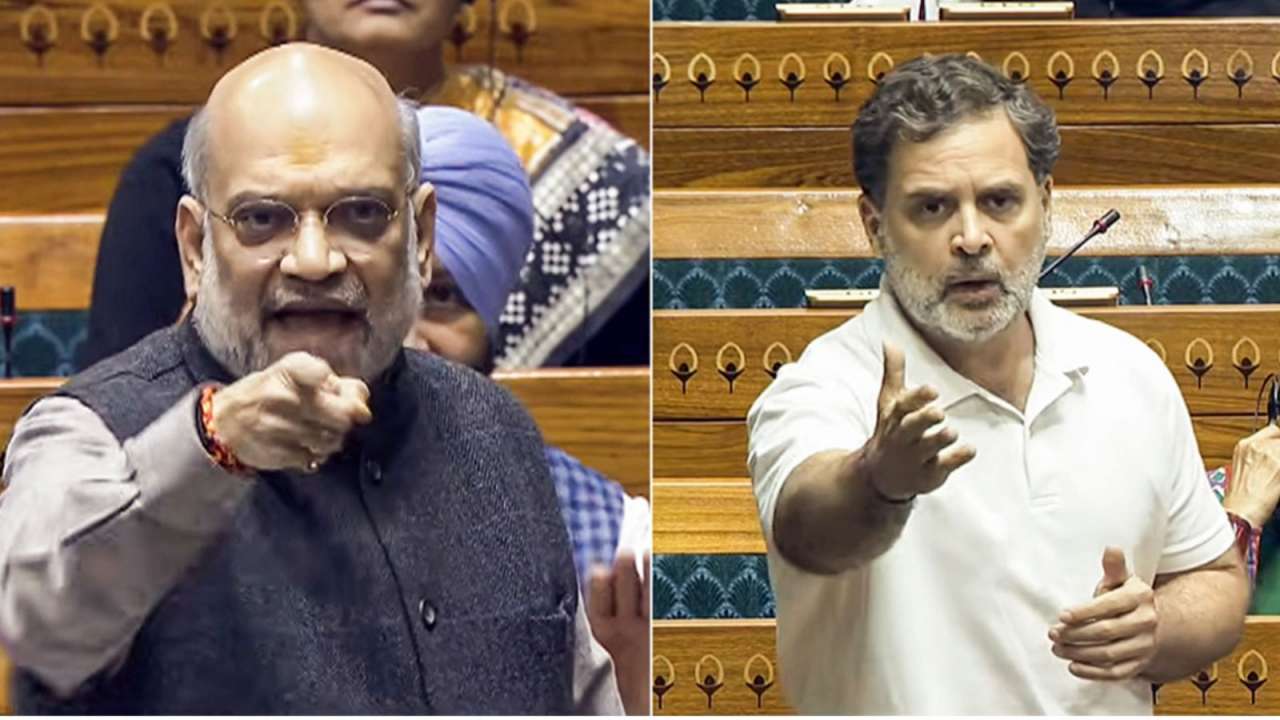
 Amit Shah targets Rahul Gandhi over foreign visits, warns Congress of 30 more years in Opposition
 Jensen Huang-Alice Huang Controversy: Nvidia Customer Megaspeed says Chinese executive exited in 2025
 Scene box office collection day 10: Suriya film beats Vishwanath and Sons to become his second highest-grossing movie
 Fifth encounter in six months: Bengal Police shoot dead ‘criminal’ accused of opening fire at police officer
 Ramayana: Kunal Kapoor thanks fans across India, Thailand and Southeast Asia for overwhelming love for Lord Indra roleAmit Shah targets Rahul Gandhi over foreign visits, warns Congress of 30 more years in OppositionFifth encounter in six months: Bengal Police shoot dead ‘criminal’ accused of opening fire at police officer
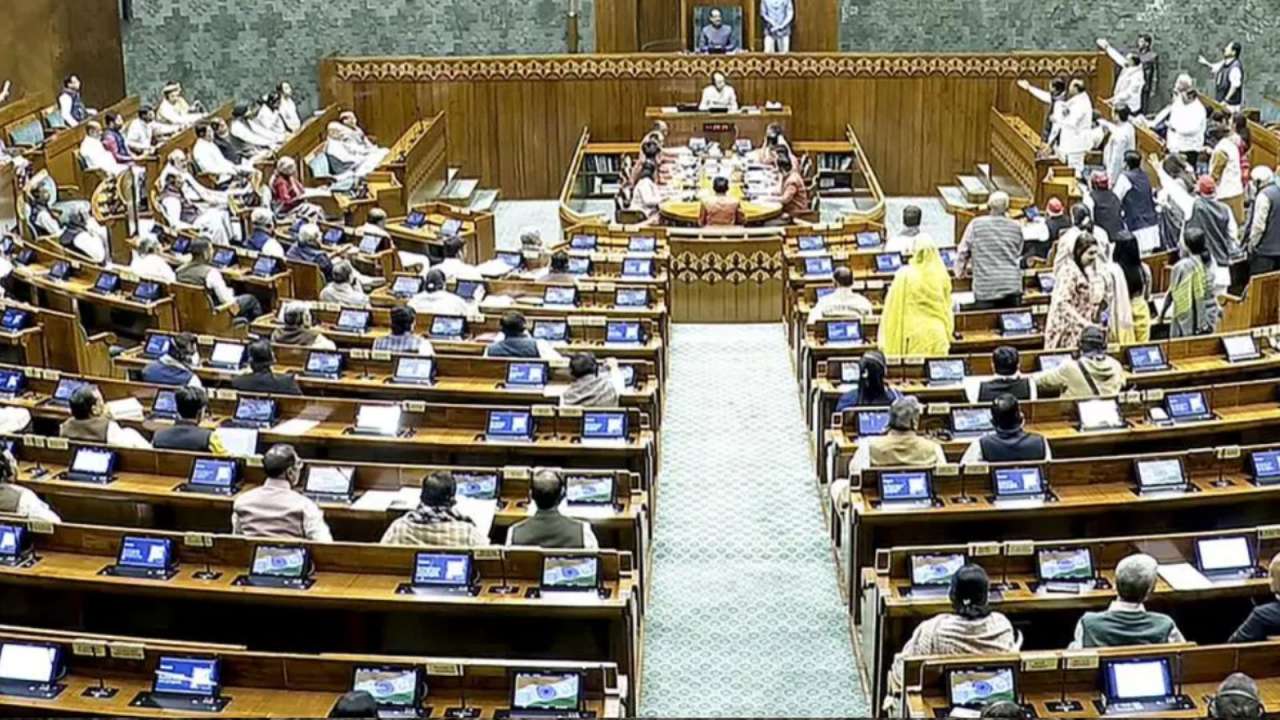 Parliament Winter Session likely in December: Women's Reservation Bill, SIR row in focus
 Chhath Puja 2026: Delhi Metro to begin services 90 minutes early on November 16
 Bengaluru family killings: Rs 3 crore property dispute, gold jewellery sale under police scannerJensen Huang-Alice Huang Controversy: Nvidia Customer Megaspeed says Chinese executive exited in 2025
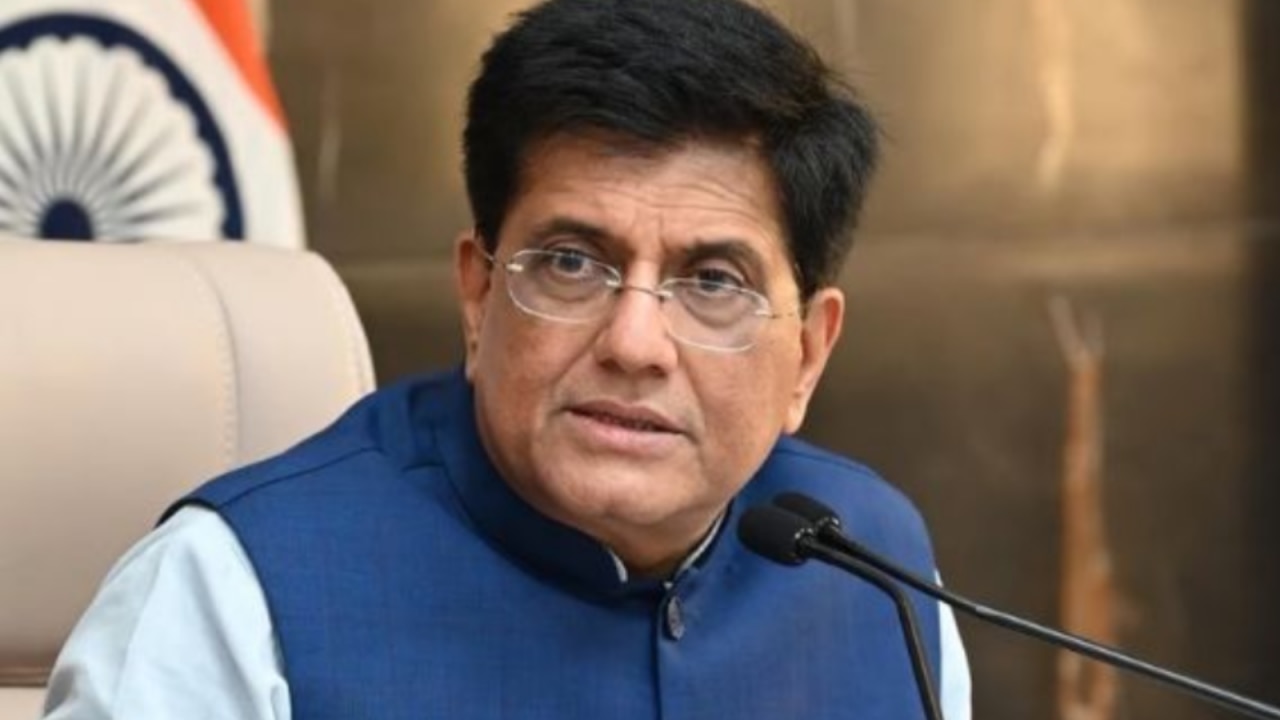 India to get lower US tariffs than competitor countries, Piyush Goyal says
 China aircraft enters Indian airspace over Sikkim, ignores warnings for 25 minutes
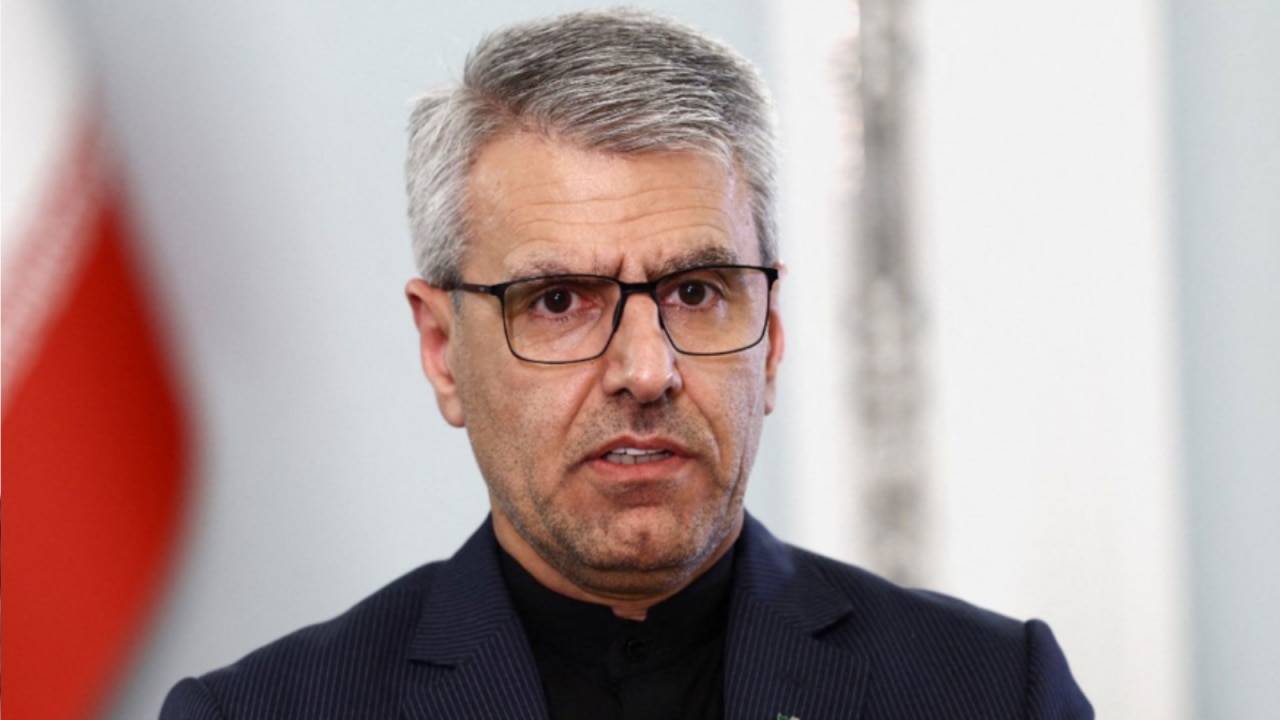 Iran accuses US of 'threatening to starve' people as Trump intensifies economic pressure
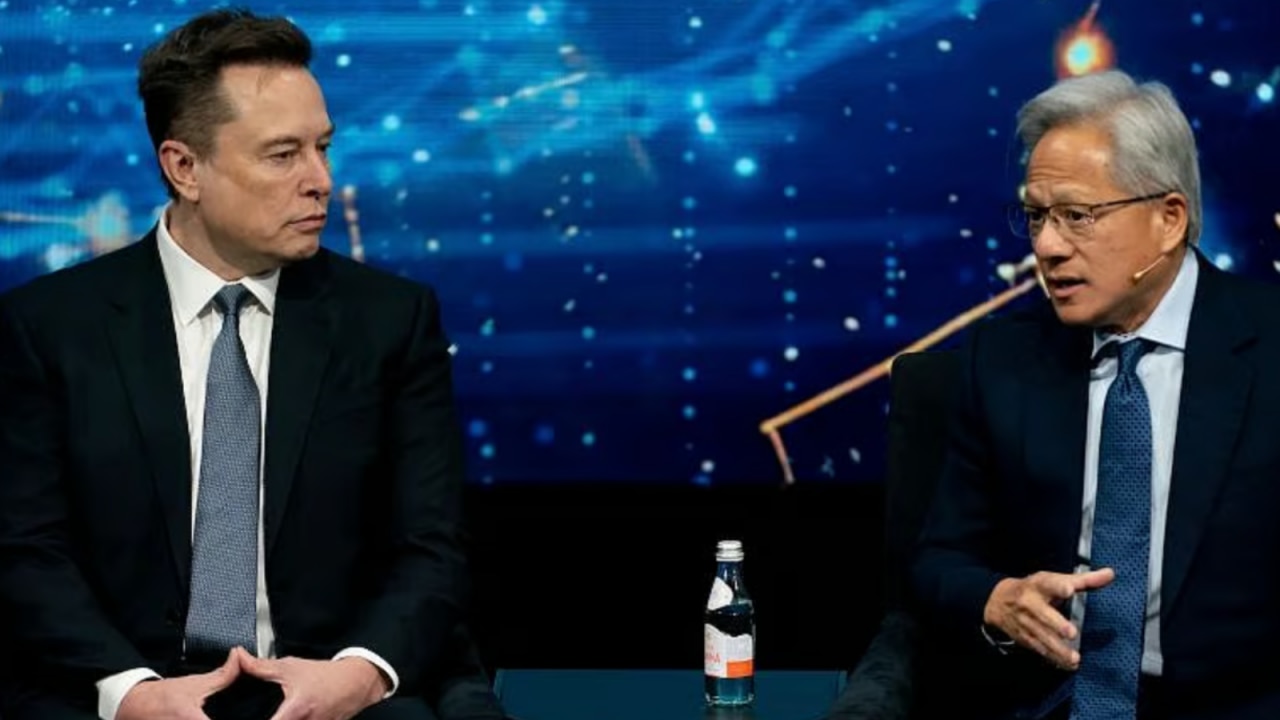 What changes at Nvidia after Jensen Huang's exit? Elon Musk warns of lost deals, Trump disclosed stock investments
 Microsoft Global Outage: Why did Outlook stop working? How were airlines in India affected?
 Nvidia After Jensen Huang: Will India's AI dream face chip shortage or open door for new rivals?
 Why does inflation soar to 6.09% despite falling fuel prices, US-Iran war halt? RBI's next move under focus
 UP Elections 2027: Will Asaduddin Owaisi and Chandrashekhar Azad defeat BJP or help Yogi win?
 From Nvidia CEO Jensen Huang to top officials: 5 Alleged Chinese 'honey trap' cases that shocked worldScene box office collection day 10: Suriya film beats Vishwanath and Sons to become his second highest-grossing movieRamayana: Kunal Kapoor thanks fans across India, Thailand and Southeast Asia for overwhelming love for Lord Indra role
 Rashami Desai's ex-husband Nandish Singh Sandhu marries Kavita Banerjee in traditional Bengali wedding
 Ramayana box office collection day 11: Ranbir Kapoor, Yash film is unstoppable, crosses Rs 700 crore in India
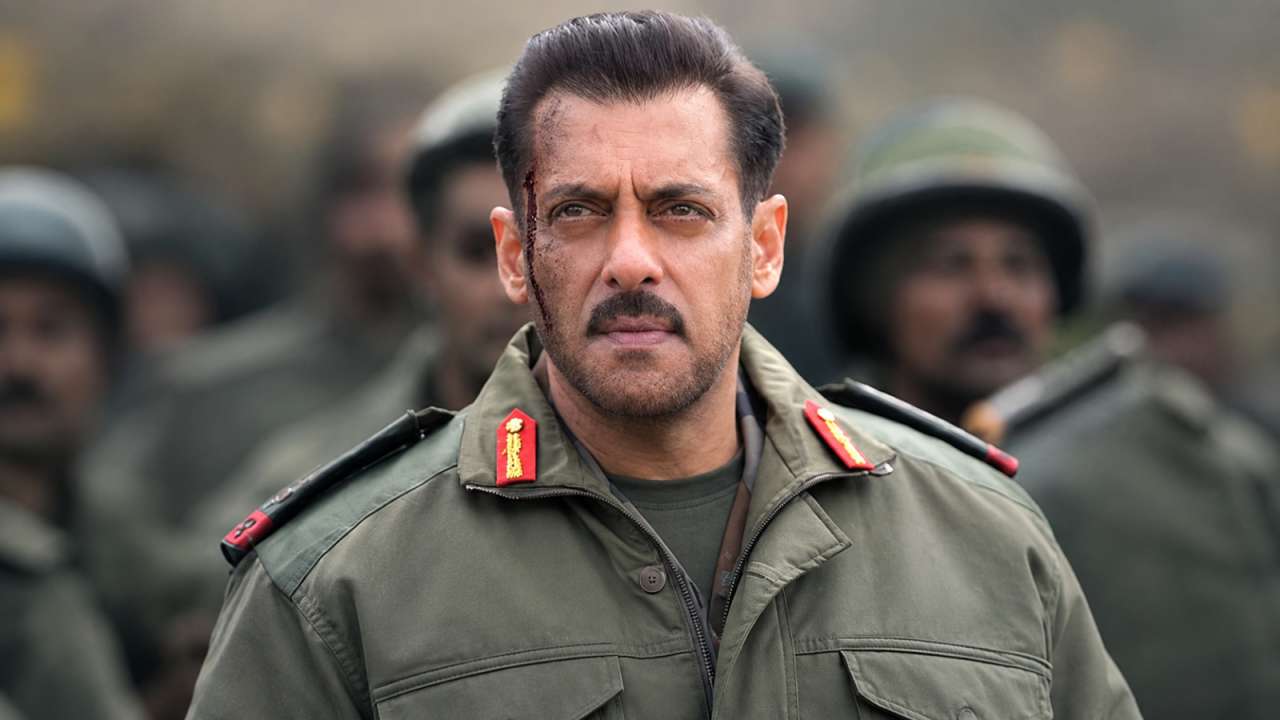 Maatrubhumi: Why Salman Khan has kept the film's biggest action sequences out of the trailer | Exclusive
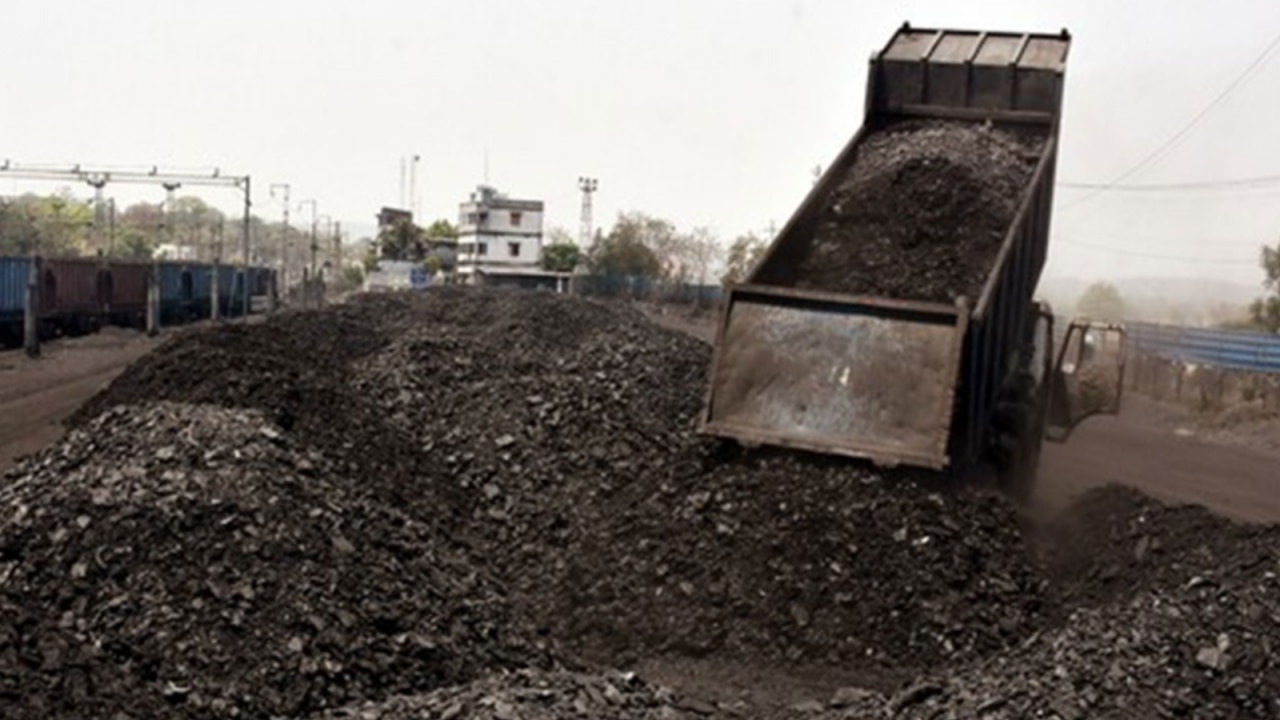 Mahanadi Coalfields IPO: 10 Things to know about issue date, GMP, price band, size and listing
 Tata Sons Listing Row: Why Noel Tata fears it could change Tata Group
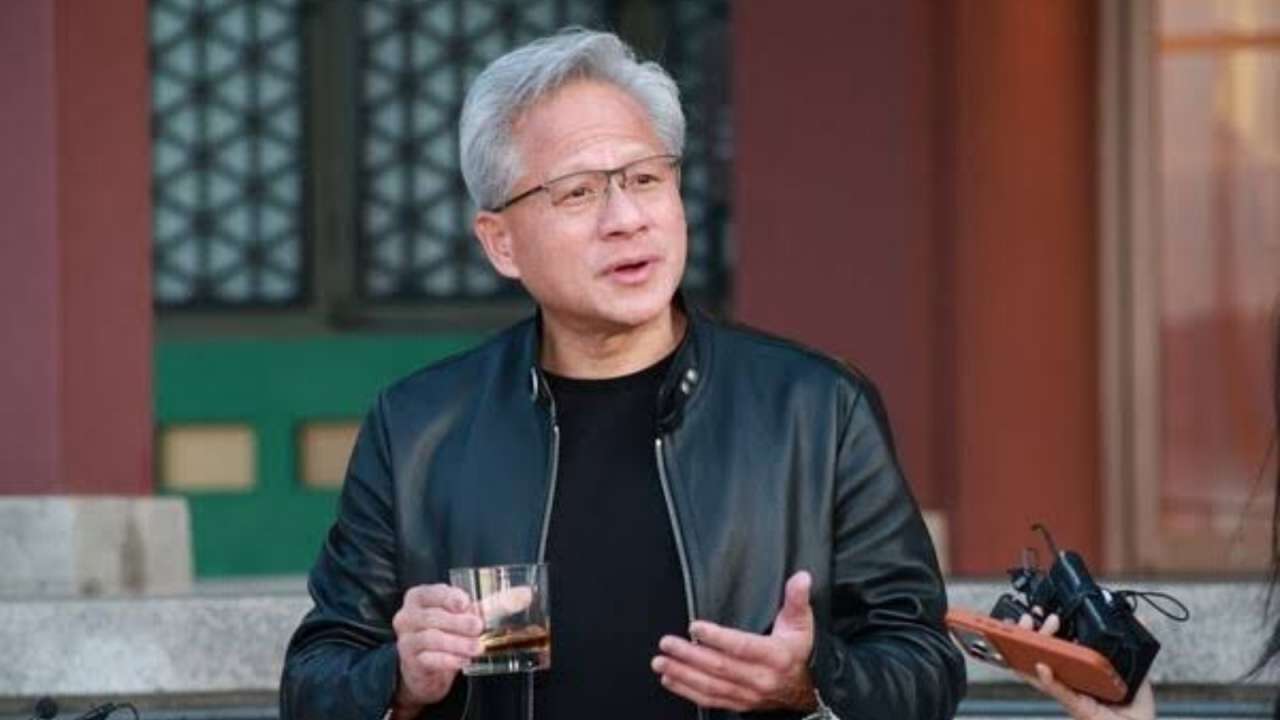 Who will replace Jensen Huang at Nvidia? 3 Indian-origin executives in the race
 Zee Entertainment announces Rs 600 crore share buyback at Rs 91 per share
 Who may replace Nvidia CEO Jensen Huang? THIS Indian tech executive emerged among top contenders
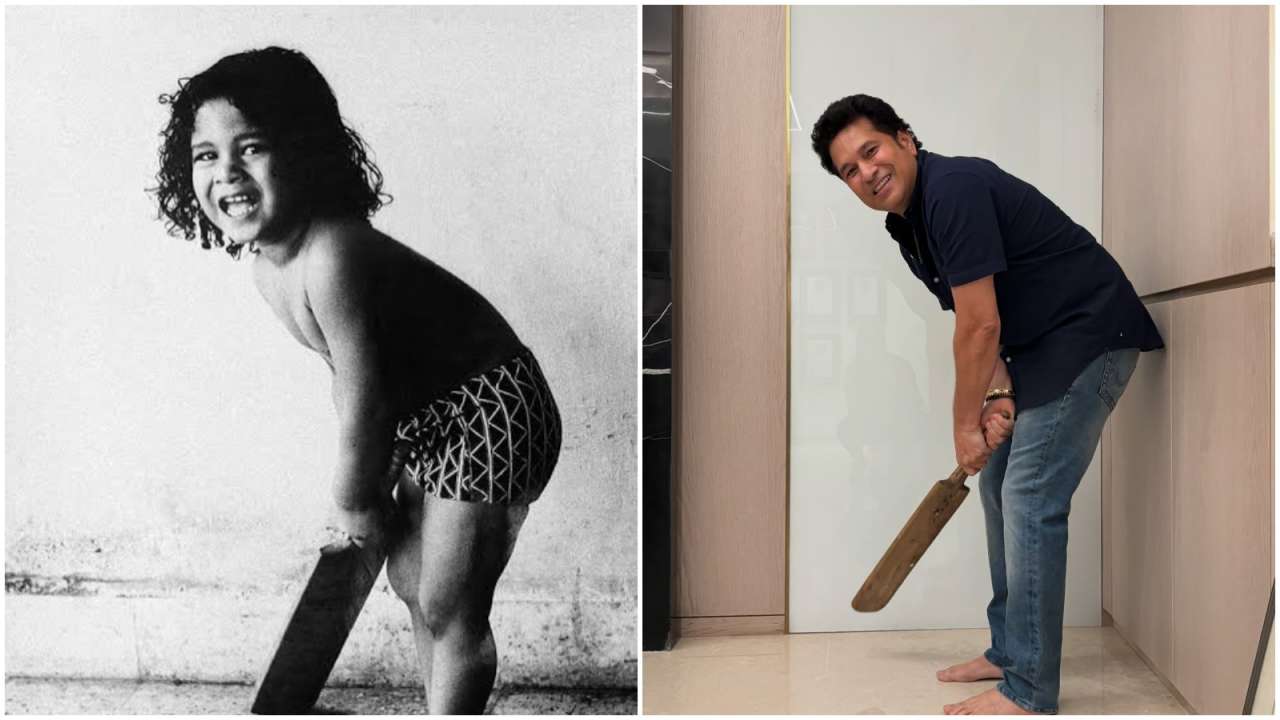 '49 saal baad bhi mere saath hai': Sachin Tendulkar recreates iconic childhood photo on 37th debut anniversary
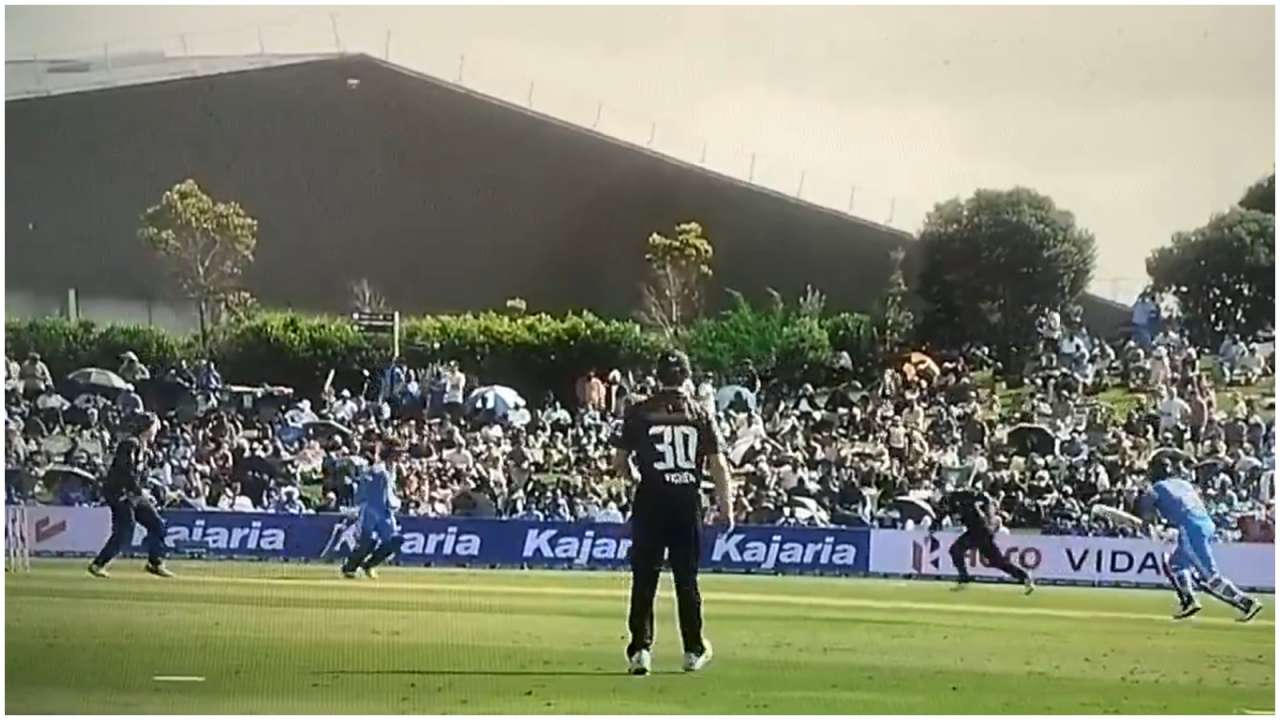 India vs New Zealand 5th ODI: Why did live telecast suddenly face disruption?
 PM Modi congratulates India U19 team after thrilling win over Pakistan in Asia Cup 2026 final
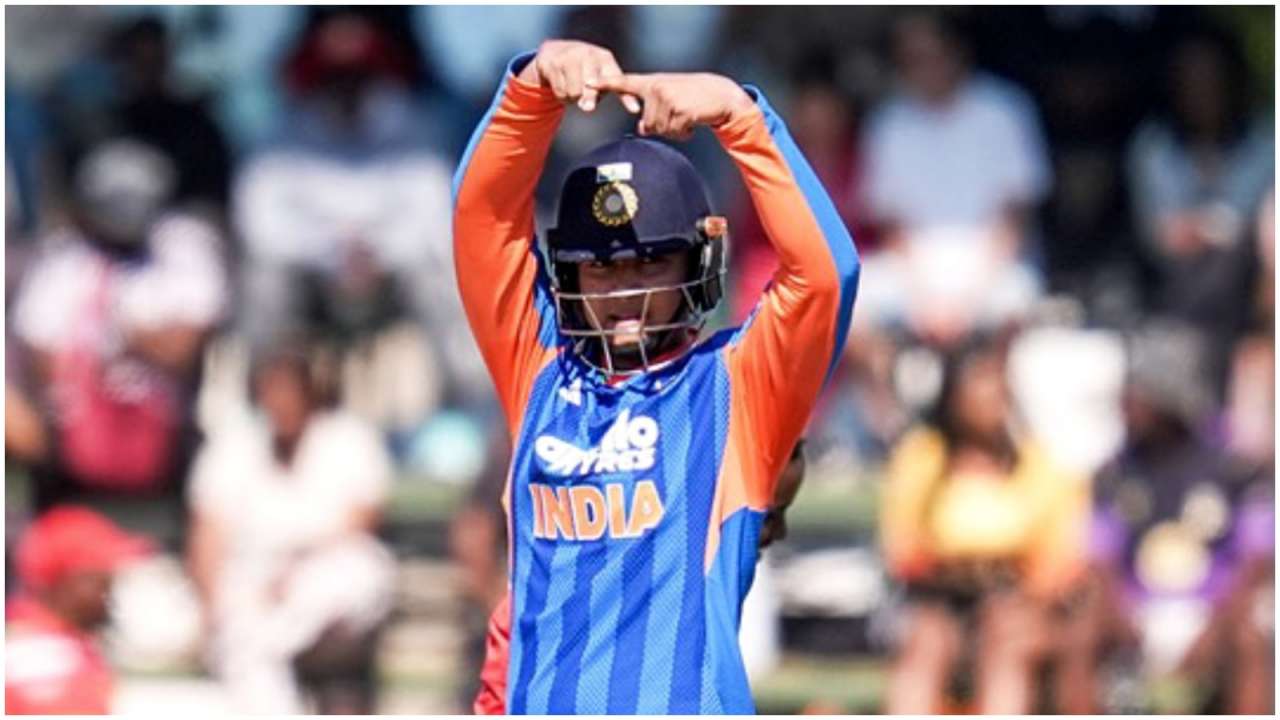 Vaibhav Sooryavanshi achieves a rare first at 15, creates history in T20 cricket
 IND vs PAK U19 Asia Cup final: When and where to watch match live on TV and online
 Israel News: 'Trying To Block Govt Formation...' Eisenkot's Bluntly Refuses Netanyahu's 'Unity Govt'
 Cyclone 'Akwan' Alert: '3rd Consecutive Severe Cyclone..' IMD's Big Update On Cyclone Akvan Landfall
 J&K News: Massive Anti-Terror Manhunt In Kishtwar | Joint Army, Police Operation After 2 SPOs Killed
 Kaziranga Road Accident Update: Death Toll Rises To 24; Mini-Bus Had 13 Overspeeding Challans
 Bay of Bengal Cyclone Alert: Low-Pressure Area To Intensify By November 16; Yellow Alert In Odisha


ANALYSIS
With reference to the article ‘Is blogging, tweeting dignified for judges?’ (DNA, September 21), the code of conduct for judges should apply to all judges, not only those serving in the superior court.

Updated : Sep 23, 2010, 11:42 PM IST

















Judicial blog roll
With reference to the article ‘Is blogging, tweeting dignified for judges?’ (DNA, September 21), the code of conduct for judges should apply to all judges, not only those serving in the superior court. Judges should be to express their views freely to reaffirm people’s faith in the impartiality of judges. Also, the litigants should be free to say whatever they want concerning the performance of judges on these blogs. Free expression is the best way to reinforce people’s faith in the judiciary.
— Deendayal Lulla, Mumbai
Ayodhya on hold
The Apex Court has postponed the Allahabad High Court verdict on the Ayodhya dispute by a week. Let us hope that after its declaration on October 1, the tranquility and peace prevailing in the country does not get disturbed. In the past, on June 12, 1975, the judgment of the same court had had long term ramifications for the entire political spectrum in the largest democracy of the world.
— Arun Malankar, Mumbai
Political arrogance
Shiela Dixit has the arrogance to say that the pathway that collapsed at the Commonwealth Games Venue (DNA, September 22) was not meant for athletes and officials but was for the public. This is another instance of where the political class treating the life of common man as cheap dirt.
—PRV Raghaavn, Mumbai
Stuff of democracy
With reference to the article ‘Caste, a double-edged sword’ (DNA, September 22), both the learned leaders have put forward their points on the topic emphatically. This can be concluded as two sides of a coin called democracy. Moreover, duality is inescapable in the present context of politics.
— RM Deshpande, Mumbai
Suspect judiciary
The edit, ‘Rescuing the SC from public contempt’ (DNA, September 20), was unexceptionable. The judiciary being a part of society cannot be expected to be free from the virus of corruption. If we go to the root of the problem, we would discover it owes much to the slogan of ‘committed judiciary’ from the days of Indira Gandhi. Superseding of the judges of the Supreme Court set the corruption ball rolling. Political interference in those days accelerated the menace.
— Shreeram Paranjpe, Mumbai