 Salesforce layoffs hit India employees, staff put on garden leave till February 1
 Is Nvidia Data Leaked? The Gentlemen claims hack, threatens to publish data
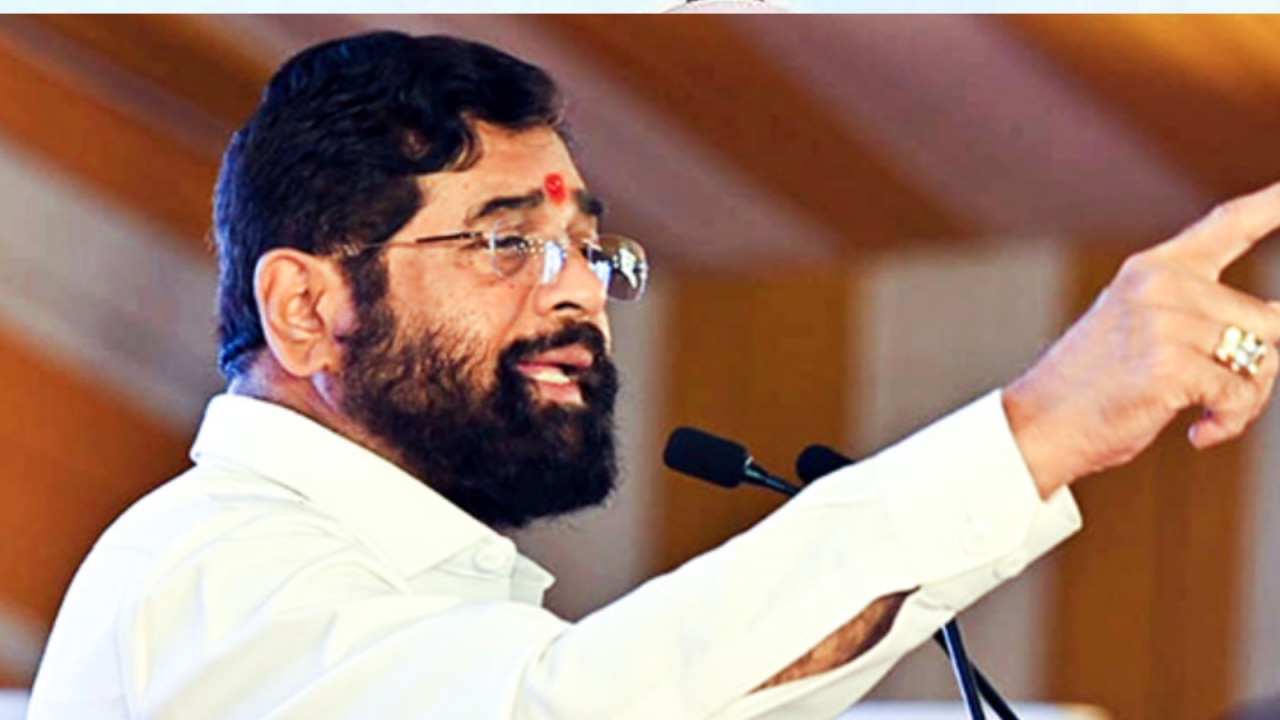 Shaina NC Photo Row: Eknath Shinde says Mani Shankar Aiyar's face was torn, not Balasaheb's
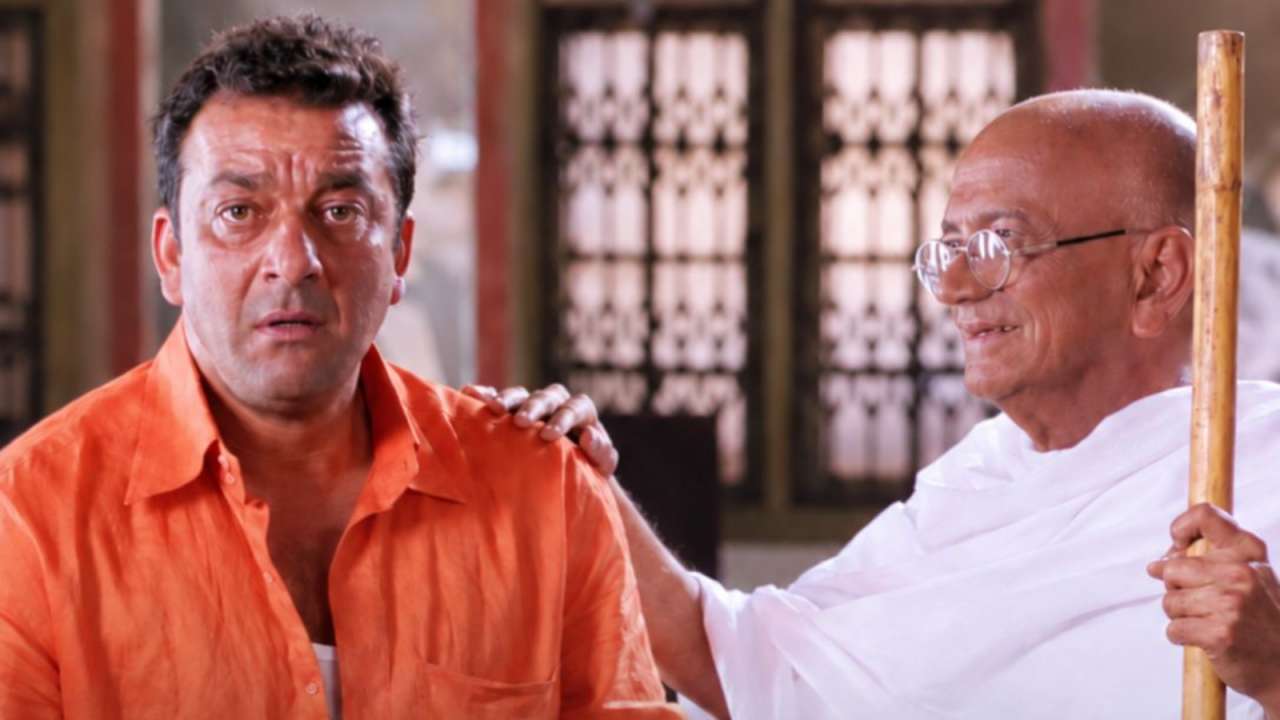 Rajkumar Hirani reveals powerful deleted funeral scene from Lage Raho Munna Bhai: 'Three bullet marks on Gandhi's chest'
 Did US use expired missiles during Iran war? Here's what US Navy Secretary Hung Cao saidShaina NC Photo Row: Eknath Shinde says Mani Shankar Aiyar's face was torn, not Balasaheb's
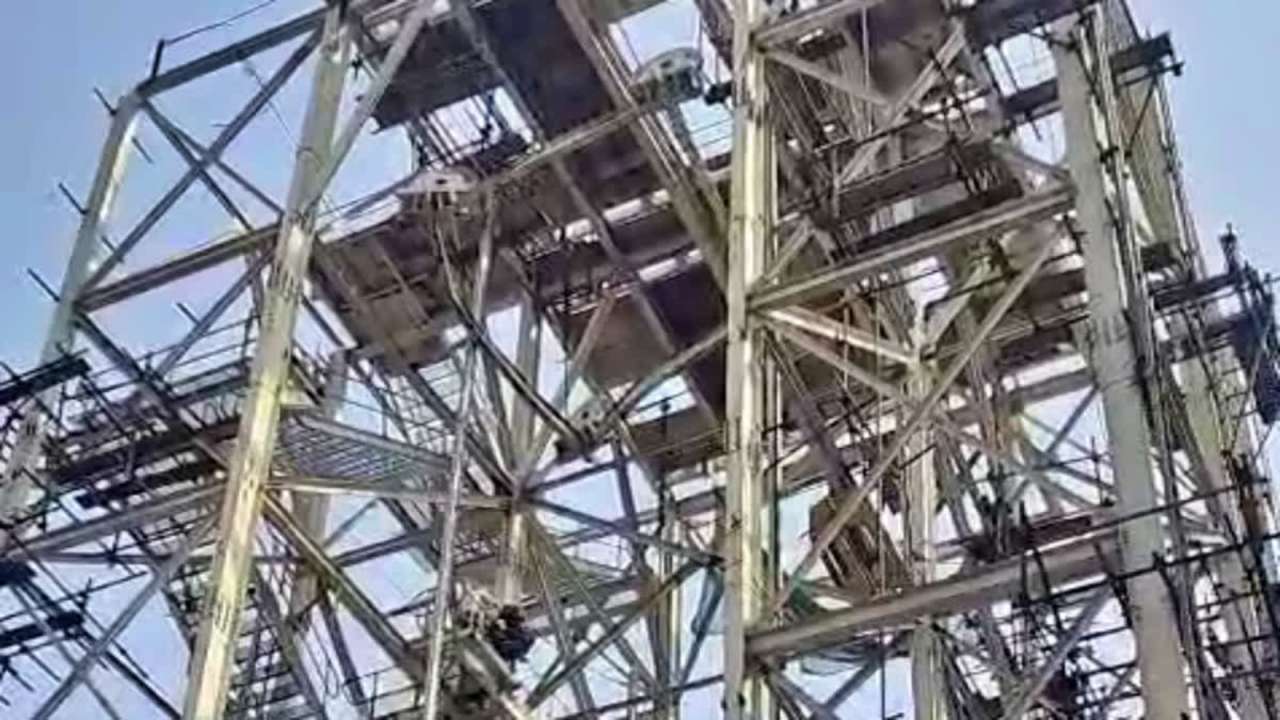 Jharkhand: 3 killed, 2 injured after conveyor belt collapses at NTPC North Karanpura in Chatra
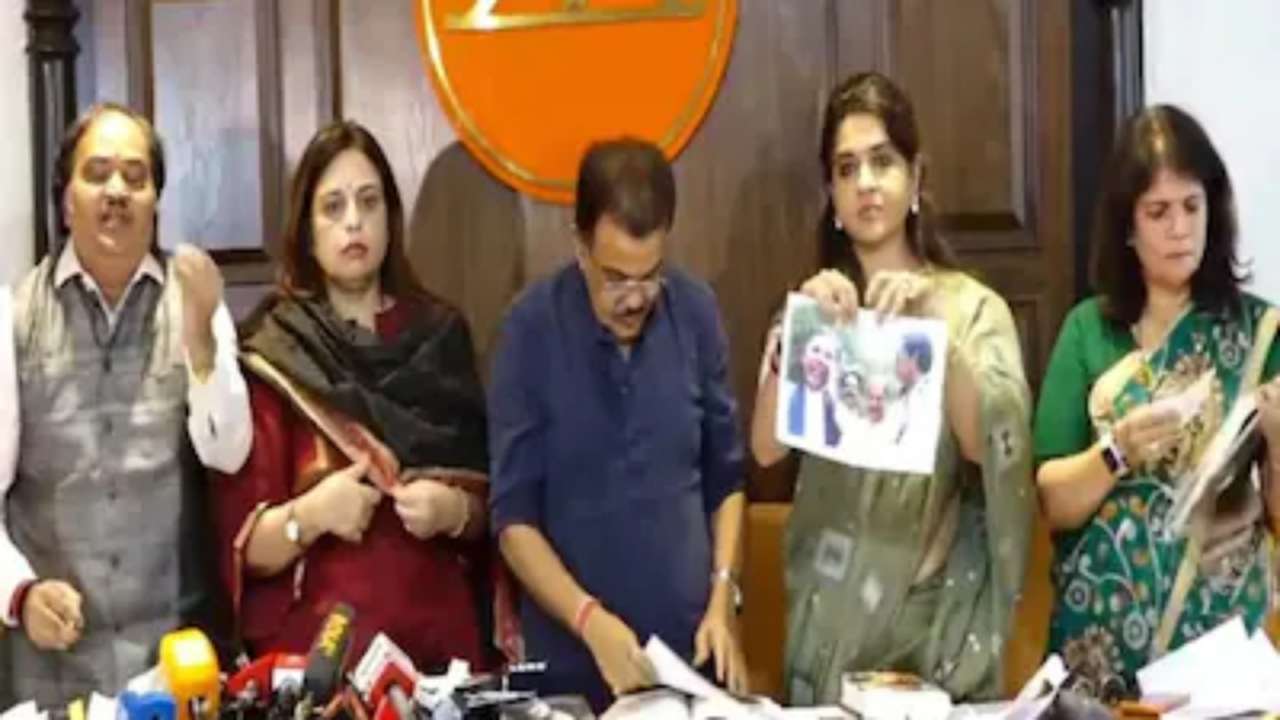 Protest backfires! Shinde Sena leader Shaina NC mistakenly tears Bal Thackeray photo while protesting Sonia Gandhi's book
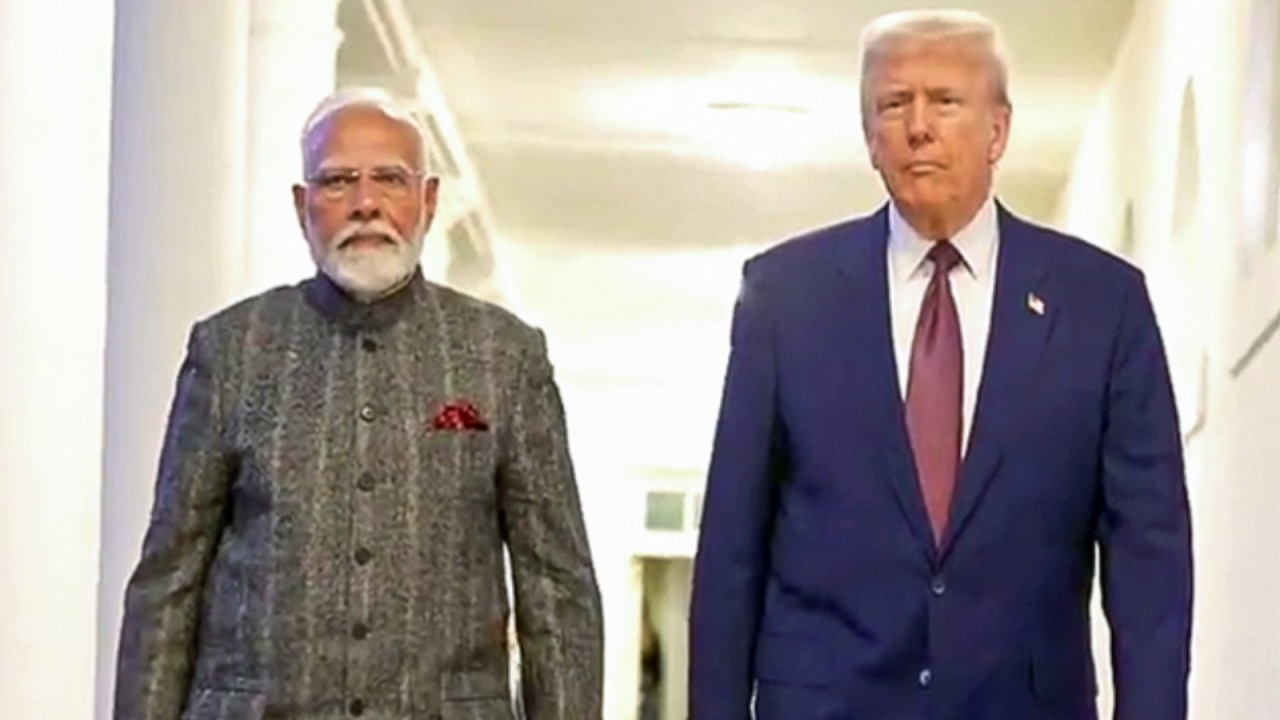 India-US trade deal nears final stage, but why is signing still delayed? Here's what we know
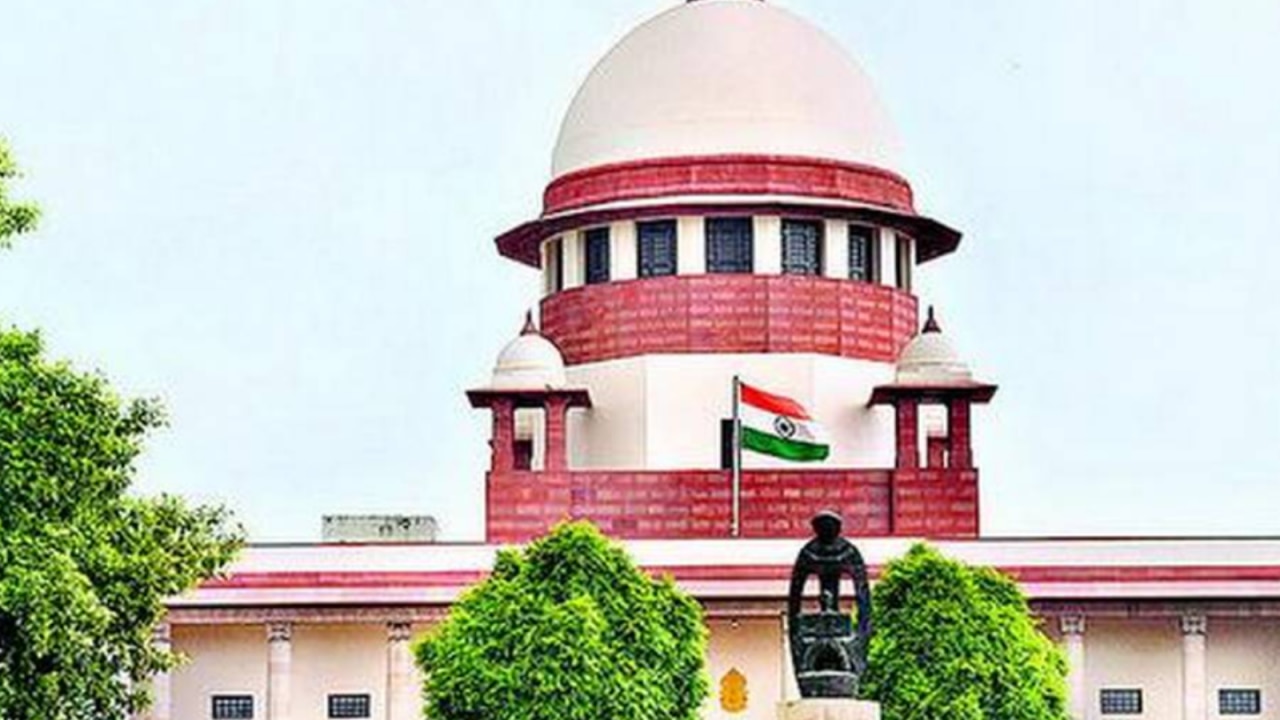 Bharat Summit Row: Plea in SC seeks removal of videos, SIT probe into foreign delegatesIs Nvidia Data Leaked? The Gentlemen claims hack, threatens to publish dataDid US use expired missiles during Iran war? Here's what US Navy Secretary Hung Cao said
 GTA 6 launched in New Zealand; when will it release in India?
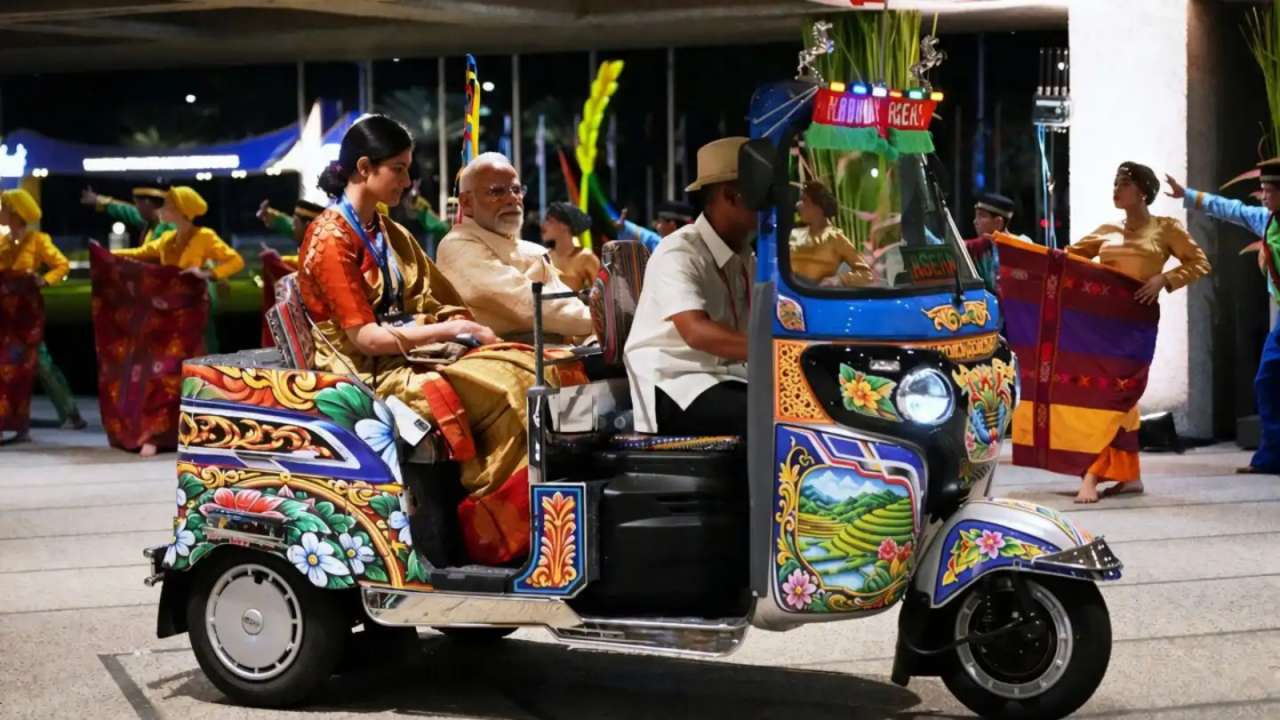 Did PM Modi ride made-in-Pakistan e-rickshaw at the ASEAN Summit? Details here
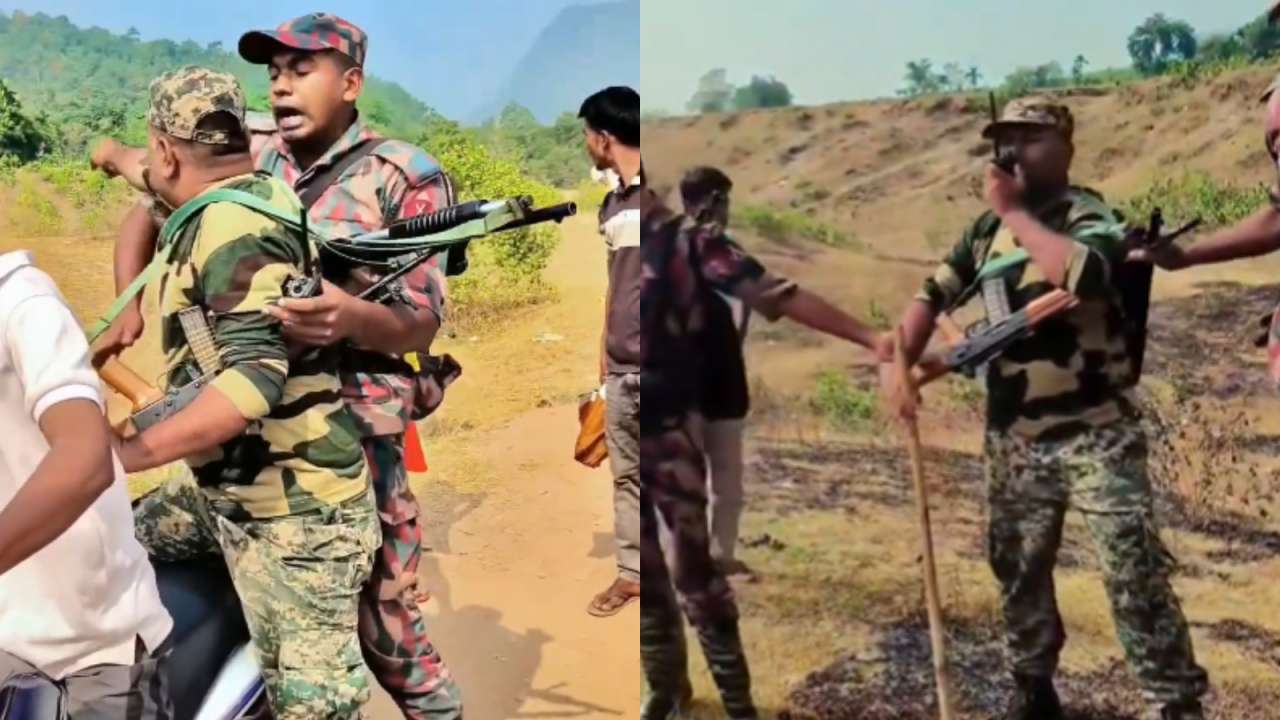 India-Bangladesh Border Tension Escalates: BSF jawan captured, detained by BGB
 Cyclone Akvan Changes Path: Odisha, Andhra Pradesh on alert, Kolkata faces heavy rain threat
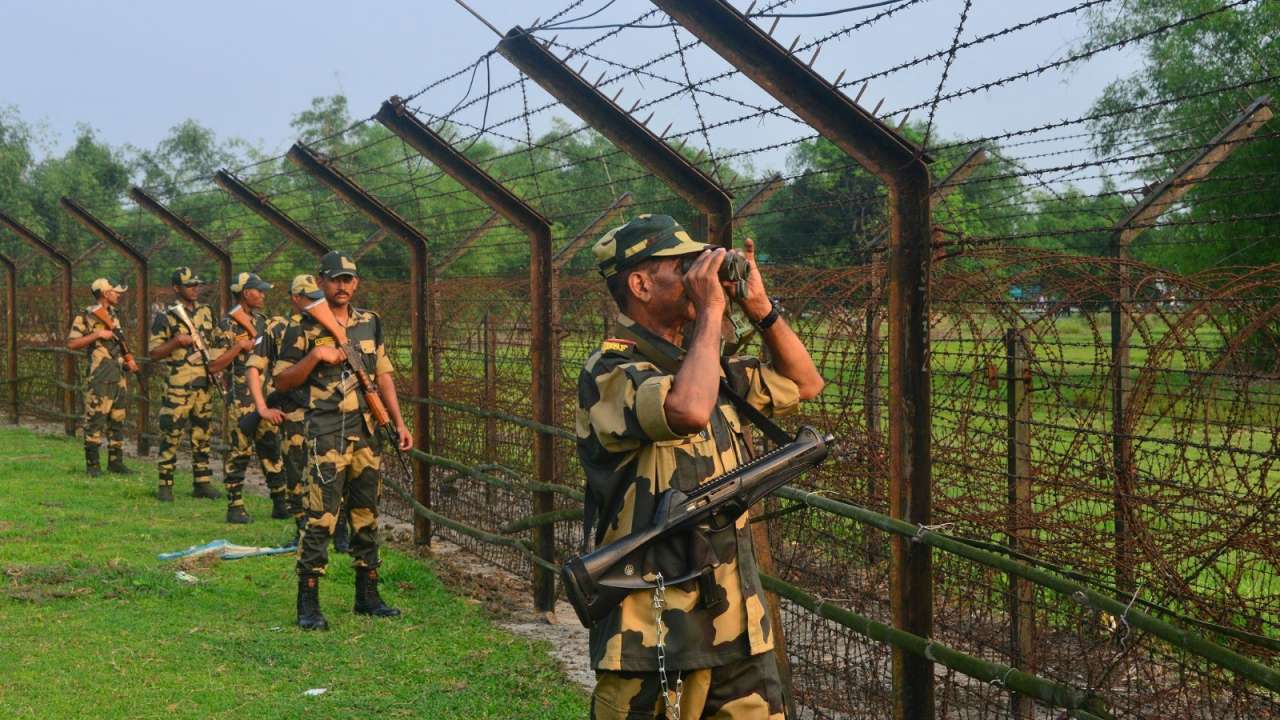 India-Bangladesh Border Tension: Why BSF jawan's detention raises alarm, how Sheikh Hasina factor complicates ties
 Hormuz LPG Tanker Attack: Will cooking gas prices rise in India? 5 things consumers should know
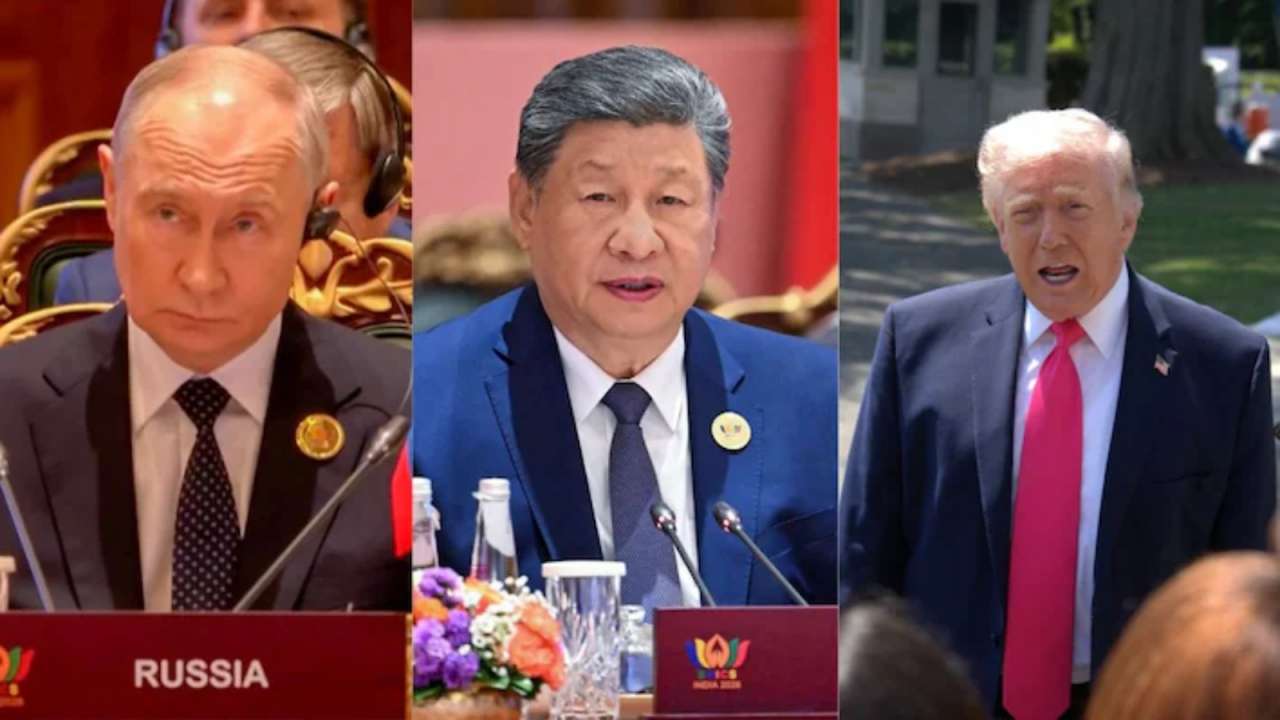 Trump-Xi-Putin Meet: Seven reasons India could pay price for a new global power deal
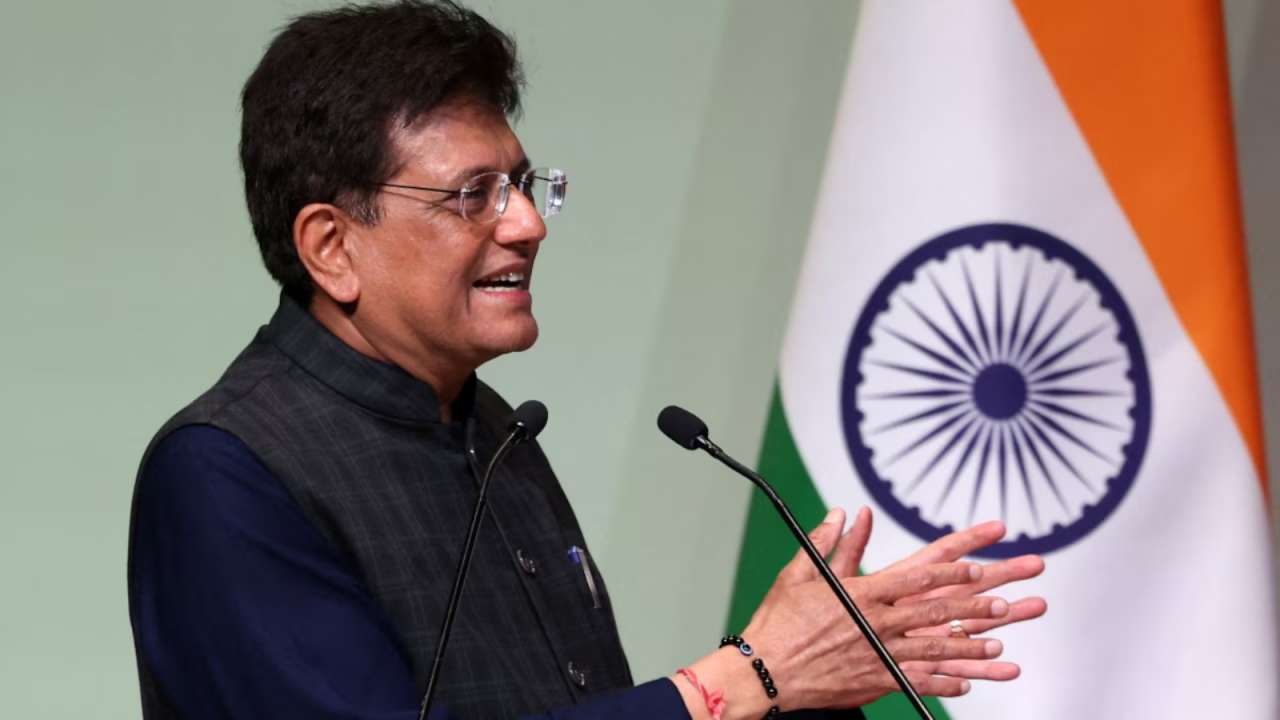 India Eyes $1 Trillion Exports As 7-Month Exports Hit $570 BillionRajkumar Hirani reveals powerful deleted funeral scene from Lage Raho Munna Bhai: 'Three bullet marks on Gandhi's chest'
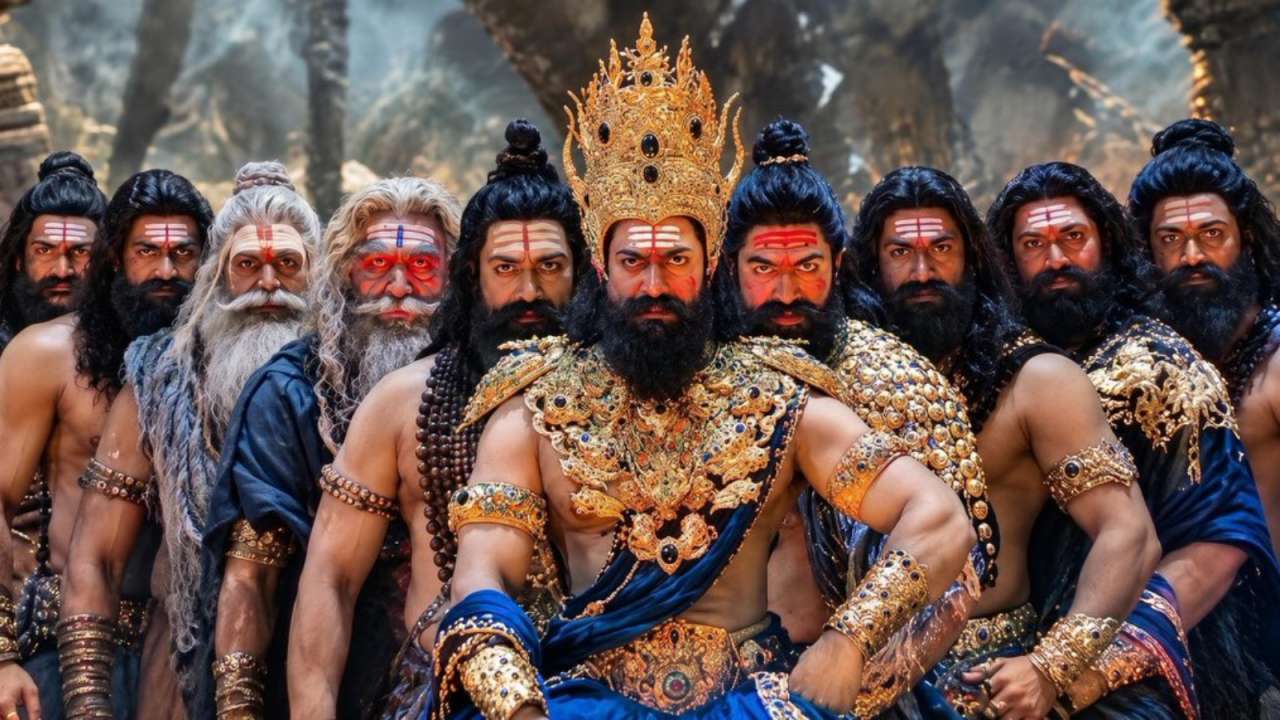 Ramayana box office collection day 14: Ranbir Kapoor, Yash film mints Rs 1500 crore worldwide
 Dr Hassan OTT release date: Nawazuddin Siddiqui, Dia Mirza-starrer Indian House adaptation to premiere in December
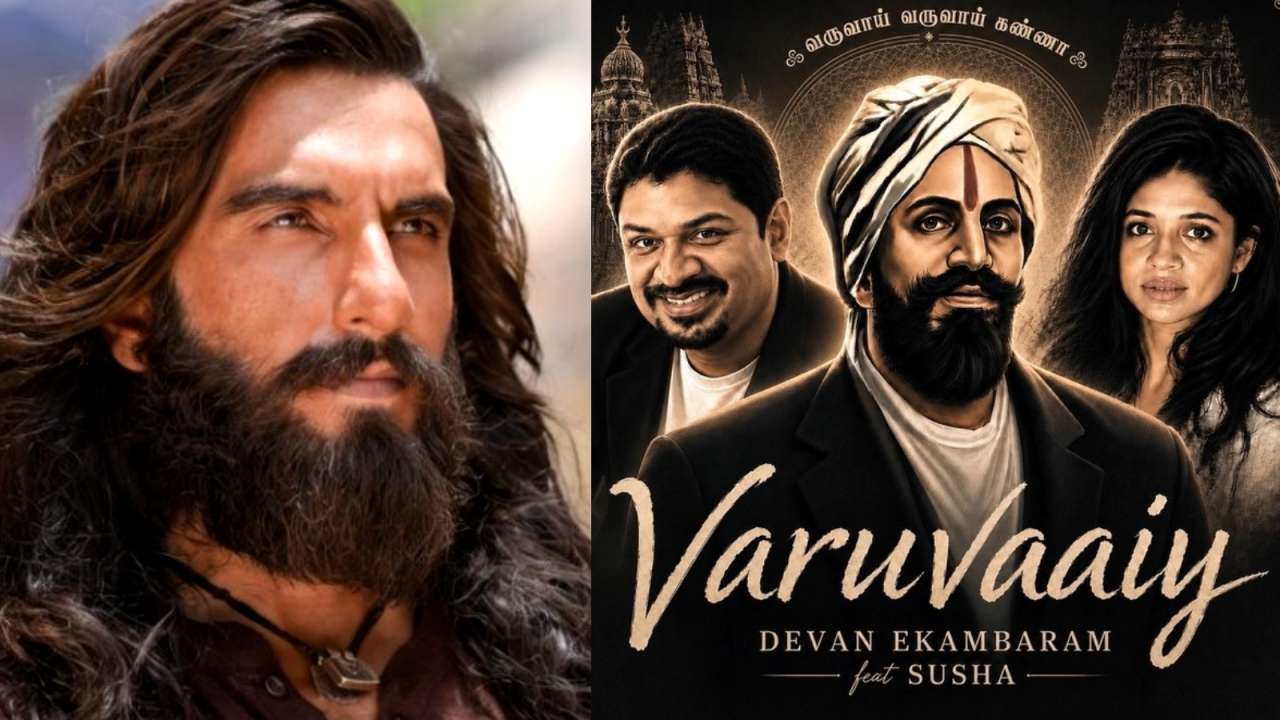 Dhurandhar 2 receives zero nominations at 2027 Grammys despite nine entries, Tamil song Varuvaaiy creates history
 Anne Hathaway welcomes third child with husband Adam ShulmanSalesforce layoffs hit India employees, staff put on garden leave till February 1
 India's Astrology Boom: Faith, big business or emotional dependence? Who is watching the industry?
 Did NBCC commit contempt of court? Firm resumes auction of flats despite matter being sub judice
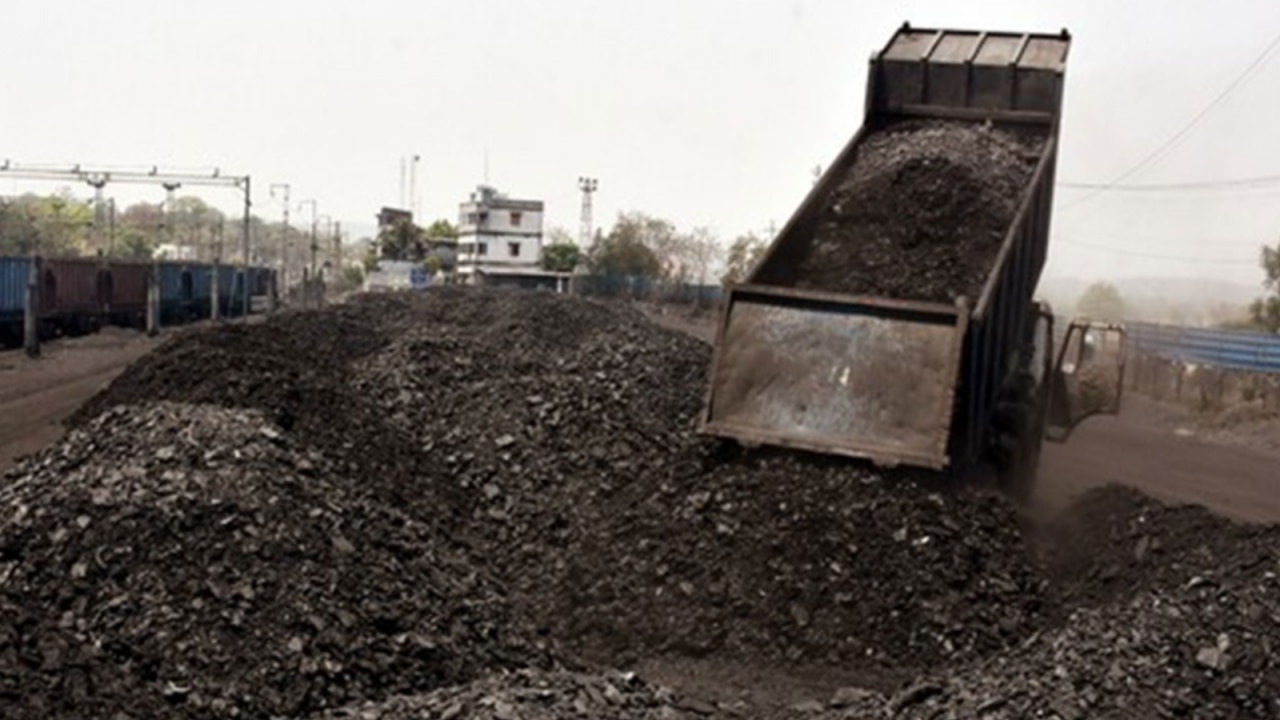 Mahanadi Coalfields IPO: 10 Things to know about issue date, GMP, price band, size and listing
 Tata Sons Listing Row: Why Noel Tata fears it could change Tata Group
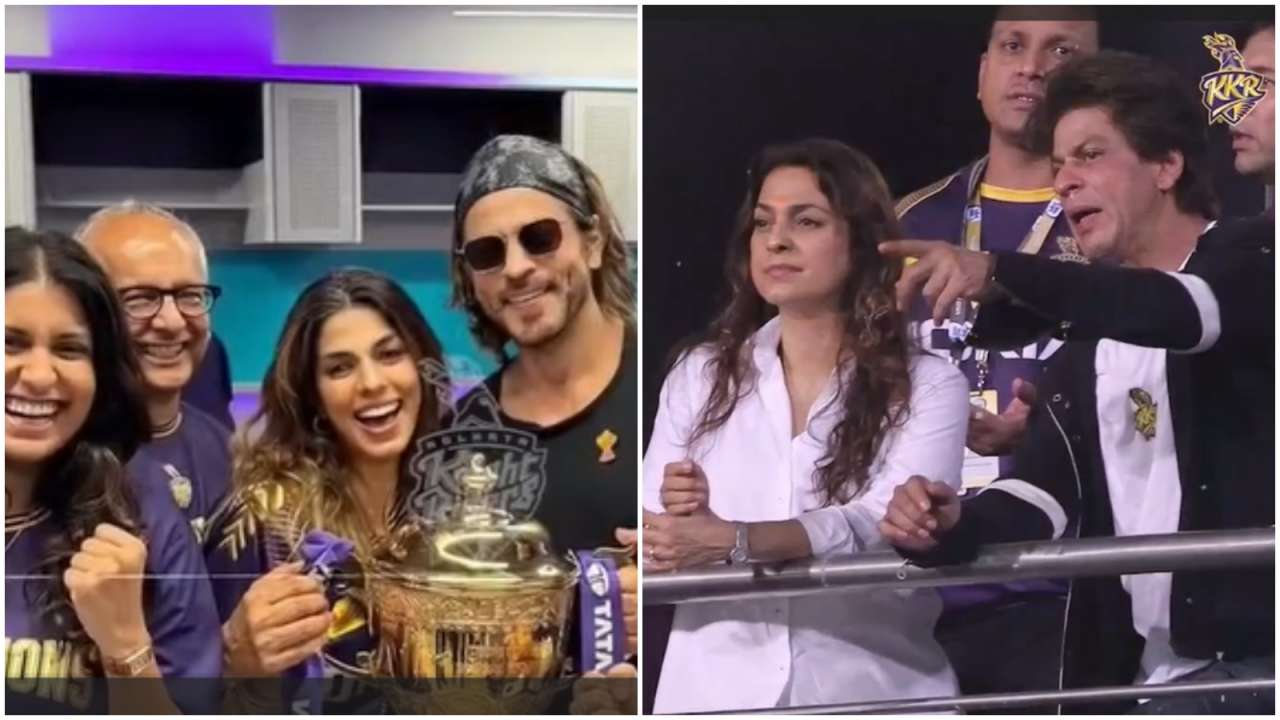 Shah Rukh Khan's KKR valued at Rs 16,634 crore: Who is buying Jay Mehta's stake?
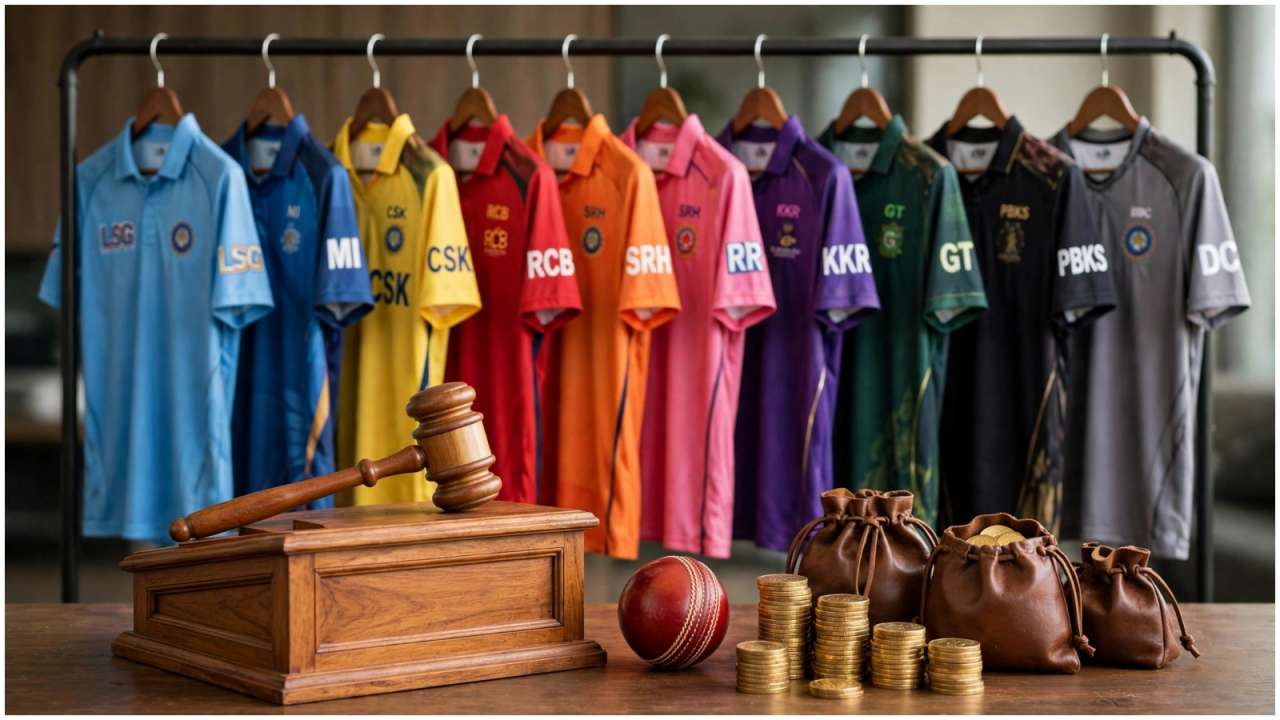 LSG head into IPL 2027 mini-auction as richest team with Rs 47.45 crore: Check purse of all 10 teams
 Who knew what in Australia's Sandpapergate scandal? CA gives players another chance to speak
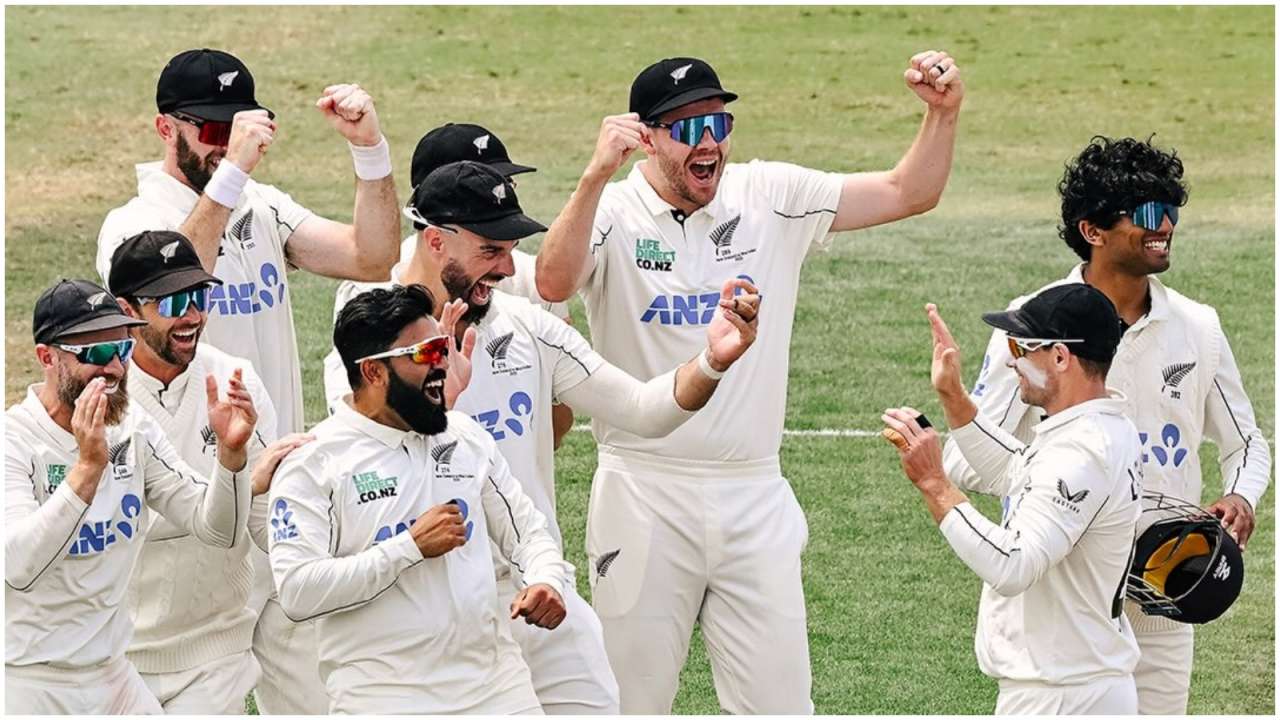 Tom Latham drops a big hint on New Zealand's biggest weapon against India
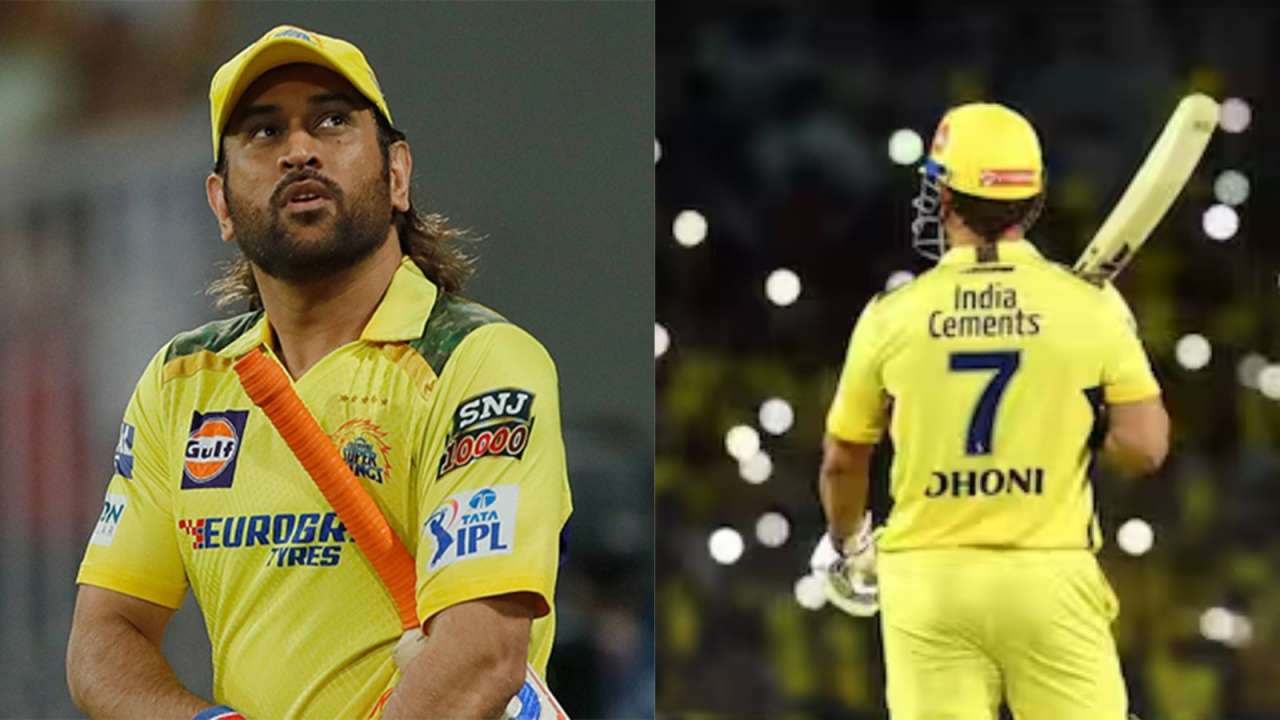 MS Dhoni among IPL's oldest players: Who tops list, where does CSK legend rank?
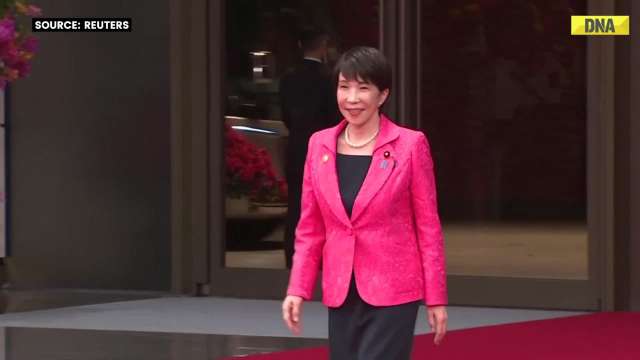 APEC Summit 2026 Dinner: Xi Jinping Hosts Donald Trump, Vladimir Putin & World Leaders In Shenzhen
 IndiGo Extends Suspension Of All Flights To Riyadh, Jeddah, Dammam And Madinah Until November 30
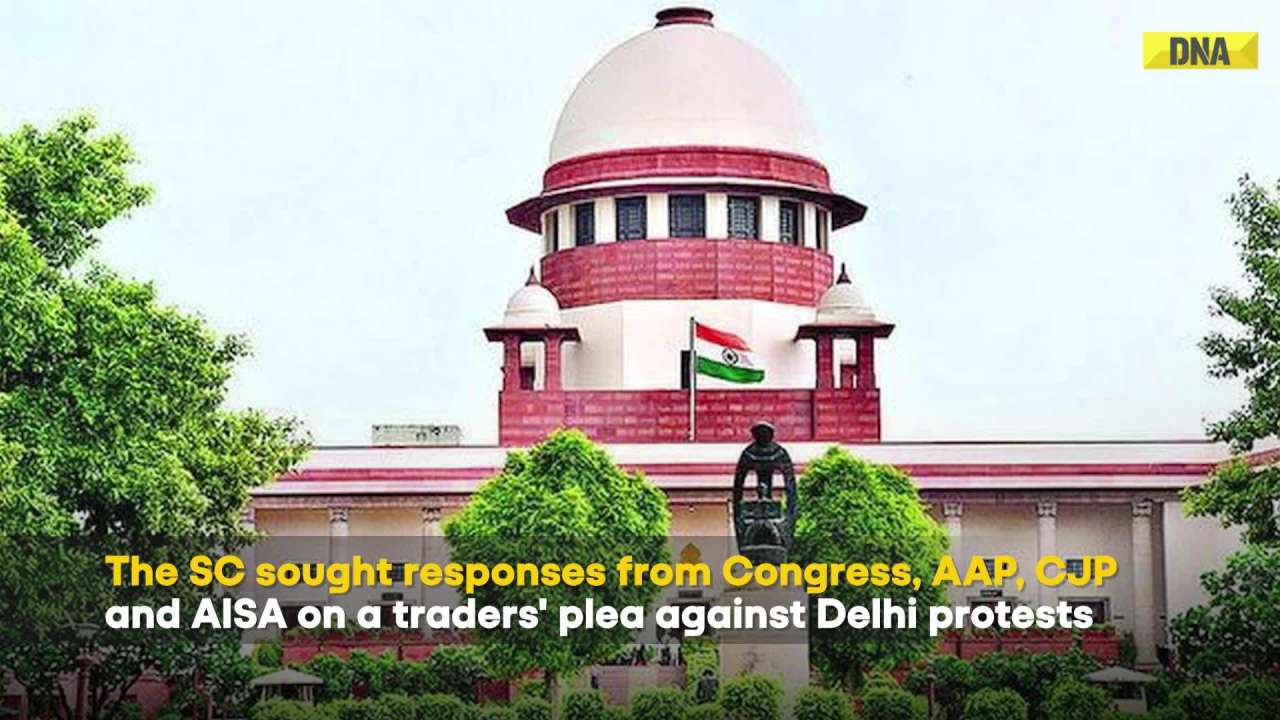
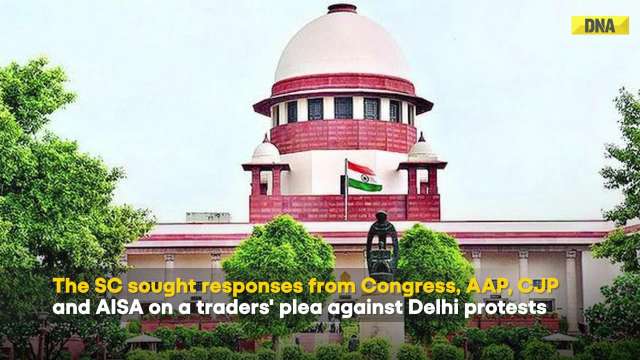 Supreme Court Issues Notice To Congress, AAP, CJP & AISA On Delhi Traders' Plea Against Protests
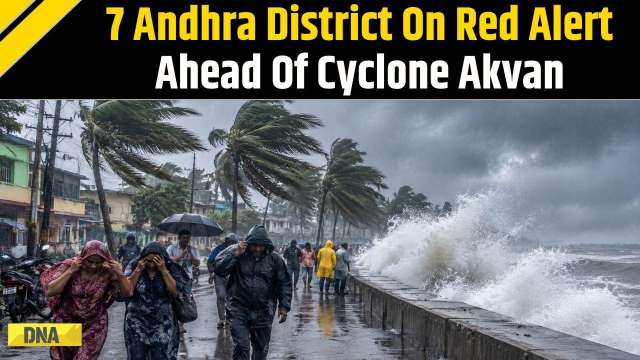 Cyclone Akvan: 7 Andhra Pradesh's Districts On Red Alert Ahead Of November 20 Landfall | Odisha
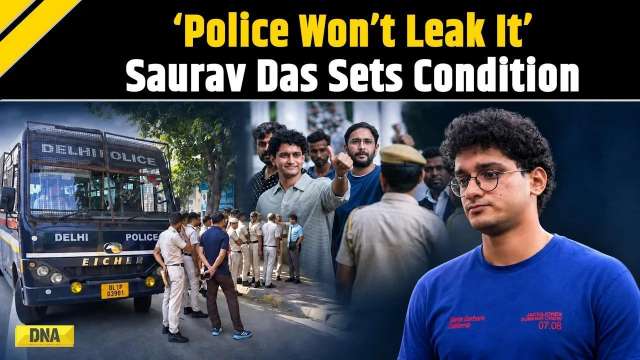 CJP News: 'Condition In Delhi Police Won't Leak It...' Saurav Das Submits Address Proof To Court
ANALYSIS
In the past, electoral success has been attributed to the Congress's heir-apparent while failures have squarely been laid at the door of the party organisation and its state leaders. Whether that repeats itself or not is yet to be seen.

Updated : Nov 21, 2013, 01:44 PM IST
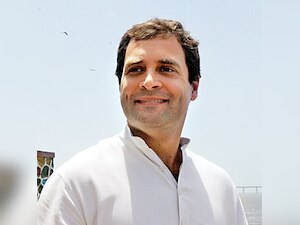
















The latest changes in the Congress’s organisational structure and the cabinet reflect a last-ditch attempt by the increasingly nervous ruling party to boost its dwindling electoral fortunes. With barely a year to go before the 2014 general elections, the Congress desperately needs to reinvigorate its withering state organisations. That as many as nine states go to the polls later this year heightens the Congress’s urgency.
State organisations form the backbone of a political party, fortifying its strength in election season. Congress, no doubt, has serious reason to worry on this count. Barring Karnataka, the recent poll outcomes have revealed serious weaknesses afflicting the party’s state units across the country.
The Congress debacle in the 2012 UP assembly elections, in spite of Rahul travelling the state’s length and breadth, indicated that the party’s foundations in a state where it once enjoyed absolute majority, are at best wobbly today. Hence, the need to get Madhusudan Mistry — one of the three new AICC general secretaries — to oversee the UP operations. Uttar Pradesh, with 80 seats, is crucial to the Congress.
Rahul believes that Mistry, who steered the party to victory in Karnataka, is capable of turning things around in UP.
Rahul’s increasing faith in Digvijay Singh is evident in the latter’s elevation as AICC general secretary in-charge of Andhra Pradesh, where the Congress, dithering on Telangana statehood and facing an aggressive Jagan Reddy, has been pushed on the defensive. Following his resignation from the Union cabinet, CP Joshi, another dependable Congress leader, has been entrusted with Bihar, Bengal and Assam where the party’s presence is negligible.
In this reshuffle, the elevation within the organisation of New Delhi MP Ajay Maken, has perhaps been the most significant. Maken has earned Rahul’s confidence for his significant work in New Delhi as the Union urban minister. No less significant is the move to sideline Jagdish Tytler, an embarrassment for the party for his alleged role in the 1984 Sikh riots.
These sweeping changes must be seen in the light of today’s coalition politics and assertive state leaders. National parties like the Congress and the BJP need strong state units to acquire power in Delhi. They need flexible grassroots leaders with political management and communication skills for forging alliances with regional parties.
Like in the last round of cabinet and organisational restructuring this time too, Rahul Gandhi seems to have led the changes.
So far, the Rahul imprimatur hasn’t led to a turnaround in the Congress’s electoral fortunes. The changes need to translate into the UPA government’s performance — not much time is left for that — as well as in toning up the party’s state organisations.