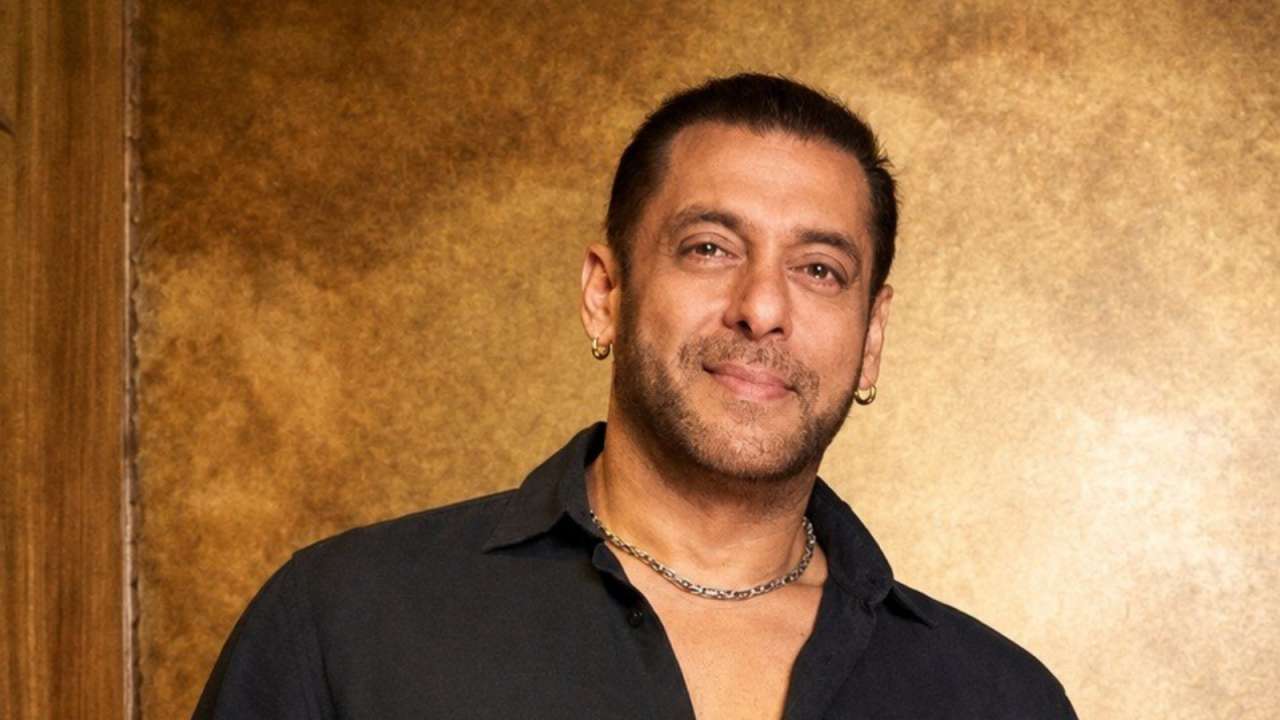
 ‘I had hernia, shoulder messed up...’: Salman Khan reveals how Sultan left him with multiple health issues| Watch
 Gold, Silver prices today, October 15, 2026: Check city-wise rates in Delhi, Mumbai, Chennai, Kolkata and more
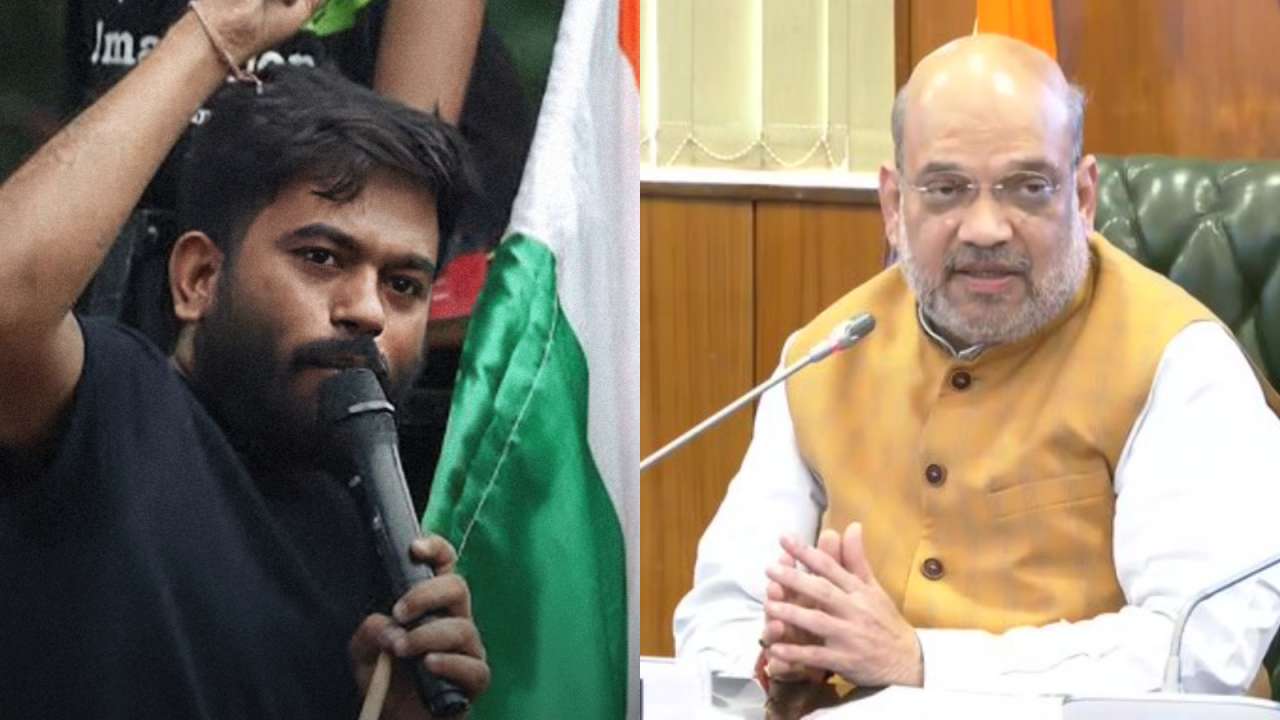 CJP funding row: Abhijeet Dipke challenges Amit Shah, asks government to probe alleged foreign links
 3 Indians die in Germany fire, what led police to arrest a Romanian resident?
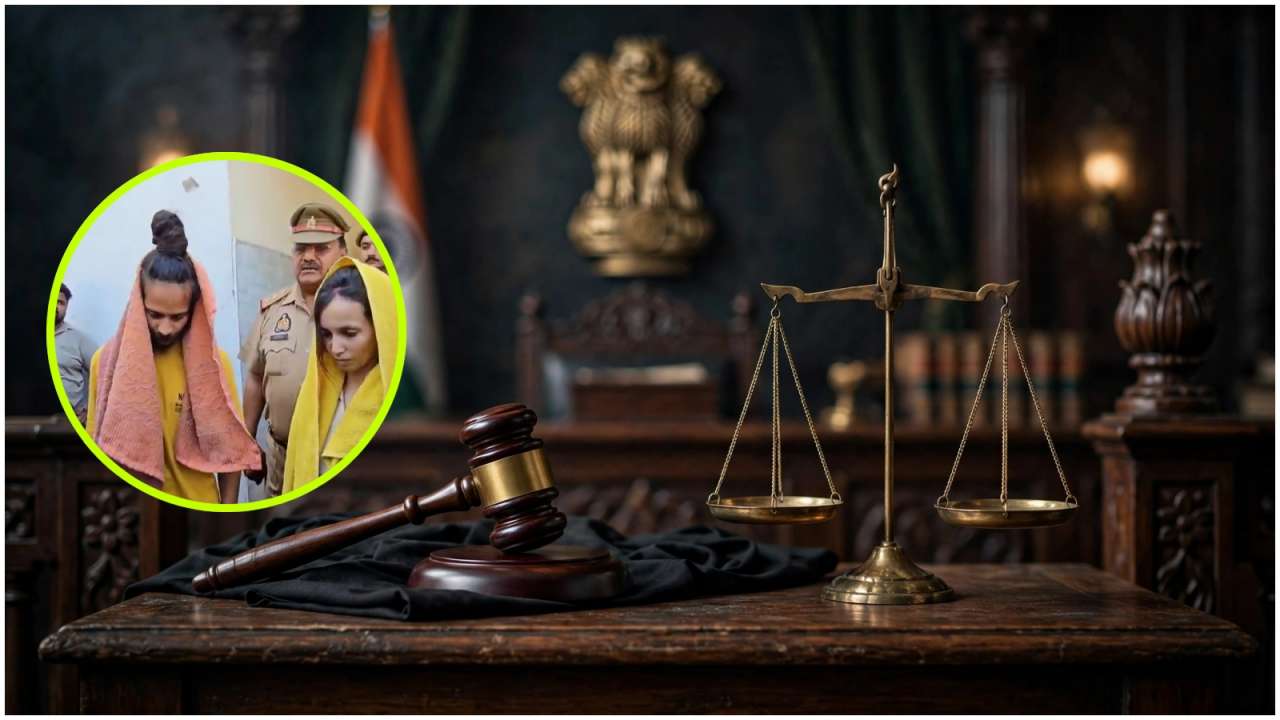 Blue Drum Murder Case: Why Meerut court consider it 'rarest of the rare'? Supreme Court lawyer explains | Exclusive
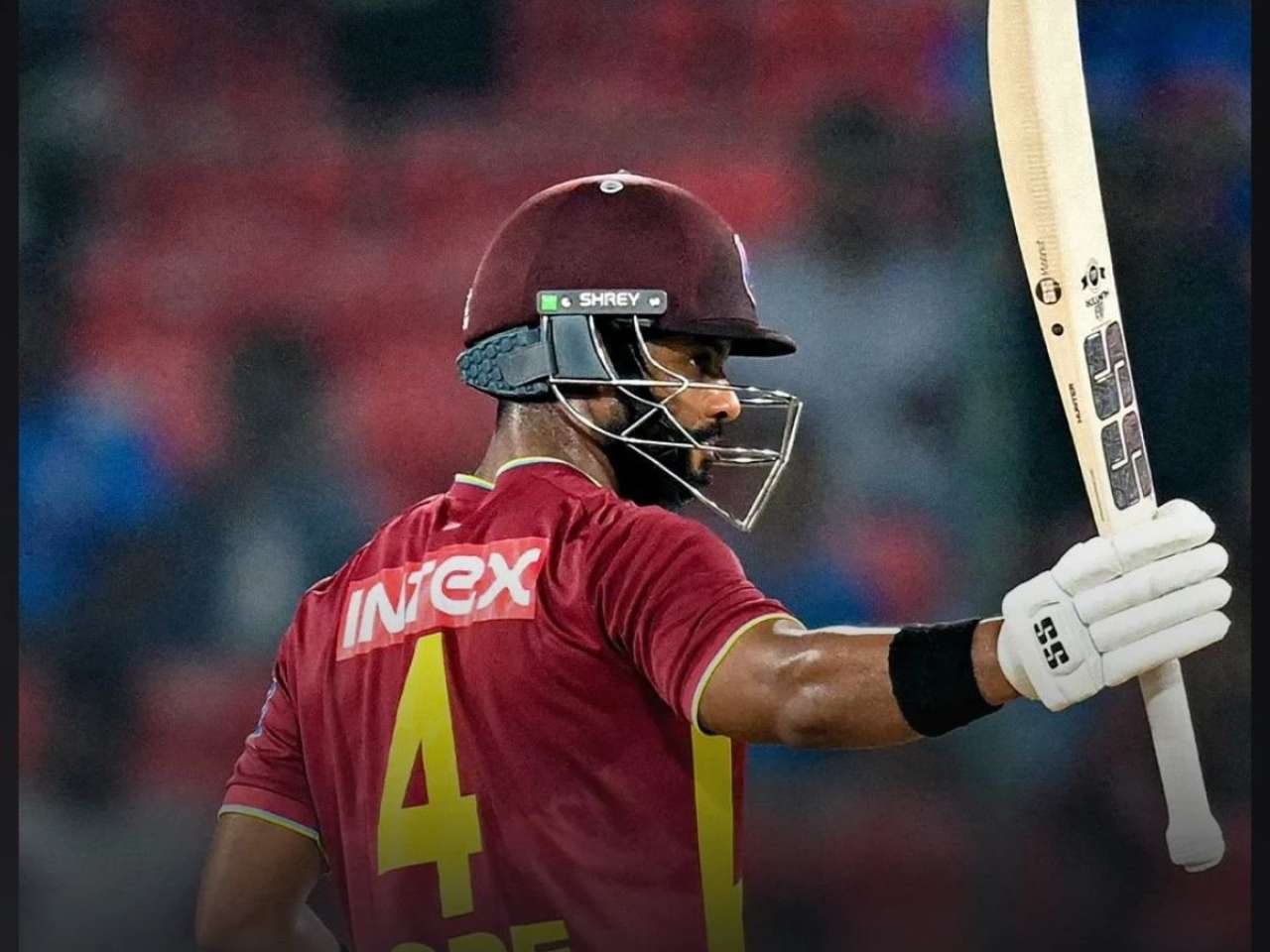 IND vs WI: Shai Hope creates T20I history, smashes record-breaking century to join elite West Indies list
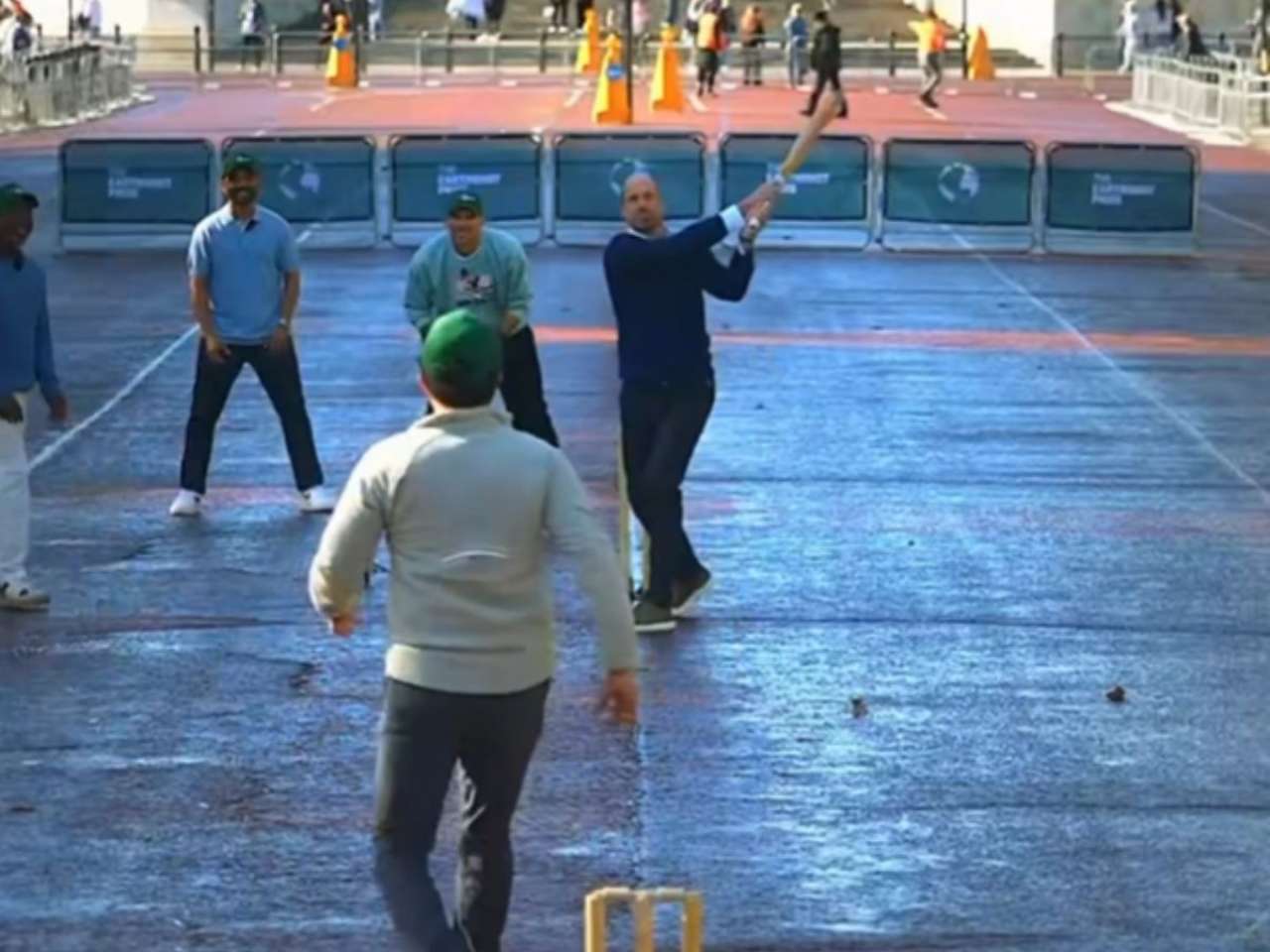 WATCH: Prince William pulls off stunning big hit against Sourav Ganguly outside Buckingham Palace
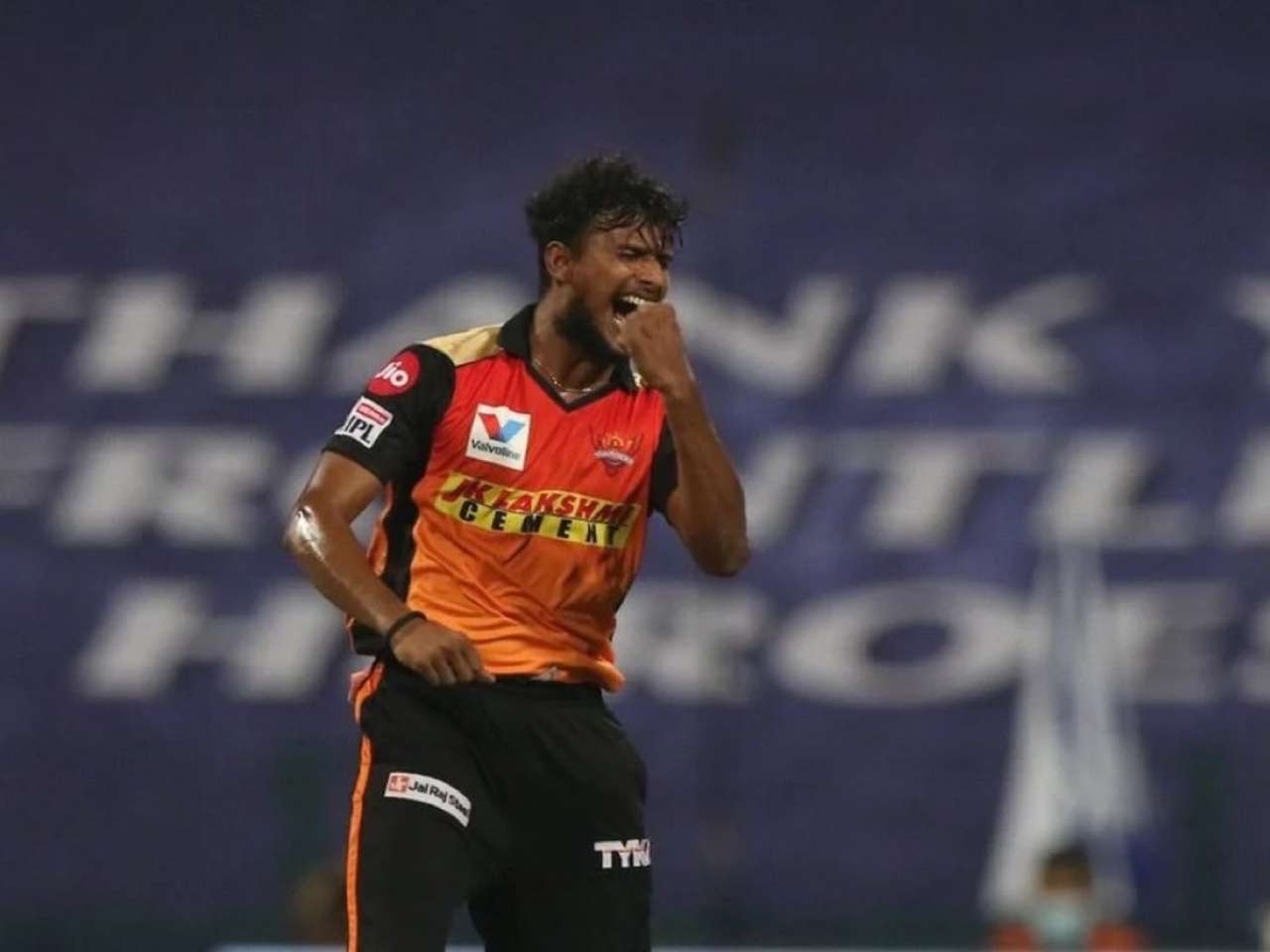 T Natarajan returns to SRH: Why pacer took massive Rs 5.75 crore pay cut and what DC got in return
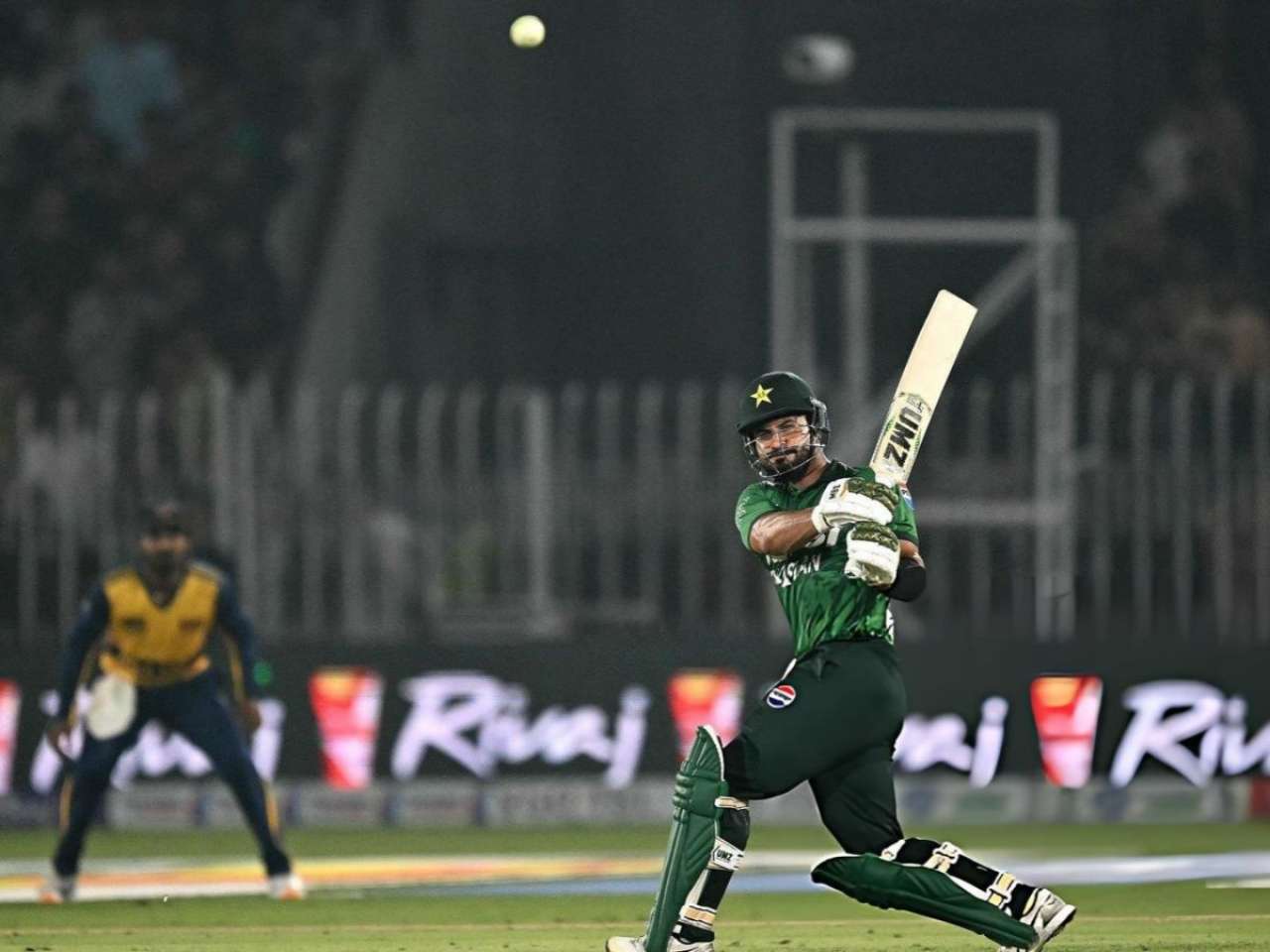 Sahibzada Farhan creates history, breaks Abhishek Sharma’s record during T20I series against Sri Lanka
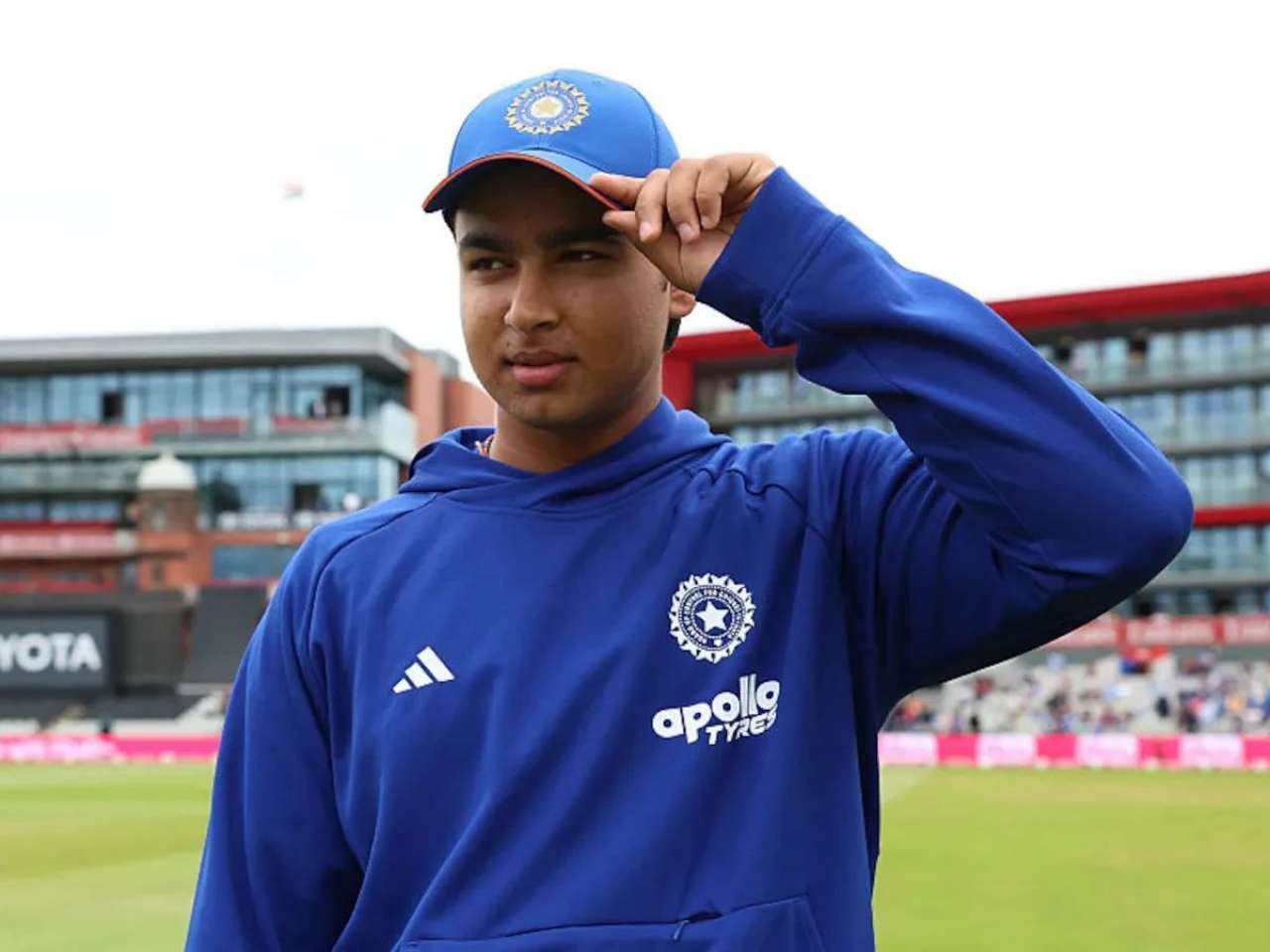 IND vs WI: Will Vaibhav Sooryavanshi make India’s playing XI for 4th T20I? Teenager’s Instagram post goes viral‘I had hernia, shoulder messed up...’: Salman Khan reveals how Sultan left him with multiple health issues| Watch
 Ayushmann Khurrana on Udta Teer, admits bringing patriotic theme with action, comedy is 'something audiences haven't seen before'
 Viral video: Manoj Tiwari attacks CJP protest, says 'Gyanesh Kumar ke liye Dhruv Rathee ki...', gets brutally trolled: 'Yeh phir se peeke aaya hai'
 ‘Mahhi Vij ko bhi nikalo’: Bigg Boss 20 viewers demand actress’ eviction after Nakul Dhull-Gullu fight | Video
 Viral video: Ravi Kishan brutally trolled for criticising Rahul Gandhi protesting against 'vote chori', netizens say 'he is always high on premium sh*t'
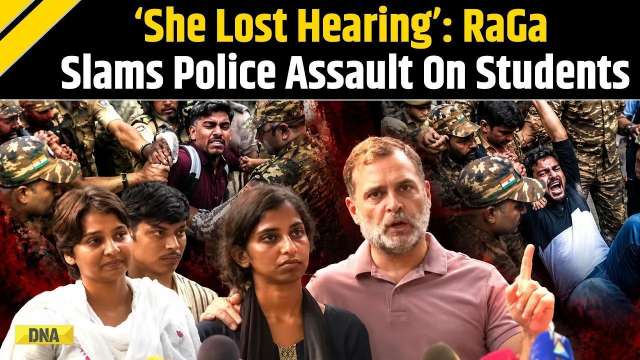 CJP Protest: Rahul Gandhi Accuses Delhi Police Of Beating Youngsters At Protest | Jantar Mantar
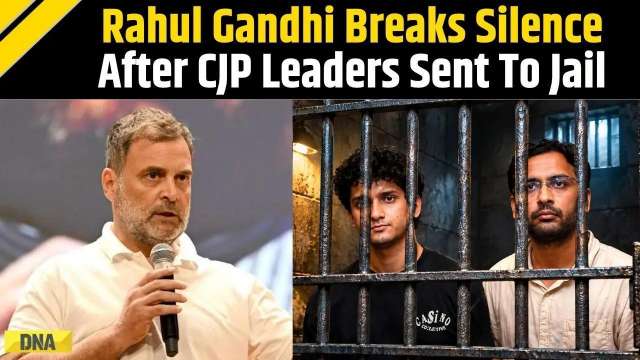 CJP Protest: Congress Rahul Gandhi Backs CJP Leaders Jailed For Tresspassing At Jantar Mantar
 Delhi Protest: Delhi High Court Bench To Hear Pleas On Protest Regulation & Jantar Mantar Ban
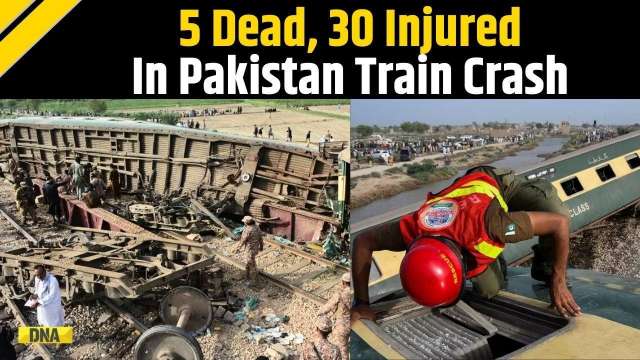 Pakistan News: 5 Killed, 30 Injured As Rehman Baba Express Derails Near Multan In Pakistan
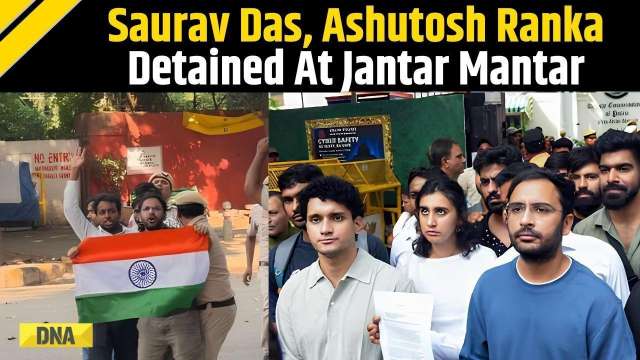 CJP Protest: Delhi Police Detains CJP Spokespersons Saurav Das And Ashutosh Ranka At Jantar MantarGold, Silver prices today, October 15, 2026: Check city-wise rates in Delhi, Mumbai, Chennai, Kolkata and more
 IDBI Bank Sold For Rs 52,878 Crore: From Air India to IDBI Bank- Modi govt's big disinvestment moves explained
 Puja Gift To Railways Employees: 11 lakh workmen to get 78-day bonus, govt to spend Rs 2009 crore
 New AI tool for investors: Ask anything about listed companies, valuations, portfolio performance
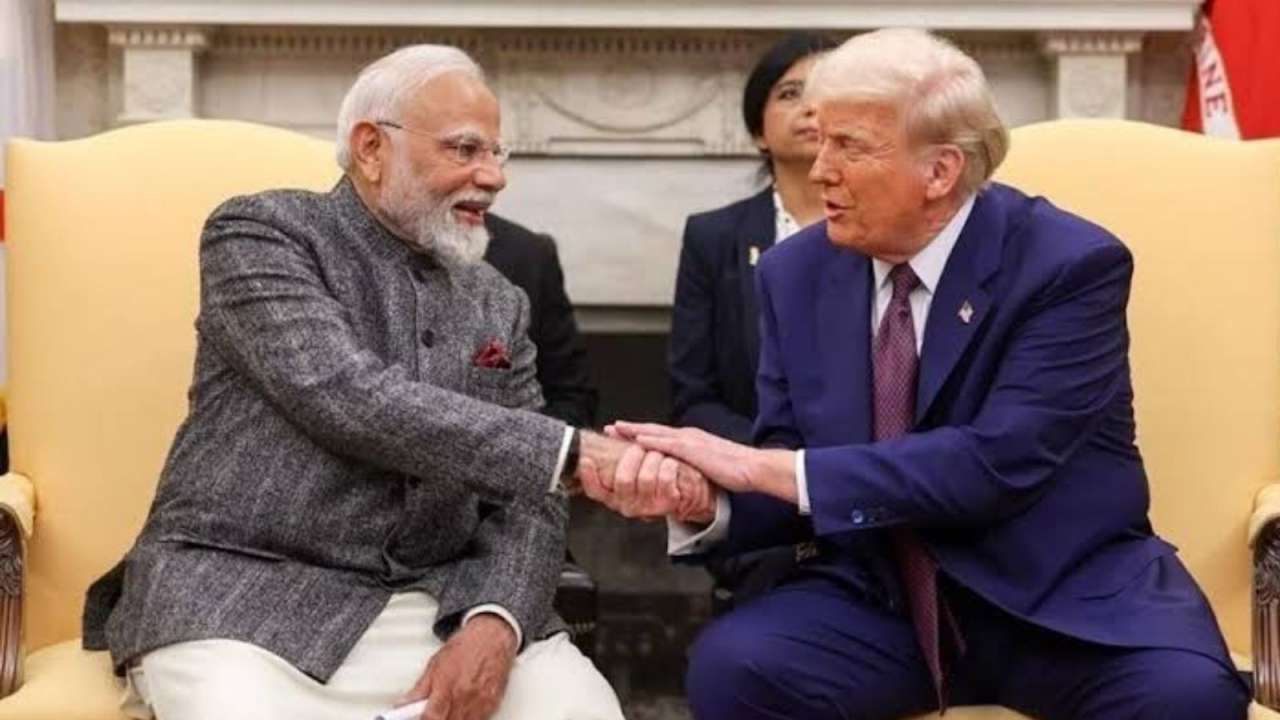 PM Modi to meet Donald Trump to iron out differences over India-US Bilateral Trade Agreement?
 Navratri Day 4: From Shraddha Kapoor, Kriti Sanon, Sanya Malhotra, actresses who embody goddess in blue outfits
 Navratri 2026: From Alia Bhatt to Sara Ali Khan, Shraddha Kapoor, take inspiration from Bollywood actresses to stun everyone in white
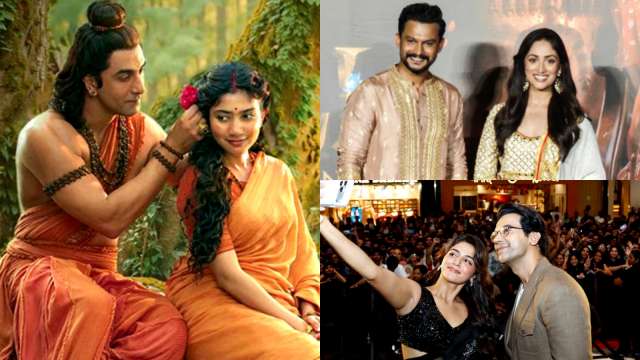 Ranbir Kapoor-Sai Pallavi, Yami Gautam-Addinath Kothare, Rajkummar Rao-Wamiqa Gabbi: 5 fresh on-screen jodis to watch out for in 2026
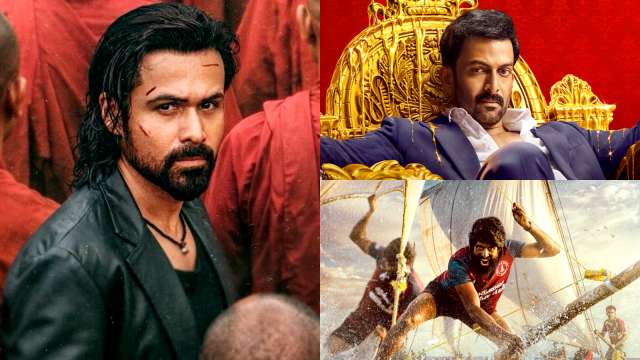 OTT Releases This Week (October 5-11): Awarapan 2, Khalifa, Mandaadi; new India movies, shows to watch on Netflix, Prime Video
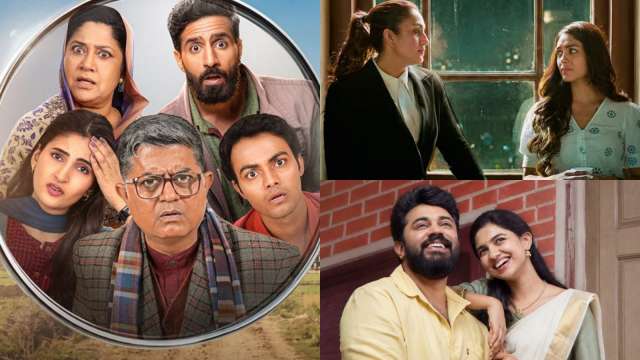 OTT Releases This Week (Sept 28 - Oct 4): Dupahiya 2, Pooja Meri Jaan; new movies and shows to watch this Gandhi Jayanti weekendCJP funding row: Abhijeet Dipke challenges Amit Shah, asks government to probe alleged foreign linksBlue Drum Murder Case: Why Meerut court consider it 'rarest of the rare'? Supreme Court lawyer explains | Exclusive
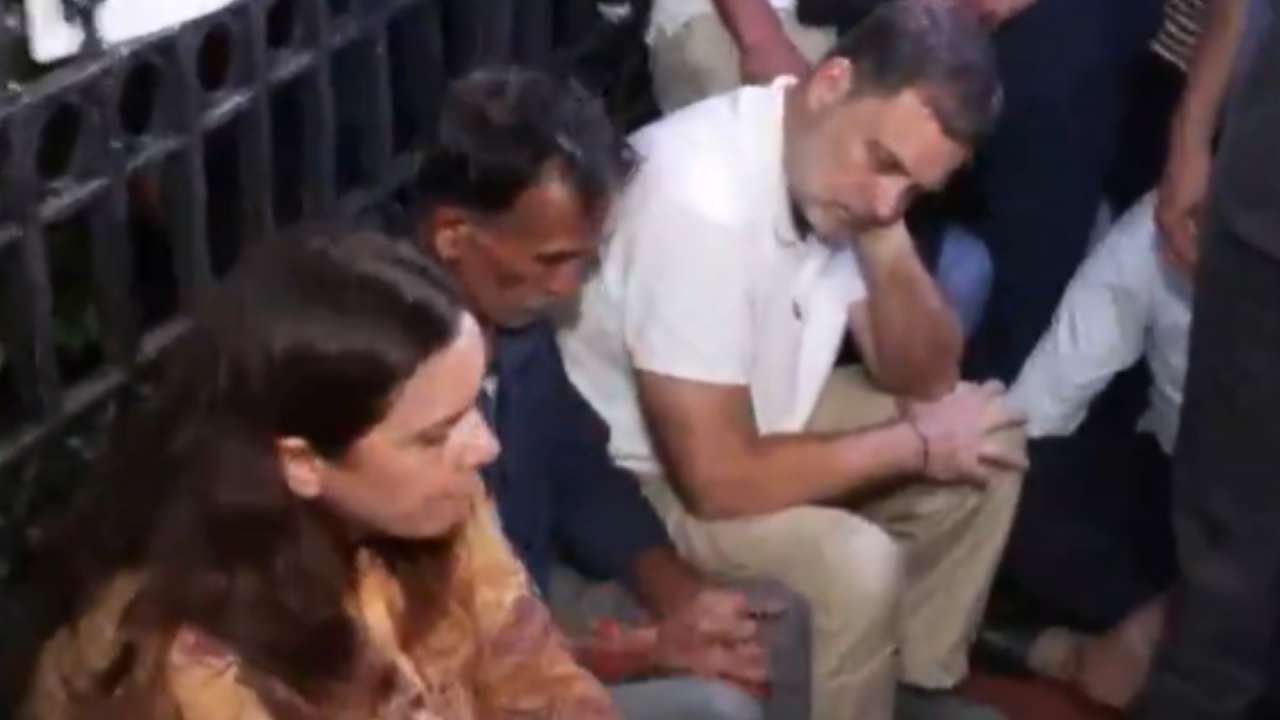 Rahul Gandhi, Priyanka Gandhi reach India Gate to meet Ankita Bhandari’s family: Watch
 From Muskan Rastogi to Siya Goyal: When women plotted killings for love
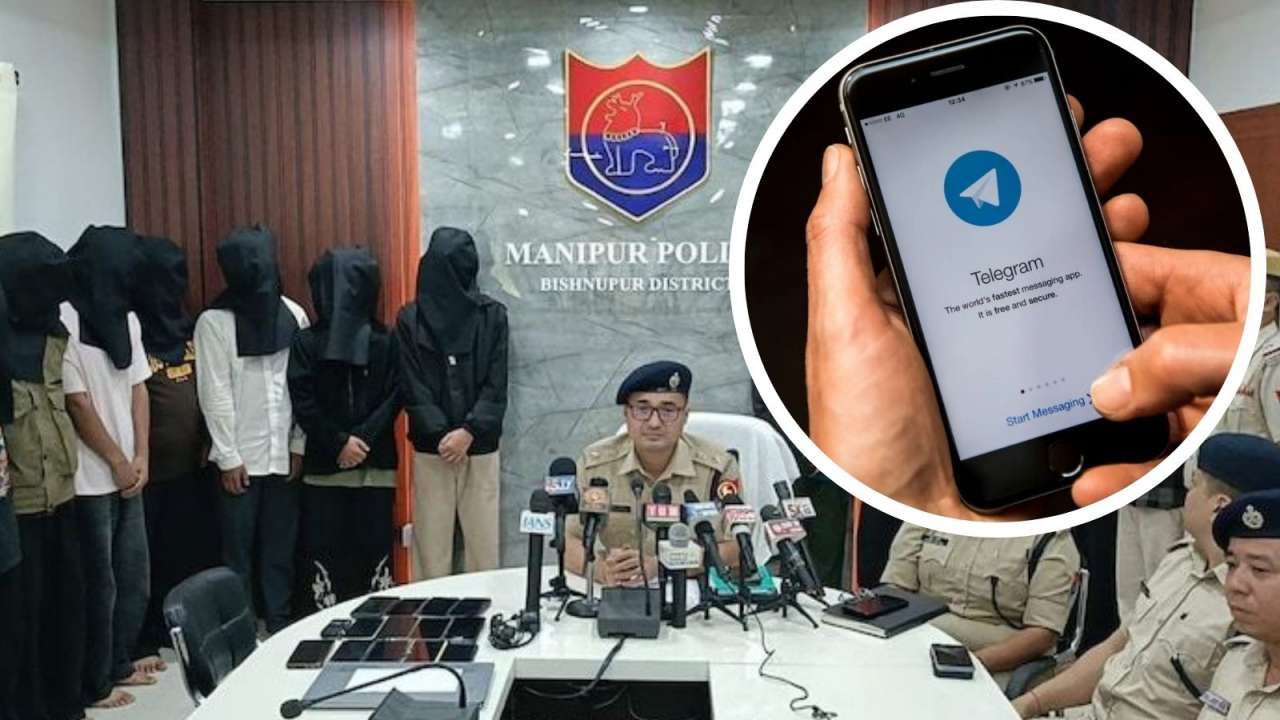 Manipur police arrests 13, including minor, for sharing, monetising explicit content on Telegram
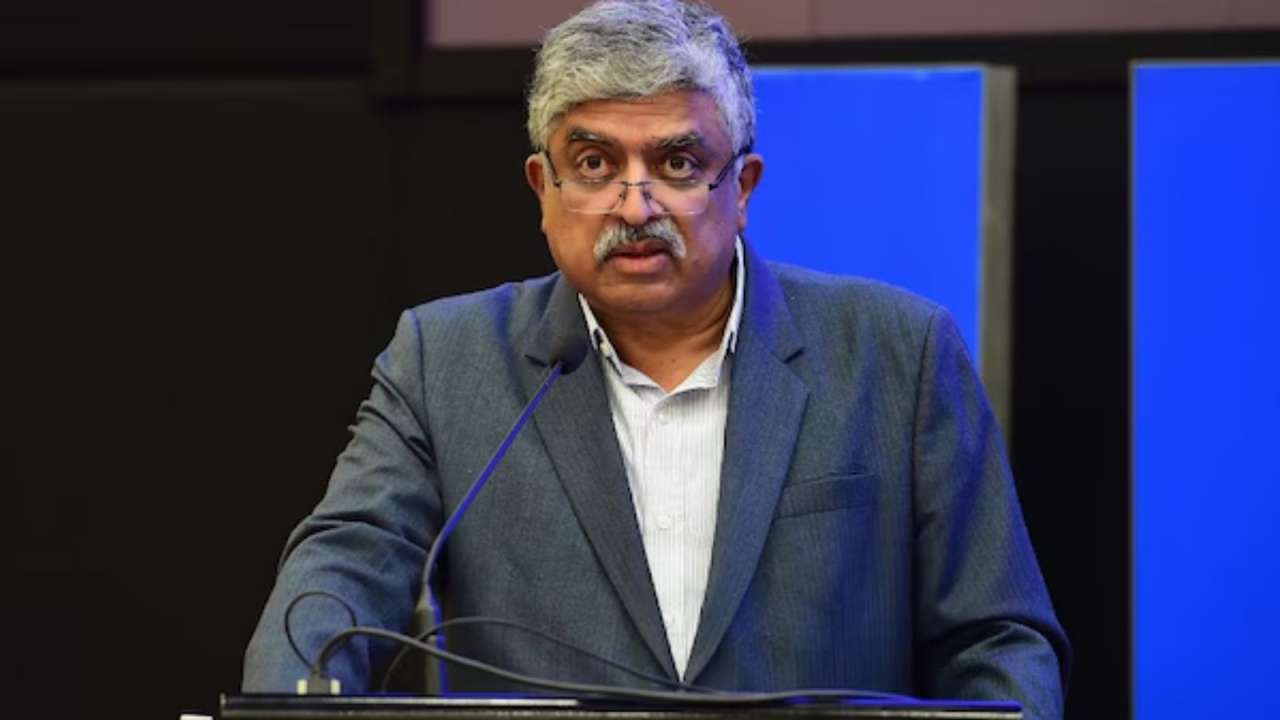 AI-generated question papers for NEET? Nandan Nilekani proposes novel idea for stopping paper leak
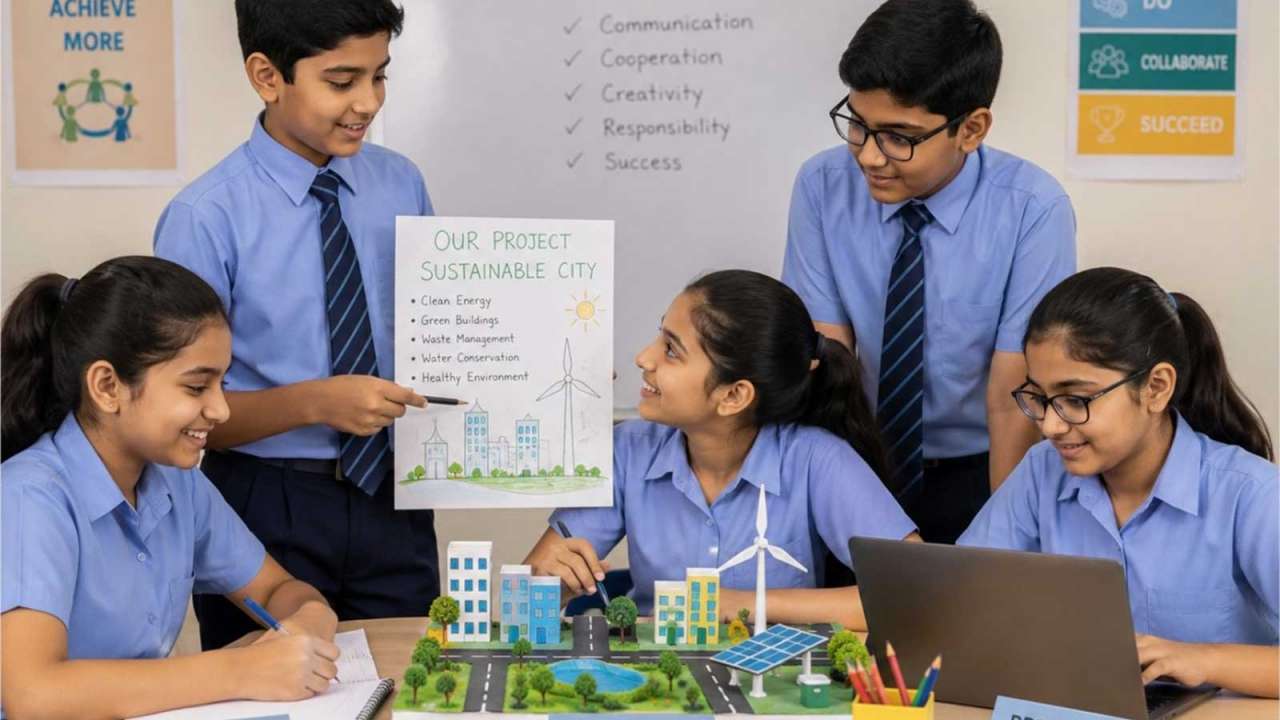 Third Language Row: SC extends relaxation to Class 6 students, asks CBSE to grant exemption, here's what it means
 NEET PG 2026 Result Out: Check how to download scorecard from natboard.edu.in; Know category-wise cut-off and more
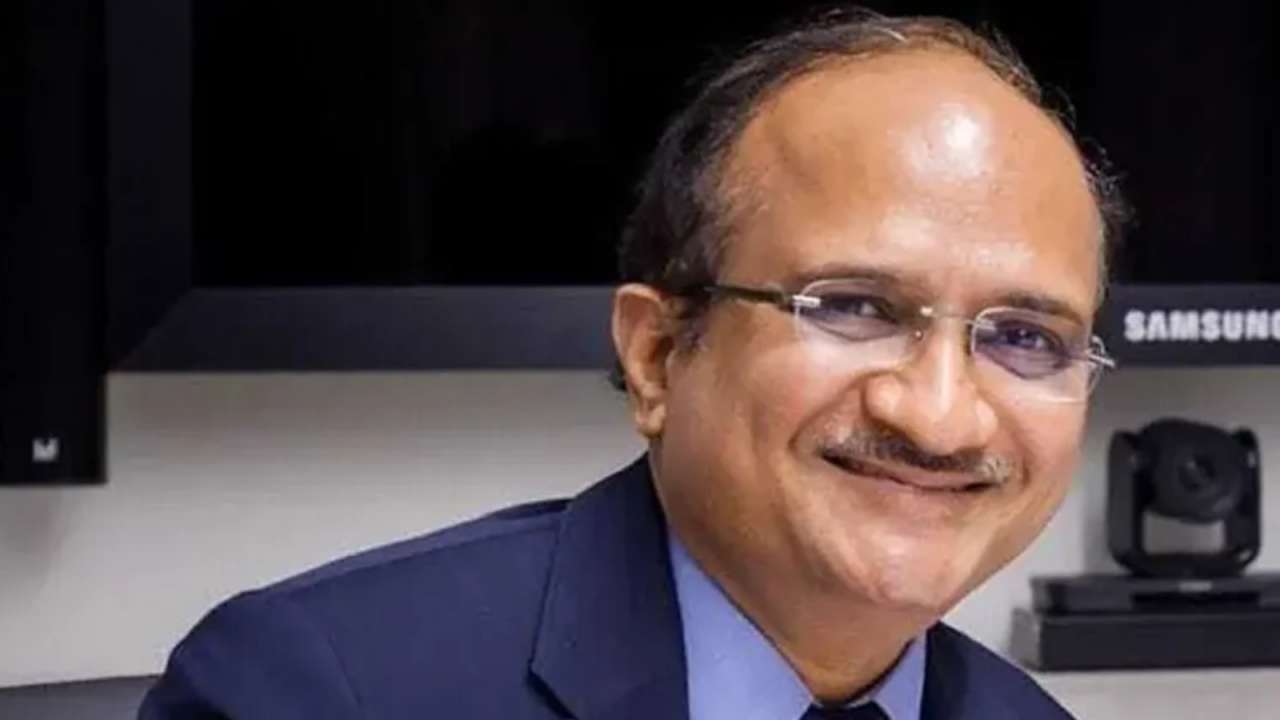 Five-year BTech programmes? Ex-IIT director makes proposals amid IIT suicide controversy
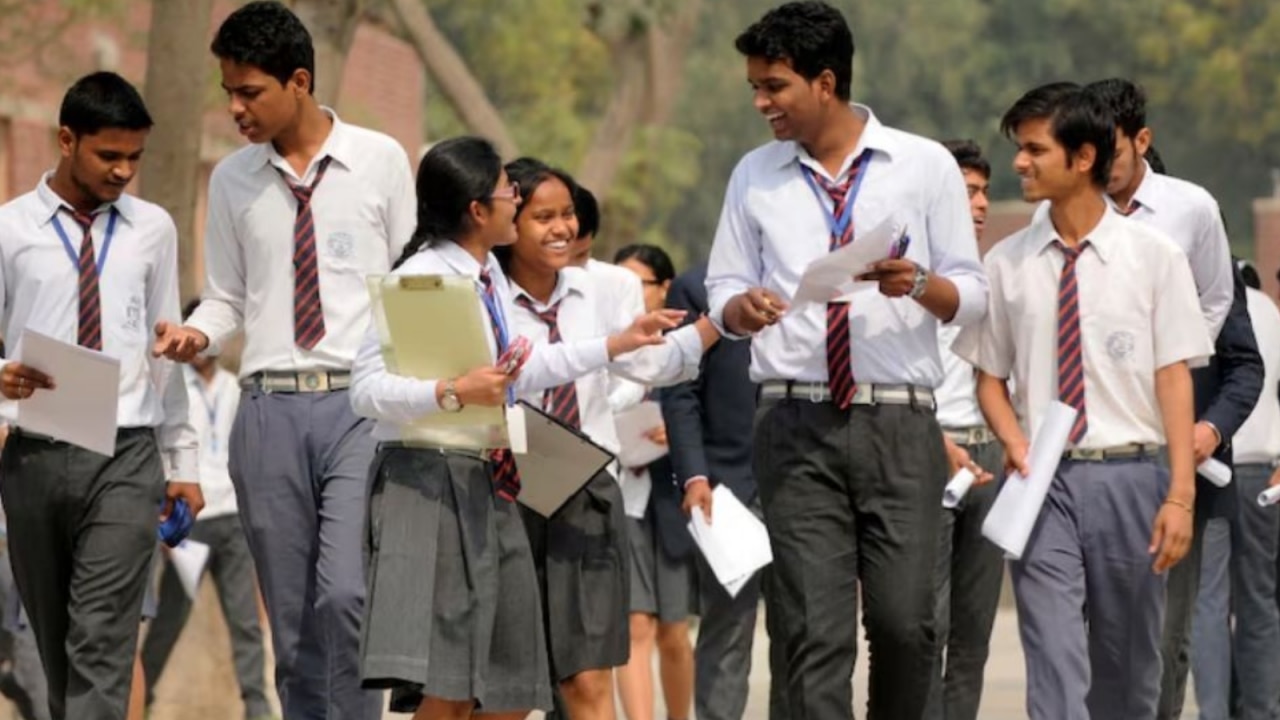 CBSE Date Sheet 2027: When will Class 10, 12 timetable be released? Check details here
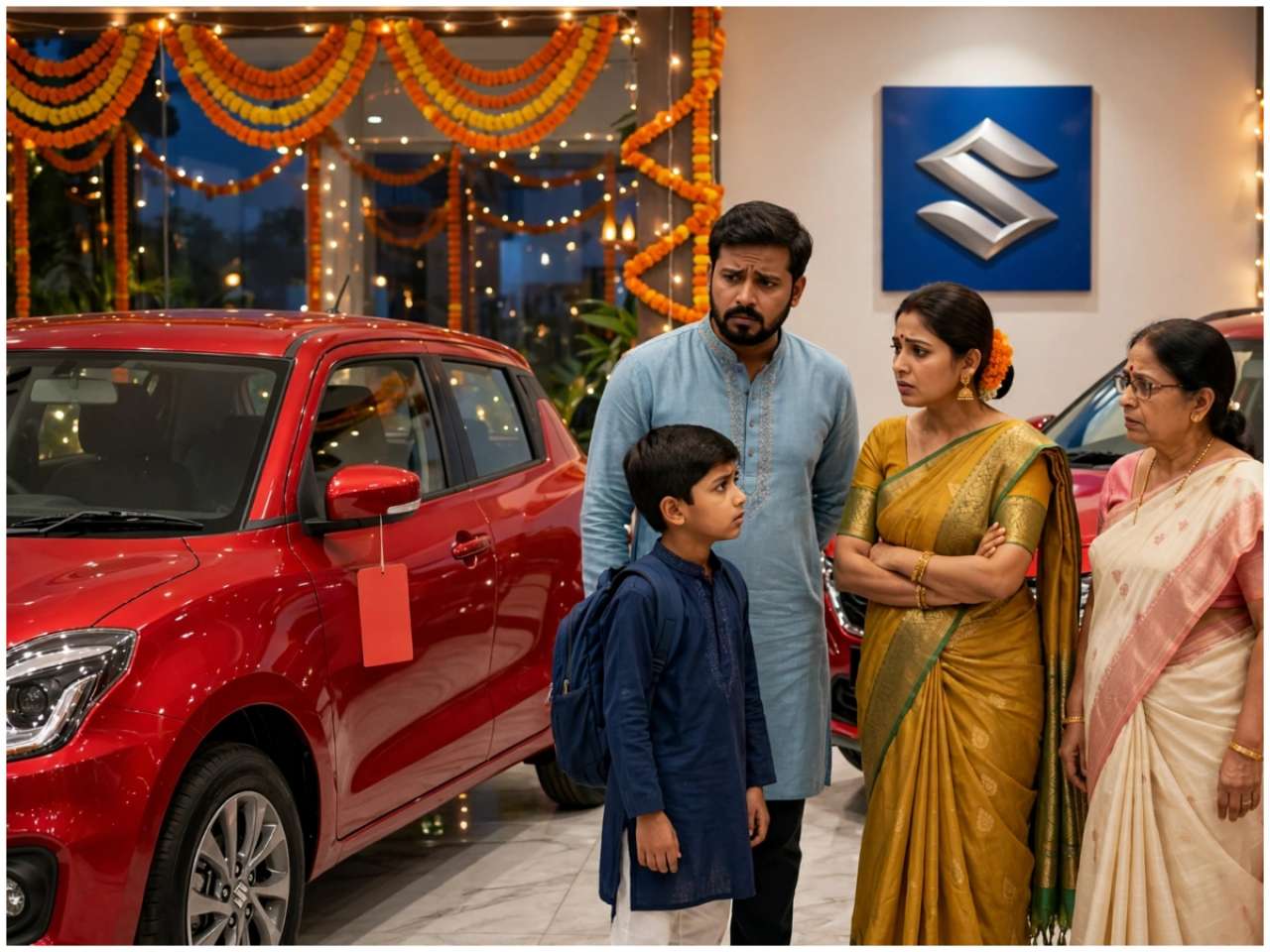 After Hyundai, Maruti Suzuki makes cars costlier ahead of festive season: Check new prices after hike
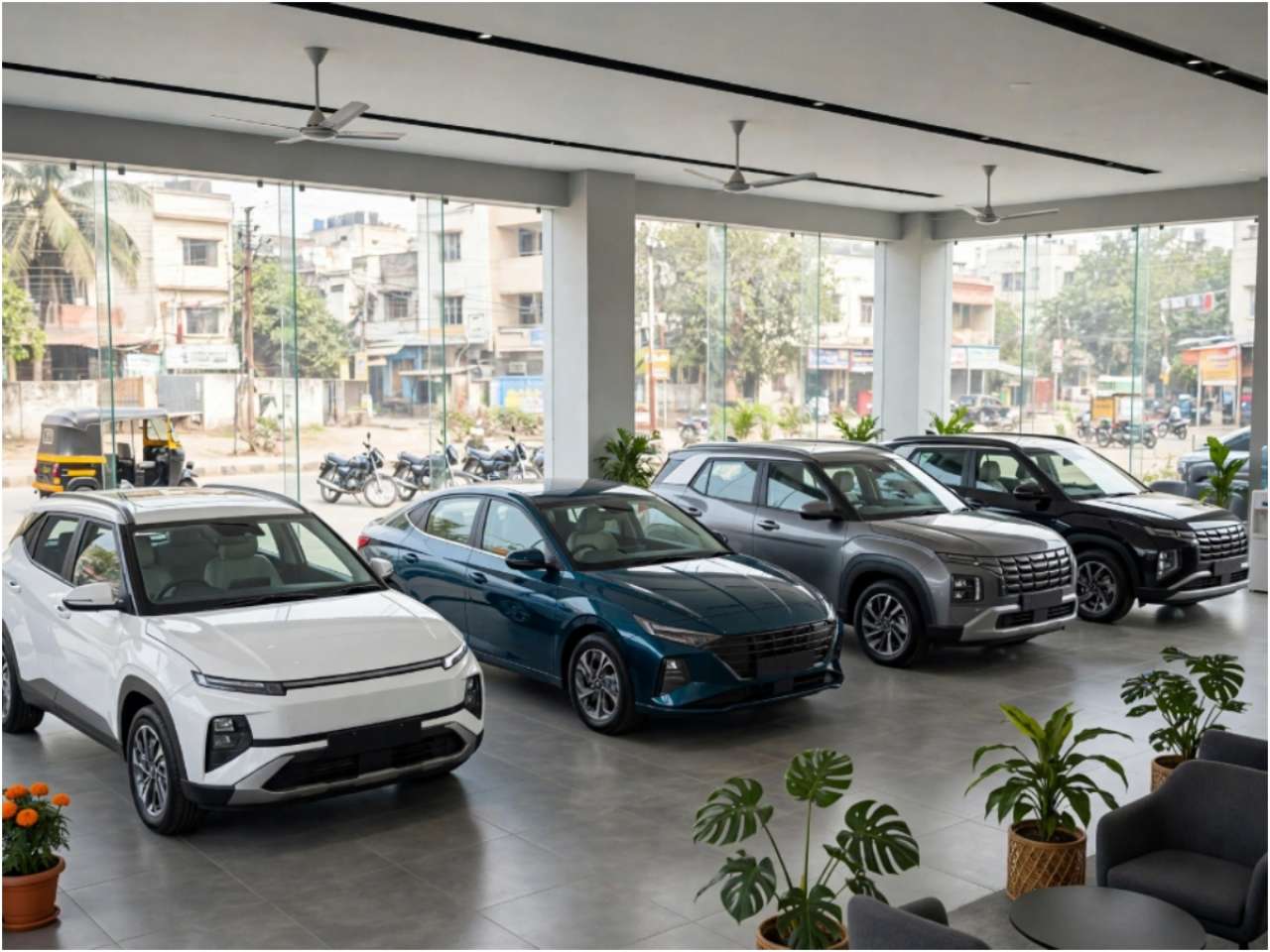 Hyundai cars to get costlier from September: Check new prices and reason behind hike
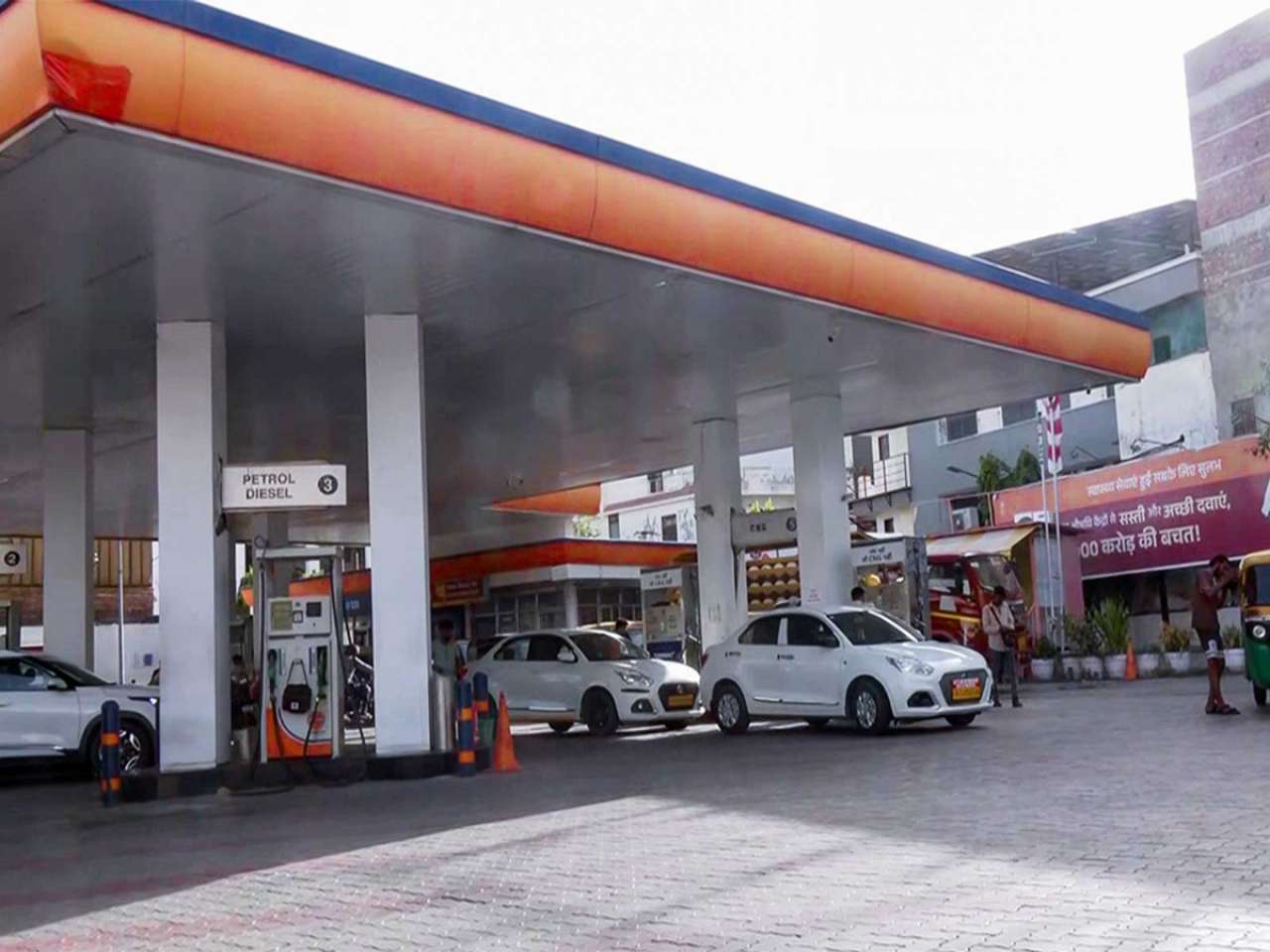 Why can't consumers choose pure petrol or E10? Centre explains why E20 is now the standard fuel
 Centre claims E20 fuel does not damage engines, cites data from Maruti Suzuki and Hero MotoCorp
 Maruti WagonR Flex Fuel: What’s price of India’s first ethanol car? Specs, mileage, and top features explained
ANALYSIS

Updated : Feb 20, 2015, 05:35 PM IST




Yet another study on financial inclusion tells us what we already know: the South Indian states are doing much better than their counterparts in every other part of the country. A new index on financial inclusion, Inclusix, from ratings firm Crisil, however, indicates that since 2009 the country has made slow progress towards financial inclusion.
The Inclusix scores for all-India — 40.2 (on a scale of 100) — and for the West(38.2), North (37.1), East (28.6), and North-East (28.5) are in contrast to the Southern states (62.2). The numbers tell the tale better: 624 million saving accounts, just 160 million loan accounts and nearly 40 per cent adult population without bank accounts. With new banking licences up for grabs, these scores and figures reflects the opportunities awaiting prospective bankers in terms of branch, deposit and credit penetration.
The Reserve Bank of India’s renewed focus on financial inclusion — while doling out banking licences and other measures -- comes after years of being caught in the thrall of liberalisation. A recent RBI working paper discovered that the share of moneylenders and other non-institutional sources in rural credit fell steadily from 92.8 per cent in 1951 to 36 per cent in 1991 before rising to 42.9 in 2002.
Significantly, the share of institutional agencies like banks in rural credit fell from 64 per cent in 1991 to 57.1 per cent in 2002. Perhaps, as an atonement for this exclusion when India embarked on a mindless state-withdrawal agenda, the RBI is proactively making amends now.
The RBI is now allowing branches in smaller centres without restrictions and has mandated the opening of 25 per cent of new branches in hitherto unbanked areas. Two-thirds of the branches opened in 2011-12 were in rural or semi-urban areas and by March 2012, over one-lakh villages were covered, compared to 28,000 in 2010.
Another reason for this spectacular jump has been the appointment of business correspondents (BC) who visit villages to open accounts, collect deposits and disburse credit. To sustain the BC model, RBI has advised banks to open ultra-small branches to support a ten-BC-cluster in a four-kilometre radius.
But as the RBI is discovering, opening accounts does not ensure automatic financial inclusion. The low number of transactions per account is adversely impacting the viability of financial inclusion efforts and has to be addressed fast before stakeholders lose interest.
The push for direct benefit transfers to Aadhar-linked bank accounts will hasten financial inclusion and increase transaction volumes as subsidies, scholarships and welfare payments are disbursed. But will banks shed mindsets and lend more to rural India? Crisil’s Inclusix index reveals a fundamental problem: South India’s credit penetration score of 77.1 is nearly thrice the rest of India.