 Why did Nepal's PM Balen Shah choose India, not China, for his first foreign visit?
 Were Sachin Tendulkar, Gautam Gambhir, Yuvraj Singh pushed out of Team India? Former selector drops massive bombshell
 Mahesh Bhatt reunites with Prashant Narayanan 15 years after Murder 2, lauds actor's dedication, rawness: 'I've always appriciated honesty'
 CJP announces pan-India campaign against SIR from Oct 23, Dipke urges to join 'Tiranga March' tomorrow
 Jailer 2 Twitter review: Rajinikanth mania storms big screen, fans hail 'superstar's timeless aura', but Hrithik Roshan's cameo steals the showWere Sachin Tendulkar, Gautam Gambhir, Yuvraj Singh pushed out of Team India? Former selector drops massive bombshell
 Ice Hockey to Mountaineering: PM Modi charts sports vision for Ladakh
 Jasprit Bumrah's major call ahead of WTC Final: Will India lose its pace ace for New Zealand ODIs?
 Abhishek Sharma scripts T20I history, overtakes Suryakumar Yadav for massive world record
 'Trying to attack Arshdeep': Sunil Gavaskar slams Shamar Joseph’s on-field antics following West Indies win in 4th T20IMahesh Bhatt reunites with Prashant Narayanan 15 years after Murder 2, lauds actor's dedication, rawness: 'I've always appriciated honesty'Jailer 2 Twitter review: Rajinikanth mania storms big screen, fans hail 'superstar's timeless aura', but Hrithik Roshan's cameo steals the show
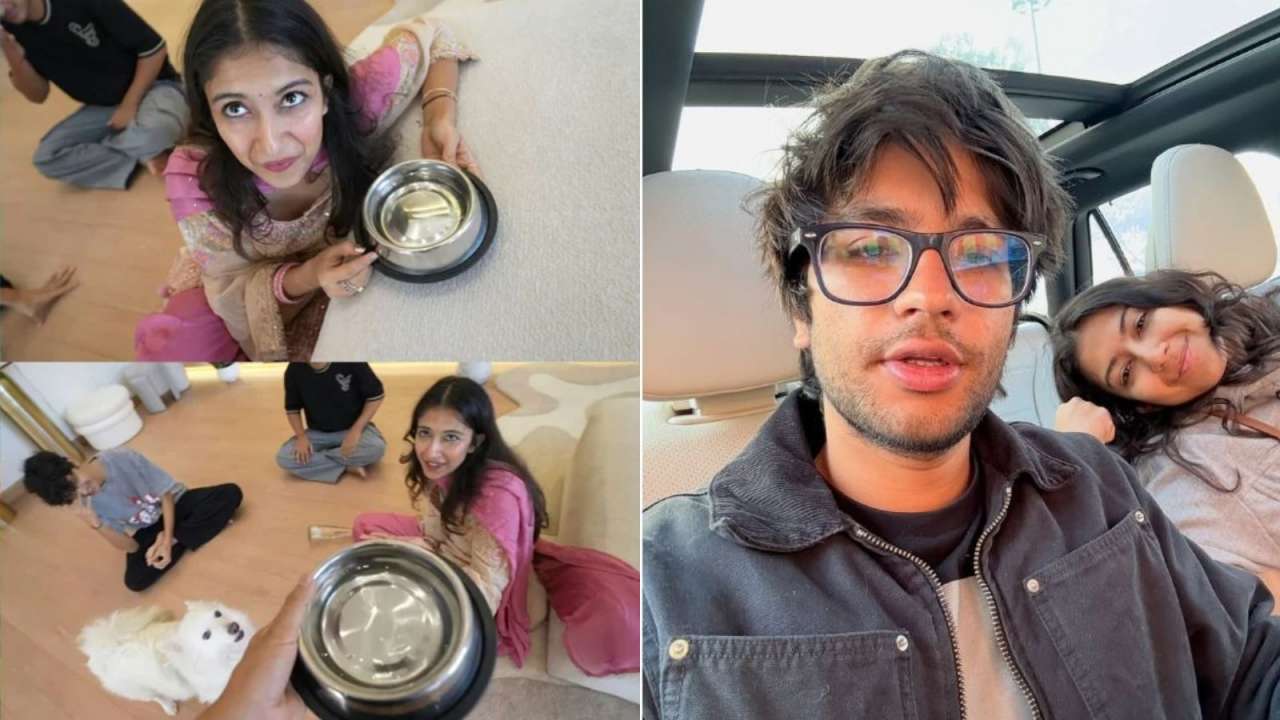 YouTuber Sourav Joshi slammed for dog bowl dare with wife Avantika Bhatt, netizens react: 'Such an ickkkk husband'
 Salman Khan says no one will ever make his biopic on Koffee With Karan 9: ‘I’ll take my stories to the grave’
 Sahiba Bali calls viral Tamannaah Bhatia comment screenshot fake
 CJP Protest: Mumbai Police Issues Notice To Actor Imran Khan To Leave India By October 28
 CJP Protest: Rahul Gandhi Accuses Delhi Police Of Beating Youngsters At Protest | Jantar Mantar
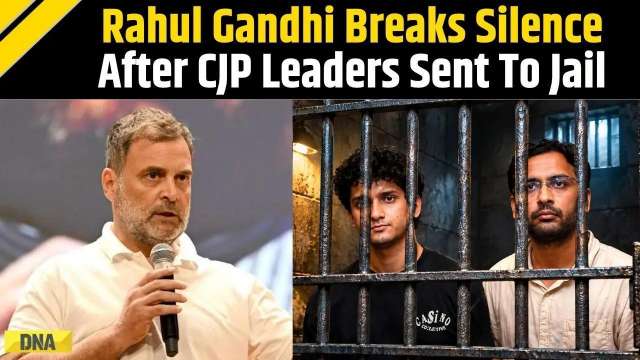 CJP Protest: Congress Rahul Gandhi Backs CJP Leaders Jailed For Tresspassing At Jantar Mantar
 Delhi Protest: Delhi High Court Bench To Hear Pleas On Protest Regulation & Jantar Mantar Ban
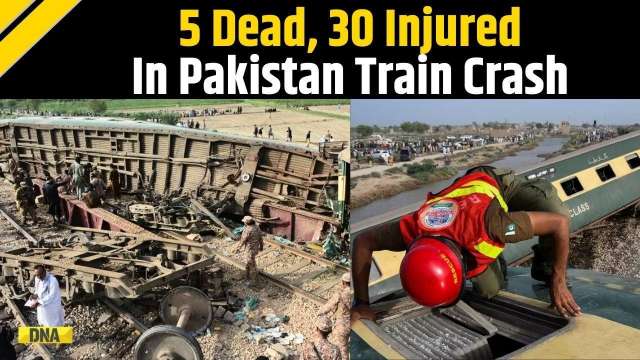 Pakistan News: 5 Killed, 30 Injured As Rehman Baba Express Derails Near Multan In Pakistan
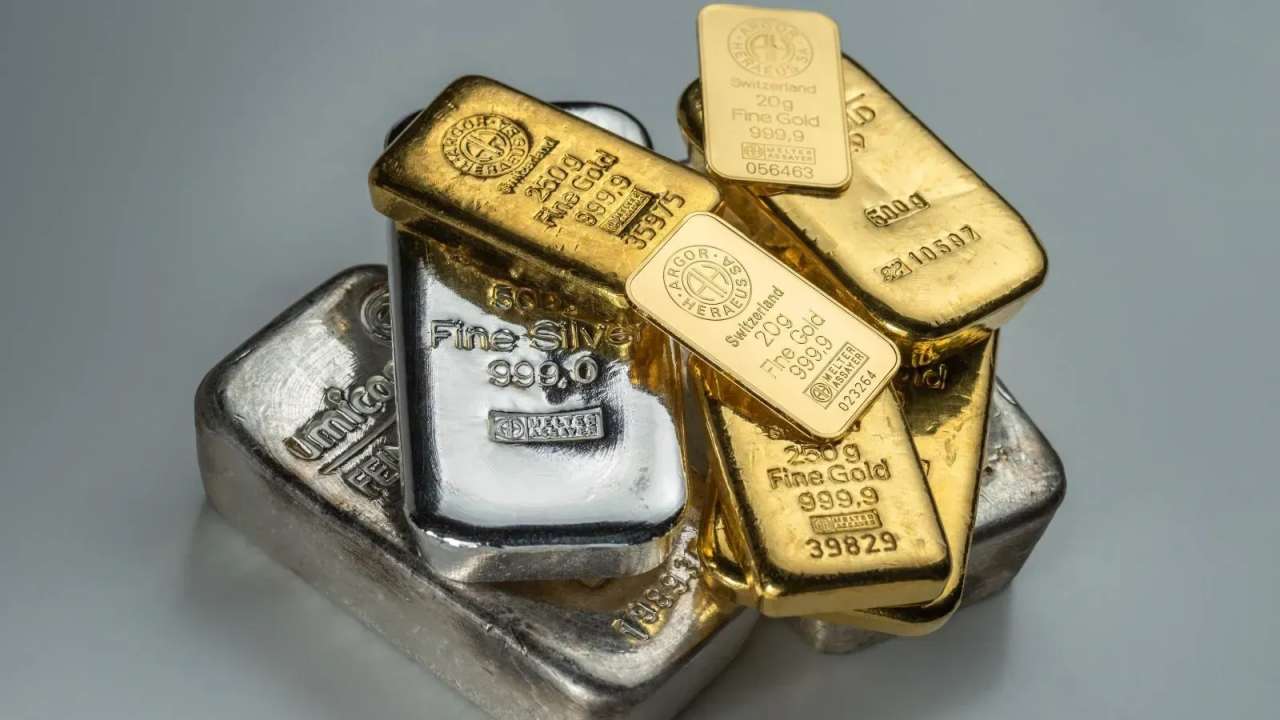 Gold, Silver prices today, October 15, 2026: Check city-wise rates in Delhi, Mumbai, Chennai, Kolkata and more
 IDBI Bank Sold For Rs 52,878 Crore: From Air India to IDBI Bank- Modi govt's big disinvestment moves explained
 Puja Gift To Railways Employees: 11 lakh workmen to get 78-day bonus, govt to spend Rs 2009 crore
 New AI tool for investors: Ask anything about listed companies, valuations, portfolio performance
 PM Modi to meet Donald Trump to iron out differences over India-US Bilateral Trade Agreement?
 Navratri Day 4: From Shraddha Kapoor, Kriti Sanon, Sanya Malhotra, actresses who embody goddess in blue outfits
 Navratri 2026: From Alia Bhatt to Sara Ali Khan, Shraddha Kapoor, take inspiration from Bollywood actresses to stun everyone in white
 Ranbir Kapoor-Sai Pallavi, Yami Gautam-Addinath Kothare, Rajkummar Rao-Wamiqa Gabbi: 5 fresh on-screen jodis to watch out for in 2026
 OTT Releases This Week (October 5-11): Awarapan 2, Khalifa, Mandaadi; new India movies, shows to watch on Netflix, Prime Video
 OTT Releases This Week (Sept 28 - Oct 4): Dupahiya 2, Pooja Meri Jaan; new movies and shows to watch this Gandhi Jayanti weekendWhy did Nepal's PM Balen Shah choose India, not China, for his first foreign visit?CJP announces pan-India campaign against SIR from Oct 23, Dipke urges to join 'Tiranga March' tomorrow
 Ankita Bhandari Case: Uttarakhand CM Dhami defends police action, accuses Congress of politicising issue
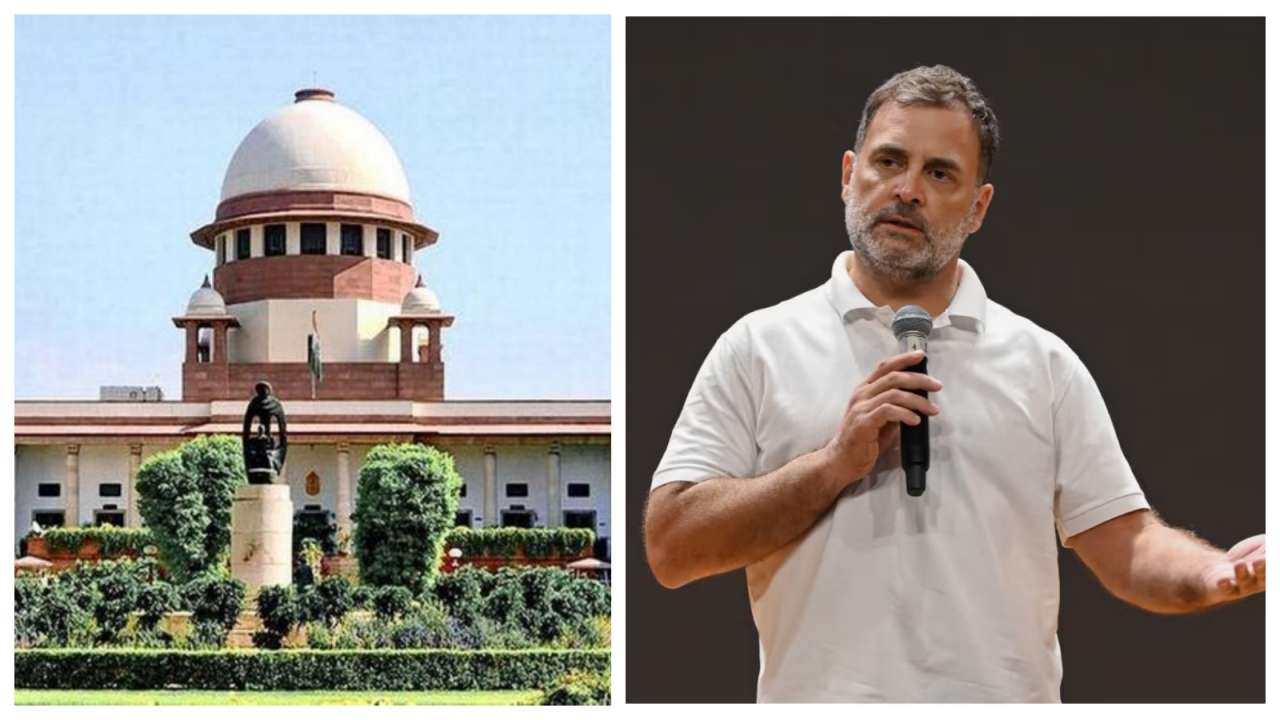 Rahul Gandhi's SIR Petition: Supreme Court issues notice to ECI
 Supreme Court issues notice to CEC Gyanesh Kumar, ECI; What may Modi govt do now?
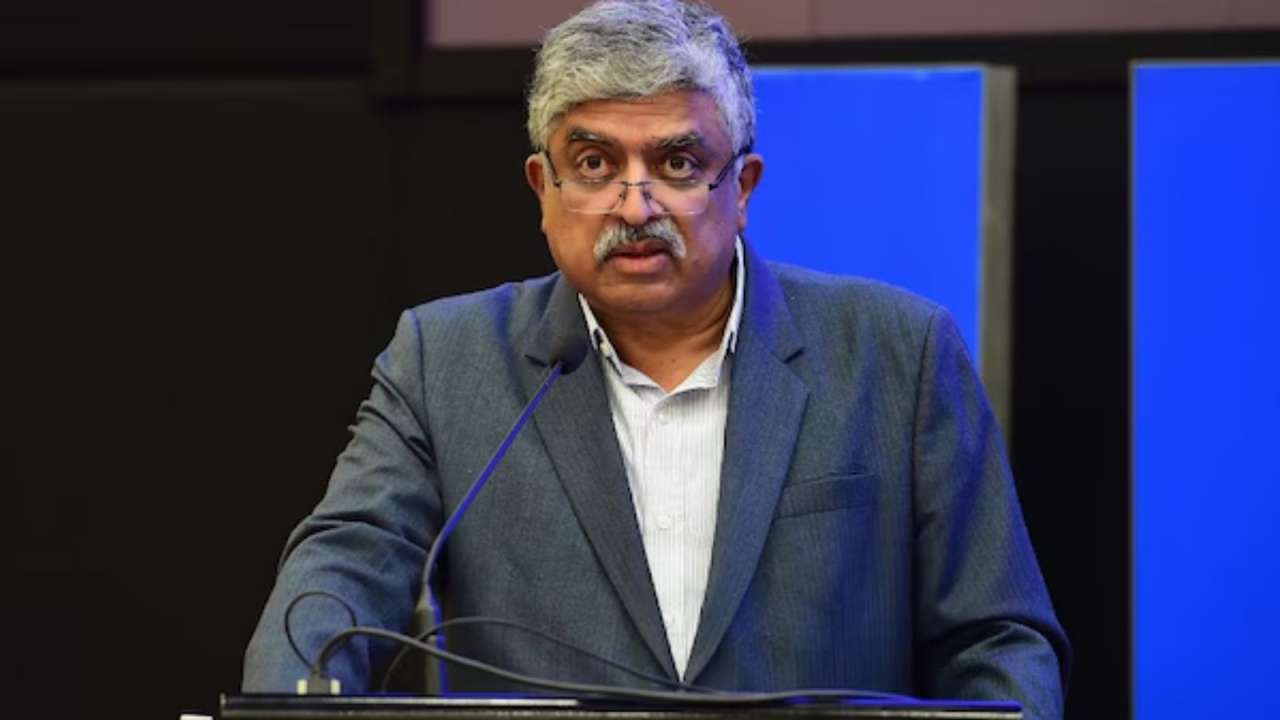 AI-generated question papers for NEET? Nandan Nilekani proposes novel idea for stopping paper leak
 Third Language Row: SC extends relaxation to Class 6 students, asks CBSE to grant exemption, here's what it means
 NEET PG 2026 Result Out: Check how to download scorecard from natboard.edu.in; Know category-wise cut-off and more
 Five-year BTech programmes? Ex-IIT director makes proposals amid IIT suicide controversy
 CBSE Date Sheet 2027: When will Class 10, 12 timetable be released? Check details here
 After Hyundai, Maruti Suzuki makes cars costlier ahead of festive season: Check new prices after hike
 Hyundai cars to get costlier from September: Check new prices and reason behind hike
 Why can't consumers choose pure petrol or E10? Centre explains why E20 is now the standard fuel
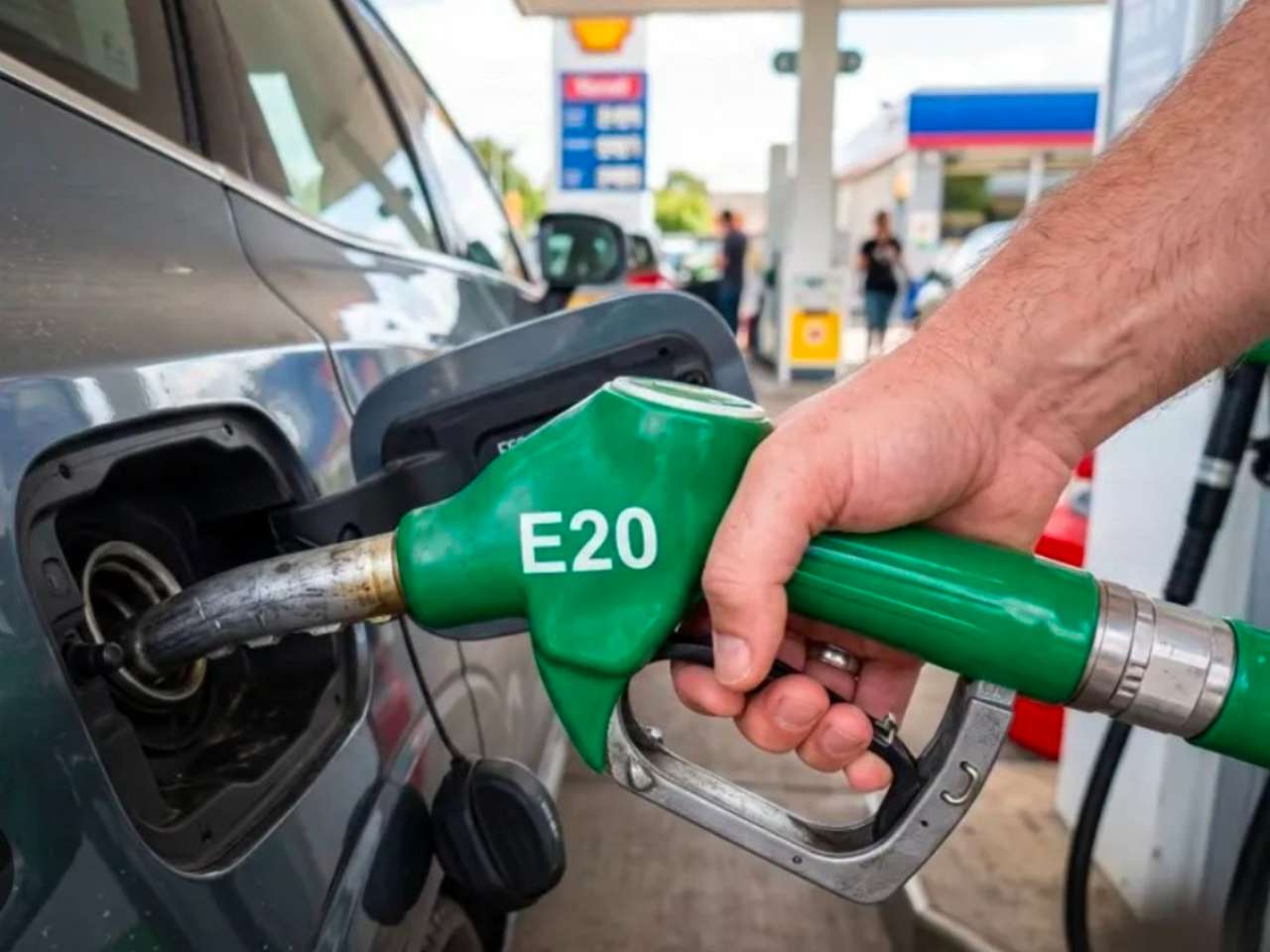 Centre claims E20 fuel does not damage engines, cites data from Maruti Suzuki and Hero MotoCorp
 Maruti WagonR Flex Fuel: What’s price of India’s first ethanol car? Specs, mileage, and top features explained
ANALYSIS
The Central Pollution Control Board's report on the state of the centrally-funded sewage treatment plants explains why gastro diseases are on the rise in India.

Updated : Sep 30, 2013, 09:06 AM IST




The state of a country’s public health and hygiene is one of the strongest indicators of its progress, and India fares dismally on that count. The findings of the latest report on sewage treatment plants (STP) conducted by the Central Pollution Control Board (CPCB) not only speaks of shocking callousness on the part of the Centre, but also explains why India occupies an embarrassingly low position in the global list when it comes to gastro diseases.
The CPCB report states almost one-fifth of the centrally-funded STPs in the country are “non-operational”, and another nearly one-fifth of the total 152 such STPs is deemed “not satisfactory”. This means millions of litres of untreated water either seeps into the ground, and pollutes ground water or is discharged into the natural drainage system — rivers and lakes — creating a dangerous situation with the potential for an outbreak of epidemic. This could also damage the country’s ecological system. Please bear in mind that the CPCB study has not covered hundreds of other STPs run by different state governments or other agencies, which one assumes aren’t likely to be in better shape than the centrally funded centres.
The devastating effects of the CPCB’s findings can be found in the World Health Organization Report, which says that of the 10 million annual deaths in India, 7.8 lakh are due to lack of basic health-care amenities like proper sewage system, safe drinking water supply, elementary sanitary facilities and hygienic conditions. Almost 90 per cent of diarrhoea cases are due to contaminated water.
Another equally critical World Resources Report says that about 70 per cent of the country’s water supply is seriously polluted with sewage effluents. A UN report ranks India 120th among the 122 nations in its assessment of quality of water available to its citizens. Not just villages, even urban India is not spared the health hazards. Over the years, the situation has shown little improvement. According to a 2005 CPCB report Delhi and Mumbai together have 55 per cent of treatment capacity of 35 metropolitan cities. Only Hyderabad, Vadodara, Chennai, Ludhiana and Ahmedabad have the treatment capacity to meet the volume of sewage they generate.
These stark ground realities underline that waste management and recycling are yet to take off in this country. Even though hundreds of STPs have been set up across the country over the years to treat waste water, these have clearly failed to manage even the waste water generated from households.
The enormity of this nationwide crisis can be found in the performance of the states.
Though Tamil Nadu has the maximum “treatment capacity”, it accounts for a meagre 16.9 per cent. The slide is more pronounced in Uttar Pradesh (16.4 per cent), Andhra Pradesh (15 per cent), Punjab (14 per cent) and West Bengal (10 per cent).
If the Centre and the states allow this to continue, the situation will worsen with more and more people, especially children, falling prey to deadly water-borne diseases.