 Iran accuses US of 'threatening to starve' people as Trump intensifies economic pressure
 Mumbai 26/11 Terror Attack: 20-year-old arrested for recce of Nariman House, foreign handlers suspected
 Ramayana box office collection day 10: Ranbir Kapoor, Yash film beats Jawan, KGF 2; earns Rs 1200 crore
 What changes at Nvidia after Jensen Huang's exit? Elon Musk warns of lost deals, Trump disclosed stock investments
 Viral video: Newlyweds Anirudh Ravichander, Kavya Maran return to Chennai after their Greece wedding - WatchMumbai 26/11 Terror Attack: 20-year-old arrested for recce of Nariman House, foreign handlers suspected
 Punjab Bus Accident: 4 killed, 30 injured as two pilgrimage scheme buses collide in Tarn Taran
 DK Shivakumar writes to PM Modi, seeks ninth schedule protection for Karnataka's 56% quota
 Hardeep Singh Puri steps down as UP Rajya Sabha MP 11 days before term ends
 Why PMO summoned Telecom Secretary; How fake court orders led to blocking of 129 websites Iran accuses US of 'threatening to starve' people as Trump intensifies economic pressureWhat changes at Nvidia after Jensen Huang's exit? Elon Musk warns of lost deals, Trump disclosed stock investments
 US-India Trade Deal By March 2027? India assured tariff advantage over competitors
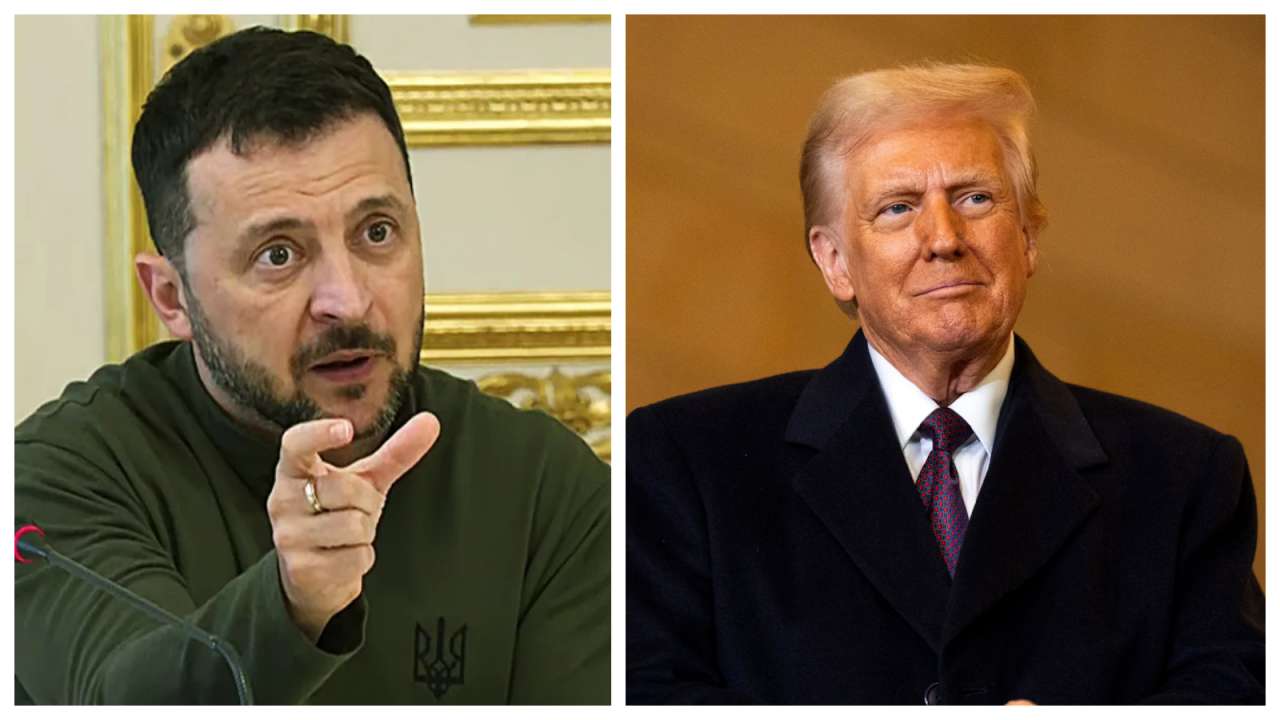 Ukraine to leave Donbas for NATO Membership? Zelenskyy reveals US question in peace talks
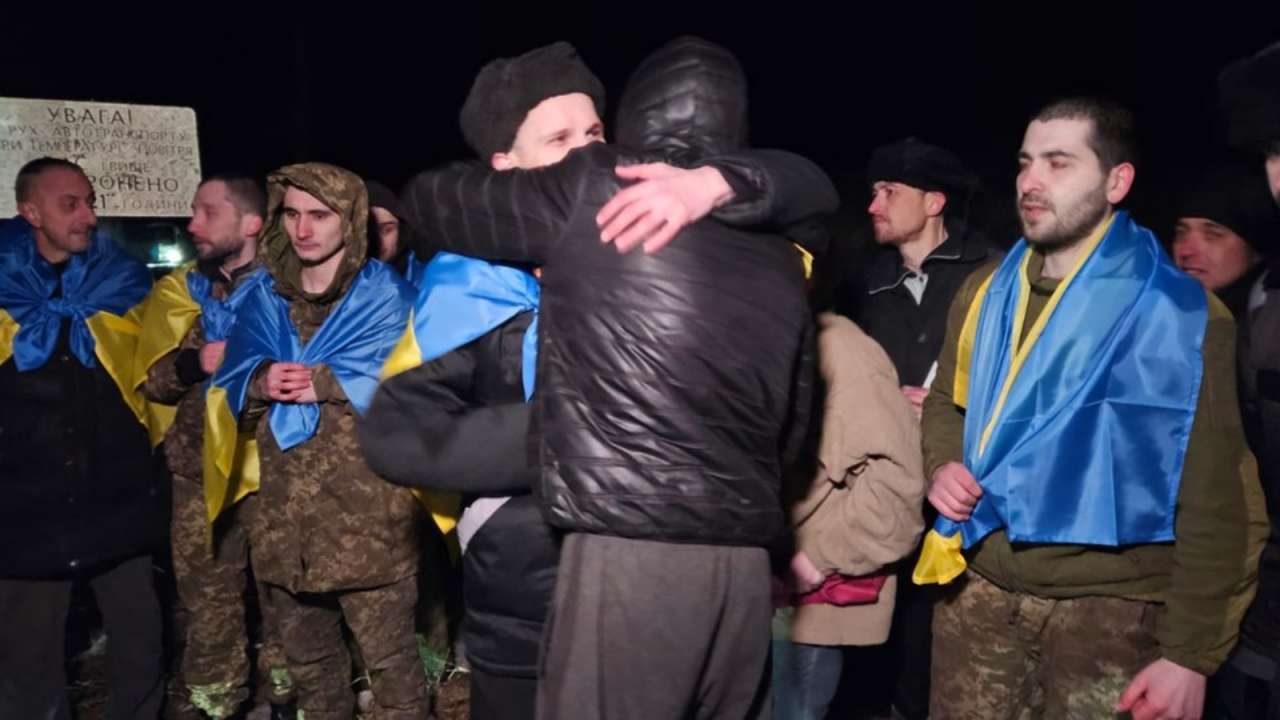 Ukraine expects largest-ever prisoner exchange with Russia with over 1,000 from each side
 Microsoft Global Outage: Why did Outlook stop working? How were airlines in India affected?
 Nvidia After Jensen Huang: Will India's AI dream face chip shortage or open door for new rivals?
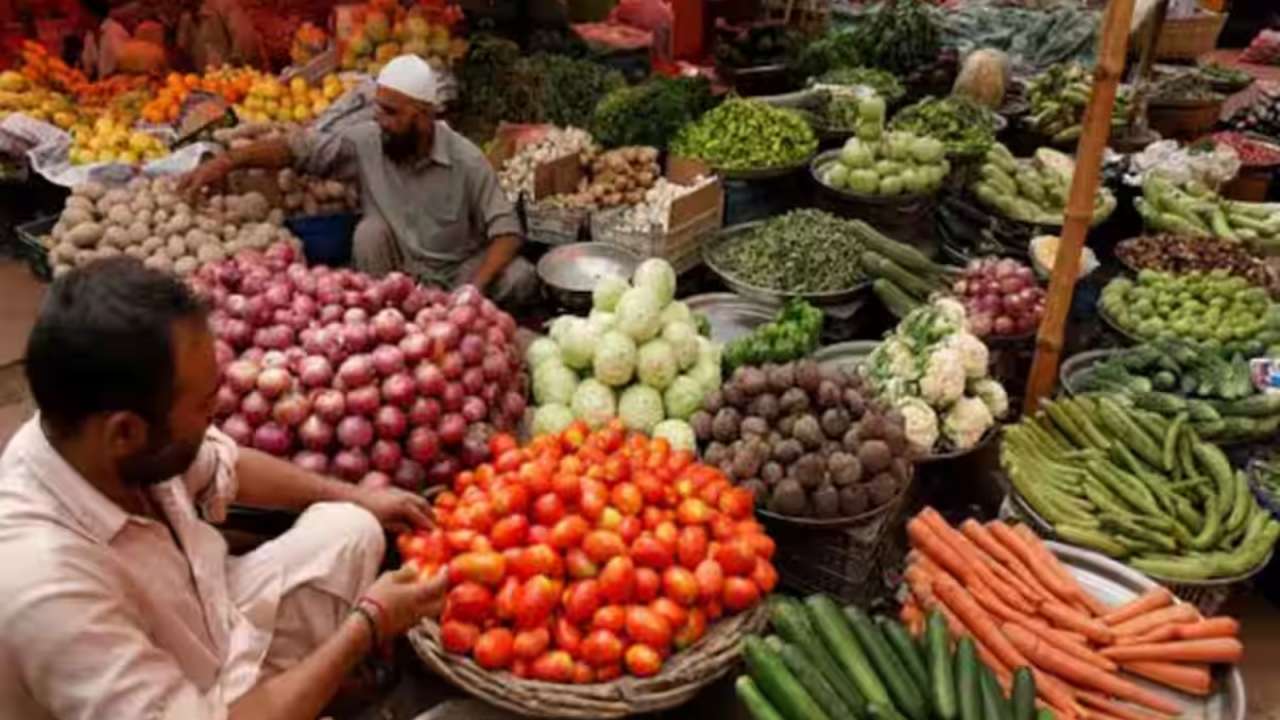 Why does inflation soar to 6.09% despite falling fuel prices, US-Iran war halt? RBI's next move under focus
 UP Elections 2027: Will Asaduddin Owaisi and Chandrashekhar Azad defeat BJP or help Yogi win?
 From Nvidia CEO Jensen Huang to top officials: 5 Alleged Chinese 'honey trap' cases that shocked worldRamayana box office collection day 10: Ranbir Kapoor, Yash film beats Jawan, KGF 2; earns Rs 1200 croreViral video: Newlyweds Anirudh Ravichander, Kavya Maran return to Chennai after their Greece wedding - Watch
 Veteran Telugu actor Giri Babu dies at 80 in Hyderabad; Pawan Kalyan, Chiranjeevi pay tribute
 Varun Dhawan-starrer Yash Raj Films' first horror movie locks release date in 2028
 Family Kirana Store Season 3 out on YouTube: TVF sitcom sets new benchmark, delivers three seasons in 10 months
 Tata Sons Listing Row: Why Noel Tata fears it could change Tata Group
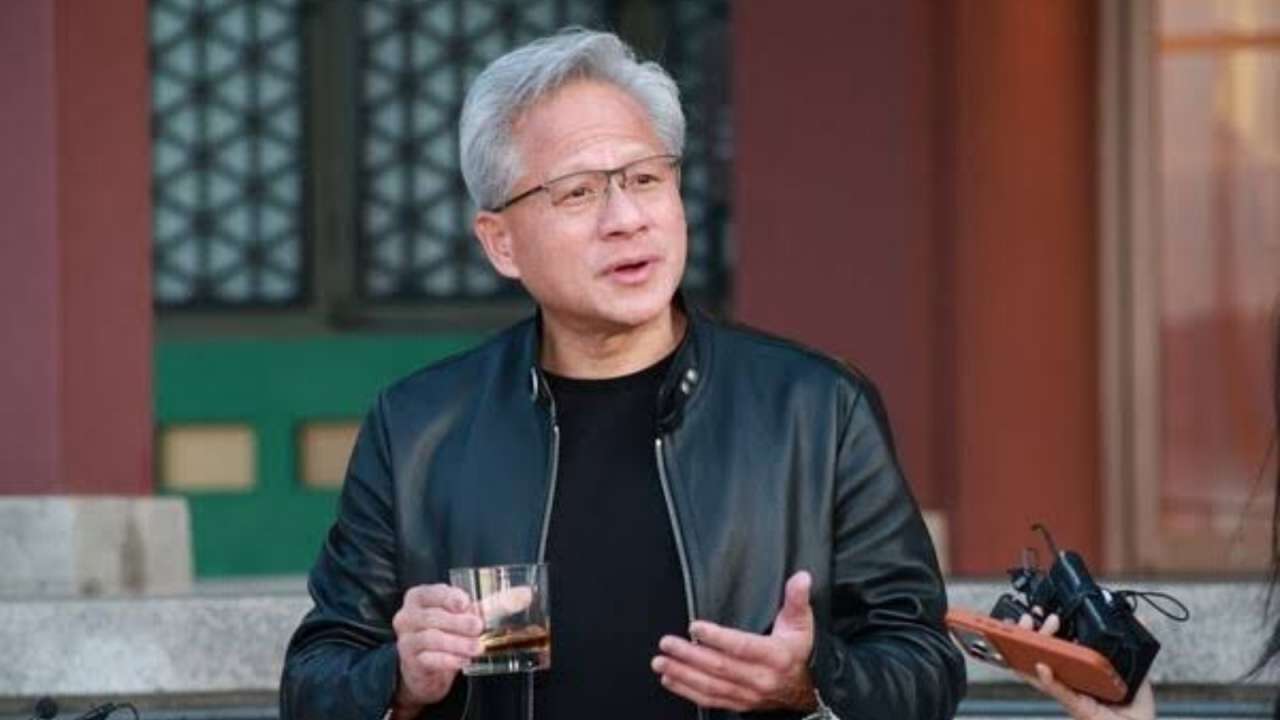 Who will replace Jensen Huang at Nvidia? 3 Indian-origin executives in the race
 Zee Entertainment announces Rs 600 crore share buyback at Rs 91 per share
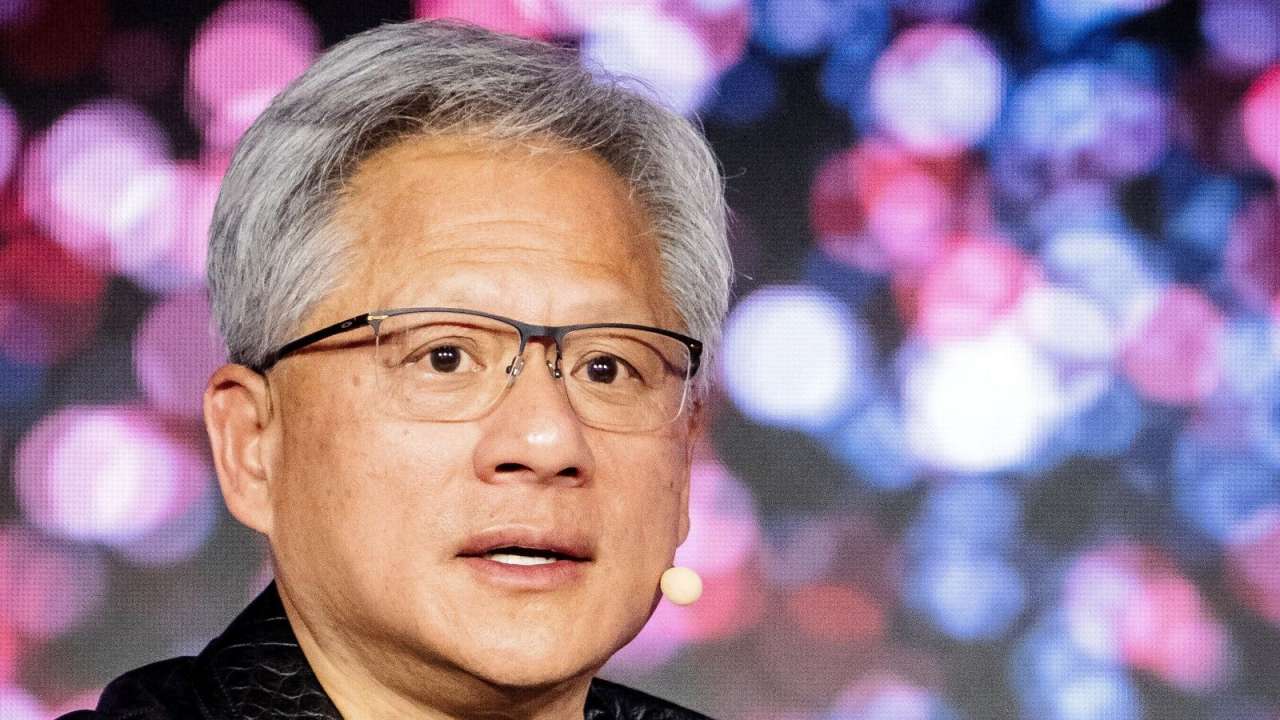 Who may replace Nvidia CEO Jensen Huang? THIS Indian tech executive emerged among top contenders
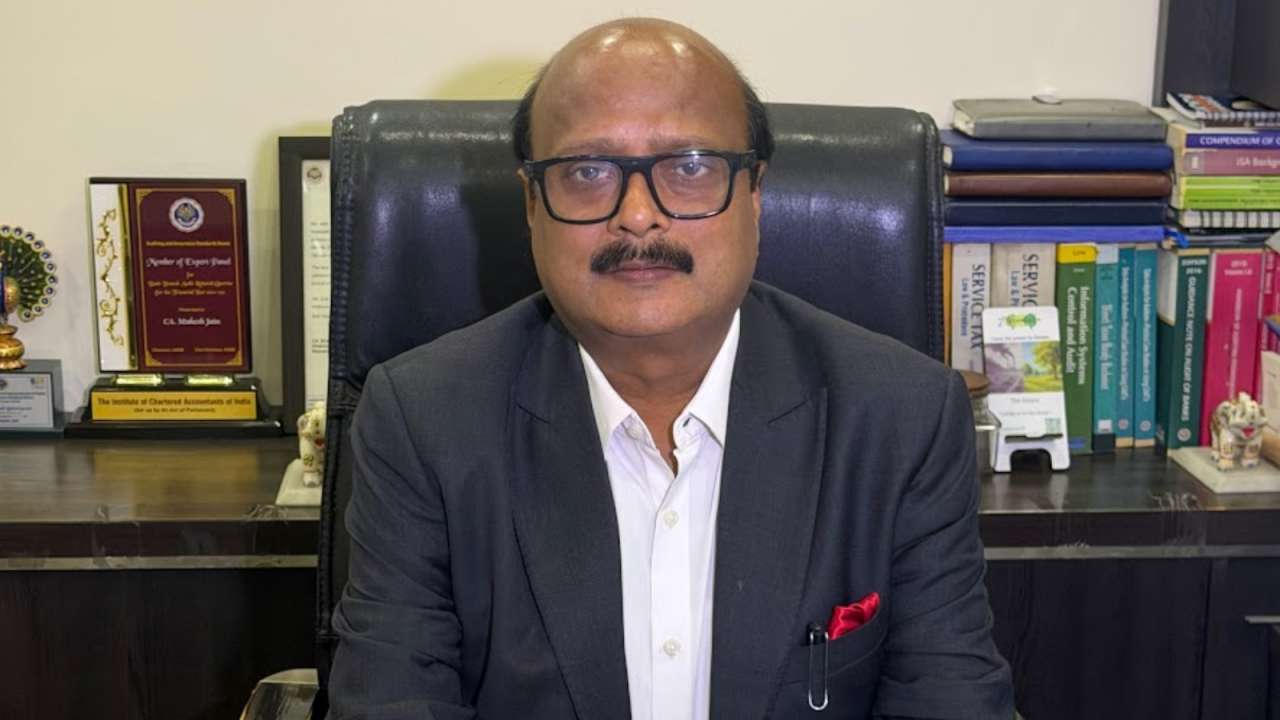 When CA Mukesh Jain Tested Kwala Intel: Inside the AI market wizard that money managers now swear by
 PM Modi congratulates India U19 team after thrilling win over Pakistan in Asia Cup 2026 final
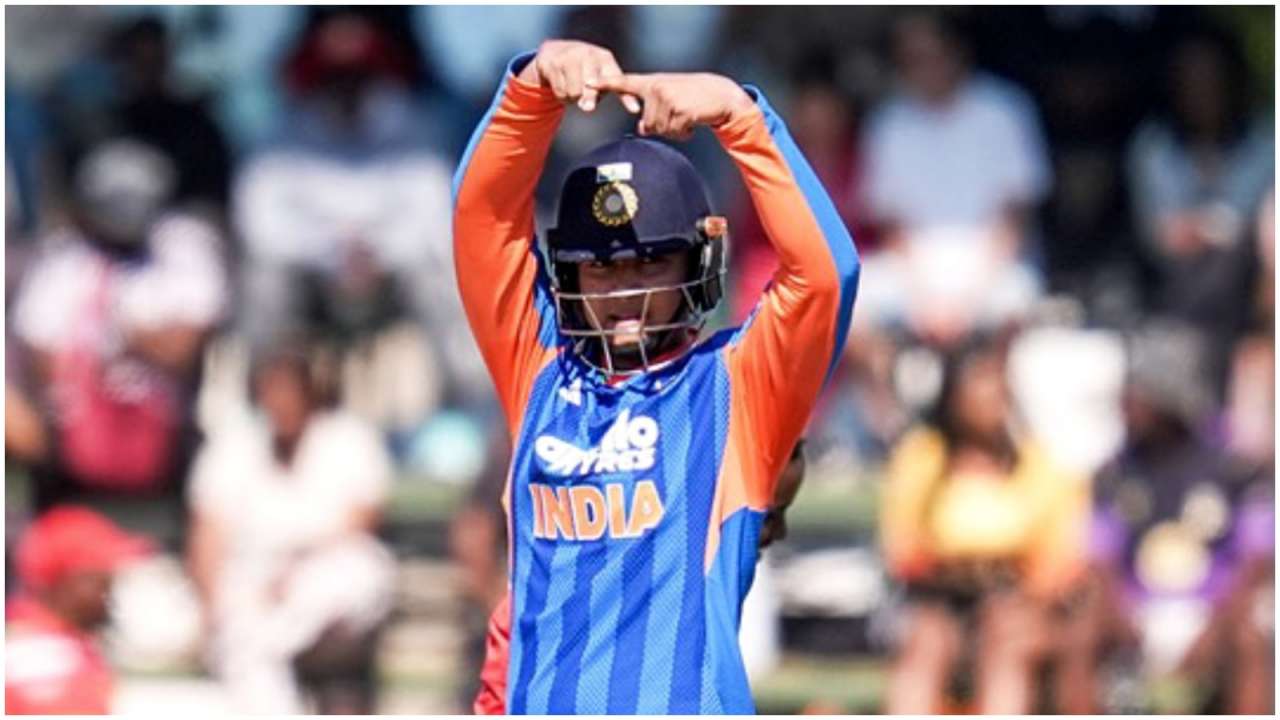 Vaibhav Sooryavanshi achieves a rare first at 15, creates history in T20 cricket
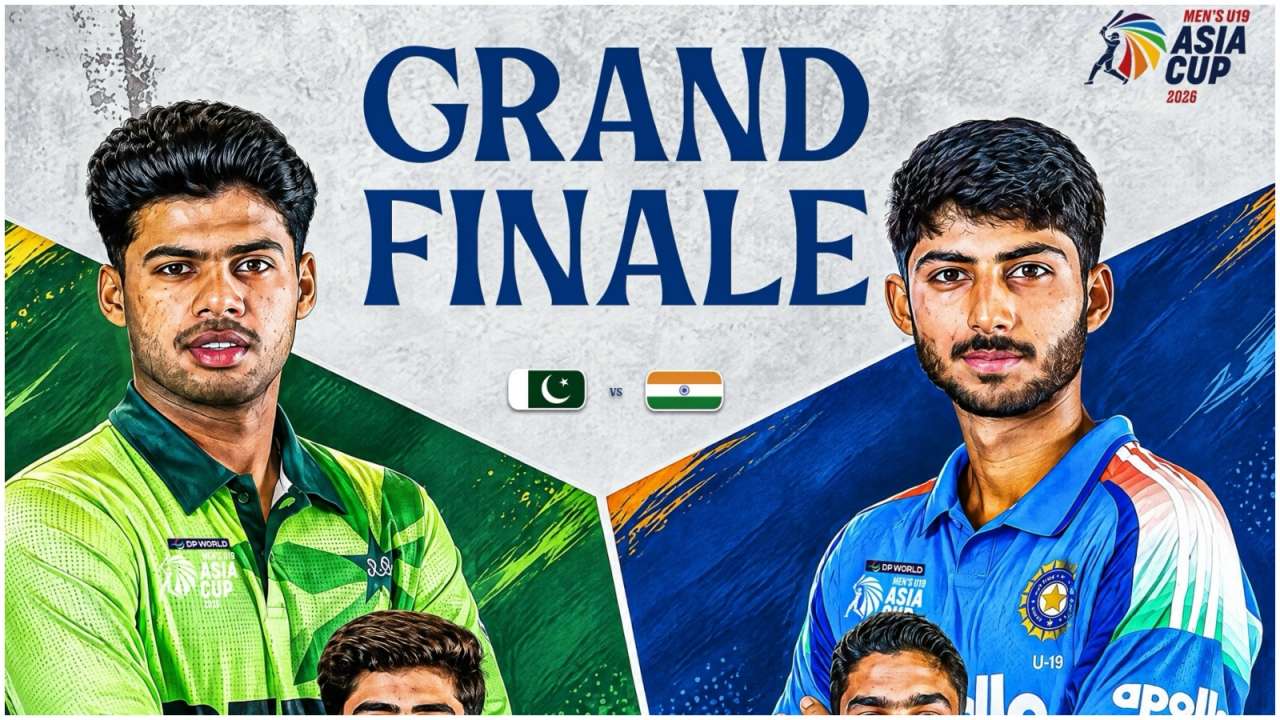 IND vs PAK U19 Asia Cup final: When and where to watch match live on TV and online
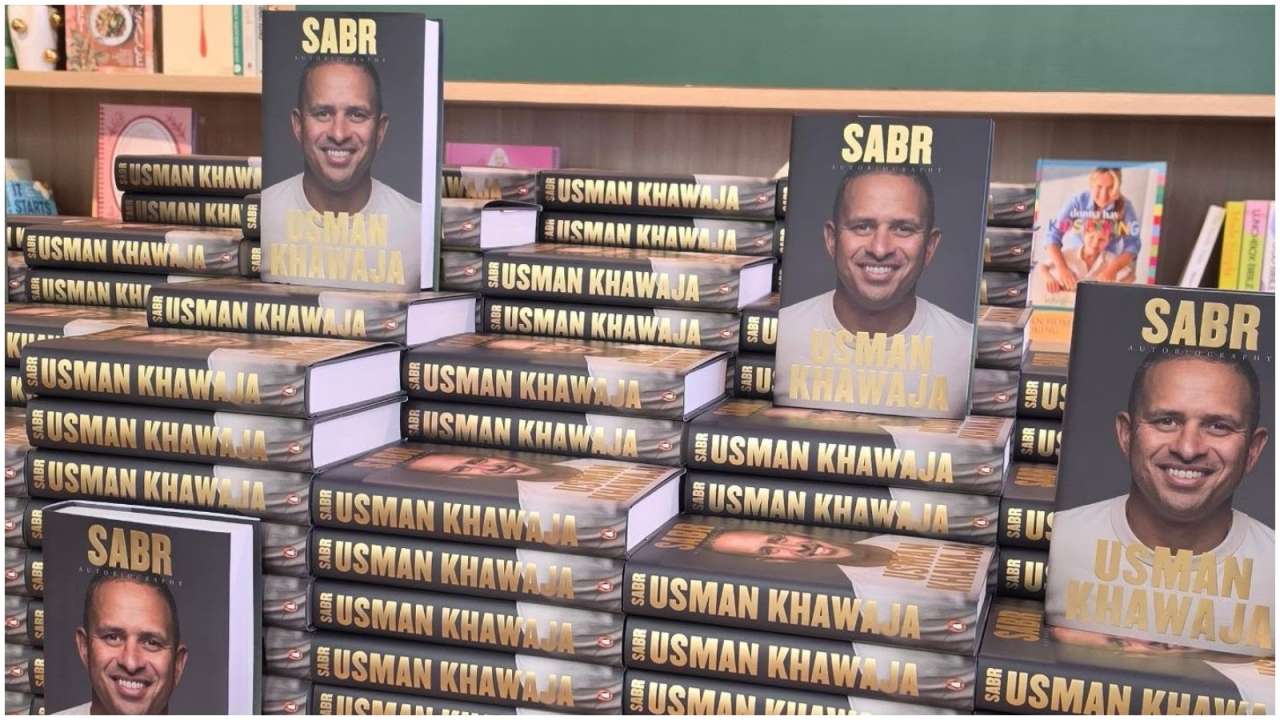 'Big brown mark on my sheets': Usman Khawaja makes shocking revelation about former Australia teammate
 Kabaddi Champions League: Former India star Mohit Chhillar backs it for next generation
 Kaziranga Road Accident Update: Death Toll Rises To 24; Mini-Bus Had 13 Overspeeding Challans
 Bay of Bengal Cyclone Alert: Low-Pressure Area To Intensify By November 16; Yellow Alert In Odisha
 Microsoft 365 Outage Update: Gradual Recovery Underway After 20 Hours; Email Timeout Doubled to 48 Hrs
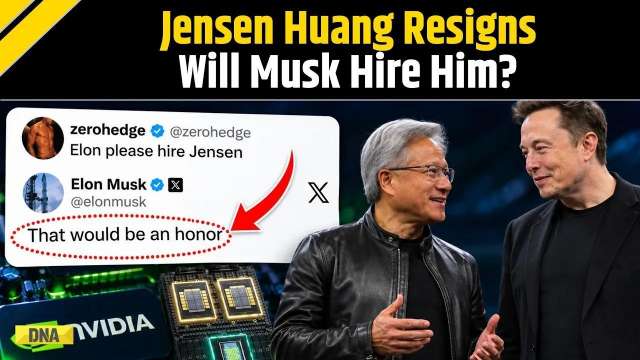 Nvidia-Jensen Huang News: 'Would Be An Honor To Hire Him...' Will Musk Save Huang After Resignation
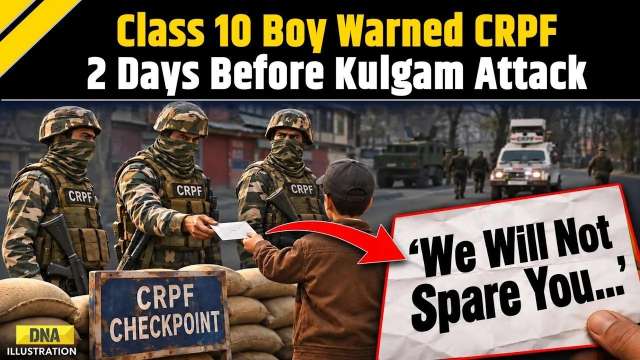 J&K News: 'Won't Spare You...' 2 Days Before Kulgam Attack, CRPF Got Unexpected Warning By Boy
ANALYSIS
Barack Obama must respond positively to the Iranian President Hassan Rouhani's overtures, no matter what the pressure is from domestic hawks and Israel.

Updated : Sep 23, 2013, 08:47 AM IST














It has been a lucky few days for US President Barack Obama. After the last minute reprieve from a potentially humiliating situation vis-à-vis Syria, courtesy Russian President Vladimir Putin, he has now been handed a significant opening by Iranian President Hassan Rouhani.
The manner in which Rouhani has reached out to his American counterpart is all but unprecedented in the vitiated atmosphere of US-Iran relations.
His categorical assurance that Iran does not intend to develop nuclear weapons was one thing; it could have been, and indeed has been, dismissed as eyewash by hawks in Washington and Tel Aviv. But his open letter of sorts in the Washington Post maintaining Iran’s right to peaceful nuclear energy but stressing an opening up of Iran’s foreign policy and a concomitant need for constructive engagement lends his diplomatic initiative too much weight to ignore.
Obama must take this opportunity, starting at the UN general assembly this week where there are hopes both leaders may orchestrate an informal meeting.
The reasons for the drastic shift in Tehran’s stance between Mahmoud Ahmadinejad’s presidency and Rouhani’s are not difficult to discern. The international sanctions spearheaded by the US are hurting the Iranian economy, and badly. Oil exports have plummeted, depriving Tehran of a major source of revenue, and it has been barred from participating in the international banking system.
Inflation is trending above 40 per cent this year to add to 2011-12’s recession. Factor in poor fiscal management by Ahmadinejad and it is a dismal situation all around. The prospect of western military intervention against Syrian President Bashar al-Assad may have been another factor given that he is Iran’s biggest regional ally.
The major question, of course, is: Does Rouhani have the political clout to deliver on his promises or is supreme leader Ali Khamenei likely to undercut him? The signs are positive here too. Khamenei spoke last week of the need for “heroic leniency”, stressing the need for diplomacy over militarism and, in effect, endorsing Rouhani’s efforts.
The fact that Rouhani is a pragmatist centrist rather than a reformist like former president Mohammad Khatami may work in his favour here. It is likely to mean a greater level of comfort between Khamenei and him, particularly given that he has represented the supreme leader on Iran’s security council.
And it is worth remembering that Iran’s religious leadership is not utterly inflexible when spurred by national interest; witness Iran’s acceptance of a UN-brokered ceasefire to end the Iran-Iraq war in 1988 after years of strident war rhetoric.
None of this means that there is any guarantee of a positive outcome to diplomatic engagement, of course. Iran has held out the prospect of progress on the matter of its nuclear programme in the past as a means of buying time.
And there will be substantial hurdles, not least the alarmist rhetoric emanating from Tel Aviv and within Washington itself from bodies such as the American Israel Public Affairs Committee, already dismissing Rouhani’s efforts as fraudulent.
But Obama must not listen to their drumbeats of war, and he must engage with Rouhani in a manner that gives the latter something to show hardliners in Tehran. To ignore this opening would be unwise in the extreme.