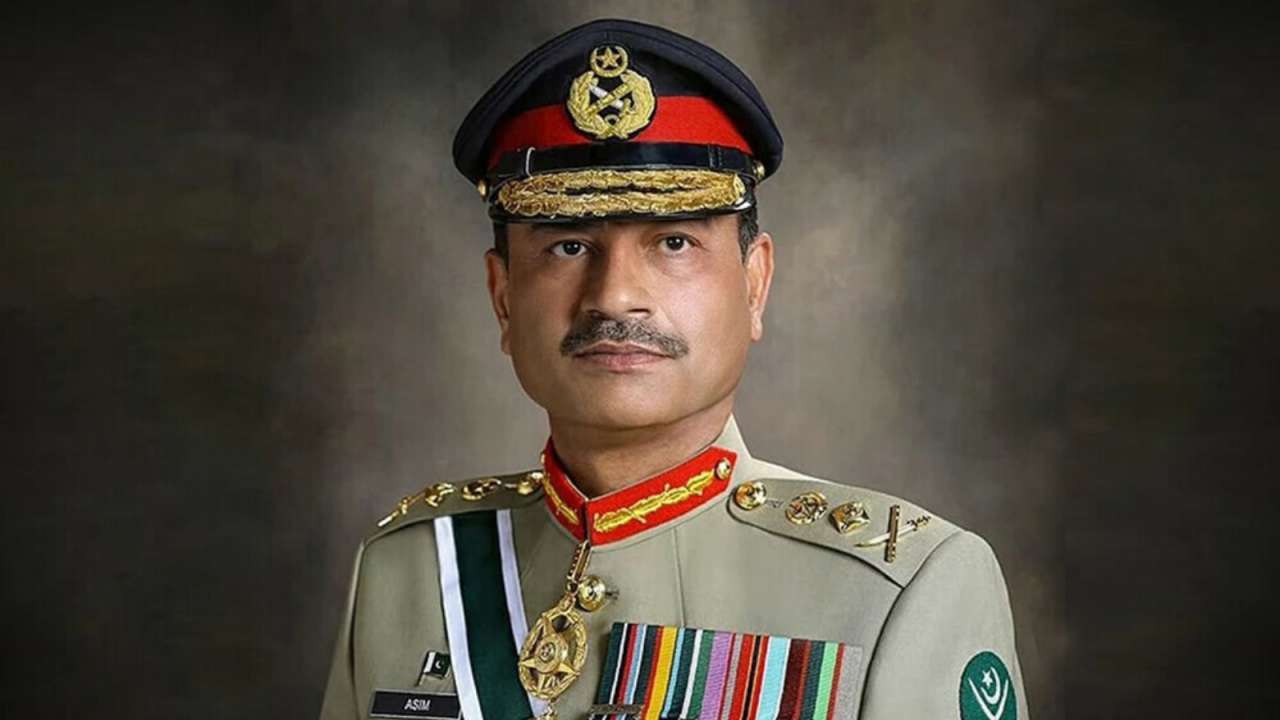
 Pakistan to redraw political map? Army Chief Asim Munir wants 12-15 new provinces
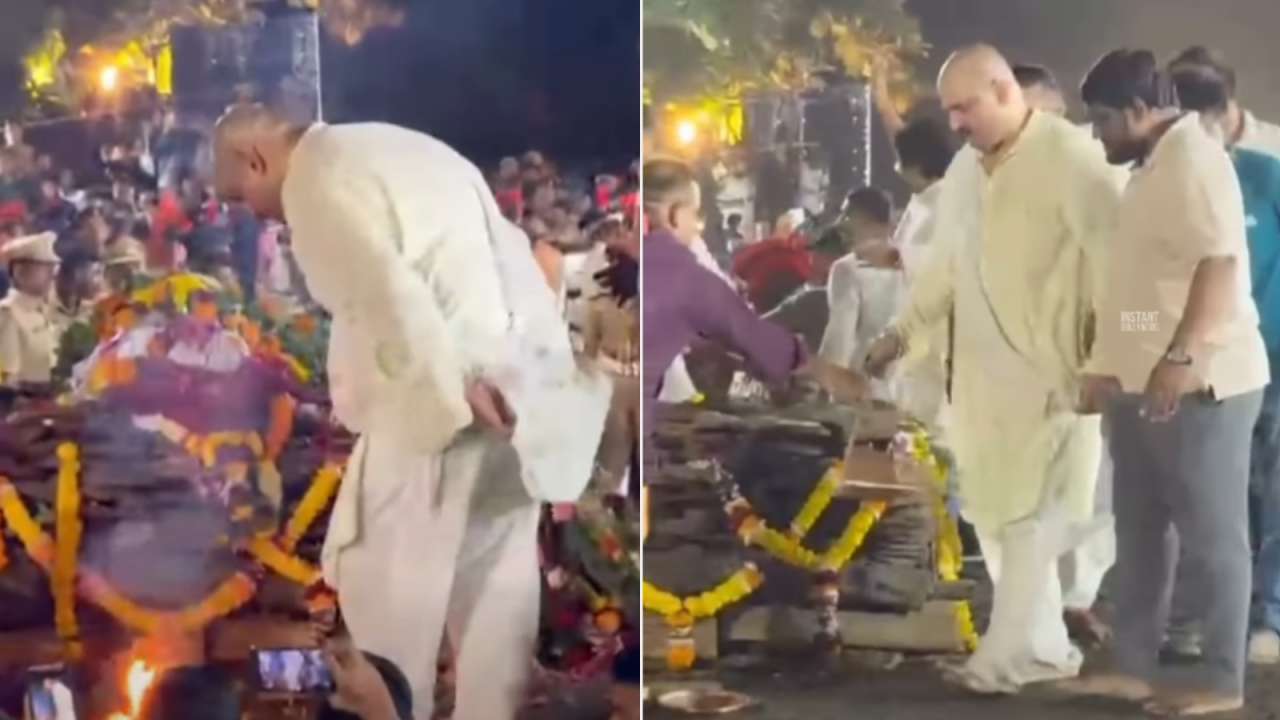 Nana Patekar cremated with full state honours in Pune as family, politicians and fans bid farewell
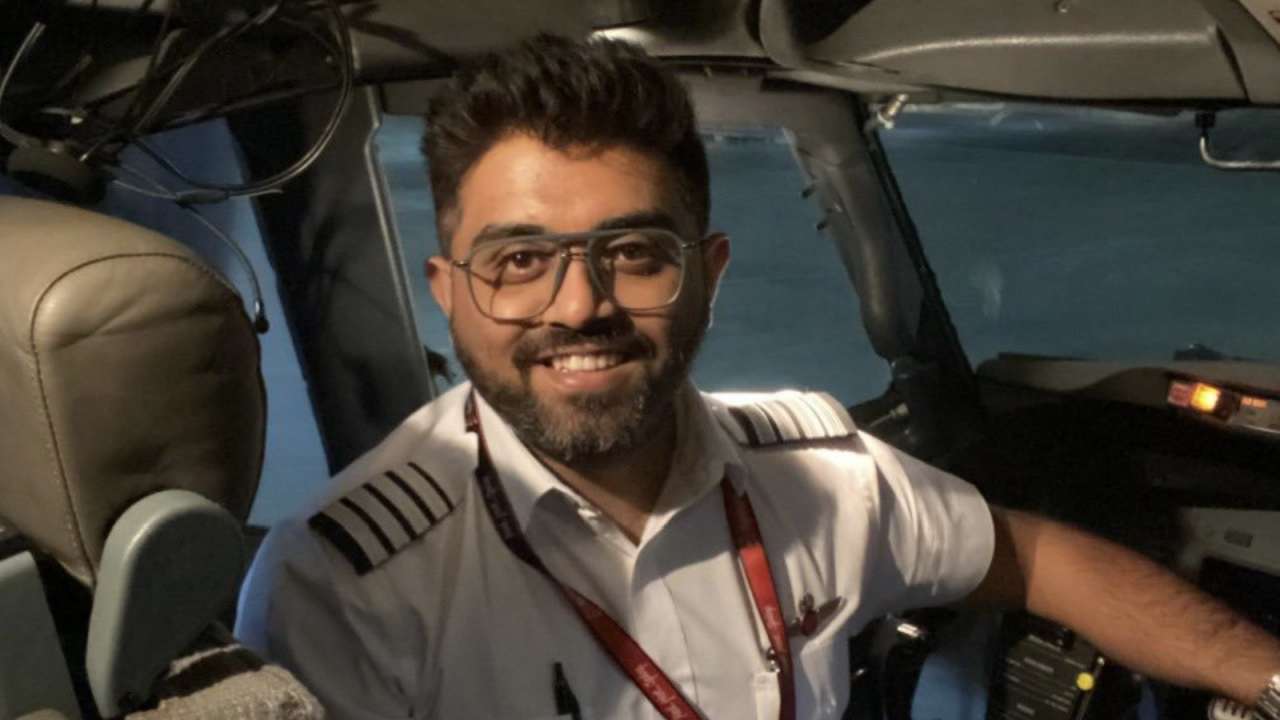 Flydubai Captain Smit Machchhar to receive Israel’s Presidential Award for Heroism
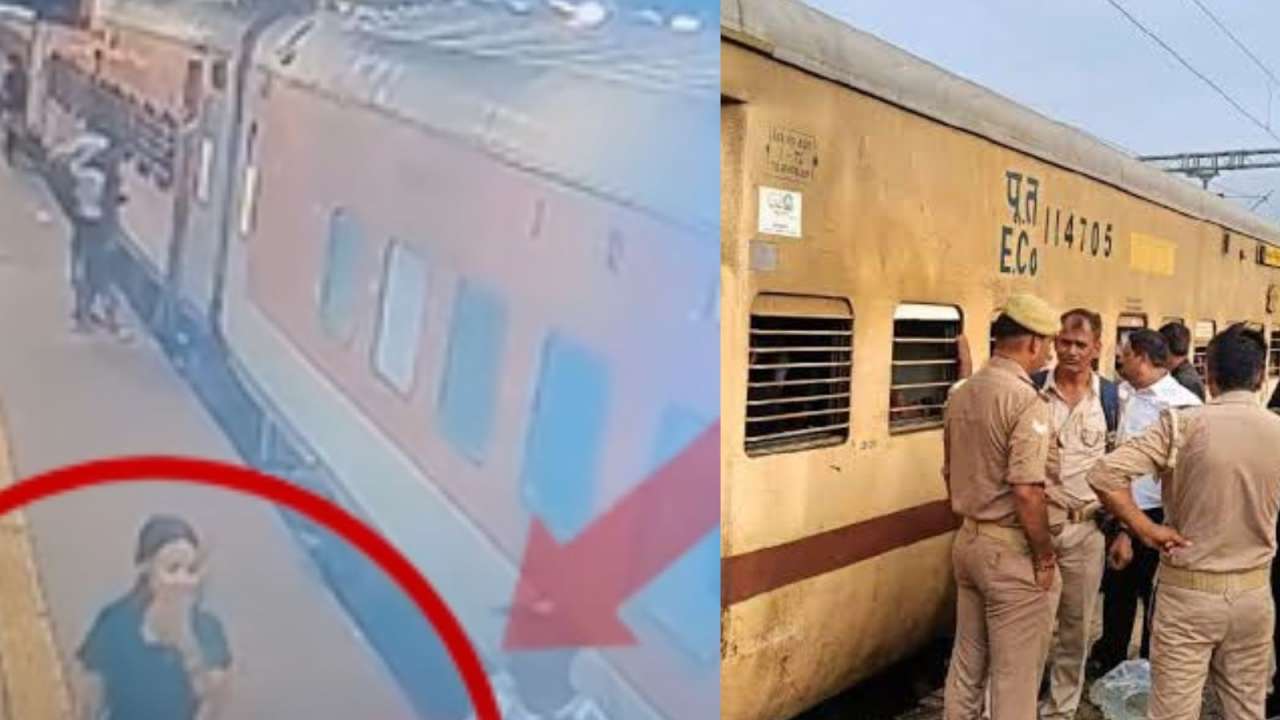 Andhra Ashamed: 20-year-old student says in last video before death, 'Drunk men all around me'
 H1-B Visa Crisis Deepens: Microsoft banned from hiring foreigners, JD Vance calls them 'indentured servants'
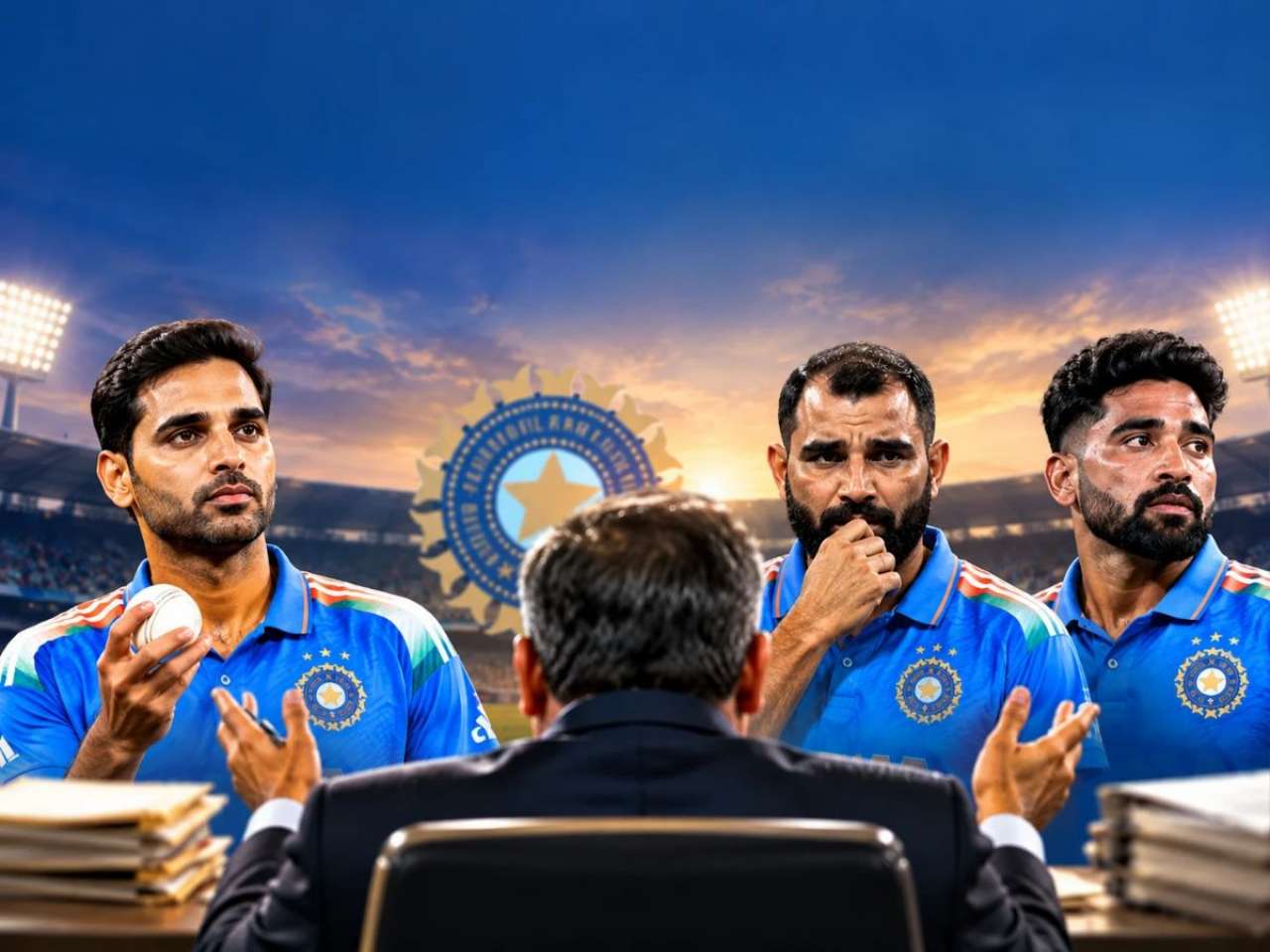 BCCI selectors face big question on Shami, Siraj after Bhuvneshwar Kumar recall: 'Who're your 2nd, 3rd seamers?'
 India vs Pakistan U-19 Asia Cup 2026: Arch-rivals ready for high-voltage Oman clash; Full schedule inside
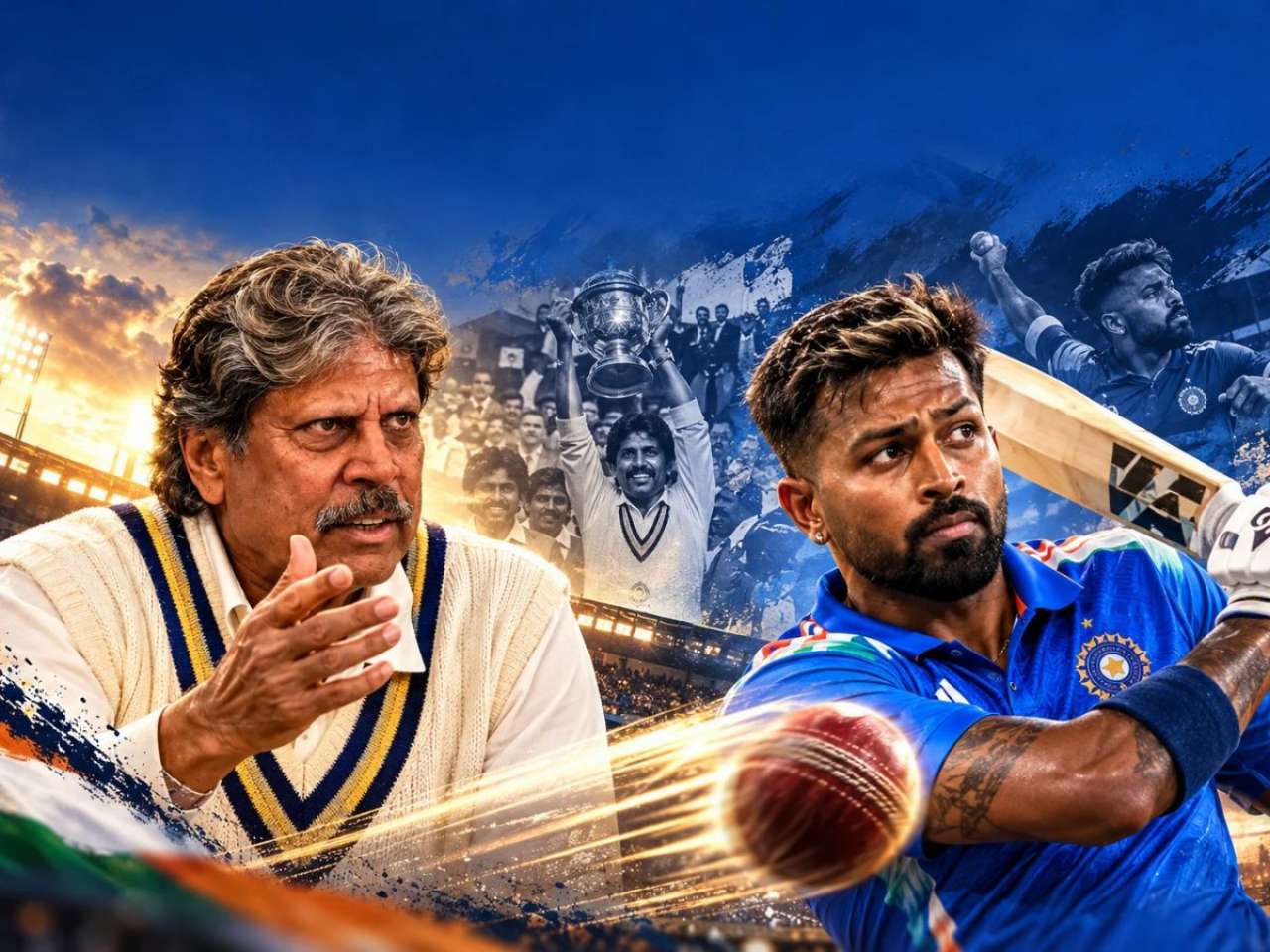 'Play more cricket': 1983 World Cup legend Kapil Dev hands stern advice to Hardik Pandya amid prolonged absence
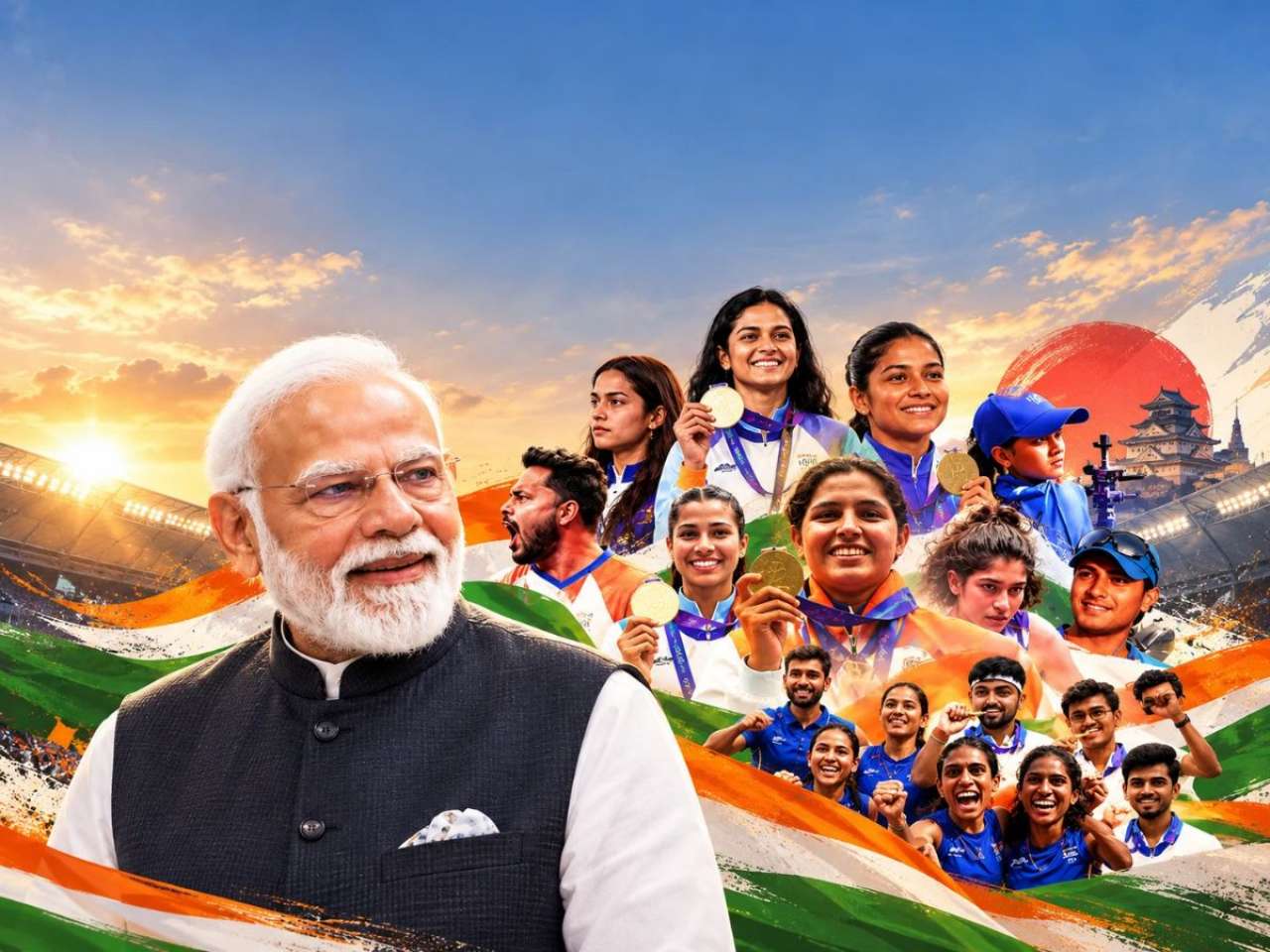 PM Narendra Modi to meet Asian Games 2026 medallists on October 15; India won 85 medals in Aichi-Nagoya
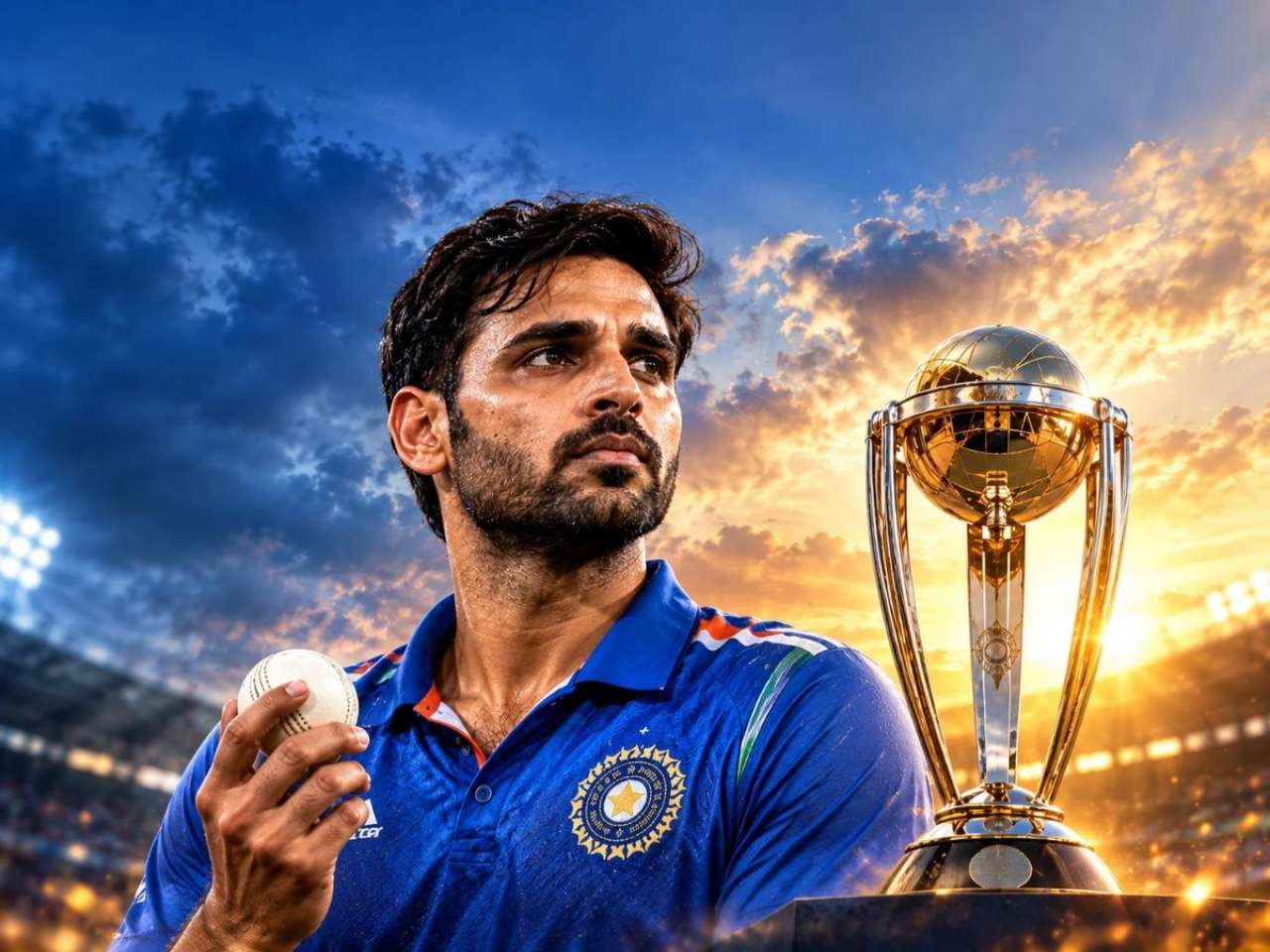 Can Bhuvneshwar Kumar’s surprise T20I comeback pave way for 2027 ODI World Cup return?Nana Patekar cremated with full state honours in Pune as family, politicians and fans bid farewell
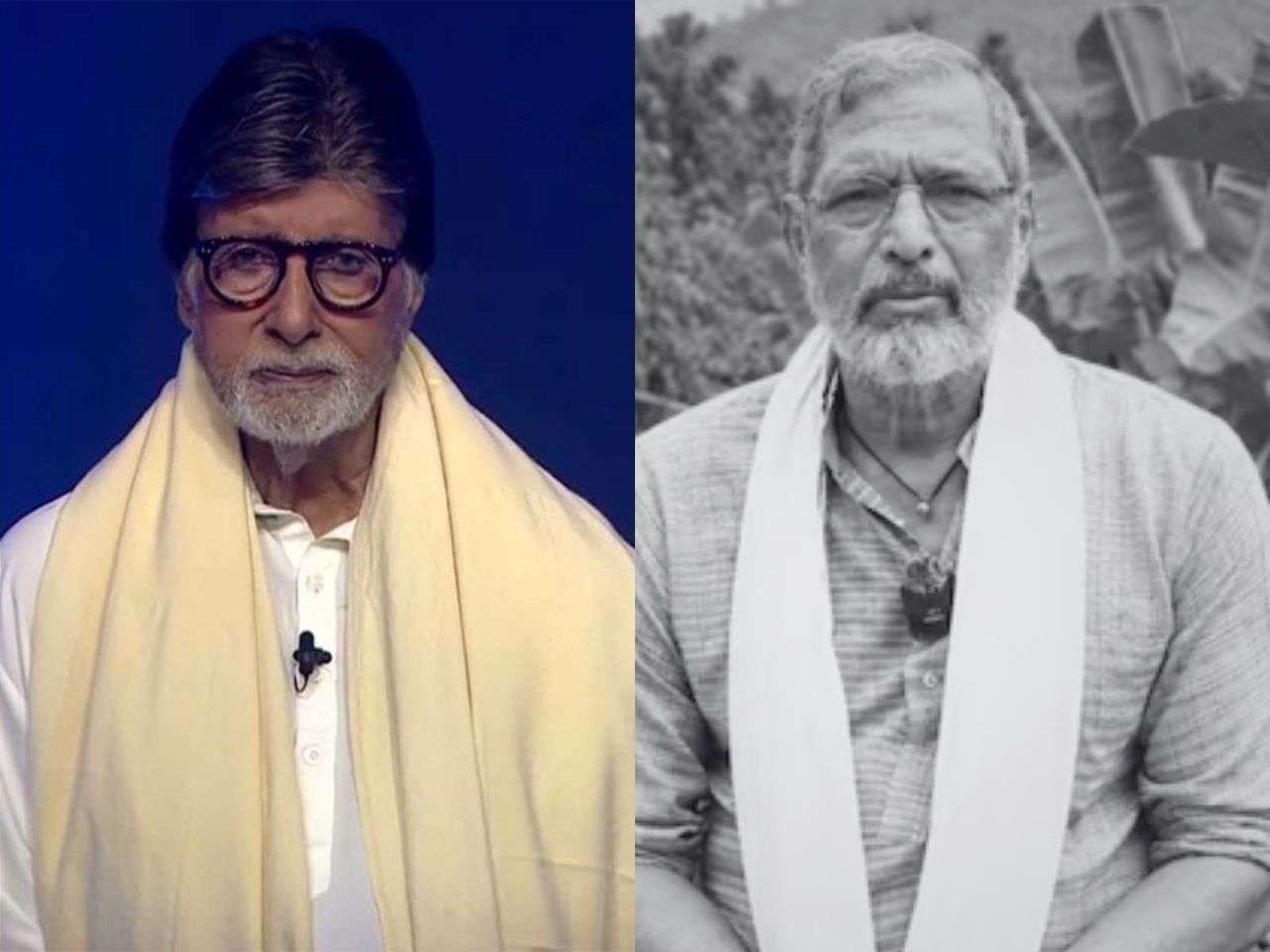 Amitabh Bachchan gets emotional, pays homage to Nana Patekar at KBC 18, celebrates late actor's 'bebaki, sadgi, sach ko kehne ka saahas'
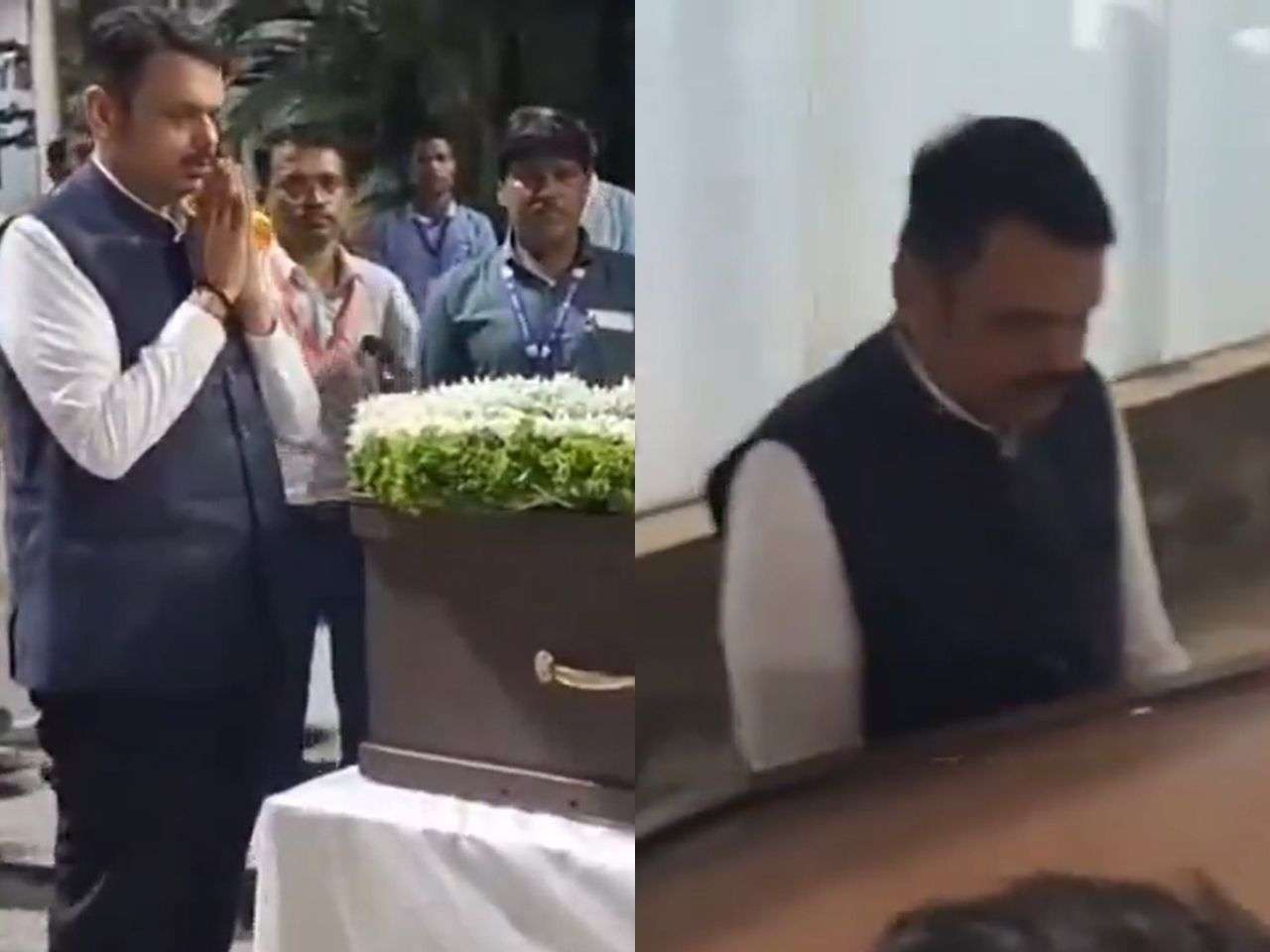 Viral video | Nana Patekar demise: Maharashtra CM Devendra Fadnavis pays respect to Nana Patekar, consoles family, helps carry his coffin ahead of funeral
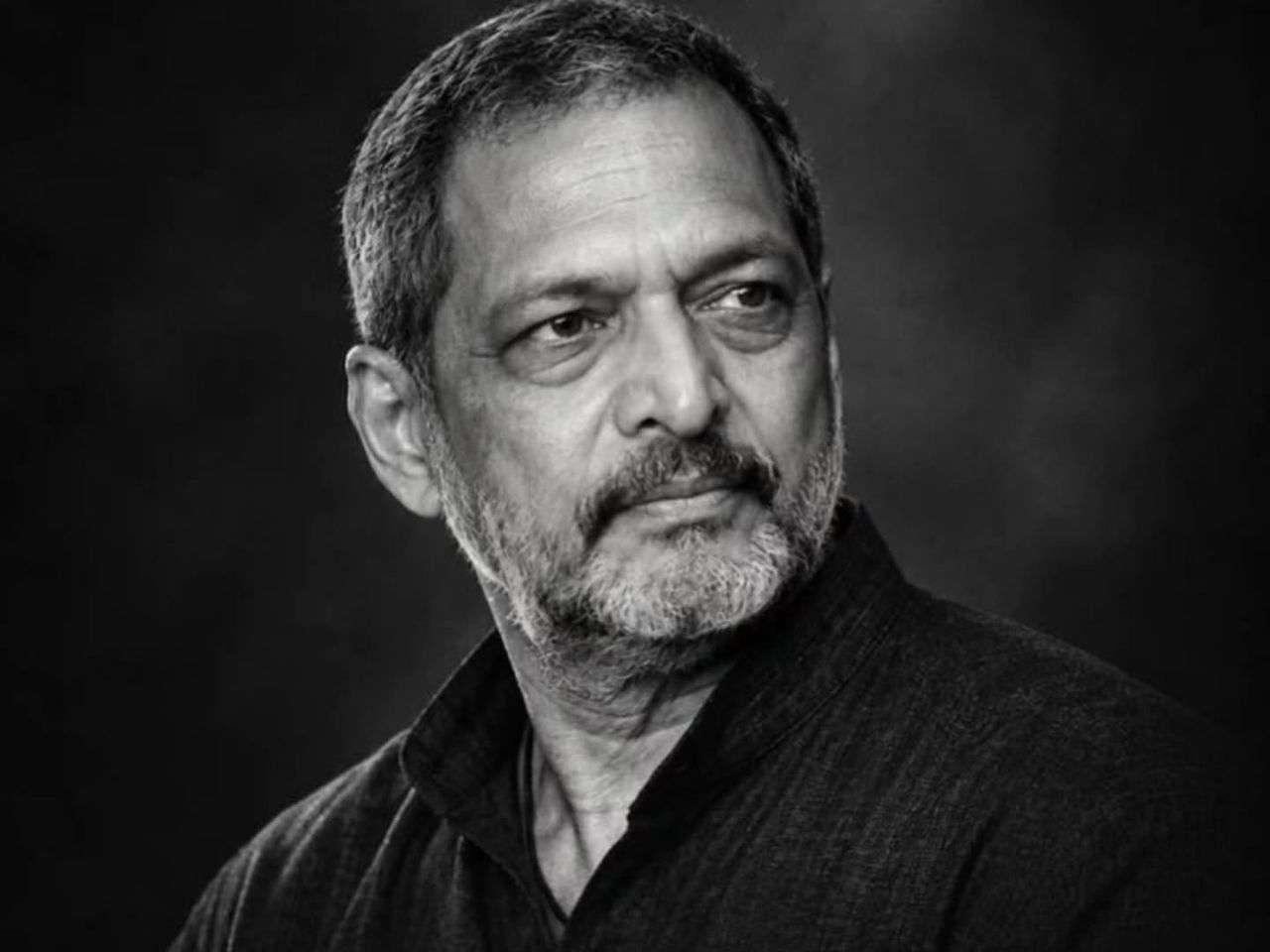 'Ch****ya tujhse paise lunga': When Nana Patekar did THIS blockbuster for free, asked director to donate his fees, movie name is...
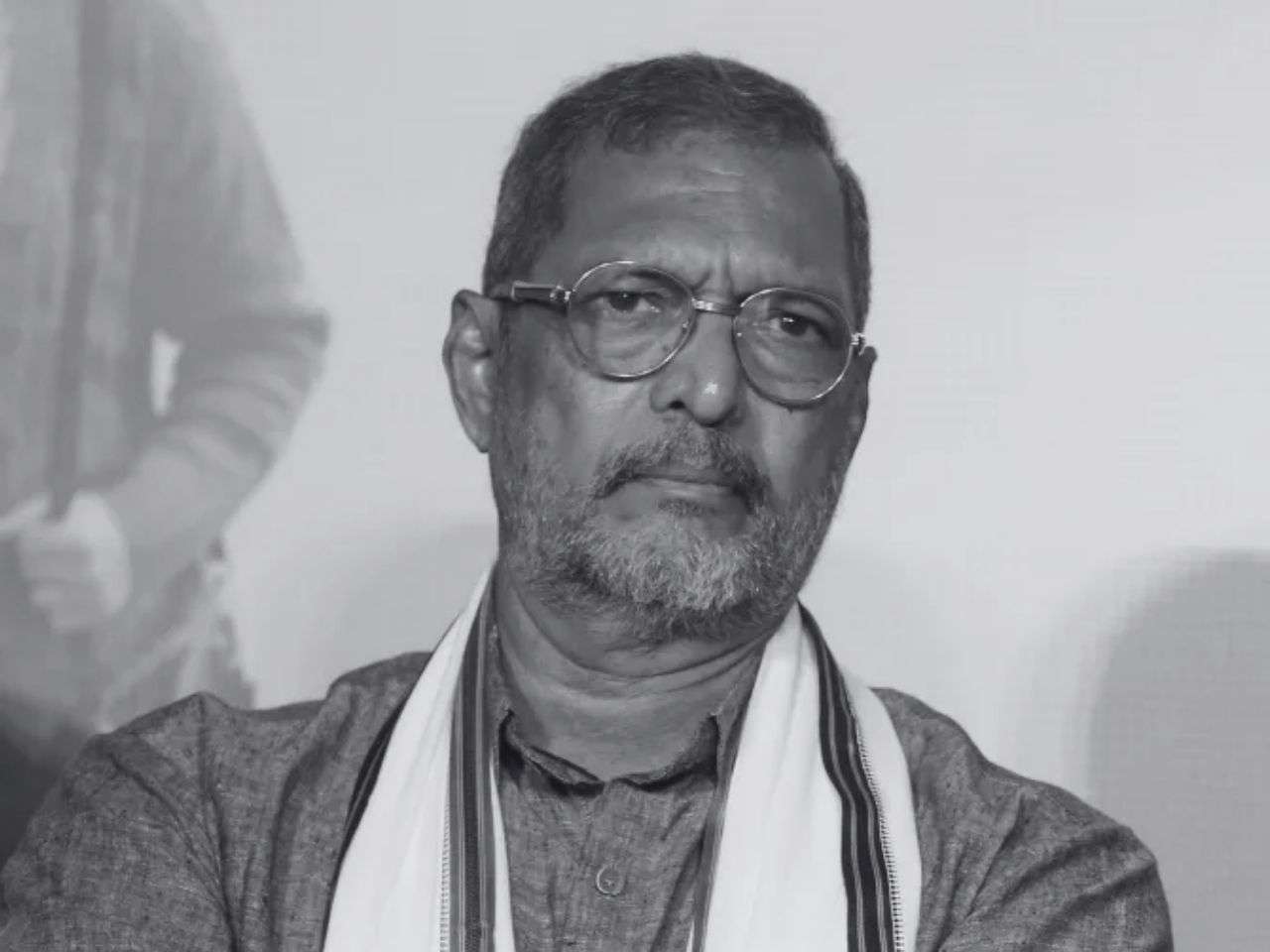 Nana Patekar dies at 75: Veteran star's LAST text message dropped major hint of his weak health, he admitted feeling unwell, doctor narrates his final hours
 CJP News: Delhi CAPF Deployment Raised To 26,000 Ahead Of CJP October 10 Protest
 CJP Protest: In Bengaluru Dhruv Rathee, Prakash Raj Join Anti-SIR Demonstration
 Flydubai Flight News:'Revenge For Gaza'; Flydubai Co-Pilot Hamam Al-Hammami Confesses To Terror Plot
 Delhi Building Collapse: 5-Storey Building Collapses In Seemapuri; Emergency Teams Rush To Spot
 PM Modi News: Congress Attacks Modi Over Repo Rate Hike, Says ‘Achhe Din’ Became ‘Vasooli Wale Din’
 Gold, Silver prices today, October 9, 2026: Check city-wise rates in Delhi, Mumbai, Chennai, Kolkata and more
 57th GST Council Meeting: Experts hail decriminalisation, wider ITC refunds; flag implementation challenges
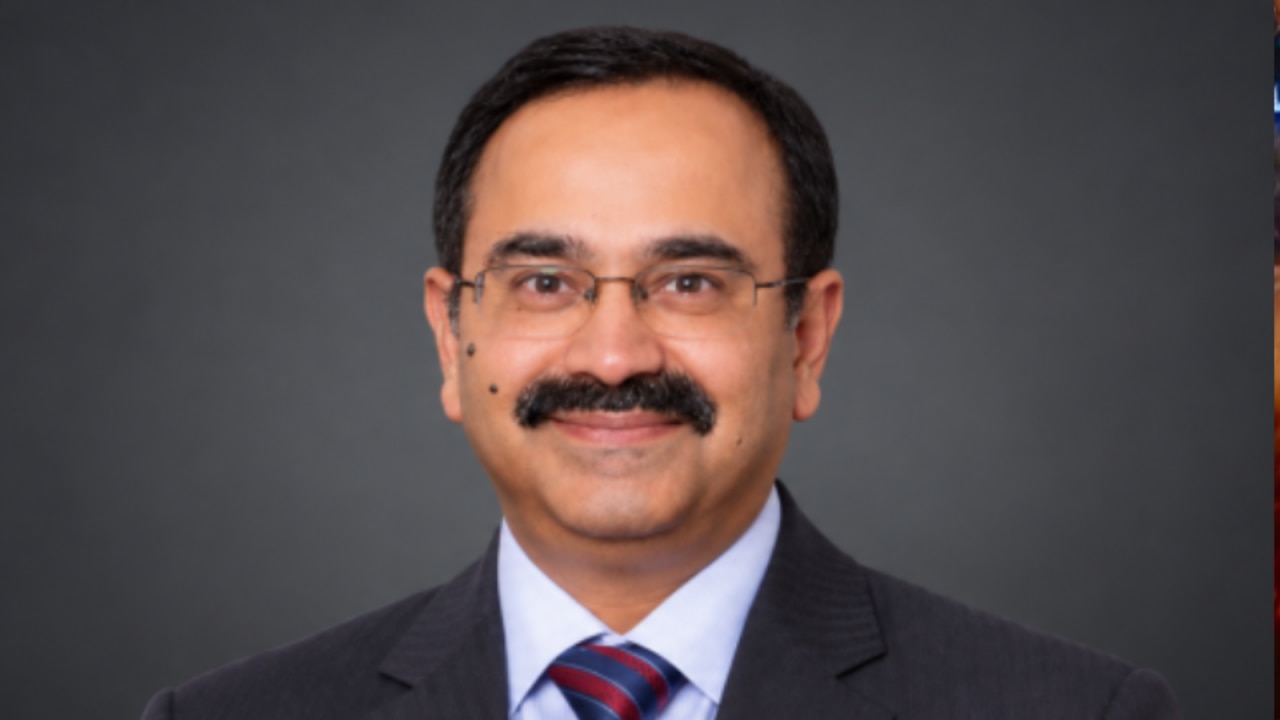 HDFC Bank appoints Anup Bagchi as MD & CEO; set to earn Rs 35.9 crore annual packageHDFC Bank appoints Anup Bagchi as MD & CEO; set to earn Rs 35.9 crore annual package
 How was Rs 11 lakh crore wiped out in a day? Why did Sensex and Nifty crash after RBI rate hike?
 OTT Releases This Week (Sept 28 - Oct 4): Dupahiya 2, Pooja Meri Jaan; new movies and shows to watch this Gandhi Jayanti weekend
 From Neeti Mohan, Heer, Sarthak Kalyani; Ahead of Sa Re Ga Ma Pa, 5 musical geniuses championed by AR Rahman
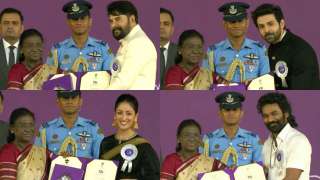
 72nd National Film Awards 2024: Kartik Aaryan, Yami Gautam, Aditya Dhar, Mammootty, Dhanush, Anant Nag accept honours
 OTT Releases This Week (September 14-20): Lust Stories 3, Irumudi, Thudakkam; Indian movies, series to watch on Netflix, Prime Video, JioHotstar
 Ganesh Utsav 2026: Deva Shree Ganesha, Sindoor Lal Chadayo; 5 iconic Ganpati songs that should be must-haves in your playlistAndhra Ashamed: 20-year-old student says in last video before death, 'Drunk men all around me'
 Rahul Gandhi backs Elon Musk in Starlink India row; says, ‘Wait till you discover the other guy’
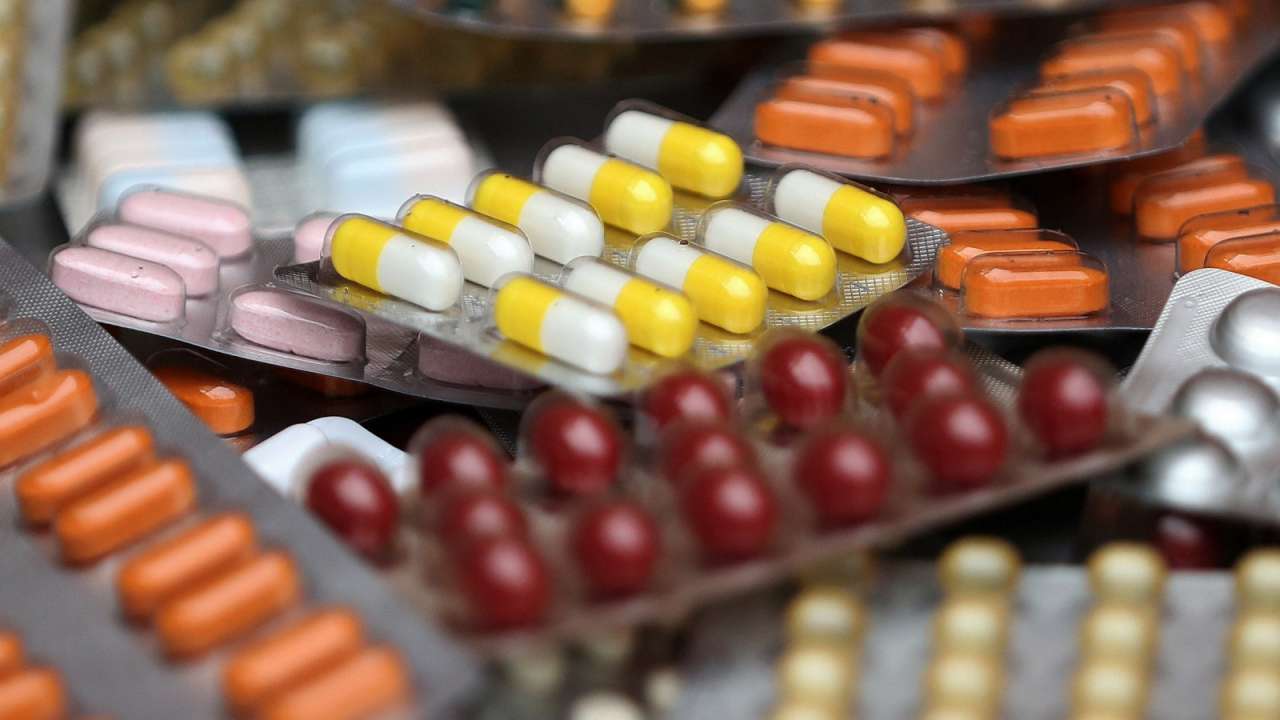 Cancer drugs to get cheaper by up to 70% as govt fixes trade margin at 30%
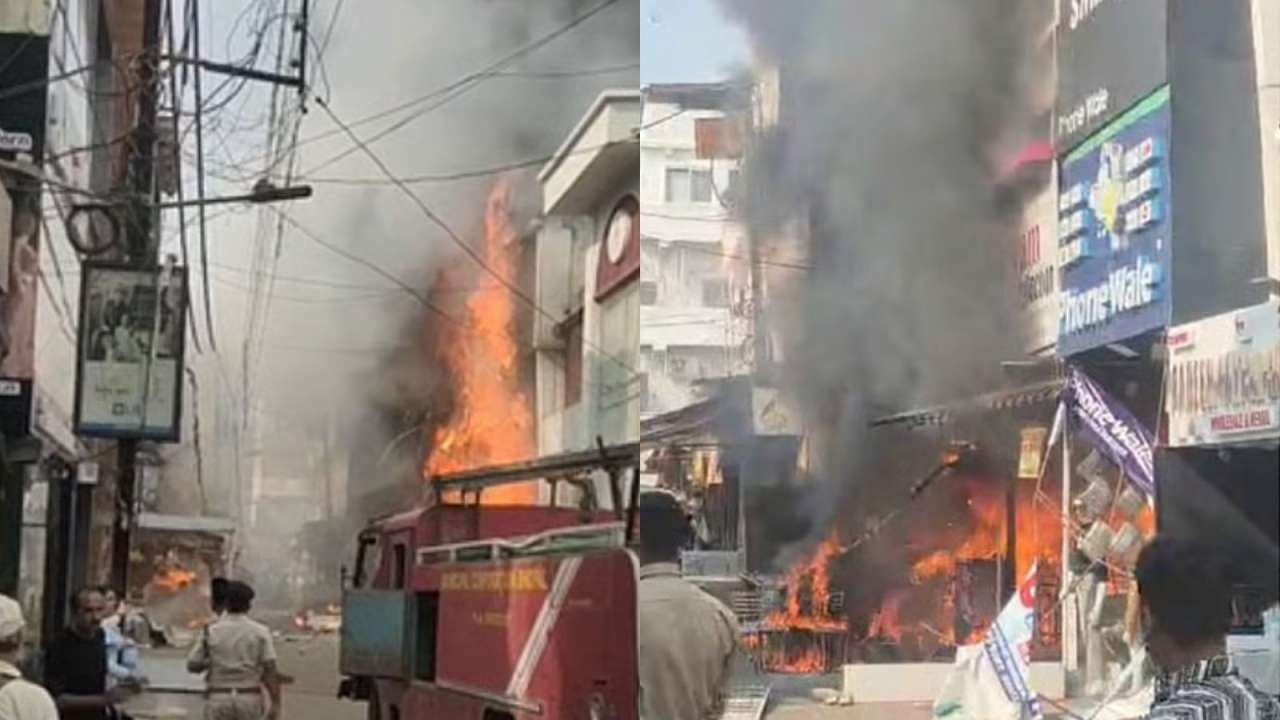 Massive Fire In Madhya Pradesh: Shops gutted in Bhopal's new market! Watch video
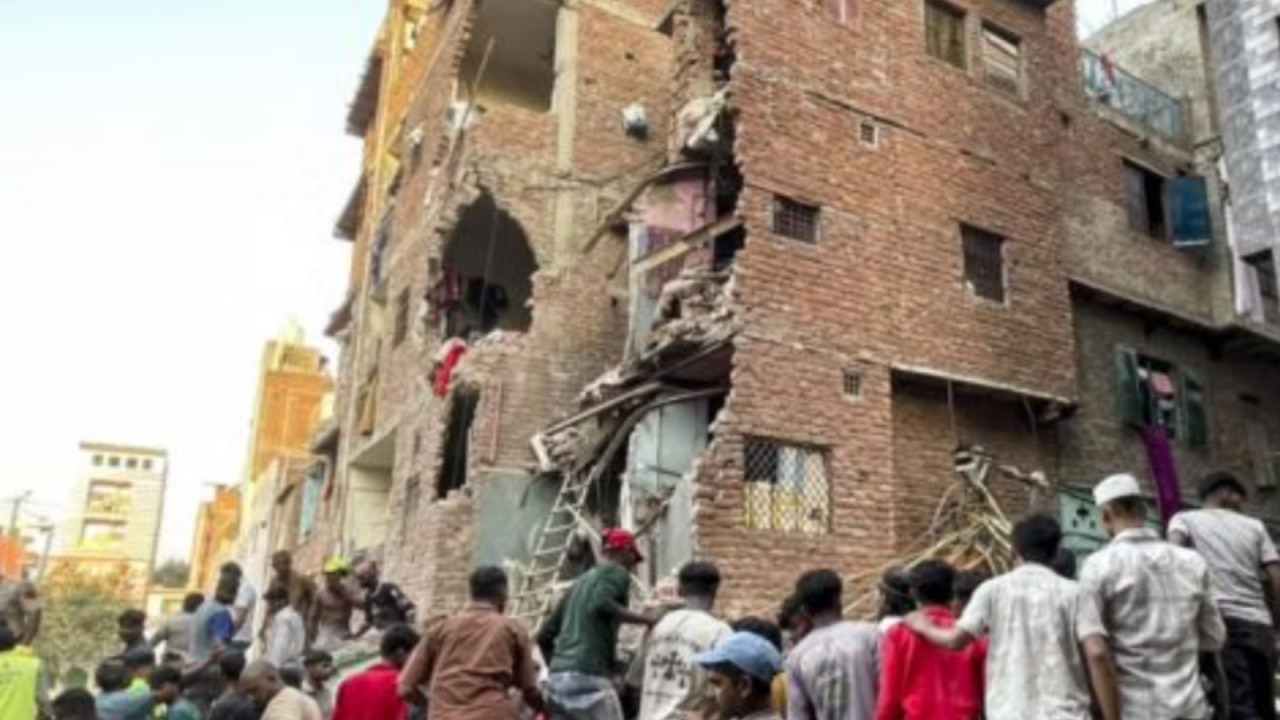 Delhi Building Collapse: Death toll rises to 5 in New Seemapuri; rescue operations continue
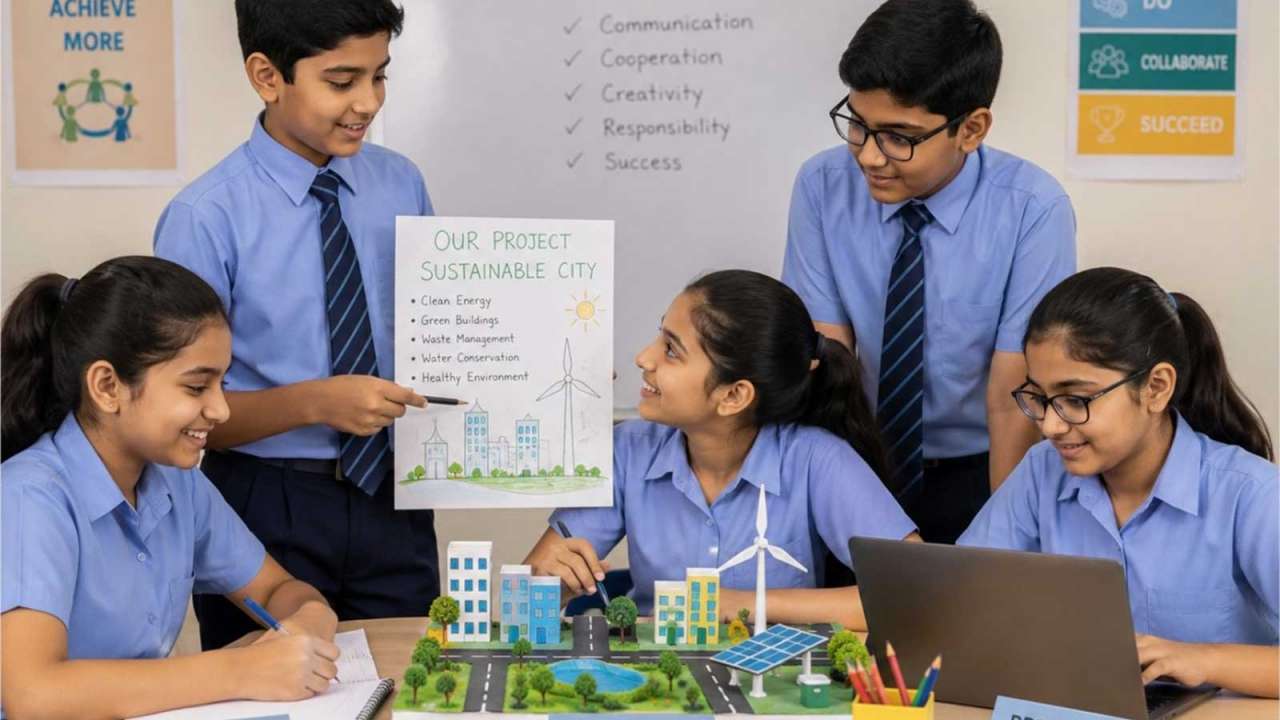 Third Language Row: SC extends relaxation to Class 6 students, asks CBSE to grant exemption, here's what it means
 NEET PG 2026 Result Out: Check how to download scorecard from natboard.edu.in; Know category-wise cut-off and more
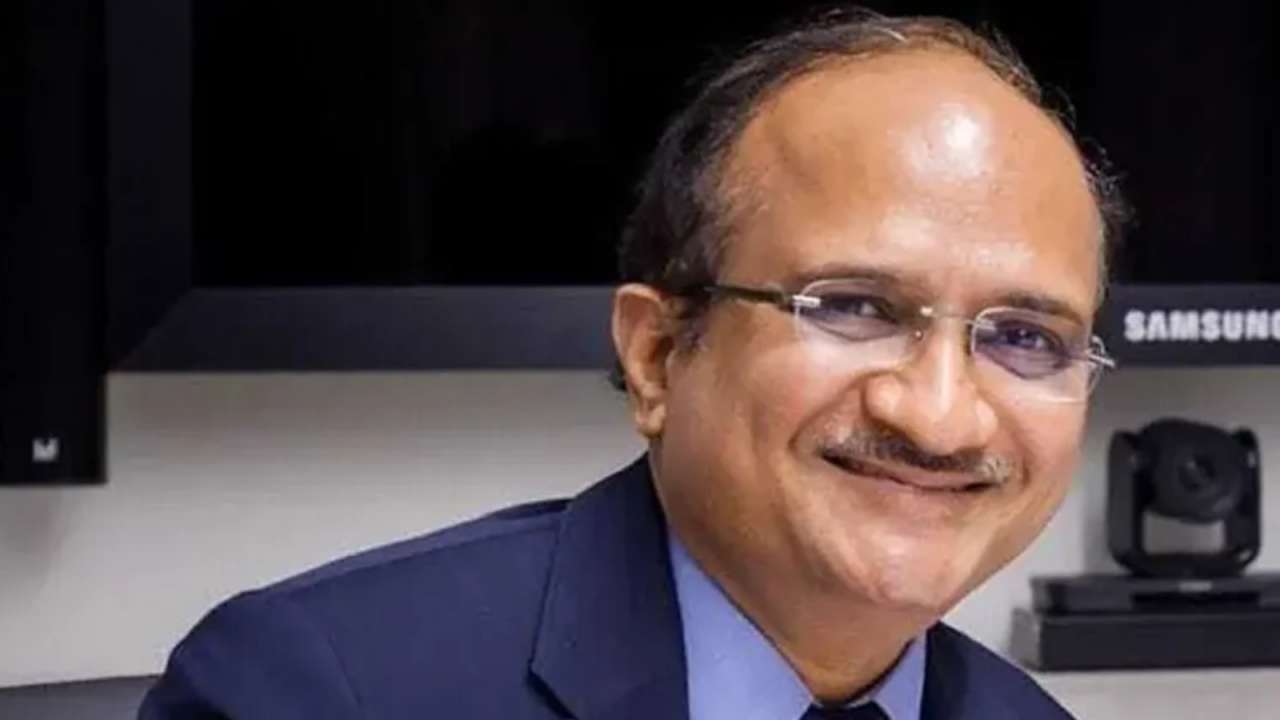 Five-year BTech programmes? Ex-IIT director makes proposals amid IIT suicide controversy
 CBSE Date Sheet 2027: When will Class 10, 12 timetable be released? Check details here
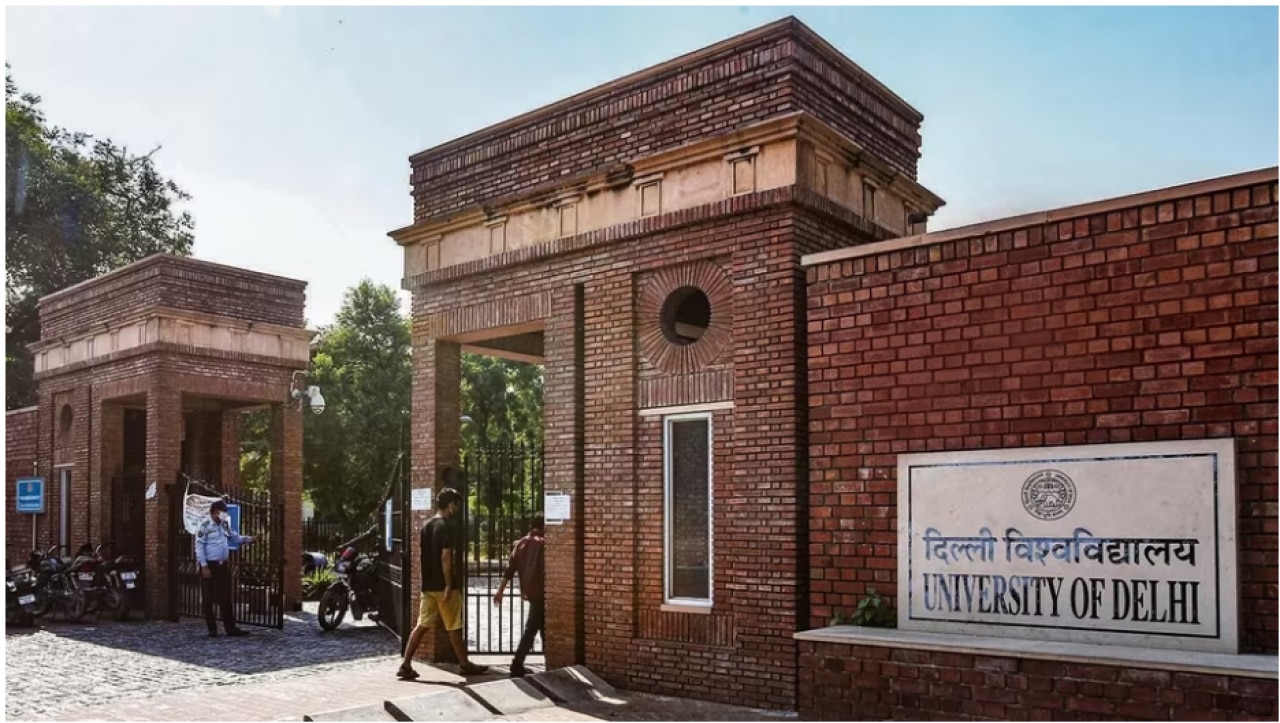 From Rs 150 in 1947 to powerful student body: The story of DUSU’s rise | Explained
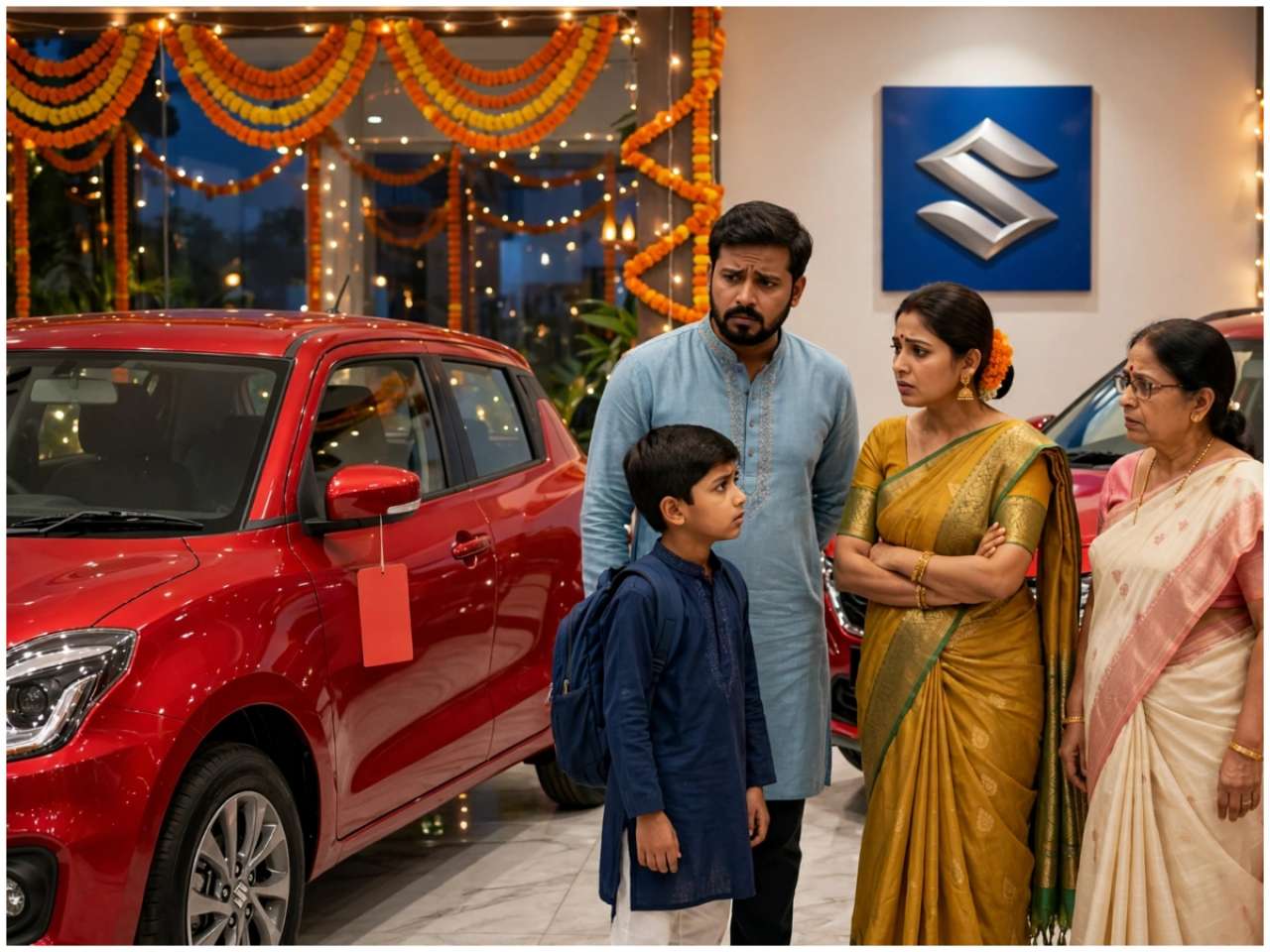 After Hyundai, Maruti Suzuki makes cars costlier ahead of festive season: Check new prices after hike
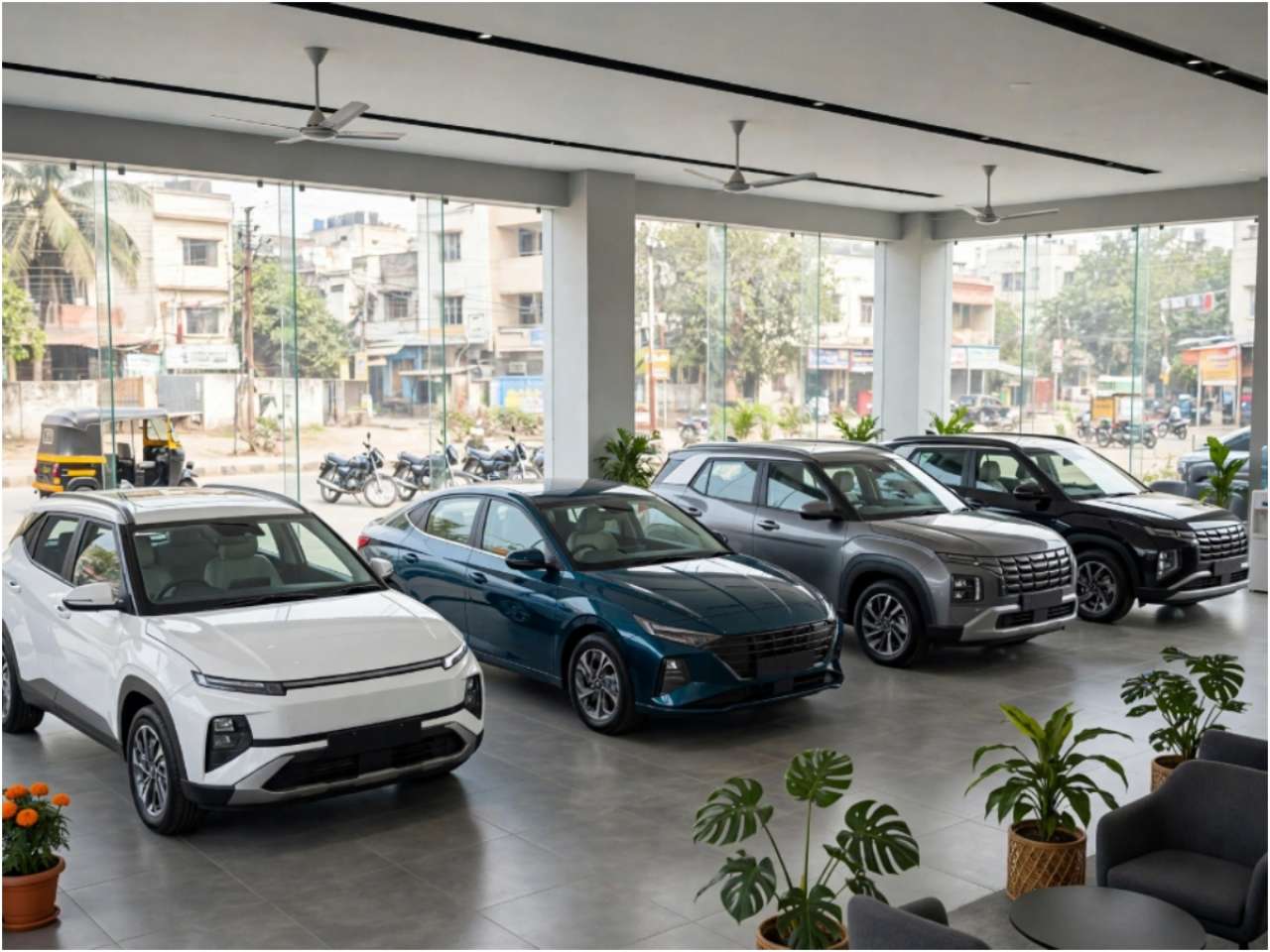 Hyundai cars to get costlier from September: Check new prices and reason behind hike
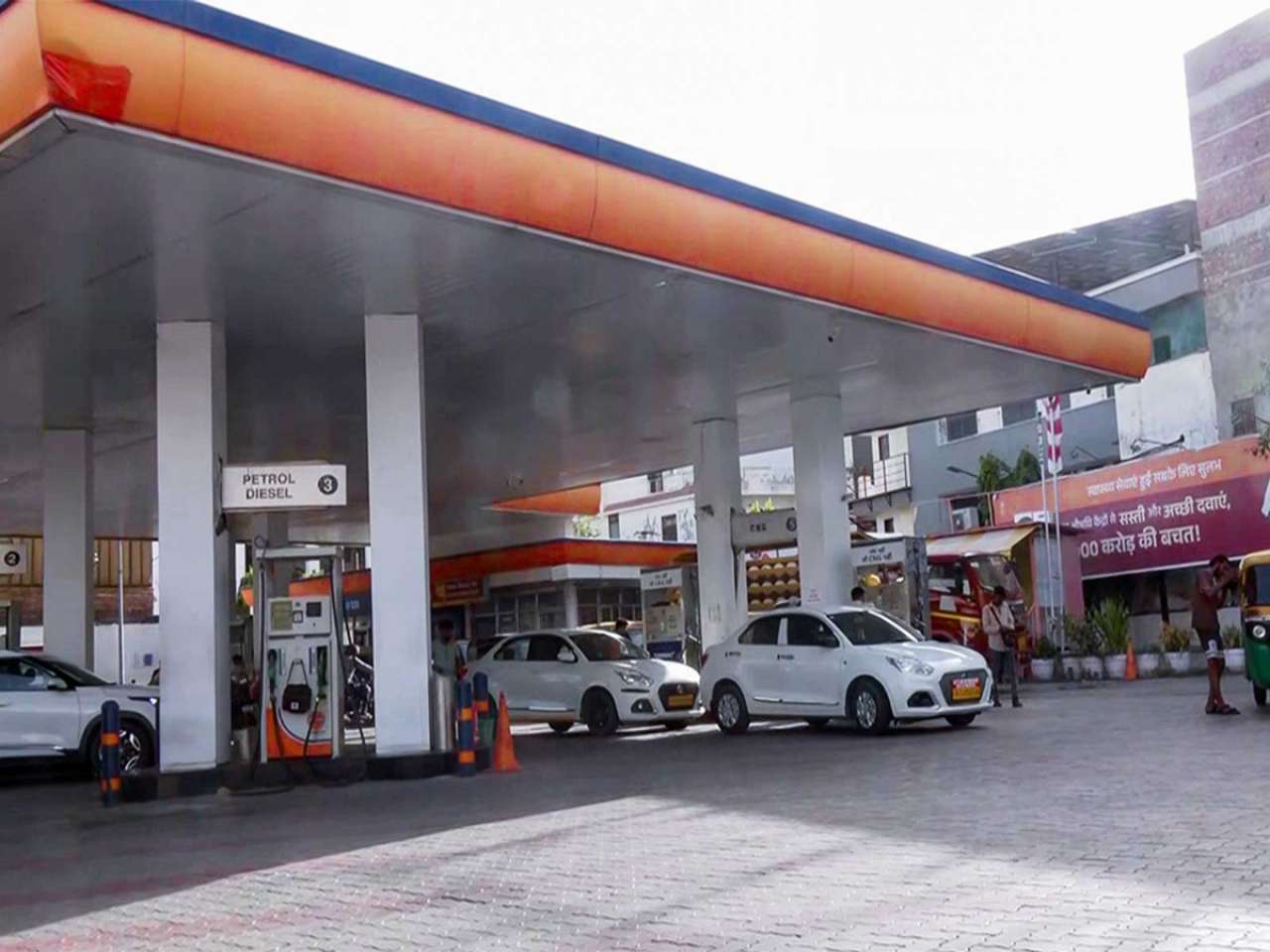 Why can't consumers choose pure petrol or E10? Centre explains why E20 is now the standard fuel
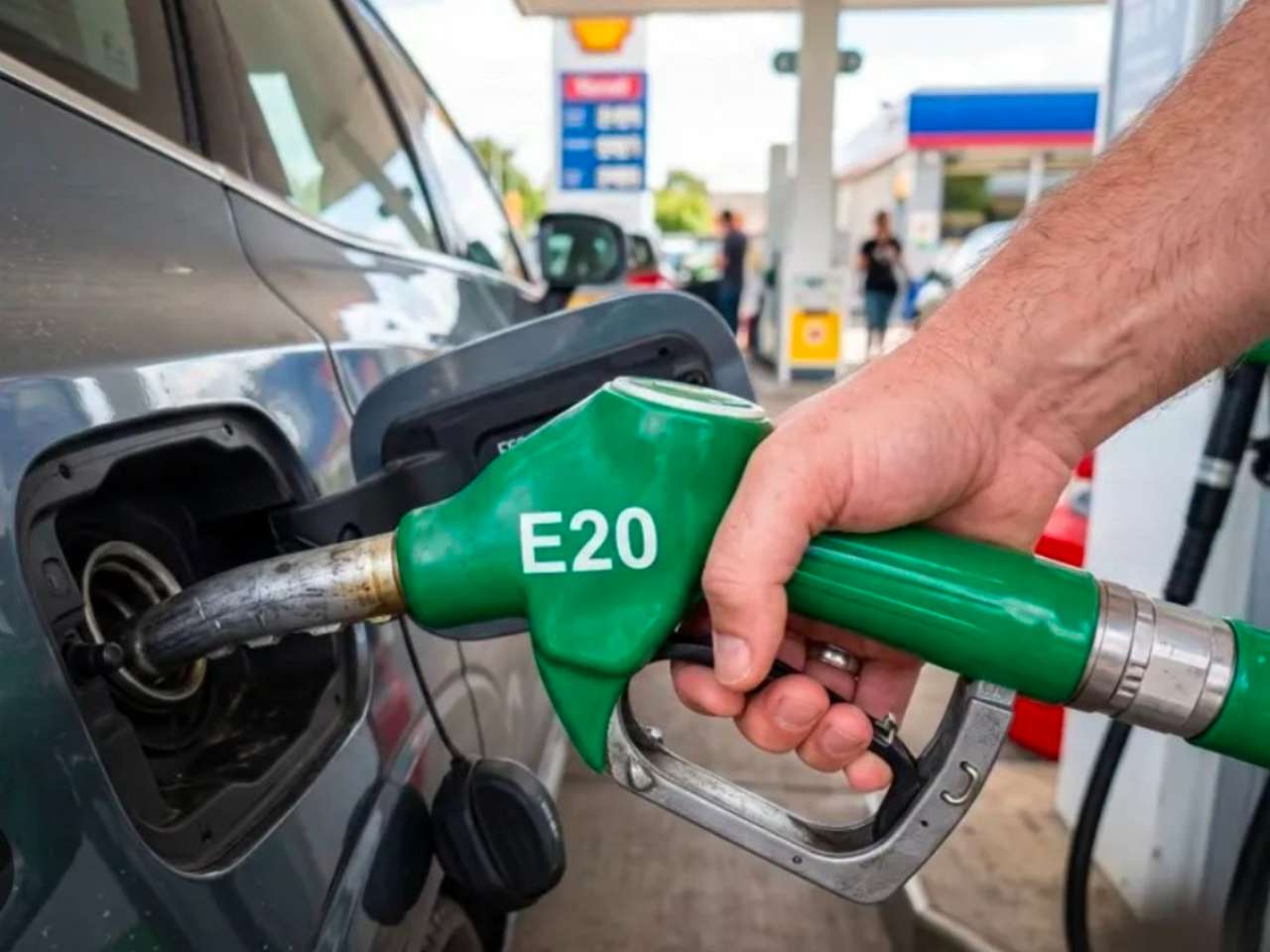 Centre claims E20 fuel does not damage engines, cites data from Maruti Suzuki and Hero MotoCorp
 Maruti WagonR Flex Fuel: What’s price of India’s first ethanol car? Specs, mileage, and top features explained
ANALYSIS
There are a lot of people who may have studied in the village schools and reached a better station in life. If each one of them contributes one library or one tablet, the learning environment can really be transformed.

Updated : Nov 21, 2013, 01:44 PM IST
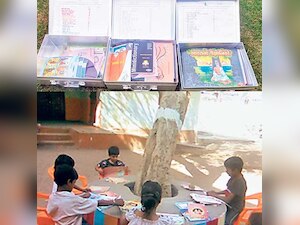



How many primary schools have a library, which is easily accessible to the children? Even the private schools may ration the number of books to one or two that are issued to students per week. A government primary school in Kalol has created a new model of a ‘take home library’ for children.
Recently, I met Pritiben Gandhi, the teacher who conceived this idea along with her colleagues and was deeply impressed with the energy and enthusiasm she exuded. Initially she started by keeping about 100-odd books on a platform around a tree in the school compound. It was an open library, which children could use anytime they wanted. And then she realized, that there was not enough time for the children to read the books.
In this age of hundreds of TV channels and reduced attention span, developing reading habits is not an easy thing. She found donors, like Iffco and some other individuals, who contributed 54 boxes, which the children could carry home. Each box has 15 books and is issued for a month to a child. The next month the child gets another box; and then another box.
Except a few books like the dictionary, children get opportunity to read at least 120 books in a year and not only the children, their families too also can access the library. When the king of Gondal tried to popularize libraries 100 years ago he would not have imagined that there will be a school in 2013 which will provide take home library to every child.
It is possible that such an educational innovation takes many more decades before every school in 6.5 lakh villages of the country will have similar take home library for every student. A generation which will grow reading books and reflecting on ideas will be a generation of thinkers, doers and imbued with the spirit of sharing.
I hope at least some of the readers would take this step of donating at least one small box with 15 books to any school they want. There is no better gift.
Priti ben has tried another idea — here, she invites volunteers to teach the needy children after school hours. There are many first generation learners whose parents cannot reinforce learning in the school. The parents are also invited to school to see the progress of the children who are made to read in their presence.
In a nearby region, there is another teacher, Mehul Suthar, who has innovated another model of community mobilisation for enhancing the learning experience of children.
In Boru Primary School, near Grambharti in Gandhinagar, he has mobilised more than 100 tablets through various donations and gives them to children to take home once a month.
Children are supposed to make a presentation either about their village or their family by taking photographs, inserting it in the text file and typing the story in either Hindi, Gujarati or English.
The school also has a smart class provided by the government which may not be a replicable model because of the cost. But the idea of tablet is not too difficult. The teachers also cultivate flowers in the school compound and use the income for running various facilities.
Chetan Patel from Sristi and Prof Vijaya Sherry Chand, IIMA have pooled hundreds of such innovations from Gujarat as well as other states.
I have suggested this to the Chief Minister as well as secretary, education department that if they really wish to give importance to education, then they should try to have at least one lunch or dinner in a week with such motivated teachers of primary or secondary school. It does not really cost much, but listening to such teachers will inspire anybody. And some of these ideas are not too difficult to replicate.
There are a lot of people who may have studied in the village schools and reached a better station in life. If each one of them contributes one library or one tablet, the learning environment can really be transformed.
With the help of students at IIMA, we have pooled 27 GB data of Khan Academy and hundreds of videos of science education put up by IFLS in open source. These have to be adapted in Gujarati and other languages and made available to every single school in the state.
Democratisation of knowledge will empower not only students but also their teachers and families. I hope that sooner than later, the policy makers will realize that they couldn’t leave a better legacy than replicating good ideas emerging from the grassroots.