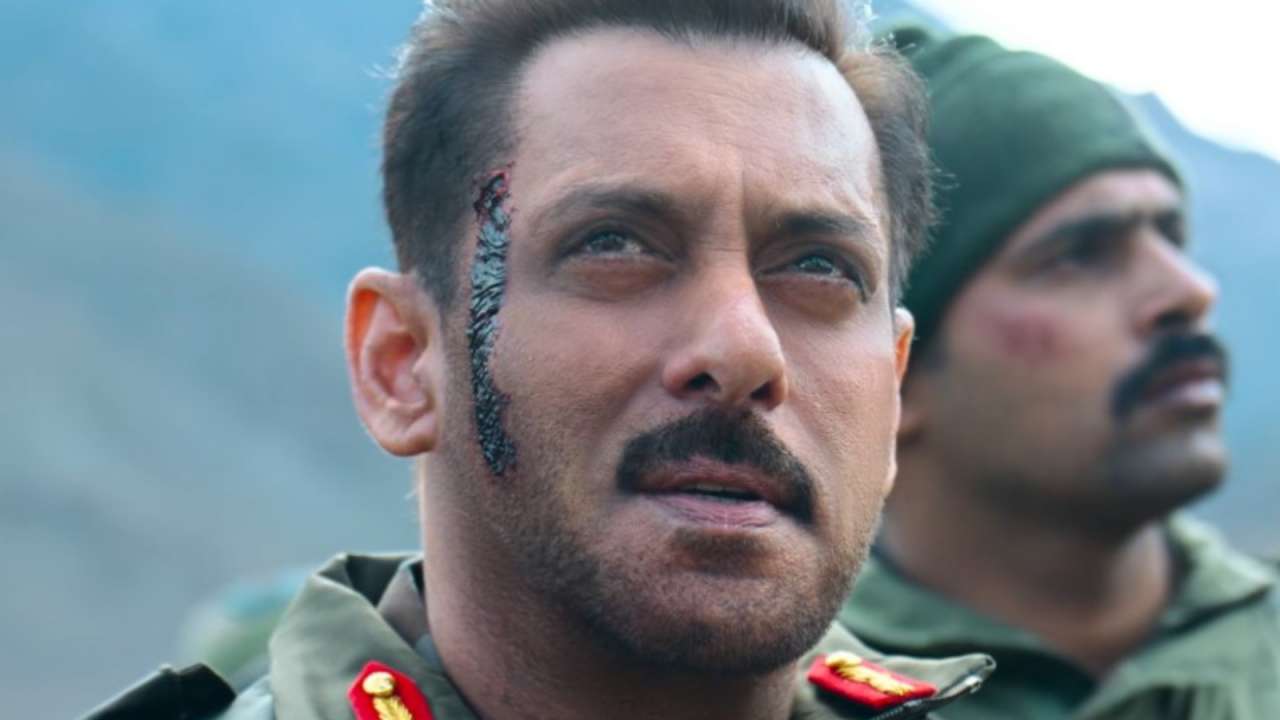
 Maatrubhumi trailer: Salman Khan leads emotional war drama, tells Chinese soldiers 'let's solve this sh*t bro'
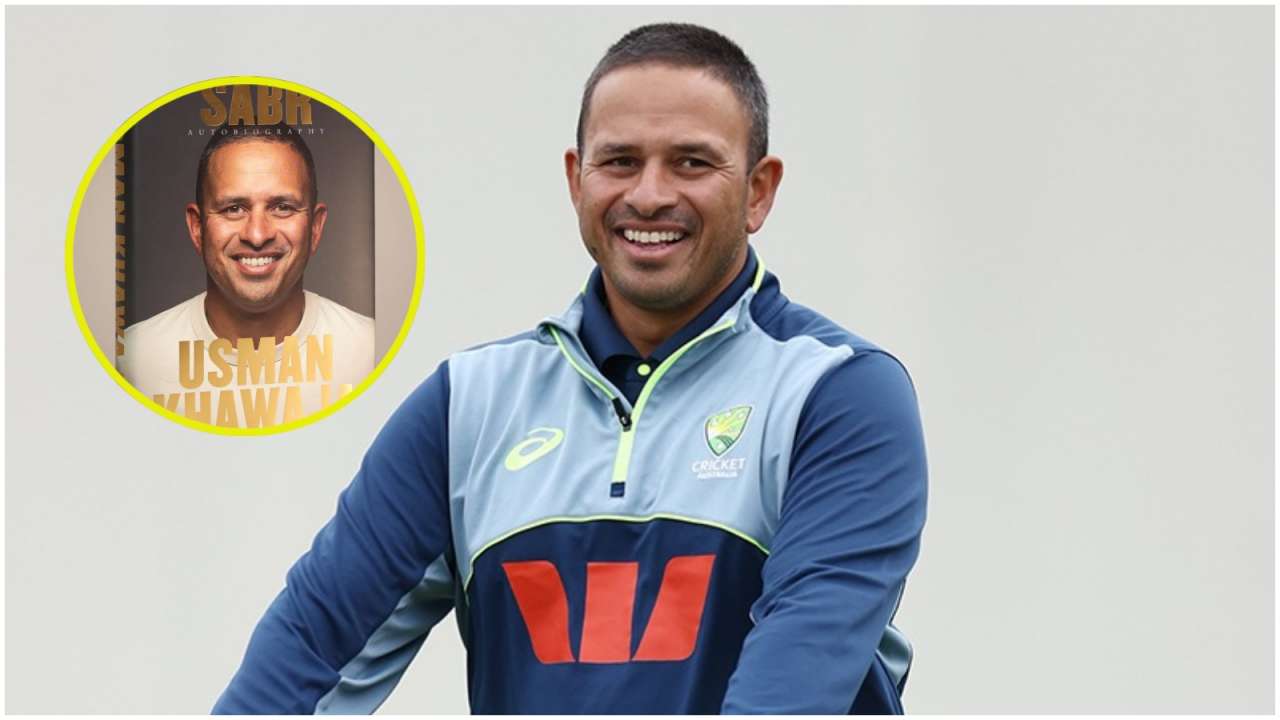 Why has Usman Khawaja reopened Australia's 2018 ball-tampering scandal? 'Not a witch hunt' remark explained
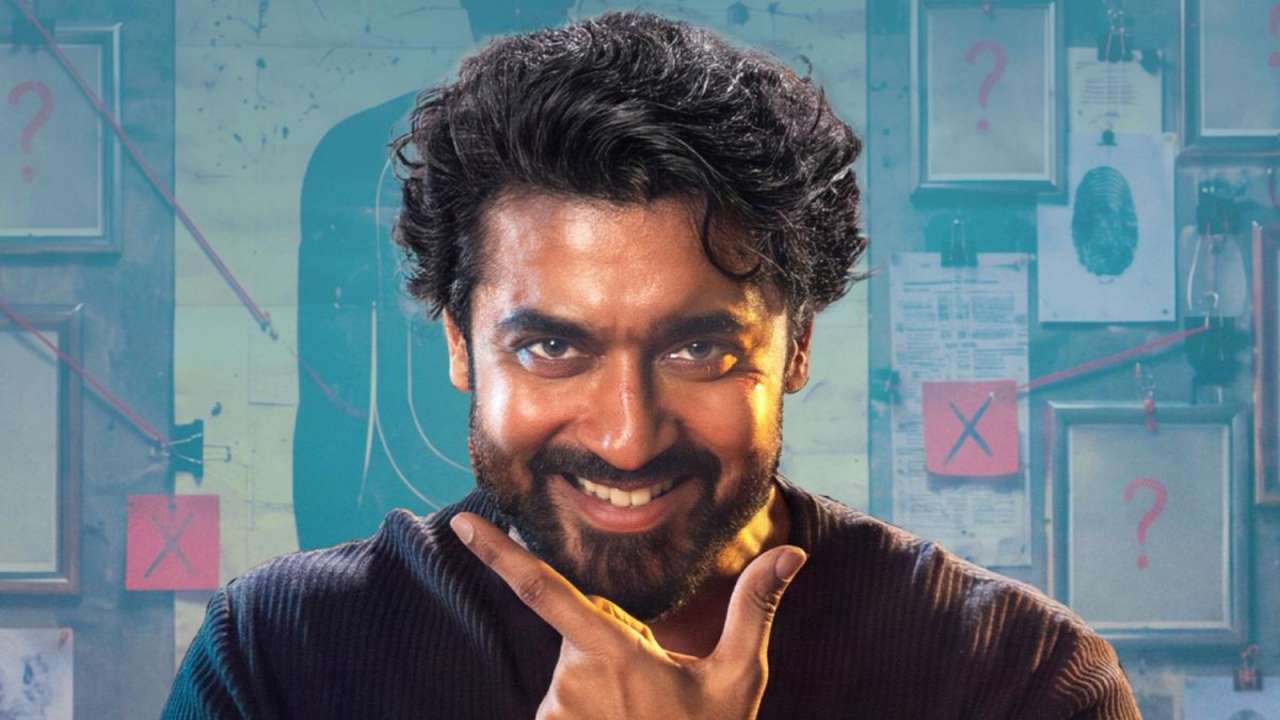 Scene box office collection day 5: Suriya film sees major 40% dip but inches closer to Rs 100 crore in India
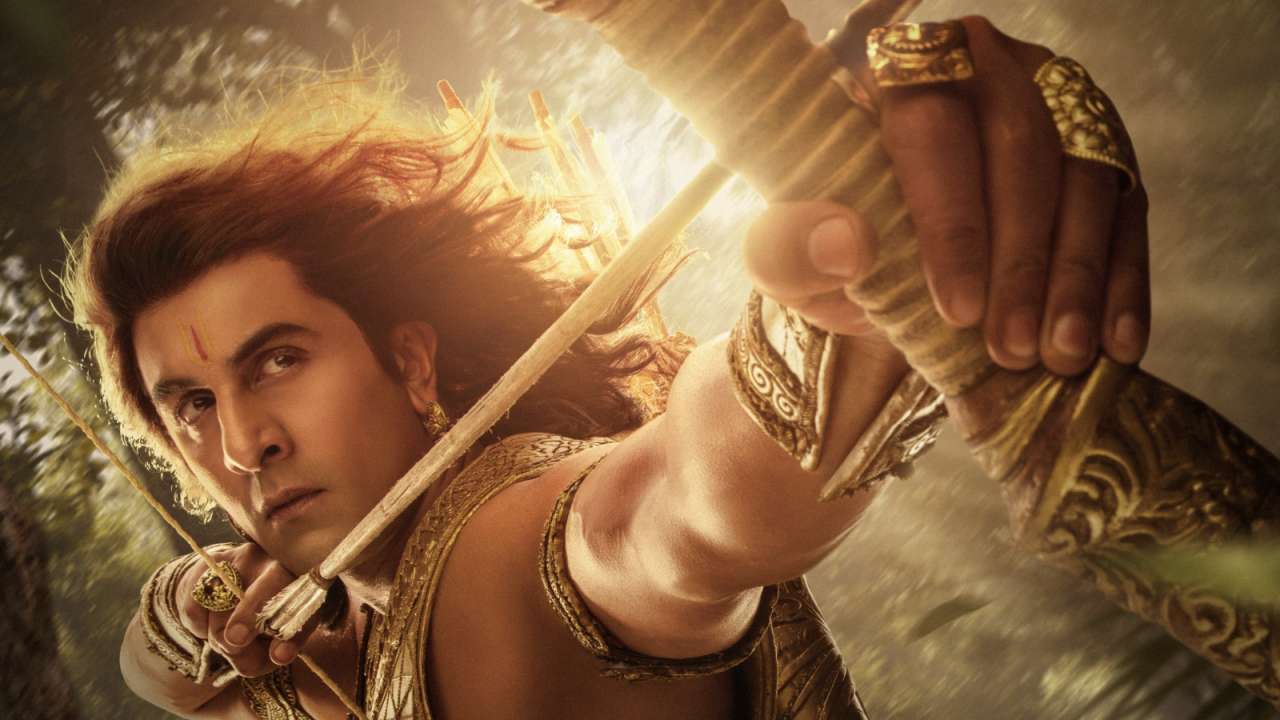 Ramayana box office collection day 6: Ranbir Kapoor film crosses Rs 400 crore in India, earns Rs 800 crore worldwide
 BJP asks Akhilesh Yadav to 'repent' before Ayodhya visit, SP chief hits back with fresh attackBJP asks Akhilesh Yadav to 'repent' before Ayodhya visit, SP chief hits back with fresh attack
 Before Rahul Gandhi, Sonia-Rajiv lost their first child: Memoir reveals heartbreaking tragedy, cruel newspaper remark
 ECI flags ‘sensitive’ objection over Akali Dal (Waris Punjab De) registration, awaits Punjab CEO report
 Pranab Mukherjee wanted to become PM? Sonia Gandhi recalls a surprising 2010 conversation
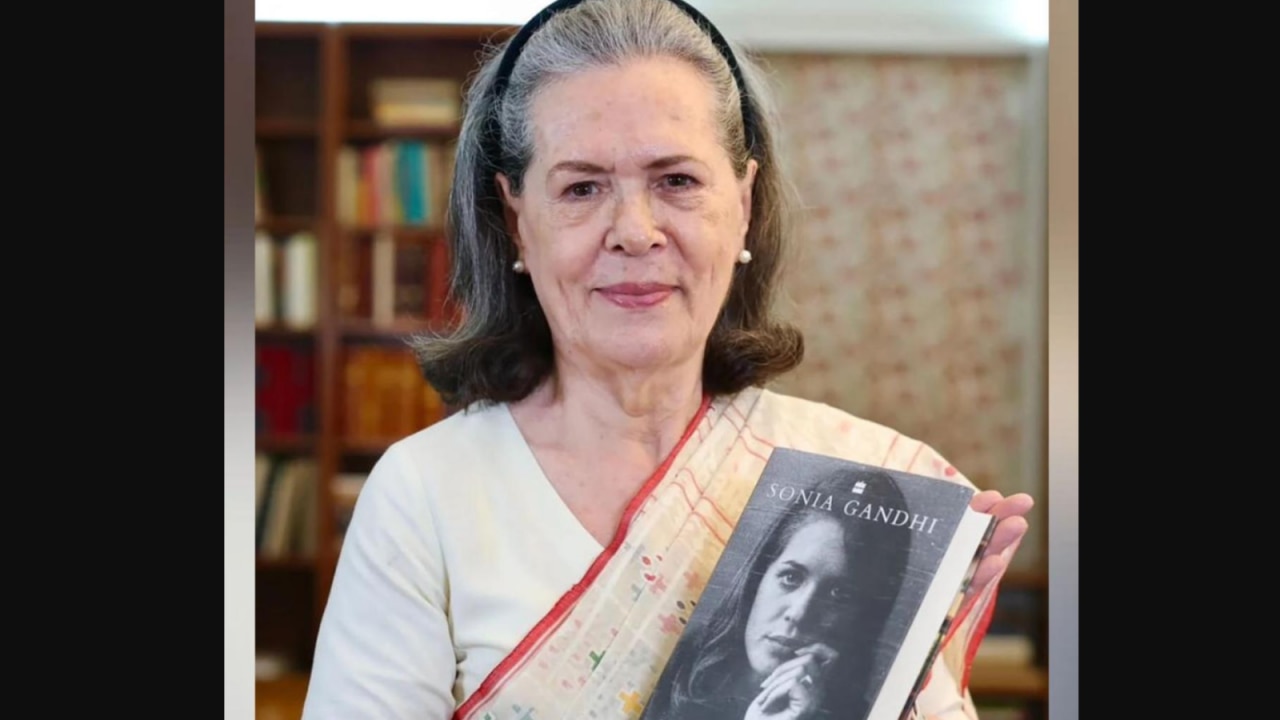 Sonia Gandhi memoir row: Congress cites Vajpayee, Advani's regret over Babri demolition to hit back at BJP
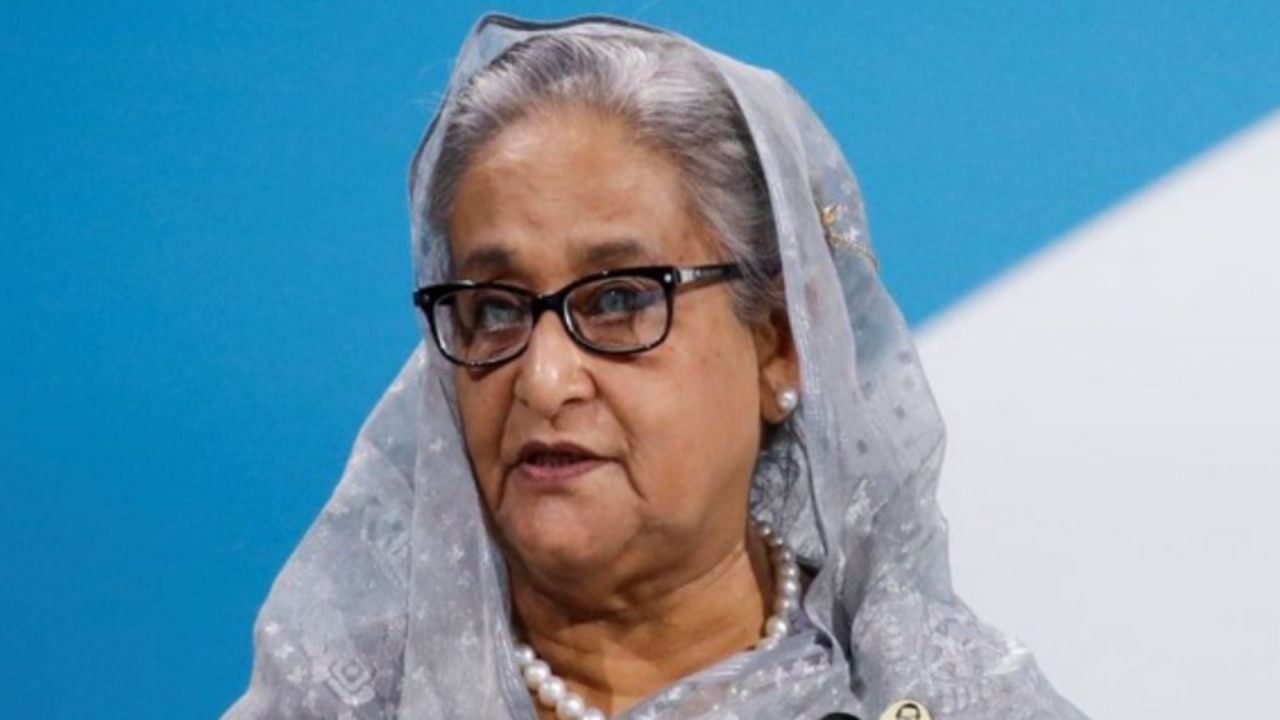 Sheikh Hasina return row: Bangladesh says death sentence must be executed if ex-PM comes home
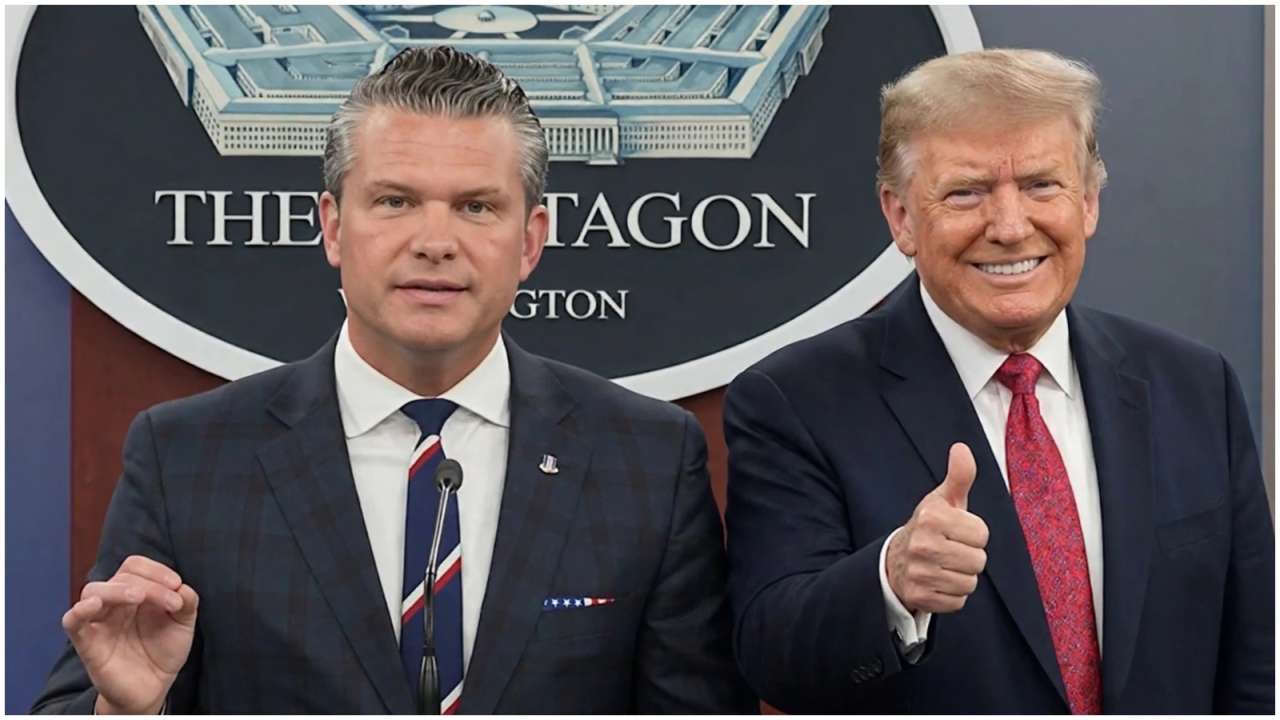 Trump praises Hegseth with 'A +++ grade’ as Pentagon chief faces impeachment calls
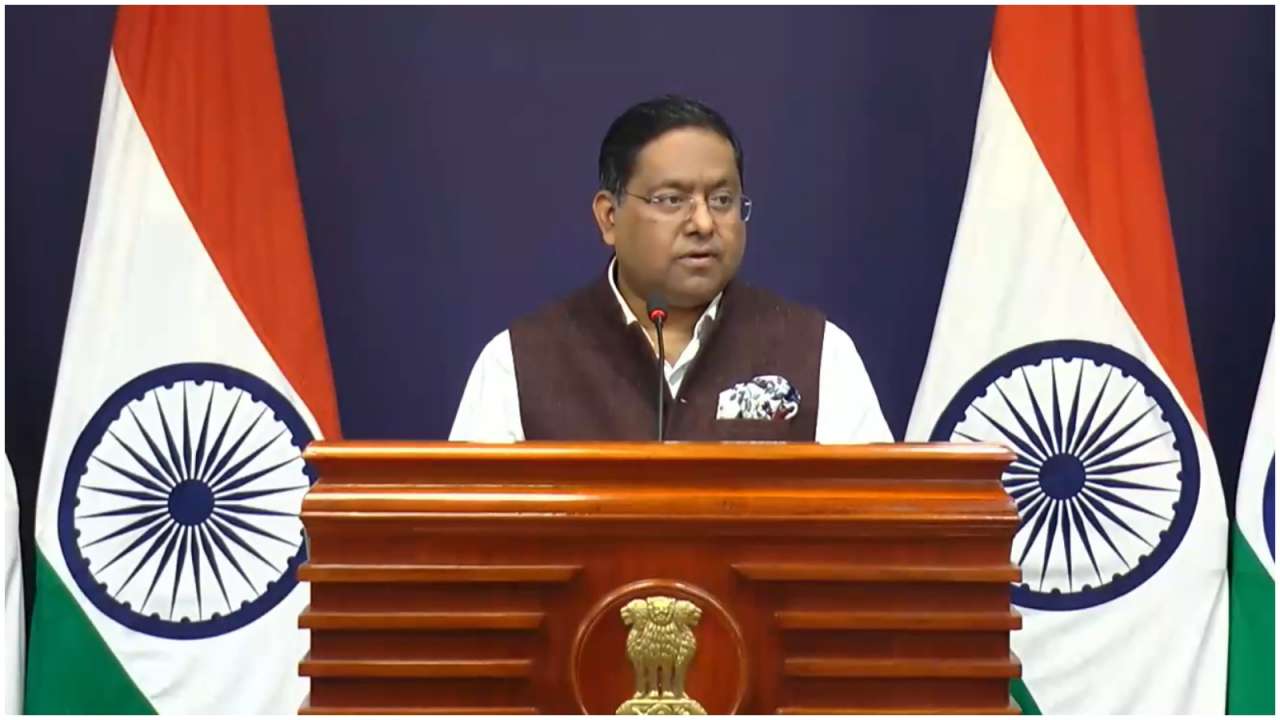 ‘Endless wars must give way to end of war’: What India said on Russia-Ukraine conflict
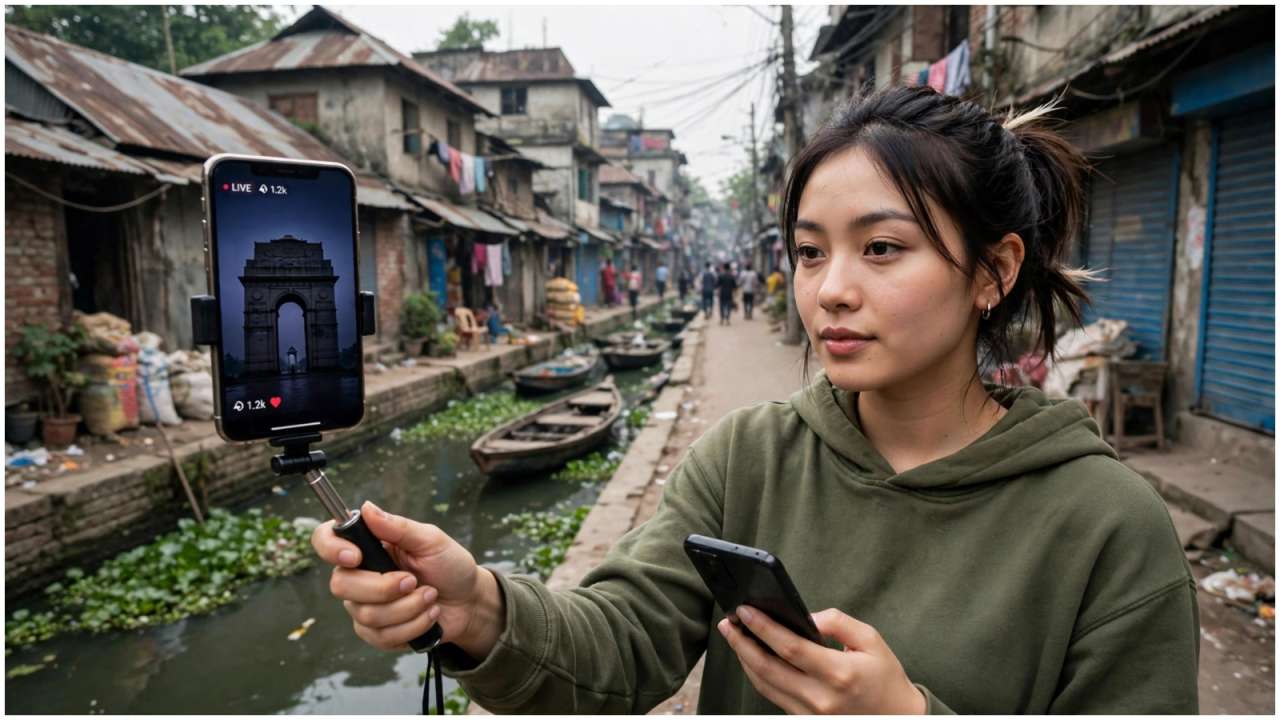 Why are Chinese vloggers showing Dhaka streets as New Delhi in fake live feeds?
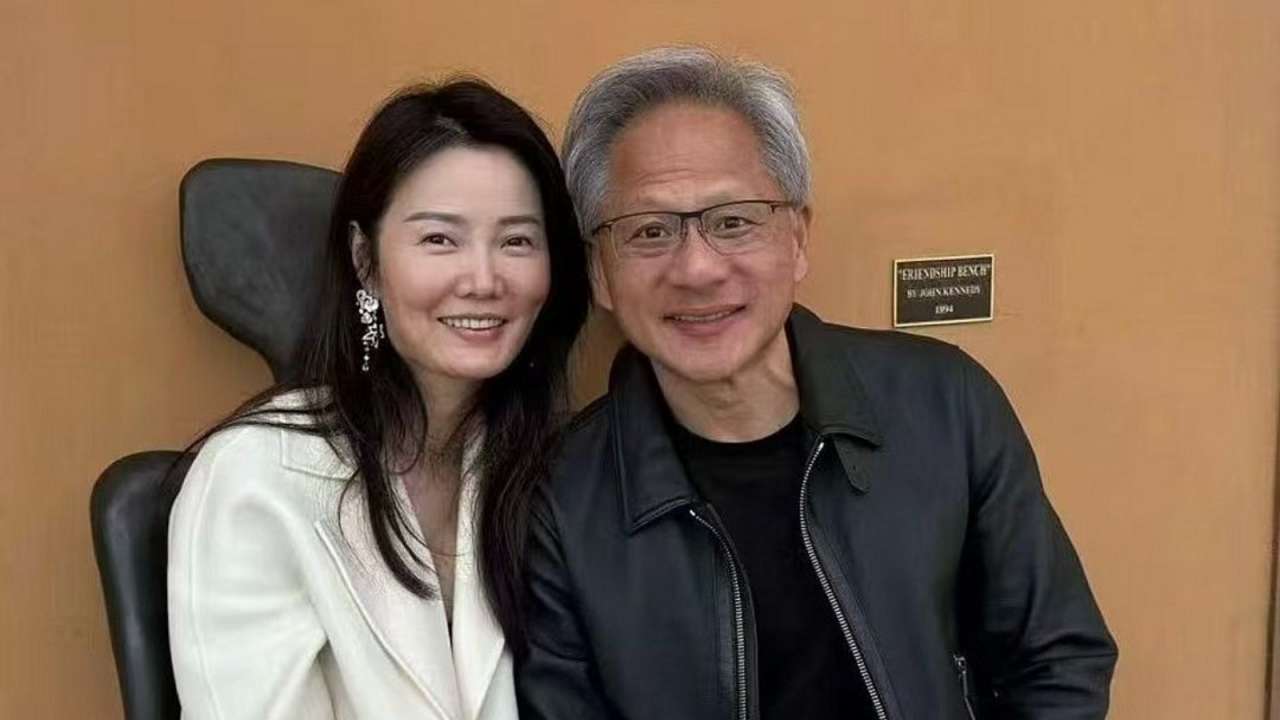 Nvidia CEO Jensen Huang in spy controversy: How could it impact India’s AI ambitions?
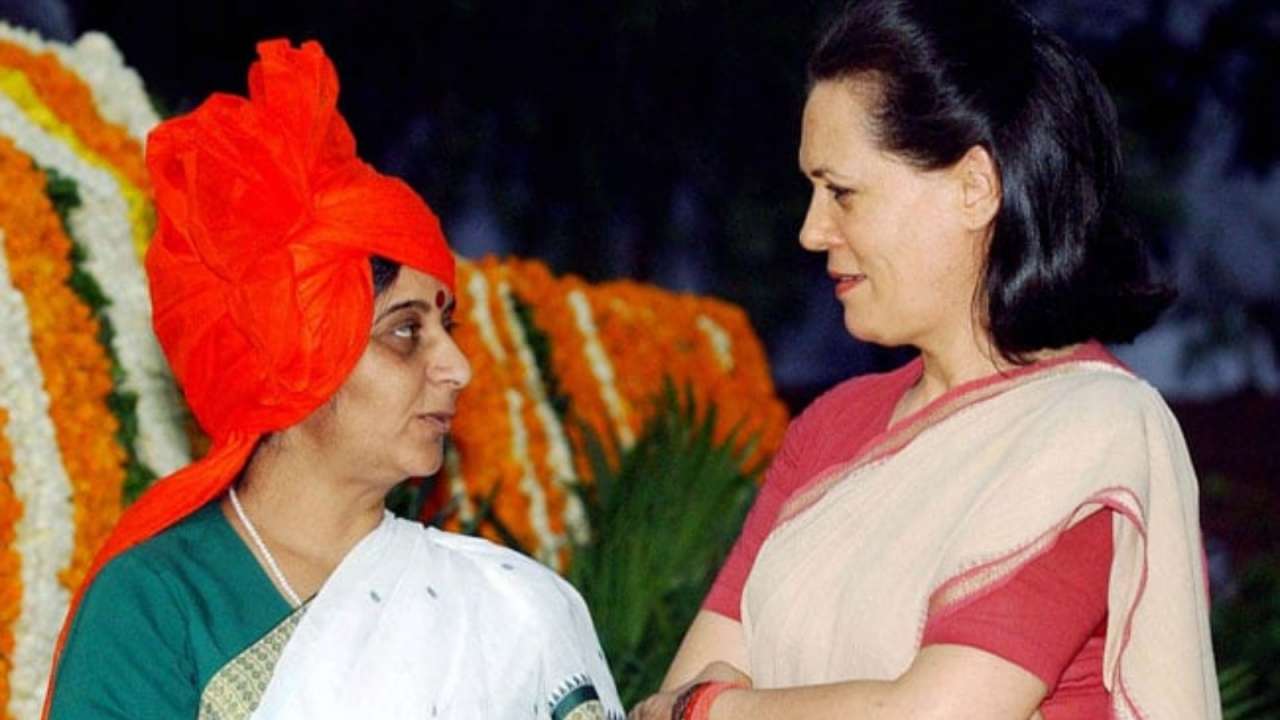 Was Sonia Gandhi afraid of BJP? Did ‘foreign origin’ campaign force her to decline PM's office? Her autobiography drops BIG hint
 Why Sonia Gandhi refused to become PM: Rahul's angry reaction, Priyanka's tears and the dramatic night that changed India
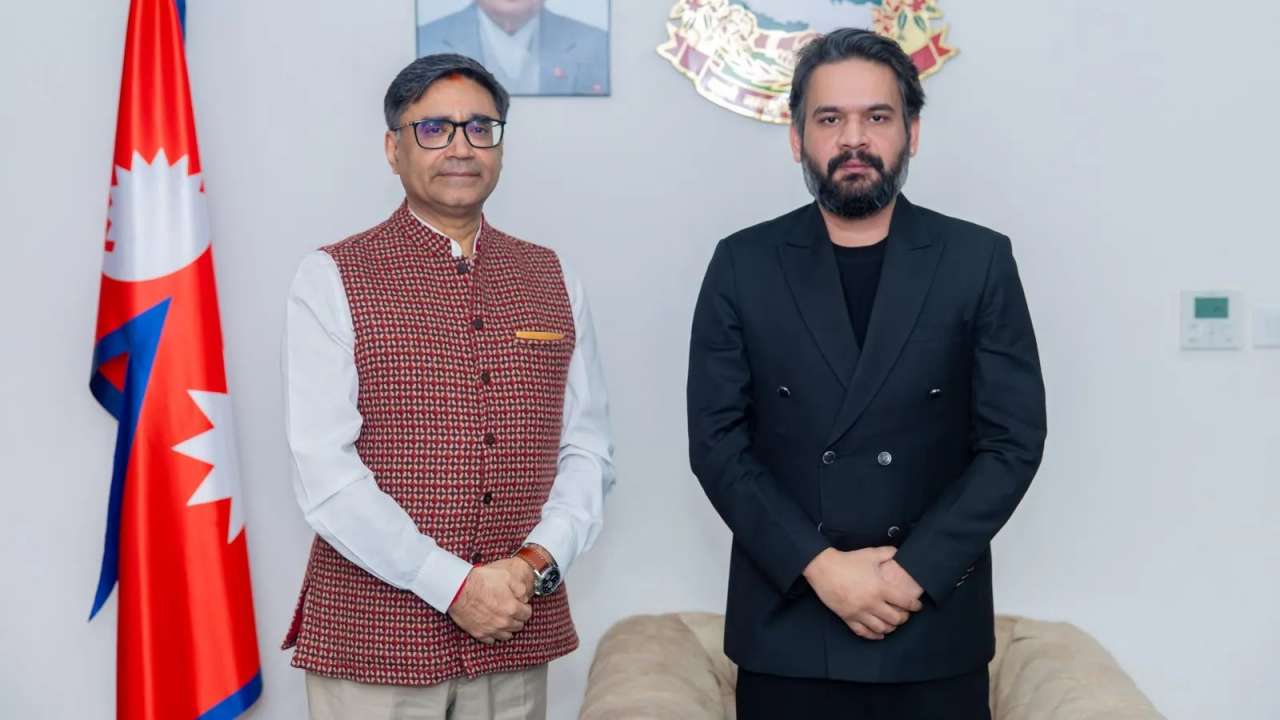 Foreign Secretary Vikram Misri Visits Nepal, Meets PM Balendra Shah
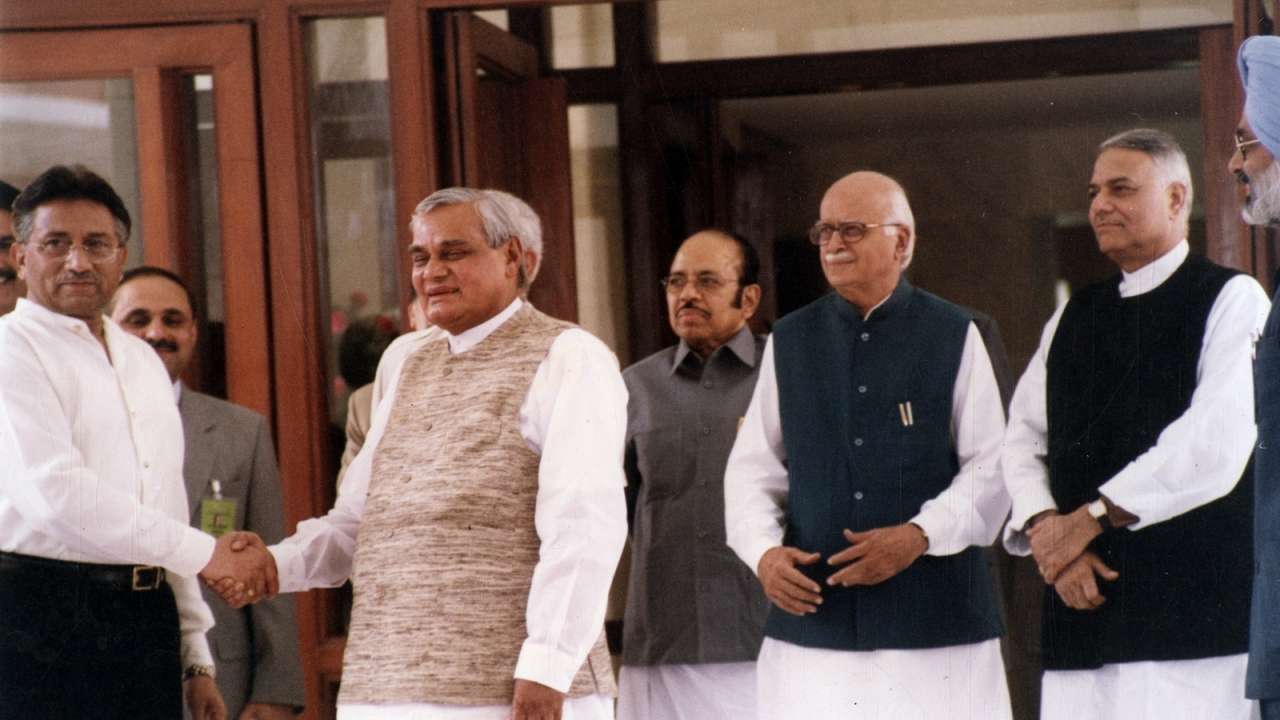 Born in Pakistan, praised Jinnah, abandoned by party: The untold story of LK Advani at 100
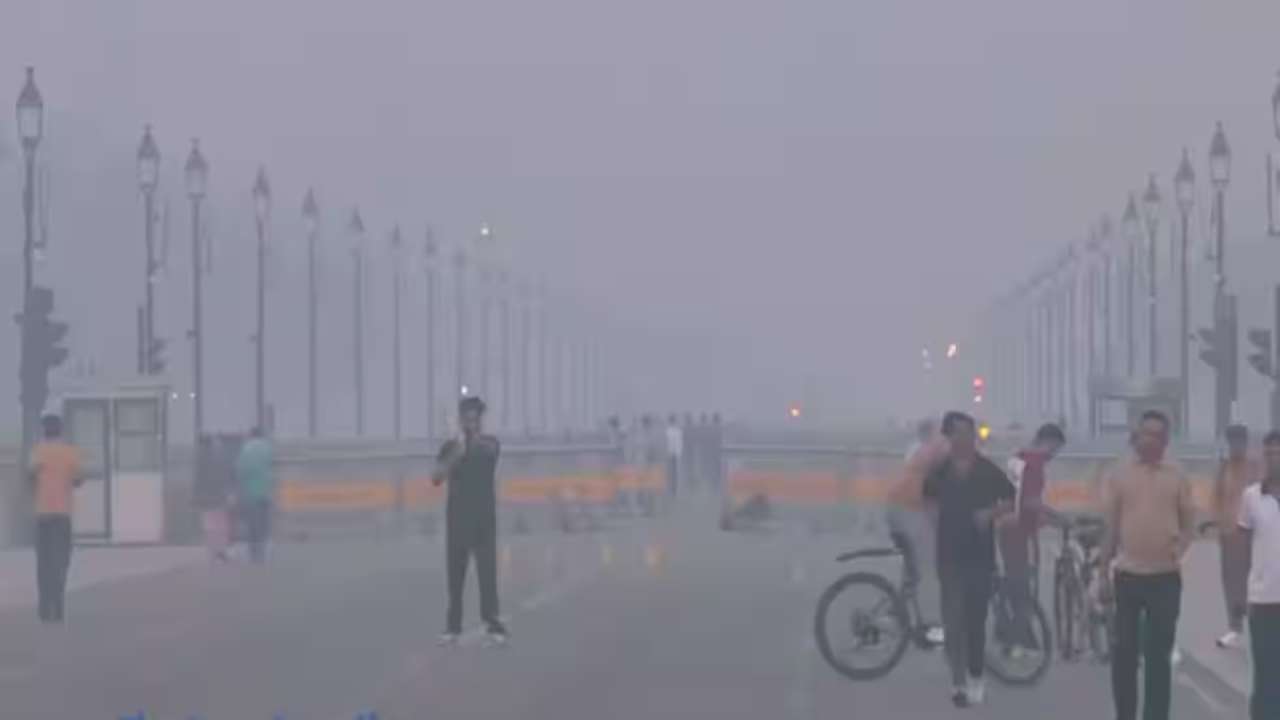 Delhi AQI at 370, 1,000 or even 2,000 after Diwali? Why pollution readings show wildly different numbersMaatrubhumi trailer: Salman Khan leads emotional war drama, tells Chinese soldiers 'let's solve this sh*t bro'Scene box office collection day 5: Suriya film sees major 40% dip but inches closer to Rs 100 crore in IndiaRamayana box office collection day 6: Ranbir Kapoor film crosses Rs 400 crore in India, earns Rs 800 crore worldwide
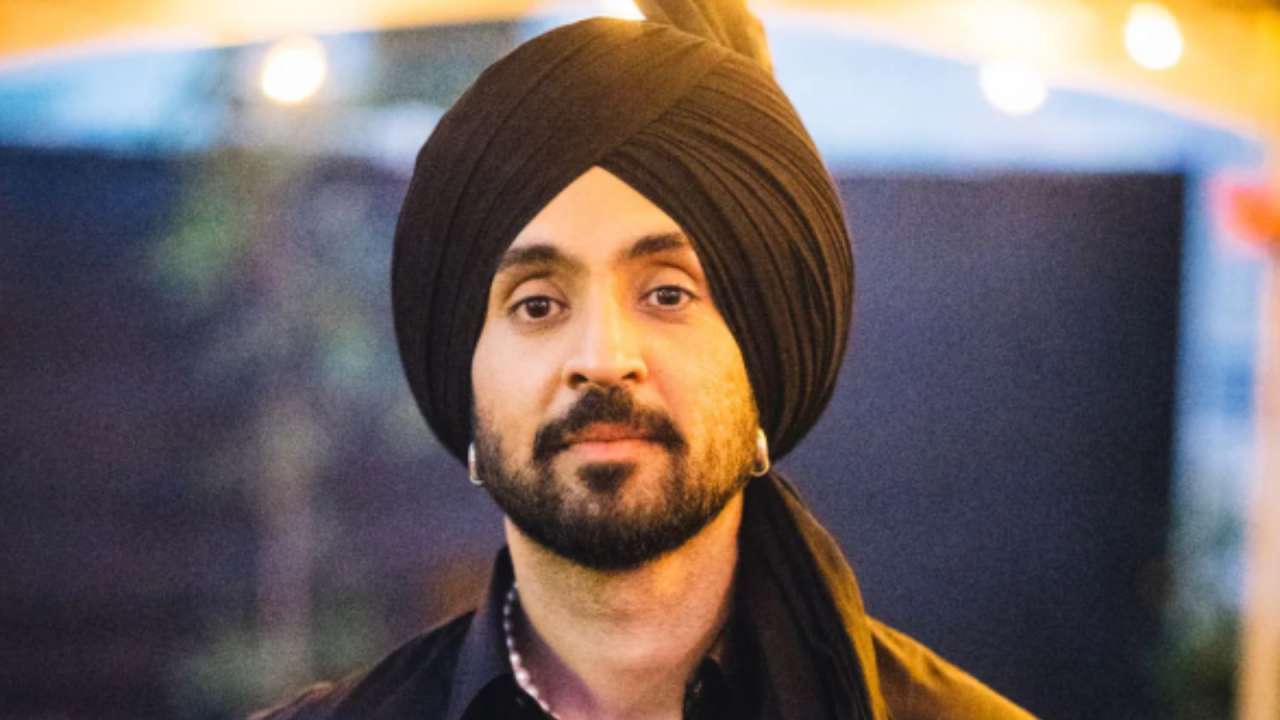 Diljit Dosanjh's Indore concert receives bomb threat email after singer dismisses cancellation rumours
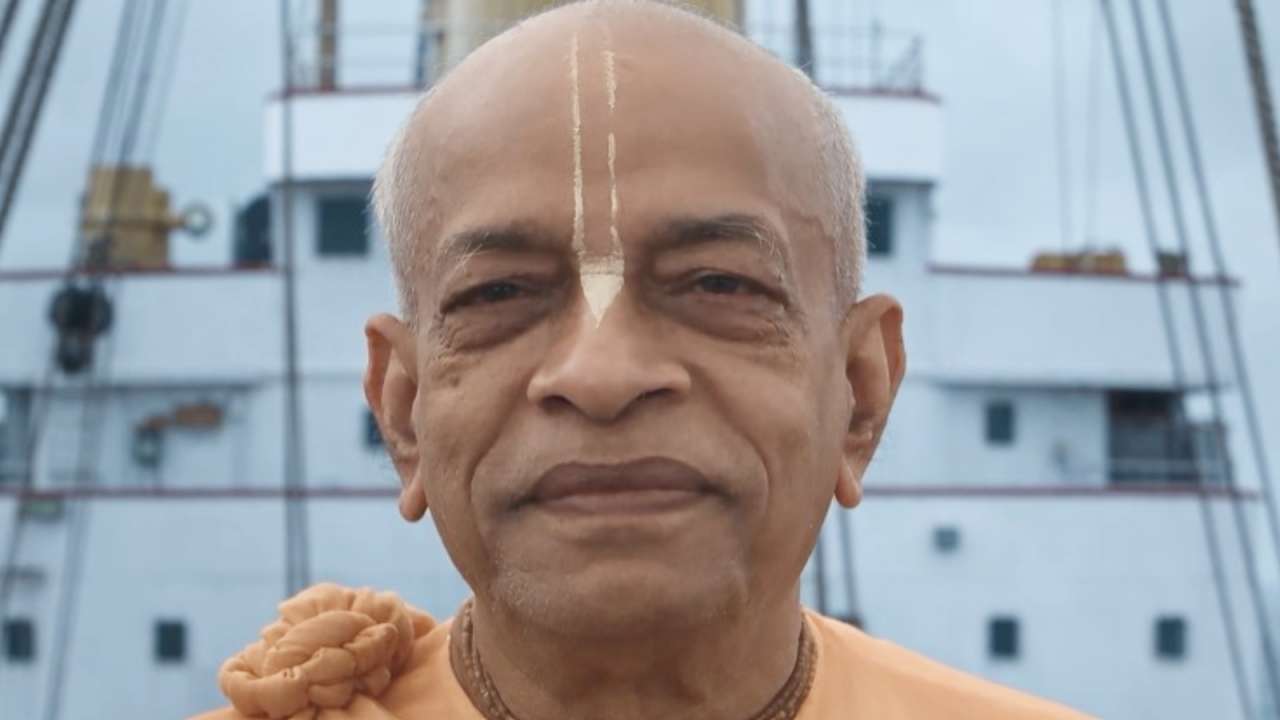 Saranagati: Hombale Films announces biopic on ISKCON founder after Hanuman Ansh, Mahavatar Narsimha succeed at box office
 Anthropic launches IPO roadshow: 825 million shares on offer, check price and key details
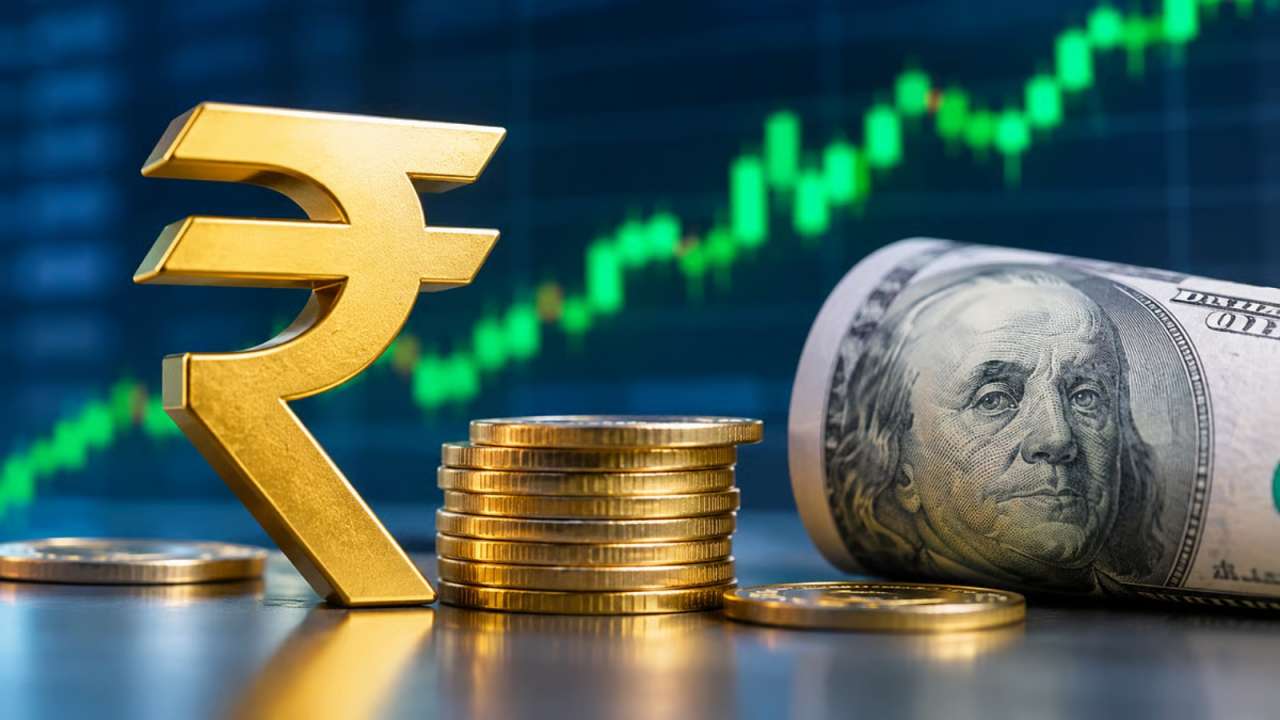 Rupee climbs to 7-month high, gains 93.70 against US dollar in early trade
 Dhanteras 2026: Are banks open or closed on November 6? Check RBI holiday list
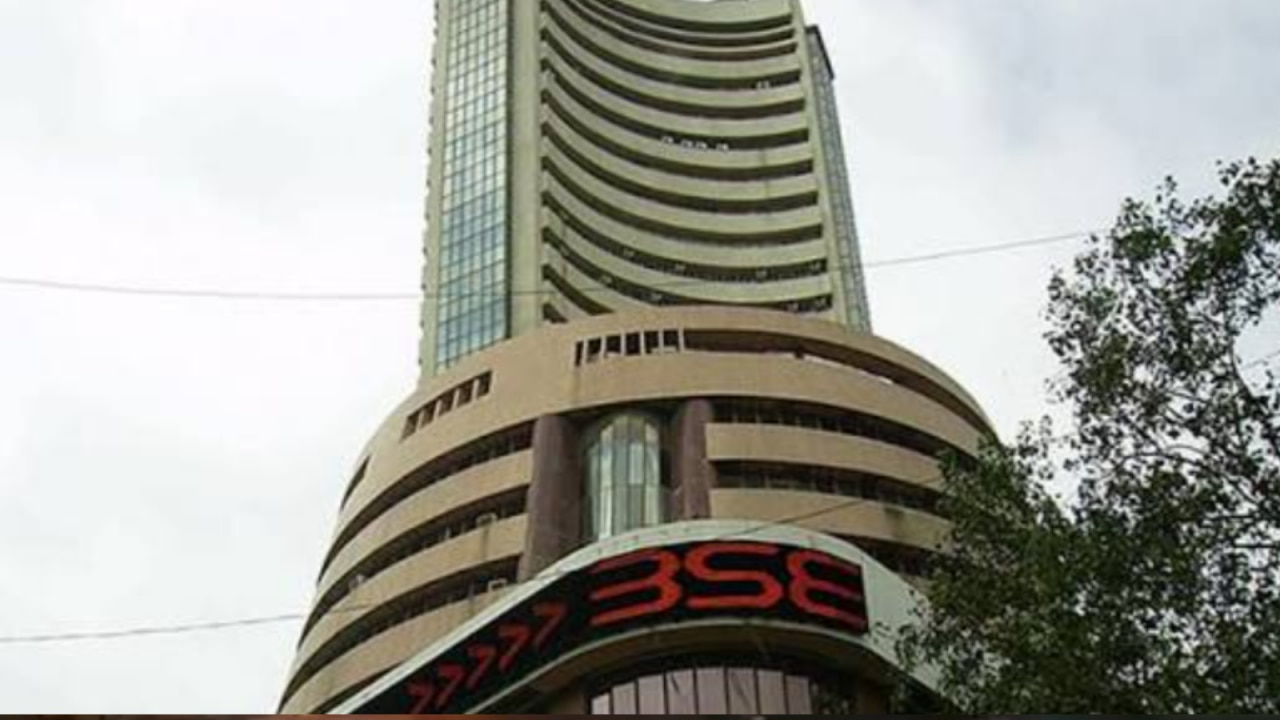 Why did Sensex surge over 2,000 points, Nifty rally 576 points today?
 Diwali Muhurat Trading 2026: What investors need to know about date, timings and settlementWhy has Usman Khawaja reopened Australia's 2018 ball-tampering scandal? 'Not a witch hunt' remark explained
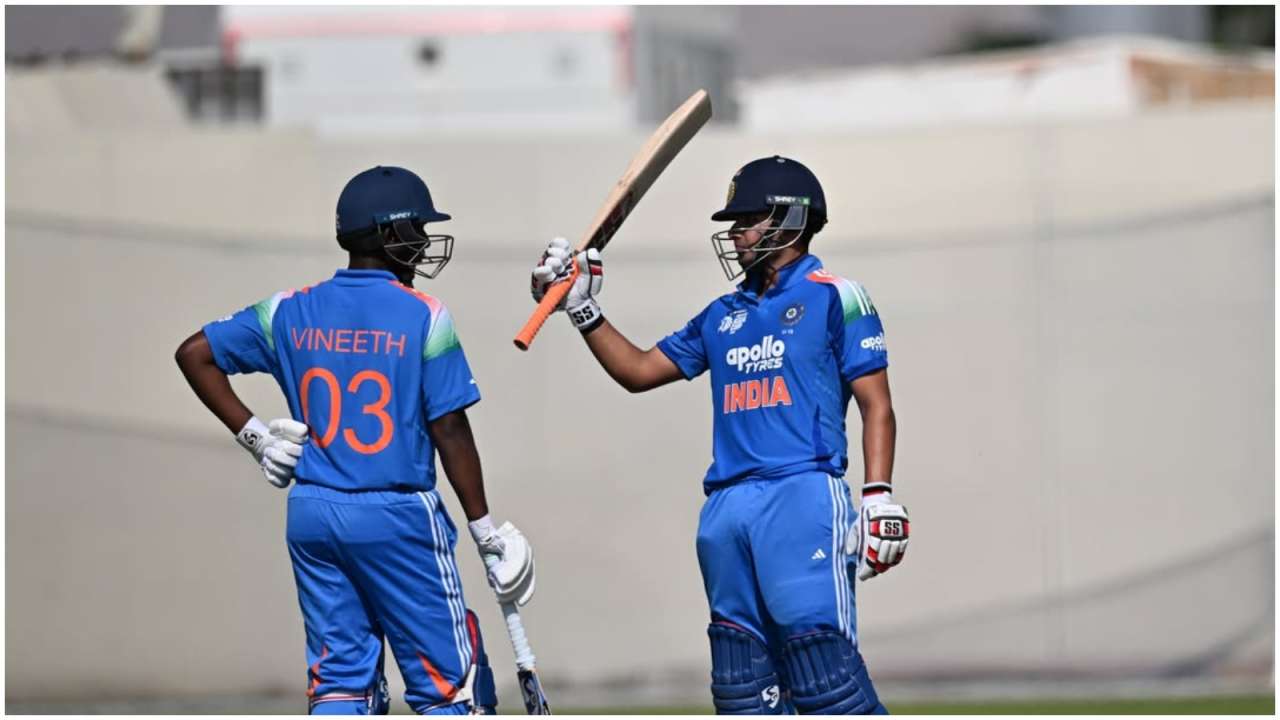 Virender Sehwag's son smashes 160 as India defeat UAE to enter U19 Asia Cup semis
 Is Michael Carrick losing the Manchester United job? Club reportedly explores replacements
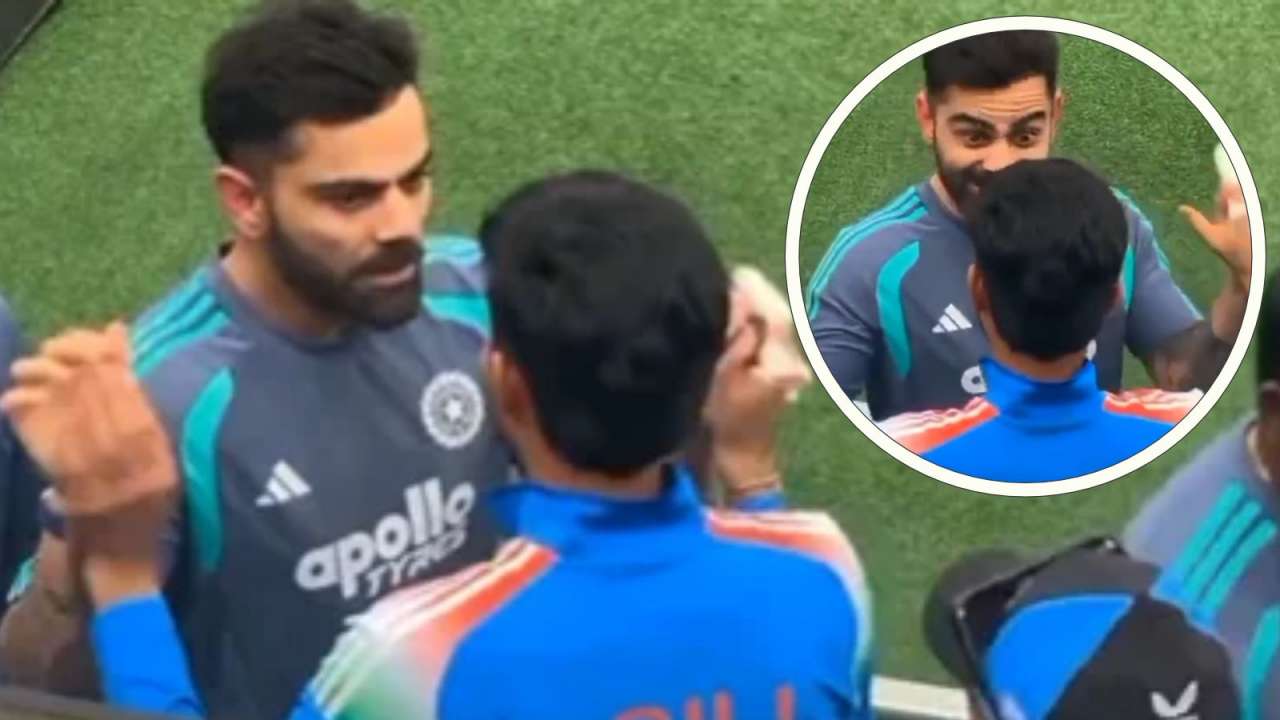 Watch: Virat Kohli, Shubman Gill turn handshake into hilarious ‘kushti’ match after rain-hit ODI
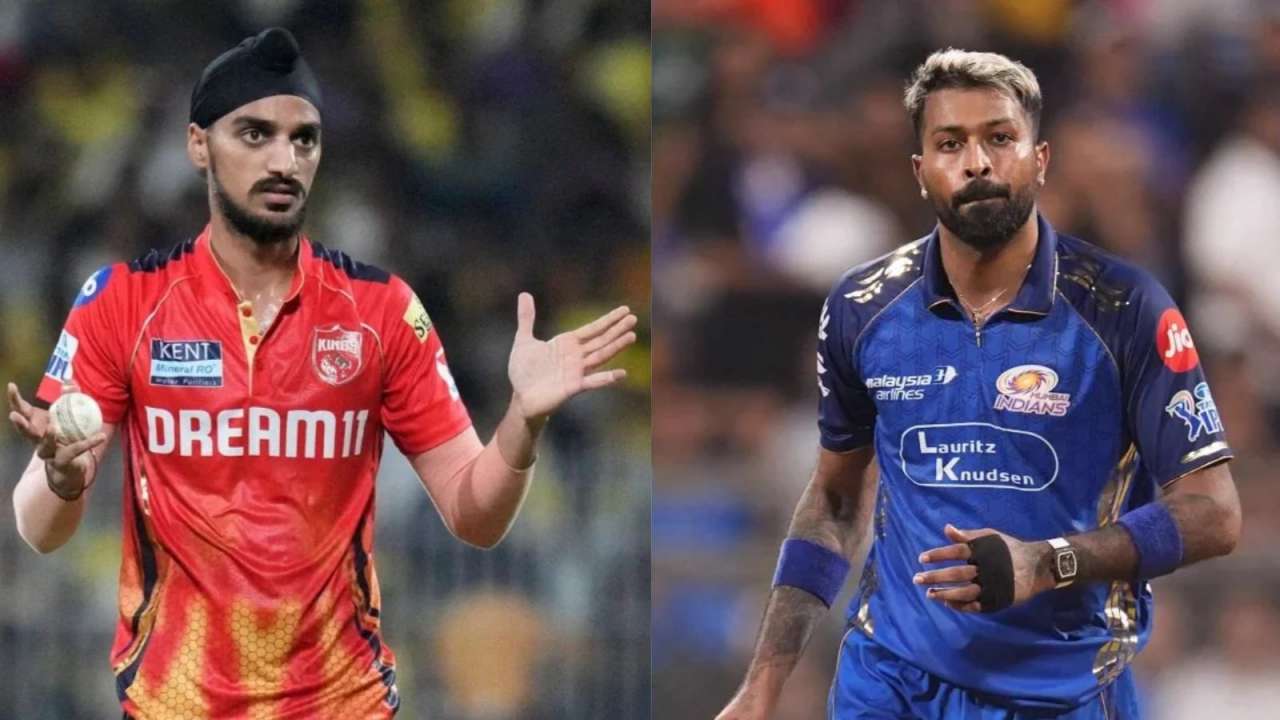 IPL 2027 Big Trade: Arshdeep Singh to leave PBKS? Hardik Pandya's place in MI remains doubtful
 Jensen Huang News: Nvidia CEO Loses $7.4 Billion In 30 Minutes, Drops 2 Spots In Forbes Rich List
 Bhai Dooj 2026: Check Date, Time Check Shubh Muhurat, Tilak Timings, Puja Rituals
 Bangladesh News: 'Fugitive Terr*rist...' Dhaka Slams Hasina's Passport Demand, Calls For Extradition
 Congress vs PM Modi Row: 'Jhola-Picking-Up Time' Remark, Bastar Address & Political Reactions
 Nvidia Scandal: The Megaspeed Connection, Alice Huang Ties & Jensen Huang’s Affair
ANALYSIS

Updated : Nov 21, 2013, 01:44 PM IST
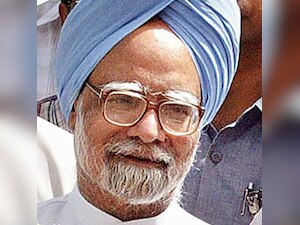
















Prime Minister Manmohan Singh’s enthusiasm in his first term (2004-09) for pushing ahead with major foreign policy initiatives seems missing in his second stint (from 2009).
The civil nuclear deal with the United States, intended to put India at the high table of nuclear co-operation, took up a lot of energy in his first tenure as prime minister.
While India and the US still debate the implementation of that nuclear deal as Singh sets off for the US again, the “selling” of the deal as a solution to India’s electricity problems was clearly over-stated.
Singh also thought nothing of voting against Iran at the International Atomic Energy Agency (IAEA) in September 2005, signalling a major shift in India’s foreign policy and sending a signal to Washington that it had a new strategic partner.
In his years as Prime Minister, Dr Singh has junked India’s Nehruvian foreign policy that spoke about rights and interests and allied it closely with global American objectives even though public positions may fall short of Washington's expectations.
Singh’s inability to improve relations with the US while ensuring that LNG flowed to India from Iran was a sign of weakness. India needs both nuclear power and gas – one can’t happen at the cost of the other.
In his nine years-plus as PM, Singh has maintained a moderate, non-hawkish posture towards Pakistan. But following Musharraf’s domestic problems and the November 26, 2008, terror attack on Mumbai, the mood between the two countries soured with Ashfaq Kayani, who took over from Musharraf as army chief, junking his predecessor’s India policy.
Today, Pakistan and India are at odds once again. With China, Singh has maintained the steady, incremental approach of his predecessors while building up India’s defences. His first term began with the hope of quick progress on a boundary settlement, a process that shows little movement now.
Troublesome parties like Trinamool Congress in Kolkata and the AIADMK-DMK have restricted the Centre’s space in foreign policy-making, with the UPA-II unable to pass a constitution amendment bill to settle a small border row with Bangladesh.
When it came to crunch time (Mumbai 2008), Singh showed that he was a moderate who didn’t fall into the trap set by the hawks at home demanding military action against Pakistan.
We can be sure of one thing the next prime minister from whichever party, will be far more hawkish.