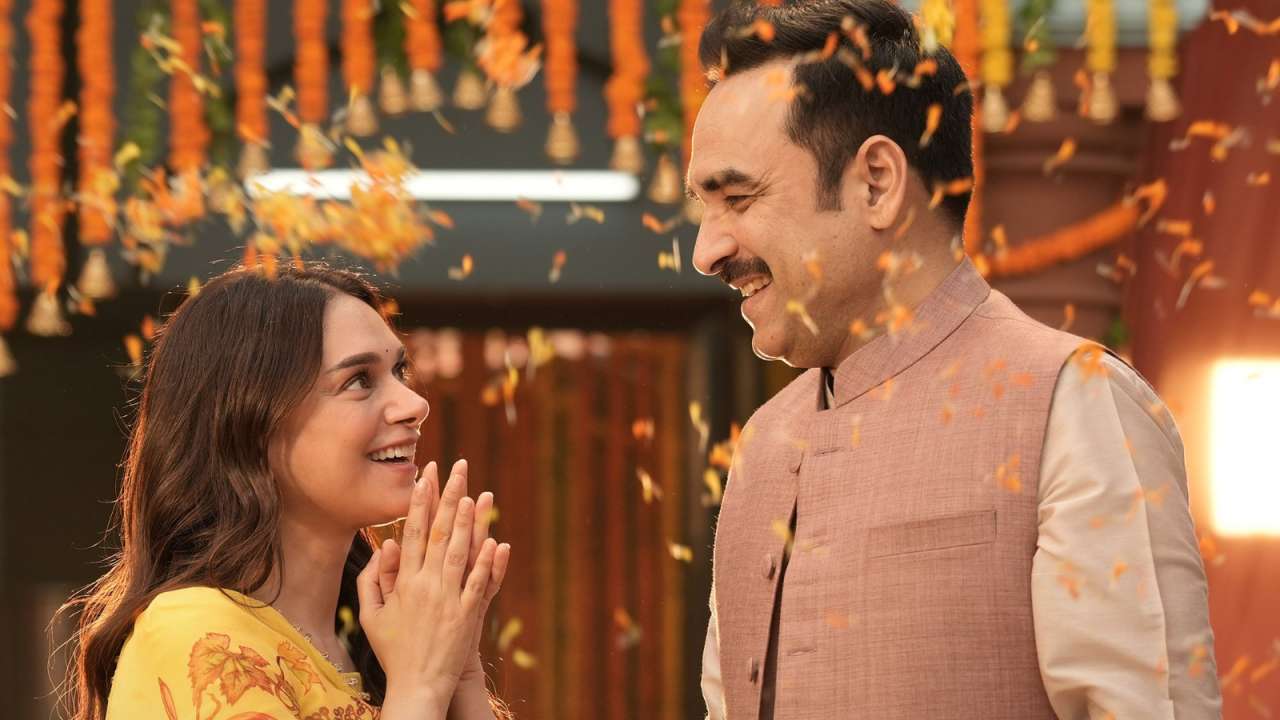
 Aditi Rao Hydari says Pankaj Tripathi makes acting look effortless: 'He doesn't give any gyaan, he is very quiet'
 CNG prices rise again in Mumbai: Rates up by Rs 1.50, Rs 5.50 increase in 10 weeks
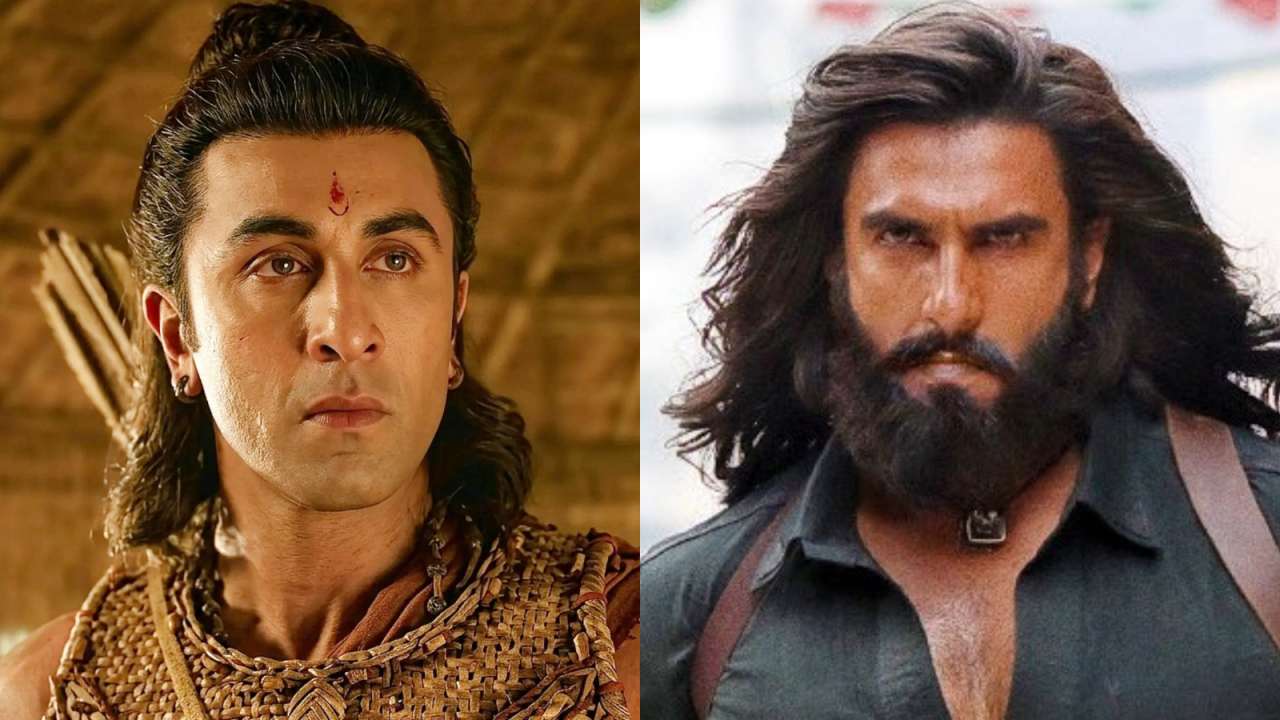 Ramayana box office collection: Ranbir Kapoor film beats Dhurandhar 2, records biggest second Saturday
 Rajasthan Shamed: French-Thai woman harassed, caught on cam
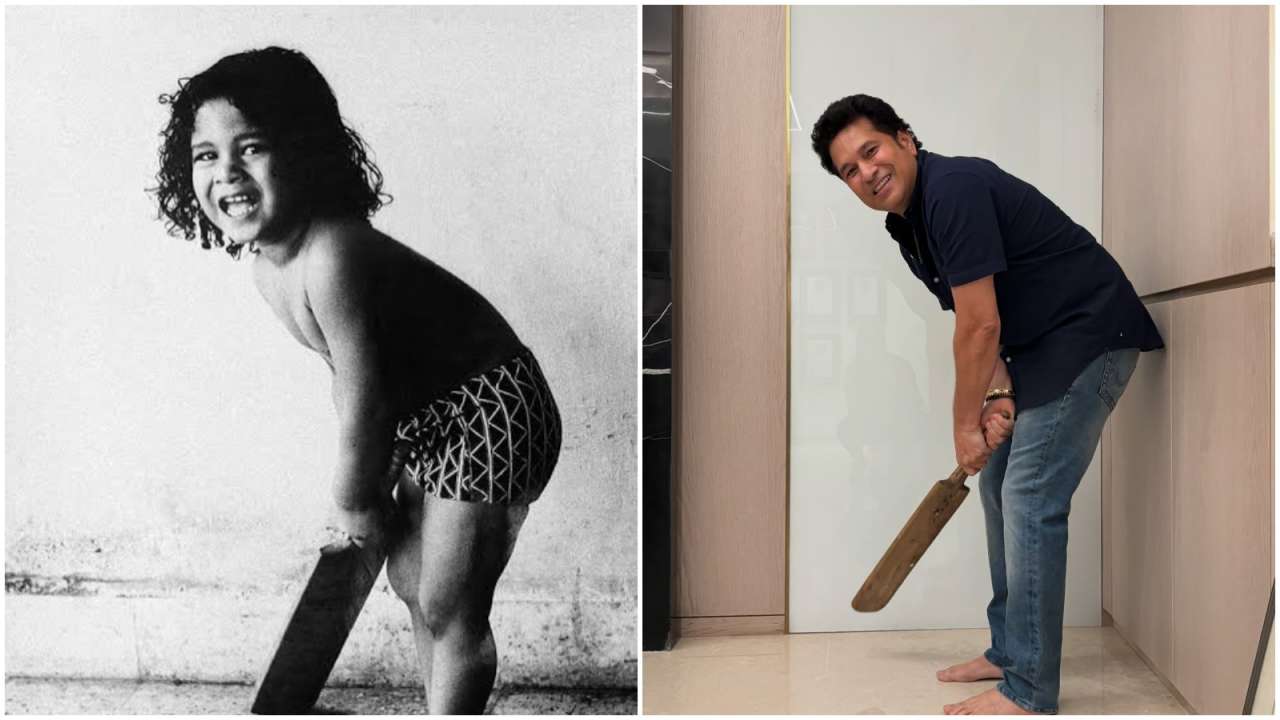 '49 saal baad bhi mere saath hai': Sachin Tendulkar recreates iconic childhood photo on 37th debut anniversaryCNG prices rise again in Mumbai: Rates up by Rs 1.50, Rs 5.50 increase in 10 weeksRajasthan Shamed: French-Thai woman harassed, caught on cam
 IndiGo flight carrying 192 makes emergency landing in Pune after mid-air scare
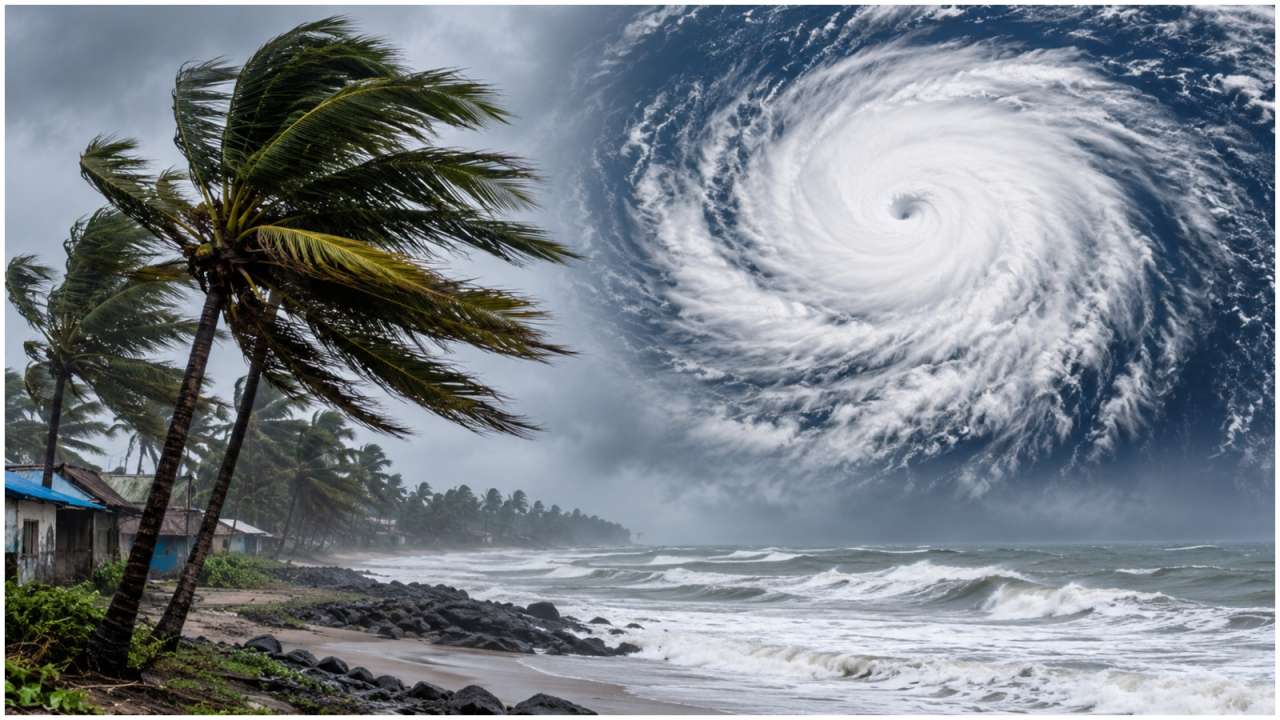 After Arnab and Murasu, third cyclone threat looms over Bay of Bengal: IMD issues fresh warning, fishermen alerted
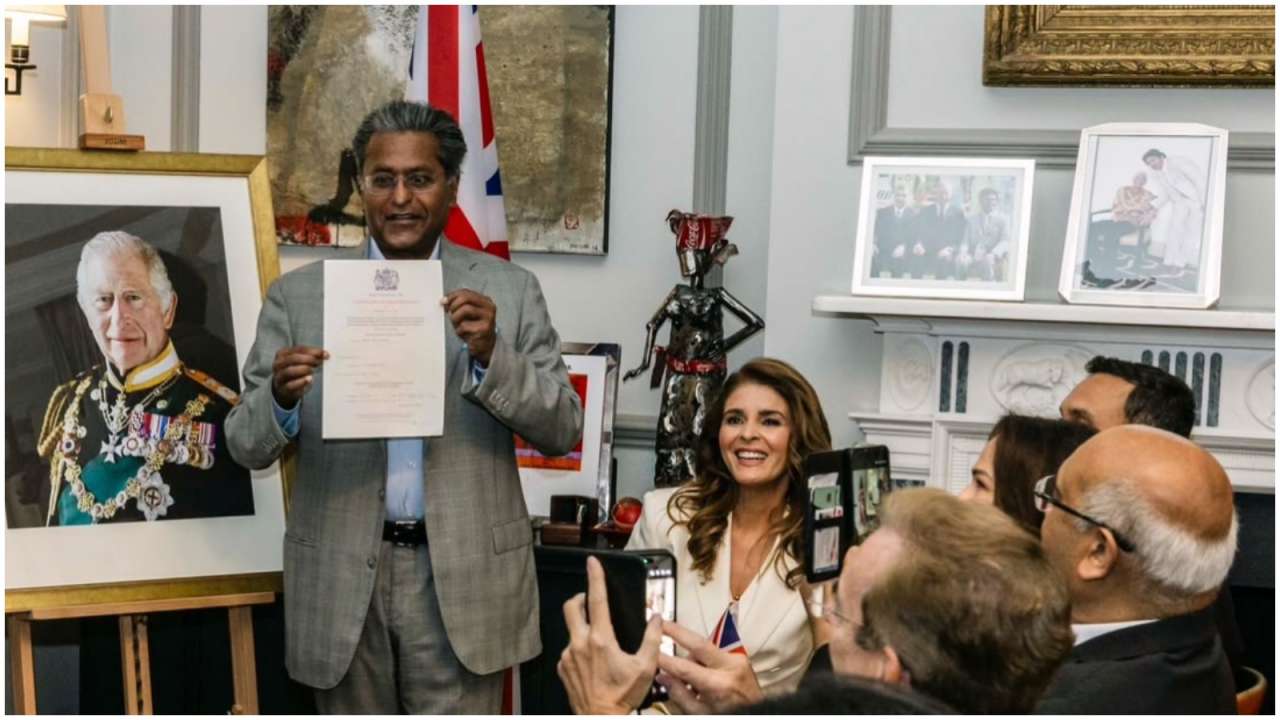 'God Save The King': Lalit Modi gets British citizenship after living in UK for years
 China aircraft enters Indian airspace over Sikkim, ignores warnings for 25 minutes
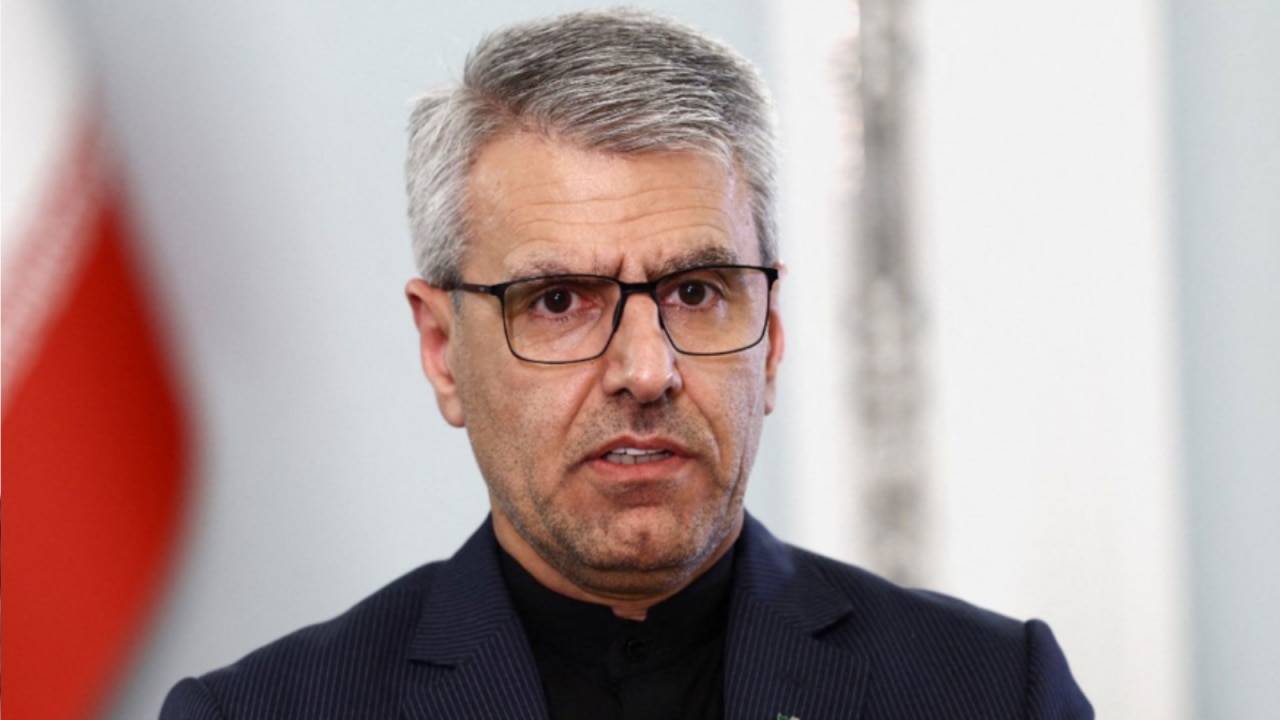 Iran accuses US of 'threatening to starve' people as Trump intensifies economic pressure
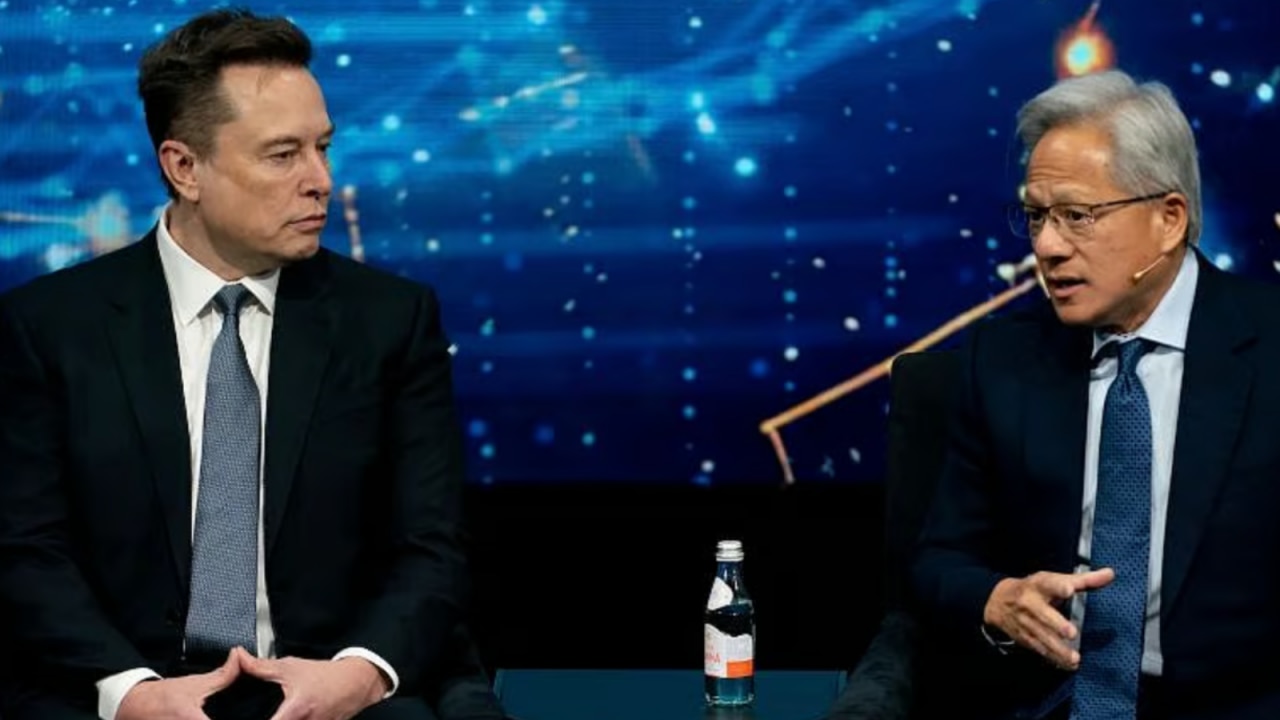 What changes at Nvidia after Jensen Huang's exit? Elon Musk warns of lost deals, Trump disclosed stock investments
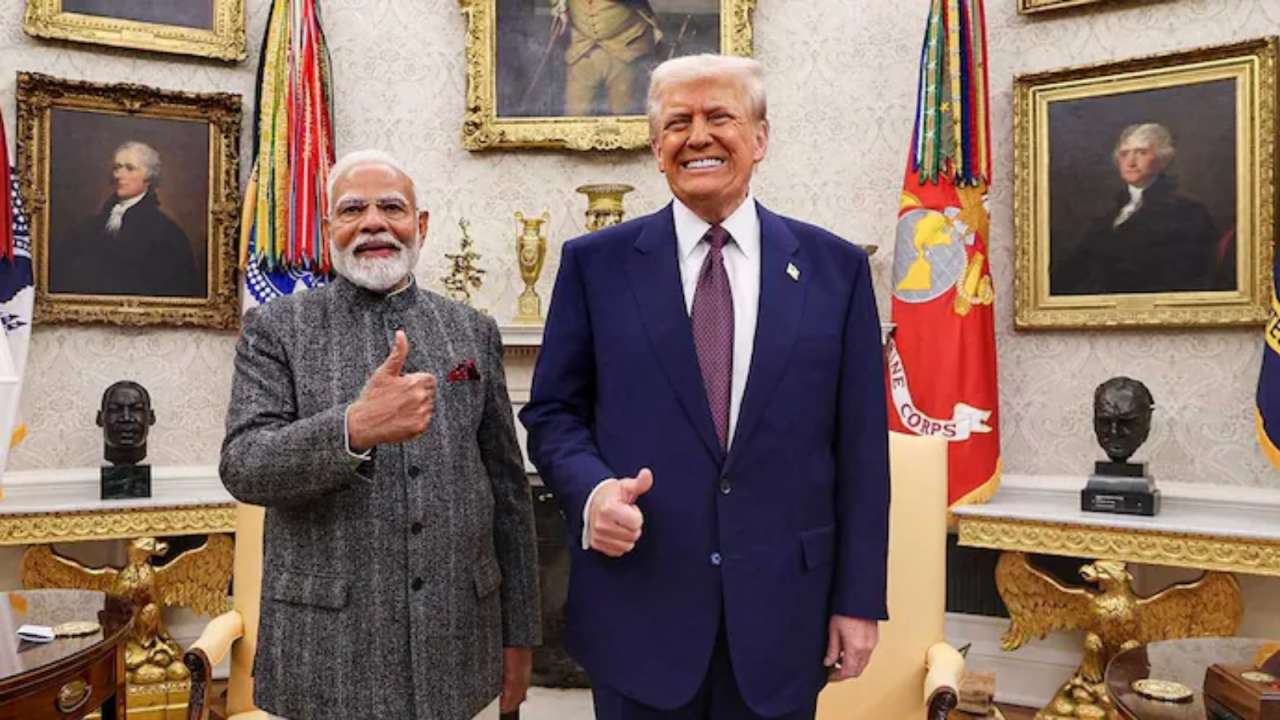 US-India Trade Deal By March 2027? India assured tariff advantage over competitors
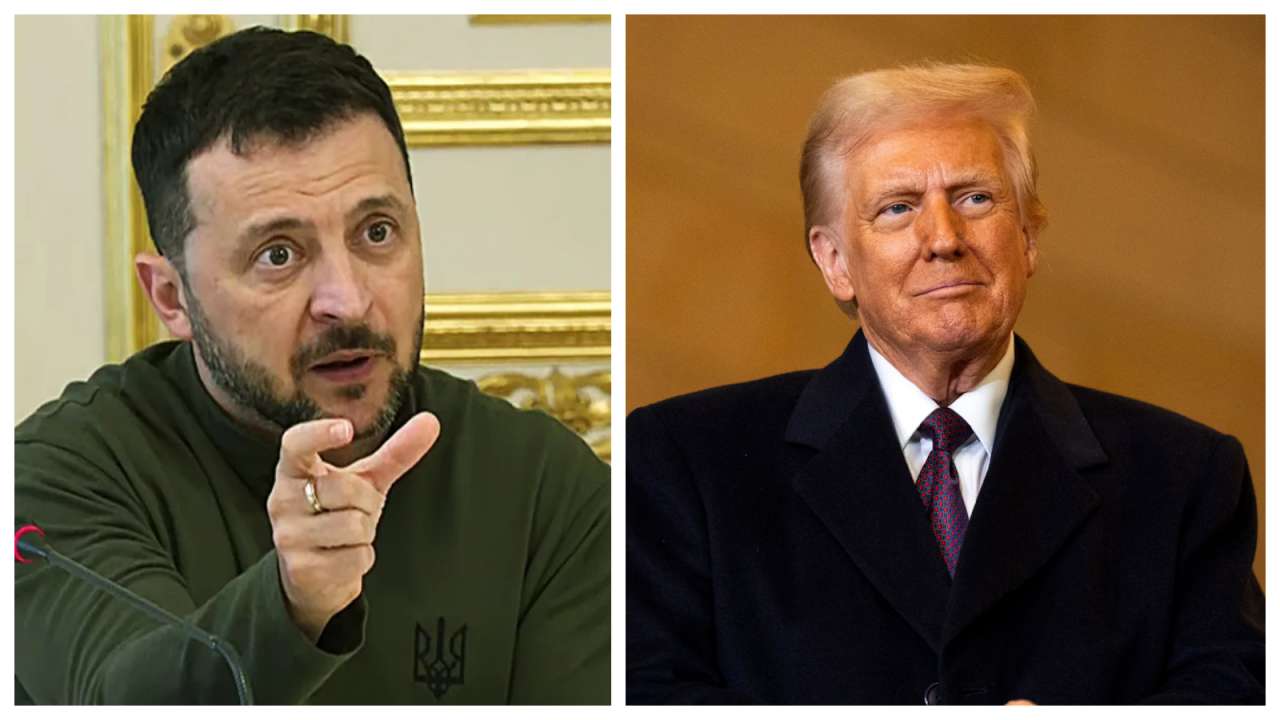 Ukraine to leave Donbas for NATO Membership? Zelenskyy reveals US question in peace talks
 Microsoft Global Outage: Why did Outlook stop working? How were airlines in India affected?
 Nvidia After Jensen Huang: Will India's AI dream face chip shortage or open door for new rivals?
 Why does inflation soar to 6.09% despite falling fuel prices, US-Iran war halt? RBI's next move under focus
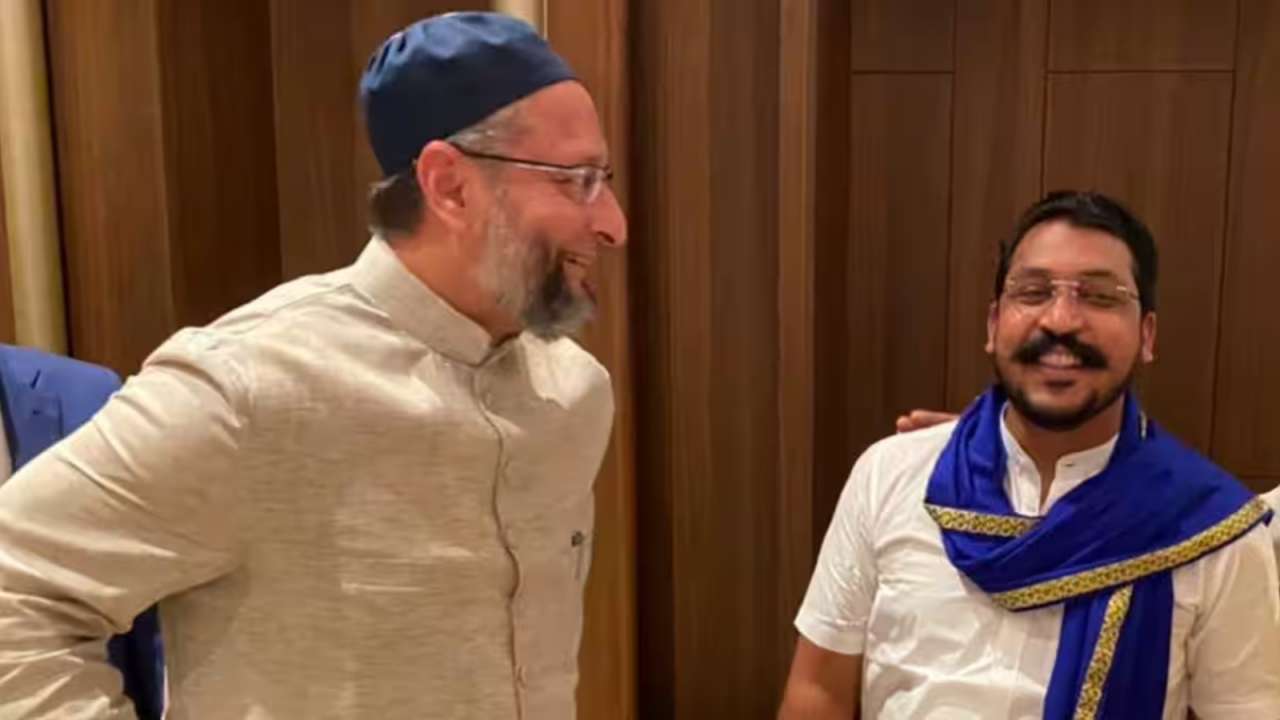 UP Elections 2027: Will Asaduddin Owaisi and Chandrashekhar Azad defeat BJP or help Yogi win?
 From Nvidia CEO Jensen Huang to top officials: 5 Alleged Chinese 'honey trap' cases that shocked worldAditi Rao Hydari says Pankaj Tripathi makes acting look effortless: 'He doesn't give any gyaan, he is very quiet'Ramayana box office collection: Ranbir Kapoor film beats Dhurandhar 2, records biggest second Saturday
 Ramayana box office collection day 10: Ranbir Kapoor, Yash film beats Jawan, KGF 2; earns Rs 1200 crore
 Viral video: Newlyweds Anirudh Ravichander, Kavya Maran return to Chennai after their Greece wedding - Watch
 Veteran Telugu actor Giri Babu dies at 80 in Hyderabad; Pawan Kalyan, Chiranjeevi pay tribute
 Tata Sons Listing Row: Why Noel Tata fears it could change Tata Group
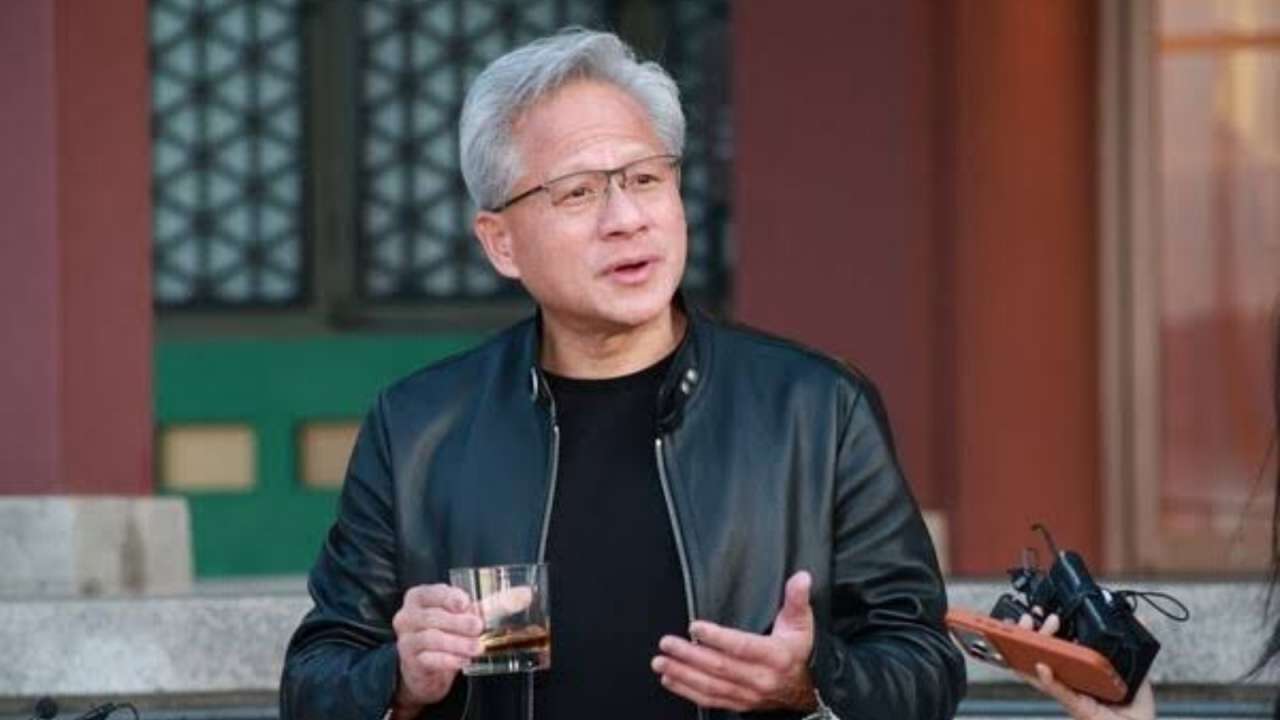 Who will replace Jensen Huang at Nvidia? 3 Indian-origin executives in the race
 Zee Entertainment announces Rs 600 crore share buyback at Rs 91 per share
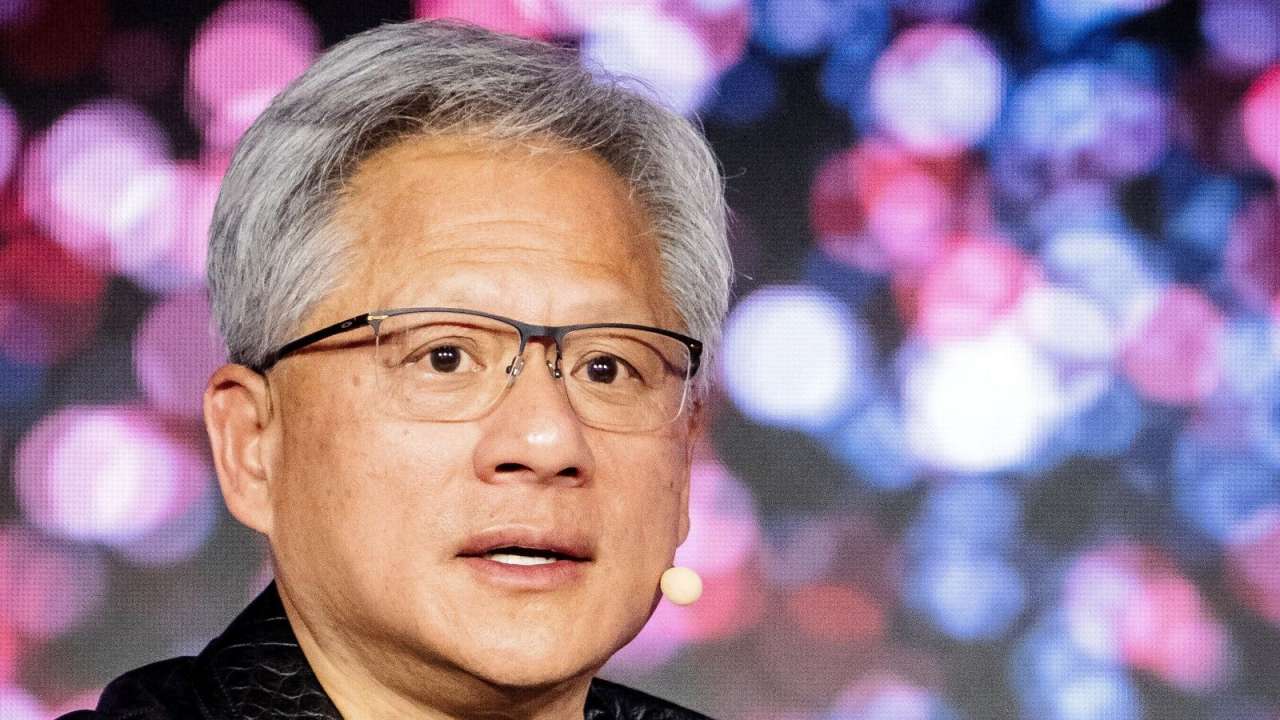 Who may replace Nvidia CEO Jensen Huang? THIS Indian tech executive emerged among top contenders
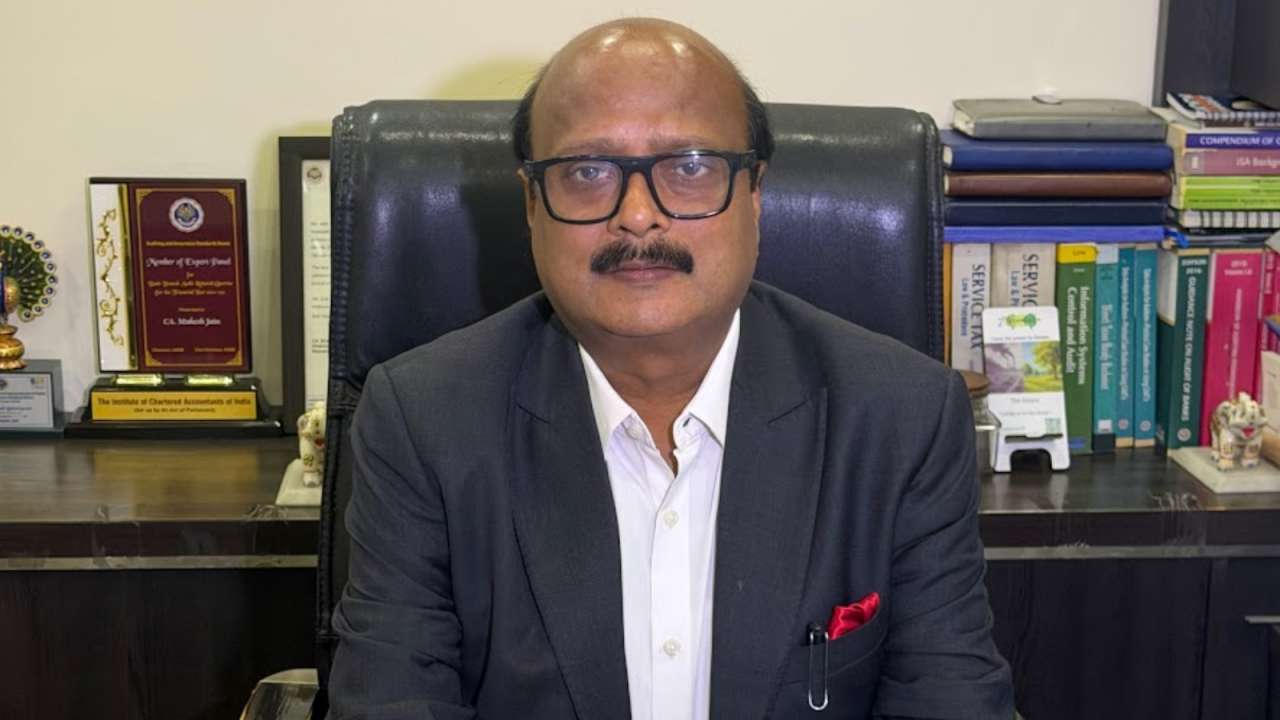 When CA Mukesh Jain Tested Kwala Intel: Inside the AI market wizard that money managers now swear by'49 saal baad bhi mere saath hai': Sachin Tendulkar recreates iconic childhood photo on 37th debut anniversary
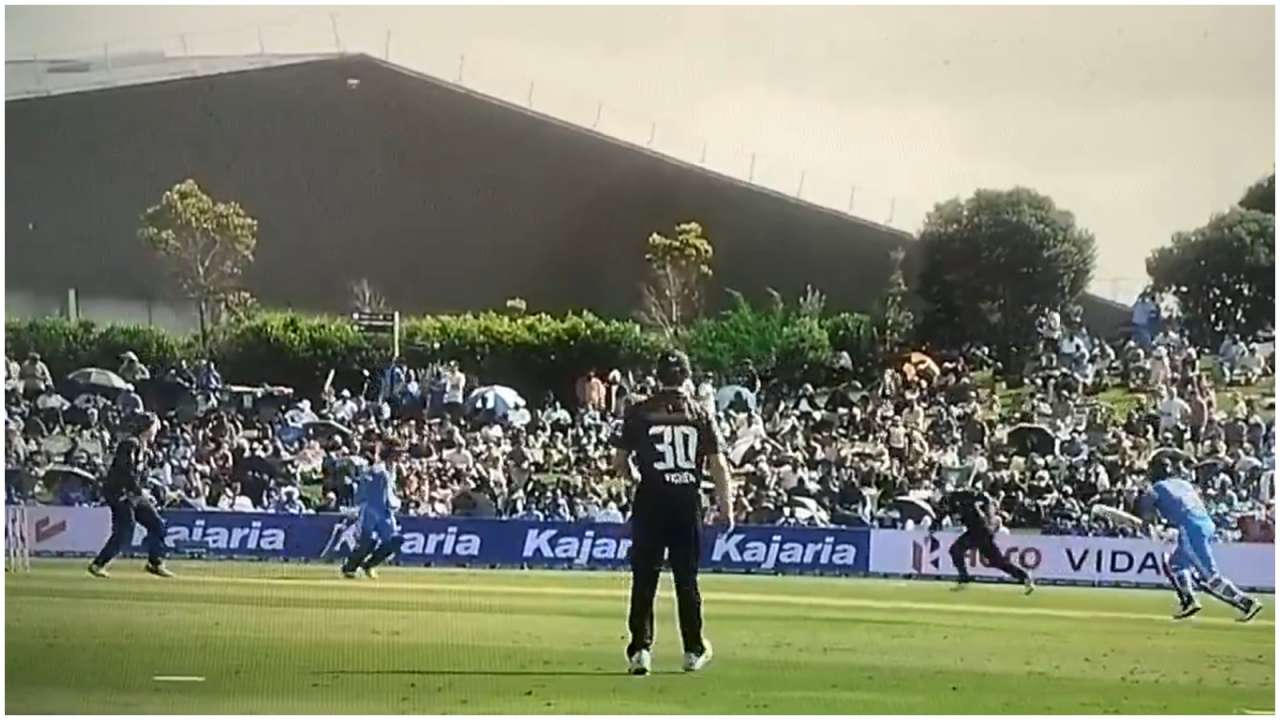 India vs New Zealand 5th ODI: Why did live telecast suddenly face disruption?
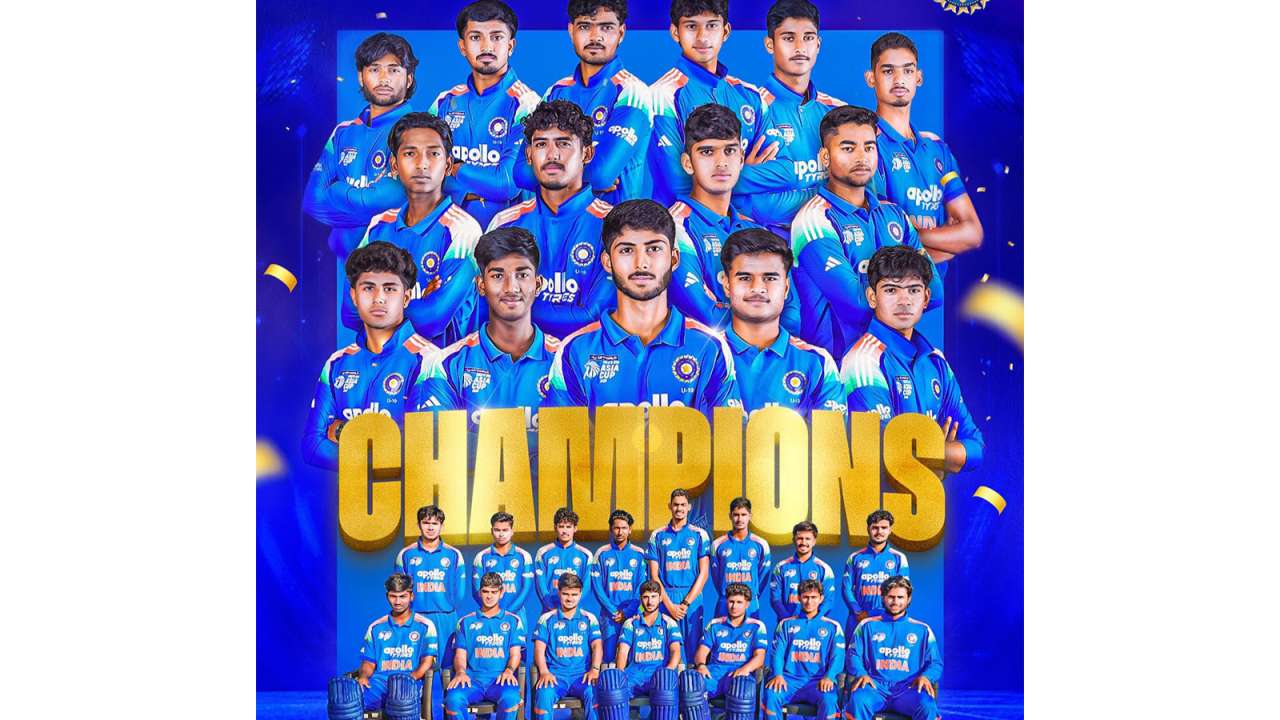 PM Modi congratulates India U19 team after thrilling win over Pakistan in Asia Cup 2026 final
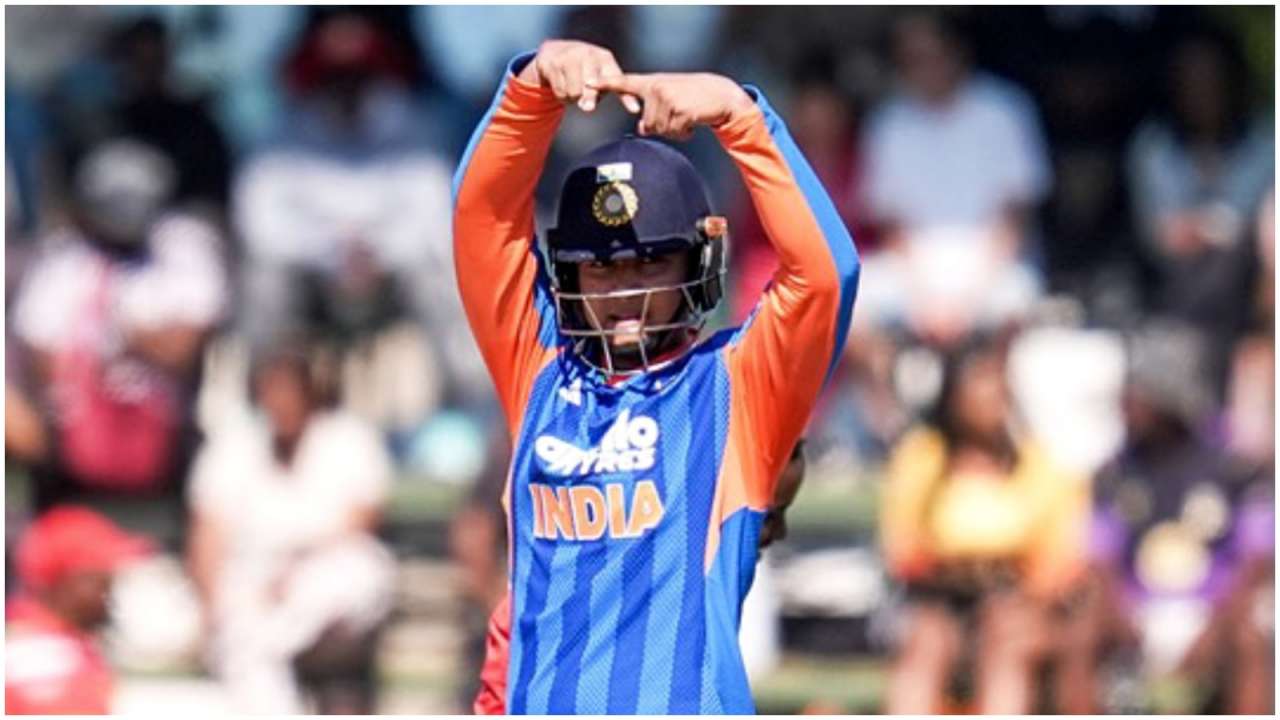 Vaibhav Sooryavanshi achieves a rare first at 15, creates history in T20 cricket
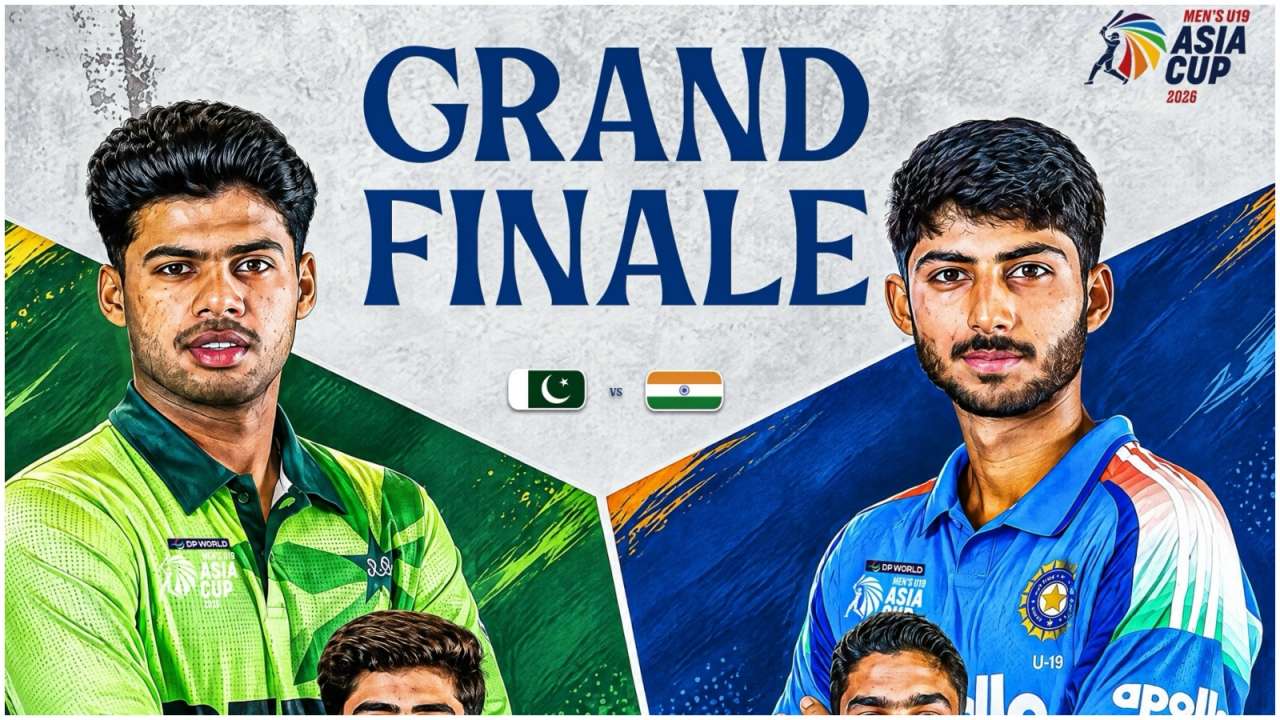 IND vs PAK U19 Asia Cup final: When and where to watch match live on TV and online
 Kaziranga Road Accident Update: Death Toll Rises To 24; Mini-Bus Had 13 Overspeeding Challans
 Bay of Bengal Cyclone Alert: Low-Pressure Area To Intensify By November 16; Yellow Alert In Odisha
 Microsoft 365 Outage Update: Gradual Recovery Underway After 20 Hours; Email Timeout Doubled to 48 Hrs
 Nvidia-Jensen Huang News: 'Would Be An Honor To Hire Him...' Will Musk Save Huang After Resignation
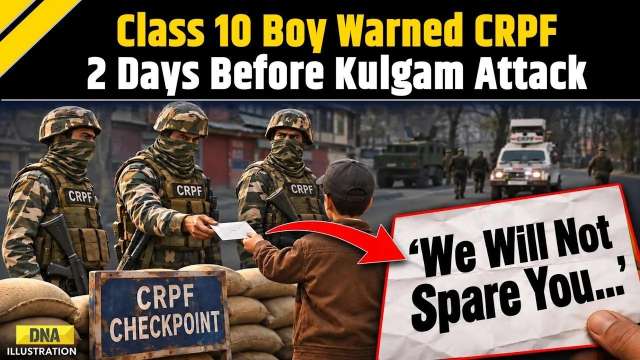 J&K News: 'Won't Spare You...' 2 Days Before Kulgam Attack, CRPF Got Unexpected Warning By Boy
ANALYSIS
The final verdict is yet to come but the sincerity of the government to try to protect its citizens can't be doubted.

Updated : May 19, 2017, 05:43 PM IST
















What was the general expectation from Modi government when it was voted to power three years back? A muscular foreign policy, less government more governance, separating the church from the state, massive push to infra and generally being pithy about its work were the bare expectations. The Modi government has failed to live up to many of these broad expectations, often caught in contradictions within its own policy making.
Even foreign policy, the corner-stone of government’s outreach has seen more misses than hits in the last three years. But where the government has excelled itself and duly deserves a pat on its back is the effort to help every Indian stuck in distress. Be it rescuing nurses abducted in Iraq or a girl kidnapped in Afghanistan, or airlifting stranded Indians from South Sudan, the government has gone to extraordinary measures to help its citizens.
India knocking ICJ’s doors for Kulbhushan Jadhav has to be seen in that context. It risked internationalisation of a bilateral issue, going against its foreign policy doctrine for so long. Only once way back in 1974, have India gone to ICJ- albeit facing a defeat there. But this time, India has managed to get a technical stay on Kulbhushan Jadhav’s hanging subject to a full hearing by International Court of Justice.
It is by no stretch of imagination, a full win for India, or the end of the road for Pakistan in this case. Yet, it’s a significant win for India as virtually every point raised by the Pakistani counsel was rejected by ICJ. From ICJ’s jurisdiction regarding the case to the matter of whether Jadhav warrants emergency hearing, court has upheld India’s arguments. Regarding India’s objections about not being given consular access to Jadhav despite urging Pakistan 16 times, ICJ ruled in its favour saying, “it appears that the rights alleged by India are plausible”.
In a snub to Pakistan, the ICJ said, “Pakistan shall take all measures at its disposal to ensure that Mr. Jadhav is not executed pending the final decision in these proceedings and shall inform the Court of all the measures taken in implementation of the present Order. The Court also decides that, until it has given its final decision, it shall remain seised of the matters which form the subject-matter of this Order.”
Now, the government took the calculated gambit of going to the ICJ with the belief that it has a strong case aided by the summarily manner ‘justice’ was delivered by the military court of Pakistan and complete lack of access to Jadhav. Despite initial trepidation, the government has firmly stood beside ex-naval officer Kulbhushan Jadhav.
The final ICJ hearing though will be based on the merits of the case, and not only technicalities of law. Hence Pakistan will forcefully bring out points like Jadhav possessing two passports to prove its case. It is up for India’s legal eagles to come up with a prudent strategy to defend Kulbhushan Jadhav. But the fact that Jadhav suddenly has a lifeline to escape the deathly gallows is due to a bold unconventional outreach by the top leadership of the country. It stuck to its mantra of helping an Indian in distress throwing diplomatic caution to the wind.
A reversal here would have meant that knives would be out for the government but the Centre took the plunge and came out a winner. No matter the final outcome, the electorate is unlikely to forget this rearguard effort by Modi to save the abducted ex-naval officer Kulbhushan Jadhav.
The move is in line with Modi’s unconventional strategy with Pakistan earlier, when he made a short detour on Sharif’s birthday and also inviting SAARC heads including Sharif to his swearing-in. India’s latest outing at the ICJ shows that previous reversals have not daunted the Modi govt from trying new initiatives. Who dares wins, and even Modi’s harshest critics will have trouble denying that the PM does try to do things his way – irrespective of the outcome.