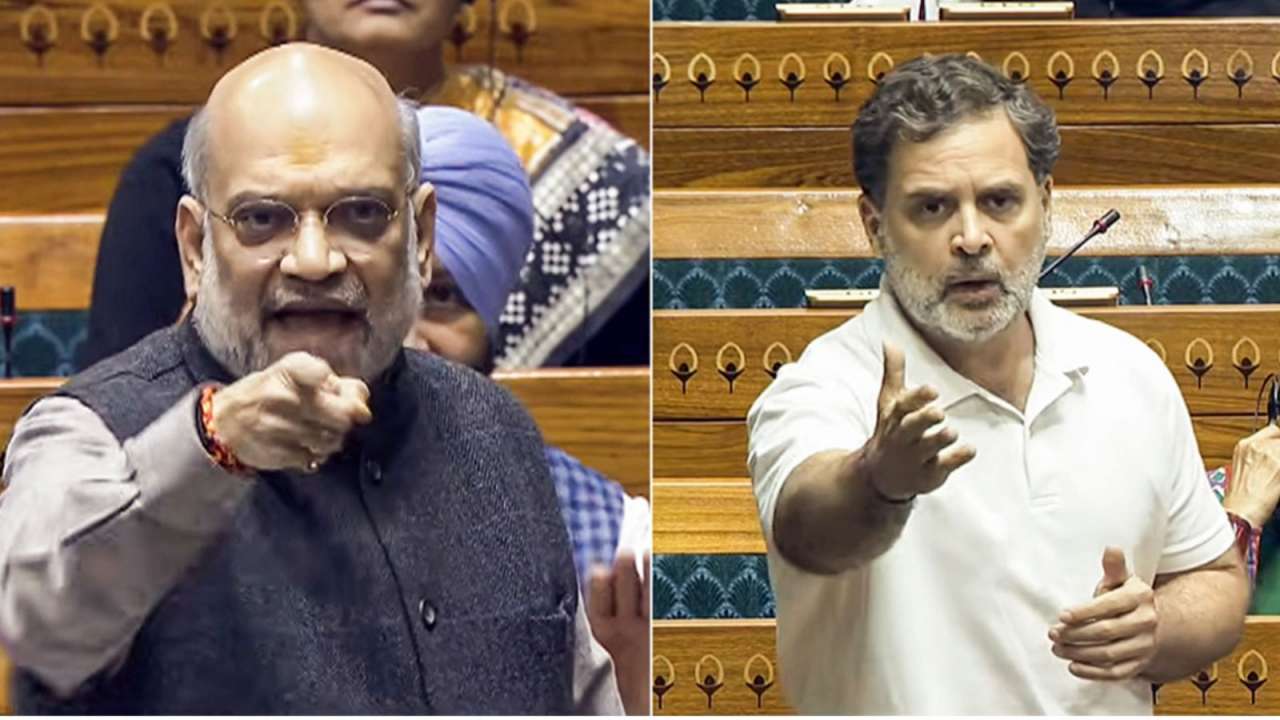
 Amit Shah targets Rahul Gandhi over foreign visits, warns Congress of 30 more years in Opposition
 Jensen Huang-Alice Huang Controversy: Nvidia Customer Megaspeed says Chinese executive exited in 2025
 Scene box office collection day 10: Suriya film beats Vishwanath and Sons to become his second highest-grossing movie
 Fifth encounter in six months: Bengal Police shoot dead ‘criminal’ accused of opening fire at police officer
 Ramayana: Kunal Kapoor thanks fans across India, Thailand and Southeast Asia for overwhelming love for Lord Indra roleAmit Shah targets Rahul Gandhi over foreign visits, warns Congress of 30 more years in OppositionFifth encounter in six months: Bengal Police shoot dead ‘criminal’ accused of opening fire at police officer
 Parliament Winter Session likely in December: Women's Reservation Bill, SIR row in focus
 Chhath Puja 2026: Delhi Metro to begin services 90 minutes early on November 16
 Bengaluru family killings: Rs 3 crore property dispute, gold jewellery sale under police scannerJensen Huang-Alice Huang Controversy: Nvidia Customer Megaspeed says Chinese executive exited in 2025
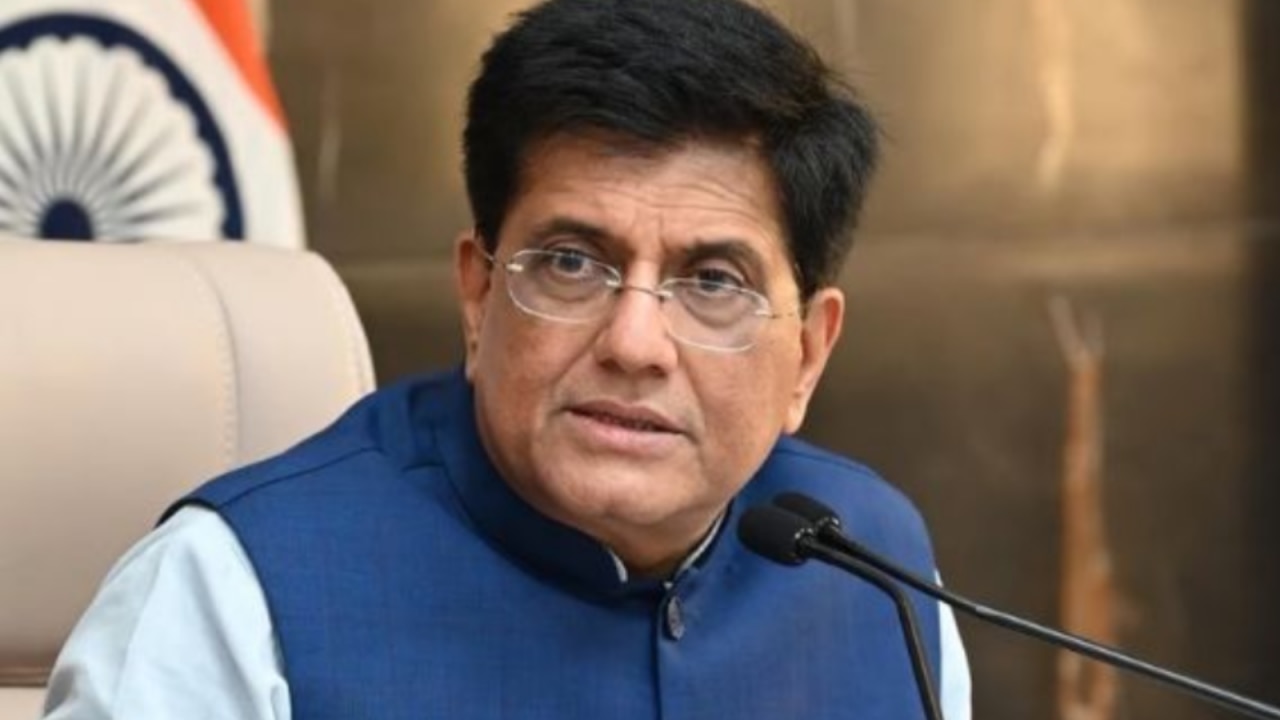 India to get lower US tariffs than competitor countries, Piyush Goyal says
 China aircraft enters Indian airspace over Sikkim, ignores warnings for 25 minutes
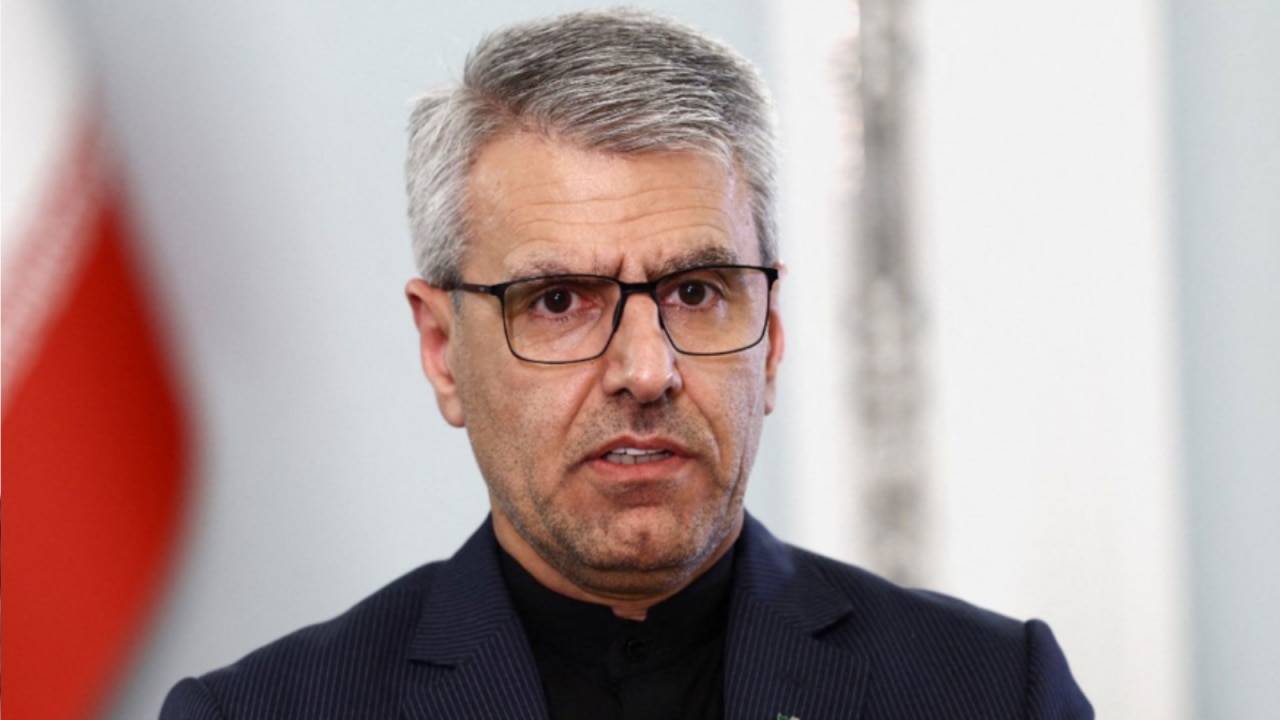 Iran accuses US of 'threatening to starve' people as Trump intensifies economic pressure
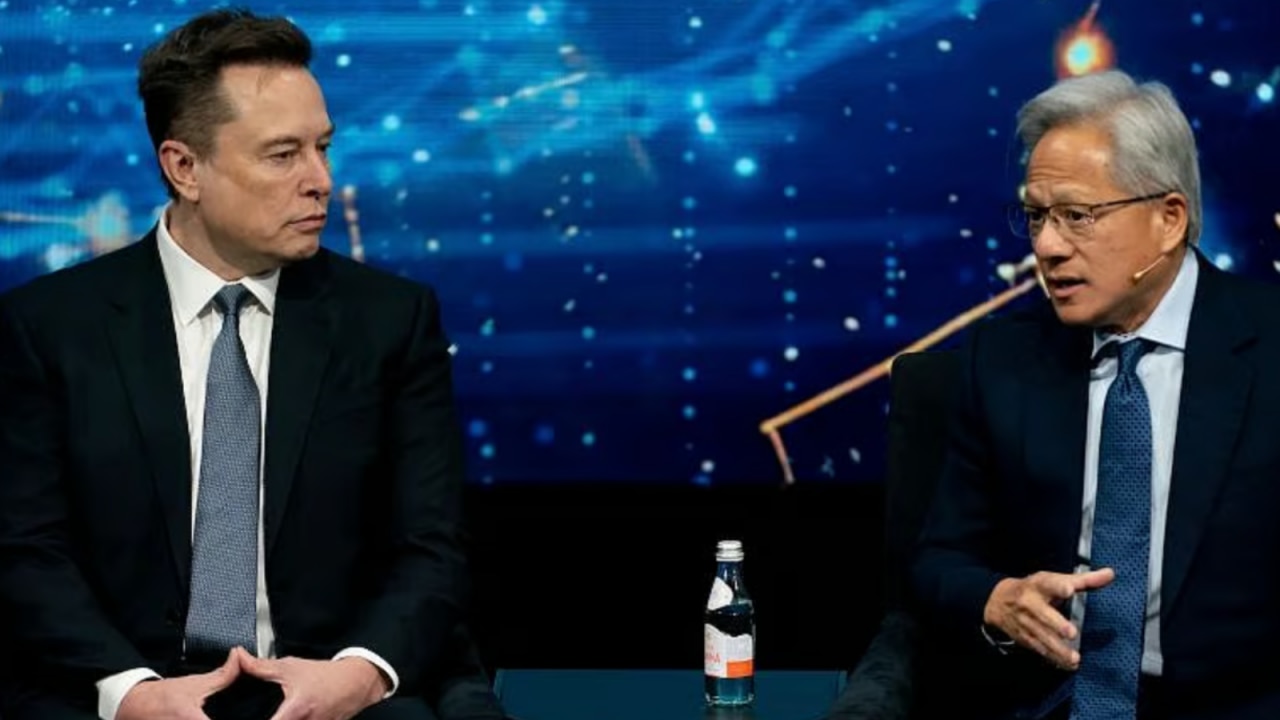 What changes at Nvidia after Jensen Huang's exit? Elon Musk warns of lost deals, Trump disclosed stock investments
 Microsoft Global Outage: Why did Outlook stop working? How were airlines in India affected?
 Nvidia After Jensen Huang: Will India's AI dream face chip shortage or open door for new rivals?
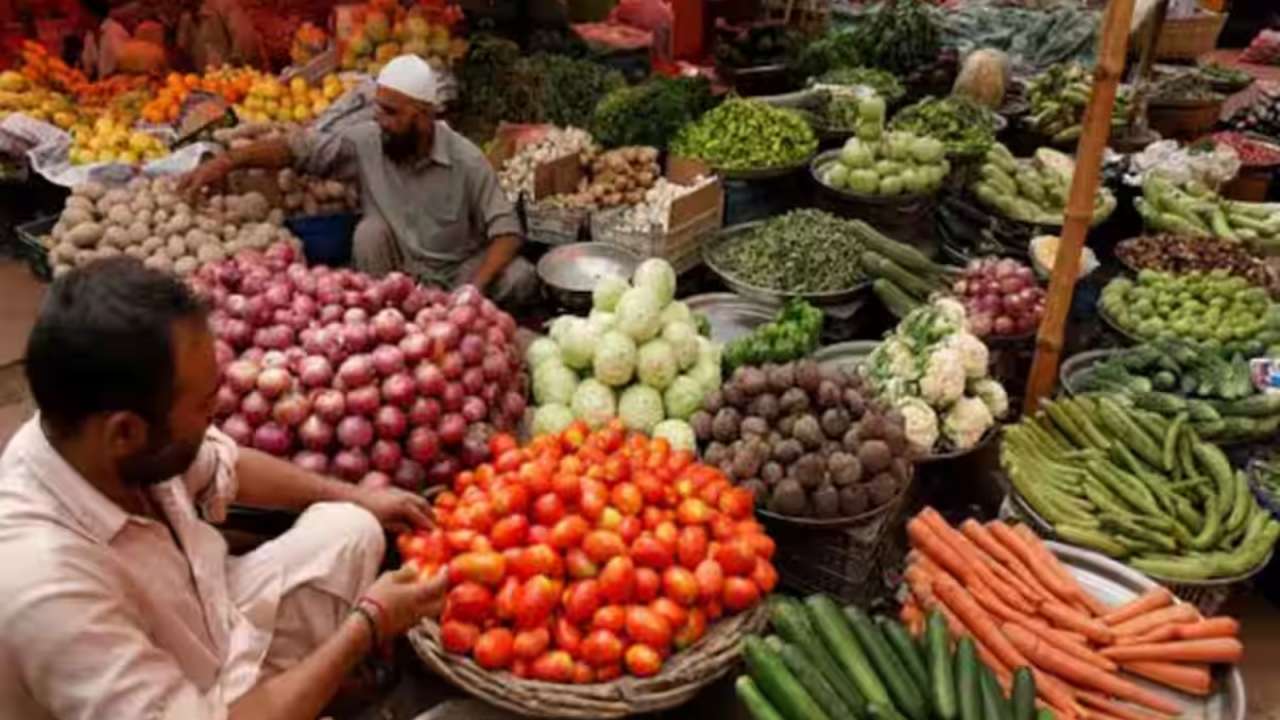 Why does inflation soar to 6.09% despite falling fuel prices, US-Iran war halt? RBI's next move under focus
 UP Elections 2027: Will Asaduddin Owaisi and Chandrashekhar Azad defeat BJP or help Yogi win?
 From Nvidia CEO Jensen Huang to top officials: 5 Alleged Chinese 'honey trap' cases that shocked worldScene box office collection day 10: Suriya film beats Vishwanath and Sons to become his second highest-grossing movieRamayana: Kunal Kapoor thanks fans across India, Thailand and Southeast Asia for overwhelming love for Lord Indra role
 Rashami Desai's ex-husband Nandish Singh Sandhu marries Kavita Banerjee in traditional Bengali wedding
 Ramayana box office collection day 11: Ranbir Kapoor, Yash film is unstoppable, crosses Rs 700 crore in India
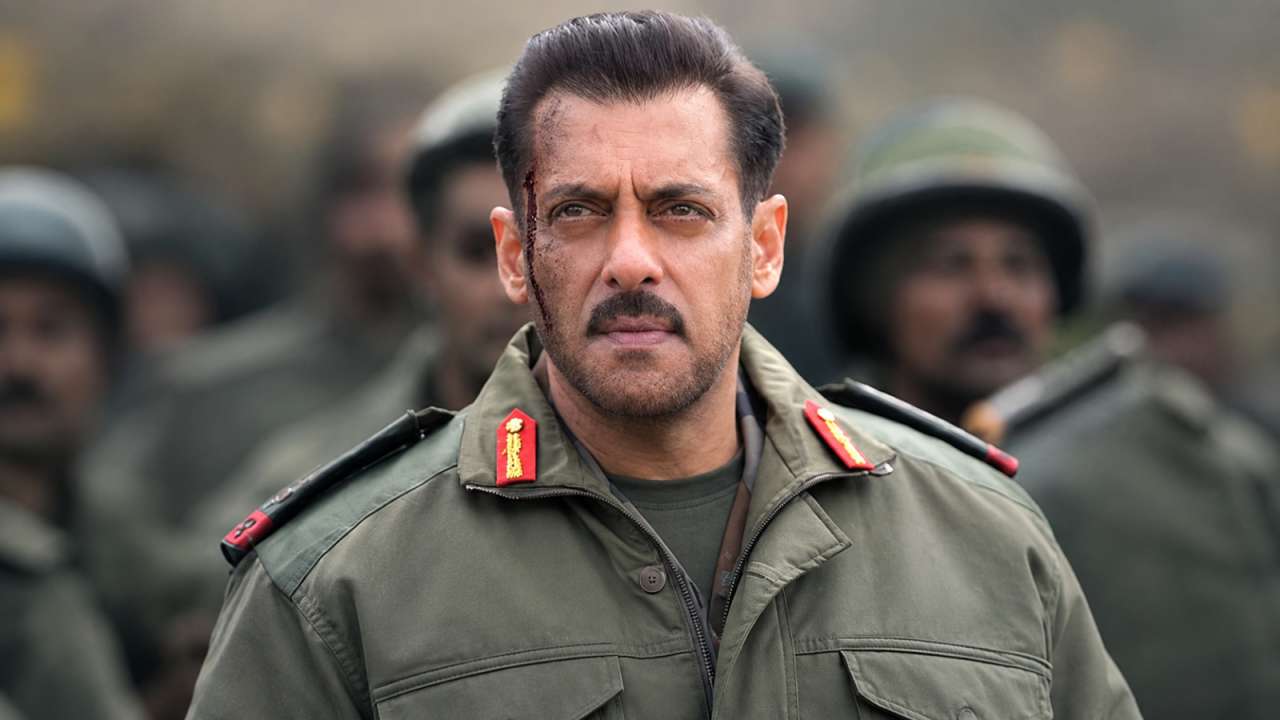 Maatrubhumi: Why Salman Khan has kept the film's biggest action sequences out of the trailer | Exclusive
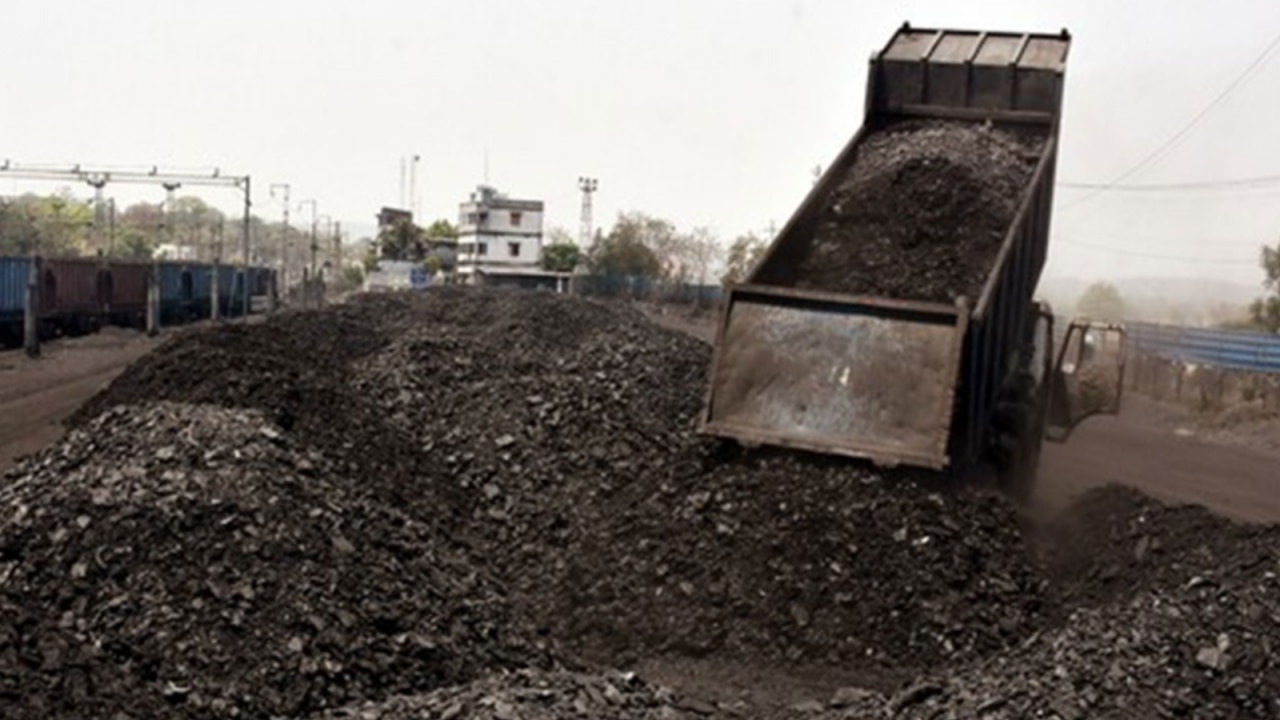 Mahanadi Coalfields IPO: 10 Things to know about issue date, GMP, price band, size and listing
 Tata Sons Listing Row: Why Noel Tata fears it could change Tata Group
 Who will replace Jensen Huang at Nvidia? 3 Indian-origin executives in the race
 Zee Entertainment announces Rs 600 crore share buyback at Rs 91 per share
 Who may replace Nvidia CEO Jensen Huang? THIS Indian tech executive emerged among top contenders
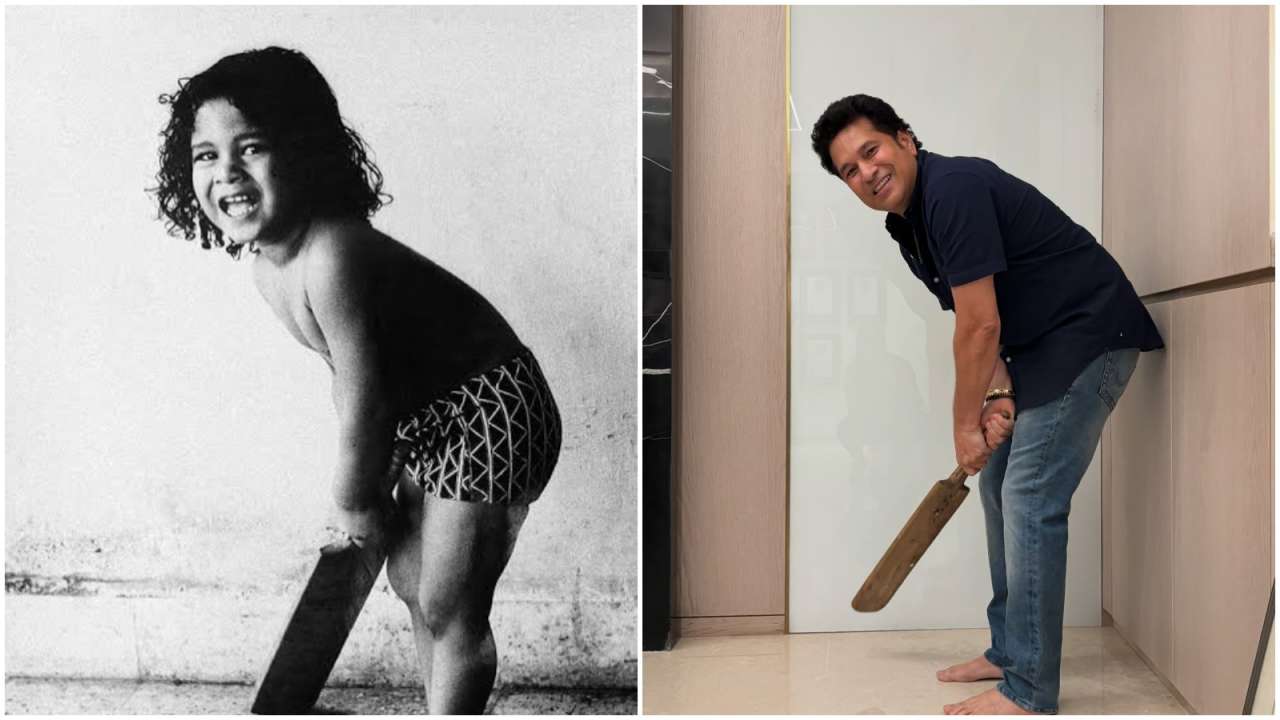 '49 saal baad bhi mere saath hai': Sachin Tendulkar recreates iconic childhood photo on 37th debut anniversary
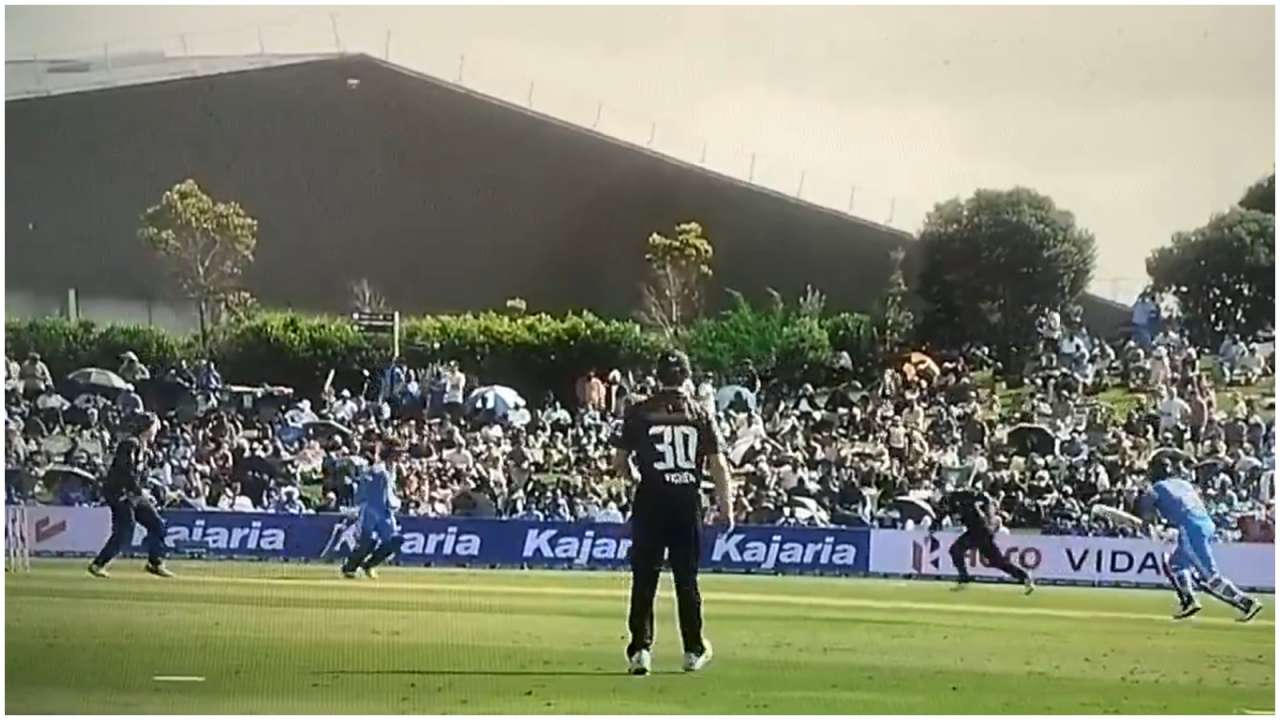 India vs New Zealand 5th ODI: Why did live telecast suddenly face disruption?
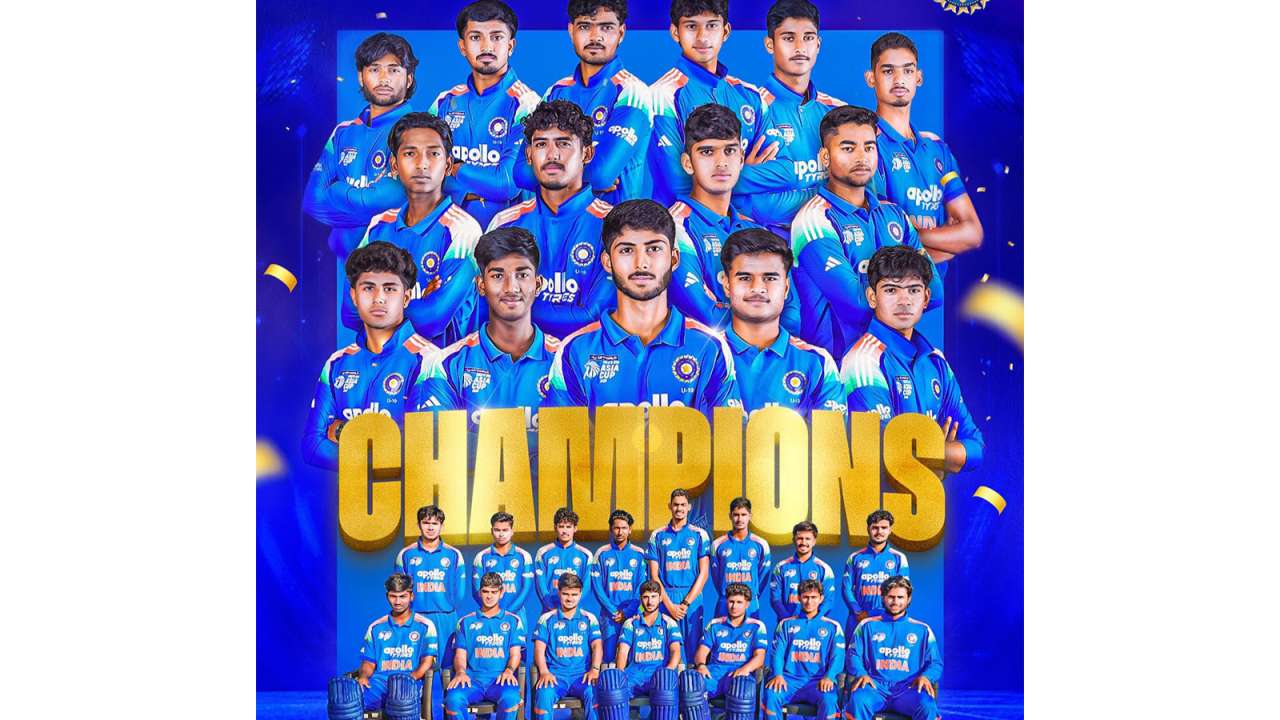 PM Modi congratulates India U19 team after thrilling win over Pakistan in Asia Cup 2026 final
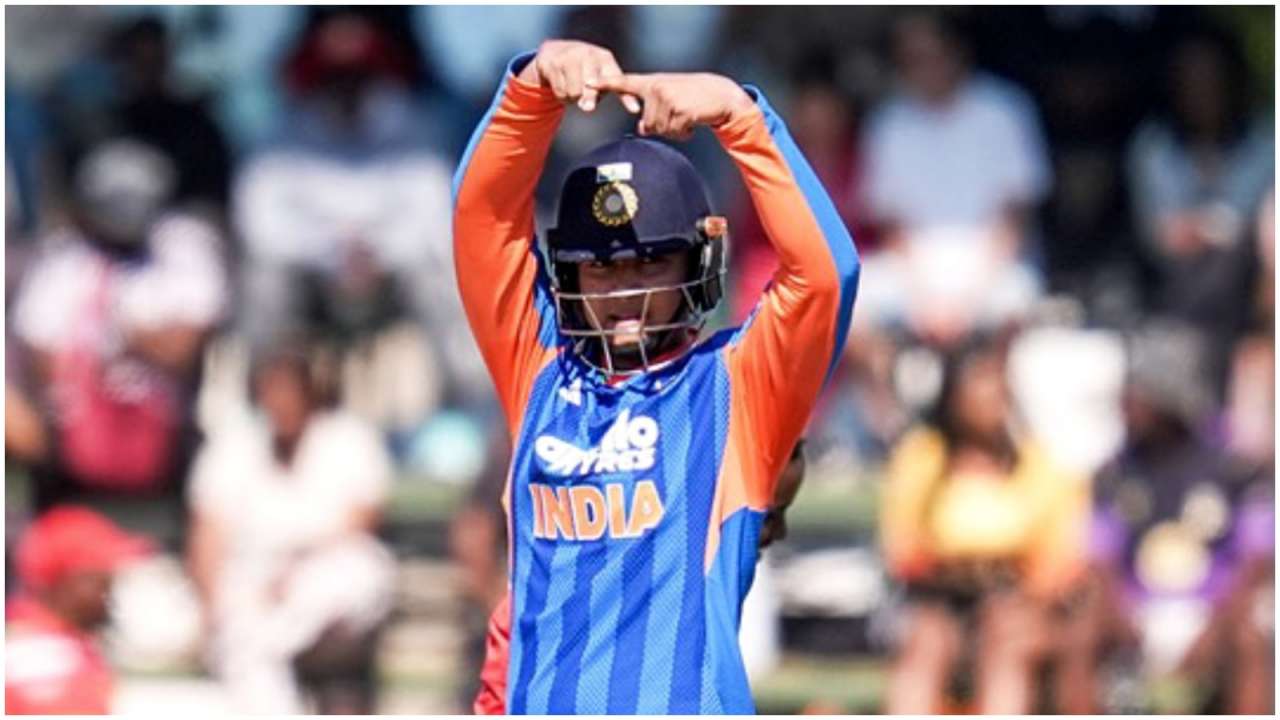 Vaibhav Sooryavanshi achieves a rare first at 15, creates history in T20 cricket
 IND vs PAK U19 Asia Cup final: When and where to watch match live on TV and online
 Israel News: 'Trying To Block Govt Formation...' Eisenkot's Bluntly Refuses Netanyahu's 'Unity Govt'
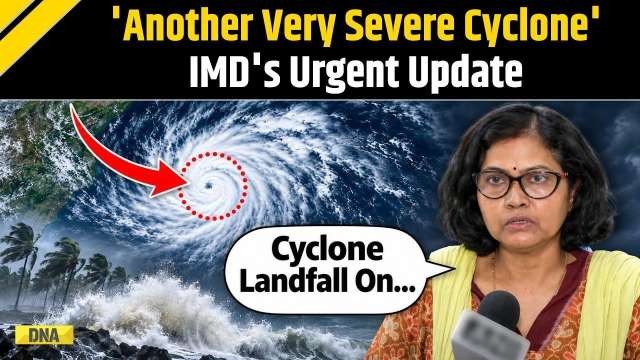 Cyclone 'Akwan' Alert: '3rd Consecutive Severe Cyclone..' IMD's Big Update On Cyclone Akvan Landfall
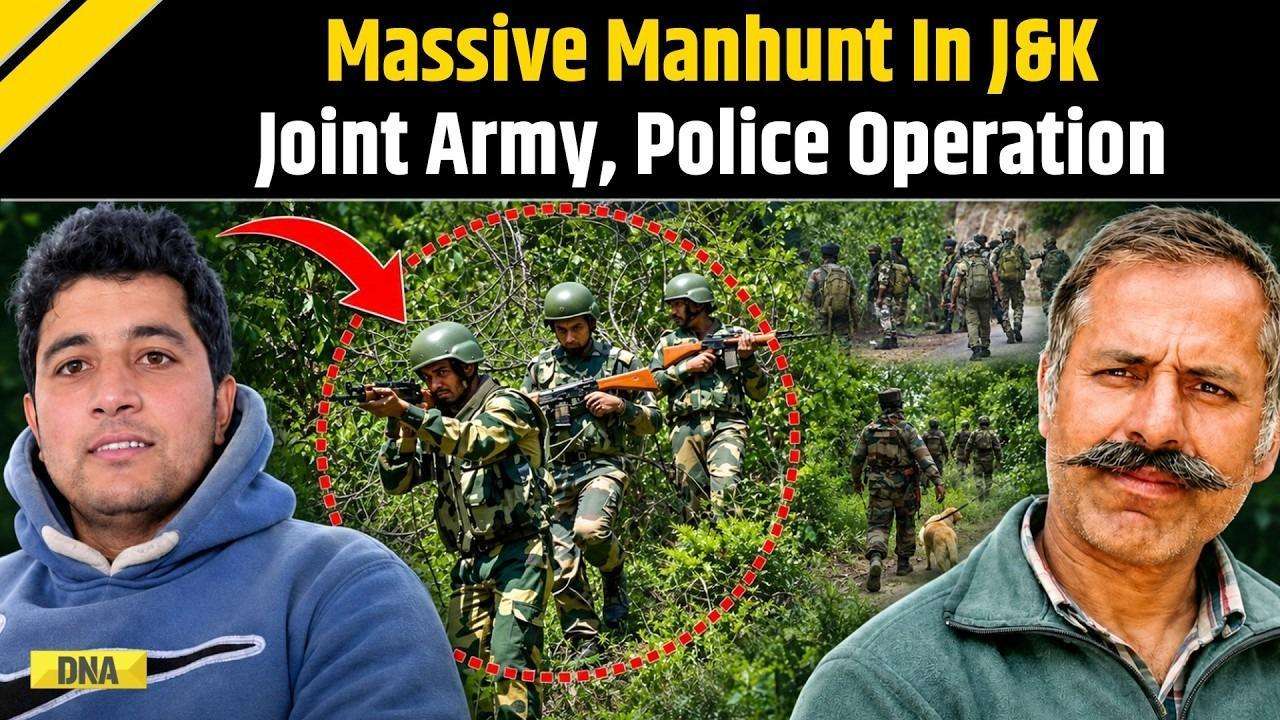
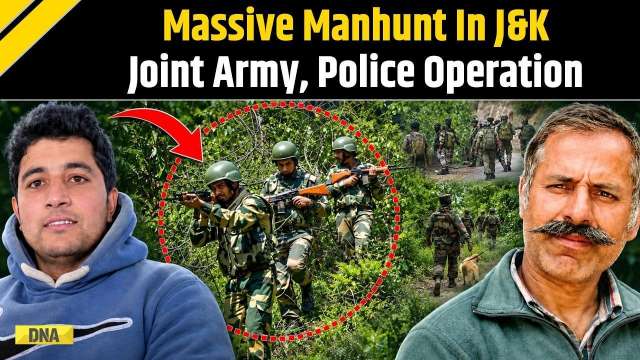 J&K News: Massive Anti-Terror Manhunt In Kishtwar | Joint Army, Police Operation After 2 SPOs Killed
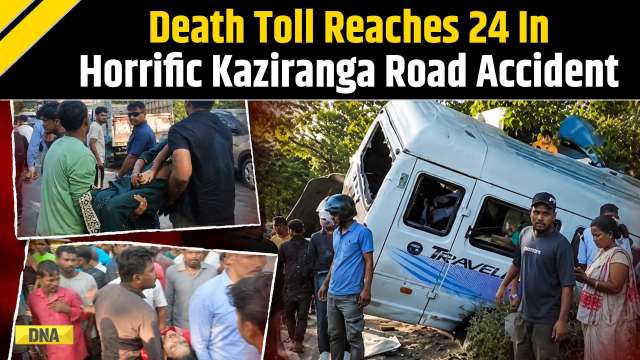 Kaziranga Road Accident Update: Death Toll Rises To 24; Mini-Bus Had 13 Overspeeding Challans
 Bay of Bengal Cyclone Alert: Low-Pressure Area To Intensify By November 16; Yellow Alert In Odisha

ANALYSIS
As to the contents of the FM’s briefcase, for the middle class, the budget offers little.

Updated : Feb 03, 2018, 08:15 AM IST
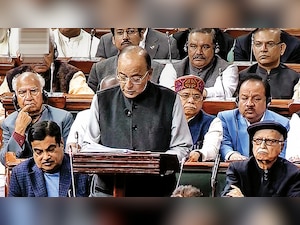

I’ve been keenly following the budget coverage on TV channels and in print media. Perhaps, nowhere in the world is the annual Union budget, starting from the speech of the Finance Minister, to its micro-minute analysis over the next couple of days, as vibrant, varied, and full of vitality as in India. It is almost the biggest show of the year during a non-election year, with weeks of prior preparation and subsequent spin-offs. In my view, it is the budget coverage that shows our fourth estate at their best, each channel or newspaper vying with the other to offer the best coverage.
Actually, the word itself comes from the old French bougette, which means purse, the diminutive of bouge or leather bag. Interestingly, bouge is etymologically linked to bulge, still in use to mean rounded swelling or increase in size. But how did it come to be used for an annual financial exercise in which the government presents its revenue and expenditure plan for the forthcoming year? Way back in the eighteenth century, the Chancellor of the Exchequer, was described as “opening the budget,” the bag in which all his papers were carried. The name stuck. Even today, the FM’s briefcase is usually a topic of sundry observations, if not of discussion.
As to the contents of the FM’s briefcase, for the middle class, the budget offers little. In fact, the educational cess has gone up from 3 to 4 per cent, so our tax burden will increase. In addition, those who have substantial stock market investments will also end up paying more to the government by way of long-term capital gains. The budget has, of course, been hailed as pro-poor, especially pro-agriculture. But the question is will the implementation produce the desired results? I am impressed by the new digital platform that the government intends to create so that agriculturalists can sell directly to both wholesale and retail customers. If that works out, we will take a leap towards the self-sufficiency and empowerment of the largest section of our population, many of whom are experiencing severe distress. But, at the same time, the Government has also promised 1.5 times the minimum procurement price for the forthcoming Kharif crop. This may extend the safety net to impoverished farmers, but also increases dependency rather than self-sufficiency.
This brings me to the single boldest big-bang reform, “Namo Care,” health insurance of upto Rs 5 lakhs for 50 crore people of our poorest citizens. It is already being touted as the world’s biggest health-care initiative, far exceeding “Obama Care.” But, as critics have already started asking, where’s the money? The allocated Rs 2000 crores is only a fraction of what is required. Moreover, details are awaited about whether this will work through existing health insurers or through a separate corpus fund.
We all know that Obama Care didn’t really work. Shouldn’t the Government spend more energy and expertise on preventive measures, keeping people healthy than looking after them when they get sick? Even so, the measure, if workable, is laudable. Health care is one of the fundamental ingredients of a decent life. Another of this budget’s highlights is the emphasis on travel and transportation. When it comes to railways, there’s a huge push to improve suburban services in Mumbai and Bengaluru. In addition, by increasing airport infrastructure to five times our present capacity, the aspiration is to make a billion Indian airborne soon.
In all, despite the usually motivated noise by politicians on both sides, the budget has been a bit of a surprise, not outright pace or ordinary spin, but a bit of a googly. Let’s get one thing straight: it could have been much, much worse. A populist, pre-election budget could have left a huge hole in our finances damaging both our economy and reputation. That it, thankfully, is not. As expected, it is an agriculture-friendly budget, with farm-oriented financial outlays and provisions. Here it proved those cynics wrong who had predicted that it would be another pro-rich budget.
This brings me to my main point. There’s so much talk and dissection that most ordinary citizens, even economically inclined ones, suffer from budget fatigue, if not confusion. The non-pundits amongst us usually hone in on how the reams of print, with detailed figures, not to speak of the endless analyses of experts, affect them personally. Will the taxes go up? Will we get any special benefits or reliefs? Will we have more money in our pocket to save or spend? But the paradox is that the budget is so quickly forgotten, in a couple weeks at the most, that one wonders what the huge fuss was about.
The author is a poet and professor at JNU. Views expressed are personal.